Across Southeast Asia, from bustling hawker centers to family kitchens, the sizzle of rice vermicelli noodles hitting a hot wok is a universal comfort. Few dishes capture the spirit of Asian noodle culture as well as fried bee hoon. This stir fry, made with thin rice noodles, delivers a tasty meal any time of the day—whether you crave it for breakfast, lunch, or dinner. Its delicate texture, rich flavor from soy sauce and oyster sauce, and the variety of vegetables and proteins make it a must-try dish, often found alongside fried chicken wings or served plain for a lighter bite.
This dish is far more than a simple staple; it is a cultural anchor. Whether it is served plain as a humble breakfast or piled high with shrimp, fish cakes, and fried chicken wings for a festive dinner, bee hoon represents the economical and adaptable spirit of the region. To truly understand this stir fry is to embark on a journey through history, technique, and the communal tables of the East.
The Anatomy of the Strand: Understanding Rice Vermicelli
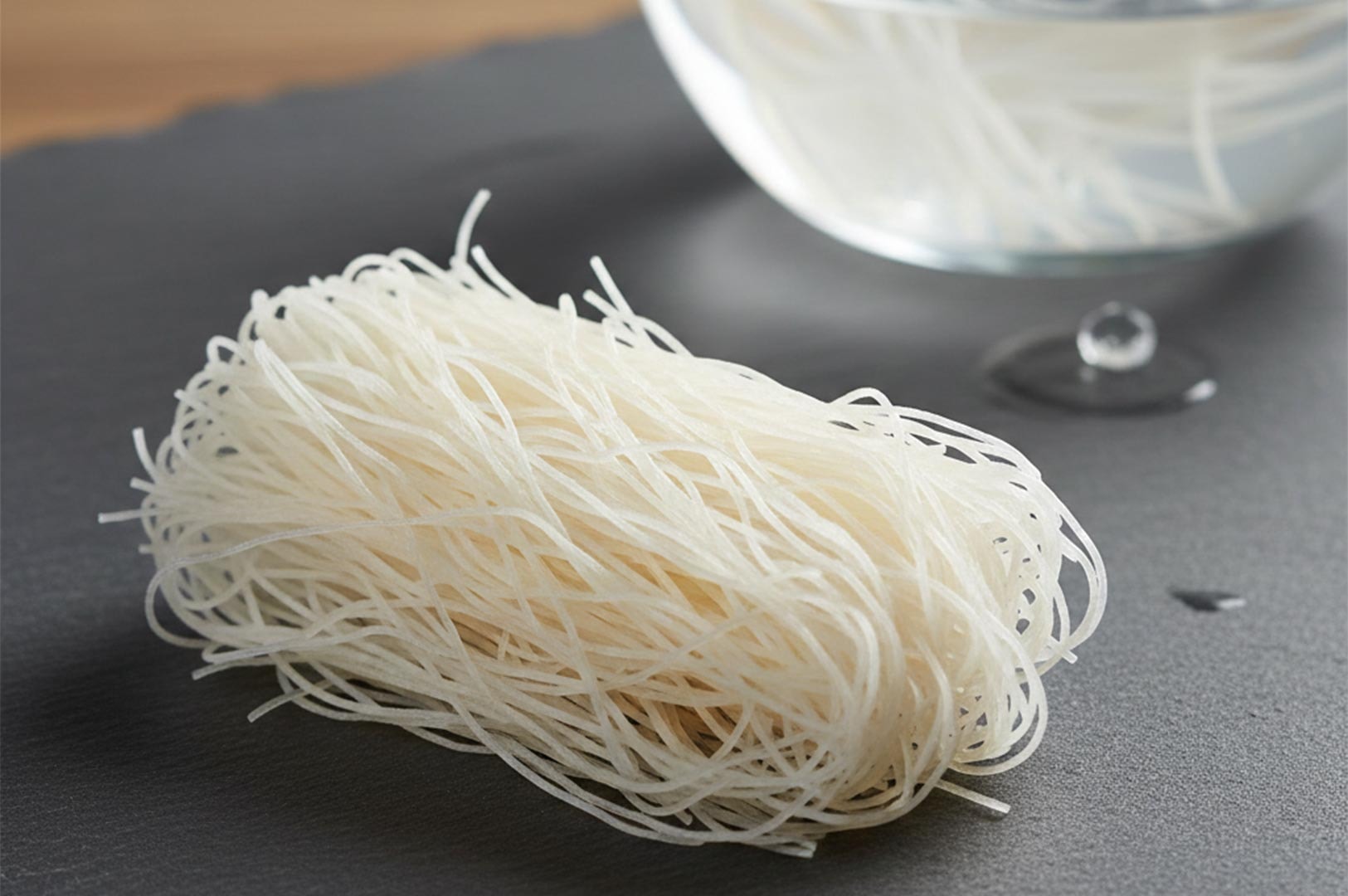
The key ingredient of this narrative is the noodle itself. Known variously as bee hoon, bihun, or rice vermicelli, these thin rice strands are crafted from a simple mixture of rice flour and water. Unlike the heavy, chewy wheat noodles of the north, these rice noodles are prized for their lightness and their incredible capacity to act as a sponge for delicious flavors.
The life of a fried bee dish begins long before the fire is lit. The dry rice vermicelli must be handled with a specific reverence. The ritual to soak bee hoon is a delicate balance; placing them in hot water or room temperature water until they are slightly softened is essential. One must avoid the temptation of boiling water, which risks turning the elegant strands into a mushy, characterless mass. Once the texture is exactly right—pliable but with a distinct “bite”—the noodles are drained and set aside, often kept in an airtight container to maintain their integrity until they meet the heat of the pan. To learn more about this staple, check out The Silk of the East: A Deep Dive into Bee Hoon and the Art of Rice Vermicelli.
A Geographic Symphony: Regional Variations of Fried Vermicelli
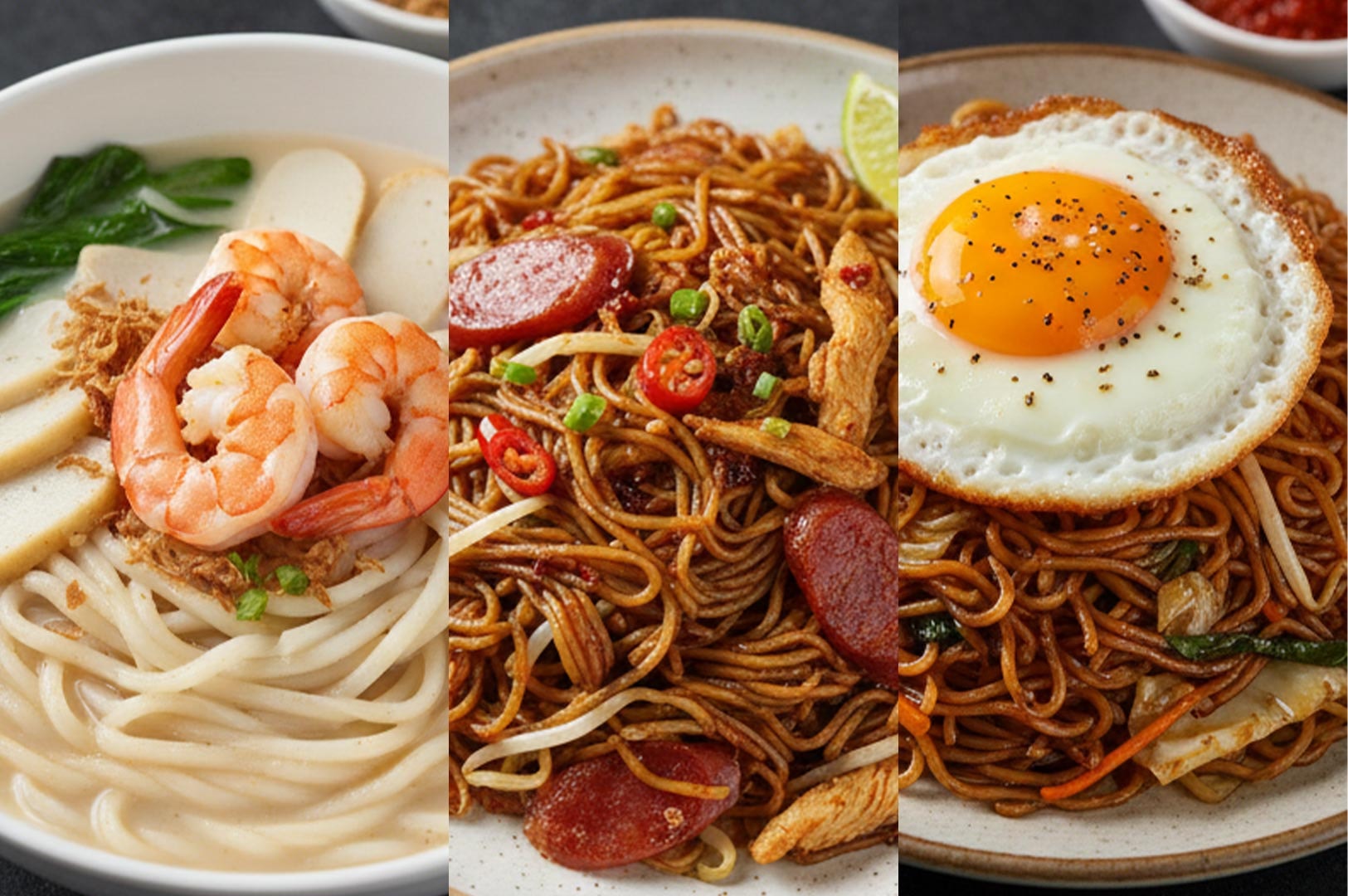
As one travels through the archipelago, the fried bee hoon morphs to reflect the local palate. In Singapore, the dish often takes the form of Singapore noodles or the beloved fried white bee hoon. This version is an exercise in restraint and purity, where the noodles are often braised in a rich chicken stock or chicken broth, absorbing the essence of the liquid until they are plump and savory. It is a tasty meal that relies on the quality of the broth rather than the intensity of the pigment.
Crossing the border into Malaysia, the profile shifts toward the bold and the spicy. Here, char bee hoon often features a darker complexion, achieved through the generous application of dark soy sauce and sweet soy sauce. The addition of sambal provides a creeping heat that defines the Malaysian experience.
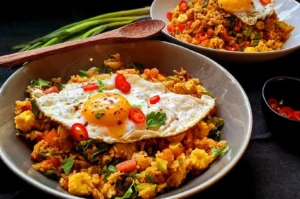
Further south in Indonesia, the dish becomes bihun goreng or bee hoon goreng. This is perhaps the most decadent of the variations, defined by the heavy, syrupy presence of kecap manis. In an easy bihun goreng, the noodles are lacquered in this dark, sugary soy sauce, creating a smoky-sweet profile that pairs perfectly with a fried egg perched on top. Whether it is a one pan home-cooked version or a street-side delicacy, bihun goreng is a celebratory expression of Indonesian flavor.
The Architecture of the Wok: Technique and Heat
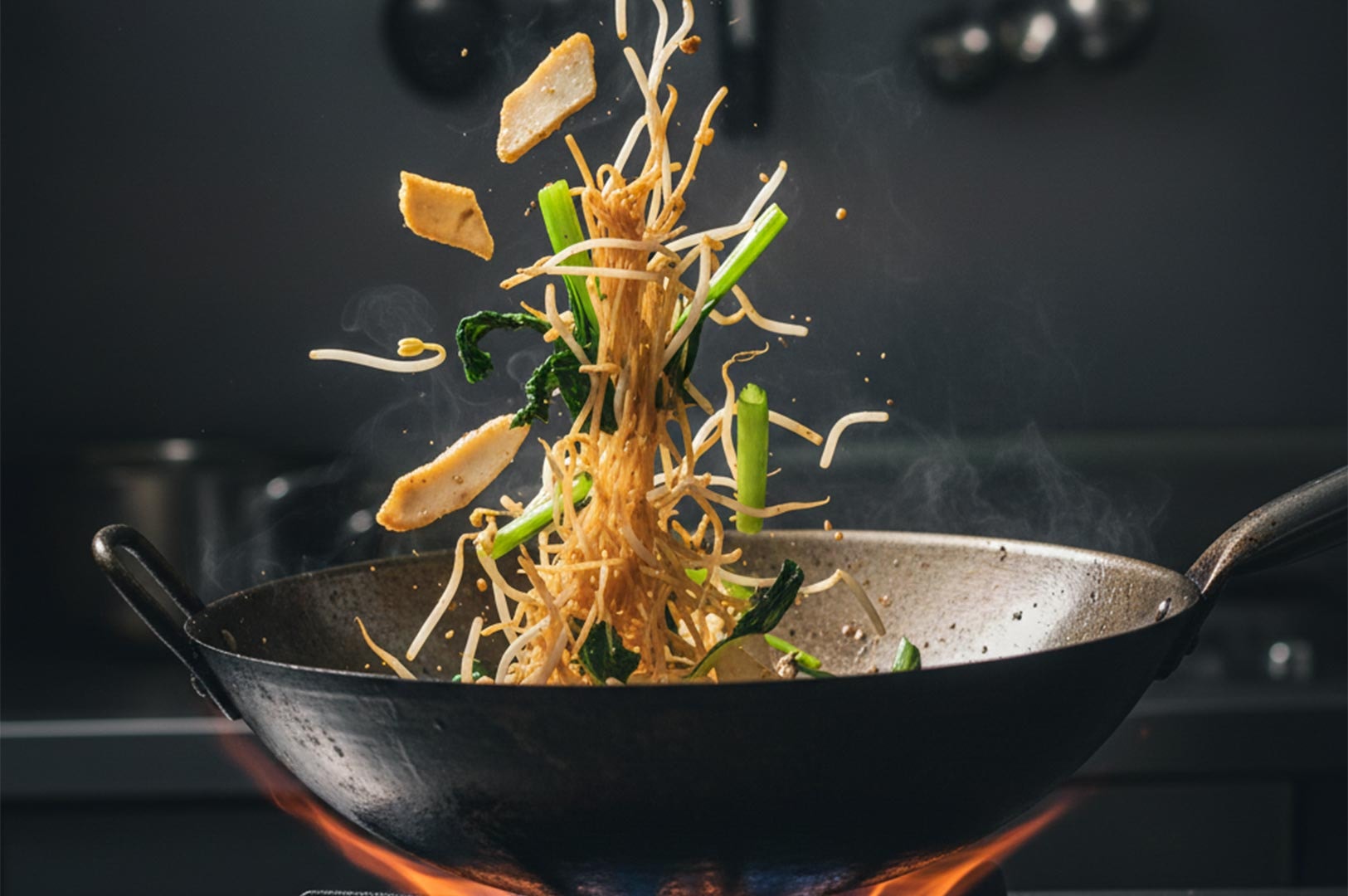
To cook a successful fried vermicelli requires more than just a recipe; it requires an understanding of the alchemy of the pan. The process begins with the heat. A non stick pan can suffice for the home cook, but the true soul of the dish is found in a large pan or wok over high heat. This intense temperature creates “wok hei,” or the breath of the wok, a smoky char that cannot be replicated by any other means.
The sequence of ingredients is a choreographed dance. First, the cooking oil or vegetable oil is heated until it shimmer. Aromatics—most notably garlic—are tossed in, releasing a scent that can be smelled from blocks away. If the version calls for it, beaten eggs are swirled into the oil, forming golden ribbons before the proteins are introduced. Add shrimp, fish cakes, or luncheon meat, searing them until they are just cooked through.
Then comes the arrival of the vegetables. A vibrant heap of cabbage, choy sum, bok choy, and bean sprouts hits the metal. For more specific regional flair, one might find baby bok choy, yu choy, or gai lan. These vegetables provide the necessary crunch and structural contrast to the soft noodles. Only then does the cook add noodles to the fray.
The Seasoning: A Balance of Umami
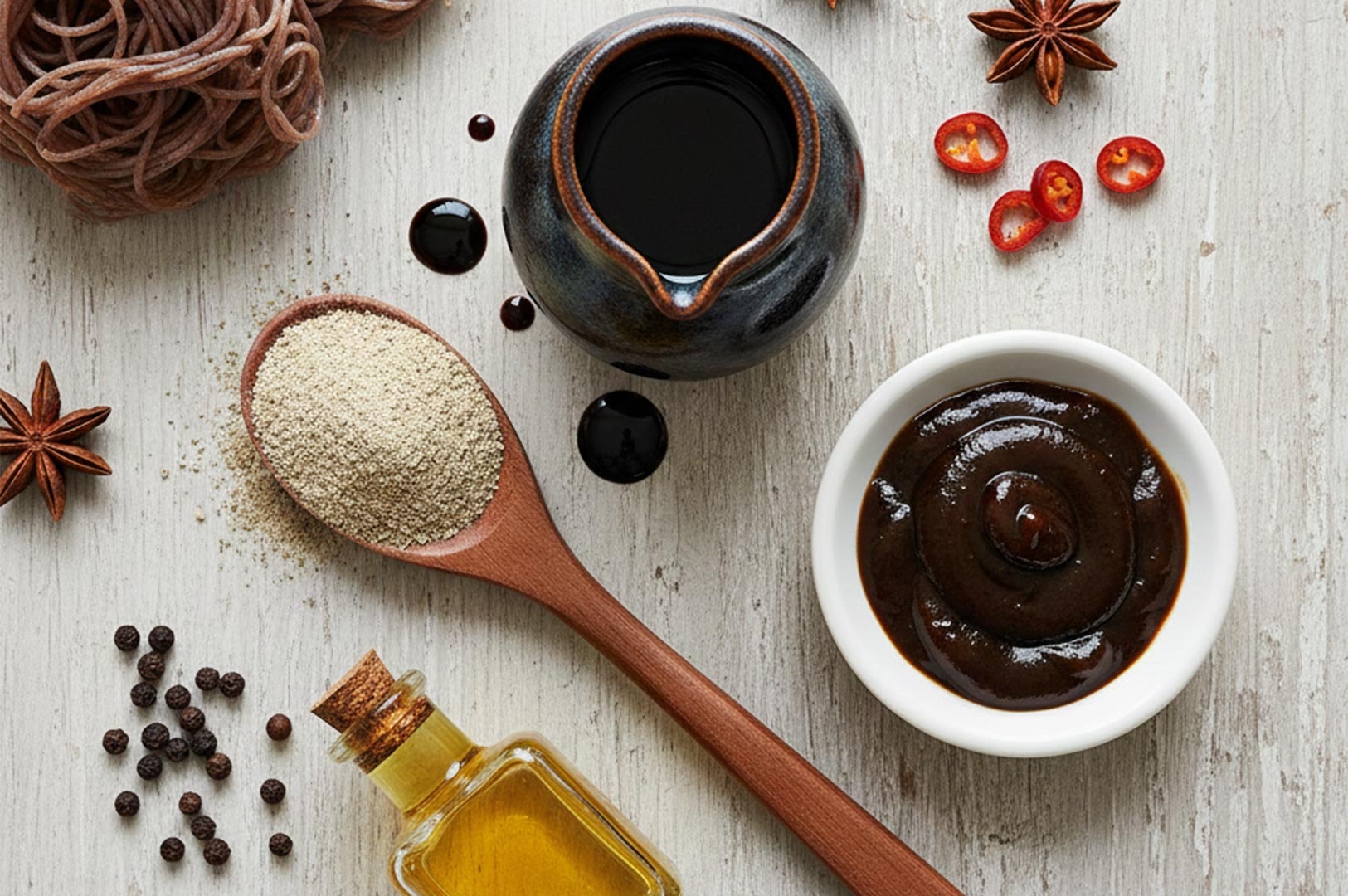
The seasoning of fried bee hoon is where the cook’s personality truly shines. A master of the craft uses a combination of light soy sauce for saltiness and dark soy sauce for that deep, mahogany color. A splash of oyster sauce provides a thick, velvety umami, while a dash of white pepper adds a sharp, floral kick.
Throughout the tossing process, the cook may find the noodles becoming dry or sticking to the pan. To remedy this, a small amount of chicken stock or chicken broth is flicked into the wok, creating a burst of steam that rehydrates the strands without making them soggy. The final flourish is almost always a drizzle of sesame oil, added just before the noodles are plated to provide a nutty, aromatic finish.
The Social Fabric of the Economical Bee Hoon
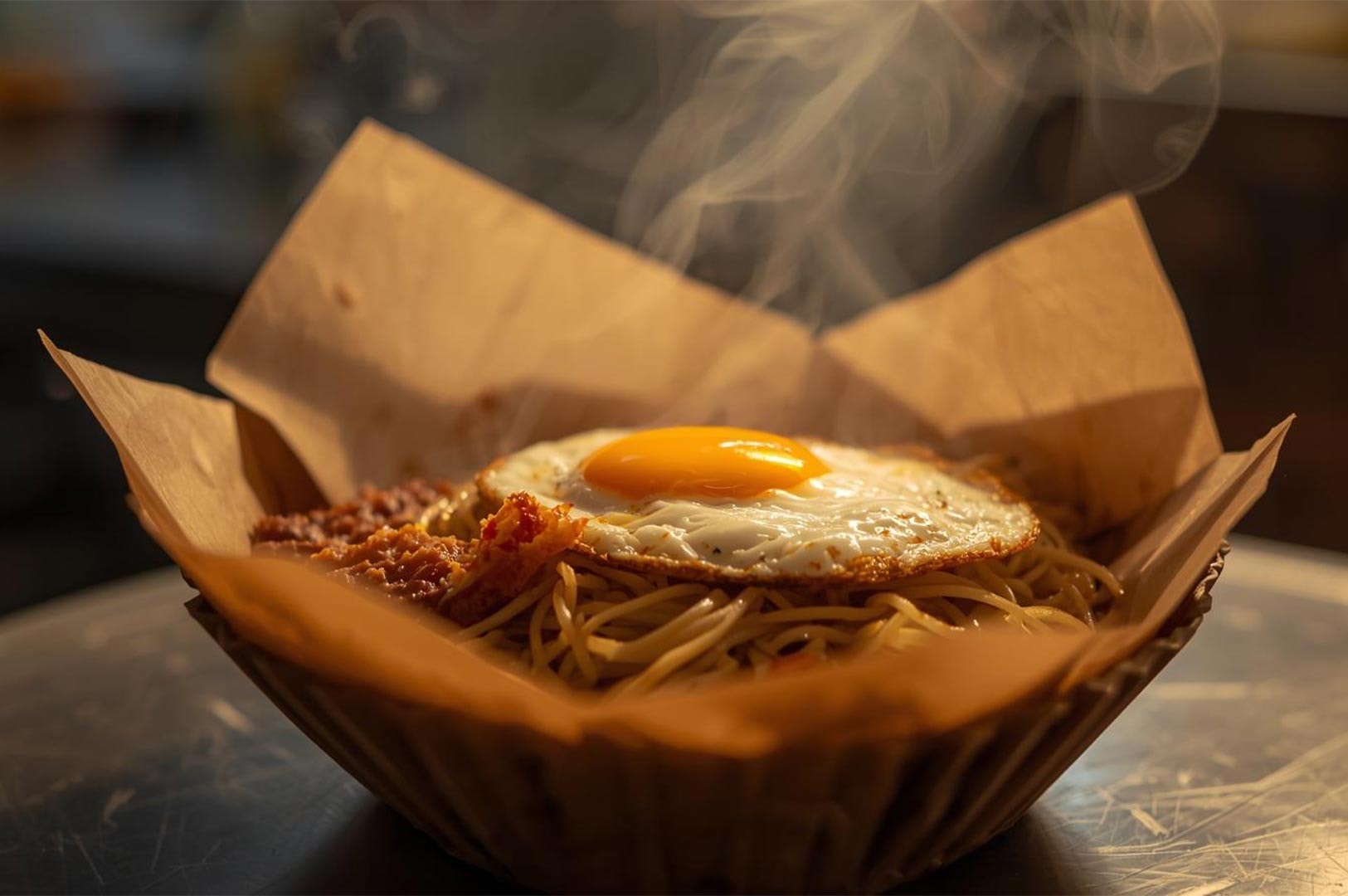
Beyond the taste and the high heat, fried bee hoon serves as the social glue of Southeast Asian life. In the morning, the “economical bee hoon” stall is a place of pilgrimage. Workers and students line up to receive a brown paper packet of noodles, often served plain or with a single piece of luncheon meat and a fried egg. It is a delicious, affordable, and reliable start to the day.
In the evening, the dish transforms. It becomes a communal platter at a family dinner, served alongside fried chicken wings and a saucer of fry sauce or sambal. It is a dish that invites people to comment something kind about the cook, a meal that demands to be shared. The versatility of bee hoon—its ability to be both a humble breakfast and a festive centerpiece—is what has allowed it to remain a pillar of Asian noodle culture for centuries.
The Enduring Legacy of the Rice Strand
As the world becomes more interconnected, the global community has begun to recognize the brilliance of these thin rice noodles. From the required recipe ratings on digital platforms to the inclusion of bee hoon in high-end fusion restaurants, the secret is out. However, the heart of the dish will always remain in the one pan wonders of the Southeast Asian kitchen.
It is a testament to the power of simple seasoning and simple ingredients. By taking nothing more than rice, water, a bit of soy sauce, and a handful of vegetables, the people of the East have created a delicious legacy that continues to evolve. Whether you are enjoying a plate of char bee hoon under the neon lights of a city or an easy bihun goreng in the quiet of a home, you are participating in a tradition of flavor that is as deep and enduring as the rice vermicelli itself.
From the first soak bee hoon to the final sizzle of the high heat, the story of these noodles is one of resilience, creativity, and the universal joy of a tasty meal. As long as there is a wok, a fire, and a bundle of rice vermicelli, the sizzle will continue to echo through the streets and kitchens of the world.

The Coconut Spoon That Shapes Nyonya Kueh Salat
Eda Wong | August 21, 2026
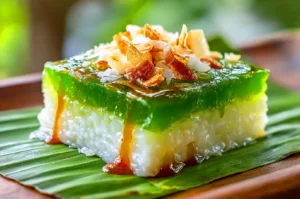
By Eda Wong for Eat Drink Asia. Steam curls up from a tray in the back of the kitchen, and the whole room smells green. Pandan, crushed and knotted, pushed through wet cloth until the leaves give up their colour. An auntie leans over the tray with a spoon carved from coconut shell, dark and…
-
Chicken Nasi Goreng Recipe: What Leftover Rice Becomes After the Wok Gets Serious
Dio Asahi | August 20, 2026
There’s a container of rice at the back of my fridge most weeks. Cold, a little hard, forgotten from a dinner two nights ago. Some people see that and think of waste. I see the start of something better. Because leftover rice doesn’t want to be reheated. It wants to be fried. And when it…
-
The First Ladle of Miso Soup in a Tokyo Breakfast Shop
Dio Asahi | August 19, 2026
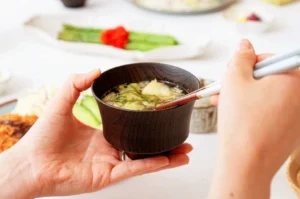
By Dio Asahi for Eat Drink Asia. The shop is barely wider than a hallway. Seven stools, a counter worn smooth, and behind it a woman ladling soup into small ceramic bowls before anyone has ordered it. Steam lifts off the surface and fogs the window against the cold morning. The bowl reaches me warm…
-
Chirashi Don Best Picks When Bowls Between the Sushi Counter and Lunch Are the Current Mood
Eat Drink Asia Team | August 18, 2026
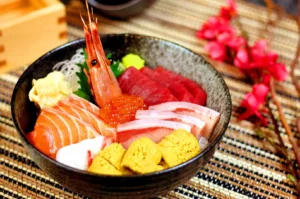
There’s a specific kind of hunger that a chirashi don answers. It’s not the hunger for a full sushi omakase, with its slow ceremony and its quiet counter watching. And it’s not the hunger for something thrown together and forgotten by three o’clock. It sits somewhere in between — fish and rice in one bowl,…
-
Kopi Through the Cloth: Why the Strain Matters
Eda Wong | August 17, 2026
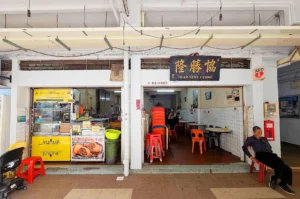
By Eda Wong for Eat Drink Asia. It is not yet seven, and the uncle at Heap Seng Leong has the pot going. He works the sock strainer over the tin cup with both hands, dipping and lifting, dipping and lifting, coaxing the coffee through the worn cloth. Steam rises between his fingers. The smell…
-
SBCD Korean Tofu House and the Comfort Logic of Bubbling Soondubu
Eda Wong | August 15, 2026
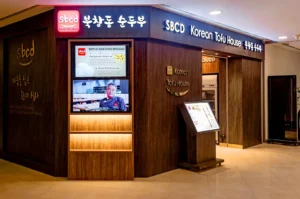
It was raining the afternoon I went. Not the polite kind, the sort that drums against the glass of Guoco Tower and makes you glad you’re already underground. I hadn’t planned on soondubu. I’d planned on something quick, something I could eat between the errands piling up in my head. But the rain does something…
-
The Knife Work at Hanashizuku Japanese Cuisine, Three Floors Above the Noise
Eda Wong | August 14, 2026
By Eda Wong for Eat Drink Asia. The lift doors open on a floor of Cuppage Plaza that has seen better decades. Peeling signage. A corridor that smells faintly of old carpet and cigarette smoke drifting from somewhere. Then a door slides shut behind me, and the noise falls away. Inside Hanashizuku Japanese Cuisine, the…
-
Todamgol Restaurant and the Comfort Logic Behind Famous Korean Foods
Dio Asahi | August 13, 2026
It was close to nine on a Friday when I finally found the door. Tanjong Pagar was doing its usual thing, full tables spilling onto five-foot ways, soju bottles catching the light, someone laughing too loudly two doors down. I almost walked past Todamgol. Then the smell reached me. Fermented, smoky, a little sharp. The…
-
The Same Grill, Three Decades On, at Kazu Sumiyaki Restaurant
Dio Asahi | August 12, 2026
By Dio Asahi for Eat Drink Asia. The lift opens on the fourth floor of Cuppage Plaza and the smoke finds me before the door does. Charcoal, dark and earthy, threaded through with something richer — fat meeting fire. I follow it down a narrow corridor, past shuttered shops and flickering signage, until I reach…
-
Popular Korean Cuisine Has a Memory: Why Famous Korean Food Feels So Complete
Eat Drink Asia Team | August 11, 2026
The first time I ordered kimchi jjigae in Singapore, I made a small mistake. It came bubbling in a stone pot, and I ate it like soup, spoonful after spoonful, straight down, until my mouth was on fire and the bowl was half gone. The auntie across the counter watched me for a moment, then…