A vibrant, emerald-hued wave is sweeping across Asia, delighting taste buds and defining modern café culture. From street-side stalls in Bangkok to chic tea houses in Taipei, green milk tea—sometimes simply called green tea with milk—has blossomed from a simple concept into a beloved, refreshing drink with countless regional interpretations and profound cultural significance.
Whether you crave the grassy freshness of Japanese matcha, the floral lift of a jasmine green milk tea, or the ultra-creamy sweetness of Thai green milk tea, this beverage brings together the best of Asian tea heritage with the comfort of milk, oats, coconut milk, or other dairy free options. Join us as we explore the world of green milk tea, uncovering the ingredients, creative twists, and preparation methods that make each cup a unique delight—and a testament to Asia’s endless beverage creativity.
What is Green Milk Tea?
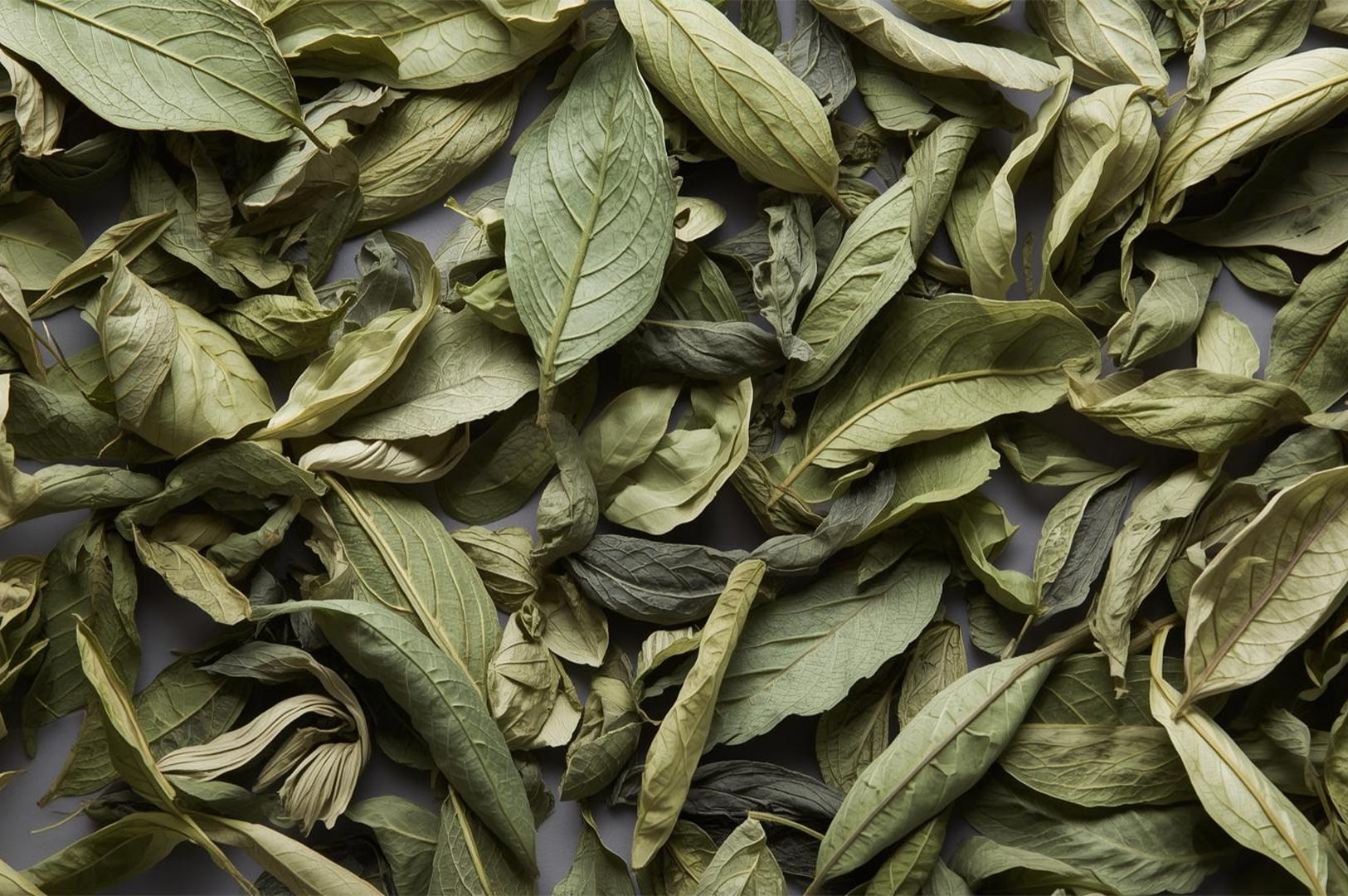
At its most fundamental, green milk tea is a delicious combination of green tea—made from tea leaves or fine powder like matcha—and your preferred milk. Unlike robust, malty black tea, green tea offers lighter, earthy notes and a smoother profile, often complemented by sweet or creamy undertones. Add milk—be it whole milk, oat milk, soy milk, almond milk, coconut milk, or other milk alternatives—and you immediately feel the drink transform, balancing delicate tea flavors and offering a creamier texture.
Beyond taste, green milk tea appeals for its health benefits—antioxidants for weight management, less caffeine for sensitive palates, and naturally occurring amino acids that cater to diverse dietary needs. Whether you seek something indulgent or lighter fare, green tea and milk offer culinary options for every occasion.
Regional Variations of Green Milk Tea Across Asia
The fascination with green milk tea is magnified by the dazzling diversity found across Asia, where every country adds its own signature spin and preferred ingredients to this classic combination.
Thailand – The Unforgettable Thai Green Milk Tea
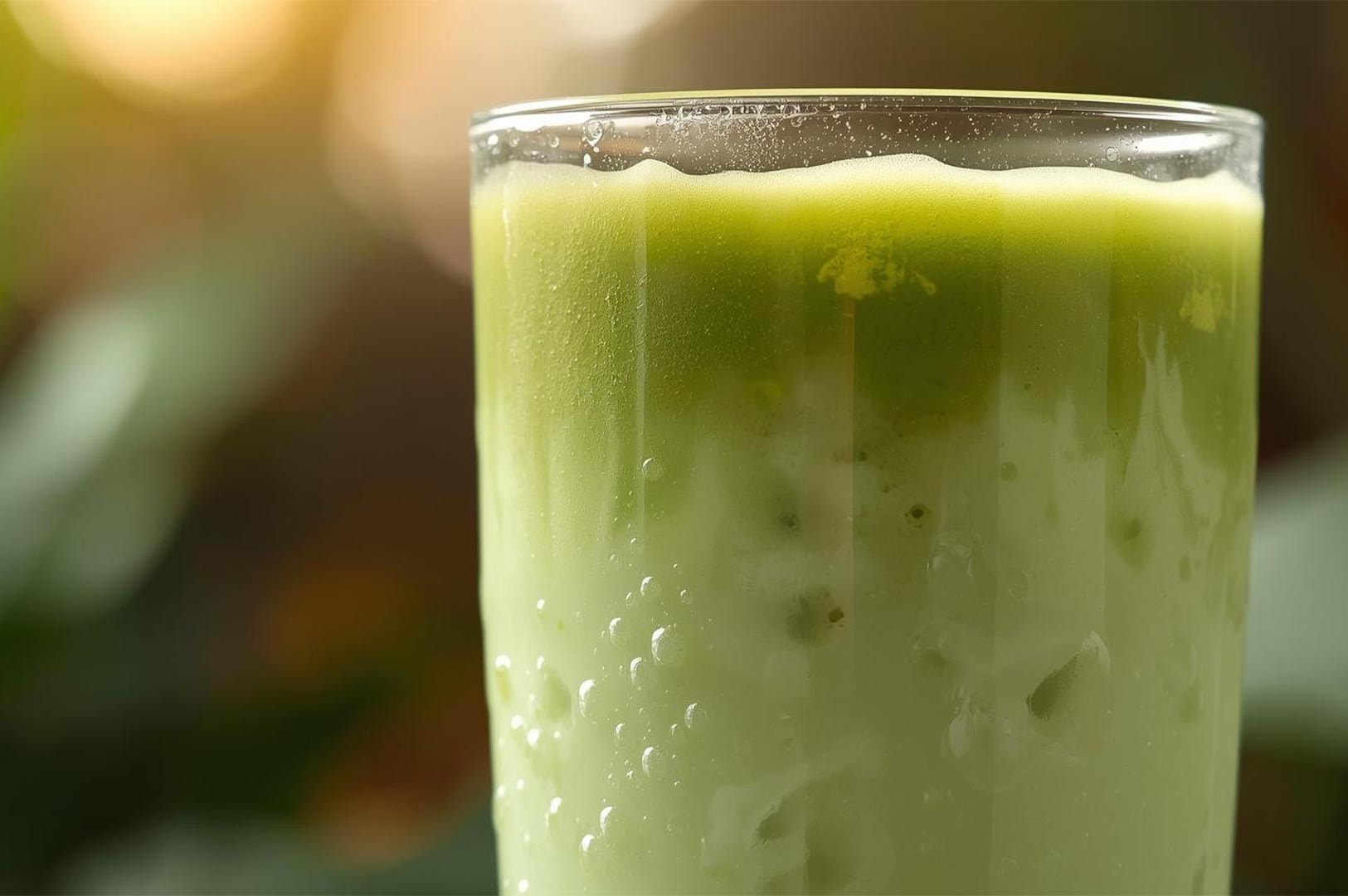
For many, the introduction to green milk tea comes through the dazzling Thai version—Cha Khiao Nom Yen.
With its signature electric emerald color, poured over ice and served in a tall glass, this indulgent milk tea is sweet, creamy, and impossibly smooth. The classic Thai recipe often blends a proprietary green tea with locally beloved additions such as jasmine aroma, pandan, and sometimes lemongrass, lending a depth that pairs perfectly with sweetened condensed milk and evaporated milk. Coconut milk is occasionally used for a dairy free option—adding a subtle richness.
Enjoyed throughout Thailand as a classic street drink or during hot afternoons, Thai green milk tea is refreshingly cool, creamy, and balanced with a slightly earthy base. The addition of sugar—sometimes brown sugar syrup or maple syrup—rounds out the flavor, making it a favorite for those who crave a sweet treat with their green tea.
For a deeper dive into this beloved Thai beverage, check out our complete guide to Thai Green Milk Tea: The Complete Guide to Thailand’s Refreshing Emerald Delight.
Japan – The Refined Matcha Latte

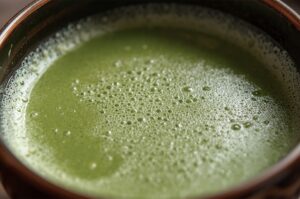
Japan’s contribution to green milk tea reaches its peak in the renowned green tea latte—a staple for tea lovers seeking a Zen moment. This version employs matcha, a finely ground, ceremonial-grade green tea powder brimming with earthy notes, bold flavor, and a silky finish. A matcha latte brings together the ceremonial traditions of whisking fine powder with water and the modern café technique of adding steamed milk or milk alternatives.
Matcha lattes can be prepared as hot tea or served with ice cubes for a cool sip, often sweetened just enough to accentuate rather than mask the best flavor qualities of the tea. Dairy free options like oat milk, almond milk, or soy milk allow every tea lover to customize the experience. The matcha green tea latte not only adds a modern twist to Japanese tradition but offers health benefits, containing antioxidants, less caffeine than black tea, and an unmistakable grassy taste.
Taiwan – The Epicenter of Bubble Tea
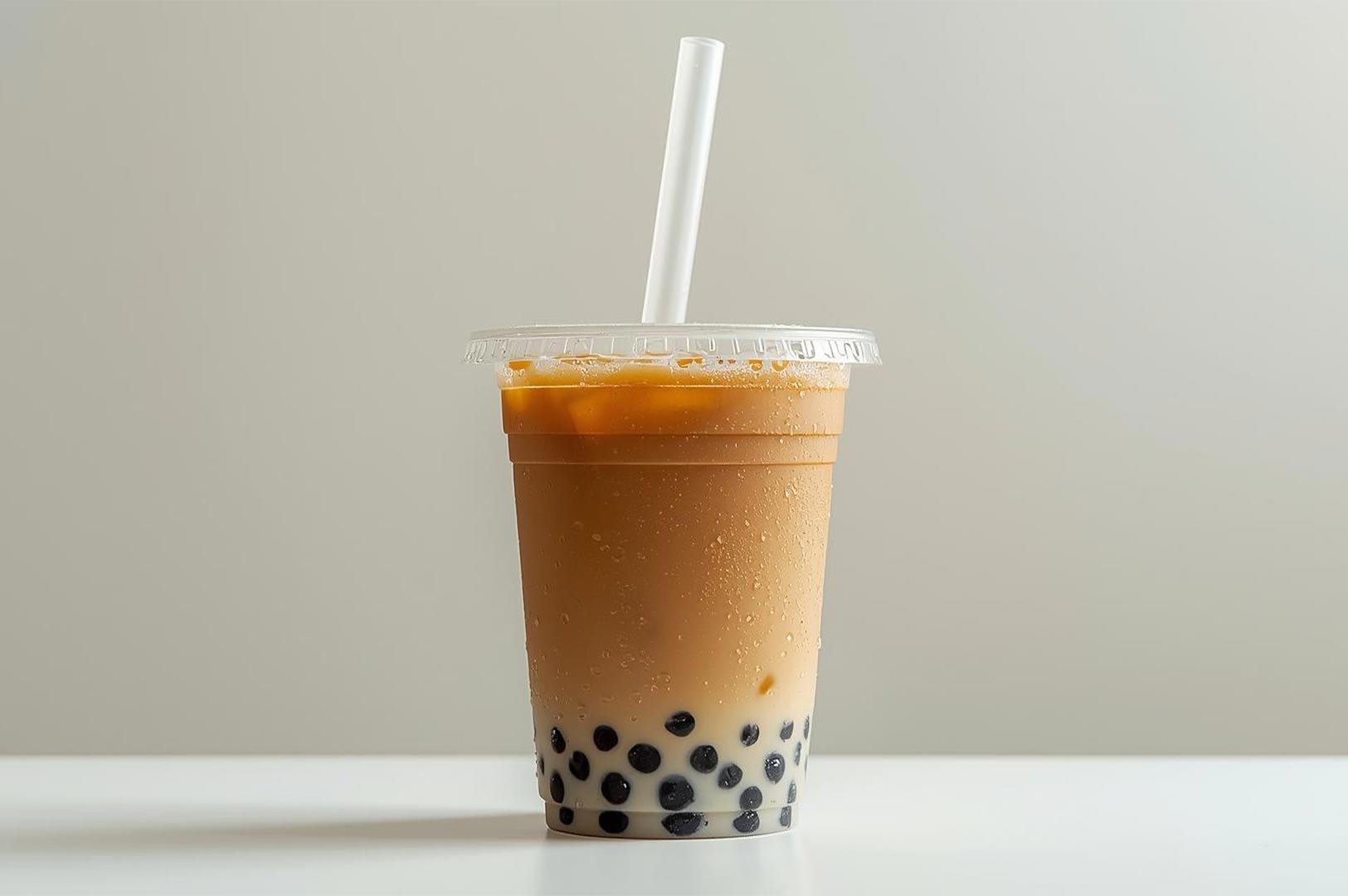
No conversation about green milk tea is complete without mentioning Taiwan, the iconic birthplace of bubble tea. Taiwanese jasmine green milk tea and jasmine milk tea take a floral, lightly sweet approach, combining the aromatic flavor of jasmine green tea with whole milk or non-dairy alternatives. The best flavor blossoms when these teas are lightly sweetened and shaken with ice cubes.
What makes Taiwanese versions unique is the fun of add-ins. You can add boba or chewy tapioca pearls, grass jelly, fruit jelly, or even a splash of lemon juice for added zing. Bubble tea creation is deeply customizable: tea lovers can adjust sugar levels, pick milk alternatives, and opt for more or less ice. Jasmine green milk tea with boba tea is a perennial favorite, offering a cool, refreshing drink with bursts of chewy texture to keep your taste buds happy.
China – A Tale of Regional Diversity

The Chinese approach to green milk tea reflects the nation’s intricate tea heritage. Regional variations abound, from Shanghai’s preference for subtle jasmine tea lattes to Guangdong’s penchant for green milk tea with coconut milk or almond. Black tea and green tea are often presented side by side, with green milk tea offering less caffeine, a lighter taste, and a smoother, creamier profile.
Chinese versions sometimes highlight the base tea, such as Longjing (Dragon Well), which when combined with whole milk or oat milk, results in an aromatic and smooth drink that stays true to the essence of the leaves. Sweeteners range from honey to brown sugar syrup or agave syrup, tailored to local palates.
Green Tea in Other Asian Countries
The green milk tea wave stretches to Vietnam, Malaysia, and Singapore, each infusing local flair and flavors. Vietnamese iced green tea may be layered with rich condensed milk, providing a creamy, sweet drink enjoyed over ice. Malaysian and Singaporean kopi tiams showcase green milk tea and green tea with milk in quirky takeaway bags or as hot tea in ceramic cups, playing with creaminess, milk alternatives, and local sweeteners.
Green tea latte and green milk tea are both increasingly popular among younger tea lovers in these regions, who appreciate both the health benefits and the creative, social experience the drinks provide.
Key Ingredients and Preparation Methods
What makes green milk tea so endlessly appealing? It’s the interplay of diverse ingredients and inventive preparation that keeps tea lovers exploring:
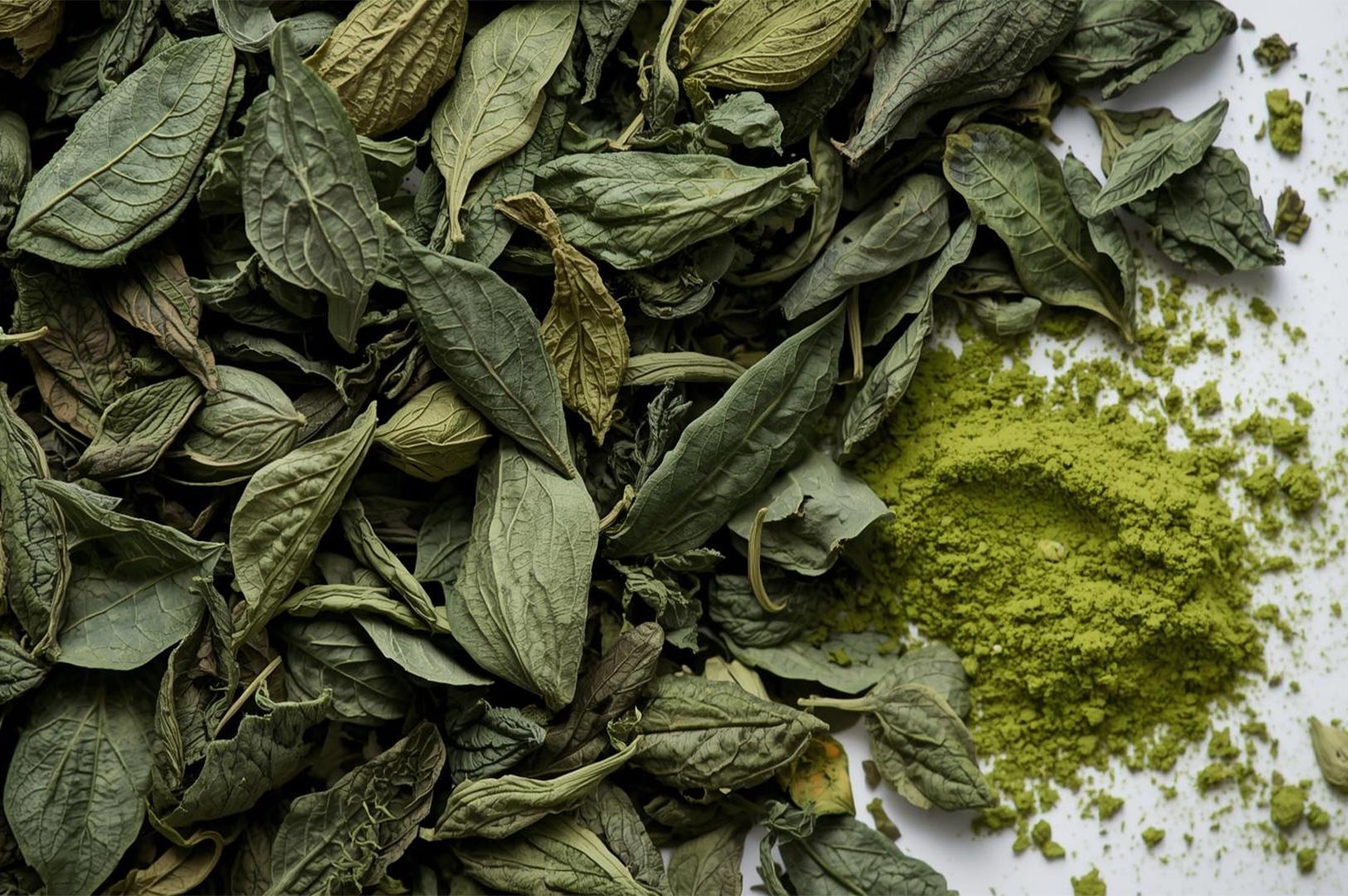
- Teas: Jasmine green tea, matcha, sencha, or specialty blends all shape the subtle, earthy notes in each cup. The best flavor often comes from freshly brewed tea leaves or the finest matcha powder.
- Milks: From whole milk to oat milk, coconut milk, almond milk, and soy milk, every milk adds its own character. Dairy free milk or reduced-fat options meet dietary needs and create alternate textures.
- Sweeteners: Sugar, brown sugar syrup, honey, agave syrup, maple syrup, or natural sweeteners offer varying degrees of sweetness—and can profoundly affect the final taste.
- Add-ins: Boba tea fans love to add chewy tapioca pearls, matcha lovers enjoy smooth foam, and Asian cafés sometimes incorporate lemon juice, coconut milk, or even a splash of coffee for new flavors.
- Hot or Cold: Prepare a green tea latte hot on chilly days, or serve green milk tea over ice cubes or blended for a cool, refreshing drink in warm weather.
The secret lies in finding your preferred milk, sweetener, and preparation—subtle differences in molecular structure, protein content, or fat level can yield a creamier, lighter, or more robust cup.
Cultural Significance and Modern Trends
Green milk tea holds a central place in Asian beverage culture. For many, it’s a daily ritual—a healthy, antioxidant-rich alternative to coffee, or simply a sweet treat to share with friends. The drink’s adaptability to milk alternatives speaks to changing dietary needs; it is possible to enjoy light flavor with less sugar or more milk for extra creaminess.
The explosion of specialty tea shops across Asia—and the rise of bubble tea—has made green milk tea a star on social media, where photos of tall glasses, beautifully layered milk tea, boba pearls, and creative toppings entice tea lovers everywhere.
Modern twists continue to emerge, such as green tea lattes with almond, coconut, or oat milk; green milk tea with honey or agave syrup; or matcha green tea latte frothed for a velvety smoothness. The power of personal taste and customization means there is always a new green milk tea to sip.
A Universe of Flavor in a Single Cup
From jasmine milk tea with its allure of floral scent, to matcha lattes for a dose of earthy notes and amino acids, to tall glasses brimming with chewy tapioca pearls—green milk tea is a world in itself, ever-evolving and forever delightful.
So whether you prefer your green milk tea cool and sweet, hot and earthy, or bursting with boba, the journey is one of flavor, creativity, and cross-cultural celebration. Embrace the refreshing drink in all its forms—and let each sip transport you across Asia’s thriving, inventive milk tea landscape.

When the Izakaya Becomes the Plan: Izakaya Singapore Beyond Dinner
Dio Asahi | January 27, 2026
As you step behind the humble noren curtain, you’re greeted by glowing lanterns, sizzling charcoal-grilled skewers, and warm welcomes. This is izakaya, Japan’s casual pub, a vibrant part of Singapore’s dining scene. More than just yakitori and sake, izakayas offer a lively setting for social drinking and dining, perfect for fans of Japanese culture. Dating…
-
Yuja Tea: Korea’s Traditional Citron Tea
Dio Asahi | January 27, 2026
The golden, aromatic steam rising from a cup of yuja tea carries centuries of Korean tradition and wellness wisdom. This caffeine-free citrus beverage has warmed Korean hearts through countless winters, offering both comfort and powerful health benefits in every sip. Made from the Korean citron known as yuja fruit, this simple Korean tea represents one…
-
The Global Phenomenon of Korean Instant Noodle: A Cultural and Culinary Journey
Eda Wong | January 24, 2026
In the high-octane streets of South Korea, where the “pali-pali” (hurry-hurry) culture defines the pace of life, one dish stands as the ultimate equalizer of speed and satisfaction: Korean ramyeon. While the world often uses the terms ramen and ramyeon interchangeably, the Korean version is a distinct entity. It is not merely a quick snack…
-
Traditional Ramyeon: The Soulful Heart of Korean Noodle Culture
Eat Drink Asia Team | January 20, 2026
In the bustling culinary landscape of South Korea, few comfort foods can match the satisfaction of a steaming bowl of ramyeon. While outside of Korea, “ramyeon” often brings to mind Korean instant noodles or instant ramen, true ramyeon Korean style refers to the artful, freshly prepared noodle soup enjoyed in homes and at local restaurants…
-
The Heart of the Korean Noodles: History and Texture
Eda Wong | January 17, 2026
In Korea, a bowl of noodles is far more than a simple dish; it is a cultural anchor that has weathered centuries of change. For generations, the length of the strand has symbolized a long and prosperous life, making Korean noodles a staple at birthdays, weddings, and the milestone 60th birthday celebration known as hwangap….
-
Preserving the ‘Big Bowl’ Tradition with Pen Cai Delivery in the Age of Doorstep Dining
Eat Drink Asia Team | January 15, 2026
Modern Festive Menu: Bringing the Big Bowl Home There is a special, undeniable magic to the Chinese New Year reunion dinner. For many families, Chinese New Year 2026 is another chance to gather loved ones at the table and celebrate with a glorious pen cai—sometimes called the “big bowl feast”—overflowing with premium ingredients and festive…
-
Sencha: Traditions, Flavors, and the Essence of Japanese Tea
Eat Drink Asia Team | January 15, 2026
When people around the world think of Japanese tea, images of tranquil tea ceremonies in small rooms or frothy bowls of matcha often come to mind. Yet, the reality of tea drinking in Japan is much broader, woven deeply into the culture and daily habits. For the vast majority, sencha is the beloved tea that…
-
The Best Restaurants Tokyo Are Rarely the Ones You Plan For
Eda Wong | January 12, 2026
Tokyo, Japan’s capital, does not reward urgency. It rewards return. On my first visit, I chased what everyone told me were the best restaurants Tokyo had to offer. I spent weeks highlighting maps, bookmarking digital “must-eat” lists, and refreshing reservation pages until my eyes blurred. I thought that by conquering the top-tier establishments, I would…
-
Japan and Food: Culinary Harmony – The Deep Connection Between Japanese Food and Culture
Eat Drink Asia Team | January 11, 2026
When it comes to Japan and food, the two are intertwined in ways that captivate taste buds and awaken the senses. Japanese cuisine stands as one of the world’s most revered traditions—more than nourishing meals, it is an art reflecting centuries of philosophy and a window into Japanese culture itself. Every bowl of miso soup,…
-
The Verdant Cup: A Celebration of Green Tea in Japan
Eda Wong | January 10, 2026
In Japan, green tea is much more than a beverage. It marks a moment of pause, hospitality, and tradition. The story of green tea in Japan weaves through centuries of culture, artistry, and daily life—bridging ancient rituals like the Japanese tea ceremony to everyday meals enjoyed at home. The origins and beginning of Japanese tea…