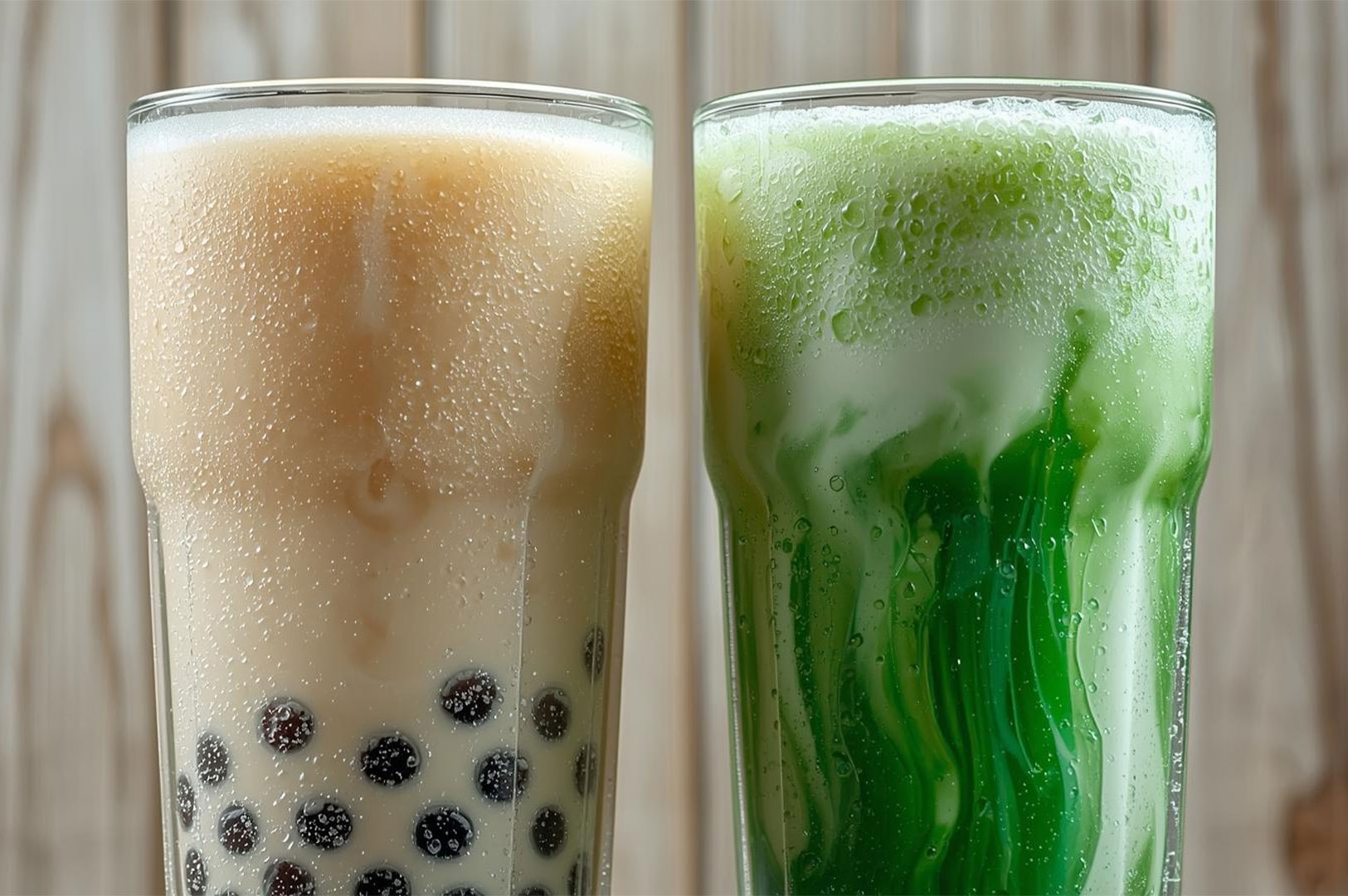
The simple combination of green tea with milk has sparked a culinary phenomenon across Asia, creating a diverse family of beverages that are both comforting and refreshing. While many countries have embraced this pairing, two nations stand out for their iconic and wildly different interpretations: Taiwan and Thailand. Each has cultivated a unique culture around their signature green milk tea, offering distinct flavors that tell a story about their local palates, ingredients, and traditions.
This journey will explore the fascinating world of green tea with milk, pitting the refined, customizable culture of Taiwan against the bold, sweet vibrancy of green tea Thailand is famous for. As we compare these delicious varieties, you’ll learn how different tea bases, types of milk, and preparation methods contribute to taste, texture, and appearance, reflecting the diversity of Asian tea culture. While they may share a name, these two drinks offer remarkably different experiences.
The Taiwanese Tradition: A Culture of Customization
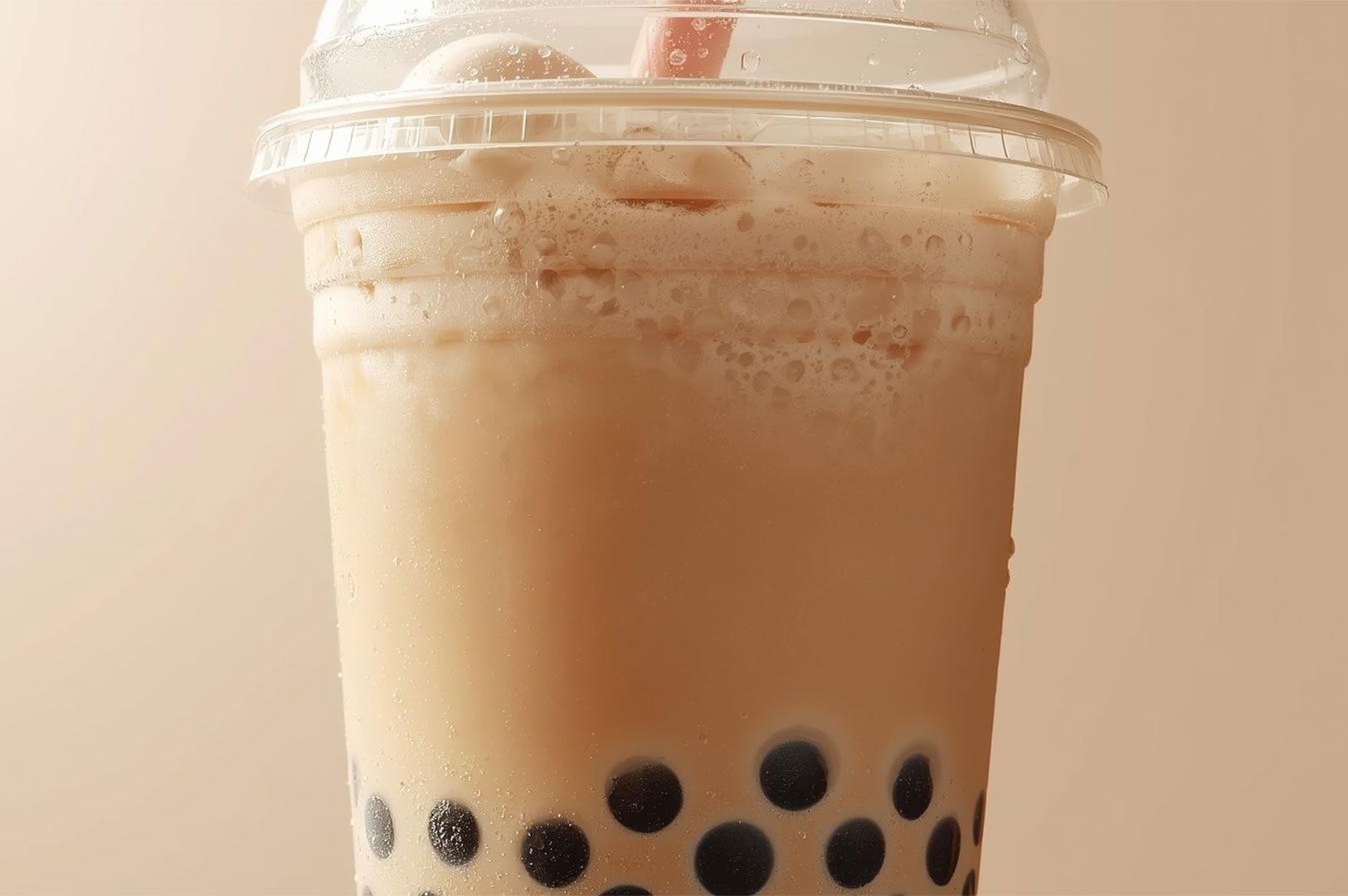
Taiwan is the undisputed epicenter of modern milk tea culture. The island’s deep-rooted love for tea, combined with innovation, gave birth to the global bubble tea movement and its many green milk tea variations, including classic green tea with milk served over ice. Taiwanese milk tea shops have elevated the experience with a dazzling array of toppings, like chewy tapioca pearls, and a focus on catering to all kinds of dietary needs.
Origins and Unique Characteristics
Taiwan’s approach is often built on a base of high-quality, fragrant green teas, with jasmine green tea—a favorite for its creamy, aromatic profile and floral jasmine notes—being especially popular. The result is a pale green or beige drink that’s both light and refreshing. Unlike Thai green tea, which uses special green tea mixes and bold coloring, Taiwanese green milk tea relies on the natural flavors of tea leaves, sometimes blending in green tea powder or matcha for a more earthy note.
What sets this drink apart is the range of customization: you can select everything, from the type of green tea, the kind and amount of milk (whole milk, coconut milk, almond milk, oat milk, or even dairy-free milk options), to a preferred level of sweetness. You might find it sweetened with brown sugar syrup, honey, or agave syrup for different flavor undertones. Some shops even allow you to control the ratio of tea to milk—perfect for creating your ideal drink. Served hot or chilled over lots of ice cubes, this refreshing drink is loved for both its taste and its health benefits, as green tea is packed with antioxidants and generally lower in caffeine than black tea or coffee.
Cultural Context
In Taiwan, enjoying green tea with milk is a daily ritual for many tea lovers. It’s a social beverage, enjoyed with friends after school or during a work break, and it fits seamlessly into the broader context of Taiwan milk tea and Asian tea culture. The streets are dotted with countless tea shops, each offering their own blend, whether you want more milk, a splash of coconut milk, or even a lighter, dairy free option. This drink represents a modern evolution of Taiwan’s historic tea culture, making premium tea accessible and fun for a new generation.
The Thai Standard: Bold, Sweet, and Unforgettable
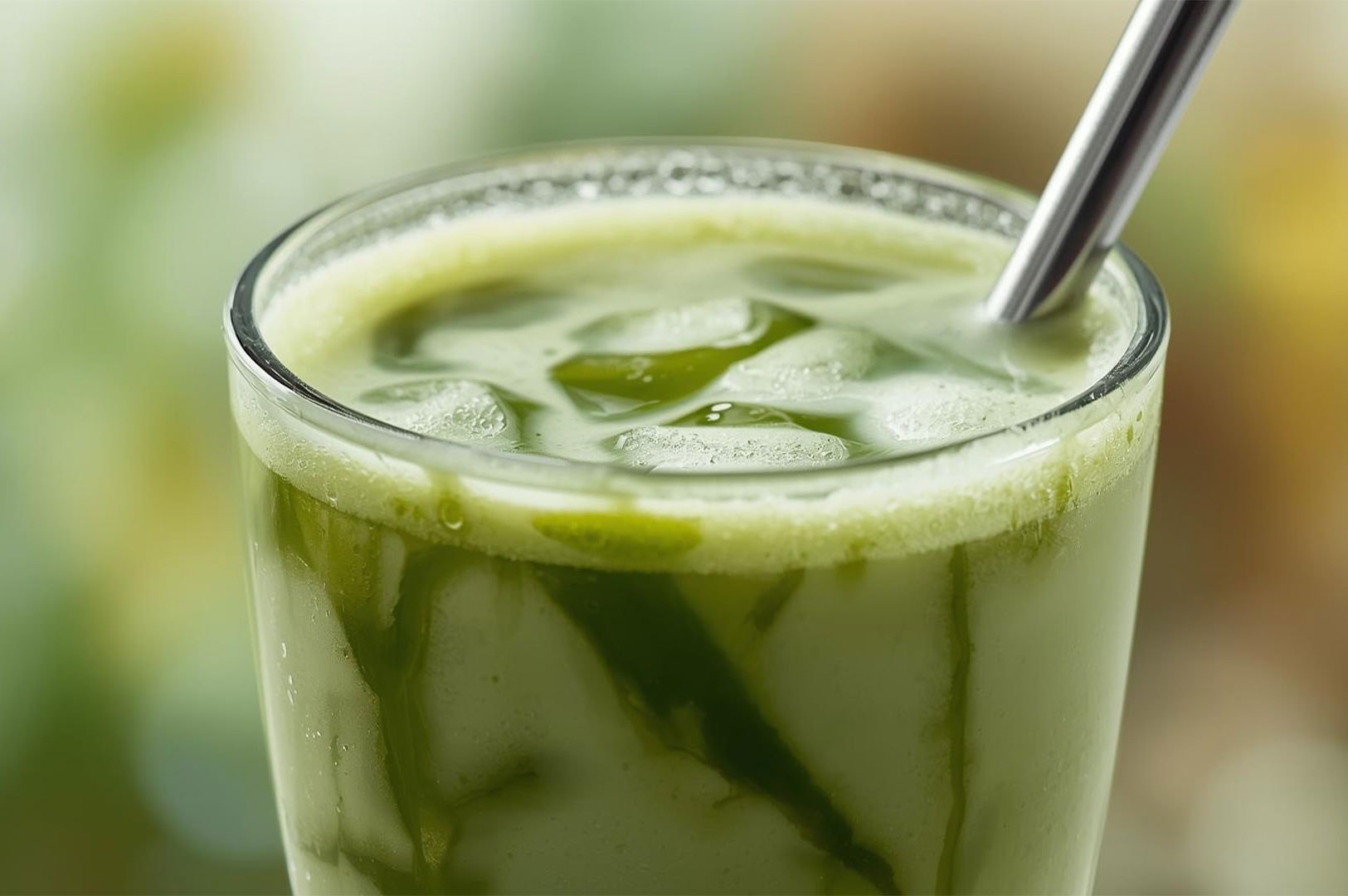
In contrast to Taiwan’s subtlety and customization, the experience of green tea Thailand offers is a bold and vibrant celebration of flavor. Known locally as cha khiao yen, Thai green milk tea is a staple of Thai tea culture, instantly recognizable by its vivid, almost iridescent green hue and its intensely sweet and creamy profile.
Distinctive Characteristics and Flavor
This indulgent drink gets its electric-green color from proprietary thai green tea mix powders, which often blend green tea leaves with food coloring and aromatic enhancements like jasmine or pandan. Thai tea blends have a unique molecular structure that helps deliver both strong flavor and a smooth, creamy body when paired with sweetened condensed milk and evaporated milk—key ingredients that give this creamy, cool drink its luscious mouthfeel. Between the natural tea and a generous pour of milk and sweetener, the drink achieves a perfect balance of earthy notes and indulgent sweetness.
Preparation typically involves steeping the green tea blend or finely ground matcha powder with hot water, straining, and pouring it over ice in a tall glass. Sweetened condensed milk and evaporated milk are swirled in to maximize creaminess. Some adventurous drinkers might request almond milk or oat milk for a dairy free milk alternative, but the classic Thai recipe prioritizes sweet, dense dairy.
Cultural Context
You’ll find Thai green tea with milk everywhere in Thailand: from night markets and street-side stalls to restaurants and cafés. For many, it’s an everyday ritual—a cool, sweet antidote to Thailand’s tropical climate, designed to refresh and delight the taste buds. It complements spicy Thai food, balances the heat, and brings lingering, floral jasmine aroma to every sip.
The drink is more than just a beverage; it’s a symbol of Thai street culture and an easy way to experience authentic local flavors. For a more detailed look into this beloved beverage, our complete guide to Thai Green Milk Tea on Eat Drink Asia explores its history and cultural significance.
Key Differences: Taiwan vs. Green Tea Thailand
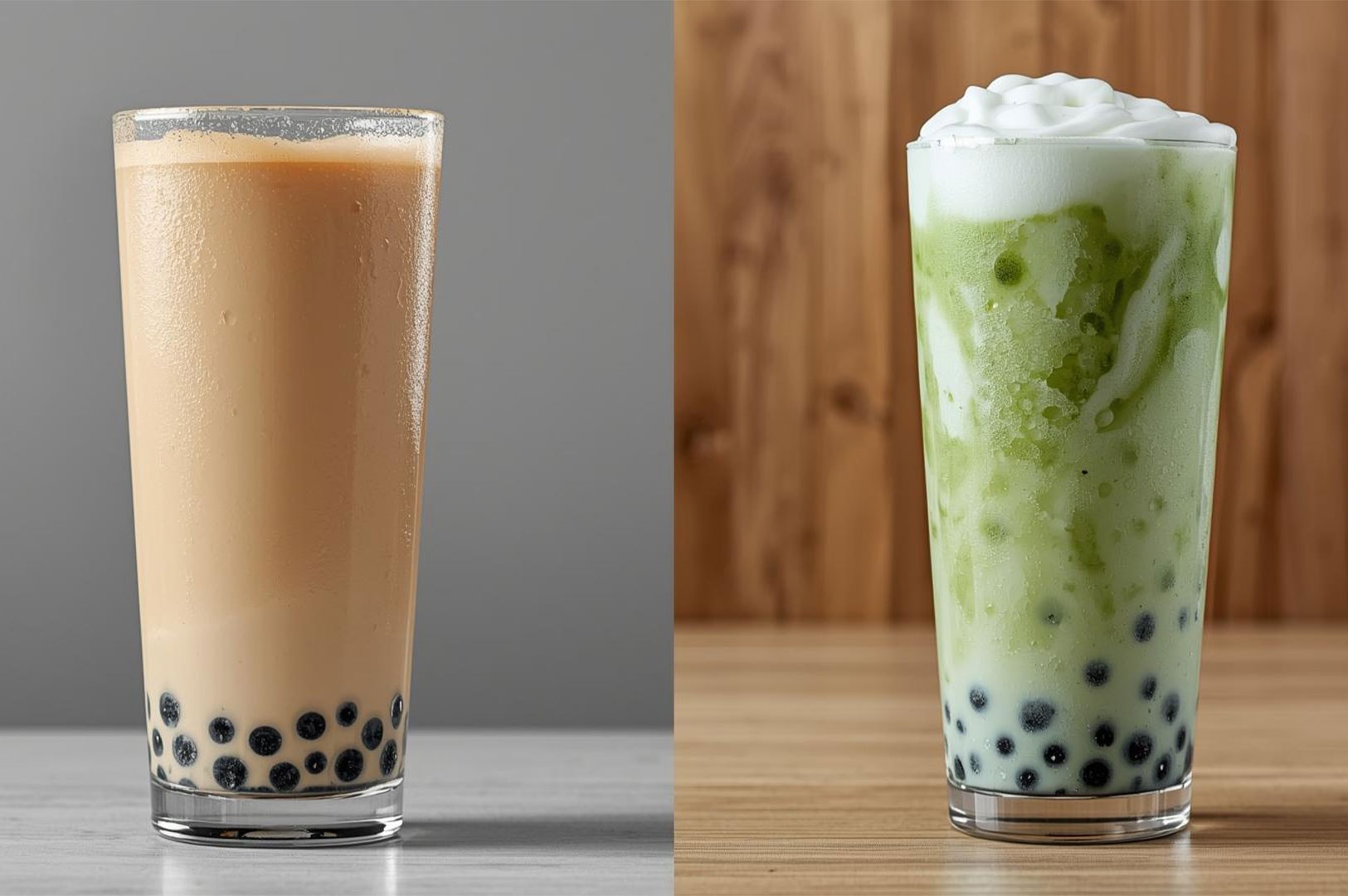
While both are forms of green tea with milk, the similarities largely end there. Here’s a direct comparison that highlights why each is so beloved:
- Tea Base: Taiwan excels in mild, fragrant teas like jasmine green or matcha—a fine powder often used for a deeper flavor. Thailand relies on a robust thai tea or green tea mix, often with added color and aroma enhancers.
- Milk Type and Structure: Taiwanese shops let you choose from whole milk, oat milk, coconut milk, almond milk, or non-dairy creamers—tailoring for preference or dietary needs. Thai green milk tea almost always uses sweetened condensed milk and evaporated milk, resulting in a thicker body and unmistakable richness.
- Sweetness and Flavour: Taiwanese green milk tea commonly allows you to select the sweetness level, sometimes right down to the percentage. Thai green tea is unapologetically sweet, its flavor crafted for a bold, dessert-like impact. While both drinks can be iced for a cool treat, Thai style is rarely served hot.
- Color and Appearance: Taiwanese versions appear light and natural, sometimes pale green depending on the tea blend, while the green tea Thailand is famous for is an eye-catching, opaque jade, thanks to the unique green tea mix.
- Serving Style: Taiwan’s signature is customization, often with boba or chewy tapioca pearls, fruit jellies, or grass jelly. Thai green milk tea is usually served straight, ice cold in a glass, sometimes with striking milk patterns after pouring.
- Cultural Significance: Taiwan’s green tea with milk symbolizes modern Asian tea culture, innovation, and the idea of creating your “best flavor” with every order. Thailand’s version honors the tradition of ready-to-drink street teas where the recipe is nearly always the same—familiar, delicious, and nostalgic.
- Health Considerations: Taiwanese tea can fit a range of health needs: use of oat milk or almond milk for lower calories, less sugar for weight management, and the antioxidant benefits of high-quality green tea. Thai green milk tea tends to be more indulgent, though tea catechins may still offer benefits.
Other Asian Green Tea with Milk Variations
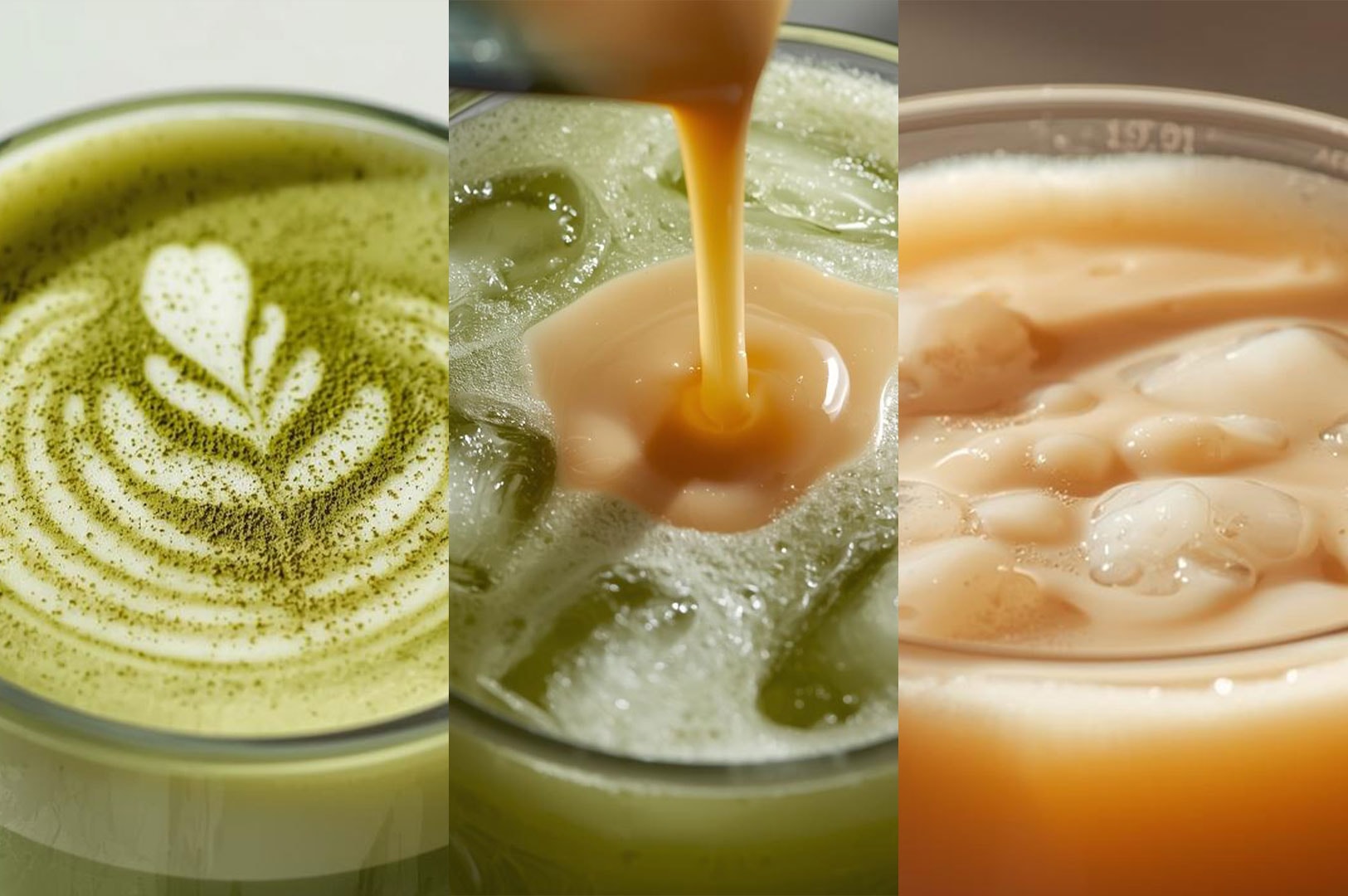
The love for green tea with milk extends beyond Taiwan and Thailand, celebrated throughout Asia in unique ways:
- Japan: The Japanese matcha latte, created with ceremonial-grade matcha powder and milk, showcases earthy notes and a smooth, creamy finish—less sweet but deeply flavorful. Traditional matcha is made with hot water using a whisk, while café lattes may pour tea over steamed milk or incorporate coconut milk for a dairy free option.
- Vietnam: Vietnamese trà xanh is typically strong brewed tea served over ice, then topped with a creamy layer of sweetened condensed milk. The combination delivers sweetness and depth, and is often enjoyed as a refreshing drink during hot afternoons.
- China: While adding milk to green tea isn’t traditional in China, modern tea shops are starting to experiment with creamy jasmine milk teas and cold-brew options, sometimes using the french press or specialty green tea blends to create a new array of flavors.
A Tale of Two Deliciously Different Teas
The contrasting worlds of Taiwanese and Thai green tea with milk beautifully illustrate the diversity and adaptability of Asian tea culture. One offers subtlety, choice, and a connection to modern café life, while the other provides bold, consistent, and indulgent comfort from a humble street stall. Neither is better—they are simply different, each a delicious reflection of its home, offering different molecular structures and unique health benefits.
If you’re seeking something creamy, cool, and wonderfully customizable, Taiwanese green milk tea—perhaps with boba or a splash of coconut milk—will fit the bill. Or, if your palate craves a sweet, strong brew designed to refresh and satisfy, Thai green milk tea’s signature green tea mix and velvety milk proteins are hard to beat.
Next time you pour tea or sip a new variation, remember you’re not just enjoying a drink—you’re sampling a piece of world culture, shaped by local tastes and traditions. We invite you to try each form, experiment with your own blends (maybe more milk for a creamier texture or a dash of lemon juice for brightness), and discover just how cool and delicious the world of green tea with milk can be—day or night, chilled from the fridge or poured hot from the kettle.

The Neighbourhood Restaurant Test: How to Spot Truly Authentic Cuisine Restaurants in Your Area
Eda Wong | March 31, 2026
A friend texted me last week: “I’m outside this new Vietnamese place. How do I know if it’s legit before I waste my money?” It’s a question I get often. We’ve all been there, drawn in by a cool sign, only to get a plate of sad, sweet, tourist-grade pad thai that tastes like ketchup….
-
Cuisine in the World Meets Singapore: Inside Nakhon Kitchen’s Cross-Cultural Magic
Dio Asahi | March 26, 2026
There’s a rite of passage for any food lover living in the East of Singapore, and it involves a queue. Specifically, the perpetually long, snaking queue outside Nakhon Kitchen in Bedok. I’d heard the legends for years: authentic Thai food, rock-bottom prices, and a wait time that tests your commitment. So, on a Tuesday evening…
-
The Spice Route Secrets: A Deep Dive into Malay Ethnic Food
Eda Wong | March 24, 2026
My first time ordering Nasi Padang in Geylang Serai was overwhelming, I randomly picked dishes and was shocked by a $20 bill due to premium beef rendang and squid. That taught me to always ask seafood prices and that Malay food is a complex, modular cuisine. Malay food is everywhere in Singapore, in hawker centres,…
-
The Shokunin Spirit: How Japan’s Craftsman Philosophy Lives Inside Singapore’s Most Disciplined Omakase Counter
Dio Asahi | March 21, 2026
The fire is not roaring; it is breathing. In a small, darkened workshop in Sakai, a swordsmith watches the colour of the steel with eyes that have tracked the same transformation for forty years. He does not look at a clock. He listens to the hum of the charcoal. He waits for the metal to…
-
The Evolution of the Plate: How History Transformed Iconic Malaysian Dishes
Eda Wong | March 19, 2026
I used to think I understood Malaysian food. As a Singaporean, it’s practically in my DNA, right? Nasi lemak for breakfast, a cheeky roti canai for supper – I thought I had it all figured out. Then I spent a week eating my way through Penang and Kuala Lumpur, and I realised I knew absolutely…
-
The Soul of the Table: An Educational Guide to the Role of Food in Malaysian Culture
Eat Drink Asia Team | March 17, 2026
We still remember our first collective Rumah Terbuka (Open House) experience in Kuala Lumpur.Standing at the doorway of a home during Hari Raya, we were utterly paralyzed by the sheer volume of people and the aroma of Malaysian cooking. There were aunties ladling beef rendang and tables groaning under the weight of colourful kuih. “Do…
-
Asian Food Comfort Trends: Why Broths and Bowls are Dominating Globally
Eda Wong | March 14, 2026
I still remember the first time I faced a “build-your-own” Mala Xiang Guo counter. I stood there, plastic tongs in hand, completely paralyzed by the mountain of choices. Lotus root? Kelp knots? three different types of tofu skin? My anxiety spiked. I panicked, grabbed way too much luncheon meat, and ended up with a $28…
-
The Fifth Element: A Masterclass on Umami in East Asian Cuisine
Dio Asahi | March 12, 2026
I’ll never forget the first time I made miso soup from scratch. Not the instant kind, but the “proper” way. I boiled water, dissolved miso paste, added tofu, and waited. It tasted flat, salty and cloudy but missing the deep, satisfying flavor I loved in Japanese restaurants. I thought maybe I needed better miso. Years…
-
Why My Quest Ended at Yummy Western (409 AMK)
Dio Asahi | March 10, 2026
There’s a specific magic to a late-night supper hunt in Singapore. It’s the ritual of chasing a craving through the humidity to find that one stall that hits the spot. For me, that meant a pilgrimage to Ang Mo Kio Avenue 10. I arrived at 10 PM on a Friday, just as the ‘supper soul’…
-
A Taste of Time: My Dinner at Guan Hoe Soon
Eda Wong | March 7, 2026
There’s something special about visiting a place that has seen decades of Singapore’s history unfold. Guan Hoe Soon, tucked away on Joo Chiat Road, holds the title of Singapore’s oldest Nyonya restaurant, and you can feel that heritage the moment you step inside. I’d heard about it for years, a place where recipes aren’t just…