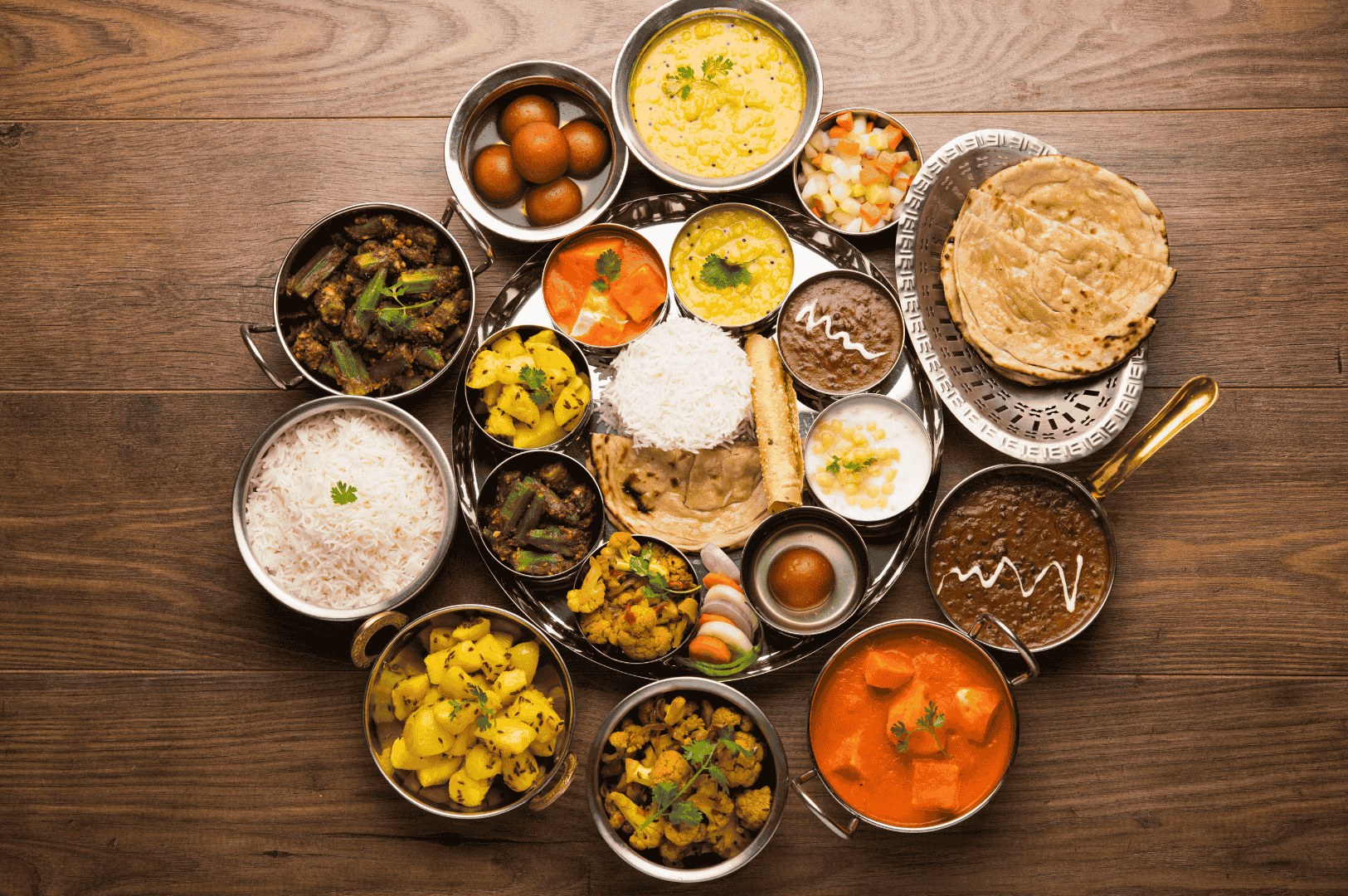
Imagine a large, gleaming steel plate arriving at your table, a vibrant constellation of small bowls each filled with colourful and fragrant preparations. In the centre, fluffy plain rice sits next to a pile of wafer-thin, ghee-brushed Indian bread. This isn’t just an Indian meal; it’s a traditional Gujarati thali, an immersive culinary journey through Western India’s most celebrated vegetarian cuisine. It’s a perfect blend that is entirely its own. Gujarati cuisines are known for their remarkable diversity, with regional specialties and traditional dishes reflecting the rich culinary heritage of Gujarat.
At its heart, this traditional Gujarati meal represents a culture of immense hospitality and a philosophy of balanced, wholesome eating. This Gujarati thali guide will show you how, unlike the fiery curries of Northern India or the robust dishes of other regions, Gujarati food is a delicate dance of sweet, sour, and spicy flavours. From Dhokla to Undhiyu, each popular dish showcases the unique ingredients and techniques that define this celebrated cuisine. Get ready for a celebration of flavours that will leave you both satisfied and inspired.
The Cultural and Religious Heart of Indian Vegetarian Recipes
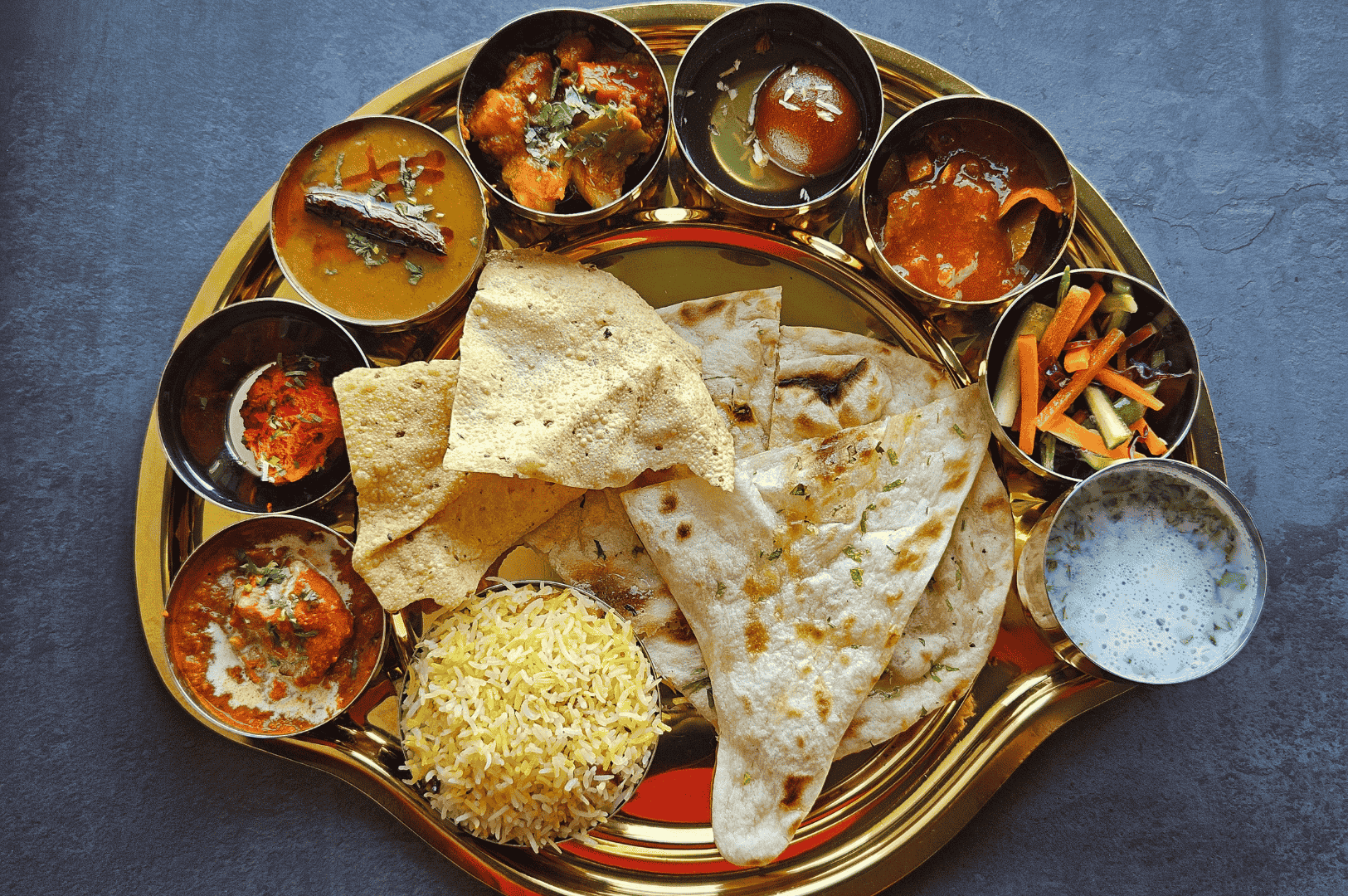
To understand the Gujarati thali, you must first understand the spirit of Gujarat itself. The state has long been a stronghold of religions like Jainism and certain Hindu sects that champion the principle of ahimsa, or non-violence towards all living beings. This deep-rooted belief system is the primary reason why Gujarat has one of the highest proportions of vegetarians in India. This spiritual foundation spurred incredible culinary innovation, as chefs mastered the art of creating and cooking diverse and flavourful vegetarian dishes using only vegetables, lentils, and grains. Over time, both traditional and innovative recipe development flourished, resulting in a rich collection of Gujarati recipes. The thali became the ultimate canvas for this creativity, showcasing many Gujarati dishes that are still beloved today.
Historically, the thali also reflects the agricultural bounty of the region, where seasonal vegetables are treated with respect. It’s a zero-waste marvel; every part of a vegetable is often used, and leftovers are ingeniously repurposed. Today, the thali is a proud symbol of Gujarati identity. It is a communal experience commonly served during special occasions like Gujarati weddings, anchoring families and communities.
Did You Know? The influence of Jainism is so strong that many traditional Gujarati recipes omit not only meat but also root vegetables like onions and garlic, as harvesting them involves uprooting and killing the entire plant.
The Philosophy Behind Thali Dining
A traditional Gujarati thali is a masterclass in balance. It’s not just about piling food on a plate; it’s a carefully orchestrated arrangement designed to delight the senses and nourish the body. The concept is rooted in Ayurveda, the ancient Indian science of life, which advocates for including six essential tastes—sweet, sour, salty, bitter, pungent, and astringent—in a single meal for holistic health. The thali delivers this in one magnificent spread, creating a harmonious interplay of flavours and textures that keeps your palate engaged.
Anatomy of a Traditional Gujarati Cuisine
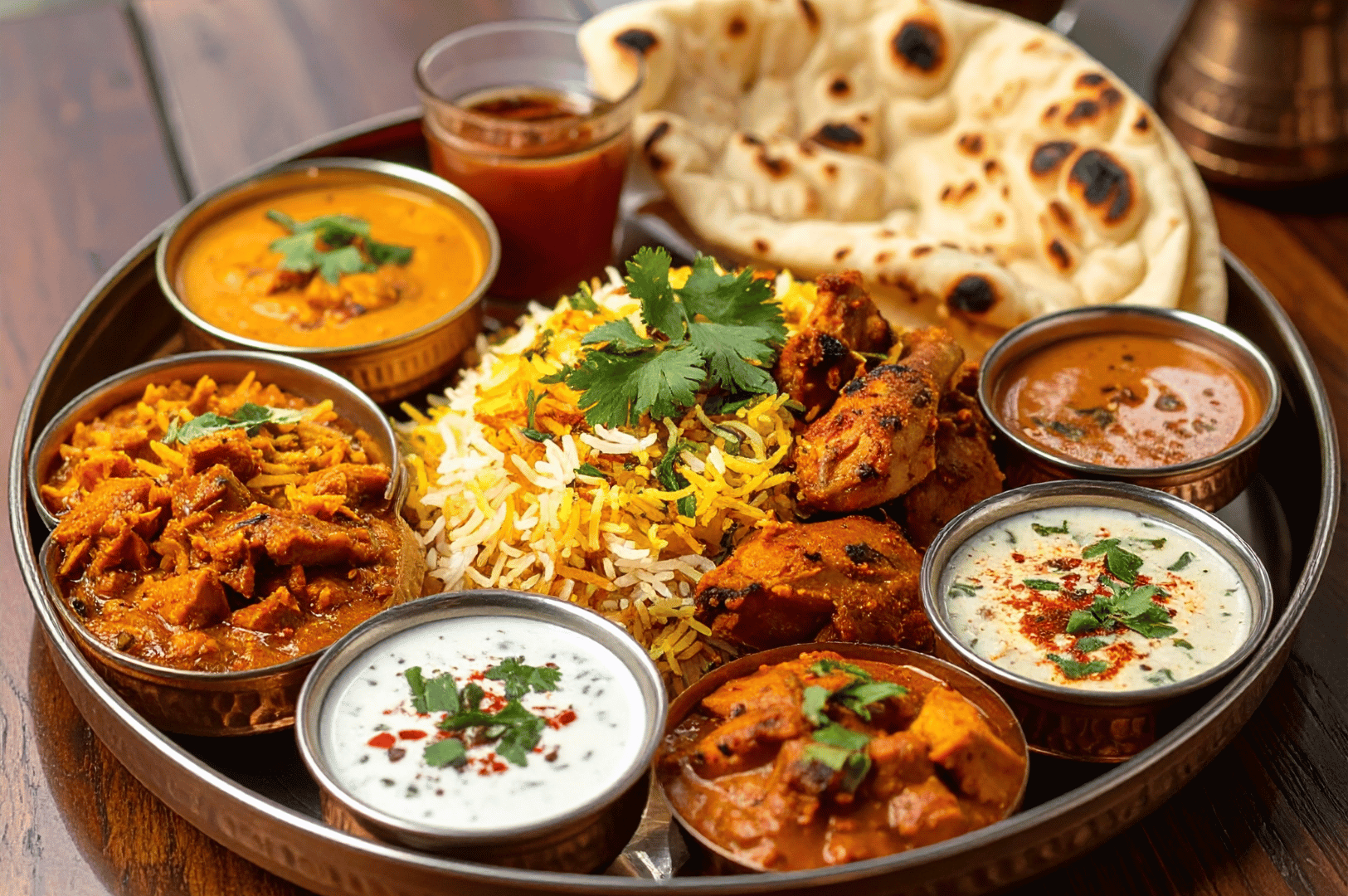
While the exact components change daily, a classic Gujarati thali features a delightful cast of characters, from mildly spiced vegetable dishes to delicious snacks.
- Farsan (Savoury Snacks): No thali is complete without farsan. These snacks add a wonderful textural contrast. Think of fluffy, steamed dhokla (a savoury cake of fermented rice and chickpea flour) or delicate, tightly rolled khandvi (gram flour and buttermilk sheets). These items are also a popular street food and can be enjoyed anytime as an evening snack. Many farsan are also enjoyed at tea time in Gujarati households, making them a staple for tea breaks.
- Shaak (Vegetable Preparations): A thali will typically feature at least two or three different vegetable dishes. You might find a simple stir-fry alongside a more complex, slow-cooked winter specialty like undhiyu. This one-pot dish is a slow-cooked mix of seasonal produce like purple yam, sweet potato, green beans, and baby potatoes, simmered with fenugreek leaves dumplings (muthiya). Sometimes, chana masala—a flavorful, quick-to-make vegetarian curry highlighting Indian spices—is included in thalis or enjoyed as a side dish.
- Dal (Lentil Soup): The quintessential Gujarati dal, made from pigeon peas (toor dal) or sometimes red lentils, is distinctively sweet, sour, and mildly spiced. It gets its tang from kokum and sweetness from jaggery, with a tempering of mustard seeds, cumin seeds, and curry leaves that gives it a distinct aroma.
- Kadhi: Gujarati Kadhi is a soothing soup made with buttermilk and gram flour. It’s light, tangy, and often has a hint of sweetness, making it a perfect counterbalance to spicier dishes.
- Rotli (Breads): You’ll always find a selection of flatbreads made from whole wheat flour or pearl millet flour. The most common is the rotli or phulka, a soft, paper-thin bread puffed up on an open flame.
- Rice: Simple steamed rice (bhaat) or fragrant jeera rice serves as the perfect neutral base for the flavourful dal and kadhi. Sometimes, you might find khichdi (a comforting mix of rice and lentils) instead.
- Chutneys and Pickles: These are the flavour boosters. You’ll always find a spicy green chutney made with coriander and green chillies, alongside a sweet mango pickle (chunda).
- Sweets (Mithai): Gujaratis have a famous sweet tooth. The thali always includes a dessert, which could be shrikhand (creamy strained yoghurt) or basundi (rich, reduced milk with nuts). Basundi or shrikhand are similar to desserts from North India, such as rabdi, but have their own unique Gujarati twist.
A final touch is a glass of chaas (spiced buttermilk), a cooling digestive that tastes great with the meal.
Ingredients and Cooking Techniques: The Building Blocks of Gujarati Thali
At the heart of Gujarati cuisine are grains and flours—wheat flour, gram flour, and rice flour—each lending its own character to a variety of dishes. Soft rotlis and thepla are rolled from whole wheat flour, while gram flour forms the base for beloved snacks like dhokla and khandvi, their light texture achieved through the fermentation of rice and lentils. This process not only imparts a distinct aroma but also makes these dishes easy to digest and full of flavor.
Vegetables are celebrated in every Gujarati meal, with seasonal produce like green peas and green beans starring in many recipes. The use of fresh, local vegetables ensures that each dish is both nutritious and bursting with taste. Pigeon peas, especially in the form of toor dal, are a staple in Gujarati dal—a comforting, mildly spiced lentil soup that’s a cornerstone of the thali. Fenugreek leaves, with their unique bitterness, add depth to dishes like methi thepla, while green chilies bring a gentle heat that enlivens the palate.
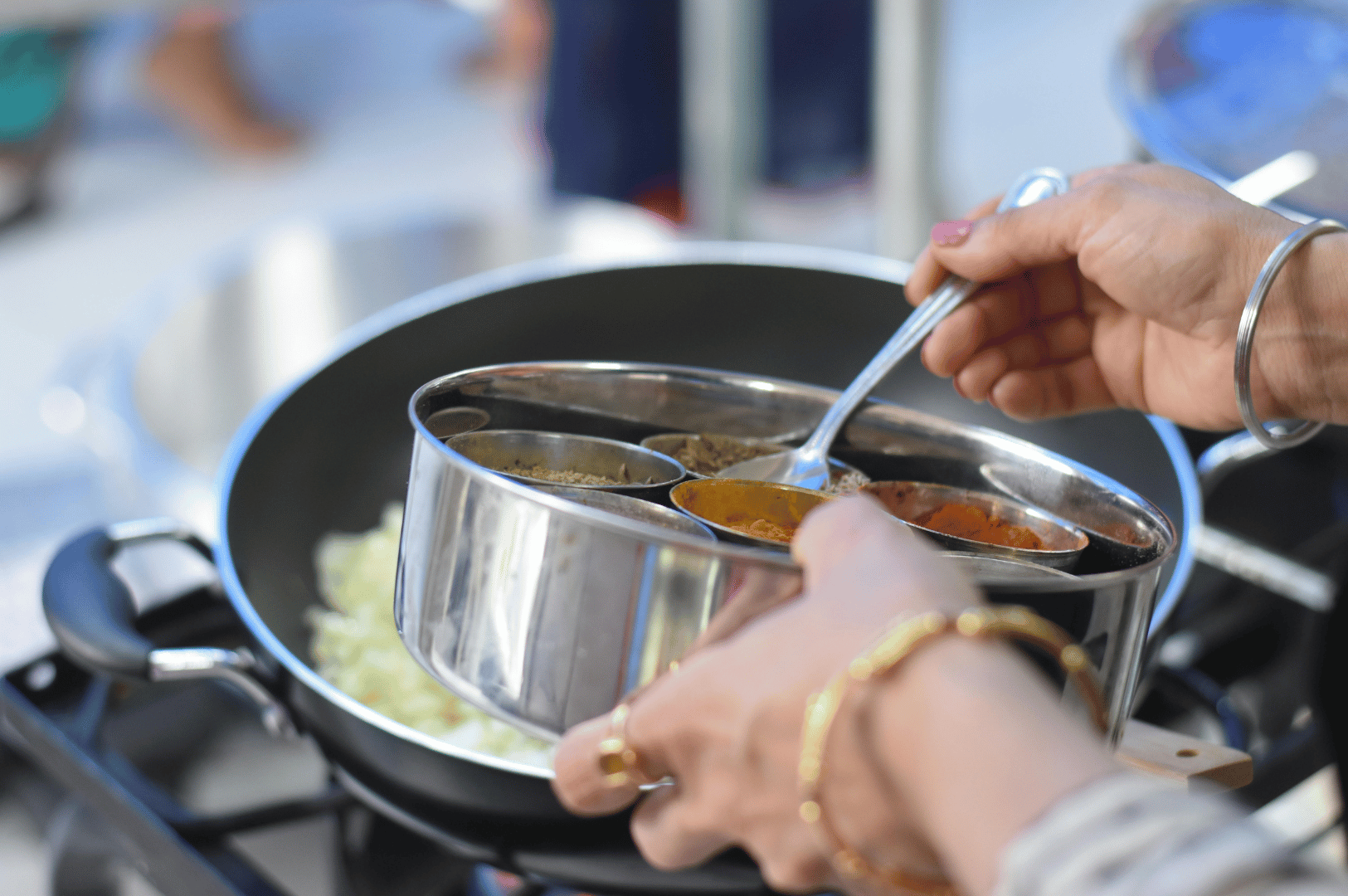
Spices are the soul of Gujarati food, and their careful blending is what sets this cuisine apart. Garam masala, cumin seeds, mustard seeds, and curry leaves are used in various combinations to create a perfect blend of flavors. The tempering of spices—sizzling them in hot oil before adding to a dish—releases their essential oils, infusing the food with a savory, aromatic quality that’s instantly recognizable. Green chutney, made with fresh cilantro and green chilies, adds a tangy, refreshing note to snacks and main courses alike.
Traditional cooking techniques like steaming and stir-frying are favored for their ability to preserve the natural flavors and nutrition of ingredients. Steamed dhokla, fluffy and light, is a popular evening snack, while stir-fried shaak showcases the versatility of seasonal vegetables. Jeera rice, fragrant with cumin seeds, and basmati rice provide the perfect canvas for soaking up the flavors of curries and dals.
Regional Variations and Modern Interpretations of Gujarati Food
The Gujarati thali adapts as you travel across the state, with various spices creating unique flavour profiles. The Kathiyawadi thali, from the Kathiawar peninsula, is bold and spicy. In contrast, the Surti thali, from the city of Surat, is known for its culinary refinement and elaborate farsan.
While tradition is revered, the Gujarati thali is not stuck in the past. Today, chefs in Indian restaurants and around the world are reimagining this classic meal. You might find a deconstructed thali, where each element is presented as a separate course. Some restaurants are creating "thali bowls," a convenient, single-bowl version perfect for a quick urban lunch. These innovative interpretations are introducing the balanced philosophy of the thali to new audiences.
The Surprising Health Benefits and How to Experience It
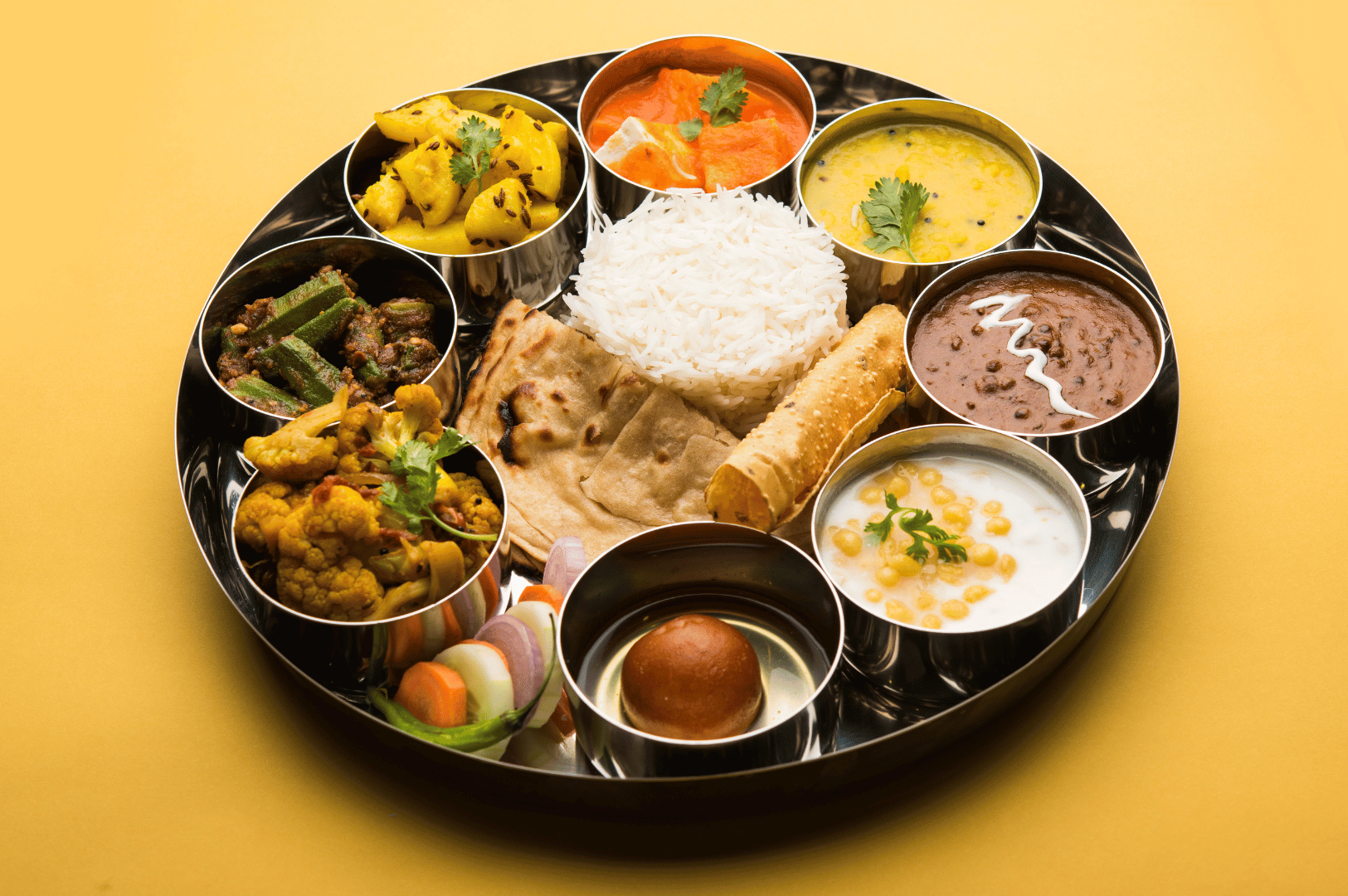
At first glance, a thali might seem like an indulgence, but it’s a surprisingly nutritious dish. This plant-based dining tradition is packed with benefits. The combination of lentils and grains creates a complete protein profile. The variety of vegetables provides a wide spectrum of vitamins, minerals, and fibre. For those tracking nutrition calories, modern restaurants offer healthier adaptations like baked farsan.
Ready to dive in? Finding an authentic Gujarati restaurant is a rewarding experience. In cities like Ahmedabad, Vadodara, and Rajkot, you’ll find legendary establishments packed with families enjoying this traditional meal.
Eating Etiquette Tip: Traditionally, a thali is eaten with the right hand. Tear a piece of rotli, create a small scoop, and use it to pick up the shaak and other dry items. Rice is typically mixed with dal or kadhi and eaten with the fingers or a spoon.
A Feast for the Senses and the Soul
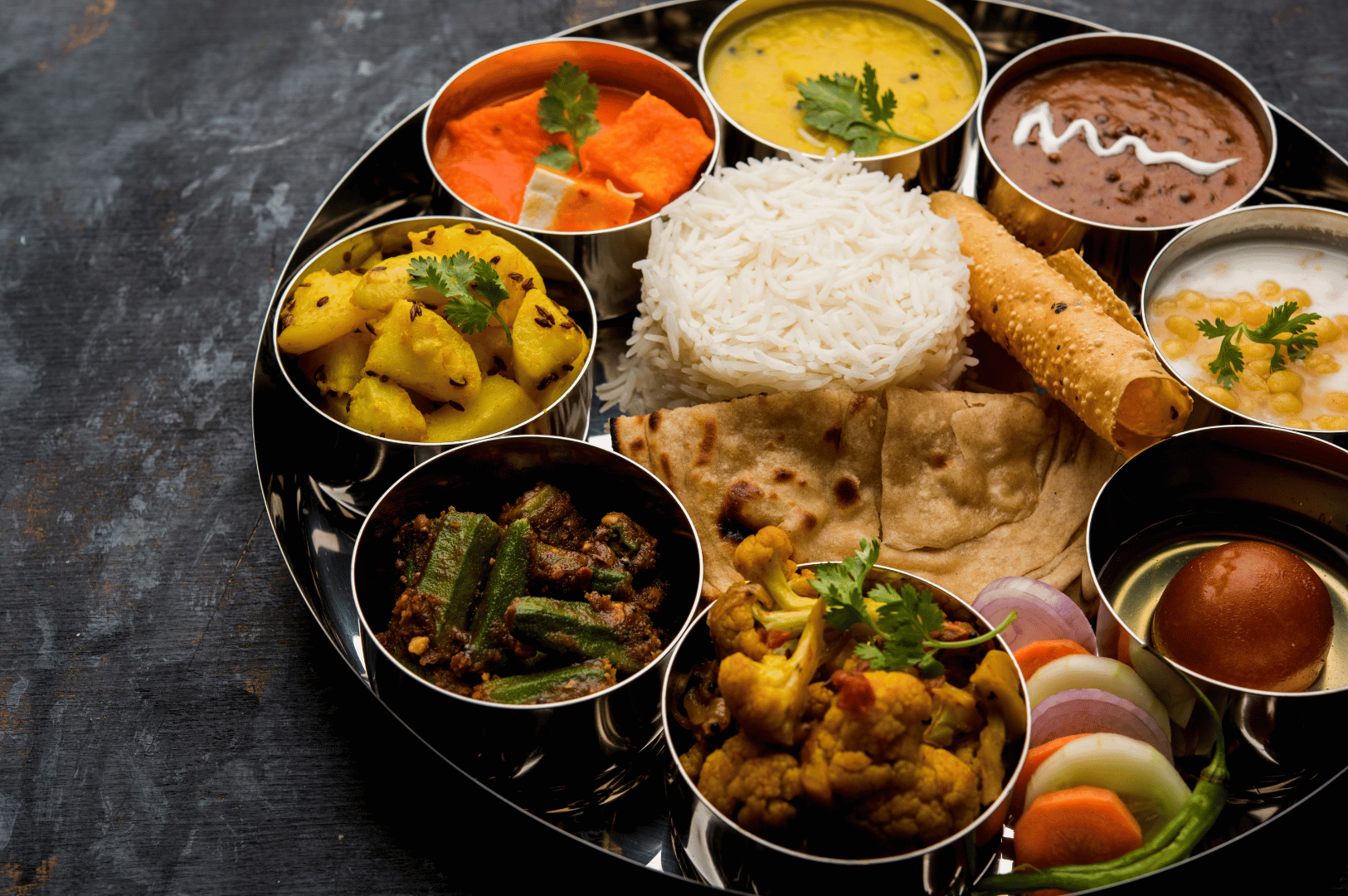
The Gujarati thali is far more than just one of the many Indian dishes; it’s a cultural phenomenon that represents the best of Indian cuisine. It is a shared experience that embodies hospitality, balance, and the incredible diversity of plant-based culinary traditions in India. Each of the various dishes cooked tells a story of season, region, and centuries of culinary wisdom.
So, the next time you're seeking a true culinary journey, look for a Gujarati thali. It’s a feast that promises to engage all your senses and leave you with a lasting appreciation for this wonderful corner of the food world.
For more regional flavors, explore Thailand’s magical butterfly tea or discover the comforting richness of khao soi, northern Thailand’s iconic curry noodle soup.

Tong Ah Eating House Review: A Chinatown Breakfast That Still Begins with Kaya Toast
Eda Wong | September 19, 2026
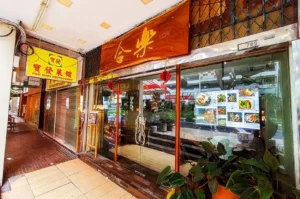
I almost walked past it. I’d been looking for the old triangular building, the red-and-white one you see in every photo of Keong Saik, the one that made Tong Ah feel like a landmark before you’d even ordered anything. But that’s not where it lives anymore. It’s a few doors down now, at 35 Keong…
-
Breakfast at Chinatown Singapore: How Migration Built the City’s Morning Table
Eat Drink Asia Team | September 17, 2026
The first time I ate breakfast in Chinatown, I got it wrong. I arrived at eleven, hungry and hopeful, and found the kopi stalls already turning toward lunch. The porridge uncle was packing up. The toast man had switched to slicing char siew. I ate a rushed plate of noodles standing near a pillar, sweating,…
-
The Bitter Leaf Folded Into a Burmese Home Kitchen
Eda Wong | September 16, 2026
The oil is already hot when she reaches for the leaves. It’s late morning in a kitchen off a quiet lane, and a woman I’ve been watching stands over a blackened wok, tearing bitter gourd leaves by hand into a small heap. The garlic hits the oil first, sharp and loud. Then the leaves go…
-
Best Sushi Singapore: From Premium Japanese Restaurants to Exclusive Deals from Affordable Sushi Trains
Dio Asahi | September 15, 2026
I’ve been eating sushi in this city for years now, from S$1.50 plates rolling past on a belt to omakase counters where the bill made me sit up straight. Somewhere along the way I stopped chasing “the best” and started noticing something else — that good sushi answers a mood, not a ranking. Some nights…
-
Al Mubin Restaurant and the Nasi Goreng Sambal Ayam That Has to Carry the Whole Plate
Eda Wong | September 12, 2026
It was close to eleven at night when I finally sat down. The kind of hour when you’re not really hungry so much as unsettled, when you want something warm in front of you more than you want a proper meal. Al Mubin’s food court at Block 407, Ang Mo Kio Avenue 10, was still…
-
Yassin Kampung Admiralty Review: When Sambal Fried Rice Becomes the Whole Point
Eat Drink Asia Team | September 10, 2026
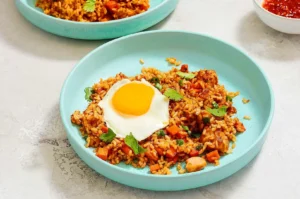
I ordered the sambal fried rice first, before I’d even properly read the menu. That’s usually a mistake at a place like this. Yassin Kampung @ Admiralty is the kind of restaurant that keeps trying to pull your attention elsewhere — toward stingray, toward crab, toward hotplates that arrive still hissing. But I’d come with…
-
The Bamboo Basket Holding Chiang Mai’s Sticky Rice
Dio Asahi | September 9, 2026
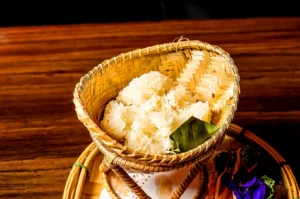
By Dio Asahi for Eat Drink Asia. The lid comes off, and the steam rises first. It’s a warm afternoon in Chiang Mai, and on the table sits a small woven bamboo basket, still holding the heat of the pot it came from. Someone’s grandmother lifts the top and sets it aside without looking. Inside,…
-
Sambal Fried Rice Recipe for People Who Know the Chilli Paste Does the Heavy Lifting
Dio Asahi | September 8, 2026
I used to add the rice too early. The oil would be hot, the sambal barely a minute in, and I’d tip in the cold rice because I was hungry and impatient. Every time, the same result: rice stained red but tasting of nothing much. Sharp. Raw. Flat where it should have been deep. It…
-
Hup Lok at Havelock Road: A Teochew Fish Soup Carrying Memory Forward
Eda Wong | September 8, 2026
The bowl arrives before anything else does. Steam lifts off it in slow ribbons, carrying the smell of ginger and something warmer underneath: the round, boozy note of hua tiao wine settling into fish. I lean in before I even pick up my spoon. The broth is pale gold and cloudy, thick enough that it…
-
Fresh Sashimi Singapore: Places for Clean Cuts, Quiet Counters, and Fish That Still Feels Alive
Eda Wong | September 5, 2026
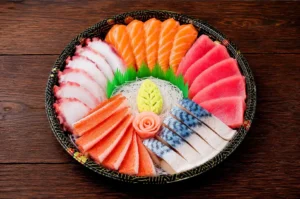
I didn’t grow up eating raw fish. For years, sashimi felt like something you learned to appreciate rather than something you loved. Cold, foreign, a little intimidating. Then one afternoon, at a quiet counter, a chef placed a single slice of chutoro in front of me and said nothing. I ate it. And I understood….