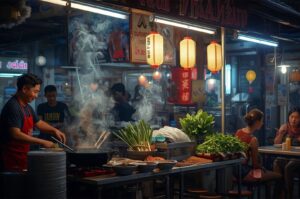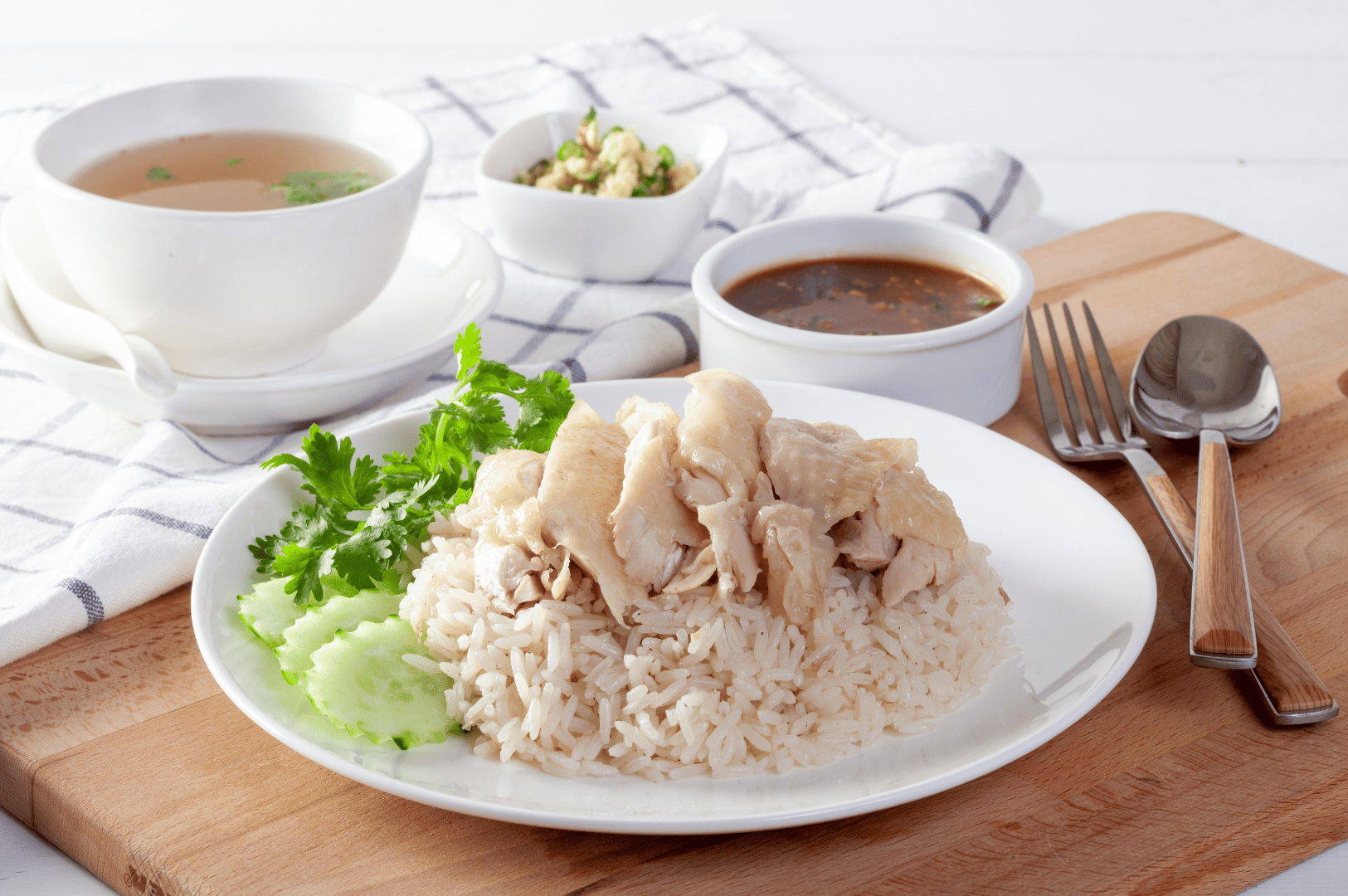
To wander through Singapore’s bustling hawker centres on a humid evening is to experience a symphony of sights, sounds, and smells. Among the many other dishes sizzling away, one plate stands out for its elegant simplicity: Hainanese Chicken Rice. It arrives without fanfare—gleaming slices of poached chicken over fragrant rice, flanked by a trio of sauces and a delicate broth. This dish is far more than a simple meal; it is an icon, a cultural cornerstone that tells a story of migration, adaptation, and culinary perfection. To understand it is to understand the heart of Singapore.
While it is Singapore’s national dish, its origins trace back to Hainan, a southern province of China. There, a different breed of chicken, the Wenchang, was used to create a similar dish. When Hainanese immigrants brought their recipes to Singapore, they adapted to local ingredients. The quest to make a tender, succulent dish from local chickens led to the refined Hainanese chicken rice recipe we know today—a process driven by an intuitive grasp of food science.
The Science of the Perfect Poached Chicken
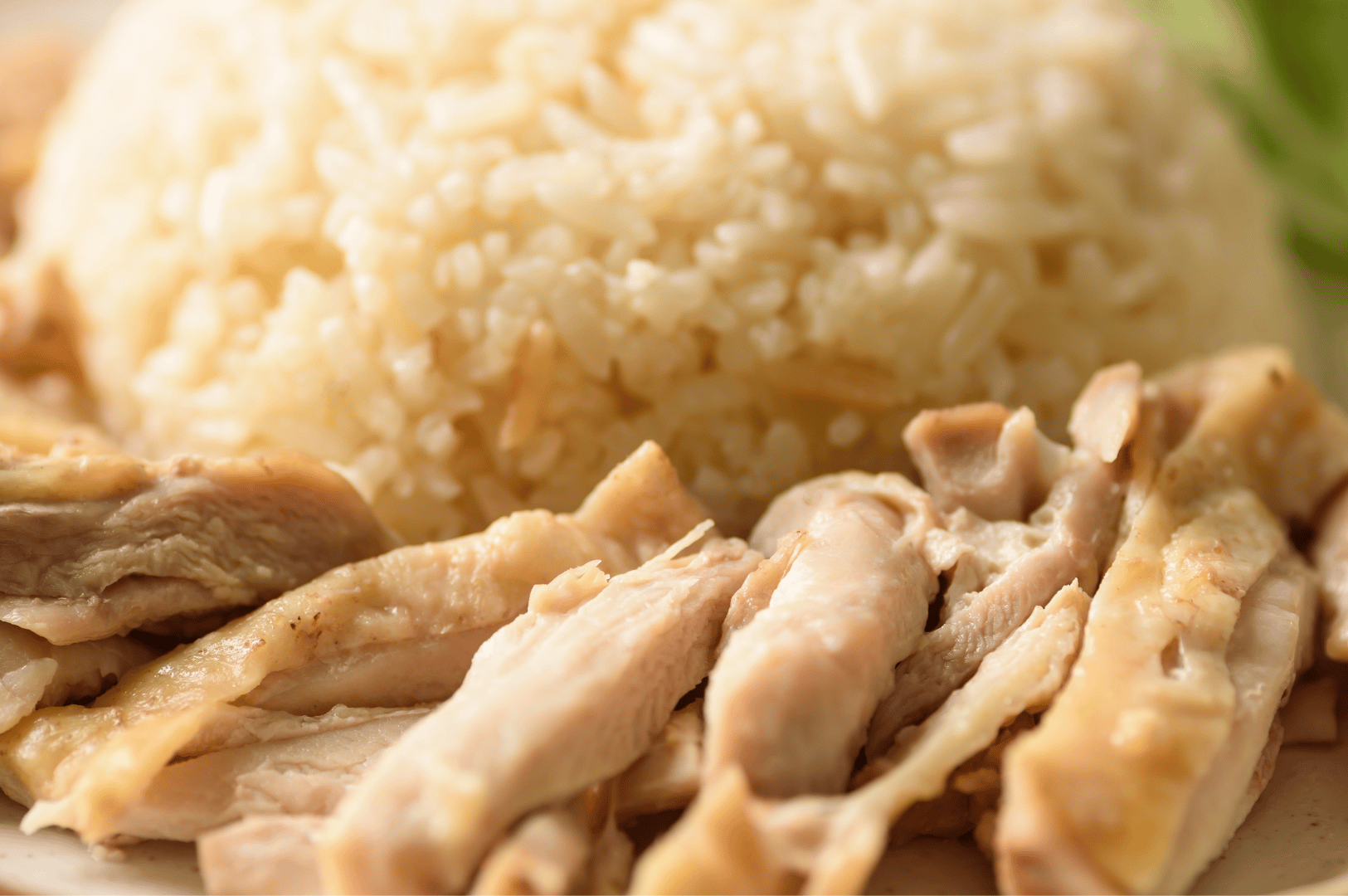
The soul of this dish is the chicken. The goal is not a crispy skin but something far more refined: a smooth, gelatinous chicken skin and meat so tender it melts in your mouth. This result hinges on a meticulous cooking process, a ritual where temperature control is everything. Mastering the poach is the first step toward a five-star review recipe.
Temperature Control: The Secret to Tenderness
The core technique is poaching a whole chicken. The process begins when you add chicken to a large pot of flavorful poaching liquid, often infused with pandan leaves, ginger, and garlic. This is brought to a boil, then the heat is immediately reduced to a gentle simmer. Many recipes call for cutting the heat entirely, covering the pot, and letting the chicken cook in the residual heat of the hot water, which remains around 80-85°C (176-185°F). This low temperature cooking is crucial.
Cooking meat involves protein denaturation. High heat causes muscle fibers to contract quickly, forcing out moisture and leading to tough meat. The gentle, low-temperature poaching method allows these proteins to denature slowly, retaining the natural juices. This ensures the chicken breast, which can easily dry out, remains moist and perfectly cooked. For precision, an instant-read thermometer inserted into the thickest part of the thigh should register the ideal temperature for doneness without overcooking.
Simultaneously, this gentle heat works magic on collagen, the connective tissue found in the chicken skin and joints. The slow cooking process transforms this collagen into soft gelatin, giving the poached chicken its signature silky mouthfeel. This food science principle is why the skin is delightfully smooth, not rubbery.
The Critical Ice Bath
Once the chicken is cooked through, you carefully lift it from the pot and immediately plunge it into an ice bath. This step is a non-negotiable part of the Hainanese chicken rice recipe. The thermal shock causes the chicken skin and the layer of saturated fat beneath it to contract and tighten. This rapid cooling locks the gelatin in place, creating a smooth, almost translucent layer. It also stops the cooking process cold, guaranteeing the delicate meat doesn't become tough.
Engineering Flavor: The Chemistry of the Rice
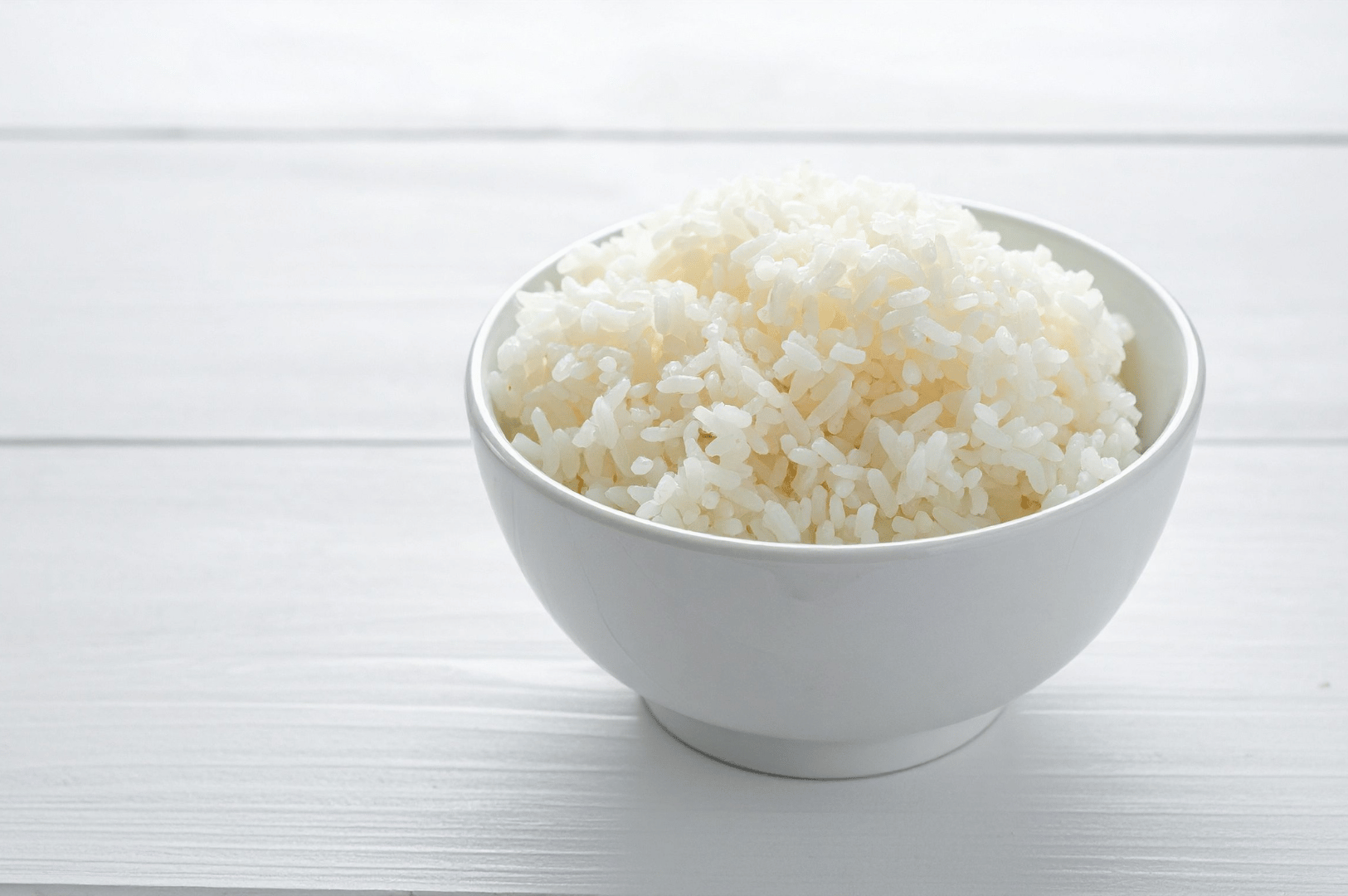
While the chicken is the star, the rice is its essential partner. This is no ordinary steamed rice; it is a flavor-delivery system. Each grain is slick, savory, and aromatic. The secret is chicken fat.
Before cooking, raw rice grains are sautéed over medium heat in rendered chicken oil along with finely minced ginger and garlic. This step leverages flavor chemistry. Fat is an excellent solvent for the aromatic compounds in the ginger and garlic, coating each grain.
Next, instead of plain water, flavorful chicken stock from the poaching liquid is added to the rice cooker pot. As the rice steams in the rice cooker, two things happen. The water-soluble flavors from the chicken broth are absorbed into the grains, while the fat-soluble aromas of ginger and garlic bloom. The chicken fat also keeps the grains separate, ensuring a glossy, non-sticky texture. The result is a fragrant, savory rice that is delicious enough to eat on its own.
A Symphony of Sauces
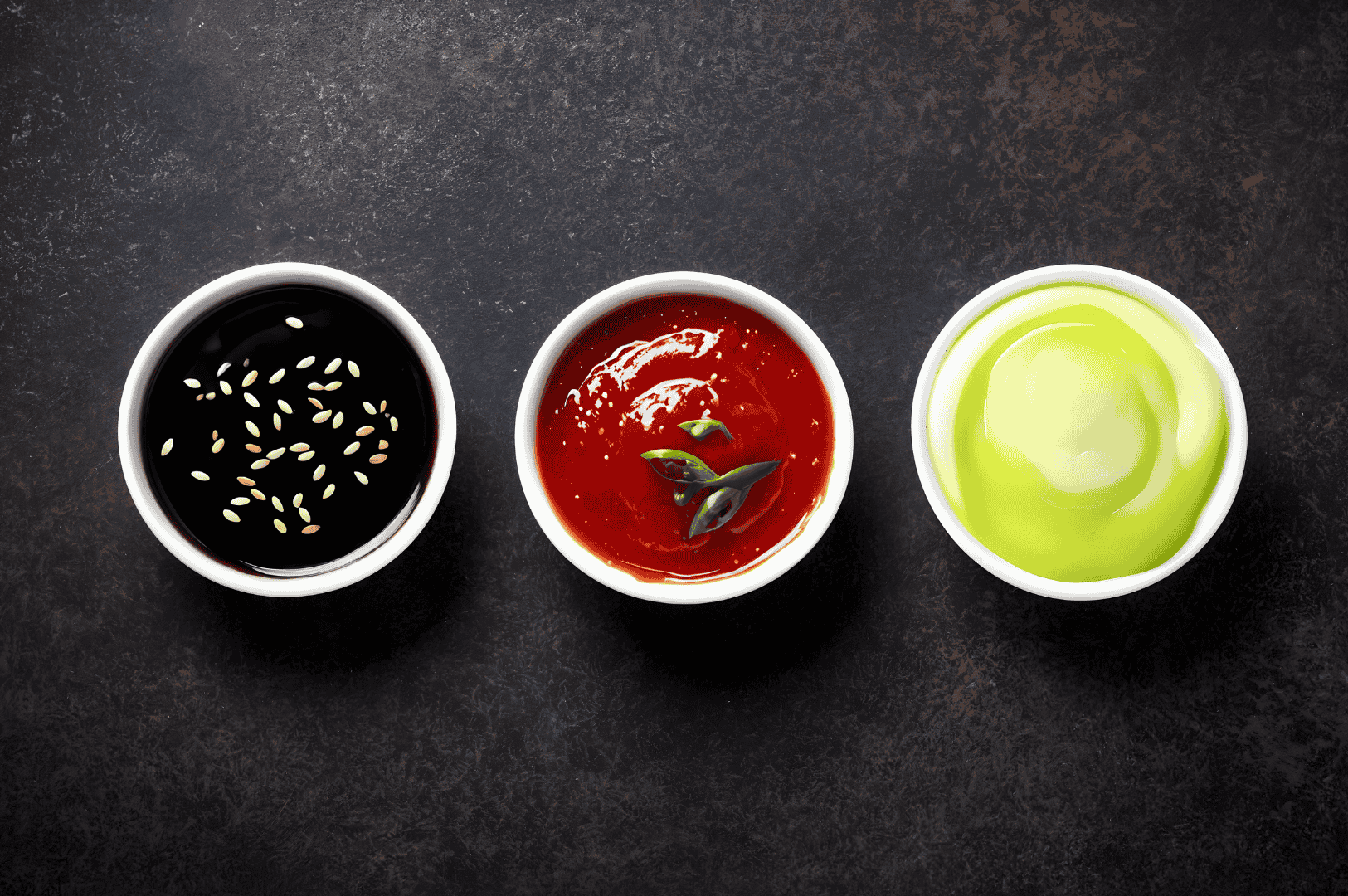
Hainanese Chicken Rice is incomplete without its three companion sauces. Each one is designed to enhance the dish, allowing for a personalized flavor journey.
The Chilli Sauce
The fiery heart of the trio, this sauce provides a sharp, acidic kick. A vibrant blend of fresh chillies, garlic, ginger, and lime juice is often balanced with sugar and a little chicken stock. A food processor makes quick work of creating a smooth consistency. This sauce cuts through the richness of the chicken and rice.
The Ginger Mixture
A simple yet potent paste. Finely minced young ginger is combined with finely chopped spring onions and a neutral oil to create a fresh, zesty counterpoint. Sometimes called spring onion oil, it cleanses the palate and highlights the chicken's delicate sweetness. Preparing it in a small bowl is easy.
The Soy Sauce Dressing
This is often a blend of light soy sauce and dark soy sauce, sometimes thinned with a little water or stock and sweetened with a touch of sugar. A drizzle of sesame oil adds nutty aroma. The light soy sauce provides saltiness, while the thick, viscous dark soy sauce adds a deep, malty sweetness and a rich color.
Together, these sauces—the chili, the ginger, and the soy sauce—allow each person to customize their plate.
Cooking Tips for the Perfect Dish at Home
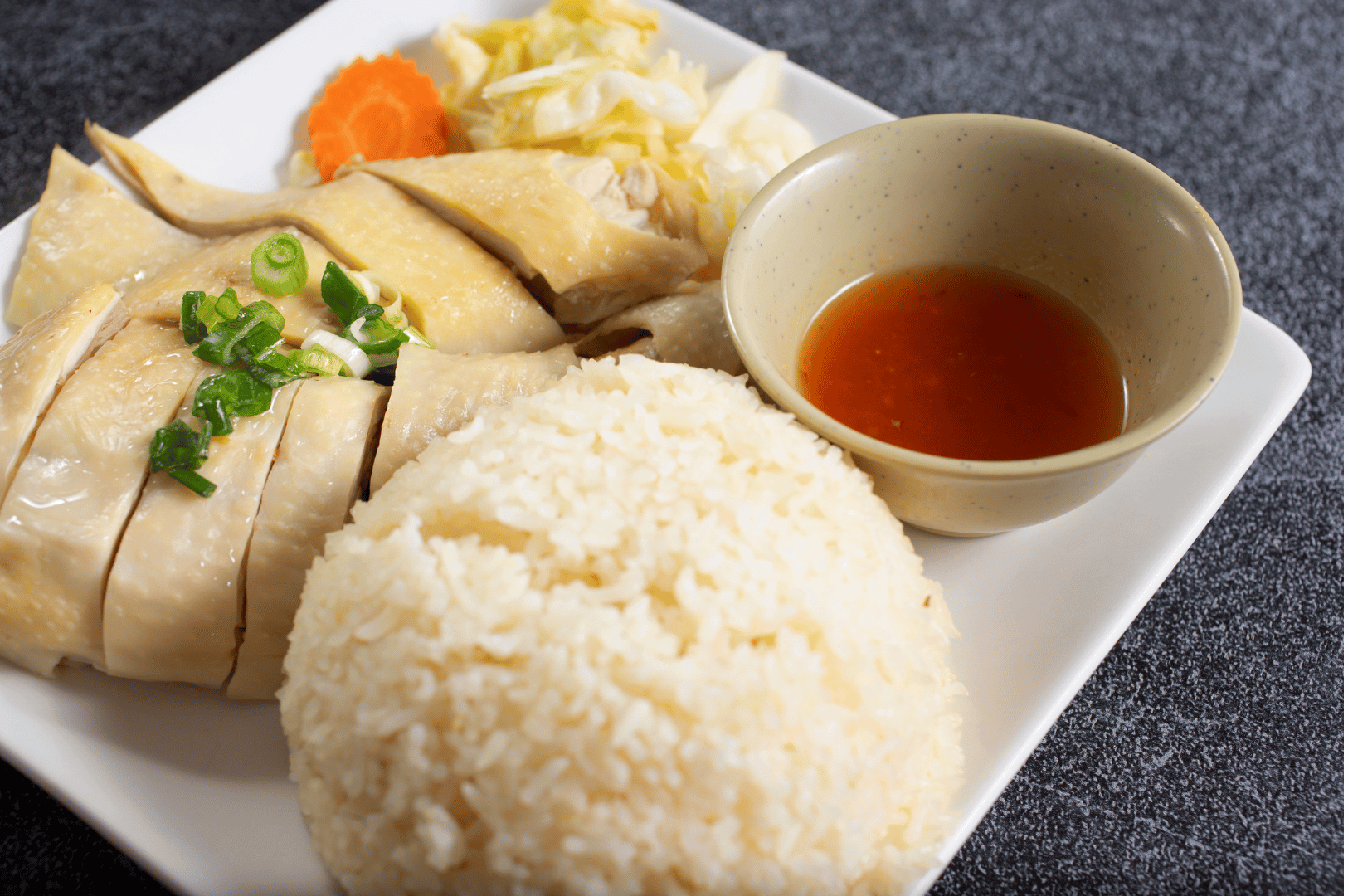
Creating authentic Hainanese chicken is achievable with attention to detail. Follow these cooking tips for success:
- Start with a Clean Chicken: Ensure the whole chicken is clean inside and out. Rub it with coarse salt and rinse thoroughly to prepare the skin.
- Monitor the Cooking Time: Poaching a chicken can take close to one hour, depending on its size. Use an instant-read thermometer to check for doneness.
- Reserve the Broth: The poaching liquid is gold. Use it to cook the rice and to serve as a simple chicken soup alongside the meal. Ladle some into a small saucepan and season it with salt and spring onions for a light broth.
- Render the Fat: Don't discard excess chicken fat. Render it on low heat to create the chicken oil needed for the rice. It makes a world of difference.
- Serve Correctly: The chicken should be served at room temperature, not hot. Carve it and arrange it over the rice with sliced cucumber.
For those looking for modern methods, sous vide cooking offers incredible temperature control. Cooking chicken breasts or chicken thighs sous vide before a quick poach can yield exceptionally tender results, although it departs from the traditional one-pot method.
A Unifying Dish
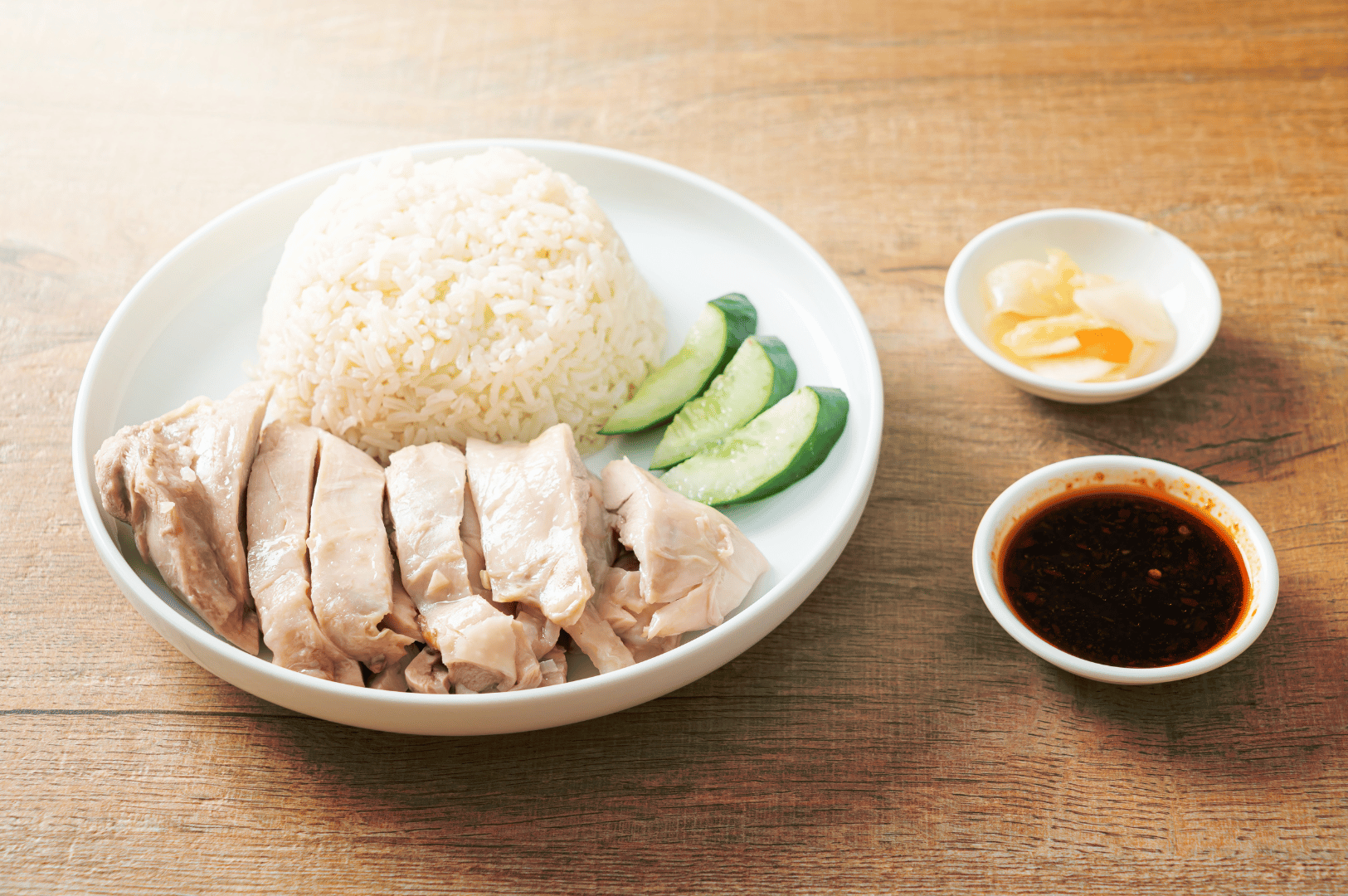
In Singapore, chicken rice transcends social and cultural lines. At hawker centres, you’ll find people from all walks of life enjoying the same beloved meal. It’s a dish that unites a nation of immigrants, a symbol of how something imported can be perfected and adopted as a national treasure. It represents a commitment to excellence, where even simple recipes are elevated through meticulous technique.
From the precise low-temperature cooking of the poached chicken to the fat-infused chemistry of the rice, this dish is where food science and soul meet. It’s a testament to generations of cooks who mastered these principles to create something deeply comforting. To eat it is to taste history, innovation, and the unifying spirit of Singapore. We hope you will review this recipe and comment something about your experience creating this wonderful dish at home. While we don't provide detailed nutritional information or nutrition facts, it's a balanced meal that continues to delight diners worldwide.
If you enjoyed this story, explore more culinary journeys in Bubble Tea Origins: How Taiwan Created a Global Beverage Phenomenon and A Food Lover’s Guide to the Taiwanese Oyster Omelet—each a celebration of Asia’s rich food heritage and innovation.

The Emerald Journey: Exploring Asia’s Green Milk Tea Culture
Eat Drink Asia Team | December 16, 2025
A vibrant, emerald-hued wave is sweeping across Asia, delighting taste buds and defining modern café culture. From street-side stalls in Bangkok to chic tea houses in Taipei, green milk tea—sometimes simply called green tea with milk—has blossomed from a simple concept into a beloved, refreshing drink with countless regional interpretations and profound cultural significance. Whether…
-
Thai Green Milk Tea: The Complete Guide to Thailand’s Refreshing Emerald Delight
Eda Wong | December 13, 2025
Picture a tall glass filled with crushed ice, its emerald-green contents swirled with ribbons of creamy white milk—this is thai green milk tea, one of Southeast Asia’s most visually striking and refreshing drinks. Known locally as cha khiao nom yen, this popular drink has captured hearts across Asia and beyond with its distinctive pale green…

Best Thai Singapore: Discover the Art of Authentic Pad Thai
Dio Asahi | December 11, 2025
In Singapore, a city that celebrates a universe of flavors, the magnetic pull of Thai cuisine is undeniable. From bustling food courts to elegant dining rooms, the kingdom’s culinary ambassadors have firmly planted their flag. When considering the best Thai food, it’s impossible to overlook how integral Pad Thai is to the local Thai food…
-
Thai Cuisine in Singapore: Finding the Best Authentic Flavors
Eat Drink Asia Team | December 9, 2025
The unmistakable aroma of lemongrass, galangal, and fiery spices mingles with the bustling night air in Singapore, setting the stage for a dining experience that wakes the soul and tantalizes the senses. Thai cuisine in Singapore has become an essential part of the city’s culinary landscape, offering a complete blend of vibrant flavor, tangy notes,…
-
The Ultimate Guide to Thai Food: Flavors, Traditions, and Culinary Adventures
Dio Asahi | December 6, 2025
Thai cuisine is one of the world’s most beloved and complex culinary traditions, captivating food enthusiasts globally with its masterful balance of flavors and vibrant presentations. From bustling Bangkok street stalls to high-end international restaurants, Thai food has become a global phenomenon that evolves while maintaining its authentic roots. What sets Thai cuisine apart from…
-
How to Drink Sake: Your Guide to Enjoying Japanese Sake Wine
Eda Wong | December 5, 2025
As Japan’s national beverage, this traditional sake is present at celebrations, quiet dinners, and spiritual offerings, weaving itself into the very fabric of daily life and reflecting Japan’s deep-rooted cultural heritage. Yet, for many outside of Japan, it remains a delightful mystery. You might find yourself wondering, how do you drink sake properly to unlock…
-
The Quiet Pursuit of Perfection: Where to Find the Freshest Sashimi in Singapore
Eat Drink Asia Team | December 3, 2025
In Singapore, a city that moves at a dizzying pace, there is a quiet but growing reverence for pursuits that demand patience. Nowhere is this more apparent than in the city’s evolving appreciation for authentic Japanese cuisine. The once-niche world of omakase has entered the mainstream lexicon, and with it, a more discerning palate for…

Understanding Sake Alcohol Content: A Complete Guide to ABV and Flavor
Eda Wong | December 2, 2025
When exploring Japanese sake, many wonder about its grades and complex flavors. Sake’s unique profile offers remarkable versatility, enjoyed in various serving styles and paired with diverse dishes. One fundamental aspect is sake alcohol content. Is sake stronger than wine? How does its alcohol by volume (ABV) compare to beer? The answer is nuanced. Understanding…
-
Japanese Sake: The Complete Guide to Japan’s Traditional Rice Wine
Dio Asahi | November 29, 2025
Japanese Sake: The Complete Guide to Japan’s Traditional Rice Wine While sake has been Japan’s national beverage for over a millennium, its popularity across Asia is at an all-time high. Rooted in Japan’s traditional brewing methods and centuries-old origins. It symbolizes Japan’s cultural heritage and craftsmanship. Understanding this complex brewed alcoholic beverage opens doors to…

Best Japanese Foods in Japan: The Must-Try Dishes
Eda Wong | November 27, 2025
Why Japanese Food Is Worth the Trip Japan’s culinary world extends far beyond well-known sushi and ramen, revealing a rich variety of regional specialties cherished by locals. While many travelers stick to popular Japanese foods in tourist areas, authentic flavors are best discovered in neighborhood markets, family-run eateries, and seasonal menus reflecting centuries of Japanese…