Frost clings to the wooden window frames in the highlands of Gifu. Inside, the air is thick with the scent of woodsmoke and fermented soybeans. On the table, a small ceramic charcoal grill known as a shichirin radiates a gentle, localized heat. Resting directly above the glowing embers is a large, brittle brown leaf holding a dollop of dark paste, wild mushrooms, and scallions. As the heat rises, the paste begins to bubble at the edges, emitting a low, rhythmic hiss. The air turns intensely savory, anchoring everyone at the table to this exact moment.
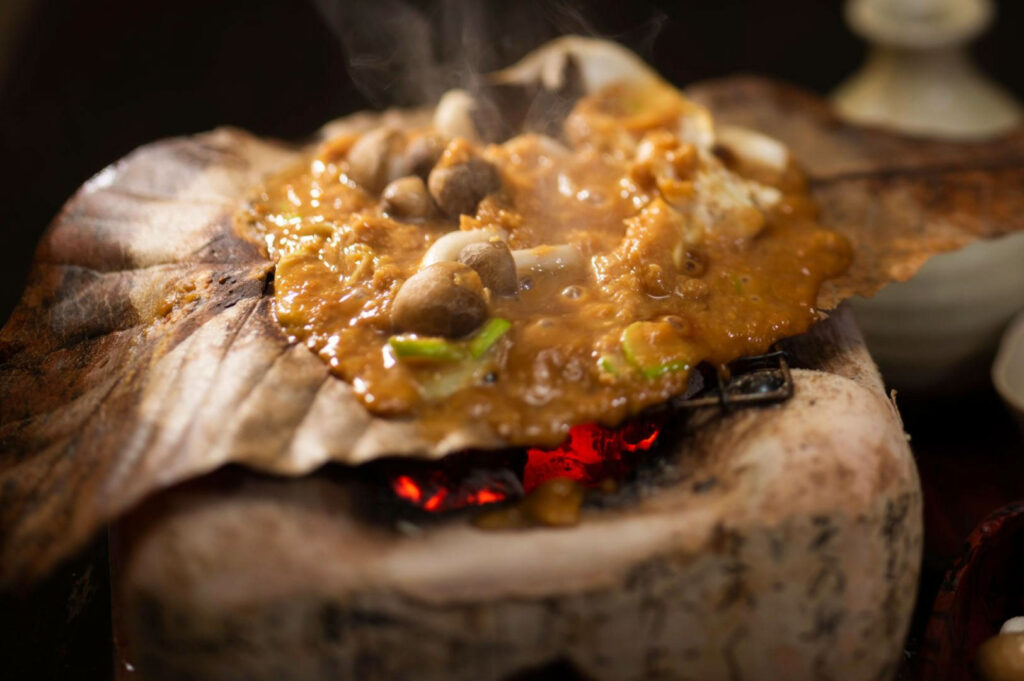
This is hoba miso, pronounced hoe bah mee so, a cornerstone of traditional mountain cooking in this region of central Japan. Stripped to its essence, it is simply miso paste roasted over fire. But the craft lies in the vessel. The hoba, or dried magnolia leaves, are foraged in the autumn and dried for winter to act as a natural skillet. They do not burn instantly. Instead, they slowly toast, releasing a faint, woodsy aroma into the miso. As the hoba miso heats, its texture shifts from thick clay to a glossy, bubbling reduction. The sweet, salty, and earthy notes intensify, mingling with the moisture of the mushrooms and the sharp bite of local scallions.
In the mountainous terrain of Gifu, where winters are long and isolating, hoba miso signals survival transformed into comfort. Historically, local farmers needed a way to thaw out frozen pickles and warm their miso without dirtying precious cookware, leading to this ingenious use of the forest floor. Today, it remains an everyday ritual of connection. While modern kitchens are equipped with gas stoves and microwave ovens, the act of gathering around a shared table to watch the magnolia leaves slowly scorch is an intentional pause. It requires patience and a communal rhythm. Diners must constantly tend the mixture with wooden chopsticks, scraping the edges before the miso burns, creating a shared responsibility over the meal.
In an era of rapid food delivery and instant gratification, hoba miso asks for your time. There is a quiet tension between the aesthetic beauty of the dried leaf and the practical appetite it serves. The leaf is ephemeral. It will eventually crack and turn to ash, useful for only one meal. Yet, it elevates a humble dollop of fermented soybeans into an event. It reminds us that mountain cooking does not always require manufactured metal. Sometimes, the landscape itself provides exactly what is needed to coax out the deepest flavors.
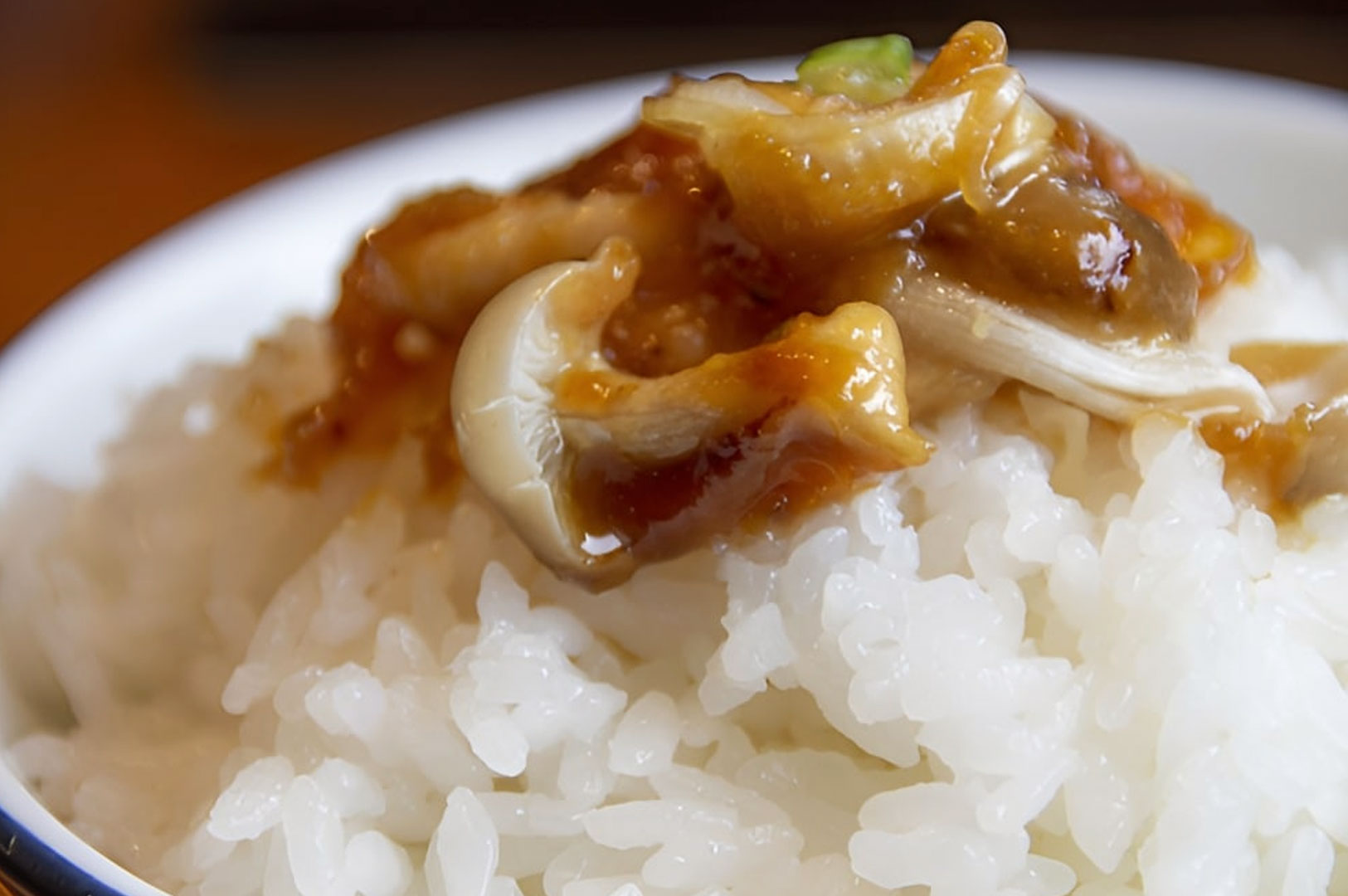
The bubbling eventually slows as the embers soften to a dull orange. A final scrape of the chopsticks pulls the caramelized, slightly scorched hoba miso from the center of the leaf, lifting it over a bowl of steamed white rice. The leaf is left to smolder, its task complete, leaving only the warmth it imparted.
For Eat Drink Asia, this wintertable scene in Gifu captures how a single leaf can turn miso into comfort.

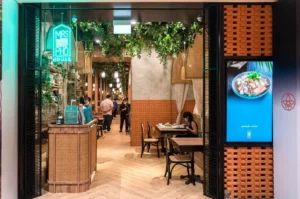
Mrs Pho and the Bowl That Makes Somerset Feel Like a Vietnamese Family Table
Eat Drink Asia Team | October 1, 2026
I wasn’t hungry when I walked into 313@somerset. I’d come for something else entirely; an errand, a shop I needed, the usual Orchard rush of people moving faster than the escalators. But somewhere on the first floor, past the noise, I caught the smell of star anise and beef bone, and my feet slowed down…
-
The Carving Knife at Colony, and the Way We Mark What Matters
Eda Wong | September 30, 2026
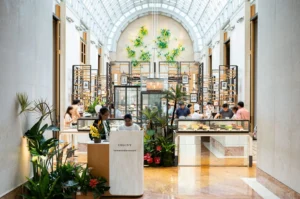
By Eda Wong for Eat Drink Asia. It’s late morning, and the light is doing most of the work. It pours through the high windows of Colony, at The Ritz-Carlton, Millenia Singapore, spilling across white tablecloths and the vintage prints on the walls. Marina Bay hums somewhere outside, but in here the room feels a…
-
Co Chung Vietnamese Restaurant and the Gỏi Cuốn That Makes Fresh Herbs Do the Work
Dio Asahi | September 29, 2026
I found it by accident, the way you find most things in a mall basement. I’d come down to Plaza Singapura’s B2 for something else entirely, drifting past the usual food-court noise, when I caught the smell of star anise and beef bone coming from a corner. I followed it. And there it was —…
-
Vietnamese Spring Roll: The Recipe That Only Works When the Herbs Stay Awake
Eda Wong | September 26, 2026
Fresh Vietnamese spring rolls, or gỏi cuốn, look delicate, but the recipe is really about control: barely softened rice paper, dry herbs, restrained noodles, clean protein, and a dipping sauce sharp enough to wake the whole thing up. This is not the fried version, chả giò or nem rán. This is the cool, translucent, herb-heavy…
-
Best Steakhouse Singapore: From Fire-Kissed Icons to Old-School Beef Plates
Eat Drink Asia Team | September 24, 2026
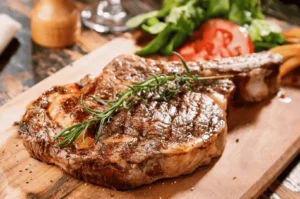
I didn’t set out to write about steak. It started with a bad day and a craving for something that pushed back when I bit into it. One dinner turned into a habit, and over a couple of years I found myself at counters, coffeeshops, and dining rooms all over this island, chasing the same…
-
The Ice Counter at Carousel, and the Table Everyone Can Reach
Dio Asahi | September 23, 2026
By Dio Asahi for Eat Drink Asia. It’s a Saturday evening, and someone across the room is carrying a birthday cake. The candles are lit, the walk is careful, and a whole table turns to watch. Plates clink. A child laughs somewhere. The room at Carousel, inside Royal Plaza on Scotts, isn’t quiet — it…
-
Tiong Shian Porridge Centre Review: The Soft Counterweight to Chinatown’s Crisp Toast
Dio Asahi | September 22, 2026
I’d spent the morning with kaya toast. Crisp bread, cold butter, the clean snap of it between my teeth. Good, all of it. But by the time I’d walked a few streets over to New Bridge Road, my mouth wanted the opposite. Something warm. Something that gave way instead of shattering. That’s how I ended…
-
Tong Ah Eating House Review: A Chinatown Breakfast That Still Begins with Kaya Toast
Eda Wong | September 19, 2026
I almost walked past it. I’d been looking for the old triangular building, the red-and-white one you see in every photo of Keong Saik, the one that made Tong Ah feel like a landmark before you’d even ordered anything. But that’s not where it lives anymore. It’s a few doors down now, at 35 Keong…
-
Breakfast at Chinatown Singapore: How Migration Built the City’s Morning Table
Eat Drink Asia Team | September 17, 2026
The first time I ate breakfast in Chinatown, I got it wrong. I arrived at eleven, hungry and hopeful, and found the kopi stalls already turning toward lunch. The porridge uncle was packing up. The toast man had switched to slicing char siew. I ate a rushed plate of noodles standing near a pillar, sweating,…
-
The Bitter Leaf Folded Into a Burmese Home Kitchen
Eda Wong | September 16, 2026
The oil is already hot when she reaches for the leaves. It’s late morning in a kitchen off a quiet lane, and a woman I’ve been watching stands over a blackened wok, tearing bitter gourd leaves by hand into a small heap. The garlic hits the oil first, sharp and loud. Then the leaves go…