When visiting Hokkaido, Japan’s northernmost island, food lovers are greeted with some of the most highly regarded seafood specialties in the world. Hokkaido is famous for its abundance of fresh seafood and rich fishing grounds, thanks to the surrounding Sea of Japan, Pacific Ocean, and Sea of Okhotsk. These nutrient-packed waters yield a wide range of marine delicacies, celebrated for their natural flavor, rich umami, and sweet taste. Here, seafood is not just food-it’s a way of life, enjoyed year round by locals and visitors alike.
Most travelers come to Japan expecting impeccable sushi and sashimi, but Hokkaido’s culinary scene offers much more. From fresh sea urchin and hairy crab to grilled fish and kaisen-don (seafood rice bowls), Hokkaido seafood specialties present a variety of delicious dishes steeped in history and local tradition. This guide explores the diverse flavors, unique dishes, best markets and restaurants, plus practical tips for truly savoring the essence of Hokkaido.
Why Hokkaido is Japan’s Ultimate Seafood Haven
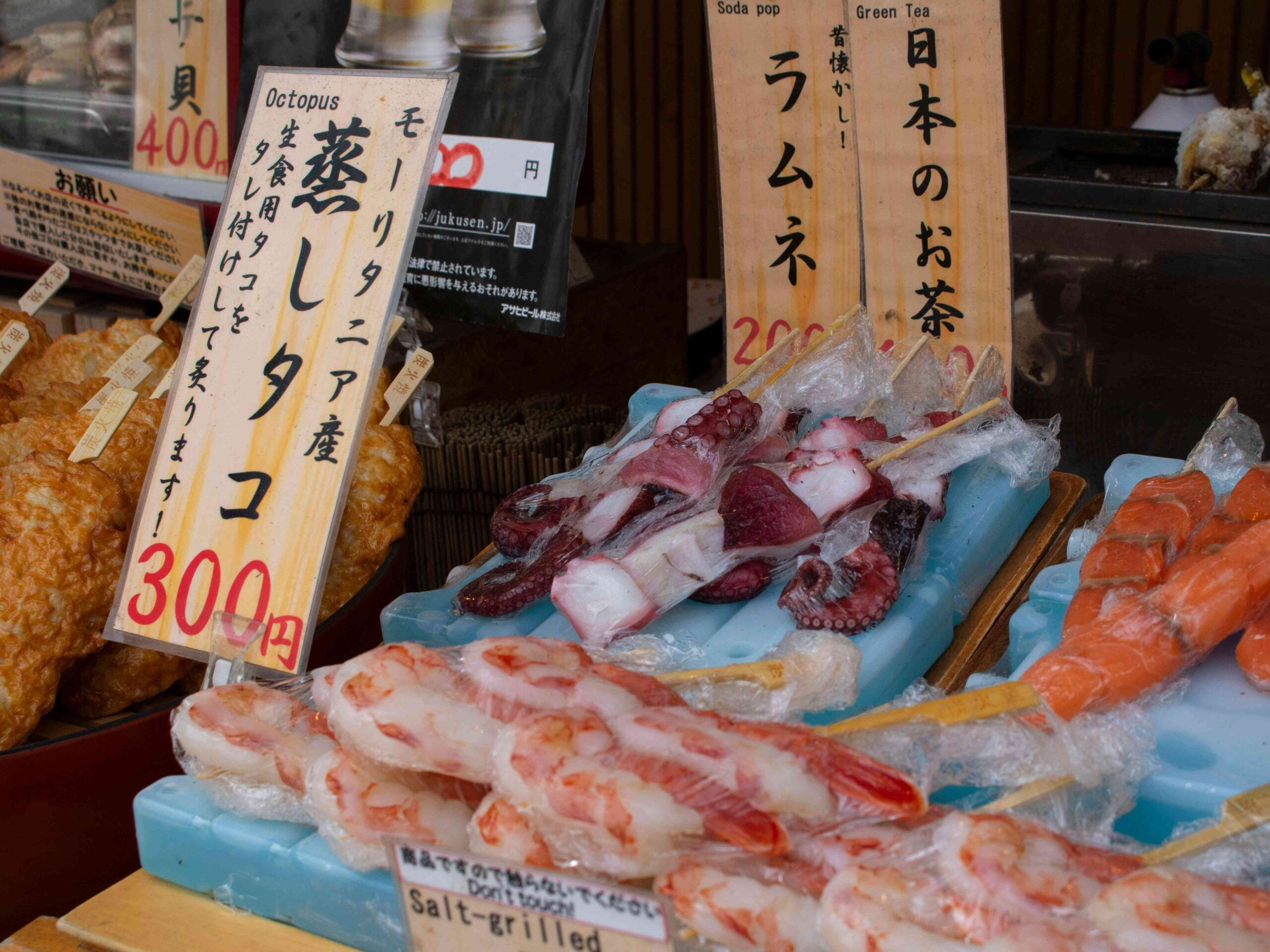
Hokkaido’s reputation for seafood is built on its cold seas, which result in firm texture, rich sweetness, and a natural flavor prized by chefs worldwide. The region’s seafood is enjoyed raw, grilled, fried, and in various dishes ranging from fine-dining sushi to casual bowls eaten at market stalls.
Hokkaido’s fishermen haul in prized crab, fresh scallops, succulent sea urchin, bluefin tuna, salmon, and atka mackerel, with seasonal flavors peaking at different times of the year. Here, eating seafood is woven into everyday life, marked by the seasons and celebrated with festivals and community meals.
Seafood Delicacies: Botan Shrimp, Atka Mackerel, and More
Botan shrimp and Atka mackerel are other must-try ingredients, often enjoyed grilled or served as sashimi. Don’t miss the rare hanasaki crab or Akkeshi oysters, celebrated for their rich sweetness and natural flavor. Whether at bustling markets in Hokkaido or cozy seafood markets near JR Otaru Station, visitors can relish high-quality seafood year-round, making every rice bowl a memorable experience.
Best Places to Eat Hokkaido Seafood Specialties
These five restaurants are the places I keep recommending when friends ask where to try the best seafood in Hokkaido. Each one shows a different side of the island’s hokkaido seafood culture — from bustling seafood markets serving towering seafood rice bowls to smoky grills celebrating the island’s bountiful seas.
What they share is simple: fresh ingredients, seafood supplied daily by local fishermen, and cooking that highlights the natural flavor of Hokkaido’s rich marine life.
1. Ajidokoro Takeda (Otaru)
Nearest Station: JR Otaru Station – one minute walk
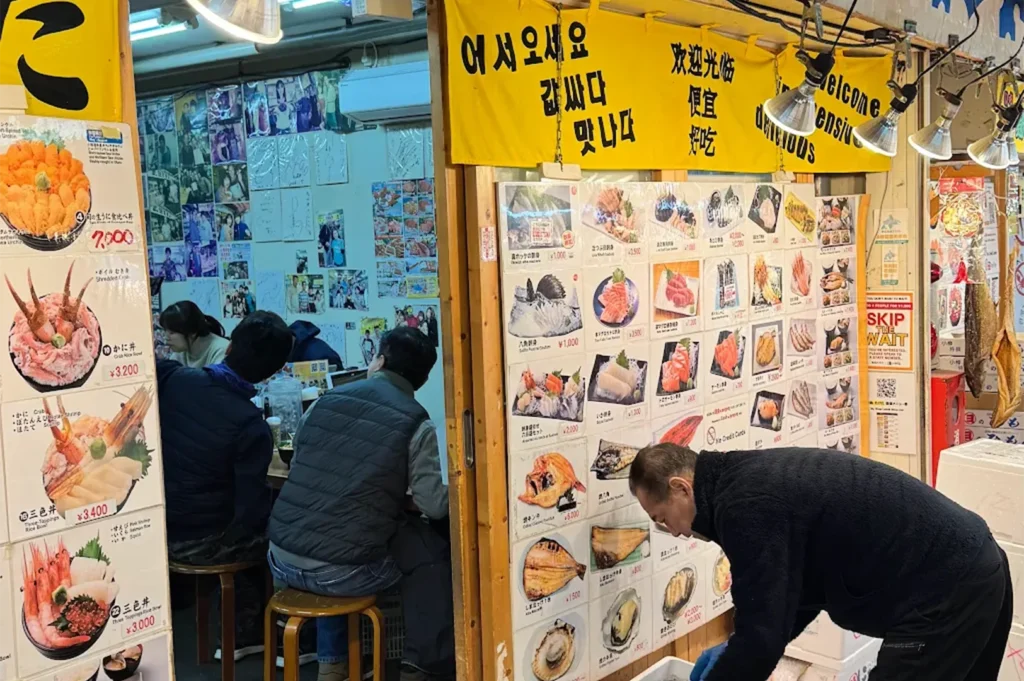
Inside the narrow lanes of Sankaku Market, Ajidokoro Takeda feels like a true treasure trove of hokkaido seafood specialties. The restaurant sits inside the wholesale market, surrounded by stalls selling fresh fish, crab, and shrimp pulled from nearby waters.
I ordered the famous Sanjuu Don, a generous rice bowl layered with fresh sea urchin, salmon roe, and fresh scallops over steaming white rice. The uni had that unmistakable creamy texture, while the ikura burst with salty sweetness. The giant scallops were sweet and tender with a gentle firm texture.
A touch of soy sauce brought out the rich umami of the seafood without overpowering its natural flavor.
Perfect pick for: Travelers wanting the classic Otaru seafood market breakfast.
Word to the wise: Order a mixed seafood bowl so you can taste several Hokkaido seafood specialties at once.
Skip this spot if: You dislike crowded markets.
2. Uni Murakami Hakodate Honten
Nearest Station: JR Hakodate Station – 3 minute walk
If you love sea urchin, this restaurant is essential.
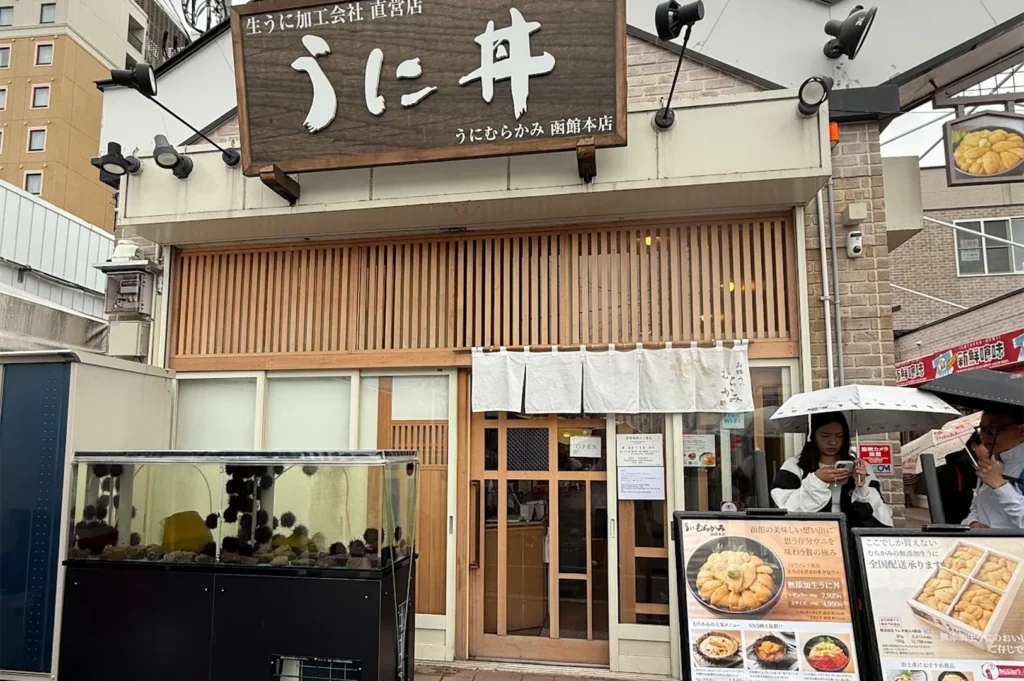
Uni Murakami is known for serving fresh sea urchin without alum, preserving its rich sweetness and silky texture. The uni comes from the bountiful seas around Hokkaido, and the difference is obvious from the first bite.
My rice bowl arrived covered with golden uni that tasted almost buttery — delicate, smooth, and full of rich umami.
The restaurant sits near the bustling Hakodate Morning Market, yet the atmosphere inside is calm and refined, focused entirely on serving some of the finest seafood in the region.
Perfect pick for: Uni lovers and ingredient-focused diners.
Word to the wise: Try the uni gratin — lightly cooked sea urchin reveals even deeper sweetness.
Skip this spot if: You want cheap seafood.
3. Kikuyo Shokudo Main Store
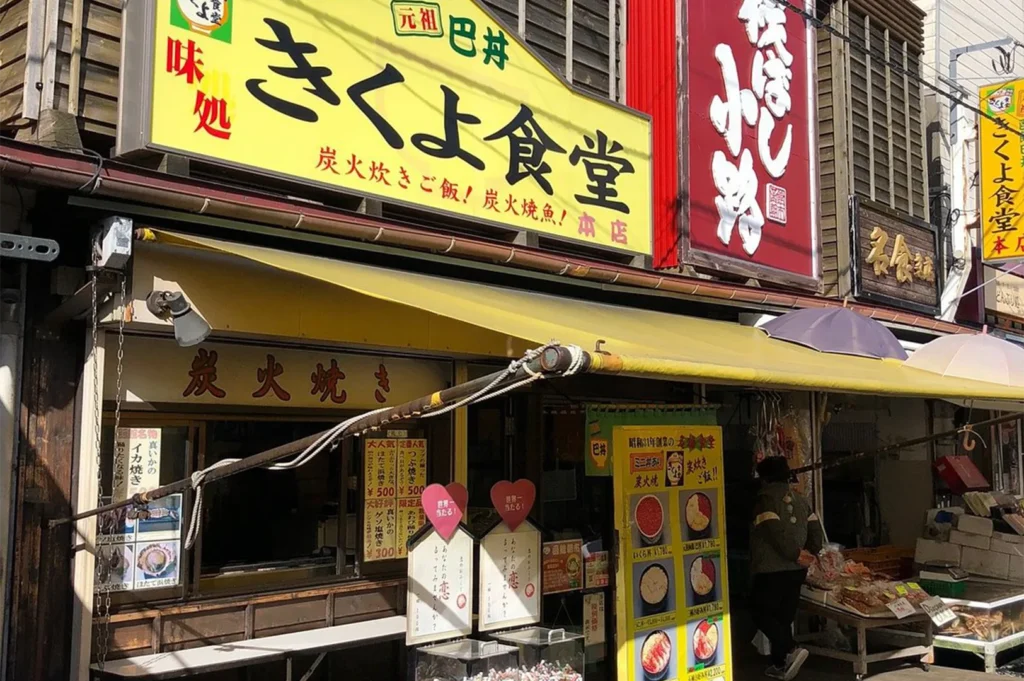
Nearest Station: JR Hakodate Station – 2 minute walk
Located inside the famous Hakodate Morning Market, Kikuyo Shokudo has been serving seafood bowls since the early Meiji period.
The surprise here is the rice.
It’s cooked in a charcoal-fired kamado, giving the white rice a subtle smoky aroma. Their signature bowl combines sea urchin, salmon roe, and Hokkaido’s scallops.
The scallops are plump and sweet with a clean ocean flavor, while the ikura don delivers bursts of savory taste and rich flavor.
The restaurant fills quickly in the morning, but that lively energy is part of the market experience.
Perfect pick for: Travelers wanting a classic morning market seafood breakfast.
Word to the wise: Focus on the kamado-cooked rice — it’s the detail that makes this bowl special.
Skip this spot if: You prefer quiet dining.
4. OHISO Main Store (Sapporo)
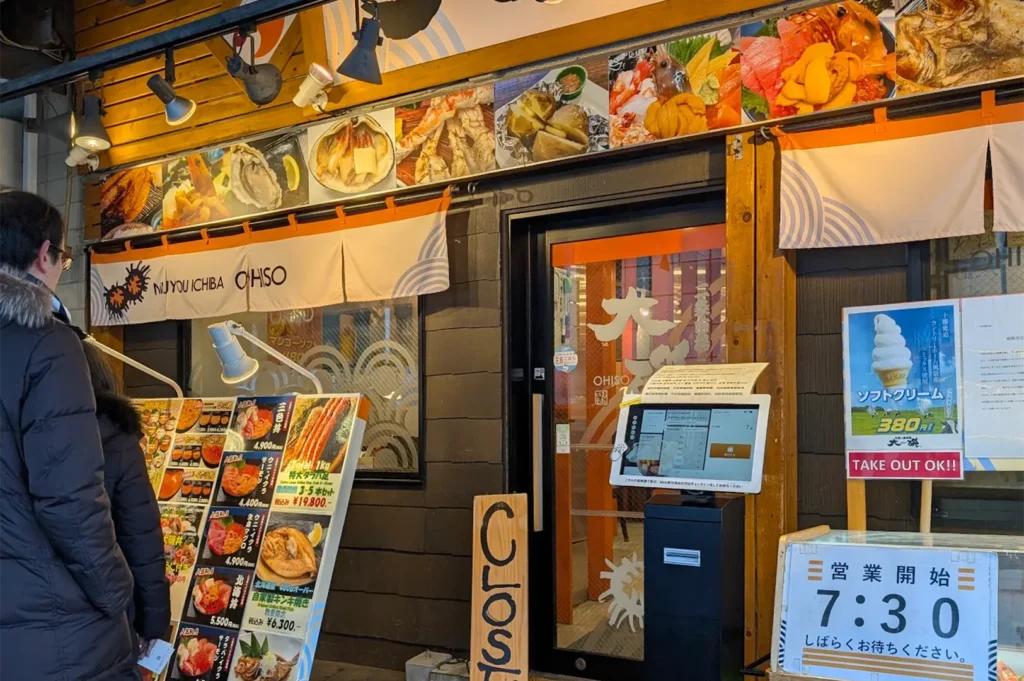
Nearest Station: Odori Station – 7 minute walk
Located in Nijo Fish Market in central Sapporo, OHISO is one of the best places to enjoy a classic seafood bowl.
Their signature bowl arrives piled high with rice topped with salmon, salmon roe, fresh scallops, and sea urchin. The seafood tastes incredibly clean and sweet — a reflection of the island’s high quality seafood.
What many visitors miss, however, is the grilled menu.
I ordered Atka mackerel, and the skin crisped beautifully while the flesh stayed juicy, releasing a smoky aroma that paired perfectly with the seafood bowl.
Perfect pick for: Travelers exploring Nijo Market.
Word to the wise: Add the grilled Atka mackerel for a deeper taste of Hokkaido seafood.
Skip this spot if: You dislike busy markets.
5. Robata Renga (Kushiro)
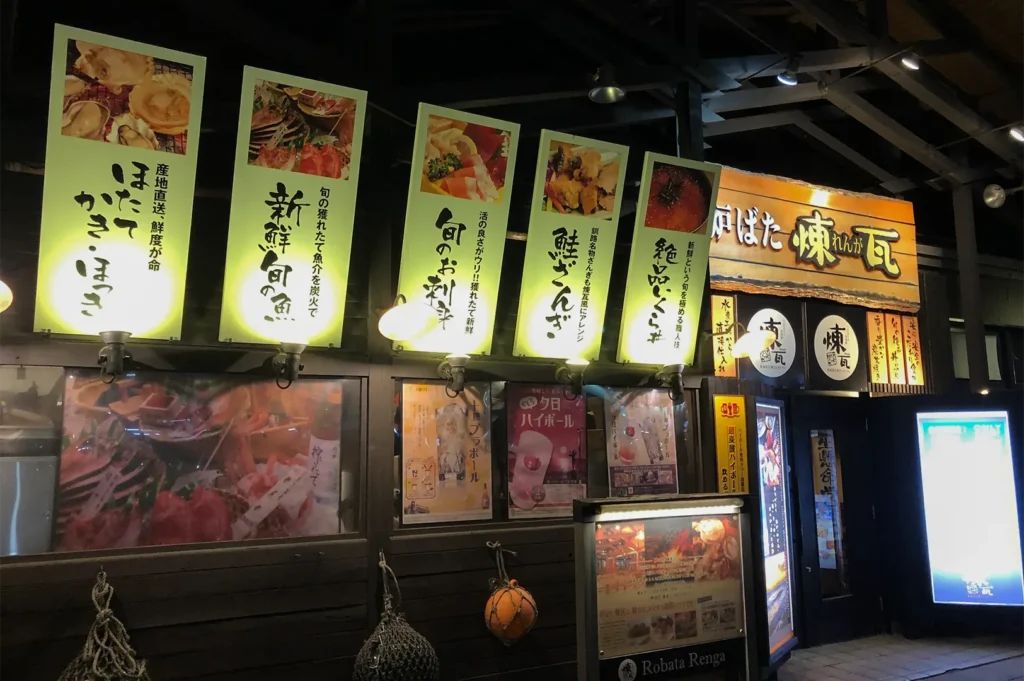
Nearest Station: JR Kushiro Station – 15 minute walk
Robata Renga offers one of the most memorable seafood dinners I’ve had in Hokkaido.
Set inside a historic brick warehouse near Kushiro Port, the restaurant focuses on robata-style grilling rather than sushi or sashimi. Diners cook seafood such as Akkeshi oysters, scallops, and fish over charcoal grills.
When the scallops hit the grill, they caramelized at the edges and released a sweet ocean aroma. The oysters tasted briny and fresh, reflecting the nearby rich fishing grounds.
The smoky atmosphere captures the spirit of Kushiro’s fishing port.
Perfect pick for: Travelers wanting an interactive seafood dinner.
Word to the wise: Order a mix of seafood — including Hanasaki crab, hairy crab, or king crab when available — to explore the island’s variety of seafood.
Skip this spot if: You want refined fine dining.
Hokkaido Seafood Specialties: A Feast from the Bountiful Seas
Hokkaido seafood specialties are a true celebration of the island’s rich fishing grounds where the cold waters of the Sea of Japan, Pacific Ocean, and Sea of Okhotsk meet. Among the finest seafood, the hairy crab, king crab, and snow crab are prized catches, each offering a unique savory taste that seafood lovers cherish. The Hakodate Morning Market and Nijo Fish Market in central Sapporo are treasure troves where you can savor these local delicacies at reasonable prices.
Seafood rice bowls, or kaisen-don, are a popular way to enjoy Hokkaido’s bounty. Picture a bowl of rice topped with fresh sea urchin, ikura don (salmon roe bowl), and freshly caught scallops from the Notsuke Peninsula or Uchiura Bay. The creamy texture of sea urchin combined with the rich umami of salmon roe creates a perfect harmony of flavors.
Experience Seafood Like a Local
Hokkaido’s seafood is best appreciated when enjoyed in the company of locals and fishermen. Here’s how to eat and experience seafood like a true Hokkaido resident:
- Join Auctions or Fishing Excursions: Some coastal villages, like Rausu and Abashiri, let visitors watch seafood auctions or partake in scallop and squid fishing for a truly immersive experience.
- Learn Key Phrases: Simple words help connect with local fishermen and vendors:
- “Oishii!” (Delicious!)
- “Osusume wa?” (What do you recommend?)
- “Gochisousama deshita” (Thank you for the meal)
More Than a Meal-A Taste of Hokkaido’s Spirit
Hokkaido’s seafood scene is where the natural flavor of the sea meets the skill and heart of its people. The wide variety of delicious dishes, from creamy sea urchin to sweet crab and fresh scallops, is a testament to the island’s rich fishing culture. Eating here is about more than what’s on your plate-it’s about discovering new flavors, meeting fishermen, enjoying seasonal abundance, and appreciating the artistry in every slice of sashimi, bowl of rice, or grilled fish set before you.
For those visiting Japan, especially Hokkaido, take the time to explore beyond the usual. With its best seafood, prime season delicacies, markets, and welcoming spirit, Hokkaido invites you to savor a culinary adventure that lingers well beyond the last bite.
Similarly, if you’re craving an unforgettable food experience, consider exploring the vibrant flavors of Gujarati Thali, a plant-based feast from Western India. Rich in variety and tradition, this iconic meal offers a complete sensory journey through spices, textures, and cultural heritage. You can also dive deeper into regional rituals with The Art of Asian Tea Ceremony Traditions: Ancient Rituals and Cultural Values Across Asia.

Chicken 65: A Fiery Indian Chicken Recipe You Must Try
Eat Drink Asia Team | February 21, 2026
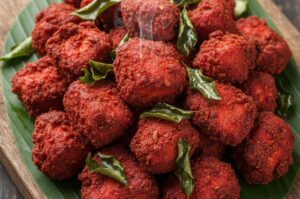
We’ve spent months tracking the ‘shatter-rate’ of chicken across the South, and here’s the truth: most of what you find is a pale, food-colored imitation. The real Chicken 65 isn’t just spicy; it’s an atmospheric experience. It starts with the sharp, herbal snap of curry leaves hitting 180°C oil and ends with a deep, earthy…
-
Mastering the Art of Indian Dishes with Chicken
Eda Wong | February 19, 2026
The story of India’s culinary identity is deeply tied to its poultry dishes. I remember my first attempt at an Indian chicken recipe, failing to brown the onions properly left the dish hollow, missing its soul. The sound of mustard seeds popping in hot oil signals layers of flavor to come. The steam from the…
-
Crunch, Sweet, and Heat: The Irresistible Textures of Southeast Asian Snacks
Dio Asahi | February 17, 2026
In the humid, sticky heat of Southeast Asia, where your shirt clings to your back and the air is thick with the sharp scent of oxidising oil, there’s a particular clink that always gets me. It’s the sound of a metal spatula striking a wok, a rhythmic percussion that’s as familiar to me now as…
-
The Living Pantry: How Geography and Trade Shaped the Food in the Southeast Region
Eat Drink Asia Team | February 14, 2026
To understand the plate is to understand the map. If you were to trace the spice routes of the 15th century or follow the monsoon winds that carried merchant ships across the Indian Ocean, you would find yourself at the epicenter of the world’s most vibrant pantry. The food in the Southeast region of Asia…
-
A Symphony of Senses: Why Southeast Asian Food is the World’s Greatest Culinary Journey
Dio Asahi | February 12, 2026
If you were to stand at a busy intersection in Bangkok, Ho Chi Minh City, or Jakarta and close your eyes, your nose would tell you a story before your eyes ever could. There is a specific, intoxicating perfume that defines Southeast Asian food: the sharp tang of lime juice hitting a hot wok, the…
-
The Alchemy of the Wok: The Story of Singapore-Style Bee Hoon
Eda Wong | February 10, 2026
Across the humid evening air of Singapore, a rhythmic clatter echoes from hawker stalls to high-rise kitchens—the sound of a metal spatula against a seasoned wok. Within that intense heat, rice vermicelli noodles undergoes a profound transformation, absorbing the golden hues of curry powder, the savory depths of soy sauce, and the smoky “breath” of…
-
The Sizzle of the Wok: An Exploration of Fried Bee Hoon Across Southeast Asia
Eat Drink Asia Team | February 7, 2026
Across Southeast Asia, from bustling hawker centers to family kitchens, the sizzle of rice vermicelli noodles hitting a hot wok is a universal comfort. Few dishes capture the spirit of Asian noodle culture as well as fried bee hoon. This stir fry, made with thin rice noodles, delivers a tasty meal any time of the…
-
The Silk of the East: A Deep Dive into Bee Hoon and the Art of Rice Vermicelli
Eda Wong | February 5, 2026
Across the bustling kitchens of Southeast Asia, one humble ingredient has woven itself into the fabric of countless beloved dishes. Bee hoon, the delicate rice vermicelli that transforms from brittle strands into silky noodles, represents centuries of culinary tradition and innovation. Whether you’ve savored Singapore noodles in a hawker center or encountered fried bee hoon…
-
The Eternal Hearth: A Journey Through the Soul of Indian Foods Vegetarian Traditions
Dio Asahi | February 3, 2026
In the vibrant tapestry of global gastronomy, few cultures have elevated the plant-based plate to an art form quite like India. While much of the world has recently turned toward meat alternatives for health or environmental reasons, Indian cuisine has been centered on the vegetable for millennia. This isn’t merely a dietary choice; it is…
-
The Essence of Jeju Citron Tea: A Distinctive Profile of Yuja Tea in Korea
Dio Asahi | January 31, 2026
Imagine sitting in a quiet, sun-drenched teahouse overlooking the dramatic volcanic coastline of Jeju Island. The steam rising from your cup carries an aroma that is at once familiar and yet entirely new—a version of Korean citron tea, or yuja cha, that tastes of sea salt, volcanic soil, and generations of island tradition. As you…