The bowl arrives before anything else does.
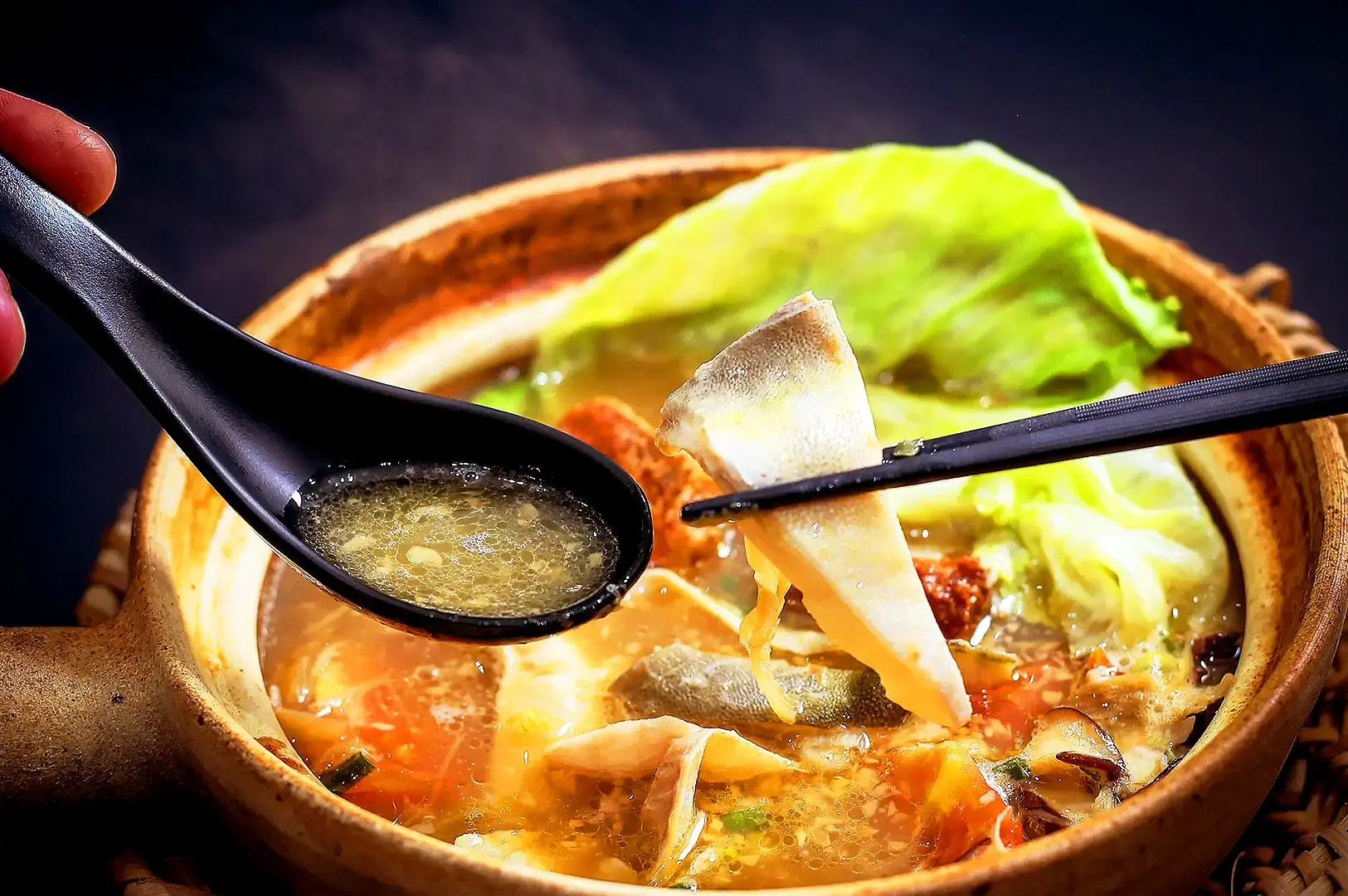
Steam lifts off it in slow ribbons, carrying the smell of ginger and something warmer underneath: the round, boozy note of hua tiao wine settling into fish. I lean in before I even pick up my spoon. The broth is pale gold and cloudy, thick enough that it clings a little to the sides of the bowl. Pieces of pomfret sit half-submerged, pale and generous.
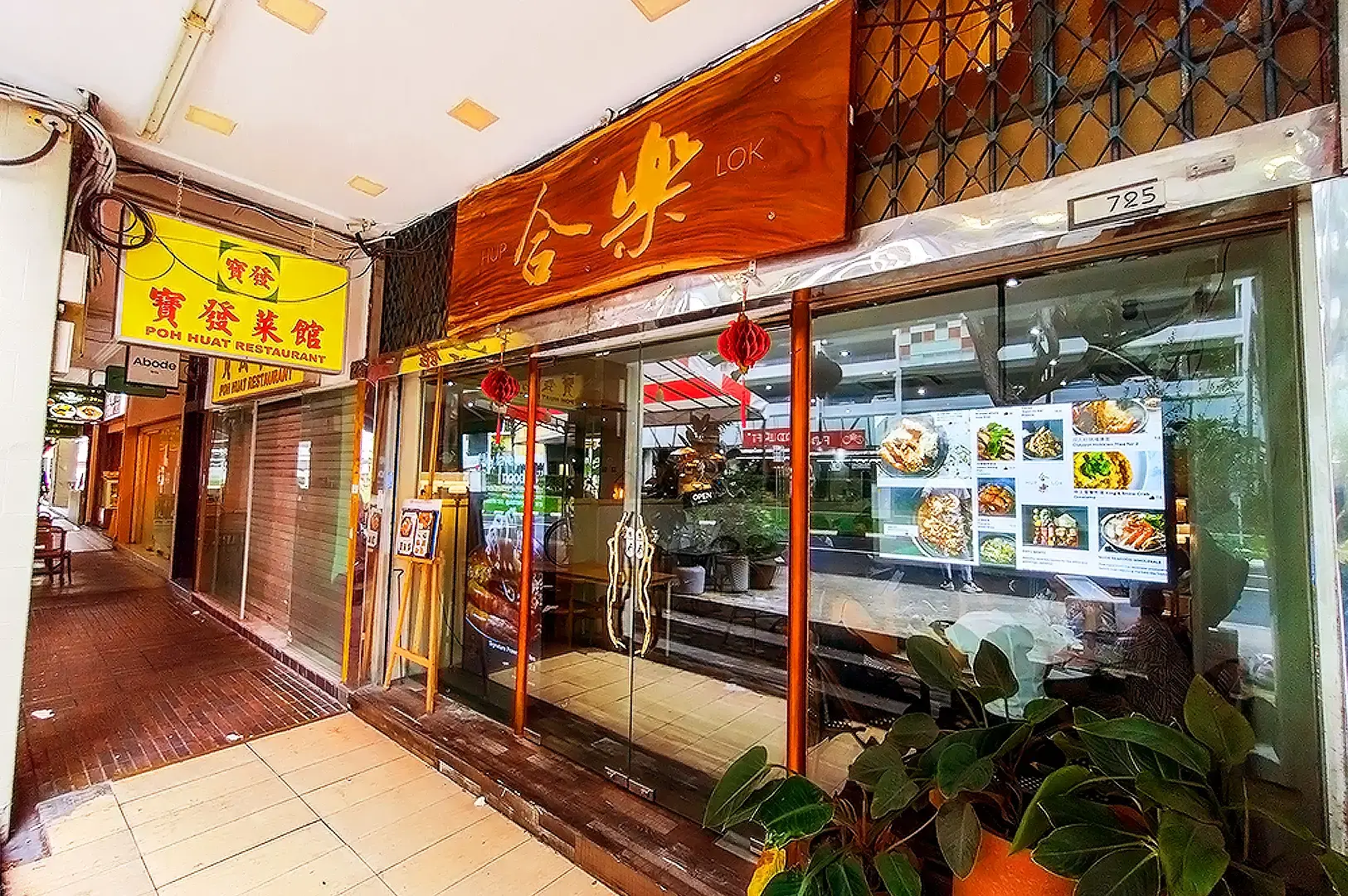
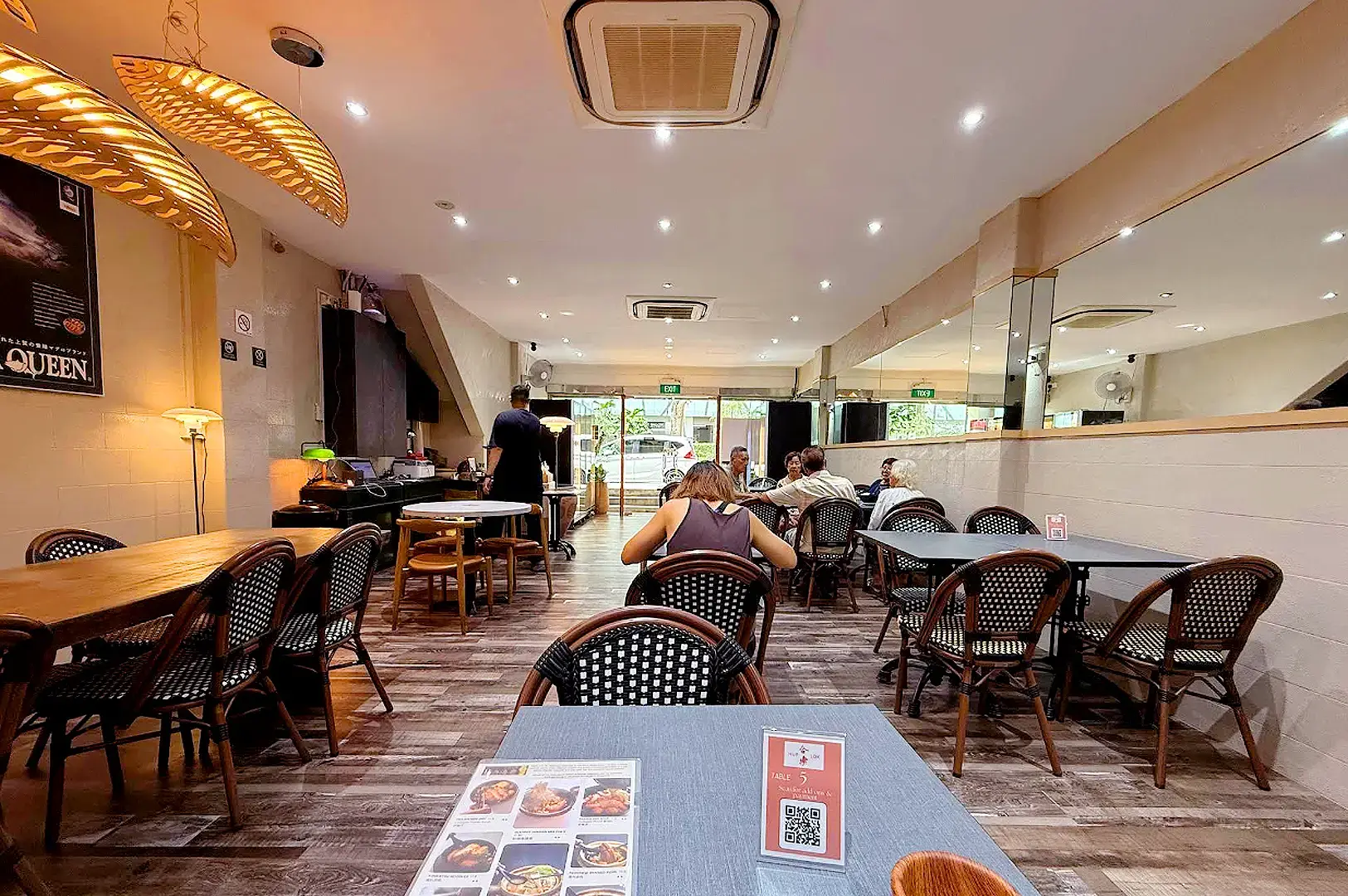
This is Grandpa’s Pomfret Soup at Hup Lok, a young restaurant tucked along 725 Havelock Road. The place opened in September 2025, which makes the whole thing a small contradiction. The room is new. The taste in the bowl is not.
Here, the menu features this signature dish, known for its tender fish slices and rich broth, which many gave positive reviews online. Which lead me here, experience the it myself.
What the Broth Carries
I eat the fish first, because you have to.
The soup keeps working even after it reaches the table, and the residual heat will carry on cooking the pomfret if you let it sit. So I go in early, while the flesh is still just barely set. It comes away in soft, meaty flakes: clean-tasting, without the muddiness that lesser fish soups sometimes hide behind. There’s a lot of it, too. This isn’t a bowl rationing its protein.
Then the broth.
It’s the kind of soup that looks like it should be heavy, but isn’t. There’s real body to it, a savoury weight that coats the tongue, and my first instinct is to assume milk. There isn’t any. That richness comes from fish bones: batang bones simmered down until the collagen loosens and thickens the liquid on its own. It’s a quiet lesson in how a broth earns its texture honestly, without a shortcut.
The rest of the bowl keeps it from turning one-note. Salted plums cut through with a soft, tart edge. Tomatoes add a rounder acidity. Shiitake and julienned ginger sit in the background, and the hua tiao wine ties everything together with that low, warming hum. It’s umami, but it’s also bright; which is exactly what a good teochew pomfret fish soup should be.
Tradition Without Pretending the Recipe Is Ancient
Here’s the part I keep turning over.
The recipe in front of me isn’t old. Chef Keeling built it during COVID, when kitchens were cooking for delivery boxes rather than dining rooms, and it later found a permanent home at Hup Lok. So this is not some family formula guarded through the decades, unchanged.
And yet the flavour vocabulary is older than the dish.
The owner, Hong Junchen, comes from a family that has worked in Singapore’s fish trade across three generations; his father started at street level before the trade grew into wholesale. Three generations in the trade, one restaurant to show for it. That connection to seafood is part of what sets traditional Chinese restaurants apart: the ingredients aren’t just components, but part of the cuisine’s history.
So the soup isn’t repeating an inherited recipe. It’s carrying something quieter forward: Teochew taste memory, seafood knowledge, the logic of how these flavours are supposed to sit together. That, to me, is what tradition actually is. Not a frozen thing. A remembered one.
Claypot Hokkien Mee: Abundance at the Same Table
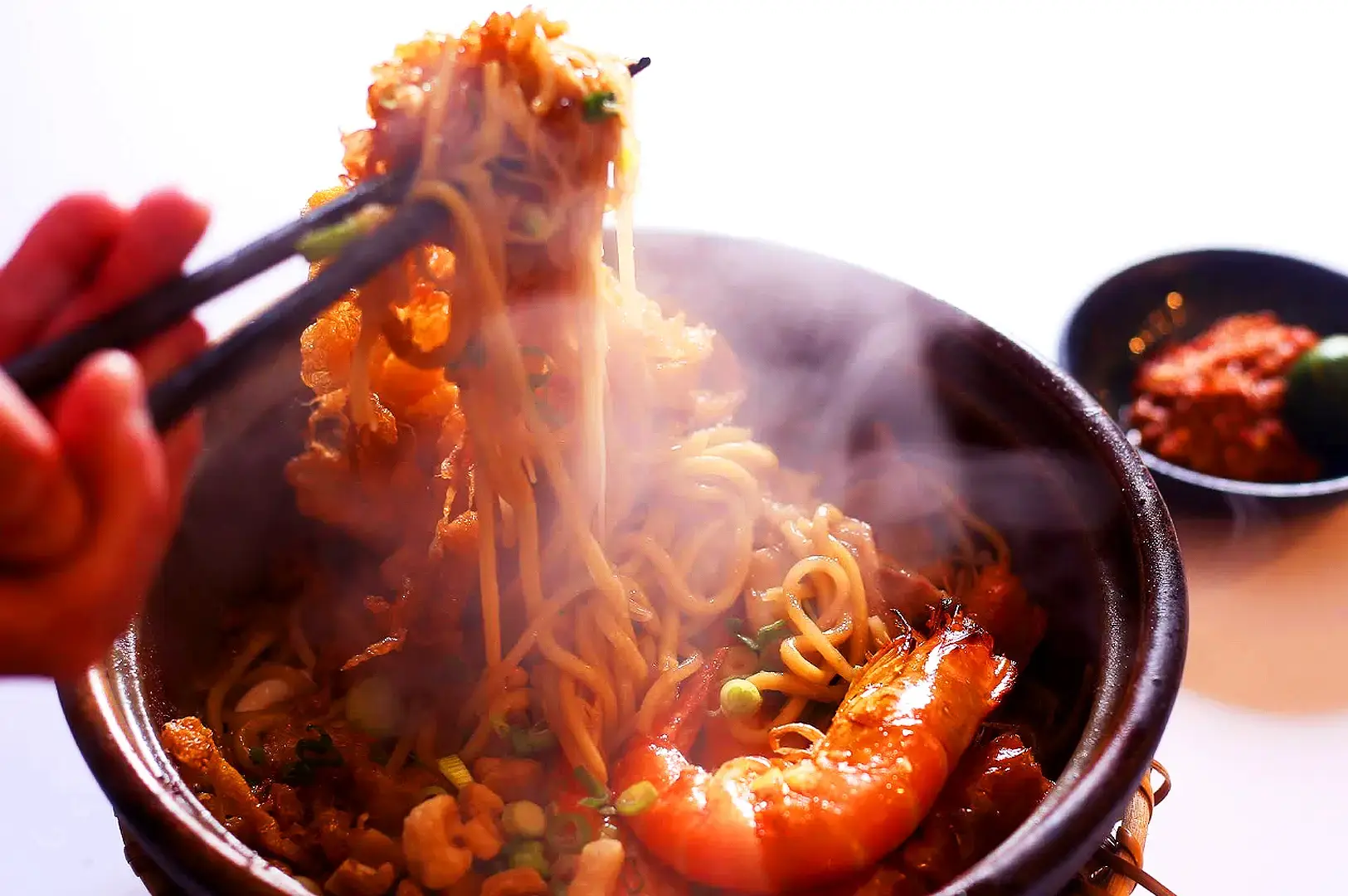
The Claypot Hokkien Mee arrives loud where the soup was gentle.
It comes still bubbling in its claypot, the heat trapped and hissing at the edges. This generous portions dish is perfect for sharing as a communal meal: noodles slick with a rich seafood sauce, studded with big Kami no Ebi prawns, slices of pork belly, and squid rings that hold their bite. A lacy omelette drapes over part of it. Crispy little cubes of lard are scattered through, and they crackle against the soft noodles.
There’s sambal on the side, spooned in for a tasty spike of heat, though it doesn’t try to run the show. The claypot keeps everything hot right down to the last strands. It’s the kind of dish you want to order and dig into with other people, shoulders leaning in.
Good as it is, it isn’t the centre. It’s the loud cousin at a table where the quiet one has more to say, adding just a bit of spice to the overall experience.
What Deserves to Continue
I come back to the fish soup.
By the end, the pomfret is gone and I’m just spooning up the last of the broth, still warm, still holding its body. Over time and years of tasting, I’ve noticed that what stays with me isn’t the technique or the collagen or any single ingredient. It’s the sense of nostalgia that someone decided these flavours were worth keeping alive and then simply kept cooking them.
That’s how food memory actually survives. Not through perfect replication of an old recipe. Through someone understanding the ingredients, trusting the taste and putting the bowl back on the table exactly what you expect from a place like Hup Lok.
Hup Lok does that. Quietly and well.

Pattaya Garden Restaurant and the Thai Meal That Knows How to Feed a Group
Eat Drink Asia Team | September 3, 2026
The rice came down first. A plain bowl, warm and steaming, set in the middle of the table before anything else. Then the green curry, in a bowl wide enough for four spoons to reach at once. And within a minute the table stopped being a set of individual meals and became one shared thing,…
-
At Keria Japanese Restaurant, the Meal Begins Before the First Bite
Dio Asahi | September 3, 2026
By Dio Asahi for Eat Drink Asia. The lift opens onto a corridor leading to the famed and hidden Cuppage Plaza food, and the building’s age shows in the flickering fluorescent light and the smell of old carpet. Then a sliding door pulls back, and Keria Japanese Restaurant asks you to slow down. Inside, it…
-
The Round Kaya Bun at Chin Mee Chin Confectionery, and the Mornings It Keeps
Eda Wong | September 2, 2026
By Eda Wong for Eat Drink Asia. It’s not quite eight, and the pastel-blue shophouse is already awake. Kopi cups clink against saucers. A ceiling fan turns slow overhead. Someone folds a newspaper at a marble-topped table, and the man behind the counter moves without hurry, sliding buns across in a rhythm he’s clearly done…
-
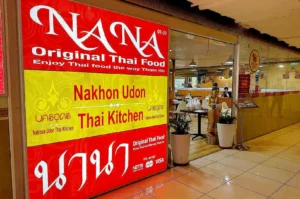
Nana Original Thai Food and the Thai Meal That Keeps Changing Its Accent
Eda Wong | September 1, 2026
The tom yum arrived first, and the first spoonful hit sour and hot at once, lime and chilli chasing each other down the throat. This classic Thai dish features a spicy sauce and aromatic herbs that awaken the taste buds straight away, setting the stage with its bold flavors. Then the pineapple rice came, sweet…
-
Pad Thai Recipe for People Who Know the Noodles Can’t Be an Afterthought
Dio Asahi | August 29, 2026
The first time I made Pad Thai, I ruined it before the wok was even hot. I’d left the noodles soaking while I answered a phone call. Ten minutes turned into forty. By the time I drained them, they were already soft, already surrendered. Everything I did in the pan after that was damage control….
-
Best Japanese Restaurant Singapore: Places That Nail the “First Bite”
Eat Drink Asia Team | August 27, 2026
I built this list around a very specific feeling: that first bite where the room goes quiet for a second. I’ve tried enough Japanese restaurants in Singapore over the years to know that “best” does not always mean the most expensive, the rarest, or the hardest to book. Sometimes it is the warmth of the…
-
Not Just Seafood: How Araya Shouten Keeps Japanese Fishing Culture Alive in Singapore
Eat Drink Asia Team | August 26, 2026
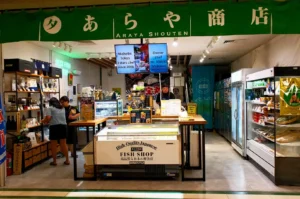
Japanese cuisine has long been admired for its attention to seasonality, precision, and respect for ingredients. However, behind every piece of sashimi or carefully prepared seafood dish lies a story that begins far away from the dining table, often with fishermen, coastal communities, and generations of knowledge passed down through time. At Araya Shouten, seafood…
-
The Ginger Shoyu Ramen at Ramen Soshiji, Where Orchard Goes Quiet
Dio Asahi | August 26, 2026
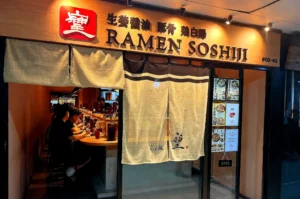
By Dio Asahi for Eat Drink Asia. The lift opens on the third floor of Orchard Plaza, and for a second I don’t know which way to turn. The corridor is dim and still, the kind of quiet that feels almost accidental in this part of town. A few doors down, an unmarked entrance. Inside,…
-
Indo Rasa Singapore and the Nasi Goreng That Measures a Kitchen’s Confidence
Eat Drink Asia Team | August 25, 2026
There’s a dish I order when I want to know a kitchen quickly. Not the specialty. Not the thing the menu is proud of. I order the fried rice. Because nasi goreng has nowhere to hide. It’s rice, chilli, chicken, egg, a few crackers, some cucumber. Everyone thinks they can make it. Most people can….
-
Bebek Goreng Pak Ndut and the Fried Duck That Makes Nasi Goreng Feel Too Polite
Eda Wong | August 22, 2026
The duck arrived and made a sound before I’d even touched it. Not the plate, the skin. When my fork pressed against it, there was a small, dry crackle, the kind you feel in your fingers before you hear it. That’s when I understood I wasn’t eating a soft meal. This was something with edges….