In the vibrant tapestry of global gastronomy, few cultures have elevated the plant-based plate to an art form quite like India. While much of the world has recently turned toward meat alternatives for health or environmental reasons, Indian cuisine has been centered on the vegetable for millennia. This isn’t merely a dietary choice; it is a rich cultural legacy. With a protein packed foundation of lentils, grains, and seasonal produce, Indian foods vegetarian traditions offer a perfect blend of nutrition and sensory delight that few other cultures can match.
Explore Eat Drink Asia and get excited about authentic recipes, creative cooking tips, and fresh insights into the lively world of Indian vegetarian cuisine!
The Philosophical Roots of the Indian Cuisine
To understand Indian dishes, one must first understand the philosophy behind them. The concept of Ahimsa, or non-violence, is woven into the very fabric of the nation’s history. From the ancient scriptures of the Vedas to the teachings of Jainism and Buddhism, the act of eating is seen as a way to nourish the soul without causing harm. This belief has resulted in a collection of Indian recipes that are naturally vegan or vegetarian, developed not as “substitutes” for meat, but as complete, standalone masterpieces.
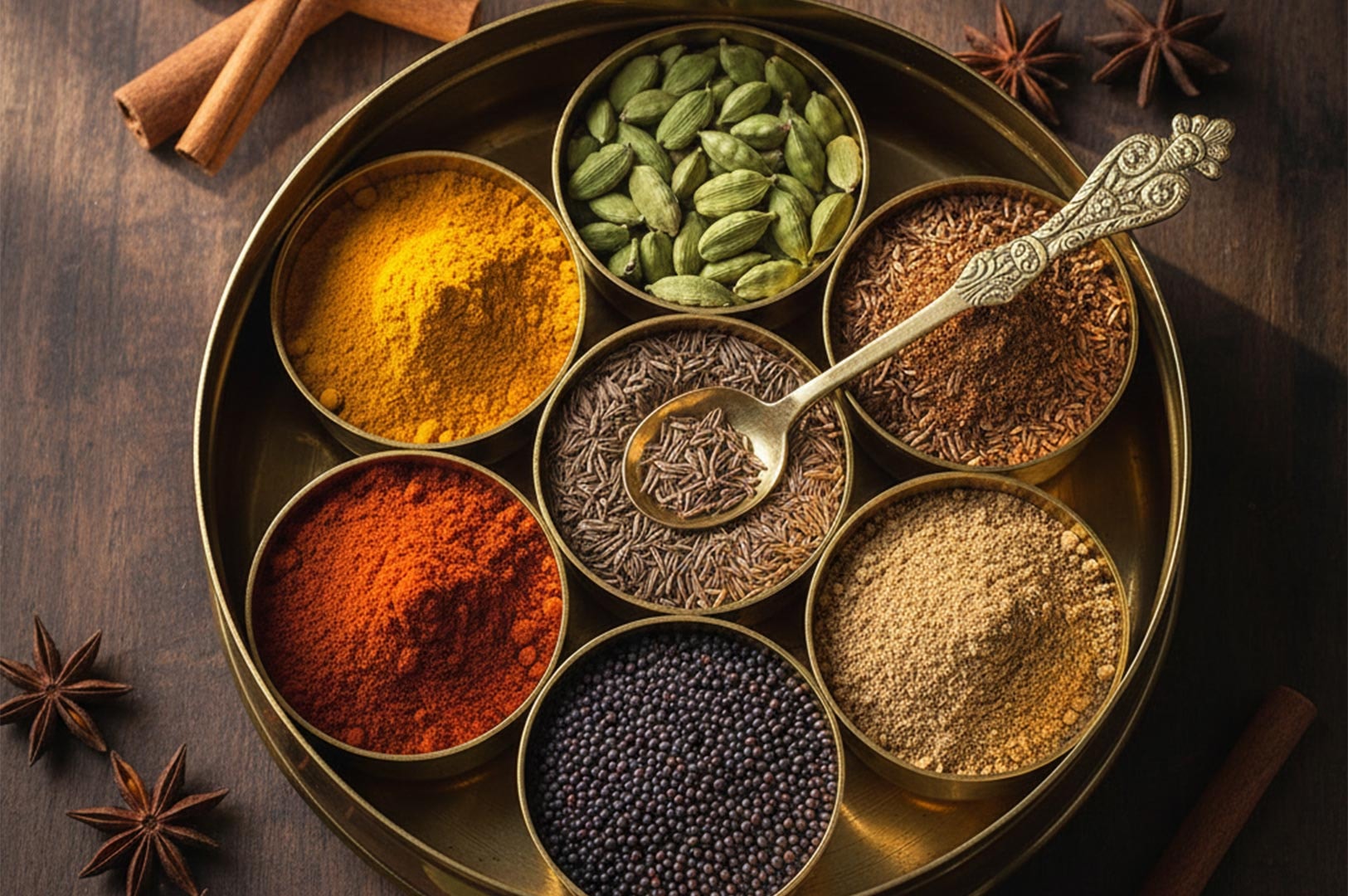
In a typical Indian household, the kitchen is considered a sacred space. The aromatic spices stored in the traditional masala dabba (spice box) are more than just flavor enhancers; they are part of an ancient medicinal system. Turmeric, with its golden hue, is prized for its anti-inflammatory properties, while black pepper and ginger are utilized to aid digestion. When you cook a traditional dish, you aren’t just making a meal; you are practicing a form of alchemy.
A Geographic Symphony: From the Himalayas to the Indian Ocean
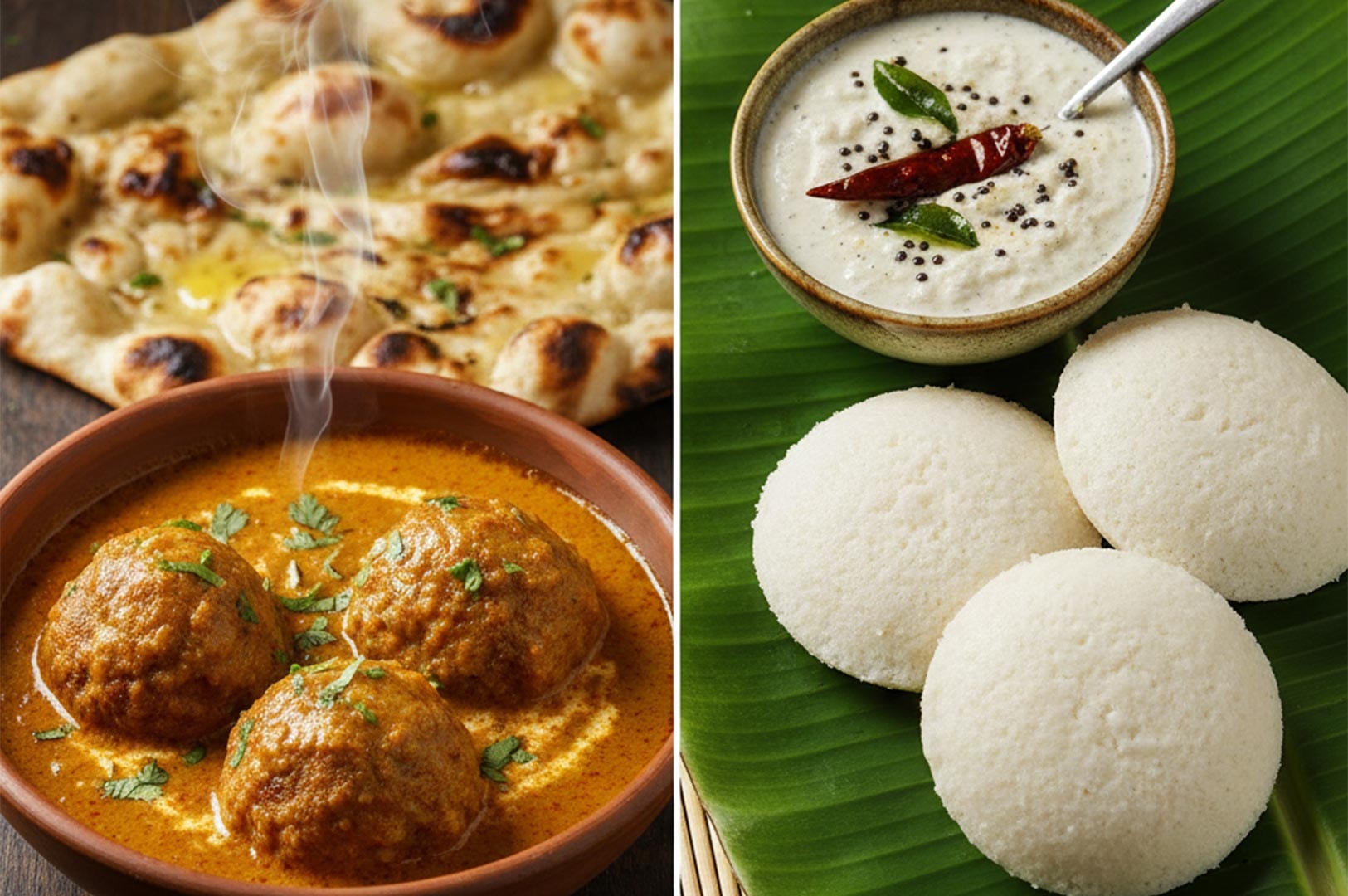
The beauty of Indian vegetarian food lies in its regional diversity. If you travel through Northern India, you are greeted by the scent of roasting wheat and heavy cream. Because of the cooler climate and Persian influences, the cuisine here is hearty and indulgent. This is the land of the perfectly spiced chana masala and the iconic malai kofta—fried dumplings made of paneer and potato submerged in a creamy sauce. On special occasions, the aroma of garam masala wafts through the air as families gather to share naan and roti fresh from the tandoor.
However, as you move toward the tropical South, the landscape changes, and so does the food. The heavy wheat-based breads are replaced by rice dishes and fermented rice preparations. In states like Tamil Nadu and Kerala, the air smells of roasted mustard seeds and fresh curry leaves. Here, coconut is king. It is used in every form—grated, toasted, or as coconut milk to thicken a spicy curry. A breakfast of steamed idli (rice cakes) pairs perfectly with a cooling coconut chutney, providing a protein boost to start the day.
The Architecture of Indian Recipes: Spices and Techniques
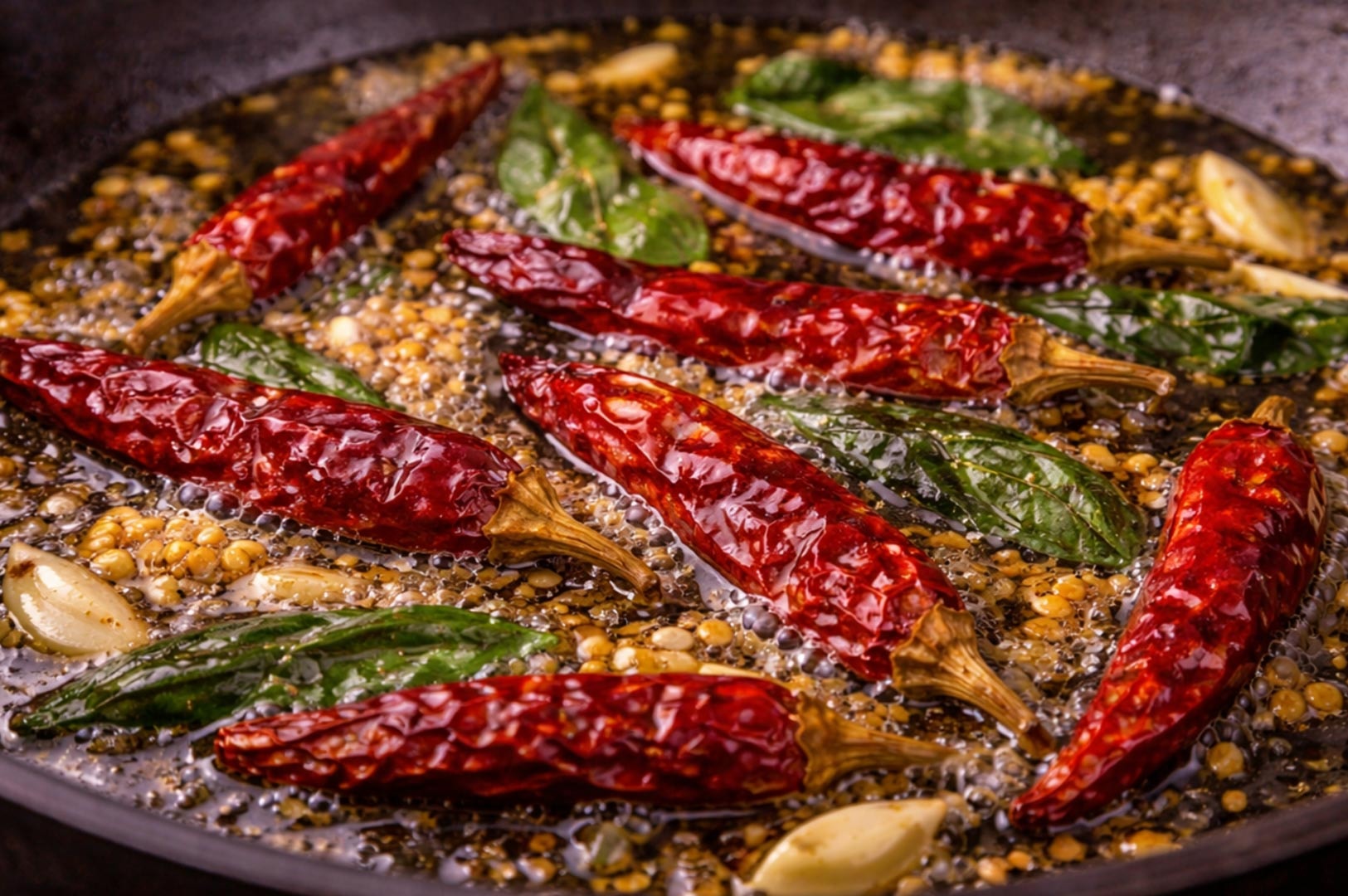
The hallmark of Indian flavors is the complexity of the sauce. Unlike Western sauces that often rely on stocks or fats, an Indian curry is built layer by layer. It starts with a base of garlic, onions, and ginger sautéed over medium heat until they caramelize. Then come the tomatoes, which break down into a jammy consistency, providing the acidity needed to balance the rich oils.
The “Tadka,” or tempering, is the most crucial technique. Spices like cumin, mustard seeds, and asafoetida are dropped into hot oil until they pop and sizzle, releasing their essential oils. This infused oil is then poured over red lentils or soups at the very last second, creating a tasty explosion of flavor. This process ensures that even simple ingredients like green peas and carrots are transformed into something extraordinary.
Modern Traditions: The Instant Pot and Beyond
In today’s fast-paced world, the whole family often finds themselves squeezed for time. This has led to a fascinating evolution in how Indian vegetarian recipes are prepared. The Instant Pot has become a staple in the modern diaspora kitchen, allowing home cooks to achieve the “slow-cooked” taste of a lentil curry in a fraction of the prep time.
We are also seeing a rise in “global-Indian” fusion. A tofu tikka masala is a perfect example of this—taking a traditional creamy tomato base and swapping the dairy for vegan tofu to satisfy modern dietary preferences. Even ingredients like sweet potatoes, which aren’t traditionally the main star of an Indian dish, are being integrated into spicy masalas, proving that Indian recipes are living, breathing entities that continue to grow.
The Social Fabric: Street Food and Family Tables
You cannot discuss Indian food without mentioning the street culture. In cities like Mumbai or Delhi, vegetarian snacks are a way of life. From the spicy crunch of a samosa to the tangy explosion of a chaat, these foods are designed to hit every part of the palate: sweet, sour, spicy, and salty. These are the tasty treats that bring people together across social divides.
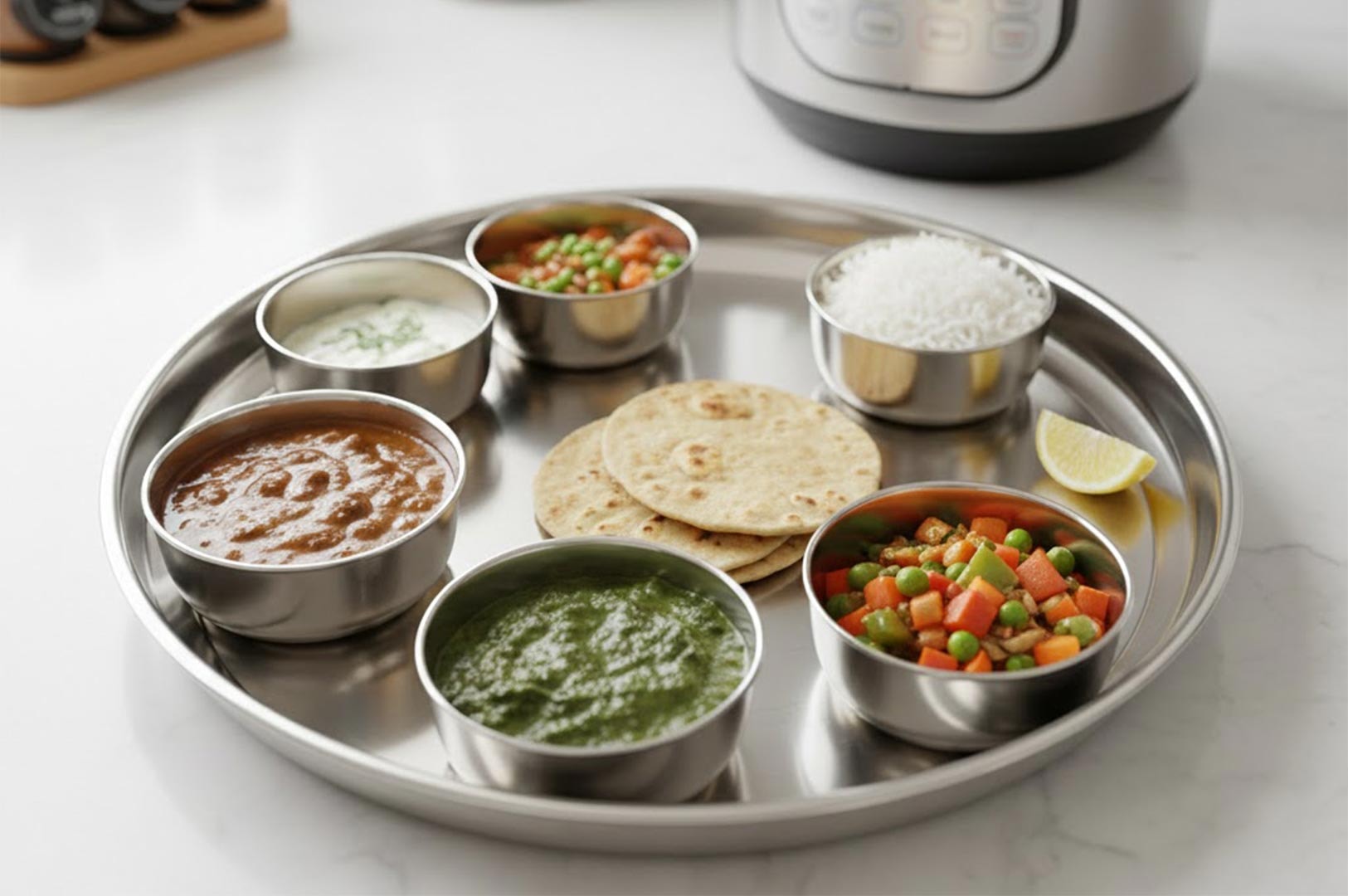
At home, the ritual of the “Thali“—a large platter containing various small bowls of vegetables, lentils, rice, and yogurt—ensures a balanced diet. It is a delicious reminder that a vegetarian diet can be incredibly varied. Whether it is a simple dinner of dal and rice on busy weeknights or an elaborate feast for a wedding, the focus remains on the quality of the produce and the balance of the spices.
Indian Vegetarian Recipes: A Global Inspiration
Today, resources and other culinary platforms provide detailed instructions for those looking to recreate these flavors at home. As more people move toward plant-based living, the world is looking to India for inspiration. The techniques developed over thousands of years—like the fermentation of rice or the strategic use of lentils—are now being studied by chefs worldwide.
As you embark on your own journey through Indian cuisine, don’t be afraid to experiment. Start with a simple chana masala, learn the rhythm of the spices, and soon you will find that you don’t need meat to create a meal that is satisfying and rich.

Raffles Place Food Has the Restaurants That Understand the CBD Lunch Rush
Eda Wong | August 8, 2026
I used to think lunch in the CBD was a lost cause. You get an hour, maybe less. The lift takes ten minutes just to reach the ground floor. By the time you’ve queued, ordered, and found a corner to eat in, you’re already checking the clock. For a while, I gave up and just…
-
The Tamarind Sourness Inside a Filipino Sinigang Pot
Eda Wong | August 7, 2026
By Eda Wong for Eat Drink Asia. The pot has been going for a while now, and the whole kitchen knows it. Steam curls up from the surface, carrying that sharp-sour smell that reaches you before anything else. It’s not a gentle aroma. It pricks at the back of your throat a little, makes your…
-
Vegetarian Asian Dishes at The Boneless Kitchen: A Korean Meal Built on Kimchi, Rice, and Restraint
Dio Asahi | August 6, 2026
I didn’t expect to find Korean comfort food in an office building near Tai Seng. But there I was, on a Wednesday a little past 7pm, standing outside The Commerze @ Irving wondering if I’d read the address wrong. This isn’t the part of Singapore you go to for dinner. It’s the part you leave…
-
The Soy Glaze on Kyoto’s Forgotten Rice Crackers
Dio Asahi | August 5, 2026
By Dio Asahi for Eat Drink Asia. The old man works close to the coals, and the smell reaches me before I see what he’s doing. Soy meeting heat. That dark, caramel-edged smell that tightens something in your chest. His brush moves in short strokes across a rack of rice crackers, back and forth, patient….
-
Vegetarian Laksa Without the Usual Seafood Shadow: Asian Vegetarian Recipes Begin With the Broth
Eat Drink Asia Team | August 4, 2026
The first vegetarian laksa I made tasted like coconut soup with chilli, not laksa. I thought I was doing it right, stirring paste into warm coconut milk with tofu puffs. It looked the part but lacked depth. Seafood usually provides that depth, prawn shells, dried shrimp, fish cake sweetness. I learned that depth can’t be…
-
A Bowl Built by Hand at Hi Noodle, Three Floors Below Somerset
Eda Wong | July 31, 2026
The escalator carries me down to Basement 3, past the lunch noise of 313 Somerset, and the air changes somewhere along the way. Less mall, more kitchen. The smell finds me first — chilli, vinegar, something warm and sharp that cuts through the perfume of the shops above. Hi Noodle sits there, plain and bright….
-
An Asian Vegetarian Meal at Herbivore Japanese Vegetarian Restaurant: When Japanese Comfort Food Learns a New Body
Eda Wong | July 30, 2026
I didn’t grow up eating eel. But I grew up watching my grandmother turn one thing into another — gluten into “duck,” beancurd skin into “fish,” mushrooms into something that tasted of the sea without ever touching it. Buddhist vegetarian cooking does that. It doesn’t pretend so much as it remembers, building familiar shapes out…
-
A Table for One, and a Grill That Belongs to You in Yakiniku Like
Dio Asahi | July 29, 2026
The grill glows orange in front of me before the meat arrives. It’s a small thing, set into the counter at my single seat, and it hums faintly under the chatter of the room. No flame. No charcoal. Just a low electric warmth I can feel rising toward my face. A plate comes. Thin slices…
-
Best Buffet Singapore: Where Hotel Buffets Turn Abundance Into Order
Dio Asahi | July 28, 2026
I used to think buffets were about greed. Pile the plate high, go back for thirds, leave feeling like you got your money’s worth. That was the whole game, or so I believed. After years of exploring this city’s hotel buffets, I learned the good ones focus on order. They transform a wall of food…
-
STR TAO Taiwan Cuisine and the Comfort of a Menu That’s Too Big to Be Lazy: Food Places Nearby
Eat Drink Asia Team | July 25, 2026
It was the kind of evening where you don’t want to think too hard about dinner. I’d been walking up East Coast Road, the air still thick from an afternoon shower, when I ducked into a coffeeshop just to sit down. The Bullion Hawker Bar. And tucked among the usual suspects — wanton mee, Hokkien…