In the vibrant tapestry of global gastronomy, few cultures have elevated the plant-based plate to an art form quite like India. While much of the world has recently turned toward meat alternatives for health or environmental reasons, Indian cuisine has been centered on the vegetable for millennia. This isn’t merely a dietary choice; it is a rich cultural legacy. With a protein packed foundation of lentils, grains, and seasonal produce, Indian foods vegetarian traditions offer a perfect blend of nutrition and sensory delight that few other cultures can match.
Explore Eat Drink Asia and get excited about authentic recipes, creative cooking tips, and fresh insights into the lively world of Indian vegetarian cuisine!
The Philosophical Roots of the Indian Cuisine
To understand Indian dishes, one must first understand the philosophy behind them. The concept of Ahimsa, or non-violence, is woven into the very fabric of the nation’s history. From the ancient scriptures of the Vedas to the teachings of Jainism and Buddhism, the act of eating is seen as a way to nourish the soul without causing harm. This belief has resulted in a collection of Indian recipes that are naturally vegan or vegetarian, developed not as “substitutes” for meat, but as complete, standalone masterpieces.
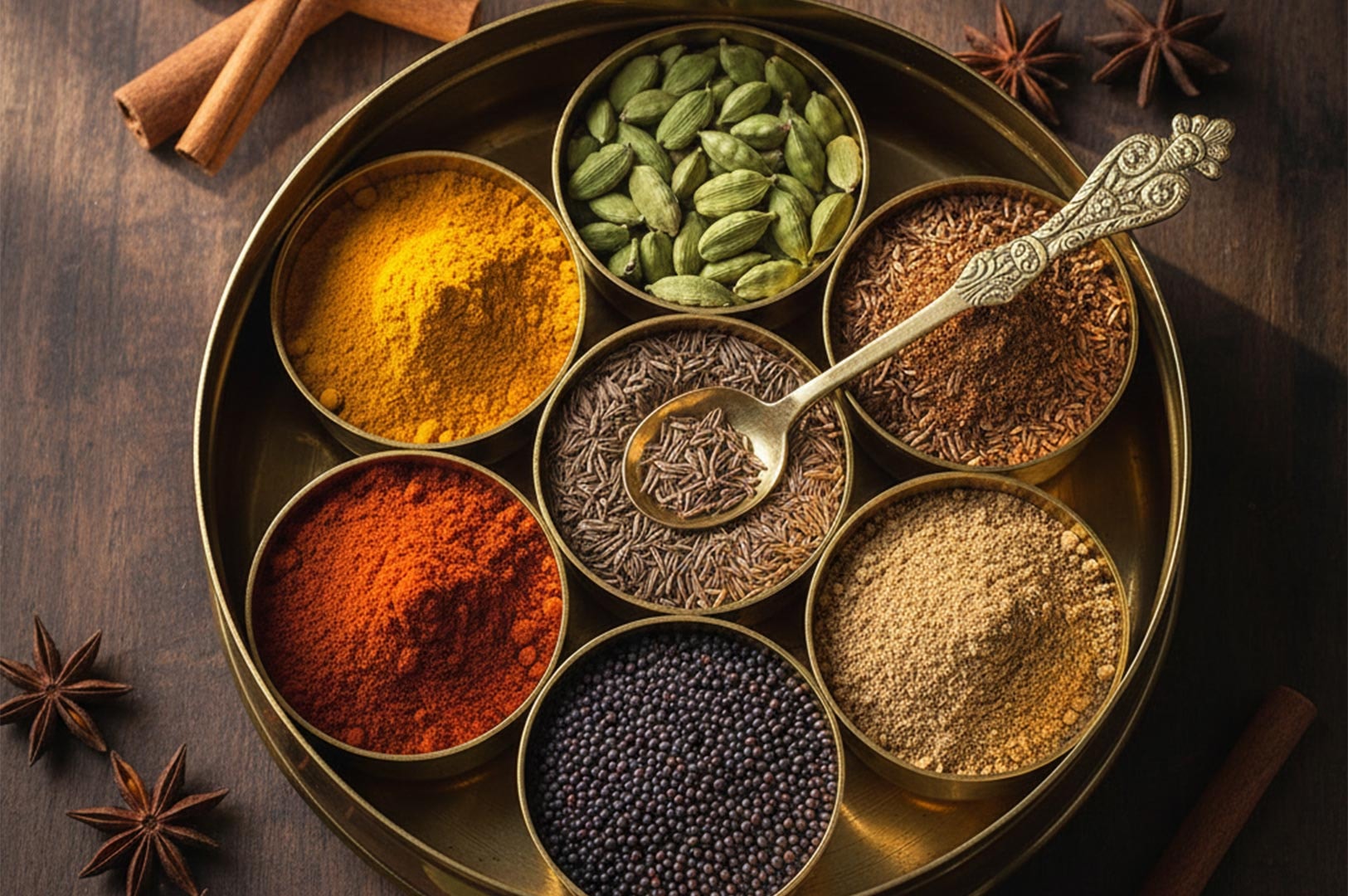
In a typical Indian household, the kitchen is considered a sacred space. The aromatic spices stored in the traditional masala dabba (spice box) are more than just flavor enhancers; they are part of an ancient medicinal system. Turmeric, with its golden hue, is prized for its anti-inflammatory properties, while black pepper and ginger are utilized to aid digestion. When you cook a traditional dish, you aren’t just making a meal; you are practicing a form of alchemy.
A Geographic Symphony: From the Himalayas to the Indian Ocean
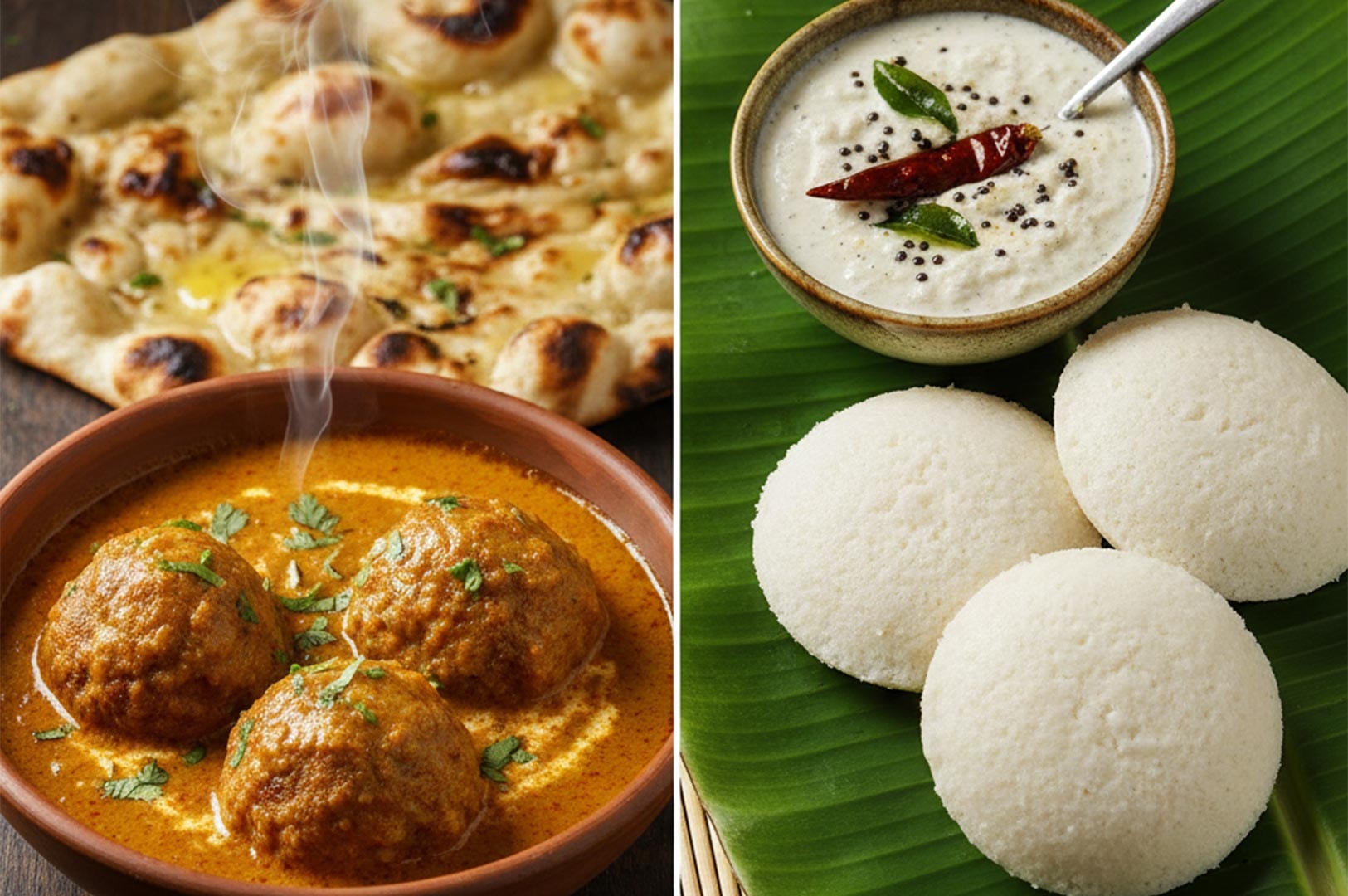
The beauty of Indian vegetarian food lies in its regional diversity. If you travel through Northern India, you are greeted by the scent of roasting wheat and heavy cream. Because of the cooler climate and Persian influences, the cuisine here is hearty and indulgent. This is the land of the perfectly spiced chana masala and the iconic malai kofta—fried dumplings made of paneer and potato submerged in a creamy sauce. On special occasions, the aroma of garam masala wafts through the air as families gather to share naan and roti fresh from the tandoor.
However, as you move toward the tropical South, the landscape changes, and so does the food. The heavy wheat-based breads are replaced by rice dishes and fermented rice preparations. In states like Tamil Nadu and Kerala, the air smells of roasted mustard seeds and fresh curry leaves. Here, coconut is king. It is used in every form—grated, toasted, or as coconut milk to thicken a spicy curry. A breakfast of steamed idli (rice cakes) pairs perfectly with a cooling coconut chutney, providing a protein boost to start the day.
The Architecture of Indian Recipes: Spices and Techniques
The hallmark of Indian flavors is the complexity of the sauce. Unlike Western sauces that often rely on stocks or fats, an Indian curry is built layer by layer. It starts with a base of garlic, onions, and ginger sautéed over medium heat until they caramelize. Then come the tomatoes, which break down into a jammy consistency, providing the acidity needed to balance the rich oils.
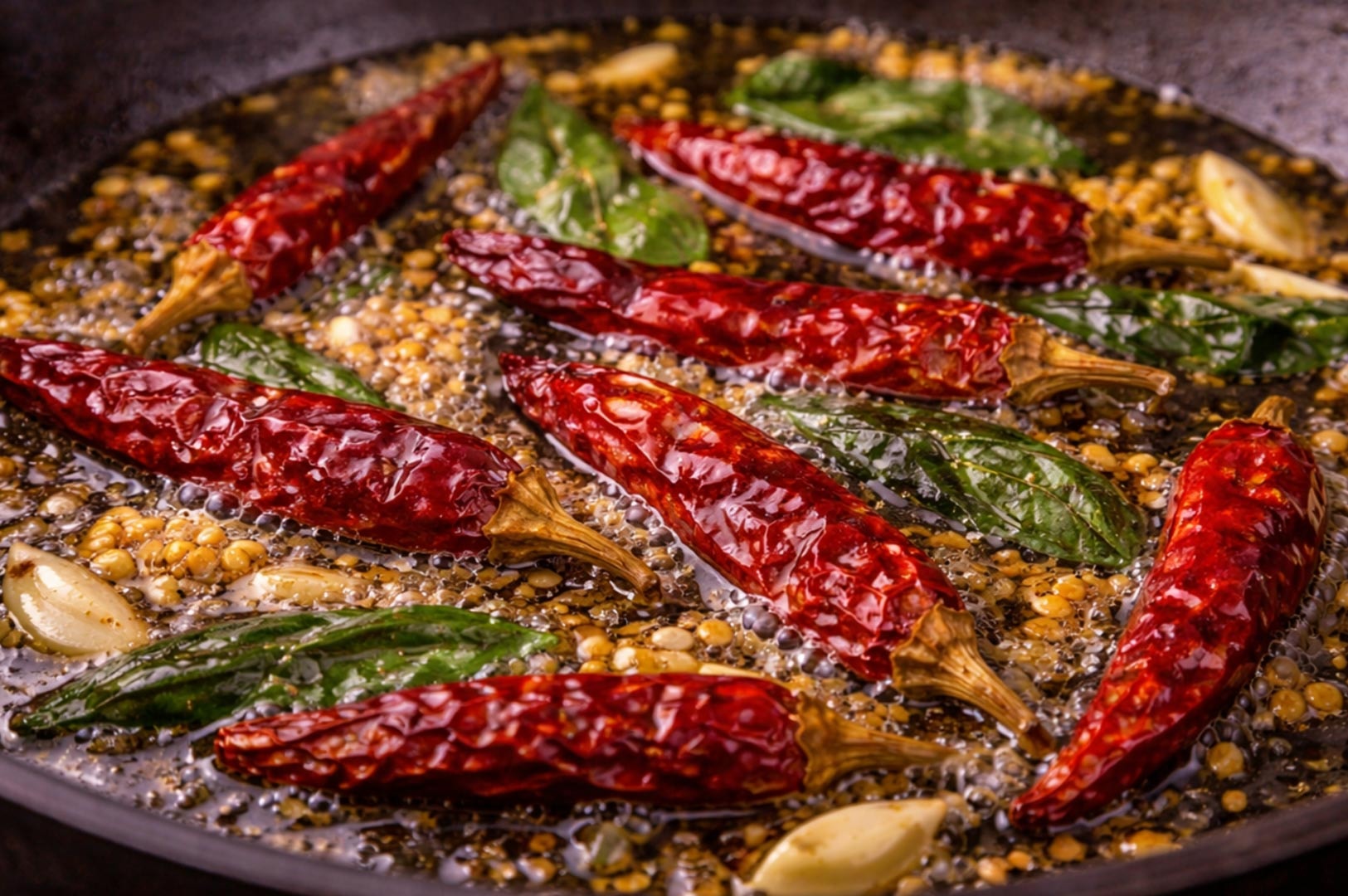
The “Tadka,” or tempering, is the most crucial technique. Spices like cumin, mustard seeds, and asafoetida are dropped into hot oil until they pop and sizzle, releasing their essential oils. This infused oil is then poured over red lentils or soups at the very last second, creating a tasty explosion of flavor. This process ensures that even simple ingredients like green peas and carrots are transformed into something extraordinary.
Modern Traditions: The Instant Pot and Beyond
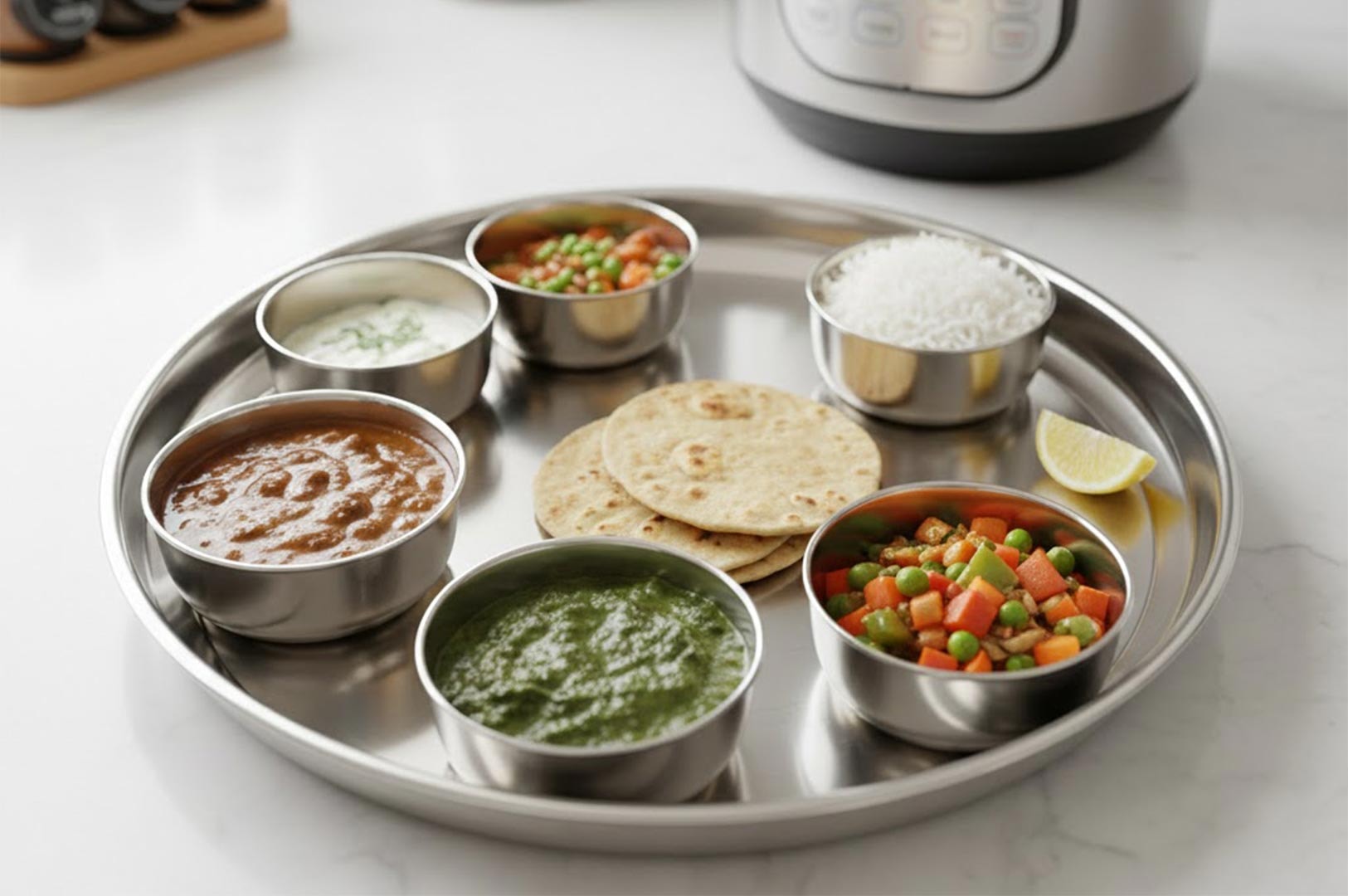
In today’s fast-paced world, the whole family often finds themselves squeezed for time. This has led to a fascinating evolution in how Indian vegetarian recipes are prepared. The Instant Pot has become a staple in the modern diaspora kitchen, allowing home cooks to achieve the “slow-cooked” taste of a lentil curry in a fraction of the prep time.
We are also seeing a rise in “global-Indian” fusion. A tofu tikka masala is a perfect example of this—taking a traditional creamy tomato base and swapping the dairy for vegan tofu to satisfy modern dietary preferences. Even ingredients like sweet potatoes, which aren’t traditionally the main star of an Indian dish, are being integrated into spicy masalas, proving that Indian recipes are living, breathing entities that continue to grow.
The Social Fabric: Street Food and Family Tables
You cannot discuss Indian food without mentioning the street culture. In cities like Mumbai or Delhi, vegetarian snacks are a way of life. From the spicy crunch of a samosa to the tangy explosion of a chaat, these foods are designed to hit every part of the palate: sweet, sour, spicy, and salty. These are the tasty treats that bring people together across social divides.
At home, the ritual of the “Thali“—a large platter containing various small bowls of vegetables, lentils, rice, and yogurt—ensures a balanced diet. It is a delicious reminder that a vegetarian diet can be incredibly varied. Whether it is a simple dinner of dal and rice on busy weeknights or an elaborate feast for a wedding, the focus remains on the quality of the produce and the balance of the spices.
Indian Vegetarian Recipes: A Global Inspiration
Today, resources and other culinary platforms provide detailed instructions for those looking to recreate these flavors at home. As more people move toward plant-based living, the world is looking to India for inspiration. The techniques developed over thousands of years—like the fermentation of rice or the strategic use of lentils—are now being studied by chefs worldwide.
As you embark on your own journey through Indian cuisine, don’t be afraid to experiment. Start with a simple chana masala, learn the rhythm of the spices, and soon you will find that you don’t need meat to create a meal that is satisfying and rich.

Best Thai Singapore: Discover the Art of Authentic Pad Thai
Dio Asahi | December 11, 2025
In Singapore, a city that celebrates a universe of flavors, the magnetic pull of Thai cuisine is undeniable. From bustling food courts to elegant dining rooms, the kingdom’s culinary ambassadors have firmly planted their flag. When considering the best Thai food, it’s impossible to overlook how integral Pad Thai is to the local Thai food…

Thai Cuisine in Singapore: Finding the Best Authentic Flavors
Eat Drink Asia Team | December 9, 2025
The unmistakable aroma of lemongrass, galangal, and fiery spices mingles with the bustling night air in Singapore, setting the stage for a dining experience that wakes the soul and tantalizes the senses. Thai cuisine in Singapore has become an essential part of the city’s culinary landscape, offering a complete blend of vibrant flavor, tangy notes,…
-
The Ultimate Guide to Thai Food: Flavors, Traditions, and Culinary Adventures
Dio Asahi | December 6, 2025
Thai cuisine is one of the world’s most beloved and complex culinary traditions, captivating food enthusiasts globally with its masterful balance of flavors and vibrant presentations. From bustling Bangkok street stalls to high-end international restaurants, Thai food has become a global phenomenon that evolves while maintaining its authentic roots. What sets Thai cuisine apart from…
-
How to Drink Sake: Your Guide to Enjoying Japanese Sake Wine
Eda Wong | December 5, 2025
As Japan’s national beverage, this traditional sake is present at celebrations, quiet dinners, and spiritual offerings, weaving itself into the very fabric of daily life and reflecting Japan’s deep-rooted cultural heritage. Yet, for many outside of Japan, it remains a delightful mystery. You might find yourself wondering, how do you drink sake properly to unlock…
-
The Quiet Pursuit of Perfection: Where to Find the Freshest Sashimi in Singapore
Eat Drink Asia Team | December 3, 2025
In Singapore, a city that moves at a dizzying pace, there is a quiet but growing reverence for pursuits that demand patience. Nowhere is this more apparent than in the city’s evolving appreciation for authentic Japanese cuisine. The once-niche world of omakase has entered the mainstream lexicon, and with it, a more discerning palate for…

Understanding Sake Alcohol Content: A Complete Guide to ABV and Flavor
Eda Wong | December 2, 2025
When exploring Japanese sake, many wonder about its grades and complex flavors. Sake’s unique profile offers remarkable versatility, enjoyed in various serving styles and paired with diverse dishes. One fundamental aspect is sake alcohol content. Is sake stronger than wine? How does its alcohol by volume (ABV) compare to beer? The answer is nuanced. Understanding…
-
Japanese Sake: The Complete Guide to Japan’s Traditional Rice Wine
Dio Asahi | November 29, 2025
Japanese Sake: The Complete Guide to Japan’s Traditional Rice Wine While sake has been Japan’s national beverage for over a millennium, its popularity across Asia is at an all-time high. Rooted in Japan’s traditional brewing methods and centuries-old origins. It symbolizes Japan’s cultural heritage and craftsmanship. Understanding this complex brewed alcoholic beverage opens doors to…

Best Japanese Foods in Japan: The Must-Try Dishes
Eda Wong | November 27, 2025
Japan’s culinary world extends far beyond well-known sushi and ramen, revealing a rich variety of regional specialties cherished by locals. While many travelers stick to popular Japanese foods in tourist areas, authentic flavors are best discovered in neighborhood markets, family-run eateries, and seasonal menus reflecting centuries of Japanese cooking tradition. Understanding Japanese cuisine requires more…
-
Japanese Food in Japan: The Ultimate Guide to Authentic Culinary Experiences
Eat Drink Asia Team | November 25, 2025
Experiencing Japanese food in Japan is fundamentally different from eating Japanese cuisine anywhere else. While sushi restaurants and ramen shops have spread globally, the authentic flavors, techniques, and cultural context of Japanese food can only be fully appreciated in its homeland. From meticulously selecting ingredients at peak freshness to centuries-old traditions shaping every meal, eating…
-
Food in Japan: A Complete Guide to Japanese Cuisine and Culinary Culture
Eda Wong | November 22, 2025
The gentle steam rising from a bowl of miso soup carries more than just the earthy aroma of fermented soybeans-it carries centuries of Japanese culture and culinary wisdom. When you eat in Japan, you’re not simply consuming a meal; you’re participating in a ritual that connects you to the seasons, the land, and a philosophy…