In the vibrant tapestry of global gastronomy, few cultures have elevated the plant-based plate to an art form quite like India. While much of the world has recently turned toward meat alternatives for health or environmental reasons, Indian cuisine has been centered on the vegetable for millennia. This isn’t merely a dietary choice; it is a rich cultural legacy. With a protein packed foundation of lentils, grains, and seasonal produce, Indian foods vegetarian traditions offer a perfect blend of nutrition and sensory delight that few other cultures can match.
Explore Eat Drink Asia and get excited about authentic recipes, creative cooking tips, and fresh insights into the lively world of Indian vegetarian cuisine!
The Philosophical Roots of the Indian Cuisine
To understand Indian dishes, one must first understand the philosophy behind them. The concept of Ahimsa, or non-violence, is woven into the very fabric of the nation’s history. From the ancient scriptures of the Vedas to the teachings of Jainism and Buddhism, the act of eating is seen as a way to nourish the soul without causing harm. This belief has resulted in a collection of Indian recipes that are naturally vegan or vegetarian, developed not as “substitutes” for meat, but as complete, standalone masterpieces.
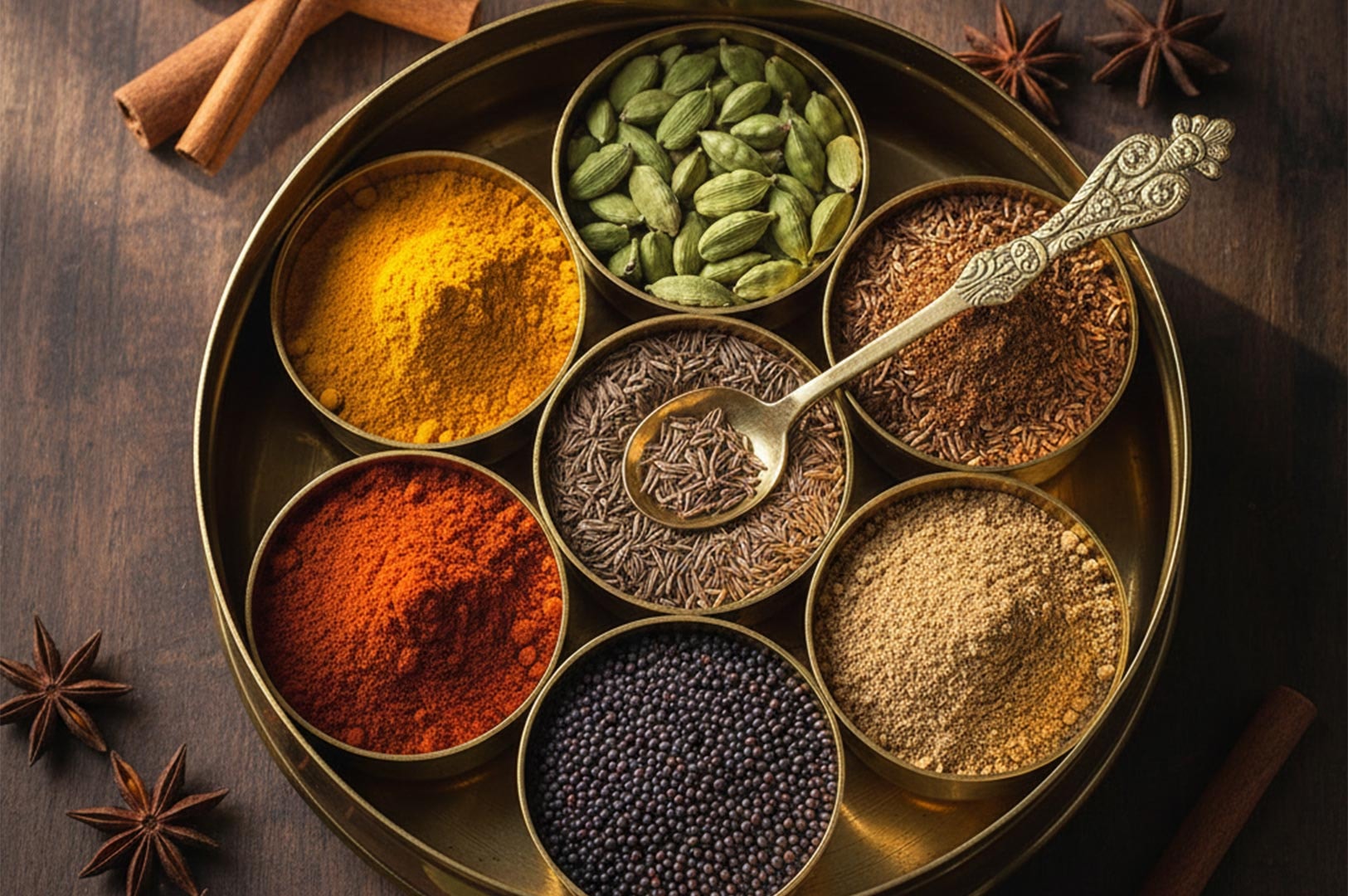
In a typical Indian household, the kitchen is considered a sacred space. The aromatic spices stored in the traditional masala dabba (spice box) are more than just flavor enhancers; they are part of an ancient medicinal system. Turmeric, with its golden hue, is prized for its anti-inflammatory properties, while black pepper and ginger are utilized to aid digestion. When you cook a traditional dish, you aren’t just making a meal; you are practicing a form of alchemy.
A Geographic Symphony: From the Himalayas to the Indian Ocean
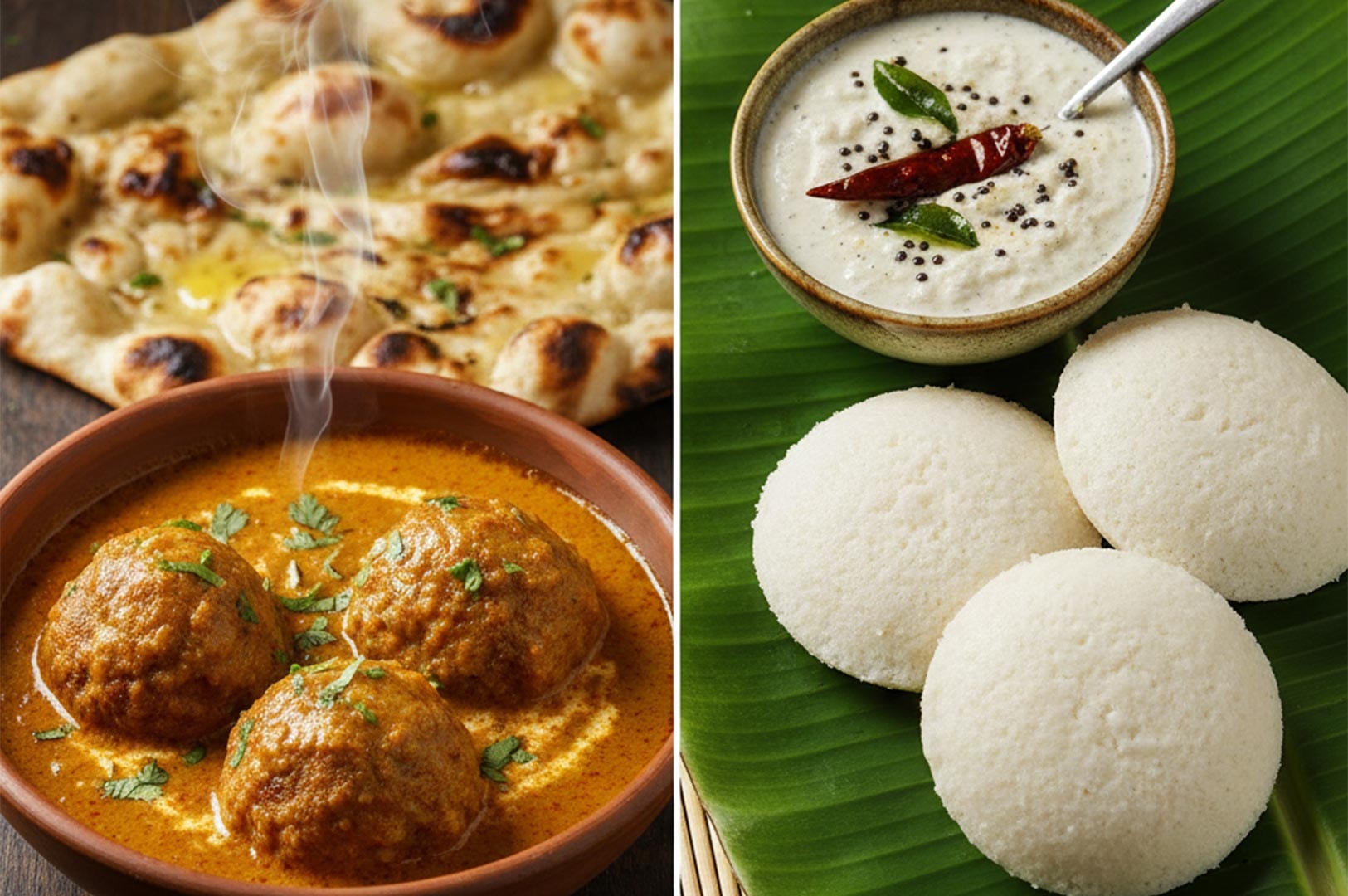
The beauty of Indian vegetarian food lies in its regional diversity. If you travel through Northern India, you are greeted by the scent of roasting wheat and heavy cream. Because of the cooler climate and Persian influences, the cuisine here is hearty and indulgent. This is the land of the perfectly spiced chana masala and the iconic malai kofta—fried dumplings made of paneer and potato submerged in a creamy sauce. On special occasions, the aroma of garam masala wafts through the air as families gather to share naan and roti fresh from the tandoor.
However, as you move toward the tropical South, the landscape changes, and so does the food. The heavy wheat-based breads are replaced by rice dishes and fermented rice preparations. In states like Tamil Nadu and Kerala, the air smells of roasted mustard seeds and fresh curry leaves. Here, coconut is king. It is used in every form—grated, toasted, or as coconut milk to thicken a spicy curry. A breakfast of steamed idli (rice cakes) pairs perfectly with a cooling coconut chutney, providing a protein boost to start the day.
The Architecture of Indian Recipes: Spices and Techniques
The hallmark of Indian flavors is the complexity of the sauce. Unlike Western sauces that often rely on stocks or fats, an Indian curry is built layer by layer. It starts with a base of garlic, onions, and ginger sautéed over medium heat until they caramelize. Then come the tomatoes, which break down into a jammy consistency, providing the acidity needed to balance the rich oils.
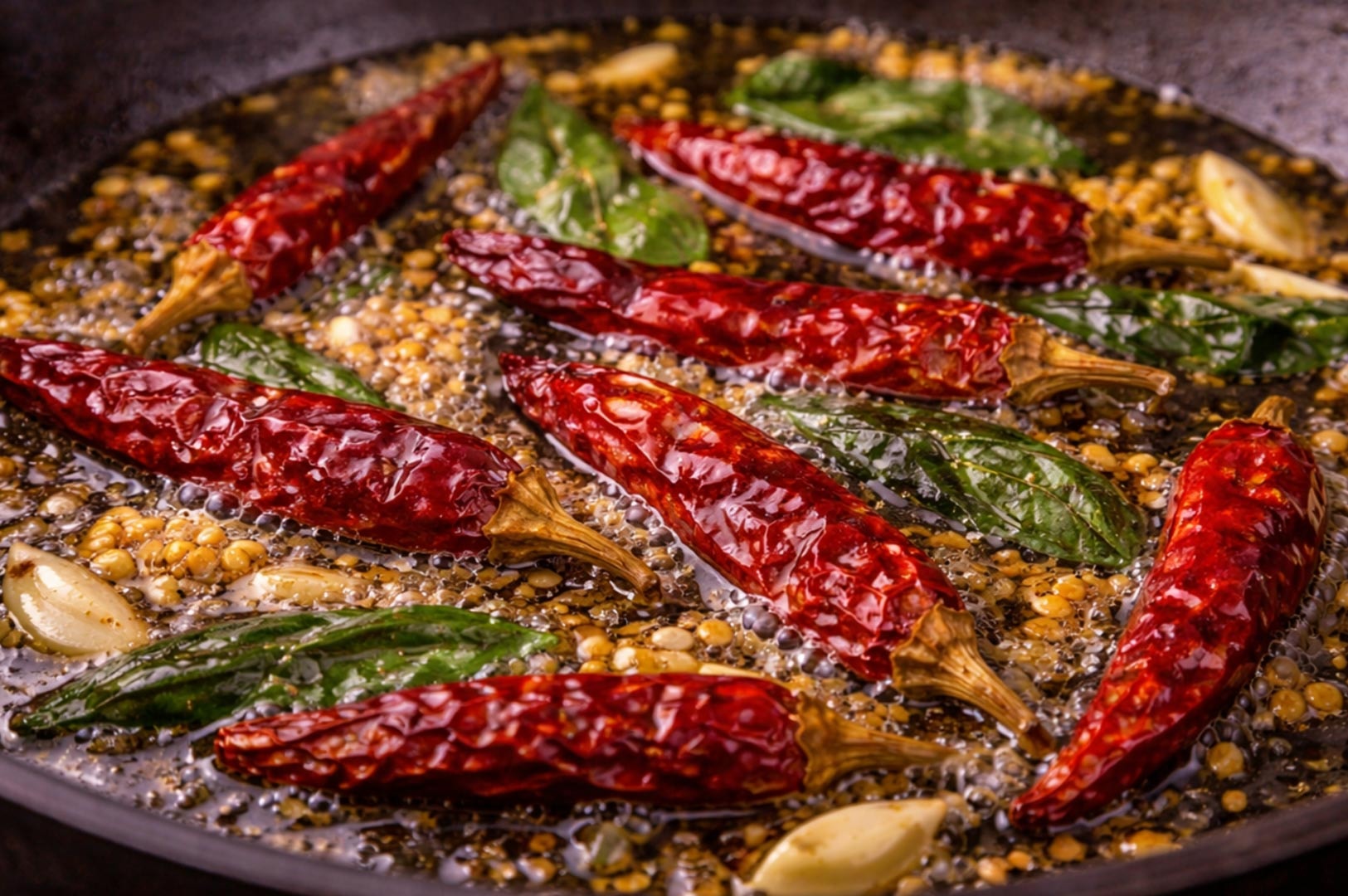
The “Tadka,” or tempering, is the most crucial technique. Spices like cumin, mustard seeds, and asafoetida are dropped into hot oil until they pop and sizzle, releasing their essential oils. This infused oil is then poured over red lentils or soups at the very last second, creating a tasty explosion of flavor. This process ensures that even simple ingredients like green peas and carrots are transformed into something extraordinary.
Modern Traditions: The Instant Pot and Beyond
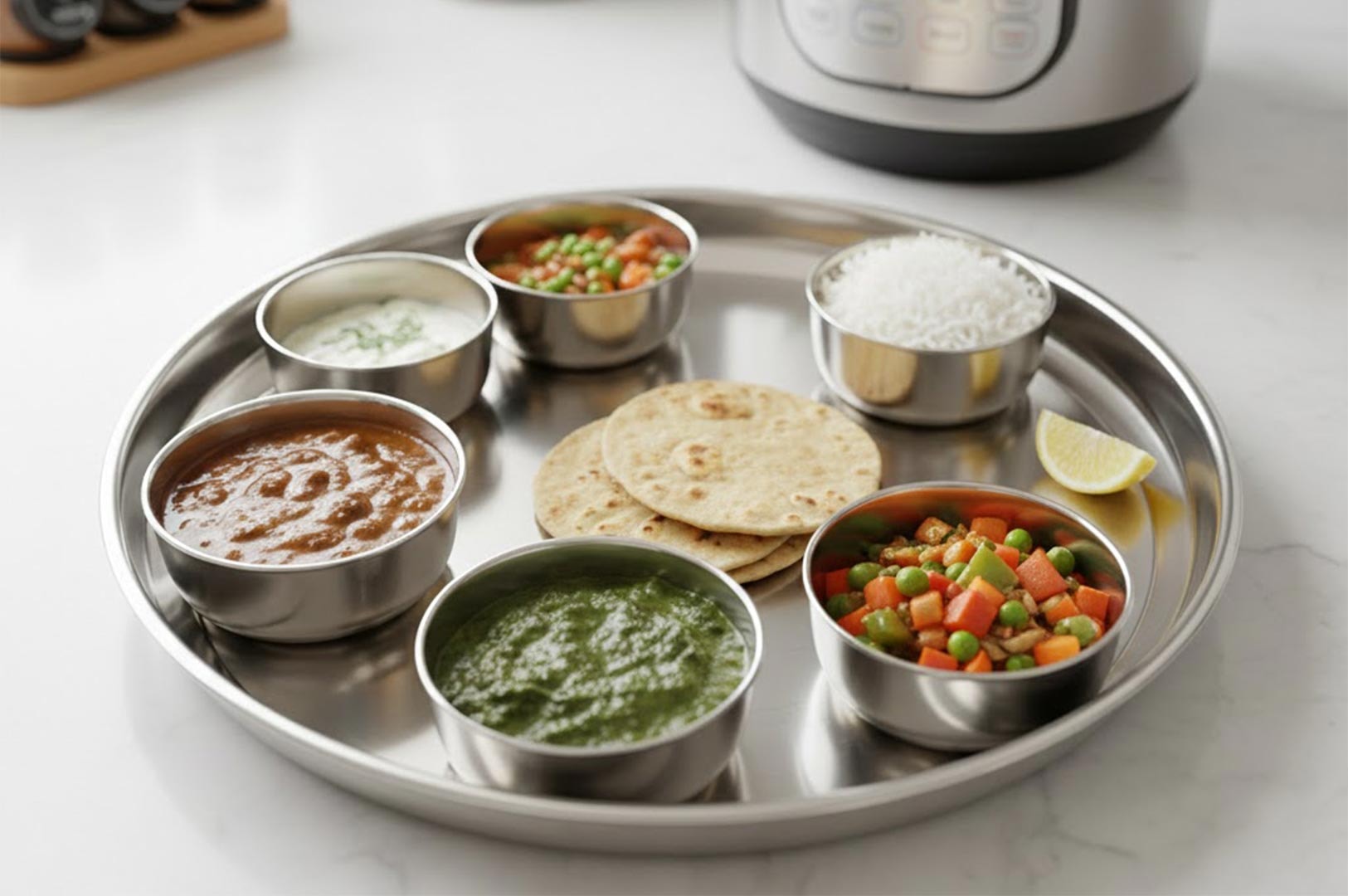
In today’s fast-paced world, the whole family often finds themselves squeezed for time. This has led to a fascinating evolution in how Indian vegetarian recipes are prepared. The Instant Pot has become a staple in the modern diaspora kitchen, allowing home cooks to achieve the “slow-cooked” taste of a lentil curry in a fraction of the prep time.
We are also seeing a rise in “global-Indian” fusion. A tofu tikka masala is a perfect example of this—taking a traditional creamy tomato base and swapping the dairy for vegan tofu to satisfy modern dietary preferences. Even ingredients like sweet potatoes, which aren’t traditionally the main star of an Indian dish, are being integrated into spicy masalas, proving that Indian recipes are living, breathing entities that continue to grow.
The Social Fabric: Street Food and Family Tables
You cannot discuss Indian food without mentioning the street culture. In cities like Mumbai or Delhi, vegetarian snacks are a way of life. From the spicy crunch of a samosa to the tangy explosion of a chaat, these foods are designed to hit every part of the palate: sweet, sour, spicy, and salty. These are the tasty treats that bring people together across social divides.
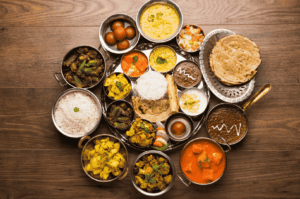
At home, the ritual of the “Thali“—a large platter containing various small bowls of vegetables, lentils, rice, and yogurt—ensures a balanced diet. It is a delicious reminder that a vegetarian diet can be incredibly varied. Whether it is a simple dinner of dal and rice on busy weeknights or an elaborate feast for a wedding, the focus remains on the quality of the produce and the balance of the spices.
Indian Vegetarian Recipes: A Global Inspiration
Today, resources and other culinary platforms provide detailed instructions for those looking to recreate these flavors at home. As more people move toward plant-based living, the world is looking to India for inspiration. The techniques developed over thousands of years—like the fermentation of rice or the strategic use of lentils—are now being studied by chefs worldwide.
As you embark on your own journey through Indian cuisine, don’t be afraid to experiment. Start with a simple chana masala, learn the rhythm of the spices, and soon you will find that you don’t need meat to create a meal that is satisfying and rich.

Traditional Korean Sikhye: Sweet Rice Punch Through the Seasons
Eda Wong | October 23, 2025
In the vibrant world of Korean food, beyond the fiery spice of gochujang and the savoury comfort of bulgogi, lies a gentler, more subtle delight. Meet traditional Korean sikhye (식혜), a beloved Korean sweet rice punch that holds a special place in the nation’s heart. With its cloudy, amber hue and delicate sweetness, this drink…
-
Authentic Jeonju Bibimbap: Why Korea’s Culinary Capital Makes It Best
Eat Drink Asia Team | October 21, 2025
Picture this: A steaming Korean rice bowl is placed before you in Jeonju, South Korea. Vibrant arcs of seasoned bean sprouts, glossy strips of Korean beef, a golden runny yolk resting atop perfectly cooked mixed rice, and a dollop of rich red bibimbap sauce invite you to mix it all together. As you stir, the…
-
Communal Dining Traditions in Asia: Shared Meals, Lasting Bonds, and Cultural Heritage
Dio Asahi | October 18, 2025
Imagine a dining table crowded with large platters of steaming food, the smell of spices in the air, small bowls arranged neatly around the shared table, and laughter echoing across the room. Across Asia, dining tables play a central role in communal dining traditions, serving as the focal point for etiquette, social interaction, and the…
-
Century-Old Dumpling Techniques: Ancient Wisdom in Modern Kitchens
Eda Wong | October 16, 2025
Her hands move in a blur, a dance of muscle memory refined over sixty years. In a small, steam-filled kitchen in Shanghai, an elderly woman transforms a humble circle of dumpling dough into a perfect, 20-pleat xiao long bao. Each pinch and fold is a syllable in a story passed down through generations-prime examples of…
-
Ca Phe Sua Da: The Cultural Phenomenon of Authentic Vietnamese Coffee
Eat Drink Asia Team | October 14, 2025
The dawn breaks over Hanoi, and the city awakens not to alarm clocks but to the clatter of tiny spoons and the metallic click of filters. The air fills with the dark, roasted aroma of authentic Vietnamese coffee drifting from bustling corners and sidewalk stalls. They are not rushing. Instead, they are waiting-waiting for the…
-
Cao Lầu Noodles: Hoi An’s Legendary Noodle Dish with Japanese Origins
Dio Asahi | October 11, 2025
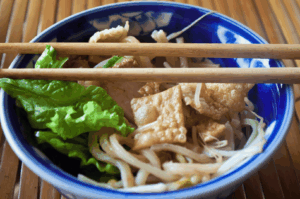
Imagine sitting on a low stool in a bustling alleyway of Hoi An’s ancient town. The warm, fragrant air is thick with the scent of sizzling marinated pork, fresh herbs, and the unmistakable aroma of fish sauce and fried rice crackers. In front of you, a bowl of Cao Lau noodles gleams, their golden brown…
-
Chinese Tea: 5,000-Year Tea Journey from Ancient Medicine to Global Beverage Phenomenon
Eda Wong | October 9, 2025
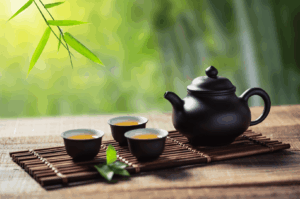
Every cup of tea enjoyed today, whether a brisk English breakfast or a delicate green tea in Tokyo, finds its lineage rooted in the heart of Chinese tea history. For nearly 5,000 years, the humble leaves of the Camellia sinensis tea plant have been cultivated, brewed, and cherished-first as ancient medicine in southern China, and…
-
The Complete Guide to Authentic Cantonese Dim Sum: Beyond Har Gow and Siu Mai
Eat Drink Asia Team | October 7, 2025
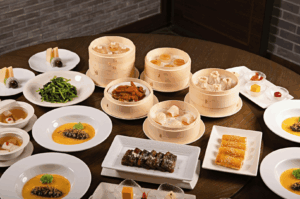
If you think eating dim sum is all about har gow and siu mai, think again. Authentic Cantonese dim sum is a dazzling showcase of Chinese culture, filled with an array of flavors, textures, and traditions that run much deeper than the classics. For both seasoned aficionados and first-time food explorers, venturing beyond the familiar…
-
Traditional Indian Lassi: Cooling Yogurt Drinks for Every Season and Region
Eda Wong | October 4, 2025
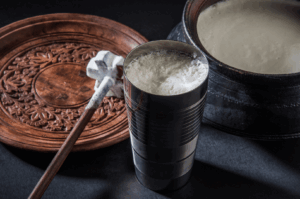
On a sweltering Indian afternoon, there is no greater relief than a tall, chilled glass of traditional Indian lassi. From bustling city streets to quiet village homes, lassi is a beloved staple that offers a moment of pure, cooling bliss. Frothy, creamy, and deeply satisfying, this yogurt drink is more than just a refreshment; it’s…
-
Gujarati Thali Guide: Western India’s Plant-Based Feast
Dio Asahi | October 2, 2025
Imagine a large, gleaming steel plate arriving at your table, a vibrant constellation of small bowls each filled with colourful and fragrant preparations. In the centre, fluffy plain rice sits next to a pile of wafer-thin, ghee-brushed Indian bread. This isn’t just an Indian meal; it’s a traditional Gujarati thali, an immersive culinary journey through…