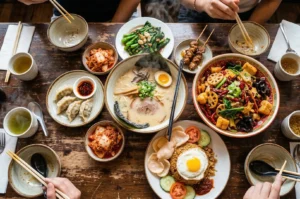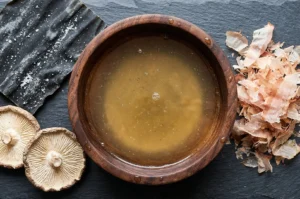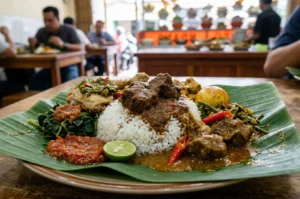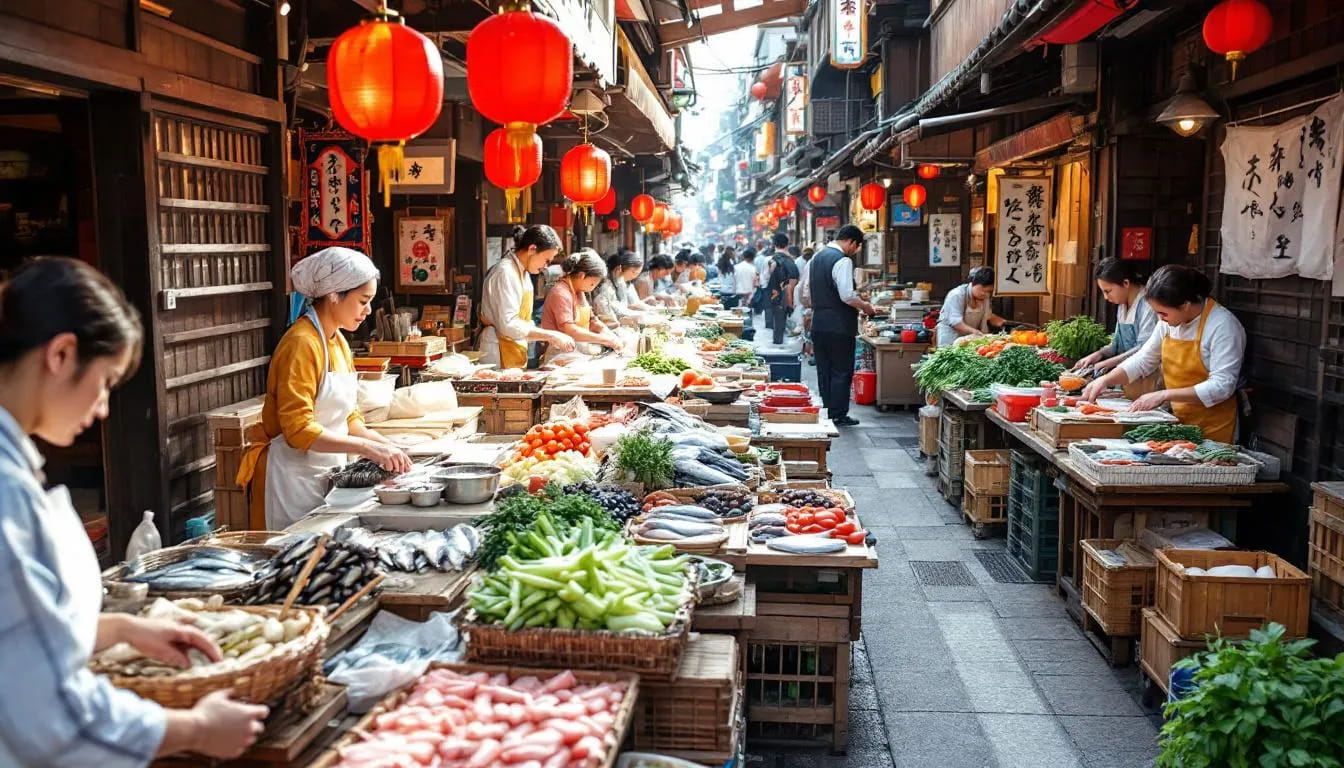
Experiencing Japanese food in Japan is fundamentally different from eating Japanese cuisine anywhere else. While sushi restaurants and ramen shops have spread globally, the authentic flavors, techniques, and cultural context of Japanese food can only be fully appreciated in its homeland. From meticulously selecting ingredients at peak freshness to centuries-old traditions shaping every meal, eating Japanese food in Japan offers a culinary journey beyond what’s possible elsewhere.
The difference lies not just in ingredient quality—sourced directly from local farms, pristine coastal waters, and markets like Tsukiji Outer Market—but in the entire food culture ecosystem surrounding each meal. This includes the mastery of Japanese cooking techniques such as preparing steamed rice perfectly, the use of rice vinegar in sushi rice, and the art of making thin slices of raw fish for sashimi.
Why Japanese Cuisine in Japan Is Unmatched
The superiority of Japanese food in Japan stems from several interconnected factors creating an unparalleled culinary experience. The concept of shun (seasonality) means ingredients are used only when at peak freshness and flavor. This philosophy permeates every level of Japanese cuisine, from high-end kaiseki restaurants to humble convenience stores.
The level of craftsmanship and specialization in Japan is extraordinary. Ramen masters spend years perfecting their soup stock, often guarding secret recipes passed down through generations. Sushi apprenticeships lasting over ten years are common, with aspiring chefs spending years just learning to properly prepare steamed rice and mastering the balance of rice vinegar before handling raw fish. This dedication to mastery means even the most basic Japanese dishes are executed with precision and expertise difficult to replicate elsewhere.
Cultural dining rituals and atmosphere create experiences unique to Japan. The quiet concentration at a sushi counter, the communal energy of an izakaya after work hours, and the reverent appreciation for seasonal ingredients all contribute to making food in Japan a deeply cultural experience rather than mere sustenance. A traditional Japanese meal thoughtfully arranges side dishes, main courses, and beverages such as green tea to create a harmonious and balanced dining experience, with careful attention to presentation and the interplay of flavors and textures.
Regional Specialties: Best Food in Japan by Prefecture
Tokyo - Modern Innovation Meets Tradition
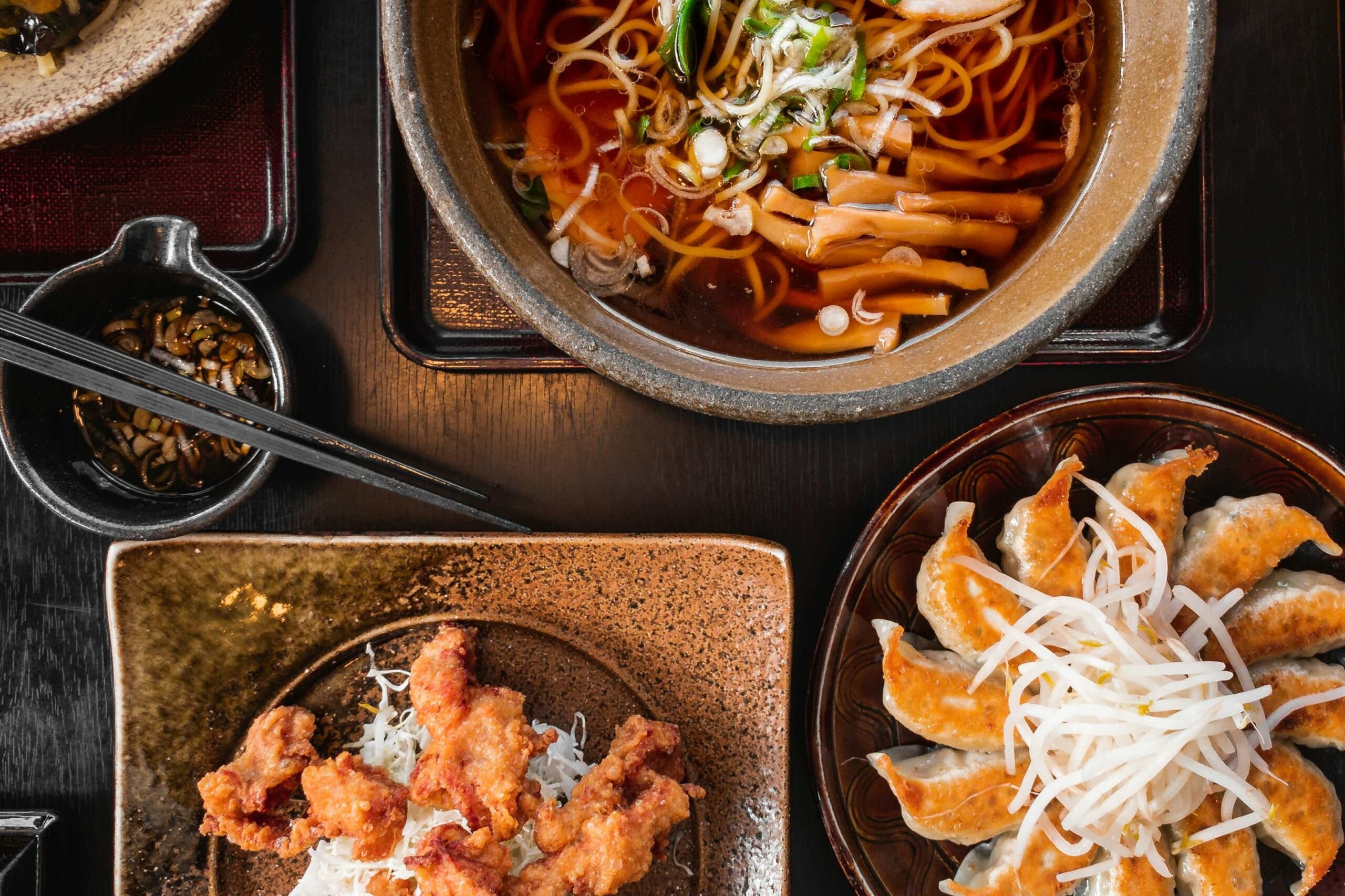
Tokyo stands as the heart of Japanese food innovation while honoring traditional culinary methods. Visitors can savor Edo-mae sushi in Tsukiji and Ginza, where sushi masters serve fresh raw fish sourced from Tokyo Bay. The city’s ramen alleys in Shibuya and Shinjuku offer diverse noodle soup styles, from rich tonkotsu to clear shoyu broths, providing intimate dining experiences.
Department store depachika food courts in Mitsukoshi and Takashimaya showcase a variety of premium offerings, including onigiri rice balls and Japanese curry rice, often highlighting seasonal ingredients. Tokyo’s vast range of dining options, from upscale restaurants to casual eateries, makes it an ideal place to experience authentic Japanese food in Japan.
Osaka - The Kitchen of Japan
Osaka is famed as Japan’s kitchen, known for its bold flavors and vibrant street food culture. Takoyaki, a popular Japanese street food made of wheat flour balls filled with octopus, is a must-try in Dotonbori, accompanied by savory sauce and pickled ginger. Okonomiyaki, a savory pancake mixed with ingredients and cooked on teppan grills, offers an interactive dining experience unique to the region.
The city’s cuisine also features Kansai-style sushi, often pressed and incorporating cooked ingredients, as well as deep-fried specialties like tempura and kushikatsu. These dishes reflect Osaka’s merchant heritage and emphasis on rich, satisfying flavors. Deep fried pork cutlet and deep fried beef cutlets are also popular in this region, showcasing the local love for crispy, golden brown textures.
Kyoto - Kaiseki and Traditional Refinement
Kyoto represents the pinnacle of traditional Japanese cuisine, with kaiseki meals showcasing seasonal ingredients and artistic presentation. Each multi-course dinner follows principles of harmony, serving dishes at optimal temperatures to highlight flavors. The city’s temple districts offer tofu cuisine, emphasizing simple, natural tastes often paired with soy sauce and daikon radish.
Traditional tea houses in Kyoto serve matcha alongside seasonal wagashi sweets, connecting culinary art with cultural rituals. These experiences embody the refined elegance and deep cultural roots of Japanese food in Japan, where green tea plays a central role in the dining experience.
Hokkaido - Seafood and Dairy Paradise
Hokkaido’s northern climate produces some of Japan’s finest seafood and dairy products. Sapporo’s morning markets offer fresh crab and uni served as kaisendon rice bowls, highlighting the region’s rich marine bounty. Genghis Khan grilled lamb, cooked on dome-shaped grills, is a local specialty enjoyed with vegetables and dipping sauces.
The region’s ramen is known for hearty miso-based broths topped with pork belly, corn, and butter, reflecting Hokkaido’s agricultural abundance. Premium dairy products, including soft-serve ice cream, showcase the exceptional quality of local milk.
Hiroshima and Western Japan
Hiroshima-style okonomiyaki features a layered construction with wheat flour noodles, creating a distinct texture from Osaka’s mixed version. Fresh oysters from Hiroshima Bay are a celebrated shellfish delicacy, often served steamed or in traditional dishes. Momiji manju, maple leaf-shaped pastries filled with sweet red bean paste, are a popular seasonal sweet symbolizing autumn.
These regional specialties highlight the diversity of Japanese food in Japan, blending local ingredients with unique culinary traditions.
Kyushu - Bold Flavors and Unique Specialties
Kyushu’s cuisine is marked by bold flavors and distinctive dishes. Fukuoka’s Hakata tonkotsu ramen boasts a creamy pork bone broth paired with thin, straight noodles and traditional toppings like green onions and pickled vegetables. Mentaiko, spicy cod roe, is a versatile ingredient used in rice dishes and pasta, reflecting the region’s culinary creativity.
Nagasaki’s champon noodles combine thick wheat noodles with seafood and vegetables in rich broths, a legacy of Chinese influence. Kyushu is also home to premium Japanese beef from Kumamoto, served as thinly sliced, marbled cuts highlighting quality and tenderness.
Authentic Dining Experiences You Can Only Have in Japan
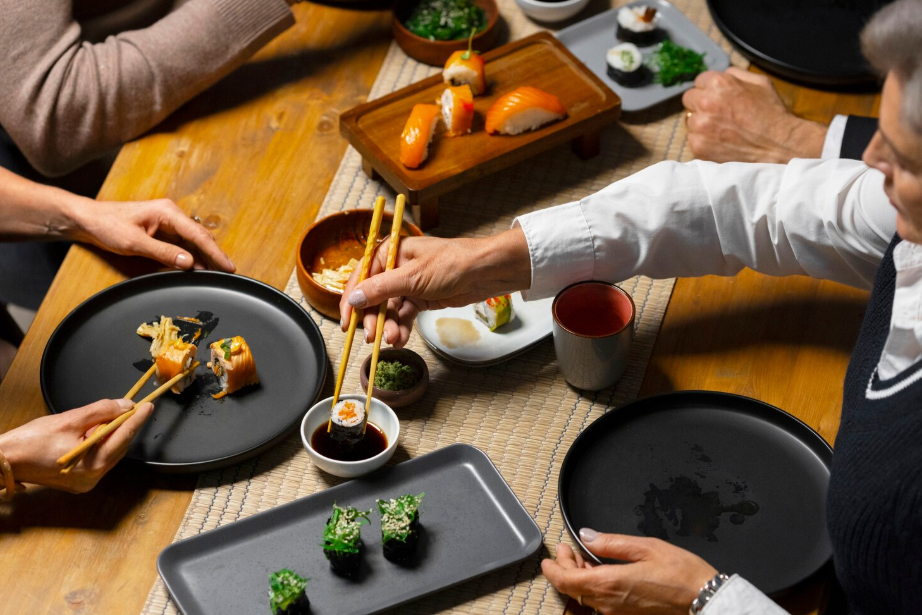
To truly understand Japan’s unique dining culture, these experiences are essential. Food formats and customs create dining experiences impossible to replicate elsewhere, even with identical ingredients and recipes.
For a broader exploration of Japanese culinary traditions, the article Food in Japan: A Complete Guide to Japanese Cuisine and Culinary Culture offers an in-depth look at the diverse dishes, regional specialties, and cultural practices that define the nation's rich food heritage.
Izakayas - Japan’s Social Dining Culture
Izakayas serve as Japan’s social dining centers where colleagues gather after work to share small dishes and drinks. Yakitori cooked over binchotan charcoal creates smoky flavors impossible with gas or electric grills. The interactive cooking process allows diners to watch their grilled meat being prepared.
Ordering etiquette involves sharing multiple small dishes rather than individual entrees. This communal approach encourages trying various ingredients, from simple edamame to elaborate seafood dishes. The social aspect transforms eating into a cultural experience building relationships and community.
Nomihoudai (all-you-can-drink) experiences often accompany izakaya meals, creating extended social occasions where food serves as the foundation for longer cultural interactions. This format encourages leisurely dining prioritizing social connection over quick consumption.
Specialty Restaurant Formats
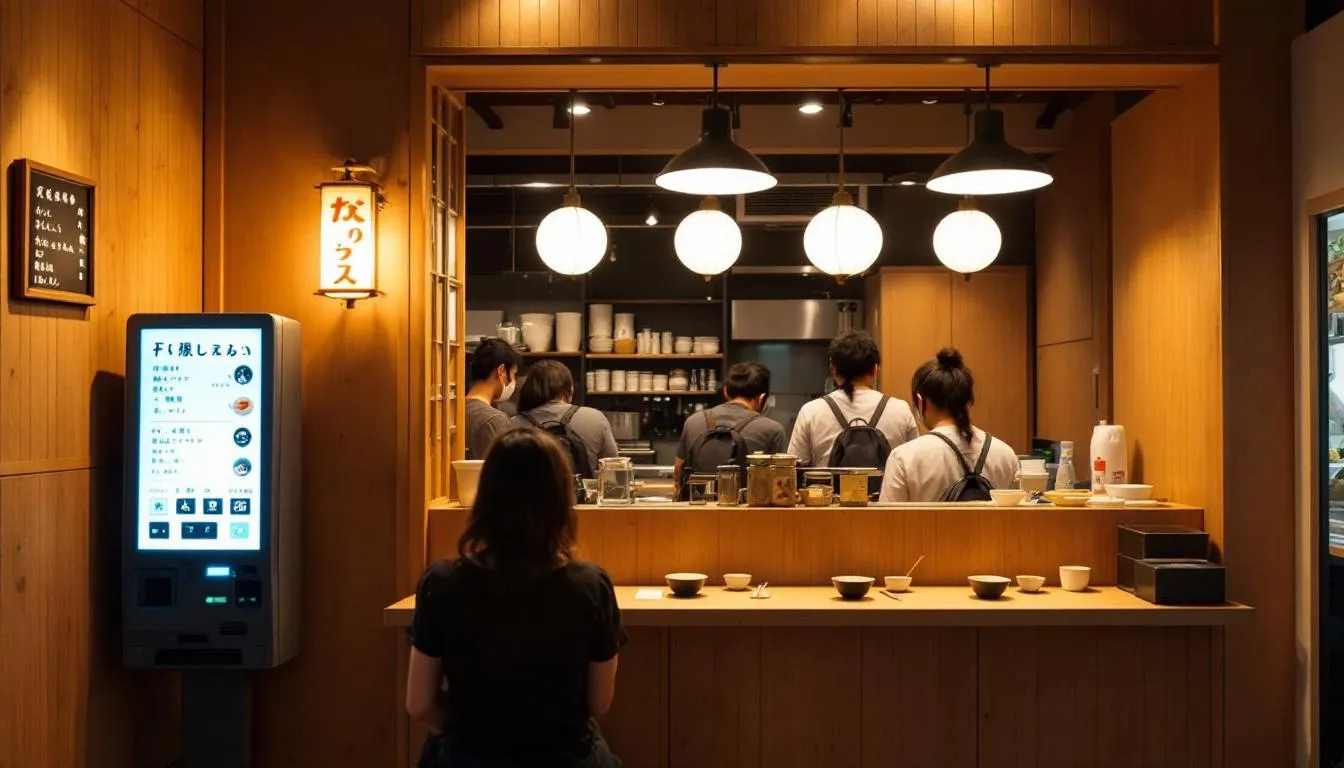
Ticket machine restaurants for ramen and udon represent efficient service systems unique to Japan. Customers insert money, then select desired noodle soup combinations and toppings. Besides ramen, customers can order udon noodles, known for their thick, chewy texture and a staple in traditional Japanese cuisine. Toppings often include fish cakes (kamaboko) and spring onions, enhancing flavor and presentation. This system allows quick service while maintaining high quality, as kitchen staff focus on preparation rather than order-taking.
Conveyor belt sushi (kaiten-zushi) with 100-yen plates makes high-quality raw fish accessible to budget-conscious diners. The visual presentation of different colored plates allows customers to gauge prices instantly, while constant rotation ensures freshness and variety.
Standing drinking bars (tachinomiya) under railway tracks create atmospheric dining experiences where space constraints encourage social interaction. These compact venues often specialize in specific grilled meat or seafood types, with limited menus focusing on quality over variety.
Robatayaki grilling over open flames allows diners to watch food prepared on traditional charcoal fires. The interactive presentation, where chefs use long wooden paddles to deliver food across wide counters, creates theater around dining.
Kappo-style counter dining offers intimate chef interaction where masters explain ingredients, techniques, and seasonal considerations for each dish. This educational component transforms meals into cultural learning experiences.
Practical Tips for Eating Japanese Food in Japan
Navigating the Japanese food scene requires understanding local customs and knowing where to find authentic experiences beyond tourist spots.
Use these tips to enhance your culinary experiences when visiting Japan.
Finding Authentic Local Spots
- Look for restaurants without English menus near train stations, especially in business districts where locals eat daily. These establishments prioritize local tastes over tourist expectations, often serving traditional Japanese food at reasonable prices with authentic preparation.
- Follow salary workers during lunch hours to discover popular local spots serving quality Japanese dishes quickly and efficiently. Office workers have limited time and budgets, so restaurants attracting regular business typically offer excellent value and authentic flavors.
- Explore yokocho (alley) dining districts in major cities where tiny restaurants specialize in specific preparations. These narrow streets concentrate multiple dining options compactly, creating opportunities to sample various Japanese cuisine styles within short distances.
- Check morning markets like Tsukiji Outer Market and Ameya-Yokocho for fresh ingredients and simple preparations highlighting seasonal quality. These markets often include small restaurants serving fish caught that morning or vegetables harvested the previous day.
Ordering and Dining Etiquette
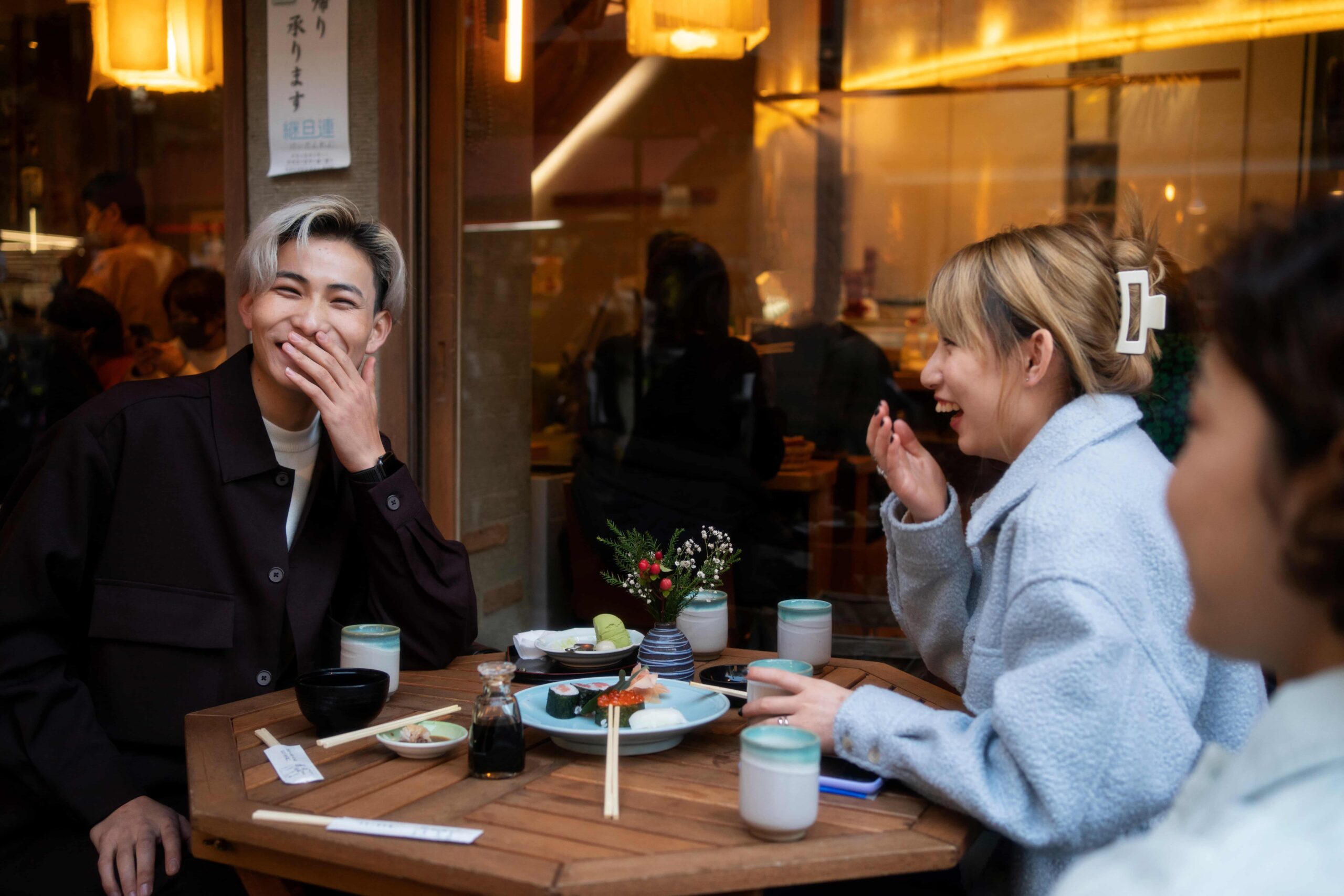
Basic Japanese phrases for dietary restrictions include communicating about meat preferences, seafood allergies, and vegetarian needs. While vegetarian options are limited in traditional Japanese food, knowing how to communicate restrictions helps avoid problematic ingredients such as fried tofu or dashi made with fish.
Tipping is not expected; payment is handled exclusively at registers rather than table service. This custom extends throughout Japan’s service industry, where excellent service is standard rather than deserving extra compensation.
Slurping noodles is encouraged and demonstrates appreciation for the chef’s work. This practice also helps cool hot soup stock while aerating flavors, improving safety and taste during consumption.
Never stick chopsticks upright in rice bowls, as this resembles funeral rituals and is considered highly inappropriate. Proper chopstick etiquette includes resting them on provided stands and avoiding pointing with them.
Seasonal Food Guide: When to Eat What in Japan
Understanding seasonal availability enhances appreciation for Japanese food culture while ensuring optimal ingredient quality and cultural relevance during visits.
Spring (March-May)
Sakura-Themed Wagashi and Pink Seasonal Treats
Sakura-themed wagashi and pink seasonal treats celebrate cherry blossom season with delicate flavors and artistic presentations. Traditional Japanese sweets during this period often incorporate cherry blossom petals and pink colors reflecting the season’s natural beauty.
Fresh Bamboo Shoots (Takenoko)
Fresh bamboo shoots (takenoko) appear in kaiseki menus and traditional preparations highlighting subtle flavors and tender textures. These spring vegetables require careful preparation to remove bitterness while preserving unique taste and crisp texture.
Bentō for Hanami Picnics
Cherry blossom viewing bentō for hanami picnics combine portable convenience with seasonal appropriateness. These elaborate lunch boxes often feature pink-colored foods and spring ingredients arranged for outdoor dining during flower viewing parties.
First Bonito
First bonito (hatsu-gatsuo) of the season represents prized catch commanding premium prices and special preparation methods. This spring fish is often served as sashimi or lightly seared to highlight fresh, clean flavors after winter.
Summer (June-August)
Unagi
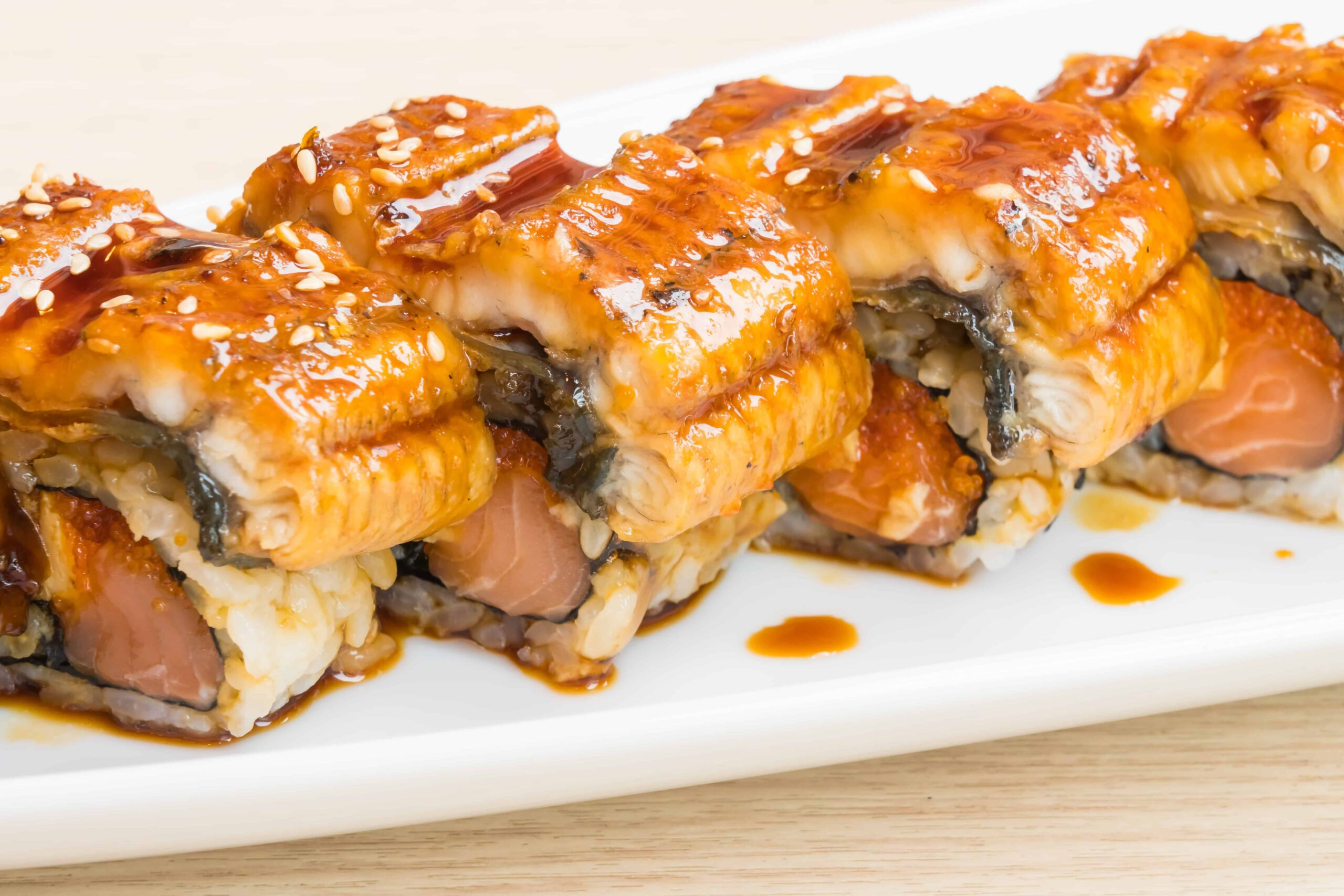
Unagi (grilled eel) during Doyō no Ushi no Hi is traditionally eaten for stamina during the year’s hottest period. This custom reflects beliefs about eel’s nutritional properties and its ability to provide energy during exhausting summer heat.
Kakigōri
Kakigōri shaved ice with regional syrups offers cooling desserts varying by location, with local fruits or traditional sweeteners. This simple preparation showcases local ingredients in refreshing formats.
Fresh Corn
Fresh corn grilled at festivals (matsuri) represents summer street food traditions where vendors prepare corn over charcoal fires, often brushed with soy sauce-based glazes caramelizing over high heat.
Autumn (September-November)
Matsutake Mushroom Season in Kaiseki Restaurants
Matsutake mushroom season in kaiseki restaurants showcases one of Japan’s most prized seasonal ingredients. These aromatic mushrooms are often prepared simply to highlight distinctive earthy flavors and delicate textures defining autumn dining.
Sweet Potato Vendors (Yaki-imo)
Sweet potato vendors (yaki-imo) appear on street corners with truck-mounted roasting equipment filling neighborhoods with aromatic smoke. These roasted sweet potatoes represent traditional Japanese street food largely unchanged for generations.
Persimmon and Chestnut Desserts
Persimmon and chestnut desserts incorporate autumn’s signature fruits into traditional Japanese sweets and modern preparations. These seasonal flavors appear in everything from simple steamed dishes to elaborate wagashi reflecting autumn’s colors.
Sanma (Pacific Saury) Grilled Whole
Sanma (Pacific saury) grilled whole with grated daikon radish represents autumn’s signature fish preparation. This affordable fish is typically salted and grilled over charcoal, served with daikon radish and soy sauce for a simple but satisfying autumn meal.
Winter (December-February)
Hot Pot Varieties
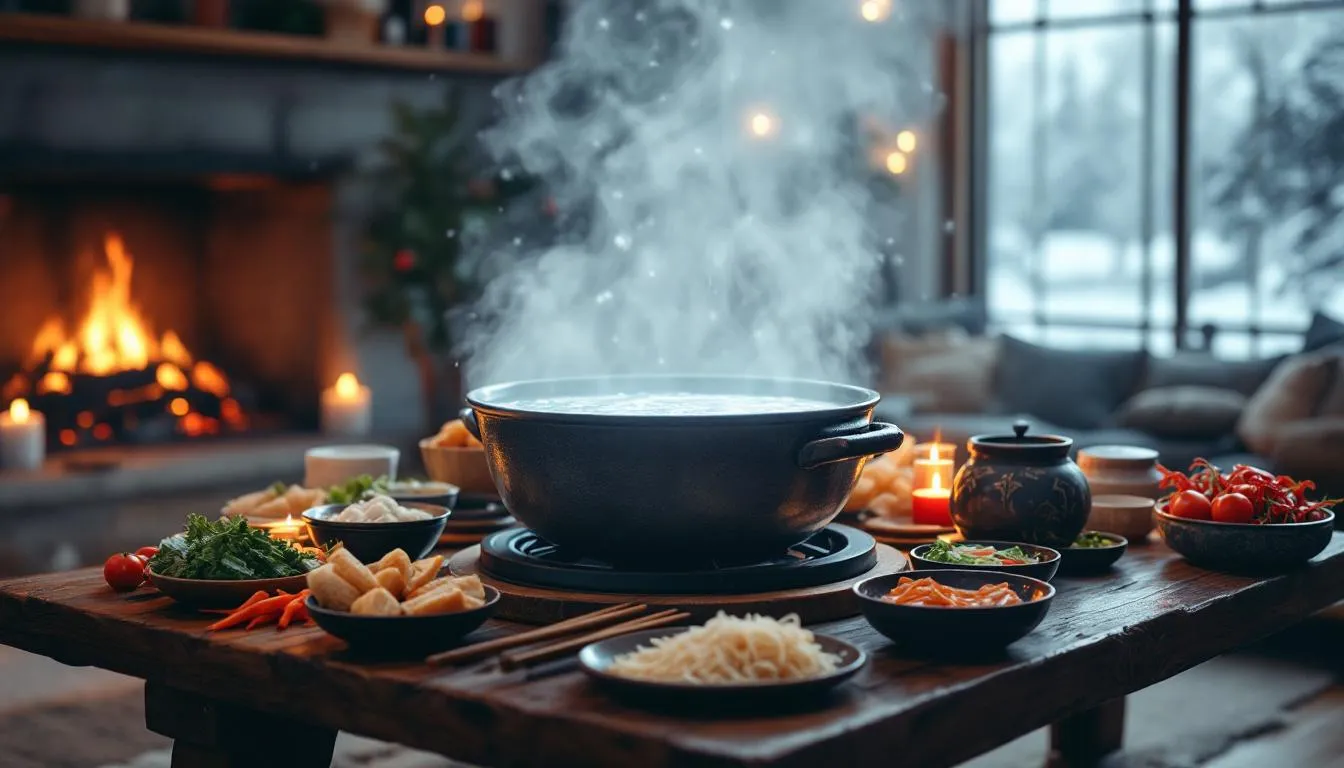
Hot pot varieties including chanko, kimchi nabe, and sukiyaki provide warming communal meals during Japan’s coldest months. These hot pots feature thinly sliced beef, vegetables, and tofu cooked in shared pots with various soup stocks and seasonings.
Oden
Oden at convenience stores and street stalls offers warming comfort food with fish cakes, daikon radish, boiled eggs, and other ingredients simmered in light soup stock. This winter staple is available nationwide with regional ingredient and preparation variations.
Fugu (Pufferfish)
Fugu (pufferfish) season at specialized restaurants represents winter’s most exclusive dining experience, requiring licensed chefs to prepare this potentially dangerous fish safely. The preparation emphasizes subtle flavors and unique textures.
Amazake
Amazake (sweet rice porridge) at temples and shrines provides warming drinks during winter visits to religious sites. This traditional beverage offers gentle sweetness and warmth, often served during winter festivals and religious observances.
Time to Eat in Japan
The depth and diversity of food in Japan extends far beyond what most visitors experience during short stays focused on major cities and famous restaurants. True appreciation for Japanese cuisine requires exploring cultural contexts shaping food traditions and seeking experiences prioritizing authenticity over convenience or international accessibility.
Understanding regional variations, seasonal timing, and local customs enhances every meal while providing insights into cultural values shaping modern Japan. The investment in seeking authentic experiences pays dividends through memories and understanding extending far beyond simple consumption, creating lasting appreciation for one of the world’s most sophisticated food cultures.
For travelers and food enthusiasts looking to explore not only Japanese food but the broader culinary landscape of Asia, the Eat Drink Asia website is an invaluable resource. It offers detailed guides, expert advice, and curated recommendations to help you discover authentic dining experiences, hidden gems, and cultural insights that enrich your journey through Asia’s vibrant food scenes.

Asian Food Comfort Trends: Why Broths and Bowls are Dominating Globally
Eda Wong | March 14, 2026
I still remember the first time I faced a “build-your-own” Mala Xiang Guo counter. I stood there, plastic tongs in hand, completely paralyzed by the mountain of choices. Lotus root? Kelp knots? three different types of tofu skin? My anxiety spiked. I panicked, grabbed way too much luncheon meat, and ended up with a $28…
-
The Fifth Element: A Masterclass on Umami in East Asian Cuisine
Dio Asahi | March 12, 2026
I’ll never forget the first time I made miso soup from scratch. Not the instant kind, but the “proper” way. I boiled water, dissolved miso paste, added tofu, and waited. It tasted flat, salty and cloudy but missing the deep, satisfying flavor I loved in Japanese restaurants. I thought maybe I needed better miso. Years…
-
Why My Quest Ended at Yummy Western (409 AMK)
Dio Asahi | March 10, 2026
There’s a specific magic to a late-night supper hunt in Singapore. It’s the ritual of chasing a craving through the humidity to find that one stall that hits the spot. For me, that meant a pilgrimage to Ang Mo Kio Avenue 10. I arrived at 10 PM on a Friday, just as the ‘supper soul’…
-
A Taste of Time: My Dinner at Guan Hoe Soon
Eda Wong | March 7, 2026
There’s something special about visiting a place that has seen decades of Singapore’s history unfold. Guan Hoe Soon, tucked away on Joo Chiat Road, holds the title of Singapore’s oldest Nyonya restaurant, and you can feel that heritage the moment you step inside. I’d heard about it for years, a place where recipes aren’t just…
-
The 5 Best Halal Restaurant in Singapore for Authentic Nasi Padang
Eda Wong | March 5, 2026
There are few meals as satisfying as Nasi Padang, a colourful feast where you choose from a variety of dishes to create your perfect plate. Over the years, I’ve explored Singapore’s Nasi Padang scene, especially in Kampong Glam, sampling everything from humble hawker stalls to renowned spots. This list highlights the five best halal Nasi…
-
The Global Soup Bowl: How Indonesian Soto Shapes the Future of Asiatic Food Traditions
Dio Asahi | March 3, 2026
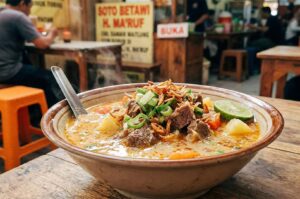
I still remember my first “real” bowl of Indonesian soto. Sitting on a low plastic stool in a cramped warung, I ordered Soto Betawi, expecting it to be like the clear Soto Ayam from Singaporean weddings. I was wrong. The rich, milky broth was intense, creamy, and boldly spiced. That first spoonful rewired my idea…
-
Shun: Japan’s Seasonal Treasures – A Deep Dive Into the Ingredients Behind True Omakase
Eat Drink Asia Team | February 28, 2026
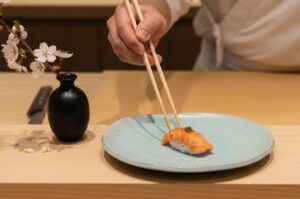
In the world of Asian food, few dining experiences capture the soul of traditional Japanese food culture like omakase. At a premier omakase restaurant, diners entrust their meal entirely to the chef, whose artistry is guided not just by mastery, but by shun—the appreciation of seasonal and fresh ingredients at the absolute peak of their…
-
My Trip to Bánh Mì Saigon and How It Compares to Best Food in Singapore
Eda Wong | February 26, 2026
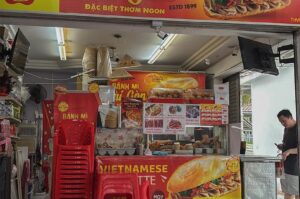
Located in the bustling neighborhood of Ang Mo Kio, Bánh Mì Saigon offers a taste of Vietnam right here in Singapore. From traditional bánh mì sandwiches to hearty pho bowls and refreshing Vietnamese iced coffee, this restaurant has it all. I arrived at Bánh Mì Saigon on a busy Saturday evening and was immediately drawn…
-
Tea Room by Ki-setsu: A Curated Journey Through Chinese Tea in the Heart of Singapore
Dio Asahi | February 25, 2026
Most people arrive at Chinese tea the way they arrive at any beverage: thirsty, curious, maybe looking for something sweet or soothing. But traditional chinese tea isn’t built like a single drink. It’s a network: leaf origin, processing choices, vessel physics, water, pacing, and the quiet social technology of sitting down long enough for a…
-
Tandoori Chicken: The Signature Indian Chicken Dish
Eda Wong | February 24, 2026
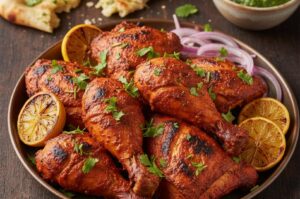
Tandoori chicken stands tall among the best Indian chicken recipes. With its vibrant hue and smoky aroma, this iconic Indian chicken dish is celebrated in Indian restaurants worldwide. Emerging from Punjab, it pairs perfectly with fragrant basmati rice or fresh naan and is a favorite for anyone who loves bold flavors. The hallmark of tandoori…