Japanese Sake: The Complete Guide to Japan’s Traditional Rice Wine
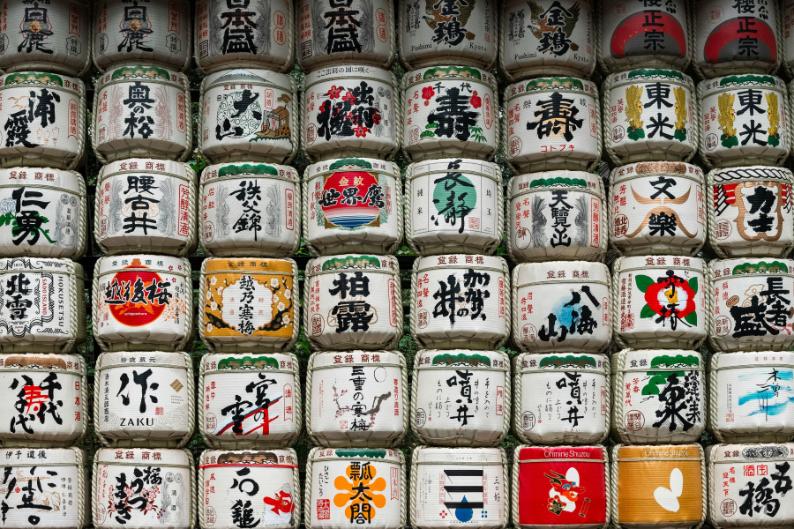
While sake has been Japan’s national beverage for over a millennium, its popularity across Asia is at an all-time high. Rooted in Japan's traditional brewing methods and centuries-old origins. It symbolizes Japan's cultural heritage and craftsmanship. Understanding this complex brewed alcoholic beverage opens doors to a rich world of flavor, culture, and craftsmanship.
Often mistaken as simply “rice wine,” sake represents one of the world’s most sophisticated fermentation processes, blending ancient Japanese culture with modern precision. In recent years, sake has joined wine and beer in the global beverage scene, offering refreshing taste profiles that complement everything from traditional Japanese cuisine to contemporary Asian fusion dishes.
What is Sake?
Sake, known as nihonshu in Japan, is a traditional alcoholic beverage made by fermenting polished rice grains. Unlike wine, which ferments grape sugars directly, or distilled spirits requiring distillation, sake undergoes a unique brewing process called multiple parallel fermentation. This complex method converts rice starch into fermentable sugars using koji mold, while yeast simultaneously ferments those sugars into alcohol. The sake production process—including rice polishing, koji cultivation, and fermentation techniques—determines the quality, flavor, and classification of sake.
Is it an alcoholic drink?
Most sake contains 15-20% alcohol, placing it between wine (12-15%) and spirits (40%+). This makes sake stronger than beer but more approachable than distilled alcohol, versatile as both a sipping drink and food pairing companion. The resulting sake ranges from clear to slightly golden, with flavors from crisp and dry to rich and sweet.
The term “sake” technically means any alcoholic drink in Japanese, but internationally it specifically refers to this rice-based beverage. True sake must be produced using specific ingredients and methods, setting it apart from other rice wines in Asia. The brewing process shares similarities with beer, as both convert starches to sugars before fermentation, yet sake’s unique koji cultivation and rice polishing create distinct flavor profiles.
The Art of Sake Brewing
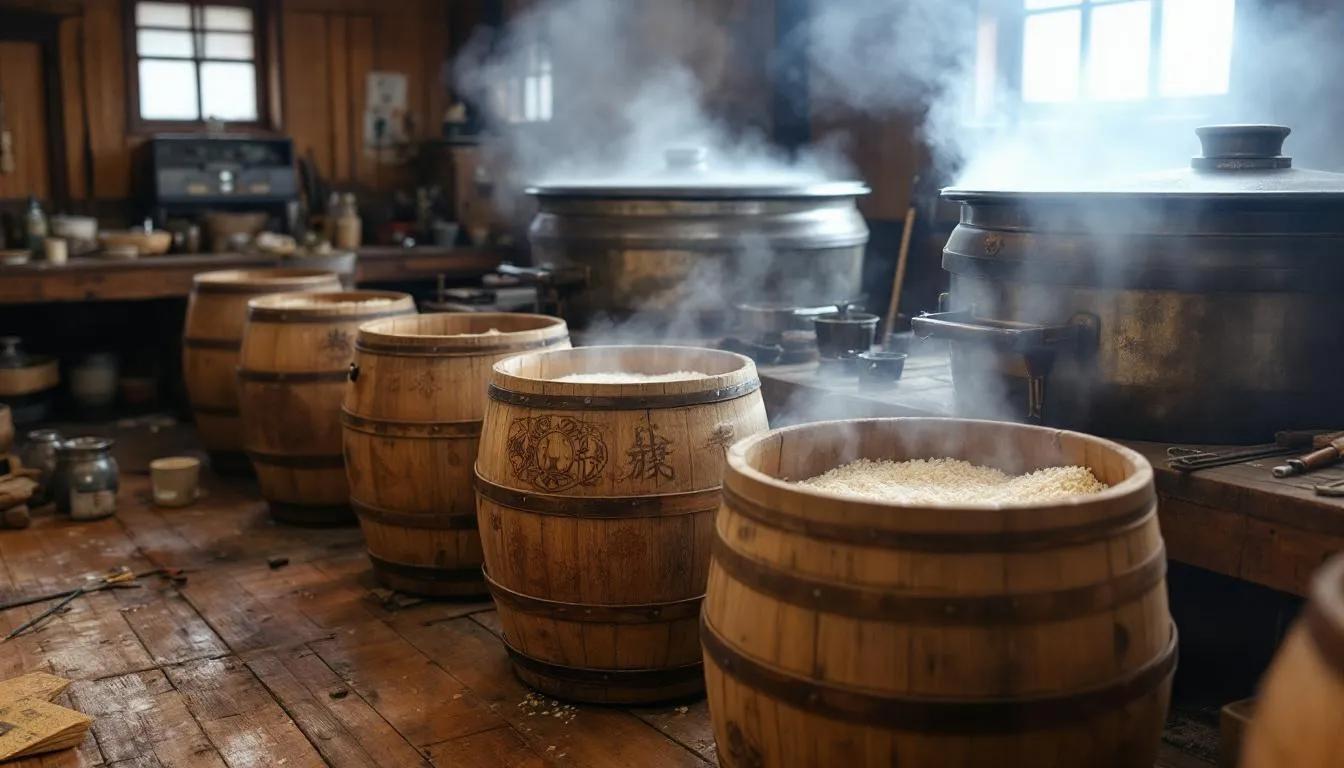
Sake brewing is one of the most intricate alcoholic beverage production methods worldwide. Central to it is cultivating koji mold (Aspergillus oryzae) on steamed rice, producing enzymes that break down rice starch into fermentable sugars. Flavors are also extracted from rice solids, enhancing aroma and quality. This parallel fermentation, where starch conversion and alcohol fermentation occur simultaneously, sets sake apart from other alcoholic drinks.
Traditional brewing starts with rice polishing, where machinery removes outer rice layers to access the starchy core. Polishing can remove 10% to 65% of the grain. Higher-grade sake requiring more polishing. This affects flavor, as more polished rice yields cleaner, refined tastes.
The brewing process includes inoculating steamed rice with koji spores in temperature-controlled environments, then preparing the yeast starter (shubo or moto) by mixing koji rice, steamed rice, water, and selected sake yeast. This starter ferments about two weeks, establishing the environment for main fermentation.
Temperature control is crucial. Unlike beer brewing at warm temperatures, sake ferments at low temperatures over longer periods (18-32 days), preserving delicate flavors and allowing complex profiles to develop.
Premium Sake Rice Varieties
Premium sake uses special rice called sakamai, differing from table rice in structure and composition. The prized Yamada Nishiki, called the “king of sake rice,” has large grains, low protein, and concentrated starch, allowing extensive polishing while maintaining integrity.
Rice varieties affect sake characteristics. Modern production matches rice varieties with brewing techniques for desired profiles.
- Gohyakumangoku rice, common in northern regions, produces clean, crisp sake with subtle flavors.
- Omachi, one of Japan’s oldest varieties, yields rich, complex flavors with pronounced umami.
Rice polishing ratio (seimai buai) indicates the percentage of grain remaining after polishing. Higher-grade sake requires lower ratios—junmai ginjo uses rice polished to 60% or less, daiginjo to 50% or less. More polishing means more rice is needed to produce the same amount of sake, affecting cost and quality perception. The polishing process can take days or weeks, with machinery removing layers carefully to avoid heat damage.
Types and Classifications of Sake
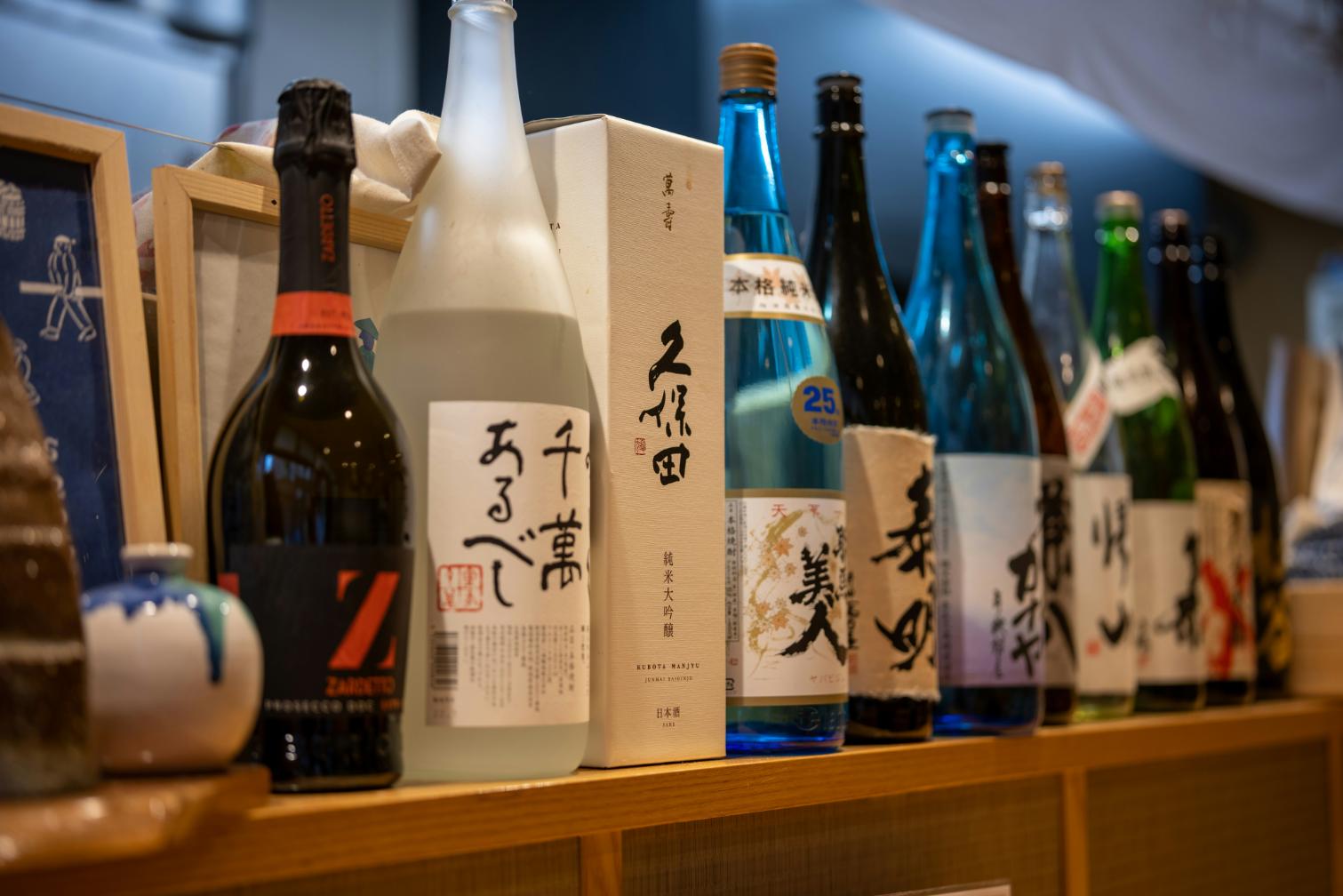
Sake classification is based on rice polishing, added alcohol, and production methods. The highest tier, special-designation sake (tokutei meishoshu), includes six main categories that guide consumers on quality and flavor.
Junmai is pure rice sake with no added alcohol, using only rice, water, yeast, and koji. It features full-bodied flavors with rich umami. Junmai ginjo (rice polished to 60% or less) and junmai daiginjo (50% or less) offer more delicate, aromatic expressions.
Honjozo includes a small amount of brewer’s alcohol added during fermentation, mellowing flavor, enhancing aroma, and lightening profiles. Ginjo and daiginjo require specific polishing (60% and 50%) and often showcase elegant, fruity aromas popular in specialty sake bars worldwide.
| Sake Type | Rice Polishing Ratio | Added Alcohol | Typical Characteristics |
|---|---|---|---|
| Junmai | 70% or less | None | Full-bodied, rich umami |
| Honjozo | 70% or less | Small amount | Clean, light, approachable |
| Junmai Ginjo | 60% or less | None | Fruity, complex, balanced |
| Ginjo | 60% or less | Small amount | Elegant, aromatic, refined |
| Junmai Daiginjo | 50% or less | None | Delicate, sophisticated, premium |
| Daiginjo | 50% or less | Small amount | Ultra-refined, highest grade |
Premium vs. Regular Sake
Premium sake, the special-designation categories, meets strict polishing and production standards. Regular sake (futsuu-shu), the majority of production, has fewer restrictions and often more added alcohol and ingredients.
High-grade sake commands higher prices due to intensive polishing, extended fermentation, and smaller batches. Premium bottles range from $30 to $300+, while regular sake costs $10-25, suitable for everyday drinking. The best sake comes from renowned breweries with centuries of experience, though excellent examples exist at all price points.
Other sake types include unpasteurized sake, cloudy sake, and those made with different methods, highlighting sake’s diversity.
Understanding classifications helps consumers choose based on occasion and budget. Premium sake shines in special settings and food pairings, while quality regular sake suits casual drinking sake.
Proper Serving Methods and Temperatures
Temperature greatly affects sake’s flavor, making serving techniques vital. Unlike wine’s consistent serving temps, sake types show best at varying temperatures. Cold sake (5-10°C) preserves aromatics in premium ginjo and daiginjo, while room temperature (20°C) brings out complex flavors in robust junmai.
Traditionally, sake is heated in ceramic tokkuri vessels and poured into small cups (ochoko) or shallow saucers (sakazuki). Sake is served in units called 'go,' with 'ichi go' meaning one serving and 'ni go' two servings, common in bars and restaurants. Hot sake, or atsukan (50-55°C), intensifies umami and offers a warming experience for cold weather. However, heating premium sake can mask subtle flavors, so served chilled is preferred for these.
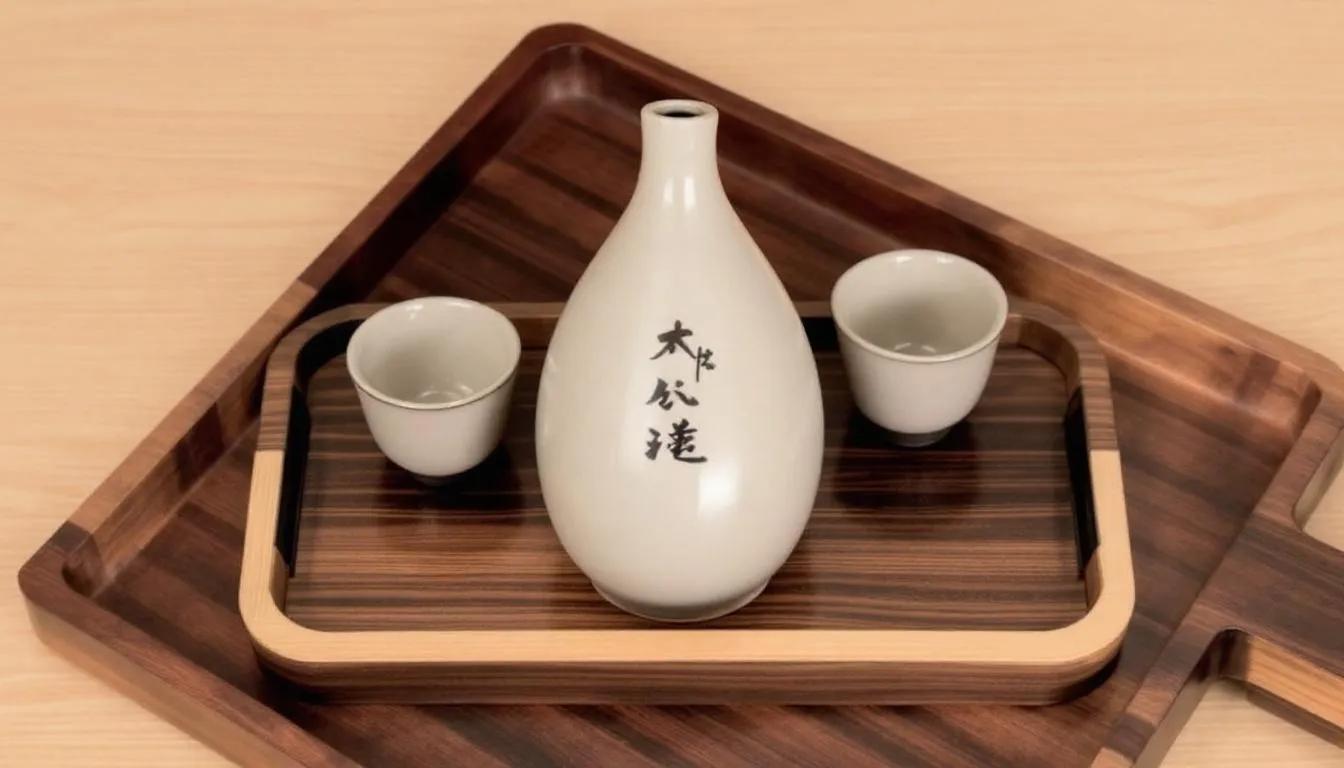
Modern service often uses wine glasses for premium sake, as the broader bowl concentrates aromatics and allows better temperature control. Wooden masu boxes, once used for measuring rice, add subtle cedar notes to the drinking experience. Serving vessel choice enhances sake appreciation, from cultural authenticity to flavor delivery.
Sake pouring etiquette stresses mutual service—never pouring your own cup but keeping others’ filled. This custom reinforces sake’s role in building relationships and community, whether in business or family gatherings.
Sake and Food Pairing
Sake’s natural umami makes it exceptionally food-friendly, enhancing rather than competing with flavors. Its clean finish and neutral pH complement delicate dishes, while subtle sweetness balances spicy or salty foods. Sake is often compared to white wine for its light, dry profile and similar serving temperatures, making it versatile. Sparkling sake, reminiscent of sparkling wine, offers a bubbly, enjoyable experience popular with beginners. Traditional Japanese cuisine pairs naturally with sake, both evolving over centuries.
Classic pairings include sake with sushi and sashimi, where sake’s clean profile doesn’t overpower fresh fish and its acidity cuts through fatty textures. Tempura’s light, crispy texture matches well with crisp, dry sake that refreshes the palate. Yakitori and grilled dishes benefit from sake’s ability to complement sweet glazes and smoky flavors.
The sake meter value (SMV) guides pairing:
- Dry sake (positive SMV) suits salty or rich foods.
- Sweet sake (negative SMV) pairs with spicy dishes or desserts.
Understanding these helps match sake styles with foods for optimal harmony.
Sake with Asian Cuisines Beyond Japan
Sake’s versatility extends beyond Japanese cuisine, complementing diverse Asian cooking. Chinese dishes like dim sum pair with delicate ginjo sake, while robust junmai suits rich Peking duck or spicy Sichuan food. Sake’s umami complements soy-based sauces and fermented ingredients common in Chinese cooking.
Korean cuisine offers exciting pairings, especially with kimchi’s tanginess and Korean BBQ’s bold flavors. Sake’s clean finish cuts through rich meats, and its sweetness balances kimchi’s spice. Korean restaurants often feature sake alongside soju, highlighting complementary qualities.
Thai cuisine’s complex flavors—sweet, sour, salty, spicy—find harmony with various sake styles. Light, crisp sake suits seafood and fresh herbs, while fuller-bodied types hold up to rich coconut curries. Vietnamese cuisine, emphasizing fresh ingredients and delicate broths, pairs well with clean, refreshing sake styles.
Sake’s growing presence in pan-Asian fusion restaurants reflects its adaptability. Chefs increasingly see sake as a wine alternative offering unique benefits in Asian culinary contexts.
Cultural Significance and History
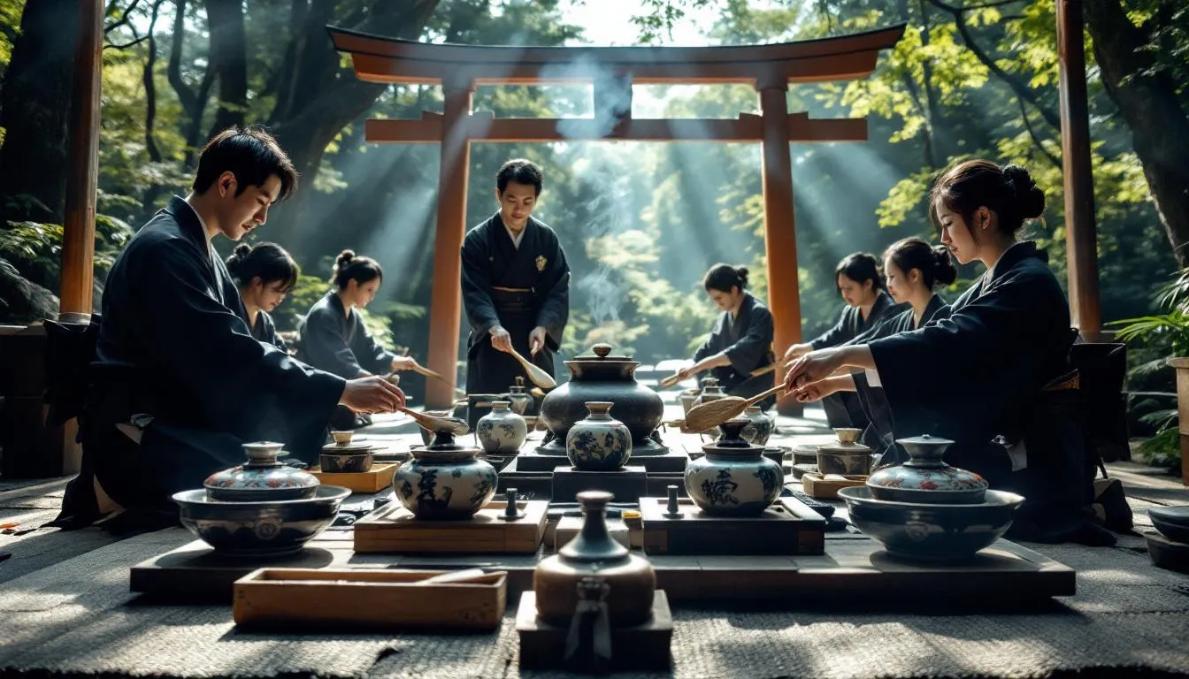
Sake’s origins date back over 1,500 years, with evidence of rice fermentation during the Yayoi period (300 BCE–300 CE). Early methods involved chewing rice to start fermentation via saliva enzymes—a practice called kuchikami-sake. Buddhist temples and Shinto shrines refined brewing techniques, with monks perfecting fermentation and setting quality standards.
In the Heian period (794–1185), sake became integral to imperial ceremonies and religious rituals. Its spiritual role continues in Shinto practices, used as offerings and in purification, weddings, and festivals. Participants often became drunk during these celebrations, showing sake’s role beyond sacred offerings to communal enjoyment. This sacred aspect elevates sake from mere drink to cultural and spiritual expression.
The Edo period (1603–1868) was sake’s golden age, with standardized production and regional styles. Taxation encouraged quality, and transport spread regional varieties across Japan. Many breweries from this era still operate, blending tradition with modern innovation.
Today, sake remains central to Japanese culture, adapting to modern social settings. Business relationships often develop over sake sharing, with elaborate etiquette for serving and receiving. Family celebrations, seasonal events, and community festivals keep sake traditions alive across generations.
Regional Sake Varieties
Japan’s geography and climate create distinct regional sake styles. The Nada region in Hyogo Prefecture, sake’s birthplace, produces bold, robust styles using mineral-rich hard water, resulting in pronounced flavors and strong structure with higher acidity, pairing well with rich foods.
Niigata Prefecture is known for crisp, clean sake emphasizing purity and subtle elegance. Its soft water and cold climate foster delicate flavors and smooth finishes. Niigata sake is often dry with minimal sweetness, ideal for seafood.
The Fushimi district in Kyoto produces gentle, refined sake from exceptionally soft water, enabling delicate fermentation that preserves subtle flavors and smooth textures. Fushimi sake balances sweetness and acidity, approachable for newcomers and complex for connoisseurs.
The jizake movement celebrates small, local producers emphasizing traditional methods and unique regional expressions. These artisanal breweries experiment with heritage rice, wild yeast, and aging to create distinctive products reflecting their terroir.
Famous Sake Breweries
Sudo Honke, founded in 1141, is Japan’s oldest continuously operating sake brewery, preserving ancient methods with modern quality controls. Their products bridge historical authenticity and contemporary standards. Visiting such historic breweries offers insight into sake’s evolution and refinement.
Modern premium producers like Dassai have revolutionized sake appreciation with innovative marketing and consistent quality. These breweries focus on single rice varieties and specific methods, creating signature styles with devoted followings. Many share detailed production info and encourage direct consumer connections.
Brewery tourism is popular, with many offering tours, tastings, and education. Visitors can experience brewing firsthand and sample fresh, unpasteurized sake rarely found commercially.
Sake’s Growing Popularity Across Asia
Sake consumption in Asia has surged, with exports reaching record levels. China leads growth, with imports up over 300% since 2015, driven by rising incomes and appreciation for premium Japanese products. Young Chinese consumers see sake as sophisticated and trendy.
South Korea’s sake market has exploded alongside the Korean Wave, with strong preferences for premium varieties. Seoul hosts many specialty sake bars featuring renowned Japanese producers. Korean restaurants increasingly pair sake with traditional dishes, creating fusion experiences.
Southeast Asian markets like Singapore, Thailand, and Vietnam show remarkable sake adoption. Thai consumers appreciate sake’s fit with complex local flavors; Vietnamese markets favor lighter styles complementing fresh, herb-heavy cuisine.
Sake in Modern Asian Dining
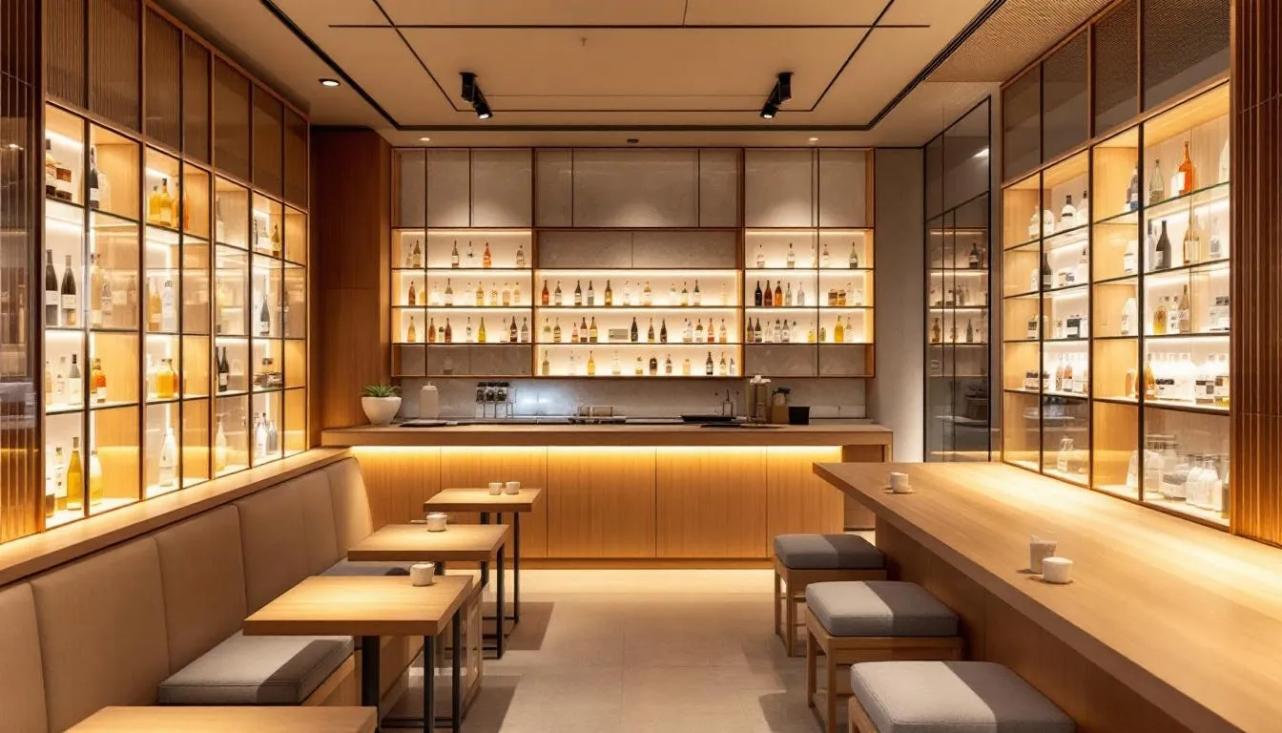
Asian restaurants increasingly feature sake, often with certified professionals guiding selections and pairings. Many offer sake flights to compare styles and develop preferences. Sake tasting events provide authentic flavor experiences. The trend toward premium sake reflects growing consumer sophistication and willingness to invest in quality.
Sake cocktails are popular in Asian nightlife, with bartenders creating innovative drinks highlighting sake’s versatility. These drinks introduce sake to new audiences beyond traditional service. Popular cocktails often use Asian ingredients like yuzu, shiso, or lychee, creating culturally relevant flavors.
High-end restaurants maintain extensive sake cellars with rare and aged varieties, reflecting sake’s elevation from ethnic specialty to a sophisticated beverage category.
How to Select Quality Sake
Selecting quality sake involves understanding labels and reputable producers. Identify categories—junmai, ginjo, daiginjo—to gauge quality. Rice polishing percentages indicate refinement; lower numbers usually mean higher price and delicate flavors.
Brewery reputation matters; historic producers often ensure consistent quality, and award-winning breweries are safe choices. Many labels include production details like rice variety, water source, and fermentation method.
Storage affects quality. Most sake doesn’t improve with age and should be consumed within 1-2 years. Namazake (unpasteurized) needs refrigeration and quick consumption but offers vibrant, fresh flavors. Check production dates and choose fresh bottles.
Beginner-Friendly Recommendations
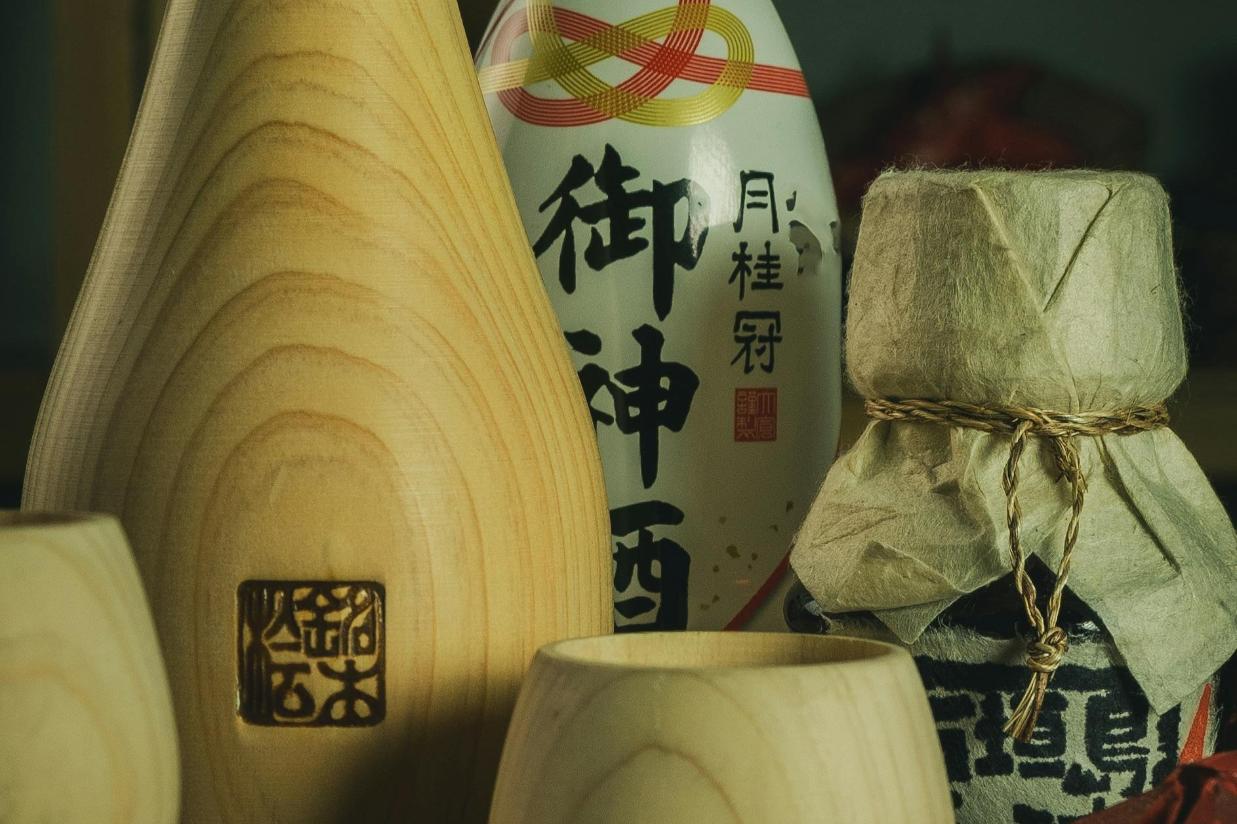
New drinkers should start with approachable styles showing sake’s range without overwhelming. Junmai ginjo is ideal, with fruit aromatics and balanced sweetness appealing to wine drinkers.
Avoid very dry or earthy varieties initially, as they may discourage exploration. Also, very expensive bottles may set unrealistic expectations. Focus on mid-range reputable producers to develop your palate.
Try various styles—junmai, ginjo, nigorizake (cloudy sake)—to find preferences. Specialty retailers offer tasting sets or small bottles for sampling. Online shops provide tasting notes and pairing suggestions.
Sake Storage and Enjoyment Tips
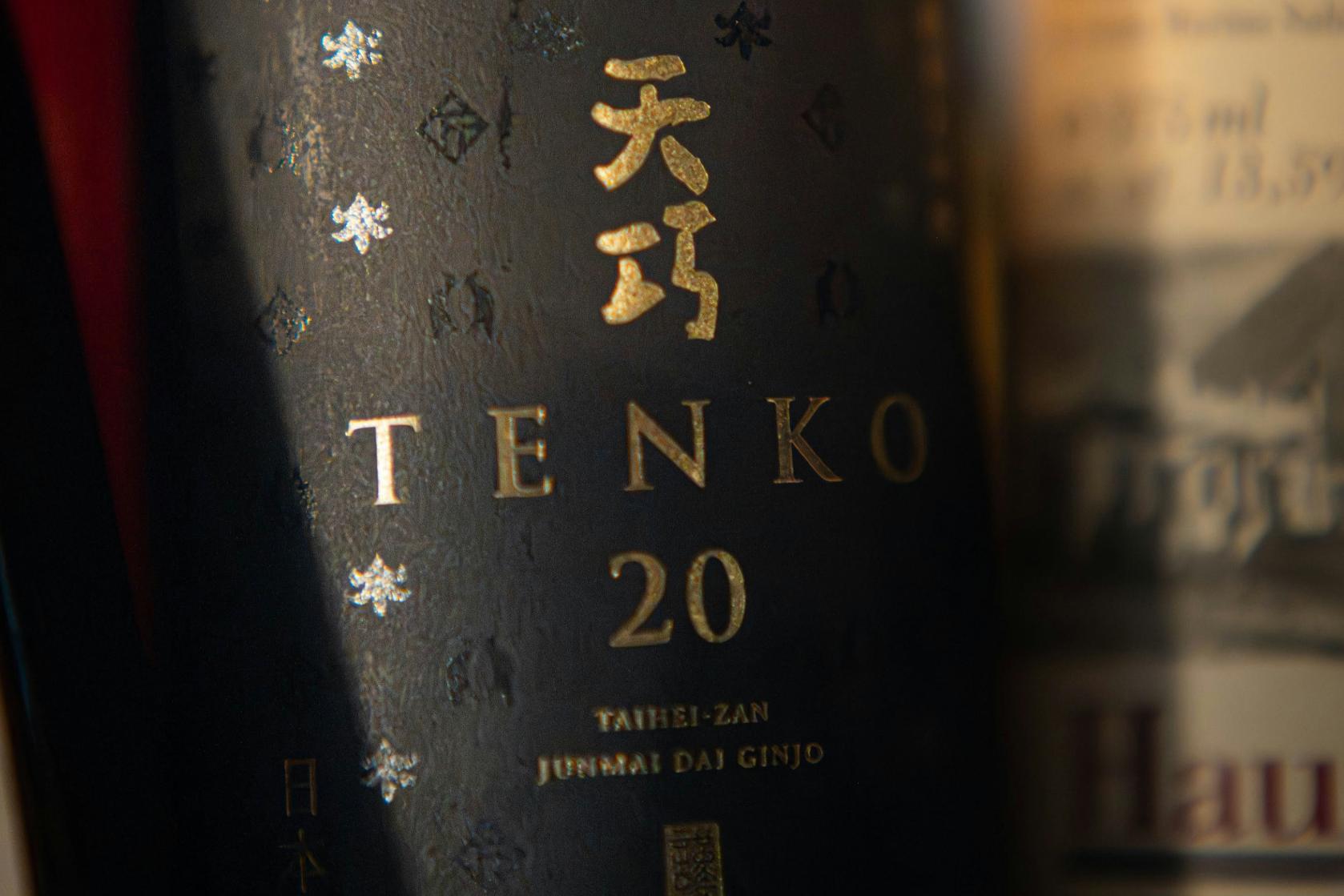
- Proper storage preserves quality and prevents flavor loss. Store sake upright in cool, dark places like refrigerators at 40-50°F. Avoid light exposure, which causes off-flavors and color changes, especially in clear bottles.
- Opened sake stays good for days to weeks depending on type and storage. Unpasteurized varieties need immediate refrigeration and quick use; pasteurized sake lasts longer. Vacuum-sealing helps reduce oxidation.
- Serve sake in small portions (1.5-2 ounces) for slow appreciation and social drinking. Clean, neutral glasses prevent flavor interference. Experiment with serving temperatures to find what enhances your enjoyment.
- Build a collection balancing variety and storage. Include major categories and regions for tasting diversity. Sparkling sake adds bubbly, refreshing options for newcomers. Seasonal and limited releases offer special occasions, while everyday sake serves regular enjoyment.
Whether you’re starting your journey or expanding appreciation, understanding sake’s heritage and production enriches every sip. From specialty bars to home pairings, sake offers endless discovery and enjoyment. Visit a local Japanese restaurant or retailer to experience why this ancient beverage captivates enthusiasts across Asia and beyond. For more insights, recipes, and guides on sake and Asian cuisine, explore Eat Drink Asia, your go-to resource for authentic Asian food and drink experiences.

Hokkaido’s Best Seafood Treasures: Beyond Sushi and Sashimi
Eat Drink Asia Team | November 18, 2025
When visiting Hokkaido, Japan’s northernmost island, food lovers are greeted with some of the most highly regarded seafood specialties in the world. Hokkaido is famous for its abundance of fresh seafood and rich fishing grounds, thanks to the surrounding Sea of Japan, Pacific Ocean, and Sea of Okhotsk. These nutrient-packed waters yield a wide range…
-
The Art of Asian Tea Ceremony Traditions: Ancient Rituals and Cultural Values Across Asia
Dio Asahi | November 15, 2025
A cup of tea, in many parts of Asia, represents far more than a beverage-it is a conduit to ancestral tradition, intellectual pursuit, and the cultivation of mindfulness. Asian tea ceremony traditions turn the act of drinking tea into a sophisticated art form, layered with symbolism, philosophy, and socio-cultural values. Each gesture, from scooping powdered…

The Art of Slow-Cooked Curry Recipes: Time’s Magic in South Asian Cuisine
Eda Wong | November 13, 2025
Step into a South Asian kitchen, and the senses are instantly enveloped by the inviting aroma of food slowly simmering in a sturdy clay pot or heavy vessel. The allure is undeniable: in this space, slow-cooked curry recipes are a celebration of patient tradition, spices, and the richness of South Asian cuisine. Here, time and…
-
Bandung Drink Recipe: A Singaporean Rose Syrup Drink Tradition
Eat Drink Asia Team | November 11, 2025
Step into any night market or hawker centre in Singapore, and you’ll spot a vibrant, glowing glass filled with a cold, beautiful drink-Bandung. Known for its iconic blush-pink hue and refreshing taste, this rose syrup drink is an integral part of Singapore’s beverages scene and a cherished tradition in Southeast Asian gatherings. More than just…
-
The Ultimate Hainanese Chicken Rice Recipe: A Deep Dive
Eda Wong | November 8, 2025
To wander through Singapore’s bustling hawker centres on a humid evening is to experience a symphony of sights, sounds, and smells. Among the many other dishes sizzling away, one plate stands out for its elegant simplicity: Hainanese Chicken Rice. It arrives without fanfare-gleaming slices of poached chicken over fragrant rice, flanked by a trio of…
-
Bubble Tea Origins: How Taiwan Created a Global Beverage Phenomenon
Dio Asahi | November 6, 2025
From Taipei to New York, a single drink has captured the world’s taste buds: bubble tea. This beverage, known as pearl milk tea or boba tea, and also known as boba in many regions, is celebrated for its delightful combination of sweet, creamy tea and signature chewy tapioca pearls. What began as a novel creation…
-
A Food Lover’s Guide to the Taiwanese Oyster Omelet
Eat Drink Asia Team | November 4, 2025
As twilight descends upon Taipei City, a vibrant energy pulses through its streets. This is the hour of the night markets, bustling hubs of community, commerce, and some of the world’s most incredible street food. Amidst the steam from soup dumplings and the sizzle of Taiwanese fried chicken, one iconic dish reigns supreme: the Taiwanese…
-
Jamu: Indonesian Herbal Medicine for Modern Well-Being
Dio Asahi | November 1, 2025
Across the Indonesian archipelago, a vibrant tradition of herbal healing has flourished for centuries. This is jamu, a cornerstone of Indonesian cultural heritage and a sophisticated system of traditional herbal medicine. Far more than just a refreshing drink, jamu represents a philosophy of balance, a deep connection to nature, and a form of indigenous medicine…
-
Padang Beef Rendang: The Complex Process Behind Indonesia’s Most Famous Dish
Eda Wong | October 30, 2025
This post may contain affiliate links. For full transparency, this article may contain affiliate links. To call Padang beef rendang simply a dish is to miss the soul of Indonesian cuisine. This legendary slow-cooked dry curry, a centerpiece of both festive tables and humble meals, has earned its fame as one of the world’s most…
-
Teh Tarik Malaysia: The Art and Science Behind Iconic Pulled Tea
Eat Drink Asia Team | October 28, 2025
In Malaysia, ordering a cup of teh tarik is about so much more than just enjoying a hot drink. Teh tarik, literally translated as “pulled tea,” is Malaysia’s national beverage, famous for its sweet, creamy taste, frothy top, and the spectacular pulling technique seen in bustling mamak stalls and coffee shops across the country. A…