Imagine sitting in a quiet, sun-drenched teahouse overlooking the dramatic volcanic coastline of Jeju Island. The steam rising from your cup carries an aroma that is at once familiar and yet entirely new—a version of Korean citron tea, or yuja cha, that tastes of sea salt, volcanic soil, and generations of island tradition. As you lift your hot cup, the fragrance recalls not just citrus fruits like lemon, but the unique zing of fresh yuzu fruit and the deeper flavor of Jeju citron. While many are familiar with this comforting brew, few realize that its flavor, preparation, and cultural significance can change dramatically from one region to another. The world of yuja cha is far more diverse than a single jar on a supermarket shelf can convey—its nuance is born from fresh fruit, terroir, and generations of Korean traditional tea craftsmanship.
While yuja tea has a rich history across Korea, as covered in our complete guide to Yuja Tea: Korea’s Traditional Citron Tea, the regional variations tell an even deeper story of local traditions and terroir. This journey will take us from the famed groves of Jeju Island to the sun-kissed southern coast, exploring the unique character and taste of each region’s citron tea, including the refreshing qualities reminiscent of lemon tea, yuzu tea, and other citrus-based drinks found throughout East Asia.
Jeju Island’s Citron Tea Heritage

When discussing regional Korean tea, Jeju citron tea holds a place of honor. Known as the “Island of the Gods,” Jeju’s unique environment creates a citron, or yuja, that is truly distinct among citrus fruits. The island’s temperate, maritime climate, combined with its mineral-rich volcanic soil, imparts a special quality to the fruit—and thus, to every bowl or cup of its famous citron tea.
The Unique Character of Jeju Yuja
The yuja from Jeju are renowned for having a thicker, more aromatic peel, somewhat similar to fresh yuzu fruit, and a sharper, more intense fragrance compared to their mainland counterparts or even other citrus varieties like meyer lemons.
This is due to the constant sea breeze and the specific soil composition, which stresses the fruit just enough to produce a higher concentration of essential oils in its rind. The flavor profile is often described as brighter, with a more pronounced tartness and a floral sweetness that creates a distinct aroma in both the hot and cold versions of the tea. This makes Jeju citron tea exceptionally fragrant and vibrant, distinguishing it from other regional yuja cha or even from Japanese yuzu tea.
Traditional Jeju Preparation
On Jeju Island, the preparation of yuja cha is a deeply ingrained local custom, often done communally as winter approaches and the harvest of fresh yuja is in full swing.
Traditionally, families would thinly slice the entire fruit—peel, pulp, and all—with a sharp knife, ensuring every bit of aroma and flavor is captured, then layer it with local honey or rock sugar in large earthenware jars called onggi. Sometimes, mason jars are now used to store smaller batches, but the process is the same: the mixture rests in a cool place, letting the sugar dissolve and the flavors meld for several weeks.
As the citron, honey, and sugar combine, the resulting citron marmalade offers a richer, more complex taste with each resting time. Some traditional households on the island still follow this time-honored method, creating a Jeju citron tea—or jeju yuja cha—that is less about immediate sweetness and more about a nuanced, matured taste that brings out the natural citric acid and delicate bitterness of the yuja.
Specific villages, particularly in the southern part of the island around Seogwipo, are known for their high-quality yuja cultivation. Here, small family farms continue to grow fresh yuja using traditional agricultural practices, often tending extensive yuja trees, which contribute to the authentic character and great taste of the local brew. The shelf life of properly prepared citron marmalade is impressive when stored in sterilized jars, making it a staple in many homes long after harvest.
Regional Variations Across Korea
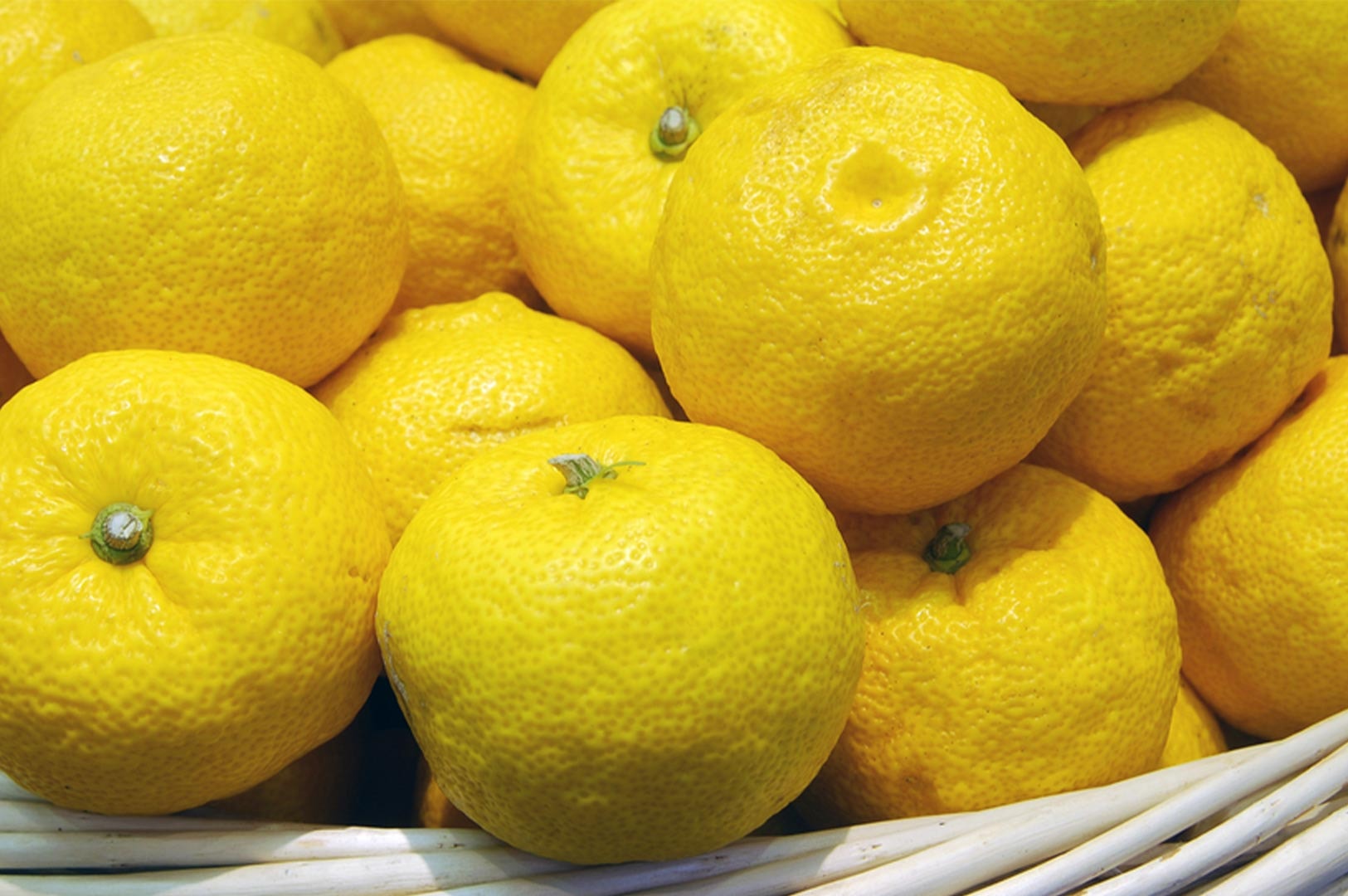
While Jeju is famous, it isn’t the only region in Korea with a proud yuja cha tradition. The southern coast of the mainland, with its mild climate reminiscent of areas suitable for yuzu tree cultivation in Japan, is also a hub for yuja and other citrus fruits, and each area brings its own unique twist to the beloved tea.
Goheung: The Mainland’s Yuja Capital
The county of Goheung in South Jeolla Province is the largest producer of yuja in Korea.
The yuja cha from Goheung is often characterized by a well-balanced flavor profile. The fruit here tends to have a slightly thinner peel and a sweeter pulp than Jeju yuja, resulting in a marmalade that is smoother and less tart, and often favored by those who enjoy the bright citrus notes of yuzu rind or fresh lemon.
Commercially, Goheung yuja is prized for its consistency, making it a popular choice for many widely available brands—ideal for enjoying with a spoon as a yogurt topping or spread on toast.
Namhae: The Sea-Sprayed Citron
Namhae, an island county connected to the mainland by bridges, boasts a climate that is heavily influenced by the sea, similar to areas famous for other citrus fruits like yuzu and meyer lemons.
The yuja grown here is said to have a subtle salty note, which adds a unique dimension to the yuja cha, and can even remind drinkers of Japanese yuzu kosho’s distinctive tang. The flavor is often described as being slightly more savory and complex, perfect for enjoying as both a warm drink in winter or a cool, refreshing cup with sparkling water in summer.
Namhae is also home to the “Citron Village,” where terraces of yuja trees line the picturesque coastal hills, an excellent sight for any fan of fresh fruit or citrus drinks.
Wando: The Island of Health
Wando, another island county in South Jeolla Province, is known for its focus on healthy, natural foods and regional tea variations.
Its yuja cha is often prepared with an emphasis on its wellness properties, using minimal white sugar or experimenting with blends of rock sugar, honey, and sometimes fresh yuzu or lemon for added flavor complexity. Producers in Wando might use alternative natural sweeteners or specific types of local honey, complementing the yuja’s benefits and creating a drink prized for both taste and health. The flavor is clean, bright, and often marketed as a premium health beverage, standing out with a refreshing burst of vitamin C and a satisfying tartness.
Seasonal and Ceremonial Variations
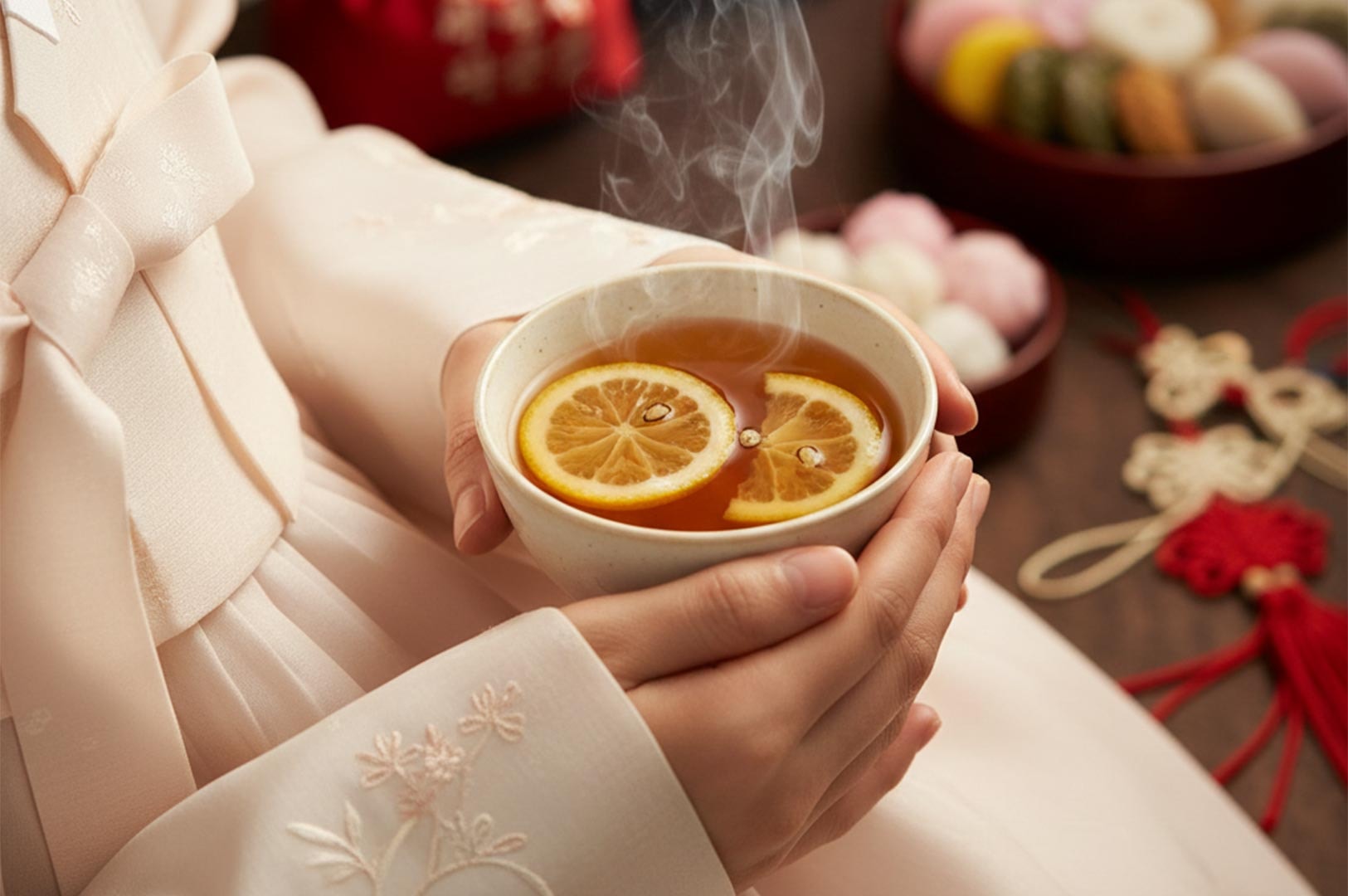
The preparation and consumption of yuja cha are deeply tied to the seasons and local customs. In nearly all regions, the yuja or yuzu harvest in late autumn is a significant event, signaling the time to prepare citron marmalade that will last through Korea’s cold and flu season. It’s common for families to gather, thinly slice fresh yuja or yuzu fruit, and mix it with all the sugar and honey required, then let it sit, sometimes with a few seeds or yuzu rind added for extra aroma, before carefully transferring it into sterilized jars to rest.
In some mainland regions, the first batch of yuja cha or yuzu cha of the season is a special treat, often shared with neighbors and family as a gesture of goodwill. During Seollal (Korean New Year), a hot cup of homemade yuja cha or a tangy, warm glass of citron tea may be served to guests as a symbol of hospitality and comfort. Serving styles also differ—some prefer stirring a hefty spoonful of yuja marmalade into hot water for a quick, soothing drink, while others enjoy cold versions, even mixed with yogurt or sparkling water for a summer pick-me-up.
Regional festivals also celebrate this iconic fruit and its place among Korean traditional tea traditions. The Goheung Yuja Festival, for example, showcases the local harvest with everything from yuja-picking experiences to cooking competitions and tastings of fresh, delicious yuja cha. These events are a fantastic opportunity to experience the cultural significance of yuja and taste freshly made preparations at their source.
Where to Experience Regional Yuja Tea
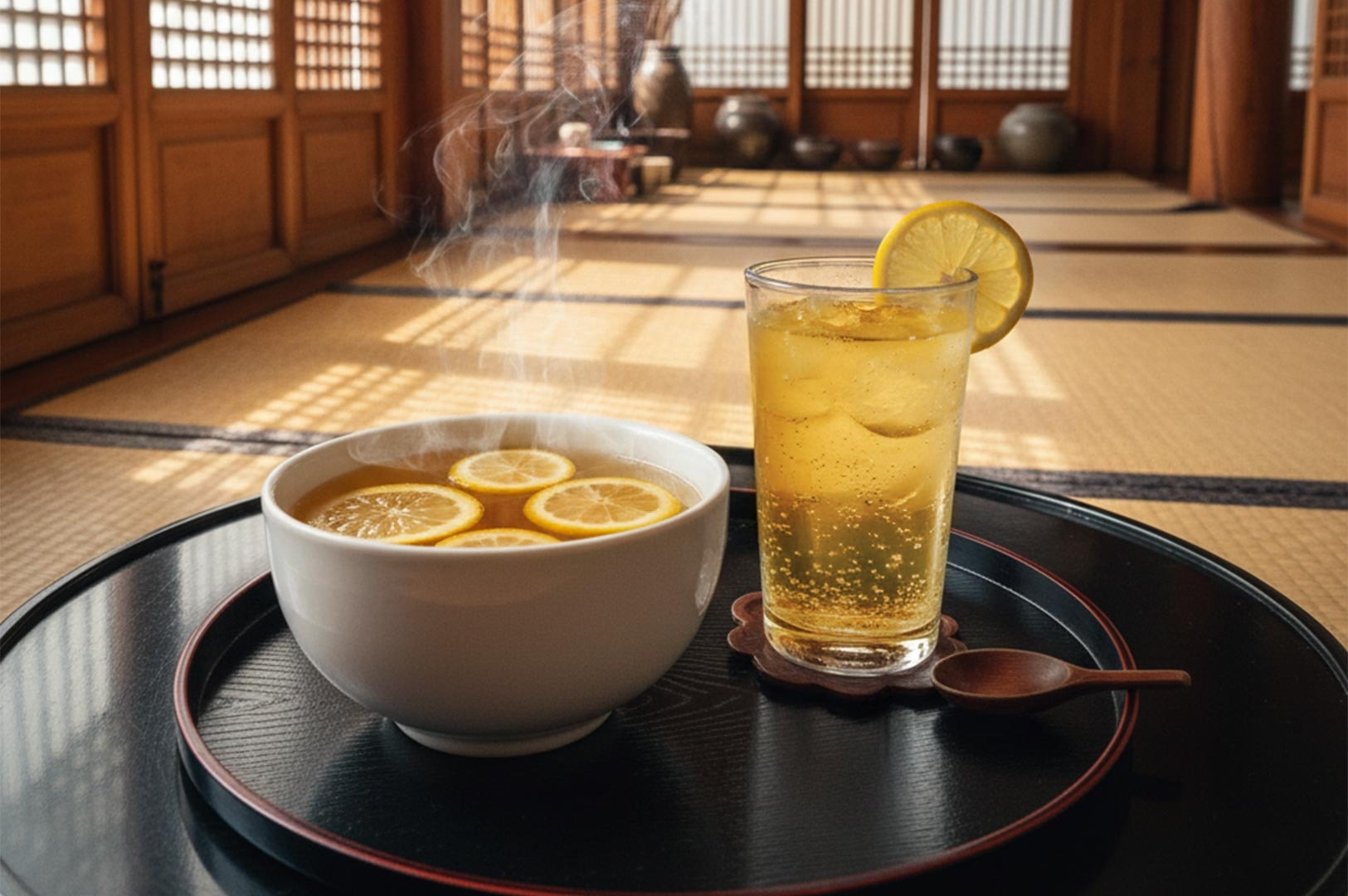
For travelers and food enthusiasts wanting to taste these authentic variations, exploring the southern regions of Korea is a must—especially if you want to discover refreshing new takes on Korean citron tea, fresh yuzu, and hot yuzu cha.
- Jeju Island: Seek out traditional tea houses in Seogwipo or visit a local market like the Jeju City Five-Day Market to find homemade Jeju citron tea. Some farms, especially those in the Hallim Park area, offer visitor experiences where you can walk among the yuja trees, sample the fruit and juice, and learn about the unique cultivation of Jeju citron. Local café menus often feature hot yuzu cha, sweetened lemon tea, and other creative blends using both fresh and preserved fruit.
- Goheung: Visiting during the Goheung Yuja Festival in November is the best way to immerse yourself in the local culture. Throughout the year, specialty shops offer premium, locally-made yuja cha—some in smaller jars ideal for gifting or for travelers with limited shelf space in their fridge.
- Namhae: Take a leisurely drive along the scenic coastal roads, passing rows of yuzu trees and yuja orchards, and look for farm stands selling their own seasonal juice or honey citron tea. The “Citron Village” is particularly great for those who enjoy sampling fresh, tangy drinks.
- Seoul: Even in the capital, you can find regional specialties in the city’s bustling café and tea house scene. In Insadong, traditional tea houses may offer chilled yuzu tea, hot citron tea, or even unique drinks like yuzu kosho-infused teas, and pride themselves on sourcing their yuja cha from specific regions—sometimes even listing the origin of the fresh yuzu or yuja fruit used.
Remember that the best time to experience the yuja or yuzu harvest is from late October to December, when the fruit is at its freshest. During this period, the air is filled with the invigorating aroma of citrus, and makers are busy preserving the bounty for the months ahead. Sampling a fresh batch, whether you enjoy it hot or cold, is an unmissable experience for anyone interested in Korean or even Japanese tea culture.
Grab a Fresh Yuja Cha

The world of yuja cha in Korea is a vibrant tapestry woven from climate, soil, fresh fruit, and centuries of local tradition. From the intensely aromatic and tart brew of Jeju citron tea, with its thick peel and stronger fragrance reminiscent of yuzu tea or even meyer lemons, to the balanced sweetness of Goheung’s smooth marmalade, to the health-focused blends of Wando and the savory notes of Namhae—each cup tells a story of its origin, echoing Korea’s passion for delicious, restorative drinks.
We encourage you to look beyond the familiar and explore the rich, nuanced flavors—be it a refreshing toast with hot water and honey, a sweet jar of yuja marmalade, or a tangy, cold yuzu drink—offered by regional yuja tea traditions. By seeking out these regional variations of Korean citron tea, you not only get to enjoy a delicious cup or bowl of tea, but also connect with the robust culinary and cultural heritage of Korea and its close ties to Japan’s celebrated yuzu cha and lemon tea traditions.

Traditional Korean Sikhye: Sweet Rice Punch Through the Seasons
Eda Wong | October 23, 2025
In the vibrant world of Korean food, beyond the fiery spice of gochujang and the savoury comfort of bulgogi, lies a gentler, more subtle delight. Meet traditional Korean sikhye (식혜), a beloved Korean sweet rice punch that holds a special place in the nation’s heart. With its cloudy, amber hue and delicate sweetness, this drink…
-
Authentic Jeonju Bibimbap: Why Korea’s Culinary Capital Makes It Best
Eat Drink Asia Team | October 21, 2025
Picture this: A steaming Korean rice bowl is placed before you in Jeonju, South Korea. Vibrant arcs of seasoned bean sprouts, glossy strips of Korean beef, a golden runny yolk resting atop perfectly cooked mixed rice, and a dollop of rich red bibimbap sauce invite you to mix it all together. As you stir, the…
-
Communal Dining Traditions in Asia: Shared Meals, Lasting Bonds, and Cultural Heritage
Dio Asahi | October 18, 2025
Imagine a dining table crowded with large platters of steaming food, the smell of spices in the air, small bowls arranged neatly around the shared table, and laughter echoing across the room. Across Asia, dining tables play a central role in communal dining traditions, serving as the focal point for etiquette, social interaction, and the…
-
Century-Old Dumpling Techniques: Ancient Wisdom in Modern Kitchens
Eda Wong | October 16, 2025
Her hands move in a blur, a dance of muscle memory refined over sixty years. In a small, steam-filled kitchen in Shanghai, an elderly woman transforms a humble circle of dumpling dough into a perfect, 20-pleat xiao long bao. Each pinch and fold is a syllable in a story passed down through generations-prime examples of…
-
Ca Phe Sua Da: The Cultural Phenomenon of Authentic Vietnamese Coffee
Eat Drink Asia Team | October 14, 2025
The dawn breaks over Hanoi, and the city awakens not to alarm clocks but to the clatter of tiny spoons and the metallic click of filters. The air fills with the dark, roasted aroma of authentic Vietnamese coffee drifting from bustling corners and sidewalk stalls. They are not rushing. Instead, they are waiting-waiting for the…
-
Cao Lầu Noodles: Hoi An’s Legendary Noodle Dish with Japanese Origins
Dio Asahi | October 11, 2025
Imagine sitting on a low stool in a bustling alleyway of Hoi An’s ancient town. The warm, fragrant air is thick with the scent of sizzling marinated pork, fresh herbs, and the unmistakable aroma of fish sauce and fried rice crackers. In front of you, a bowl of Cao Lau noodles gleams, their golden brown…
-
Chinese Tea: 5,000-Year Tea Journey from Ancient Medicine to Global Beverage Phenomenon
Eda Wong | October 9, 2025
Every cup of tea enjoyed today, whether a brisk English breakfast or a delicate green tea in Tokyo, finds its lineage rooted in the heart of Chinese tea history. For nearly 5,000 years, the humble leaves of the Camellia sinensis tea plant have been cultivated, brewed, and cherished-first as ancient medicine in southern China, and…
-
The Complete Guide to Authentic Cantonese Dim Sum: Beyond Har Gow and Siu Mai
Eat Drink Asia Team | October 7, 2025
If you think eating dim sum is all about har gow and siu mai, think again. Authentic Cantonese dim sum is a dazzling showcase of Chinese culture, filled with an array of flavors, textures, and traditions that run much deeper than the classics. For both seasoned aficionados and first-time food explorers, venturing beyond the familiar…
-
Traditional Indian Lassi: Cooling Yogurt Drinks for Every Season and Region
Eda Wong | October 4, 2025
On a sweltering Indian afternoon, there is no greater relief than a tall, chilled glass of traditional Indian lassi. From bustling city streets to quiet village homes, lassi is a beloved staple that offers a moment of pure, cooling bliss. Frothy, creamy, and deeply satisfying, this yogurt drink is more than just a refreshment; it’s…
-
Gujarati Thali Guide: Western India’s Plant-Based Feast
Dio Asahi | October 2, 2025
Imagine a large, gleaming steel plate arriving at your table, a vibrant constellation of small bowls each filled with colourful and fragrant preparations. In the centre, fluffy plain rice sits next to a pile of wafer-thin, ghee-brushed Indian bread. This isn’t just an Indian meal; it’s a traditional Gujarati thali, an immersive culinary journey through…