By Dio Asahi for Eat Drink Asia.
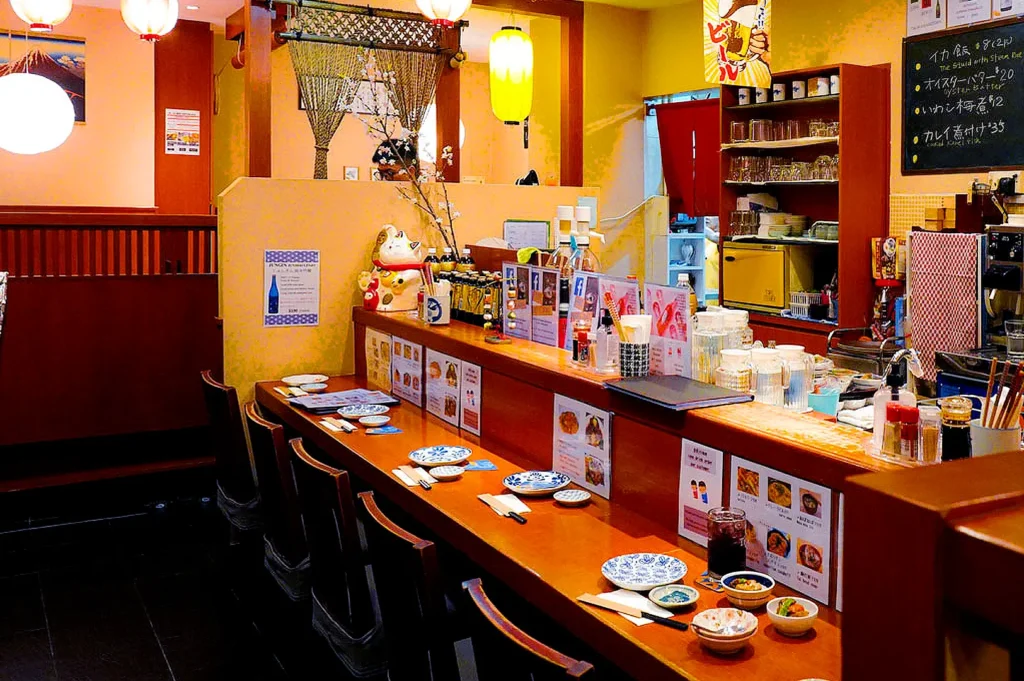
The lift opens onto a corridor leading to the famed and hidden Cuppage Plaza food, and the building’s age shows in the flickering fluorescent light and the smell of old carpet. Then a sliding door pulls back, and Keria Japanese Restaurant asks you to slow down.
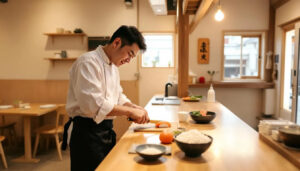
Inside, it is quiet. A chef works behind the counter without hurry, wiping down a board that already looks clean. Steam rises from somewhere near the back. Nobody rushes to seat you. You wait a beat, and in that pause, something shifts. All at once, everything you read about this building come together.
The moment I keep returning to is small. A single piece of fish, placed on the counter in front of me, was left mostly alone. A brush of soy already on it. A grain of salt, maybe. No garnish crowding the plate, no drizzle, no swirl. The chef set it down and stepped back, and it was clear I was meant to eat it now, at this temperature, in this order, before it changed.
That is the whole idea. The fish is served slightly cool, not cold, the flesh soft and yielding, carrying a clean sweetness that would have vanished under anything louder. The rice underneath is warm, pressed loosely, and it comes apart the second it reaches your mouth. There is nothing to hide behind here. The craft is in the restraint, in knowing what to leave out.
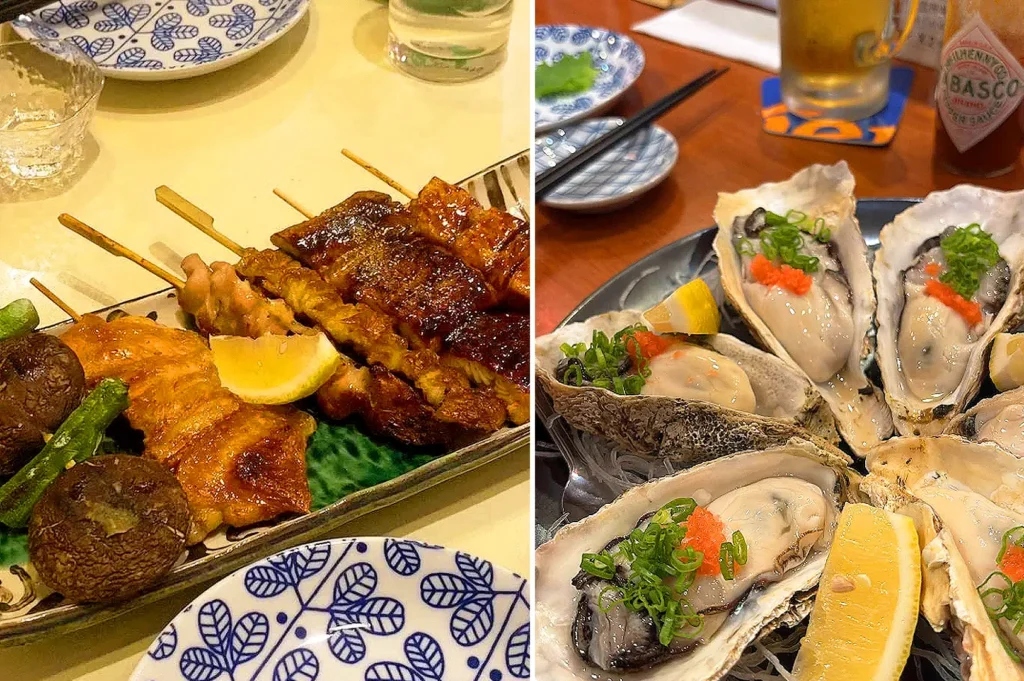
This is what Japanese kitchens quietly brought to Singapore. Not just new dishes, but a different rhythm of eating. Somewhere along the way, a certain kind of Japanese meal here stopped being about abundance and started being about trust. You order omakase and hand the decisions over. You eat what is good today, not what you planned to want. Seasonality stops being a marketing word and becomes the actual reason a dish tastes the way it does, on this night and not another.
There is a tension in that, and Keria sits right inside it. We live in a city that runs on speed and options, where a meal can arrive at your door in twenty minutes and every menu promises more. Restraint is a hard sell in a place like that. Choosing less, waiting longer, trusting a stranger to decide for you — none of it is convenient. And yet the room was full, mostly of people eating in near silence, which tells you something.
What feels worth noticing is not that the food is careful. Plenty of food is careful. It is that the carefulness asks something of you in return. You cannot scroll through this meal. You have to be present for the piece of fish while it is still at its best, because the window is short and nobody will reheat it for you.
I left thinking about how a building this worn could hold a room this still.
The fan hummed somewhere overhead. A kettle clicked off in the back. Outside, Orchard Road carried on without me. For a while, at that counter, none of it mattered.

How to Drink Sake: Your Guide to Enjoying Japanese Sake Wine
Eda Wong | December 5, 2025
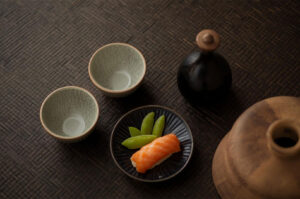
As Japan’s national beverage, this traditional sake is present at celebrations, quiet dinners, and spiritual offerings, weaving itself into the very fabric of daily life and reflecting Japan’s deep-rooted cultural heritage. Yet, for many outside of Japan, it remains a delightful mystery. You might find yourself wondering, how do you drink sake properly to unlock…

What Is Sashimi? A Guide to Raw Fish, Sliced Raw Fish, and Japanese Seafood
Eat Drink Asia Team | December 3, 2025
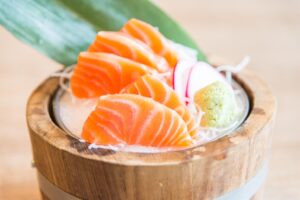
Sashimi is one of the clearest ways to understand Japanese cuisine because there is very little to hide behind. At its simplest, sashimi is sliced raw fish or seafood served without sushi rice, usually with soy sauce, wasabi, and simple garnishes such as daikon radish. But the dish is not just “raw fish on a…

Understanding Sake Alcohol Content: A Complete Guide to ABV and Flavor
Eda Wong | December 2, 2025
When exploring Japanese sake, many wonder about its grades and complex flavors. Sake’s unique profile offers remarkable versatility, enjoyed in various serving styles and paired with diverse dishes. One fundamental aspect is sake alcohol content. Is sake stronger than wine? How does its alcohol by volume (ABV) compare to beer? The answer is nuanced. Understanding…
-
Japanese Sake: The Complete Guide to Japan’s Traditional Rice Wine
Dio Asahi | November 29, 2025
Japanese Sake: The Complete Guide to Japan’s Traditional Rice Wine While sake has been Japan’s national beverage for over a millennium, its popularity across Asia is at an all-time high. Rooted in Japan’s traditional brewing methods and centuries-old origins. It symbolizes Japan’s cultural heritage and craftsmanship. Understanding this complex brewed alcoholic beverage opens doors to…

Best Japanese Foods in Japan: The Must-Try Dishes
Eda Wong | November 27, 2025
Japan’s culinary world extends far beyond well-known sushi and ramen, revealing a rich variety of regional specialties cherished by locals. While many travelers stick to popular Japanese foods in tourist areas, authentic flavors are best discovered in neighborhood markets, family-run eateries, and seasonal menus reflecting centuries of Japanese cooking tradition. Understanding Japanese cuisine requires more…
-
Japanese Food in Japan: The Ultimate Guide to Authentic Culinary Experiences
Eat Drink Asia Team | November 25, 2025
Experiencing Japanese food in Japan is fundamentally different from eating Japanese cuisine anywhere else. While sushi restaurants and ramen shops have spread globally, the authentic flavors, techniques, and cultural context of Japanese food can only be fully appreciated in its homeland. From meticulously selecting ingredients at peak freshness to centuries-old traditions shaping every meal, eating…
-
Food in Japan: A Complete Guide to Japanese Cuisine and Culinary Culture
Eda Wong | November 22, 2025
The gentle steam rising from a bowl of miso soup carries more than just the earthy aroma of fermented soybeans-it carries centuries of Japanese culture and culinary wisdom. When you eat in Japan, you’re not simply consuming a meal; you’re participating in a ritual that connects you to the seasons, the land, and a philosophy…
-
Ramune Marble Soda: History and Cultural Meaning of Japan’s Iconic Marble Soda
Dio Asahi | November 20, 2025
Among Japan’s beloved fizzy drinks, none evoke nostalgia and uniqueness quite like Ramune marble soda. Instantly recognizable by its quirky Codd neck bottle and glass marble seal, Ramune soda is an essential part of Japanese summer, cherished by generations for its refreshing taste and signature pop sound. This marble soda remains a staple at summer…
-
Hokkaido’s Best Seafood Treasures: Beyond Sushi and Sashimi
Eat Drink Asia Team | November 18, 2025
When visiting Hokkaido, Japan’s northernmost island, food lovers are greeted with some of the most highly regarded seafood specialties in the world. Hokkaido is famous for its abundance of fresh seafood and rich fishing grounds, thanks to the surrounding Sea of Japan, Pacific Ocean, and Sea of Okhotsk. These nutrient-packed waters yield a wide range…
-
The Art of Asian Tea Ceremony Traditions: Ancient Rituals and Cultural Values Across Asia
Dio Asahi | November 15, 2025
A cup of tea, in many parts of Asia, represents far more than a beverage-it is a conduit to ancestral tradition, intellectual pursuit, and the cultivation of mindfulness. Asian tea ceremony traditions turn the act of drinking tea into a sophisticated art form, layered with symbolism, philosophy, and socio-cultural values. Each gesture, from scooping powdered…