I walked into Kintamani Singapore with one question in mind. Buffets ask food to wait. Rendang, sambal, grilled meats, and fried seafood all sit under heat while diners circle the spread. That is not necessarily kind to Indonesian dishes built around texture, reduction, chilli, coconut, and freshly cooked aromatics.
So I was less interested in whether Kintamani could feed me generously. Of course it could. I wanted to know whether an all-you-can-eat buffet could still taste distinctly of Indonesia after the food had spent time on the line.
The answer is mostly yes. Not every dish survives equally well, but the strongest plates still have enough spice, aroma, and personality to feel recognisably Indonesian.
Kintamani Indonesian Restaurant at Furama RiverFront Hotel
Kintamani Indonesian Restaurant sits on Level 3 of Furama RiverFront Hotel, 405 Havelock Road. Havelock MRT is the easiest rail option, followed by a short walk to Furama RiverFront.
I arrived around noon on a weekday, as the lunch buffet was getting underway. That turned out to be good timing. The food looked fresh, the trays were full, and the dining room had not yet filled with big groups and family gathering tables.
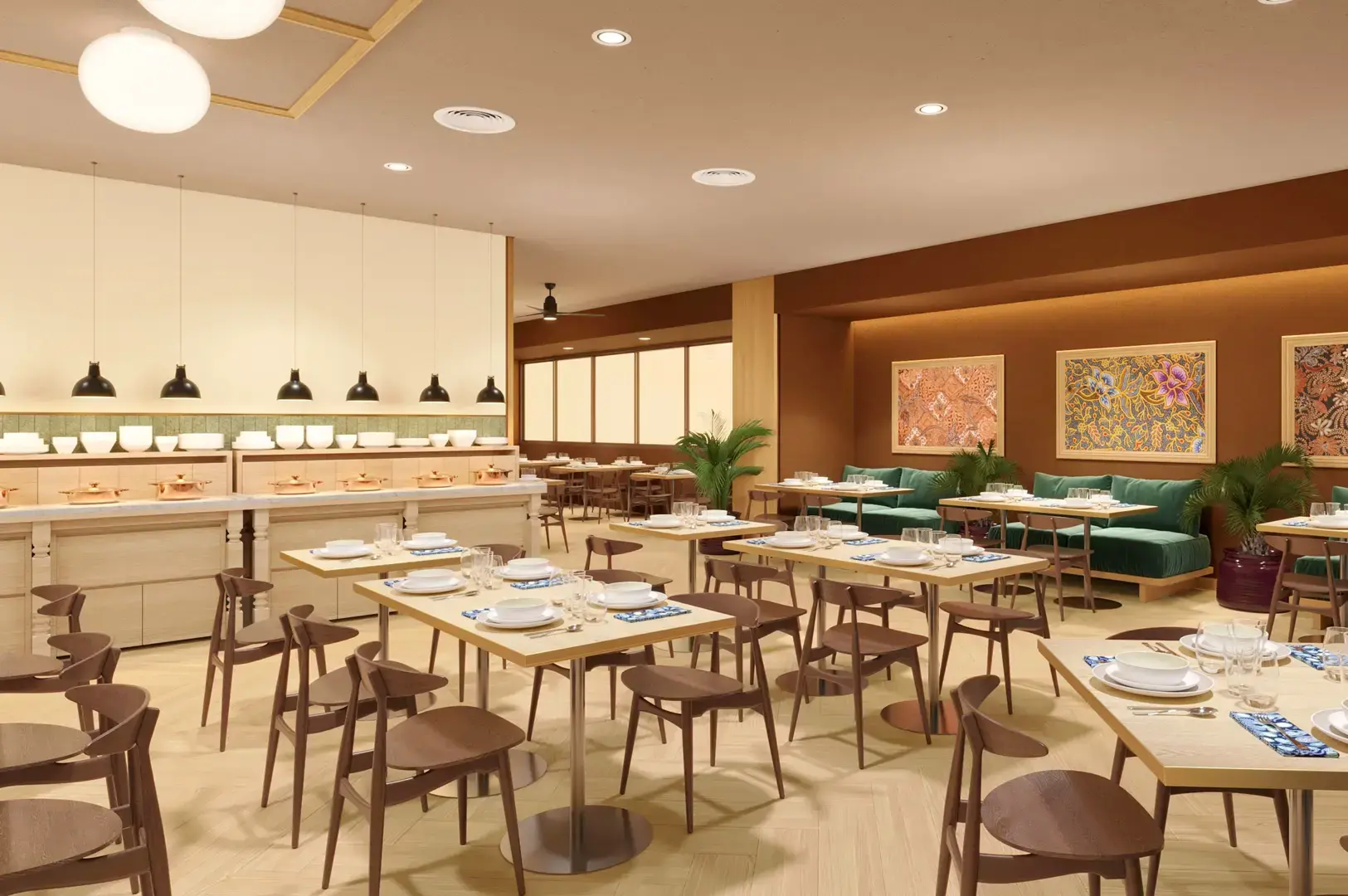
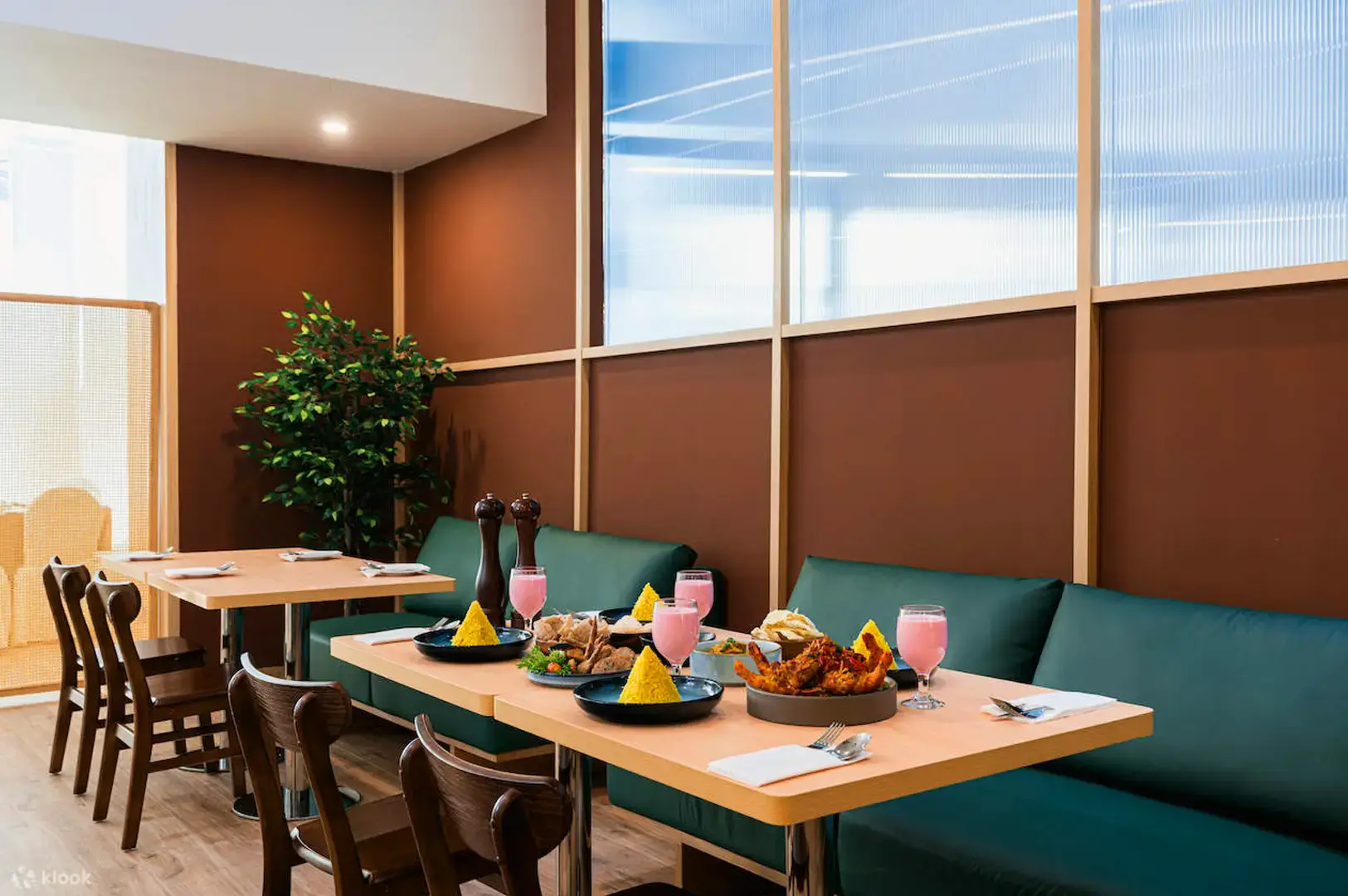
Furama describes Kintamani as a refreshed space offering an elevated dining experience while honouring its rich Indonesian heritage. In practice, I would set expectations slightly lower than the marketing language. The room is bright, contemporary, and comfortable, but it is functional hotel dining rather than plush destination dining.
Better for Groups Than Romance
Light timber, simple furniture, and restrained Indonesian touches give the restaurant a clean look. The ambience works for kids, extended families, birthdays, and groups who want to dine without worrying about keeping the table quiet.
The trade-off is sound. Hard surfaces mean conversations bounce around once the place fills up, and the firm seating becomes noticeable during a long buffet. Once I stopped expecting hushed hotel luxury, I enjoyed the space more for what it was: a relaxed restaurant built around abundance and sharing.
Where the Buffet Works Best
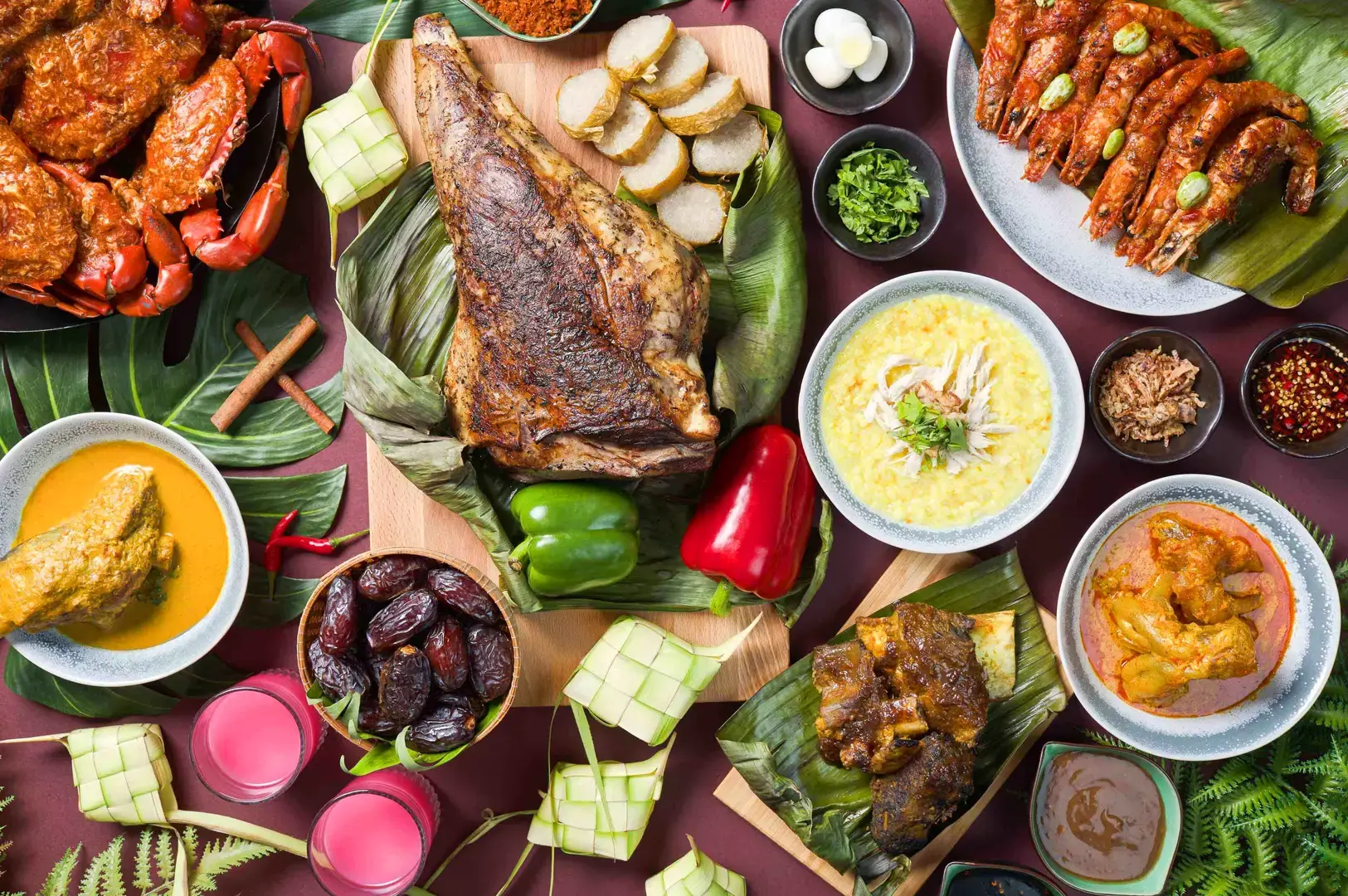
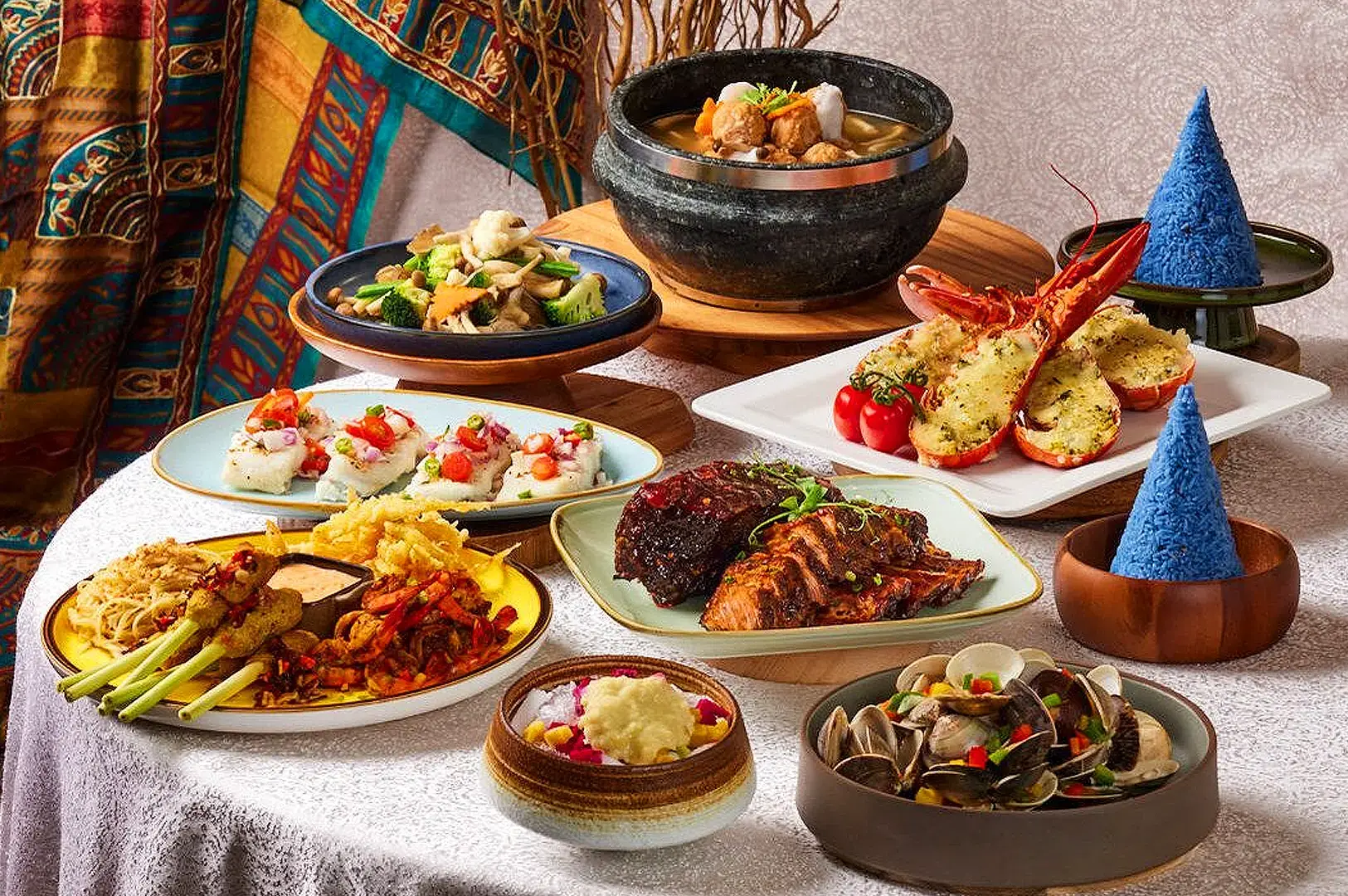
The current menu highlights include Rendang Daging Sapi, Ayam Panggang Rica Rica, Udang Goreng Mentega, Remis Sambal, and the signature Peha Kaki Kambing. Furama positions the offering as authentic all-you-can-eat Indonesian fare with big flavours, and that description is reasonably accurate when the kitchen leans into spice and slow cooking.
Not every bite is a hit. That is almost inevitable with a buffet this broad. But the better dishes taste specific rather than generic, and that matters more to me than having dozens of forgettable options. That range supports the argument that the national dish of Indonesia is not one plate; rendang, rica-rica, sambal and regional seafood traditions all carry different parts of the country’s identity.
Rendang Daging Sapi
The first thing I checked was the sauce. Had it reduced enough to cling to the beef, or was the meat sitting in something closer to thin curry?
It clung.
The sauce was dark, glossy, and rich, wrapping the beef with coconut, toasted spice, and slow-cooked depth. The meat pulled apart easily without collapsing into mush.
Was it the deepest rendang I have tasted? No. A specialist Indonesian restaurant cooking smaller batches can drive the caramelisation further. But this did not taste like a failure of the buffet format. It still tasted like rendang, with enough concentration to survive the warming tray.
Udang Goreng Mentega
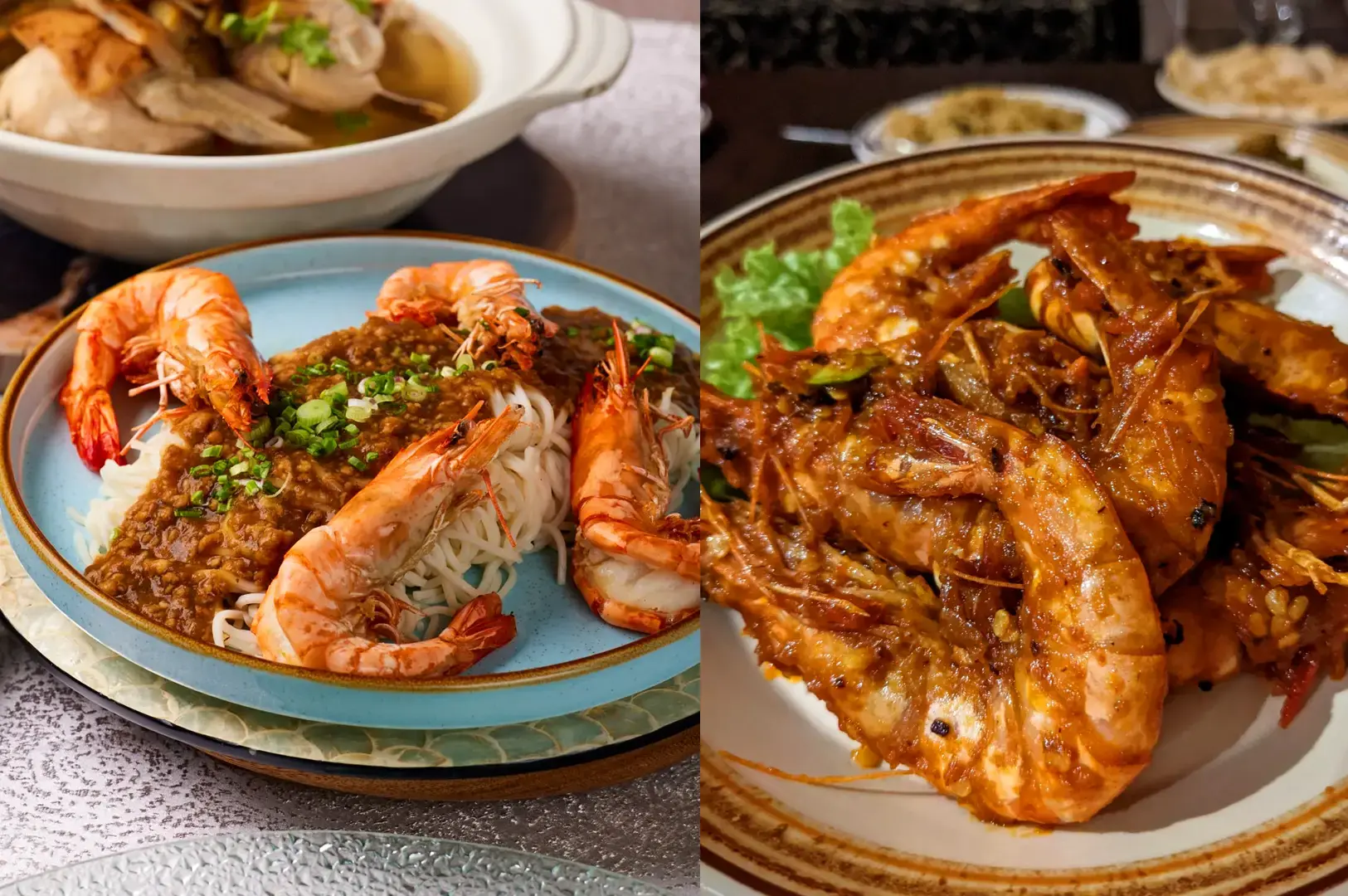
Buffet prawns have a bad habit of turning rubbery. Here, the prawn still had a juicy centre and enough resistance in the bite, with lightly crisp edges beneath its buttery coating. Then came the aroma: butter, curry leaves, fried edges, and a sweet-savoury fragrance that reached me before the first bite.
Against the earthy rendang, this felt brighter and quicker. One dish was slow and dark; the other was fragrant and lively. That contrast was one of the highlights of my first round.
Signature Peha Kaki Kambing
The lamb itself was tender and carved warm, with a soft texture and pleasant roasted flavour. But without sauce, it drifted toward familiar hotel roast lamb. The chef’s homemade sauces are what give it identity. Once I added the chilli-forward sauce, the meat picked up heat, sweetness, and spice.
Do not treat the sauce as optional. It is what connects the roasted lamb leg back to the wider Indonesian flavour profile.
Ayam Panggang Rica Rica
Its chilli heat arrived quickly, followed by a peppery warmth that cut through the heavier dishes already on my palate. I was thrilled that the kitchen had not softened it into something sweet and harmless. That restraint matters. An Indonesian buffet serving a broad Singapore audience could easily sand down every strong flavour.
Kintamani does not always do that. The rica rica still has enough fire to make you pay attention.
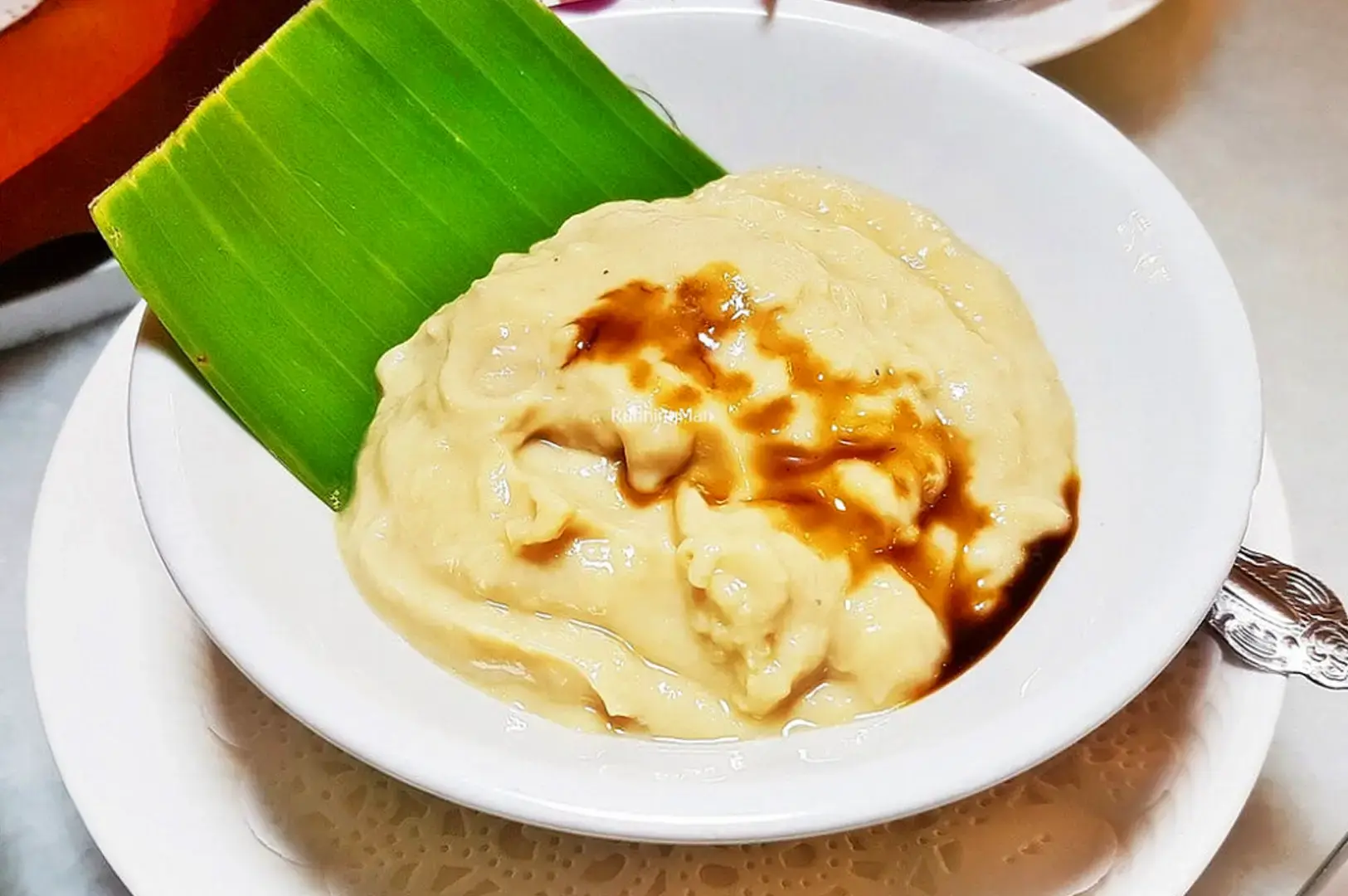
Durian Pengat: The Dessert That Won Me Over
I remember saving it for my last round because durian is difficult to fake. You can add sugar or coconut, but the fruit’s ripe fragrance and custardy funk will still tell you whether the kitchen has committed to it.
The durian pengat was dense, creamy, ripe, and unapologetically durian-forward. It coated the spoon rather than running off it, and the sweetness supported the fruit instead of burying its original taste. That is exactly what I wanted. A buffet desperately trying to please every diner could turn durian into something bland and polite. This was neither.
For me, the durian pengat was more convincing proof of Kintamani’s identity than any sign, menu description, or marketing line about authenticity.
Service at Kintamani Singapore
At Kintamani, it mostly went right. Used plates disappeared quickly. Trays were refreshed before they looked abandoned. Staff were friendly without hovering, and I never felt pressured to finish a round so someone could reclaim the table.
That kind of support matters when people are constantly moving between food stations, carrying drinks, helping kids, or returning to the table with another plate. The service did not turn the meal into fine dining, but it made the experience smooth, relaxed, and easy to enjoy.
Is It Worth It?
Current official pricing puts the buffet in a middle ground where value depends heavily on how much you enjoy Indonesian food.
- Weekday lunch, Monday to Thursday: S$45++
- Weekday dinner, Monday to Thursday: S$48++
- Weekend lunch, Friday to Sunday, eve of public holidays and public holidays: S$48++
- Weekend dinner: S$52++
- Kids aged 8 to 12: 40% off
- Seniors aged 60 and above: 30% off
- In-house hotel guests: 50% off
You are paying for variety, unlimited rounds, hotel convenience, service, desserts, and the chance to build a feast from several types of Indonesian fare rather than committing to one main dish.
For comparison with other hotel spreads, our Best Buffet Singapore examines how restaurants across the city balance variety, service and value.
Look for a Discounted Price
Reservation platforms sometimes offer a discounted price, although availability, timing, and cancellation terms can change by date and booking app. Recent Eatigo listings, for example, have advertised substantial percentage discounts on selected slots. If you book through an app or promotion link, check the final price and conditions before confirming rather than assuming the offer will apply to every lunch or dinner.
At full tariff, I would arrive hungry. At a strong discount, the value equation becomes much more attractive.
Lunch Buffet, Dinner Buffet and Reservation
Furama currently lists Kintamani as open daily:
- Lunch: 12:00 PM to 2:30 PM
- Dinner: 6:00 PM to 10:00 PM
A reservation is not something I would leave to chance for weekend dinner, public holidays, celebrations, or a large group. Menus, promotions, and buffet dishes can also be updated, so check Furama’s current restaurant page before visiting if there is a particular signature dish you do not want to miss.
Halal Status
This needs clarification because older references online can be misleading.
Furama’s current FAQ states that Kintamani Indonesian Restaurant serves pork-free and lard-free food but is not halal-certified. If certification is important to you, use the hotel’s updated statement rather than relying on an older restaurant listing.
Who Should Dine at Kintamani Indonesian Restaurant?
Kintamani makes the most sense if you want:
- A family gathering or big group meal with something for different appetites
- A broad introduction to Indonesian flavours in one sitting
- Rendang, spicy chicken, seafood, sambal, roasted meats, and durian on the same menu
- A relaxed hotel buffet rather than a formal dining experience
- The chance to indulge without ordering every dish separately
- Stronger value when a discounted price is available
Does Kintamani at Furama RiverFront Still Taste Like Indonesia?
Mostly, yes.
Kintamani is not trying to compete with Singapore’s top restaurants on precision, intimacy, or luxury. What it offers instead is a generous, approachable buffet that still respects enough of Indonesia’s flavours to feel culturally grounded rather than generically “Asian.” The format inevitably creates compromises. Fried food softens. Sauces sit. Some dishes survive the buffet line better than others.
If I return, I will do exactly what worked the first time: arrive near the start of service, take the rendang while it is fresh, grab the prawns before their edges soften, use the lamb sauces generously, and leave more room than seems reasonable for the durian pengat.
That final spoonful is still the taste I remember.

Noodle Masterpieces: Celebrating the Craft
Eat Drink Asia Team | April 24, 2026
Noodles have a timeless place in the world of food, and Taste Our Traditions can attest that only few dishes are as universally loved. What makes a bowl of noodles truly stand out is not just the ingredients, but the artistry and skill behind their creation. Noodle-making is an ancient craft that demands patience, precision,…

Charcoal Smoke and Yakitori Evenings in Osaka
Eda Wong | April 24, 2026
The first thing I noticed was the smoke. It didn’t rise all at once, but in thin, steady ribbons that curled upward from a narrow grill set just inches from the counter. The scent came first, warm and unmistakable, a mix of rendered chicken fat and binchōtan charcoal, clean but deeply present. Inside the small…
-
Cracking the Code of Telur Thai: Inside Egg Thai West Mall, a Kitchen That Tells a Story
Dio Asahi | April 23, 2026
I visited on a Tuesday around 7pm, completely exhausted from a long day of meetings and staring at screens. I wasn’t looking for a fancy culinary journey or a trend-setting dining experience. Honestly, I just wanted a quick, comforting meal that would hit the spot without emptying my wallet. That specific craving led me to…

Sanook Kitchen’s Thai Omelette Rice: A Heartland Answer to Singapore’s Thai Food Saturation
Eda Wong | April 21, 2026
If you live in Singapore, you know that finding Thai food is about as difficult as finding a humid day. We are spoiled for choice. From gritty hawker stalls serving fiery basil pork to upscale restaurants where a bowl of tom yum costs more than a taxi ride, the options are endless. But sometimes, you…
-
The Golden Fold: How Thailand’s Street-Side Omelette Became a Morning Ritual
Dio Asahi | April 18, 2026
Dawn breaks over Bangkok with a familiar symphony. Before the intense heat settles and the traffic swells into a steady roar, the city streets belong to the food vendors. Amid the clatter of metal tools and the hum of early commuters, one sound stands out: the furious, bubbling sizzle of eggs hitting smoking-hot oil. This…

Lesson I Didn’t Expect: How Fourgather’s Easy Asian Recipes Taught Me to Cook at Home
Eda Wong | April 16, 2026
For the longest time, I was convinced that cooking authentic Thai food at home was out of my league. I imagined complex pastes, hours of simmering, and a mountain of ingredients I couldn’t pronounce. I was happy to leave it to the experts. But a casual dinner at Fourgather, a stylish Thai eatery in Telok…
-
Between Aesthetic and Appetite: The Modern Food Blogger’s Dilemma
Eda Wong | April 15, 2026
In our first, would probably say, emotional editorial, I would like to open with how there is a particular kind of silence that happens before a dish is eaten now. Not the quiet of anticipation, but the pause of positioning, a hand hovering just above the plate, adjusting the angle of a bowl so the…
-
Chasing Flavor: How Fook Kin Taught Us to Cook Asian Cuisine Recipes the Right Way
Eat Drink Asia Team | April 14, 2026
For years, we told ourselves that truly great Asian cooking was a mystical art form, a craft reserved for seasoned hawker uncles or Michelin-starred chefs with decades of experience. Our own attempts at home often felt like pale imitations, lacking that deep, smoky flavour or that perfect textural contrast we craved. Then, we had dinner…
-
Connecting Generations: How Asiatic Food Builds Family Bonds Across Time
Dio Asahi | April 11, 2026
Whenever I smell toasted sesame oil hitting a hot wok, I am instantly transported back to a tiny, bustling kitchen from my childhood. The air would be thick with the aroma of ginger, garlic, and slow-simmering soy sauce. Before a single word was spoken, the meal was already telling a story. For many of us,…
-
A Comprehensive Resource for Oriental Foods Recipes for the Modern Home Cook
Eda Wong | April 10, 2026
For years, I thought cooking Asian food at home required something mystical. My stir-fries were soggy, lacking that smoky breath of the wok. My fried rice was inconsistent, sometimes clumpy, other times dry. My sauces tasted flat, missing the balance of savory, sweet, and tangy flavors I craved. I assumed restaurants had secrets I’d never…