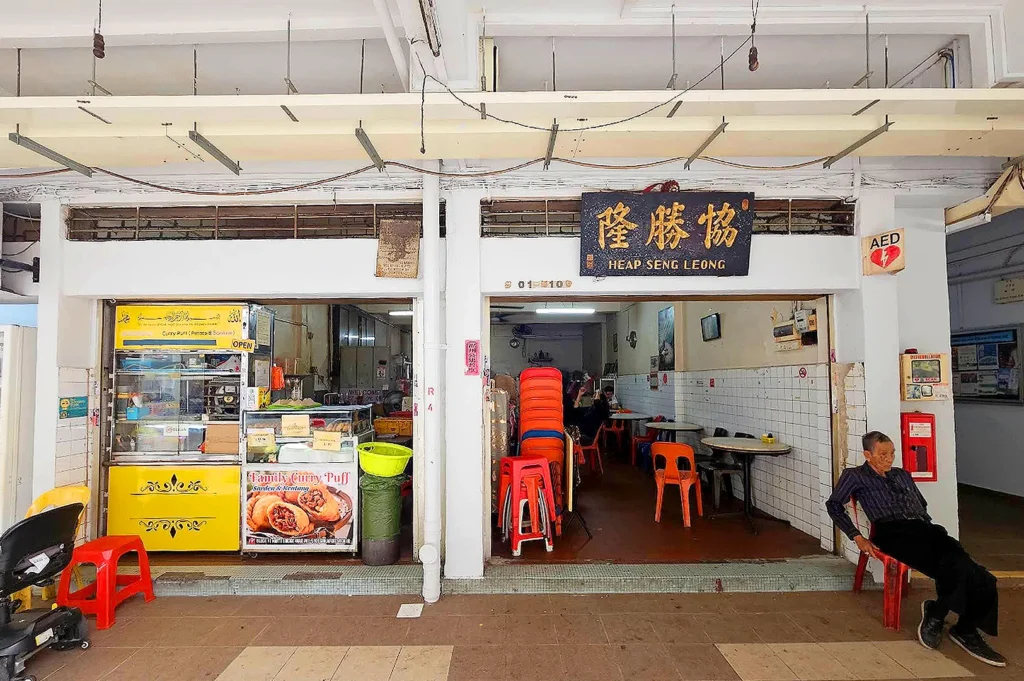
By Eda Wong for Eat Drink Asia.
It is not yet seven, and the uncle at Heap Seng Leong has the pot going. He works the sock strainer over the tin cup with both hands, dipping and lifting, dipping and lifting, coaxing the coffee through the worn cloth. Steam rises between his fingers. The smell reaches me before the cup does, dark, smoky, almost burnt at the edges, sweetened by something warmer underneath. He doesn’t look up. His hands know the rhythm without him.
In this new era of cafe-hopping, you can find cafes in which their interiors speak before their roasts do in situations like these, https://sgnomadphotographer.com/how-to-photograph-cafes/.
What the uncle is pouring is kopi, said simply “koh-pee.” The beans are roasted dark, often with sugar and a little butter or margarine folded into the roast, which is why the aroma carries that toasted, caramel weight you don’t find in a plain espresso. The cloth strainer — that soft sock, stained deep from years of use, is the whole quiet secret. He steeps the grounds in it like tea, then strains, then strains again, pulling the coffee back and forth until the body turns thick and rounded. Paper filters would strip that away. The cloth lets the oils through. It gives kopi its weight on the tongue, that particular softness no machine quite manages.
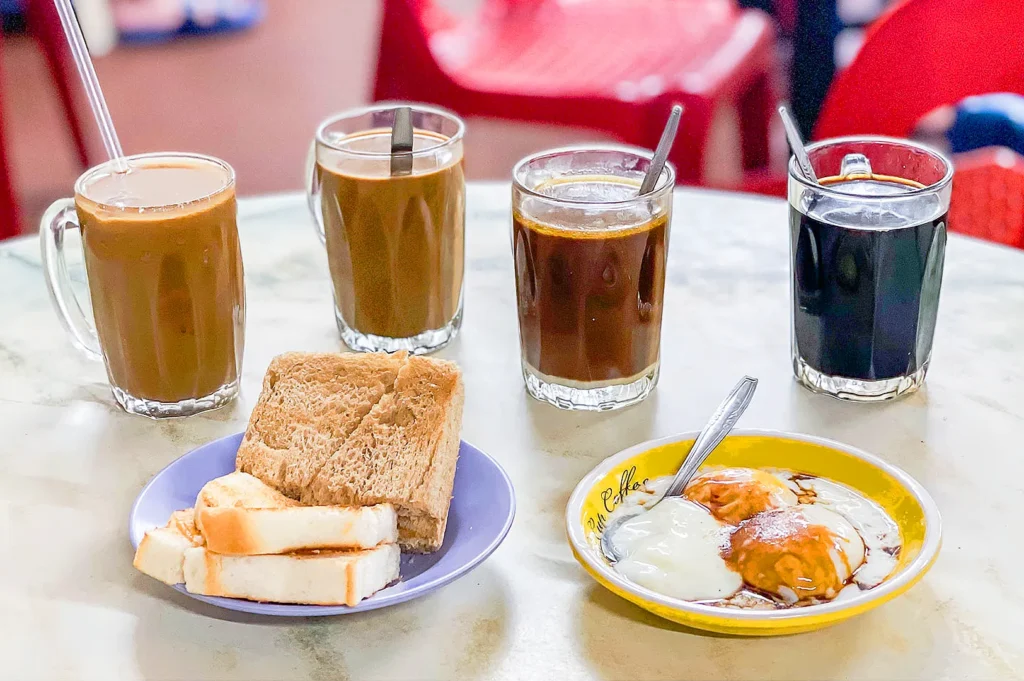
You order it in a shorthand that sounds like code until you grow up with it. Kopi, with condensed milk. Kopi-o, black with sugar. Kopi-c, with evaporated milk instead. Kopi siu dai, less sweet, for the ones watching their sugar in later years. Nobody explains it to you. You learn it the way you learn most things at a kopitiam table, by listening, by ordering wrong once, by watching your grandfather do it a thousand mornings. The stall is where the neighbourhood wakes up together. Old men with newspapers. A taxi driver on his break. The same faces, the same seats, the same nod from the uncle who already knows what you want.
Capsules that click into a machine. Even the so-called best cafés in Singapore with single-origin beans and latte art and prices that would make the uncle laugh. I don’t begrudge any of it. But the sock strainer is a slower thing, and slower things tend to leave first. Fewer hands know the pour now, the timing of it, the wrist, how long to let the grounds sit before the cloth is lifted. It is a skill held in the body, not written down anywhere, and bodies grow tired. When this uncle retires, the pour retires with him.
He sets the cup in front of me. Dark, glossy, a thin skin already forming on top. I don’t reach for a photo. I just drink it, the way it’s meant to be drunk — hot, quick, before the morning fully arrives.
The cloth goes back into the pot for the next one.

A Symphony of Senses: Why Southeast Asian Food is the World’s Greatest Culinary Journey
Dio Asahi | February 12, 2026
If you were to stand at a busy intersection in Bangkok, Ho Chi Minh City, or Jakarta and close your eyes, your nose would tell you a story before your eyes ever could. There is a specific, intoxicating perfume that defines Southeast Asian food: the sharp tang of lime juice hitting a hot wok, the…
-
The Alchemy of the Wok: The Story of Singapore-Style Bee Hoon
Eda Wong | February 10, 2026
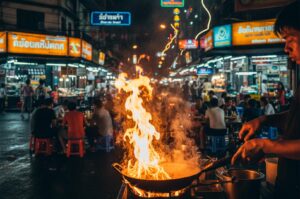
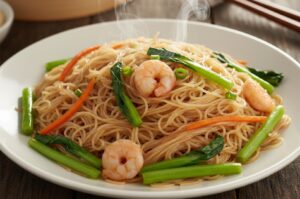
Across the humid evening air of Singapore, a rhythmic clatter echoes from hawker stalls to high-rise kitchens—the sound of a metal spatula against a seasoned wok. Within that intense heat, rice vermicelli noodles undergoes a profound transformation, absorbing the golden hues of curry powder, the savory depths of soy sauce, and the smoky “breath” of…
-
The Sizzle of the Wok: An Exploration of Fried Bee Hoon Across Southeast Asia
Eat Drink Asia Team | February 7, 2026
Across Southeast Asia, from bustling hawker centers to family kitchens, the sizzle of rice vermicelli noodles hitting a hot wok is a universal comfort. Few dishes capture the spirit of Asian noodle culture as well as fried bee hoon. This stir fry, made with thin rice noodles, delivers a tasty meal any time of the…
-
The Silk of the East: A Deep Dive into Bee Hoon and the Art of Rice Vermicelli
Eda Wong | February 5, 2026
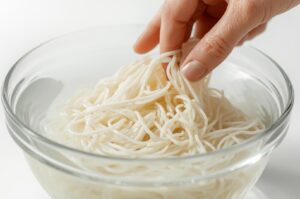
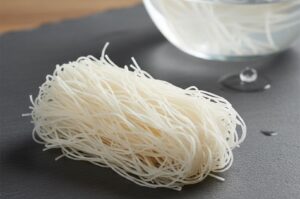
Across the bustling kitchens of Southeast Asia, one humble ingredient has woven itself into the fabric of countless beloved dishes. Bee hoon, the delicate rice vermicelli that transforms from brittle strands into silky noodles, represents centuries of culinary tradition and innovation. Whether you’ve savored Singapore noodles in a hawker center or encountered fried bee hoon…
-
The Eternal Hearth: A Journey Through the Soul of Indian Foods Vegetarian Traditions
Dio Asahi | February 3, 2026
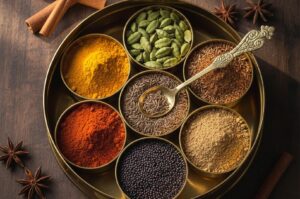
In the vibrant tapestry of global gastronomy, few cultures have elevated the plant-based plate to an art form quite like India. While much of the world has recently turned toward meat alternatives for health or environmental reasons, Indian cuisine has been centered on the vegetable for millennia. This isn’t merely a dietary choice; it is…
-
The Essence of Jeju Citron Tea: A Distinctive Profile of Yuja Tea in Korea
Dio Asahi | January 31, 2026
Imagine sitting in a quiet, sun-drenched teahouse overlooking the dramatic volcanic coastline of Jeju Island. The steam rising from your cup carries an aroma that is at once familiar and yet entirely new—a version of Korean citron tea, or yuja cha, that tastes of sea salt, volcanic soil, and generations of island tradition. As you…
-
Korean Citron Tea: Health Benefits and Wellness Secrets
Eat Drink Asia Team | January 29, 2026
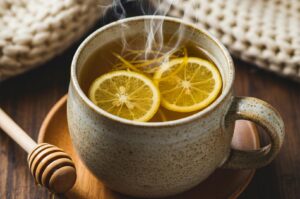
As the seasons change and a chill enters the air, many of us seek out comforting rituals to support our well-being. Imagine wrapping your hands around a steaming cup of Korean citron tea—also known as yuja-cha—its bright, citrus aroma soothing and revitalizing with every sip. More than just a winter treat, Korean citron tea is…
-
When the Izakaya Becomes the Plan: Izakaya Singapore Top Picks for After-Work Reset
Dio Asahi | January 28, 2026
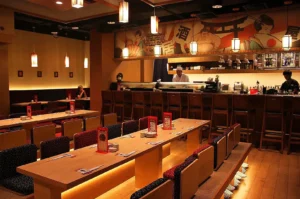
January 28, 2026 | Dio Asahi Last updated: September 14, 2026 As you step behind the humble noren curtain, you’re greeted by glowing lanterns, sizzling charcoal-grilled skewers, and warm welcomes. This is izakaya, Japan’s casual pub, a vibrant part of Singapore’s dining scene. More than just yakitori and sake, izakayas offer a lively setting for social…
-
Yuja Tea: Korea’s Traditional Citron Tea
Dio Asahi | January 27, 2026
The golden, aromatic steam rising from a cup of yuja tea carries centuries of Korean tradition and wellness wisdom. This caffeine-free citrus beverage has warmed Korean hearts through countless winters, offering both comfort and powerful health benefits in every sip. Made from the Korean citron known as yuja fruit, this simple Korean tea represents one…
-
The Global Phenomenon of Korean Instant Noodle: A Cultural and Culinary Journey
Eda Wong | January 24, 2026
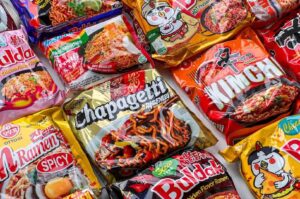
In the high-octane streets of South Korea, where the “pali-pali” (hurry-hurry) culture defines the pace of life, one dish stands as the ultimate equalizer of speed and satisfaction: Korean ramyeon. While the world often uses the terms ramen and ramyeon interchangeably, the Korean version is a distinct entity. It is not merely a quick snack…