By Eda Wong for Eat Drink Asia.
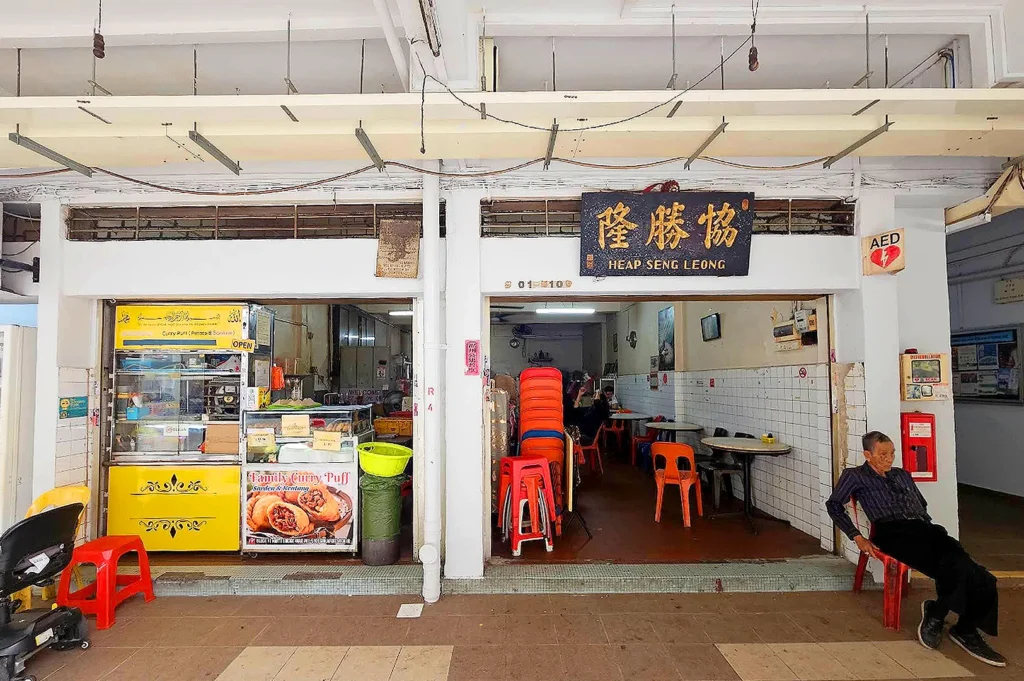
It is not yet seven, and the uncle at Heap Seng Leong has the pot going. He works the sock strainer over the tin cup with both hands, dipping and lifting, dipping and lifting, coaxing the coffee through the worn cloth. Steam rises between his fingers. The smell reaches me before the cup does, dark, smoky, almost burnt at the edges, sweetened by something warmer underneath. He doesn’t look up. His hands know the rhythm without him.
In this new era of cafe-hopping, you can find cafes in which their interiors speak before their roasts do in situations like these, https://sgnomadphotographer.com/how-to-photograph-cafes/.
What the uncle is pouring is kopi, said simply “koh-pee.” The beans are roasted dark, often with sugar and a little butter or margarine folded into the roast, which is why the aroma carries that toasted, caramel weight you don’t find in a plain espresso. The cloth strainer — that soft sock, stained deep from years of use, is the whole quiet secret. He steeps the grounds in it like tea, then strains, then strains again, pulling the coffee back and forth until the body turns thick and rounded. Paper filters would strip that away. The cloth lets the oils through. It gives kopi its weight on the tongue, that particular softness no machine quite manages.
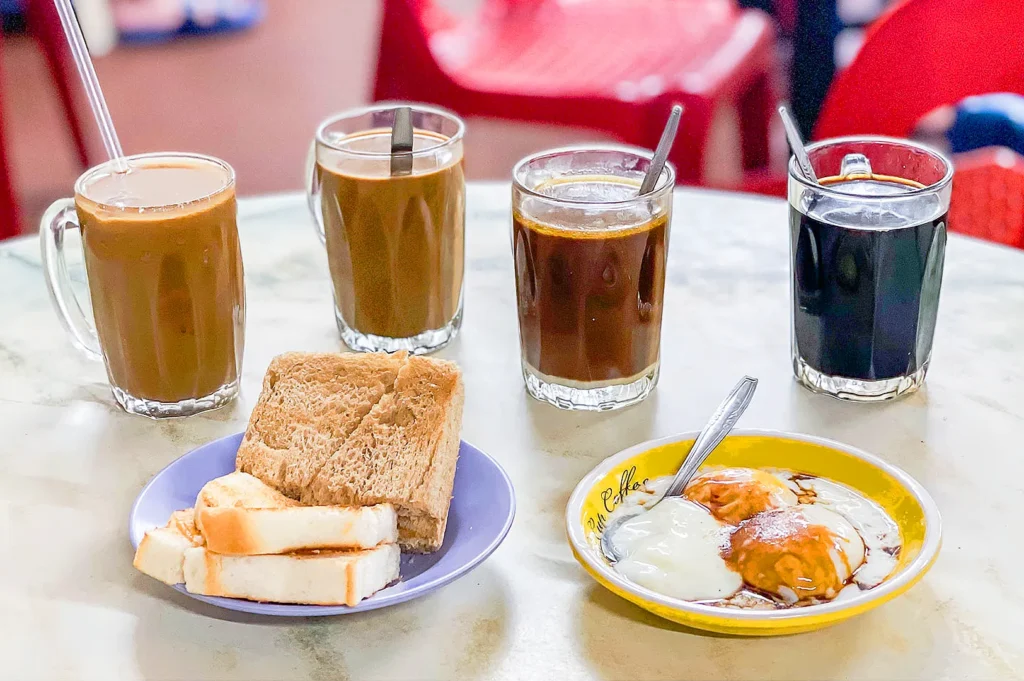
You order it in a shorthand that sounds like code until you grow up with it. Kopi, with condensed milk. Kopi-o, black with sugar. Kopi-c, with evaporated milk instead. Kopi siu dai, less sweet, for the ones watching their sugar in later years. Nobody explains it to you. You learn it the way you learn most things at a kopitiam table, by listening, by ordering wrong once, by watching your grandfather do it a thousand mornings. The stall is where the neighbourhood wakes up together. Old men with newspapers. A taxi driver on his break. The same faces, the same seats, the same nod from the uncle who already knows what you want.
Capsules that click into a machine. Even the so-called best cafés in Singapore with single-origin beans and latte art and prices that would make the uncle laugh. I don’t begrudge any of it. But the sock strainer is a slower thing, and slower things tend to leave first. Fewer hands know the pour now, the timing of it, the wrist, how long to let the grounds sit before the cloth is lifted. It is a skill held in the body, not written down anywhere, and bodies grow tired. When this uncle retires, the pour retires with him.
He sets the cup in front of me. Dark, glossy, a thin skin already forming on top. I don’t reach for a photo. I just drink it, the way it’s meant to be drunk — hot, quick, before the morning fully arrives.
The cloth goes back into the pot for the next one.

The Neighbourhood Restaurant Test: How to Spot Truly Authentic Cuisine Restaurants in Your Area
Eda Wong | March 31, 2026
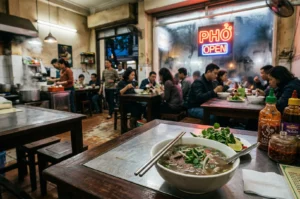
A friend texted me last week: “I’m outside this new Vietnamese place. How do I know if it’s legit before I waste my money?” It’s a question I get often. We’ve all been there, drawn in by a cool sign, only to get a plate of sad, sweet, tourist-grade pad thai that tastes like ketchup….
-
Cuisine in the World Meets Singapore: Inside Nakhon Kitchen’s Cross-Cultural Magic
Dio Asahi | March 26, 2026
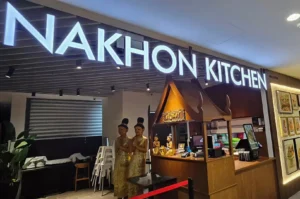
There’s a rite of passage for any food lover living in the East of Singapore, and it involves a queue. Specifically, the perpetually long, snaking queue outside Nakhon Kitchen in Bedok. I’d heard the legends for years: authentic Thai food, rock-bottom prices, and a wait time that tests your commitment. So, on a Tuesday evening…
-
The Spice Route Secrets: A Deep Dive into Malay Ethnic Food
Eda Wong | March 24, 2026
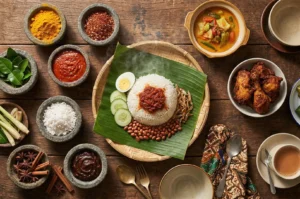
My first time ordering Nasi Padang in Geylang Serai was overwhelming, I randomly picked dishes and was shocked by a $20 bill due to premium beef rendang and squid. That taught me to always ask seafood prices and that Malay food is a complex, modular cuisine. Malay food is everywhere in Singapore, in hawker centres,…
-
The Shokunin Spirit: How Japan’s Craftsman Philosophy Lives Inside Singapore’s Most Disciplined Omakase Counter
Dio Asahi | March 21, 2026
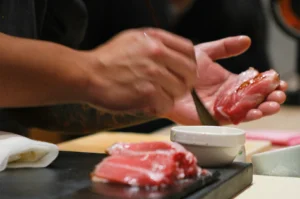
The fire is not roaring; it is breathing. In a small, darkened workshop in Sakai, a swordsmith watches the colour of the steel with eyes that have tracked the same transformation for forty years. He does not look at a clock. He listens to the hum of the charcoal. He waits for the metal to…
-
The Evolution of the Plate: How History Transformed Iconic Malaysian Dishes
Eda Wong | March 19, 2026
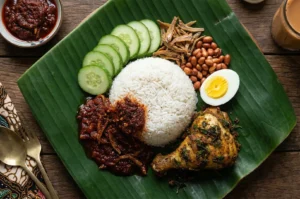
I used to think I understood Malaysian food. As a Singaporean, it’s practically in my DNA, right? Nasi lemak for breakfast, a cheeky roti canai for supper – I thought I had it all figured out. Then I spent a week eating my way through Penang and Kuala Lumpur, and I realised I knew absolutely…
-
The Soul of the Table: An Educational Guide to the Role of Food in Malaysian Culture
Eat Drink Asia Team | March 17, 2026
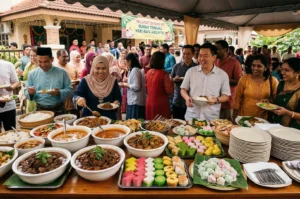
We still remember our first collective Rumah Terbuka (Open House) experience in Kuala Lumpur.Standing at the doorway of a home during Hari Raya, we were utterly paralyzed by the sheer volume of people and the aroma of Malaysian cooking. There were aunties ladling beef rendang and tables groaning under the weight of colourful kuih. “Do…
-
Asian Food Comfort Trends: Why Broths and Bowls are Dominating Globally
Eda Wong | March 14, 2026
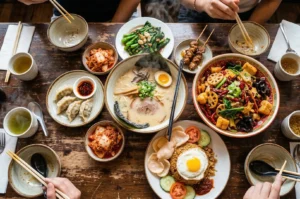
I still remember the first time I faced a “build-your-own” Mala Xiang Guo counter. I stood there, plastic tongs in hand, completely paralyzed by the mountain of choices. Lotus root? Kelp knots? three different types of tofu skin? My anxiety spiked. I panicked, grabbed way too much luncheon meat, and ended up with a $28…
-
The Fifth Element: A Masterclass on Umami in East Asian Cuisine
Dio Asahi | March 12, 2026
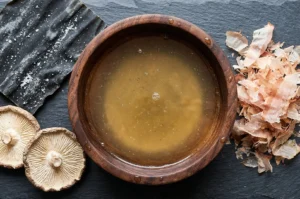
I’ll never forget the first time I made miso soup from scratch. Not the instant kind, but the “proper” way. I boiled water, dissolved miso paste, added tofu, and waited. It tasted flat, salty and cloudy but missing the deep, satisfying flavor I loved in Japanese restaurants. I thought maybe I needed better miso. Years…
-
Why My Quest Ended at Yummy Western (409 AMK)
Dio Asahi | March 10, 2026
There’s a specific magic to a late-night supper hunt in Singapore. It’s the ritual of chasing a craving through the humidity to find that one stall that hits the spot. For me, that meant a pilgrimage to Ang Mo Kio Avenue 10. I arrived at 10 PM on a Friday, just as the ‘supper soul’…
-
A Taste of Time: My Dinner at Guan Hoe Soon
Eda Wong | March 7, 2026
There’s something special about visiting a place that has seen decades of Singapore’s history unfold. Guan Hoe Soon, tucked away on Joo Chiat Road, holds the title of Singapore’s oldest Nyonya restaurant, and you can feel that heritage the moment you step inside. I’d heard about it for years, a place where recipes aren’t just…