By Eda Wong for Eat Drink Asia.
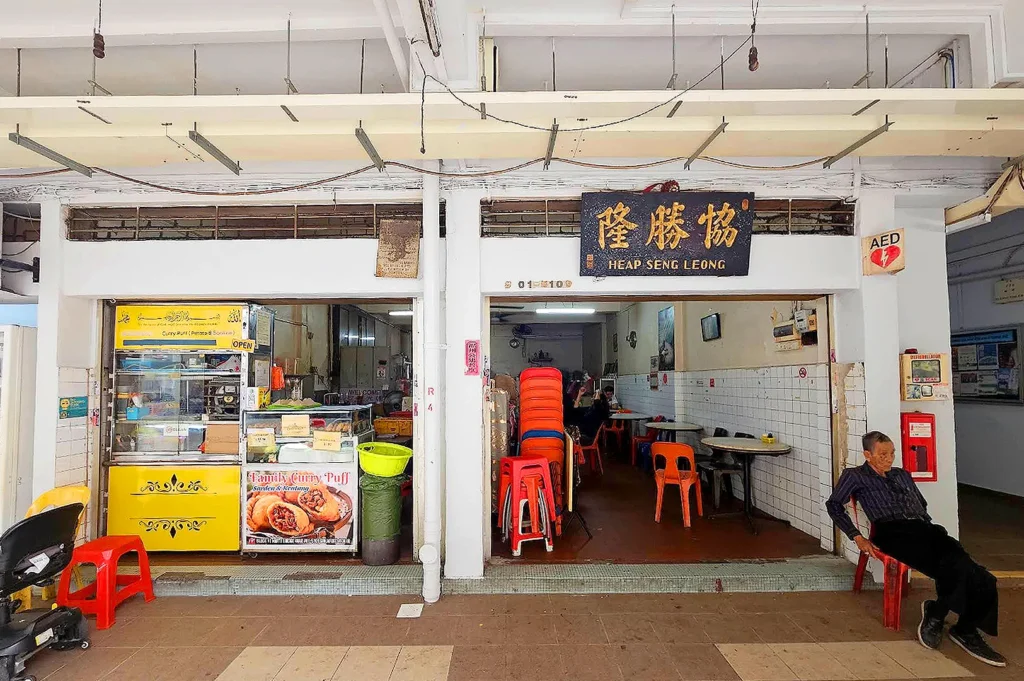
It is not yet seven, and the uncle at Heap Seng Leong has the pot going. He works the sock strainer over the tin cup with both hands, dipping and lifting, dipping and lifting, coaxing the coffee through the worn cloth. Steam rises between his fingers. The smell reaches me before the cup does, dark, smoky, almost burnt at the edges, sweetened by something warmer underneath. He doesn’t look up. His hands know the rhythm without him.
In this new era of cafe-hopping, you can find cafes in which their interiors speak before their roasts do in situations like these, https://sgnomadphotographer.com/how-to-photograph-cafes/.
What the uncle is pouring is kopi, said simply “koh-pee.” The beans are roasted dark, often with sugar and a little butter or margarine folded into the roast, which is why the aroma carries that toasted, caramel weight you don’t find in a plain espresso. The cloth strainer — that soft sock, stained deep from years of use, is the whole quiet secret. He steeps the grounds in it like tea, then strains, then strains again, pulling the coffee back and forth until the body turns thick and rounded. Paper filters would strip that away. The cloth lets the oils through. It gives kopi its weight on the tongue, that particular softness no machine quite manages.
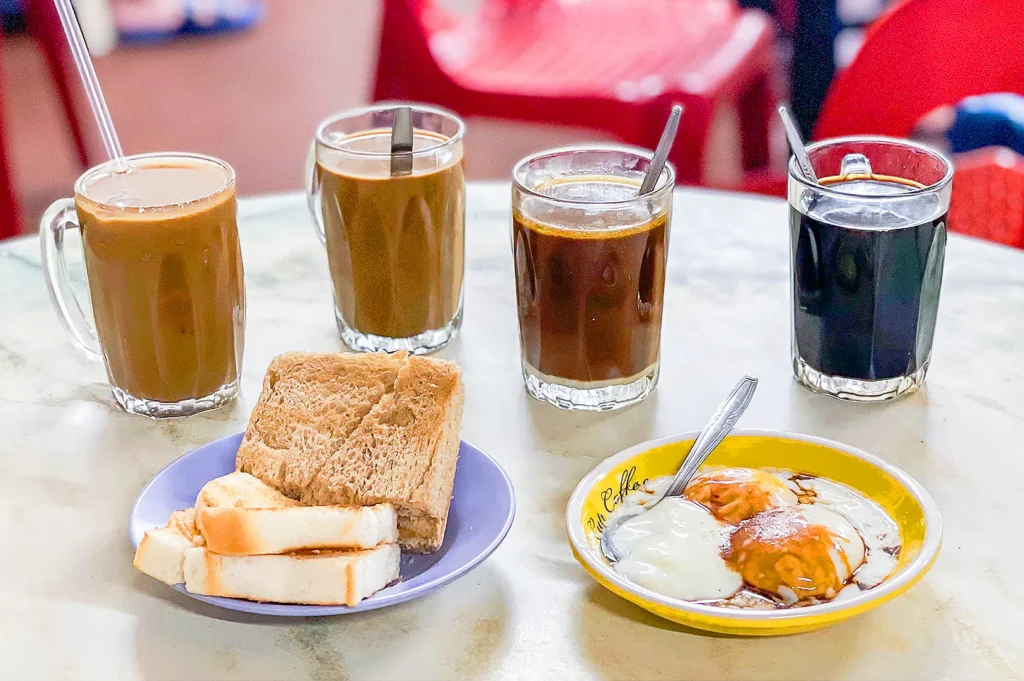
You order it in a shorthand that sounds like code until you grow up with it. Kopi, with condensed milk. Kopi-o, black with sugar. Kopi-c, with evaporated milk instead. Kopi siu dai, less sweet, for the ones watching their sugar in later years. Nobody explains it to you. You learn it the way you learn most things at a kopitiam table, by listening, by ordering wrong once, by watching your grandfather do it a thousand mornings. The stall is where the neighbourhood wakes up together. Old men with newspapers. A taxi driver on his break. The same faces, the same seats, the same nod from the uncle who already knows what you want.
Capsules that click into a machine. Even the so-called best cafés in Singapore with single-origin beans and latte art and prices that would make the uncle laugh. I don’t begrudge any of it. But the sock strainer is a slower thing, and slower things tend to leave first. Fewer hands know the pour now, the timing of it, the wrist, how long to let the grounds sit before the cloth is lifted. It is a skill held in the body, not written down anywhere, and bodies grow tired. When this uncle retires, the pour retires with him.
He sets the cup in front of me. Dark, glossy, a thin skin already forming on top. I don’t reach for a photo. I just drink it, the way it’s meant to be drunk — hot, quick, before the morning fully arrives.
The cloth goes back into the pot for the next one.

Green Tea with Milk: A Tale of Two Teas from Taiwan and Thailand
Eda Wong | December 18, 2025
The simple combination of green tea with milk has sparked a culinary phenomenon across Asia, creating a diverse family of beverages that are both comforting and refreshing. While many countries have embraced this pairing, two nations stand out for their iconic and wildly different interpretations: Taiwan and Thailand. Each has cultivated a unique culture around…
-
The Emerald Journey: Exploring Asia’s Green Milk Tea Culture
Eat Drink Asia Team | December 16, 2025
A vibrant, emerald-hued wave is sweeping across Asia, delighting taste buds and defining modern café culture. From street-side stalls in Bangkok to chic tea houses in Taipei, green milk tea—sometimes simply called green tea with milk—has blossomed from a simple concept into a beloved, refreshing drink with countless regional interpretations and profound cultural significance. Whether…
-
Thai Green Milk Tea: The Complete Guide to Thailand’s Refreshing Emerald Delight
Eda Wong | December 13, 2025
Picture a tall glass filled with crushed ice, its emerald-green contents swirled with ribbons of creamy white milk—this is thai green milk tea, one of Southeast Asia’s most visually striking and refreshing drinks. Known locally as cha khiao nom yen, this popular drink has captured hearts across Asia and beyond with its distinctive pale green…

Best Thai Singapore: Discover the Art of Authentic Pad Thai
Dio Asahi | December 11, 2025
In Singapore, a city that celebrates a universe of flavors, the magnetic pull of Thai cuisine is undeniable. From bustling food courts to elegant dining rooms, the kingdom’s culinary ambassadors have firmly planted their flag. When considering the best Thai food, it’s impossible to overlook how integral Pad Thai is to the local Thai food…
-
Thai Cuisine in Singapore: Finding the Best Authentic Flavors
Eat Drink Asia Team | December 9, 2025
The unmistakable aroma of lemongrass, galangal, and fiery spices mingles with the bustling night air in Singapore, setting the stage for a dining experience that wakes the soul and tantalizes the senses. Thai cuisine in Singapore has become an essential part of the city’s culinary landscape, offering a complete blend of vibrant flavor, tangy notes,…
-
The Ultimate Guide to Thai Food: Flavors, Traditions, and Culinary Adventures
Dio Asahi | December 6, 2025
Thai cuisine is one of the world’s most beloved and complex culinary traditions, captivating food enthusiasts globally with its masterful balance of flavors and vibrant presentations. From bustling Bangkok street stalls to high-end international restaurants, Thai food has become a global phenomenon that evolves while maintaining its authentic roots. What sets Thai cuisine apart from…
-
How to Drink Sake: Your Guide to Enjoying Japanese Sake Wine
Eda Wong | December 5, 2025
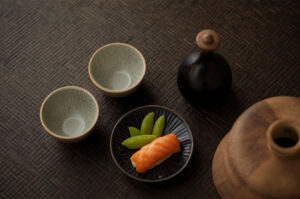
As Japan’s national beverage, this traditional sake is present at celebrations, quiet dinners, and spiritual offerings, weaving itself into the very fabric of daily life and reflecting Japan’s deep-rooted cultural heritage. Yet, for many outside of Japan, it remains a delightful mystery. You might find yourself wondering, how do you drink sake properly to unlock…
-
What Is Sashimi? A Guide to Raw Fish, Sliced Raw Fish, and Japanese Seafood
Eat Drink Asia Team | December 3, 2025
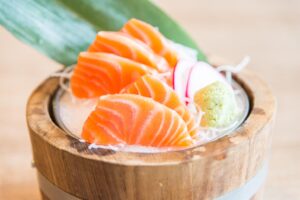
Sashimi is one of the clearest ways to understand Japanese cuisine because there is very little to hide behind. At its simplest, sashimi is sliced raw fish or seafood served without sushi rice, usually with soy sauce, wasabi, and simple garnishes such as daikon radish. But the dish is not just “raw fish on a…

Understanding Sake Alcohol Content: A Complete Guide to ABV and Flavor
Eda Wong | December 2, 2025
When exploring Japanese sake, many wonder about its grades and complex flavors. Sake’s unique profile offers remarkable versatility, enjoyed in various serving styles and paired with diverse dishes. One fundamental aspect is sake alcohol content. Is sake stronger than wine? How does its alcohol by volume (ABV) compare to beer? The answer is nuanced. Understanding…
-
Japanese Sake: The Complete Guide to Japan’s Traditional Rice Wine
Dio Asahi | November 29, 2025
Japanese Sake: The Complete Guide to Japan’s Traditional Rice Wine While sake has been Japan’s national beverage for over a millennium, its popularity across Asia is at an all-time high. Rooted in Japan’s traditional brewing methods and centuries-old origins. It symbolizes Japan’s cultural heritage and craftsmanship. Understanding this complex brewed alcoholic beverage opens doors to…