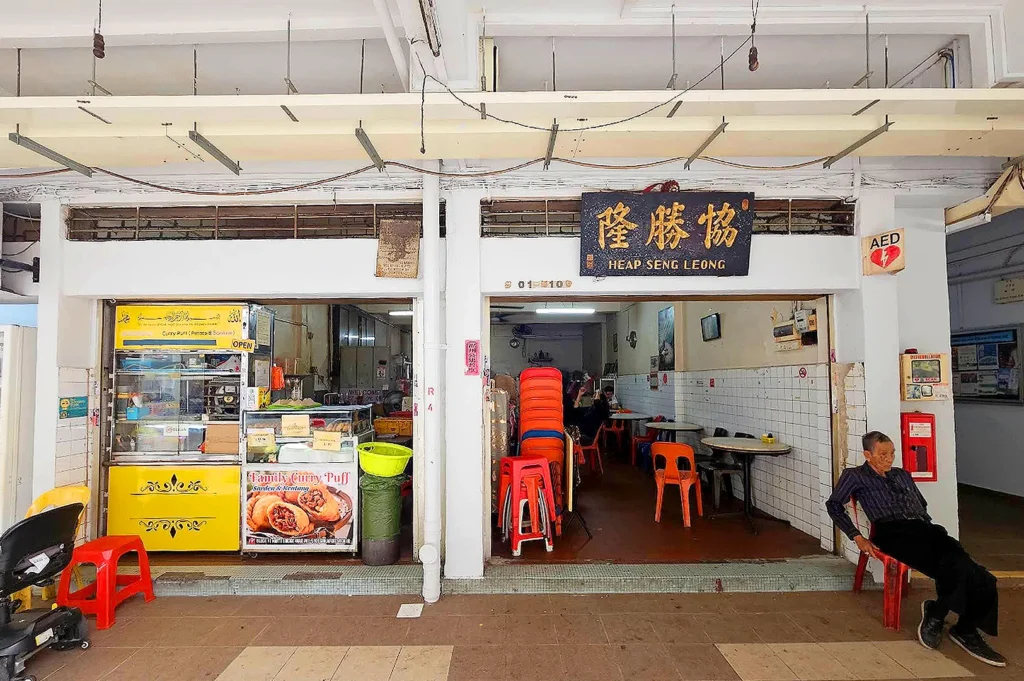
By Eda Wong for Eat Drink Asia.
It is not yet seven, and the uncle at Heap Seng Leong has the pot going. He works the sock strainer over the tin cup with both hands, dipping and lifting, dipping and lifting, coaxing the coffee through the worn cloth. Steam rises between his fingers. The smell reaches me before the cup does, dark, smoky, almost burnt at the edges, sweetened by something warmer underneath. He doesn’t look up. His hands know the rhythm without him.
In this new era of cafe-hopping, you can find cafes in which their interiors speak before their roasts do in situations like these, https://sgnomadphotographer.com/how-to-photograph-cafes/.
What the uncle is pouring is kopi, said simply “koh-pee.” The beans are roasted dark, often with sugar and a little butter or margarine folded into the roast, which is why the aroma carries that toasted, caramel weight you don’t find in a plain espresso. The cloth strainer — that soft sock, stained deep from years of use, is the whole quiet secret. He steeps the grounds in it like tea, then strains, then strains again, pulling the coffee back and forth until the body turns thick and rounded. Paper filters would strip that away. The cloth lets the oils through. It gives kopi its weight on the tongue, that particular softness no machine quite manages.
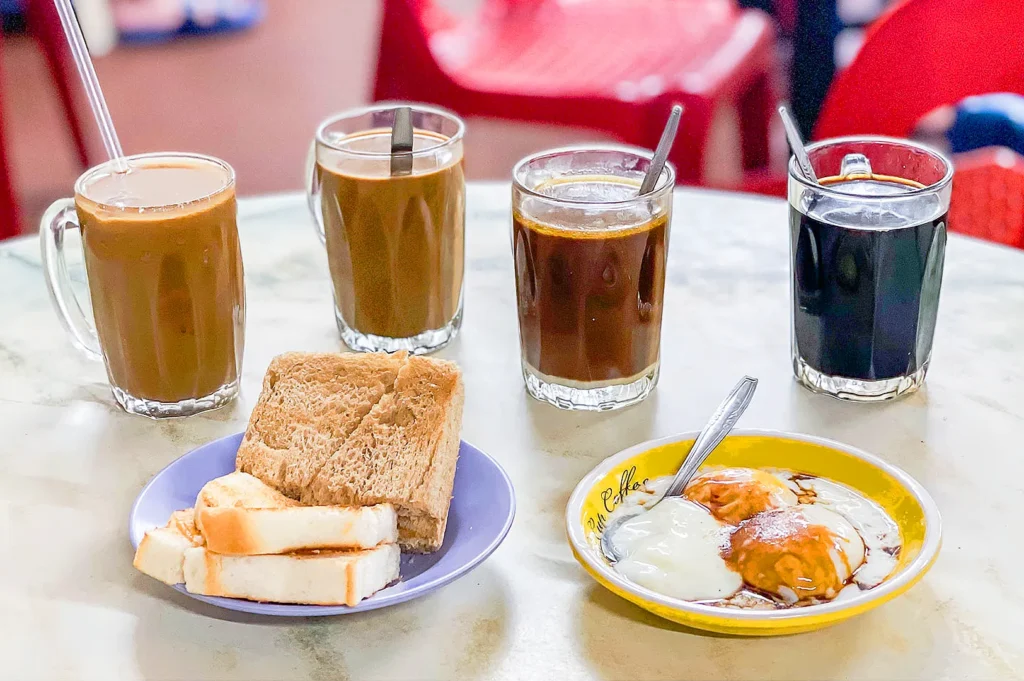
You order it in a shorthand that sounds like code until you grow up with it. Kopi, with condensed milk. Kopi-o, black with sugar. Kopi-c, with evaporated milk instead. Kopi siu dai, less sweet, for the ones watching their sugar in later years. Nobody explains it to you. You learn it the way you learn most things at a kopitiam table, by listening, by ordering wrong once, by watching your grandfather do it a thousand mornings. The stall is where the neighbourhood wakes up together. Old men with newspapers. A taxi driver on his break. The same faces, the same seats, the same nod from the uncle who already knows what you want.
Capsules that click into a machine. Even the so-called best cafés in Singapore with single-origin beans and latte art and prices that would make the uncle laugh. I don’t begrudge any of it. But the sock strainer is a slower thing, and slower things tend to leave first. Fewer hands know the pour now, the timing of it, the wrist, how long to let the grounds sit before the cloth is lifted. It is a skill held in the body, not written down anywhere, and bodies grow tired. When this uncle retires, the pour retires with him.
He sets the cup in front of me. Dark, glossy, a thin skin already forming on top. I don’t reach for a photo. I just drink it, the way it’s meant to be drunk — hot, quick, before the morning fully arrives.
The cloth goes back into the pot for the next one.

Ramune Marble Soda: History and Cultural Meaning of Japan’s Iconic Marble Soda
Dio Asahi | November 20, 2025
Among Japan’s beloved fizzy drinks, none evoke nostalgia and uniqueness quite like Ramune marble soda. Instantly recognizable by its quirky Codd neck bottle and glass marble seal, Ramune soda is an essential part of Japanese summer, cherished by generations for its refreshing taste and signature pop sound. This marble soda remains a staple at summer…
-
Hokkaido’s Best Seafood Treasures: Beyond Sushi and Sashimi
Eat Drink Asia Team | November 18, 2025
When visiting Hokkaido, Japan’s northernmost island, food lovers are greeted with some of the most highly regarded seafood specialties in the world. Hokkaido is famous for its abundance of fresh seafood and rich fishing grounds, thanks to the surrounding Sea of Japan, Pacific Ocean, and Sea of Okhotsk. These nutrient-packed waters yield a wide range…
-
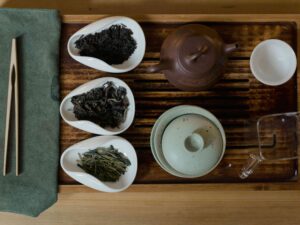
The Art of Asian Tea Ceremony Traditions: Ancient Rituals and Cultural Values Across Asia
Dio Asahi | November 15, 2025
A cup of tea, in many parts of Asia, represents far more than a beverage-it is a conduit to ancestral tradition, intellectual pursuit, and the cultivation of mindfulness. Asian tea ceremony traditions turn the act of drinking tea into a sophisticated art form, layered with symbolism, philosophy, and socio-cultural values. Each gesture, from scooping powdered…

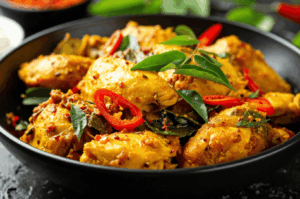
The Art of Slow-Cooked Curry Recipes: Time’s Magic in South Asian Cuisine
Eda Wong | November 13, 2025
Step into a South Asian kitchen, and the senses are instantly enveloped by the inviting aroma of food slowly simmering in a sturdy clay pot or heavy vessel. The allure is undeniable: in this space, slow-cooked curry recipes are a celebration of patient tradition, spices, and the richness of South Asian cuisine. Here, time and…
-
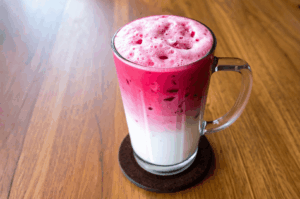
Bandung Drink Recipe: A Singaporean Rose Syrup Drink Tradition
Eat Drink Asia Team | November 11, 2025
Step into any night market or hawker centre in Singapore, and you’ll spot a vibrant, glowing glass filled with a cold, beautiful drink-Bandung. Known for its iconic blush-pink hue and refreshing taste, this rose syrup drink is an integral part of Singapore’s beverages scene and a cherished tradition in Southeast Asian gatherings. More than just…
-
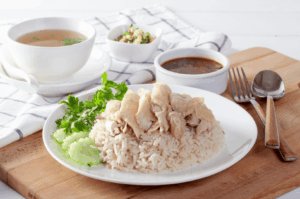
The Ultimate Hainanese Chicken Rice Recipe: A Deep Dive
Eda Wong | November 8, 2025
To wander through Singapore’s bustling hawker centres on a humid evening is to experience a symphony of sights, sounds, and smells. Among the many other dishes sizzling away, one plate stands out for its elegant simplicity: Hainanese Chicken Rice. It arrives without fanfare-gleaming slices of poached chicken over fragrant rice, flanked by a trio of…
-
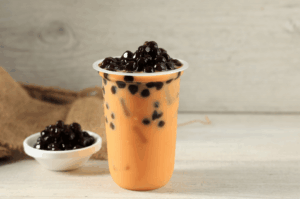
Bubble Tea Origins: How Taiwan Created a Global Beverage Phenomenon
Dio Asahi | November 6, 2025
From Taipei to New York, a single drink has captured the world’s taste buds: bubble tea. This beverage, known as pearl milk tea or boba tea, and also known as boba in many regions, is celebrated for its delightful combination of sweet, creamy tea and signature chewy tapioca pearls. What began as a novel creation…
-
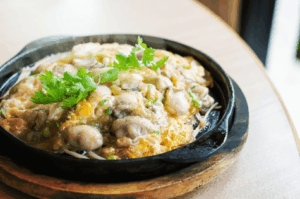
A Food Lover’s Guide to the Taiwanese Oyster Omelet
Eat Drink Asia Team | November 4, 2025
As twilight descends upon Taipei City, a vibrant energy pulses through its streets. This is the hour of the night markets, bustling hubs of community, commerce, and some of the world’s most incredible street food. Amidst the steam from soup dumplings and the sizzle of Taiwanese fried chicken, one iconic dish reigns supreme: the Taiwanese…
-
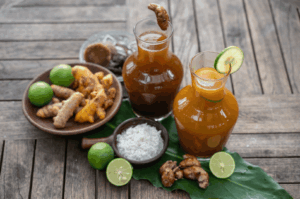
Jamu: Indonesian Herbal Medicine for Modern Well-Being
Dio Asahi | November 1, 2025
Across the Indonesian archipelago, a vibrant tradition of herbal healing has flourished for centuries. This is jamu, a cornerstone of Indonesian cultural heritage and a sophisticated system of traditional herbal medicine. Far more than just a refreshing drink, jamu represents a philosophy of balance, a deep connection to nature, and a form of indigenous medicine…
-
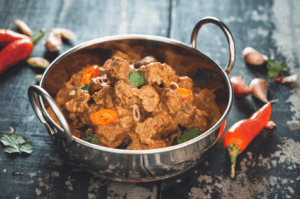
Padang Beef Rendang: The Complex Process Behind Indonesia’s Most Famous Dish
Eda Wong | October 30, 2025
This post may contain affiliate links. For full transparency, this article may contain affiliate links. To call Padang beef rendang simply a dish is to miss the soul of Indonesian cuisine. This legendary slow-cooked dry curry, a centerpiece of both festive tables and humble meals, has earned its fame as one of the world’s most…