
As the seasons change and a chill enters the air, many of us seek out comforting rituals to support our well-being. Imagine wrapping your hands around a steaming cup of Korean citron tea—also known as yuja-cha—its bright, citrus aroma soothing and revitalizing with every sip.
More than just a winter treat, Korean citron tea is a staple in many households, especially when wellness and comfort are priorities. Made from the vibrant yuja fruit (sometimes called yuzu fruit or citron), this tea offers a delicious way to support immunity, soothe a sore throat, and enjoy natural remedies rooted in centuries of Korean culture. In this article, we’ll explore the specific health benefits of yuja tea, why honey citron tea is praised, and when to savor this warming beverage for maximum effect.
What Makes Korean Honey Citron Tea Special for Health?

The secret to the wellness power of Korean citron tea lies in its simple yet potent blend of ingredients: thinly sliced yuja (a unique citrus fruit rich in vitamin C and antioxidants), often preserved in a sweet and fragrant yuja marmalade or honey citron tea base called yuja cheong. Not only does yuja fruit provide a stronger fragrance and deeper flavor than many other citrus fruits, but its peel and pulp also bring valuable nutrients.
Yuja tea is commonly made by mixing dollops of citron marmalade or honey citron tea into hot water. The addition of honey boosts its health benefits, creating the perfect combination often referred to as citron tea with honey benefits. This sweet duo is believed to amplify immune support and help soothe cold symptoms, making it especially popular during flu season in Korea. While similar to drinks made with meyer lemon or grapefruit, the flavor of Korean citron tea stands out for its delightful tartness and sweet aroma.
Top Health Benefits of Korean Citron Tea
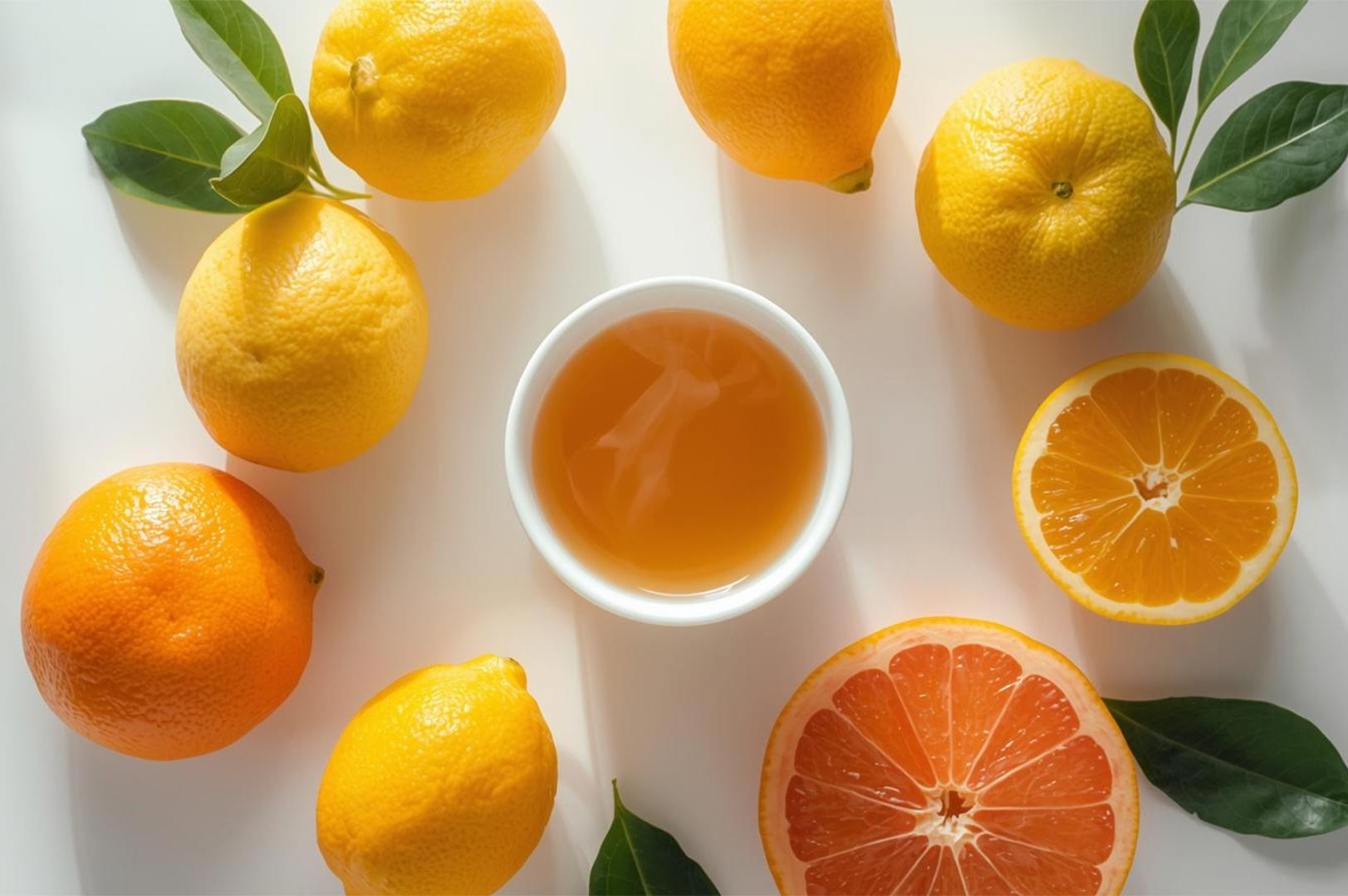
Let’s explore how Korean citron tea (yuja-cha) can support your health, whether you’re enjoying it hot, in sparkling water, or as a cold beverage.
Immune System Support
Korean citron tea is celebrated as a go-to wellness drink during cold and flu season, especially in South Korea. Rich in vitamin C, the yuja fruit offers far more of this vital nutrient than regular lemons or other citrus fruits.
This helps support your immune system, making yuja tea a comforting and practical remedy against the sniffles. Mix a spoonful of yuja marmalade or honey citron tea with hot water for a soothing cup, and you’ll quickly appreciate why this drink is treasured for its health benefits when cold weather comes.
Digestive Health
A warm cup of Korean citron tea is perfect for easing digestive discomforts. The citrus fruit’s natural oils and mild acidity can help calm nausea, support gut health, and relax the stomach—especially after a hearty meal or if you’re feeling under the weather. The hydrating nature of this drink, whether you opt for classic citron tea, yuzu tea, or sparkling yuja-cha, helps keep digestion on track.
Skin Health and Beauty Benefits
One of the best-known health benefits of yuja tea is its effect on skin. The fruit’s antioxidants and high vitamin C levels support collagen production for skin elasticity, contributing to a glowing complexion. Koreans have long enjoyed the beauty benefits of yuja fruit and citron tea, often using it as a natural tonic for healthy, more radiant skin—even more so than other fruits like lemon or grapefruit.
Stress Relief and Relaxation
A cup of Korean citron tea is a comforting ritual that goes beyond taste. The strong yet sweet aroma from the peel of yuja or yuzu fruit has gentle aromatherapy effects, helping to reduce stress and promote relaxation. Sip a cup after a long day—especially in winter when you need warming comfort—and savor the soothing fragrance as you unwind.
Sore Throat and Cough Relief
Korean citron tea with honey benefits those struggling with sore throats or coughs—a common reason you’ll find this tea served in homes throughout South Korea. Honey’s antibacterial properties combine with the vitamin-rich yuja marmalade, making a cup of citron honey tea a time-tested remedy. Many find that gently stirring a spoonful into hot water is all it takes to feel immediate relief from throat discomfort during flu season.
Weight Management Support
If you’re seeking a delicious, low-calorie alternative to store bought sugary drinks, Korean citron tea is a smart choice. The natural sweetness of yuja cheong or honey citron tea means you don’t have to add extra sugar for great taste. Staying hydrated with warm or chilled citron tea also supports metabolism and helps keep cravings for less healthy snacks at bay.
Antioxidant and Anti-Inflammatory Properties
Yuja fruit is full of antioxidants like flavonoids and citric acid that can help your body fight free radicals and reduce inflammation. Studies have found that drinking Korean citron tea regularly could contribute to reduced oxidative stress—a major factor in maintaining long-term health. If you’re looking for more benefits from your traditional Korean tea, this is one that can stand alongside other superfoods.
When to Drink Korean Citron Tea for Maximum Benefits

- Morning: Start your day with a cup of warm tea to boost immunity and hydrate your body.
- Evening: Wind down at night with hot water and a spoonful of citron marmalade for stress relief.
- When Sick: Soothe a sore throat or cold symptoms by sipping honey citron tea throughout the day; this drink is a staple in Korea during flu season.
- Seasonal Enjoyment: Korean citron tea is especially loved during cold and flu season but is a perfect drink all year round. Try it warm in winter and mixed with sparkling water or served as a cold tea in summer.
If you want to get creative, you can even thinly slice fresh yuja (or yuzu, for a similar citrus kick), add a bit of white sugar, and store it in a sterilized jar for homemade yuja cheong.
Citron Tea with Honey: The Perfect Wellness Combination

What sets honey citron tea apart is the synergy of yuja fruit and honey. The combination, whether made with store bought citron marmalade or homemade yuja cha, enhances both flavor and wellness results. Honey not only tempers the bitter taste of the citrus peel but boosts the drink’s effectiveness in soothing coughs and sore throats. This approach, deeply rooted in Korean traditional tea culture, is a favorite whether you find it at H Mart, a local farmer’s market, or in Korean grocery stores.
For best results, use high-quality honey and freshly-prepared yuja cheong if possible. Remember to adjust the amount to your taste preference—just let the sugar dissolve thoroughly in hot water to create a smoother texture and deeper flavor.
Things to Consider
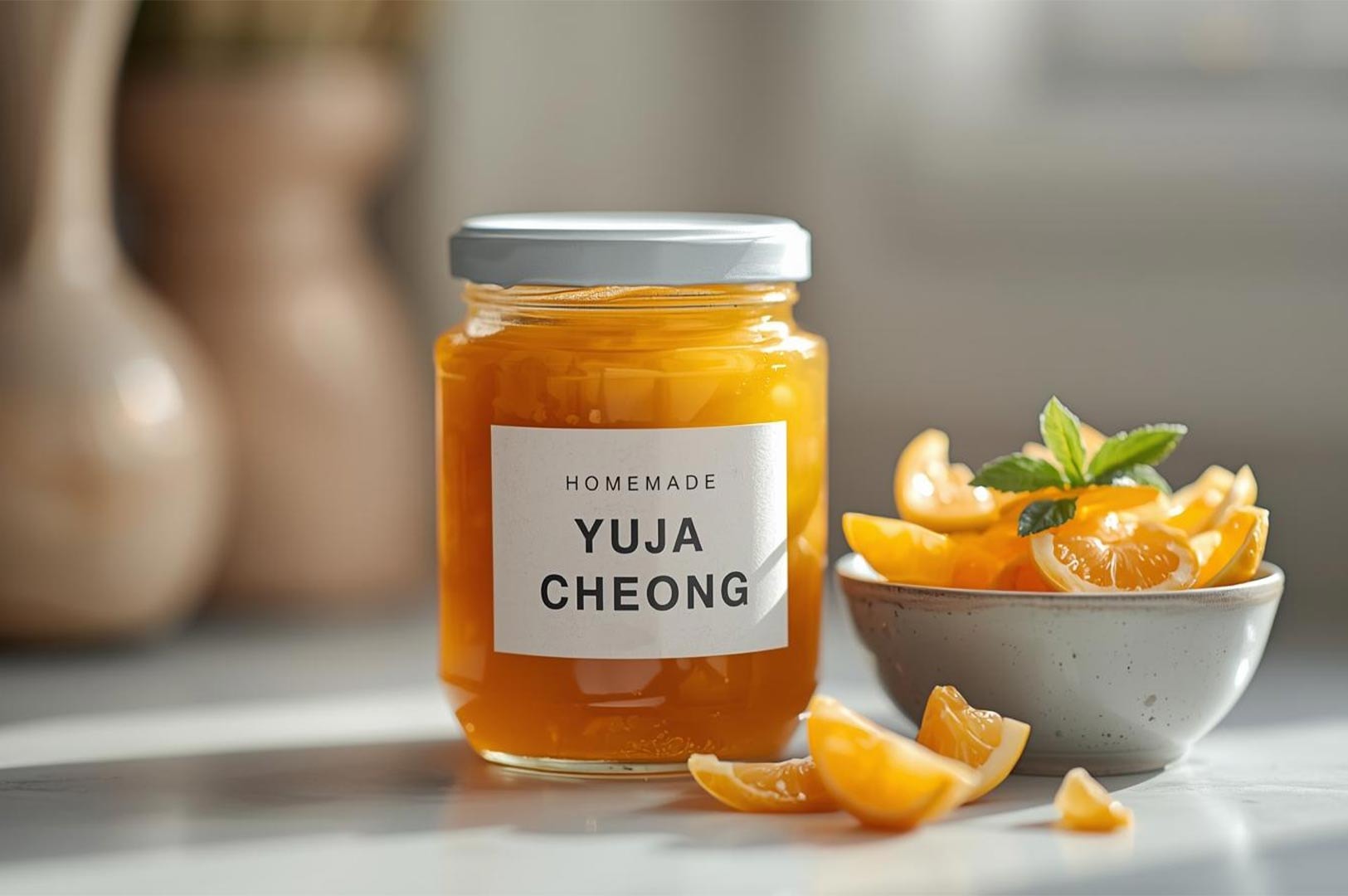
Enjoying Korean citron tea is simple, but keep these tips in mind:
- Sugar & Sweetness: Both store bought and homemade citron marmalade can have high sugar content, so use smaller jars or dilute with extra water if needed.
- Quality: Look for Korean grown yuja and marmalade without artificial additives for the best taste and benefits.
- Medical Caution: While this tea supports wellness, always consult a healthcare professional for serious symptoms. Citron tea is not a medical replacement for prescribed treatments.
- Allergies: Those sensitive to citrus fruits, honey, or even seeds from the fruit tree should sip with care.
Using a properly sterilized jar and storing your yuja cheong in smaller portions helps lock in flavor and extend freshness.
The Great Taste of Vitamin C in Yuja Tea
Whether enjoyed hot from a pot on a winter day or as a cool beverage with sparkling water in summer, Korean citron tea—with its vibrant flavor, uplifting aroma, and numerous health benefits—is one of the most delicious and versatile Korean traditional teas. From immune support and skin health to soothing stress and sore throats, it’s a great addition to any wellness routine.
For a complete guide to Korean citron tea, including preparation methods, history, and variations, read our comprehensive article: Yuja Tea: Korea’s Traditional Citron Tea on Eat Drink Asia. Embrace this holistic tradition and discover your perfect cup of wellness, one sip at a time.

Pattaya Garden Restaurant and the Thai Meal That Knows How to Feed a Group
Eat Drink Asia Team | September 3, 2026
The rice came down first. A plain bowl, warm and steaming, set in the middle of the table before anything else. Then the green curry, in a bowl wide enough for four spoons to reach at once. And within a minute the table stopped being a set of individual meals and became one shared thing,…
-
At Keria Japanese Restaurant, the Meal Begins Before the First Bite
Dio Asahi | September 3, 2026
By Dio Asahi for Eat Drink Asia. The lift opens onto a corridor leading to the famed and hidden Cuppage Plaza food, and the building’s age shows in the flickering fluorescent light and the smell of old carpet. Then a sliding door pulls back, and Keria Japanese Restaurant asks you to slow down. Inside, it…
-
The Round Kaya Bun at Chin Mee Chin Confectionery, and the Mornings It Keeps
Eda Wong | September 2, 2026
By Eda Wong for Eat Drink Asia. It’s not quite eight, and the pastel-blue shophouse is already awake. Kopi cups clink against saucers. A ceiling fan turns slow overhead. Someone folds a newspaper at a marble-topped table, and the man behind the counter moves without hurry, sliding buns across in a rhythm he’s clearly done…
-
Nana Original Thai Food and the Thai Meal That Keeps Changing Its Accent
Eda Wong | September 1, 2026
The tom yum arrived first, and the first spoonful hit sour and hot at once, lime and chilli chasing each other down the throat. This classic Thai dish features a spicy sauce and aromatic herbs that awaken the taste buds straight away, setting the stage with its bold flavors. Then the pineapple rice came, sweet…
-
Pad Thai Recipe for People Who Know the Noodles Can’t Be an Afterthought
Dio Asahi | August 29, 2026
The first time I made Pad Thai, I ruined it before the wok was even hot. I’d left the noodles soaking while I answered a phone call. Ten minutes turned into forty. By the time I drained them, they were already soft, already surrendered. Everything I did in the pan after that was damage control….
-
Best Japanese Restaurant Singapore: Places That Nail the “First Bite”
Eat Drink Asia Team | August 27, 2026
I built this list around a very specific feeling: that first bite where the room goes quiet for a second. I’ve tried enough Japanese restaurants in Singapore over the years to know that “best” does not always mean the most expensive, the rarest, or the hardest to book. Sometimes it is the warmth of the…
-
Not Just Seafood: How Araya Shouten Keeps Japanese Fishing Culture Alive in Singapore
Eat Drink Asia Team | August 26, 2026
Japanese cuisine has long been admired for its attention to seasonality, precision, and respect for ingredients. However, behind every piece of sashimi or carefully prepared seafood dish lies a story that begins far away from the dining table, often with fishermen, coastal communities, and generations of knowledge passed down through time. At Araya Shouten, seafood…
-
The Ginger Shoyu Ramen at Ramen Soshiji, Where Orchard Goes Quiet
Dio Asahi | August 26, 2026
By Dio Asahi for Eat Drink Asia. The lift opens on the third floor of Orchard Plaza, and for a second I don’t know which way to turn. The corridor is dim and still, the kind of quiet that feels almost accidental in this part of town. A few doors down, an unmarked entrance. Inside,…
-
Indo Rasa Singapore and the Nasi Goreng That Measures a Kitchen’s Confidence
Eat Drink Asia Team | August 25, 2026
There’s a dish I order when I want to know a kitchen quickly. Not the specialty. Not the thing the menu is proud of. I order the fried rice. Because nasi goreng has nowhere to hide. It’s rice, chilli, chicken, egg, a few crackers, some cucumber. Everyone thinks they can make it. Most people can….
-
Bebek Goreng Pak Ndut and the Fried Duck That Makes Nasi Goreng Feel Too Polite
Eda Wong | August 22, 2026
The duck arrived and made a sound before I’d even touched it. Not the plate, the skin. When my fork pressed against it, there was a small, dry crackle, the kind you feel in your fingers before you hear it. That’s when I understood I wasn’t eating a soft meal. This was something with edges….