As the seasons change and a chill enters the air, many of us seek out comforting rituals to support our well-being. Imagine wrapping your hands around a steaming cup of Korean citron tea—also known as yuja-cha—its bright, citrus aroma soothing and revitalizing with every sip.
More than just a winter treat, Korean citron tea is a staple in many households, especially when wellness and comfort are priorities. Made from the vibrant yuja fruit (sometimes called yuzu fruit or citron), this tea offers a delicious way to support immunity, soothe a sore throat, and enjoy natural remedies rooted in centuries of Korean culture. In this article, we’ll explore the specific health benefits of yuja tea, why honey citron tea is praised, and when to savor this warming beverage for maximum effect.
What Makes Korean Honey Citron Tea Special for Health?

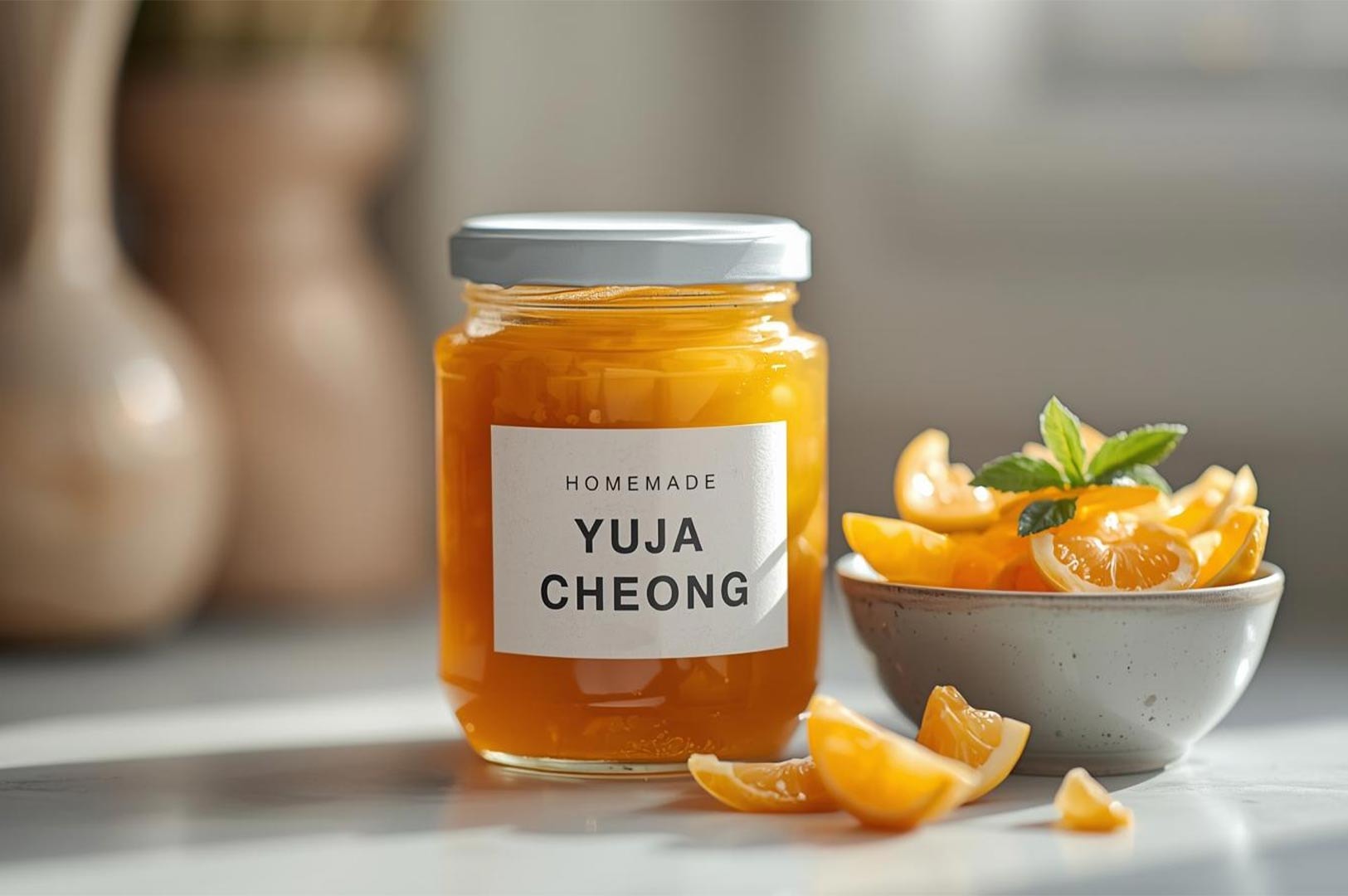
The secret to the wellness power of Korean citron tea lies in its simple yet potent blend of ingredients: thinly sliced yuja (a unique citrus fruit rich in vitamin C and antioxidants), often preserved in a sweet and fragrant yuja marmalade or honey citron tea base called yuja cheong. Not only does yuja fruit provide a stronger fragrance and deeper flavor than many other citrus fruits, but its peel and pulp also bring valuable nutrients.
Yuja tea is commonly made by mixing dollops of citron marmalade or honey citron tea into hot water. The addition of honey boosts its health benefits, creating the perfect combination often referred to as citron tea with honey benefits. This sweet duo is believed to amplify immune support and help soothe cold symptoms, making it especially popular during flu season in Korea. While similar to drinks made with meyer lemon or grapefruit, the flavor of Korean citron tea stands out for its delightful tartness and sweet aroma.
Top Health Benefits of Korean Citron Tea
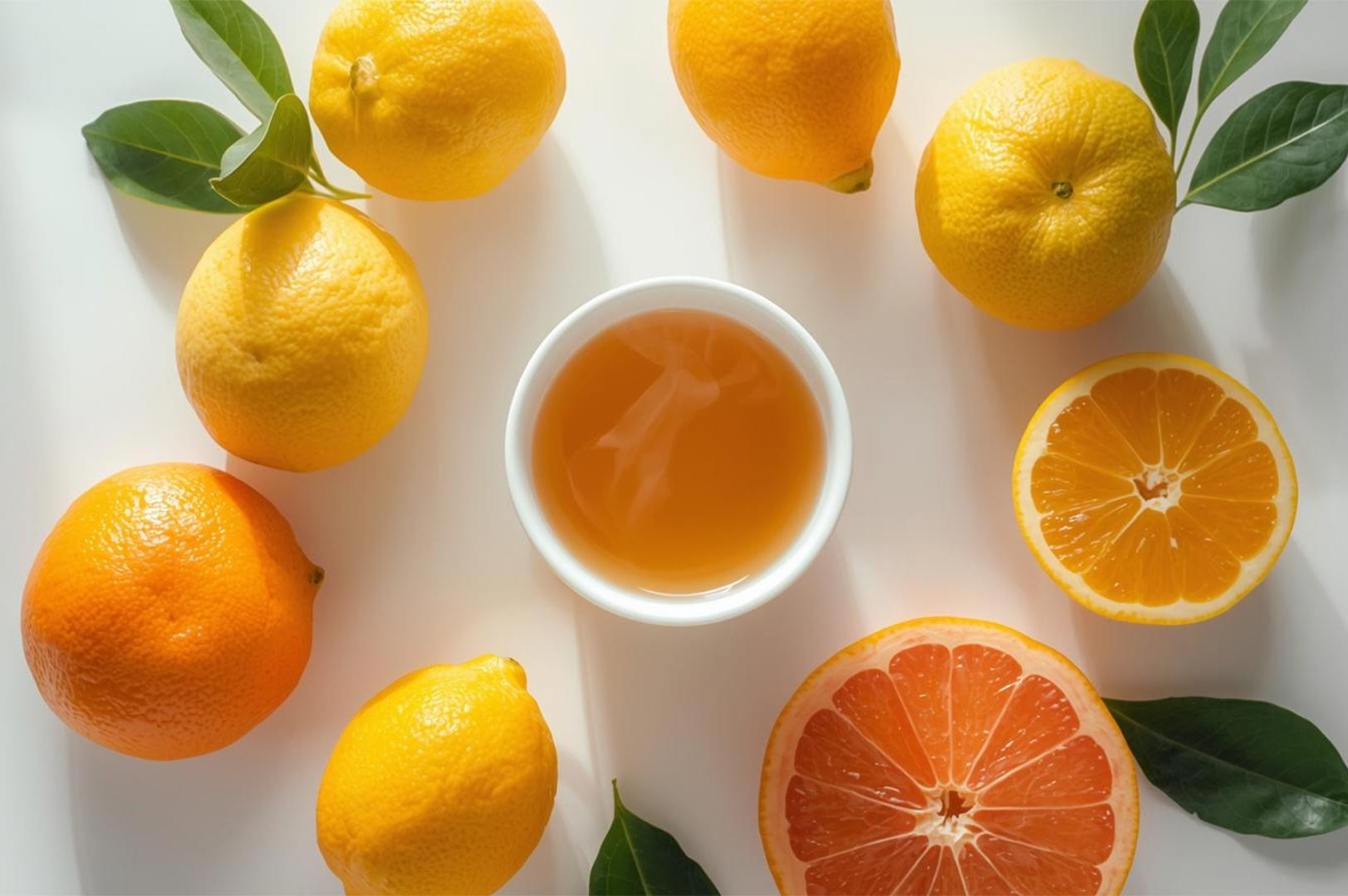
Let’s explore how Korean citron tea (yuja-cha) can support your health, whether you’re enjoying it hot, in sparkling water, or as a cold beverage.
Immune System Support
Korean citron tea is celebrated as a go-to wellness drink during cold and flu season, especially in South Korea. Rich in vitamin C, the yuja fruit offers far more of this vital nutrient than regular lemons or other citrus fruits.
This helps support your immune system, making yuja tea a comforting and practical remedy against the sniffles. Mix a spoonful of yuja marmalade or honey citron tea with hot water for a soothing cup, and you’ll quickly appreciate why this drink is treasured for its health benefits when cold weather comes.
Digestive Health
A warm cup of Korean citron tea is perfect for easing digestive discomforts. The citrus fruit’s natural oils and mild acidity can help calm nausea, support gut health, and relax the stomach—especially after a hearty meal or if you’re feeling under the weather. The hydrating nature of this drink, whether you opt for classic citron tea, yuzu tea, or sparkling yuja-cha, helps keep digestion on track.
Skin Health and Beauty Benefits
One of the best-known health benefits of yuja tea is its effect on skin. The fruit’s antioxidants and high vitamin C levels support collagen production for skin elasticity, contributing to a glowing complexion. Koreans have long enjoyed the beauty benefits of yuja fruit and citron tea, often using it as a natural tonic for healthy, more radiant skin—even more so than other fruits like lemon or grapefruit.
Stress Relief and Relaxation
A cup of Korean citron tea is a comforting ritual that goes beyond taste. The strong yet sweet aroma from the peel of yuja or yuzu fruit has gentle aromatherapy effects, helping to reduce stress and promote relaxation. Sip a cup after a long day—especially in winter when you need warming comfort—and savor the soothing fragrance as you unwind.
Sore Throat and Cough Relief
Korean citron tea with honey benefits those struggling with sore throats or coughs—a common reason you’ll find this tea served in homes throughout South Korea. Honey’s antibacterial properties combine with the vitamin-rich yuja marmalade, making a cup of citron honey tea a time-tested remedy. Many find that gently stirring a spoonful into hot water is all it takes to feel immediate relief from throat discomfort during flu season.
Weight Management Support
If you’re seeking a delicious, low-calorie alternative to store bought sugary drinks, Korean citron tea is a smart choice. The natural sweetness of yuja cheong or honey citron tea means you don’t have to add extra sugar for great taste. Staying hydrated with warm or chilled citron tea also supports metabolism and helps keep cravings for less healthy snacks at bay.
Antioxidant and Anti-Inflammatory Properties
Yuja fruit is full of antioxidants like flavonoids and citric acid that can help your body fight free radicals and reduce inflammation. Studies have found that drinking Korean citron tea regularly could contribute to reduced oxidative stress—a major factor in maintaining long-term health. If you’re looking for more benefits from your traditional Korean tea, this is one that can stand alongside other superfoods.
When to Drink Korean Citron Tea for Maximum Benefits

- Morning: Start your day with a cup of warm tea to boost immunity and hydrate your body.
- Evening: Wind down at night with hot water and a spoonful of citron marmalade for stress relief.
- When Sick: Soothe a sore throat or cold symptoms by sipping honey citron tea throughout the day; this drink is a staple in Korea during flu season.
- Seasonal Enjoyment: Korean citron tea is especially loved during cold and flu season but is a perfect drink all year round. Try it warm in winter and mixed with sparkling water or served as a cold tea in summer.
If you want to get creative, you can even thinly slice fresh yuja (or yuzu, for a similar citrus kick), add a bit of white sugar, and store it in a sterilized jar for homemade yuja cheong.
Citron Tea with Honey: The Perfect Wellness Combination

What sets honey citron tea apart is the synergy of yuja fruit and honey. The combination, whether made with store bought citron marmalade or homemade yuja cha, enhances both flavor and wellness results. Honey not only tempers the bitter taste of the citrus peel but boosts the drink’s effectiveness in soothing coughs and sore throats. This approach, deeply rooted in Korean traditional tea culture, is a favorite whether you find it at H Mart, a local farmer’s market, or in Korean grocery stores.
For best results, use high-quality honey and freshly-prepared yuja cheong if possible. Remember to adjust the amount to your taste preference—just let the sugar dissolve thoroughly in hot water to create a smoother texture and deeper flavor.
Things to Consider
Enjoying Korean citron tea is simple, but keep these tips in mind:
- Sugar & Sweetness: Both store bought and homemade citron marmalade can have high sugar content, so use smaller jars or dilute with extra water if needed.
- Quality: Look for Korean grown yuja and marmalade without artificial additives for the best taste and benefits.
- Medical Caution: While this tea supports wellness, always consult a healthcare professional for serious symptoms. Citron tea is not a medical replacement for prescribed treatments.
- Allergies: Those sensitive to citrus fruits, honey, or even seeds from the fruit tree should sip with care.
Using a properly sterilized jar and storing your yuja cheong in smaller portions helps lock in flavor and extend freshness.
The Great Taste of Vitamin C in Yuja Tea
Whether enjoyed hot from a pot on a winter day or as a cool beverage with sparkling water in summer, Korean citron tea—with its vibrant flavor, uplifting aroma, and numerous health benefits—is one of the most delicious and versatile Korean traditional teas. From immune support and skin health to soothing stress and sore throats, it’s a great addition to any wellness routine.
For a complete guide to Korean citron tea, including preparation methods, history, and variations, read our comprehensive article: Yuja Tea: Korea’s Traditional Citron Tea on Eat Drink Asia. Embrace this holistic tradition and discover your perfect cup of wellness, one sip at a time.

Traditional Korean Sikhye: Sweet Rice Punch Through the Seasons
Eda Wong | October 23, 2025
In the vibrant world of Korean food, beyond the fiery spice of gochujang and the savoury comfort of bulgogi, lies a gentler, more subtle delight. Meet traditional Korean sikhye (식혜), a beloved Korean sweet rice punch that holds a special place in the nation’s heart. With its cloudy, amber hue and delicate sweetness, this drink…
-
Authentic Jeonju Bibimbap: Why Korea’s Culinary Capital Makes It Best
Eat Drink Asia Team | October 21, 2025
Picture this: A steaming Korean rice bowl is placed before you in Jeonju, South Korea. Vibrant arcs of seasoned bean sprouts, glossy strips of Korean beef, a golden runny yolk resting atop perfectly cooked mixed rice, and a dollop of rich red bibimbap sauce invite you to mix it all together. As you stir, the…
-
Communal Dining Traditions in Asia: Shared Meals, Lasting Bonds, and Cultural Heritage
Dio Asahi | October 18, 2025
Imagine a dining table crowded with large platters of steaming food, the smell of spices in the air, small bowls arranged neatly around the shared table, and laughter echoing across the room. Across Asia, dining tables play a central role in communal dining traditions, serving as the focal point for etiquette, social interaction, and the…
-
Century-Old Dumpling Techniques: Ancient Wisdom in Modern Kitchens
Eda Wong | October 16, 2025
Her hands move in a blur, a dance of muscle memory refined over sixty years. In a small, steam-filled kitchen in Shanghai, an elderly woman transforms a humble circle of dumpling dough into a perfect, 20-pleat xiao long bao. Each pinch and fold is a syllable in a story passed down through generations-prime examples of…
-
Ca Phe Sua Da: The Cultural Phenomenon of Authentic Vietnamese Coffee
Eat Drink Asia Team | October 14, 2025
The dawn breaks over Hanoi, and the city awakens not to alarm clocks but to the clatter of tiny spoons and the metallic click of filters. The air fills with the dark, roasted aroma of authentic Vietnamese coffee drifting from bustling corners and sidewalk stalls. They are not rushing. Instead, they are waiting-waiting for the…
-
Cao Lầu Noodles: Hoi An’s Legendary Noodle Dish with Japanese Origins
Dio Asahi | October 11, 2025
Imagine sitting on a low stool in a bustling alleyway of Hoi An’s ancient town. The warm, fragrant air is thick with the scent of sizzling marinated pork, fresh herbs, and the unmistakable aroma of fish sauce and fried rice crackers. In front of you, a bowl of Cao Lau noodles gleams, their golden brown…
-
Chinese Tea: 5,000-Year Tea Journey from Ancient Medicine to Global Beverage Phenomenon
Eda Wong | October 9, 2025
Every cup of tea enjoyed today, whether a brisk English breakfast or a delicate green tea in Tokyo, finds its lineage rooted in the heart of Chinese tea history. For nearly 5,000 years, the humble leaves of the Camellia sinensis tea plant have been cultivated, brewed, and cherished-first as ancient medicine in southern China, and…
-
The Complete Guide to Authentic Cantonese Dim Sum: Beyond Har Gow and Siu Mai
Eat Drink Asia Team | October 7, 2025
If you think eating dim sum is all about har gow and siu mai, think again. Authentic Cantonese dim sum is a dazzling showcase of Chinese culture, filled with an array of flavors, textures, and traditions that run much deeper than the classics. For both seasoned aficionados and first-time food explorers, venturing beyond the familiar…
-
Traditional Indian Lassi: Cooling Yogurt Drinks for Every Season and Region
Eda Wong | October 4, 2025
On a sweltering Indian afternoon, there is no greater relief than a tall, chilled glass of traditional Indian lassi. From bustling city streets to quiet village homes, lassi is a beloved staple that offers a moment of pure, cooling bliss. Frothy, creamy, and deeply satisfying, this yogurt drink is more than just a refreshment; it’s…
-
Gujarati Thali Guide: Western India’s Plant-Based Feast
Dio Asahi | October 2, 2025
Imagine a large, gleaming steel plate arriving at your table, a vibrant constellation of small bowls each filled with colourful and fragrant preparations. In the centre, fluffy plain rice sits next to a pile of wafer-thin, ghee-brushed Indian bread. This isn’t just an Indian meal; it’s a traditional Gujarati thali, an immersive culinary journey through…