The afternoon humidity presses against the open-air teahouse in downtown Yangon, where the sharp clatter of a silver spoon against ceramic cuts through the low hum of conversation. A small plate sits in the centre of a low plastic table, holding a dense, dark green cluster that smells faintly of damp earth and sharp lime. Surrounding it are neat little mounds of toasted peanuts, fried garlic, roasted sesame seeds, and dried shrimp. As the server pours pale, steaming green tea into small handleless cups, the diner begins to toss the ingredients together. The rhythmic crunch of the fried aromatics blending into the wet, bruised leaves creates a sound that is entirely distinct: the quiet, constant percussion of a shared culinary journey.
Communal dining traditions in Asia are shaped by shared meals that forge lasting bonds, carrying cultural heritage forward from one table to the next.
At the heart of this dish is lahpet (pronounced lah-pet), the fermented tea leaves that define Myanmar’s signature tea leaf salad, or lahpet thoke. Unlike the rest of the world, which primarily drinks its tea, Myanmar eats it. The process of transforming a bitter, astringent leaf into an edible delicacy is an exercise in profound patience. After the young leaves are harvested, they are steamed to halt oxidation, packed tightly into bamboo vats or clay pots, and buried underground or weighed down with heavy stones for months. This slow, anaerobic fermentation breaks down the rigid cellular structure. Once unearthed, the leaves are thoroughly rinsed and kneaded by hand with peanut oil, garlic, and chilli until they yield a soft, velvety texture. The result is an intensely complex ingredient: tart, slightly bitter, and deeply savoury, offering a celebration of flavours that grounds the entire dish.
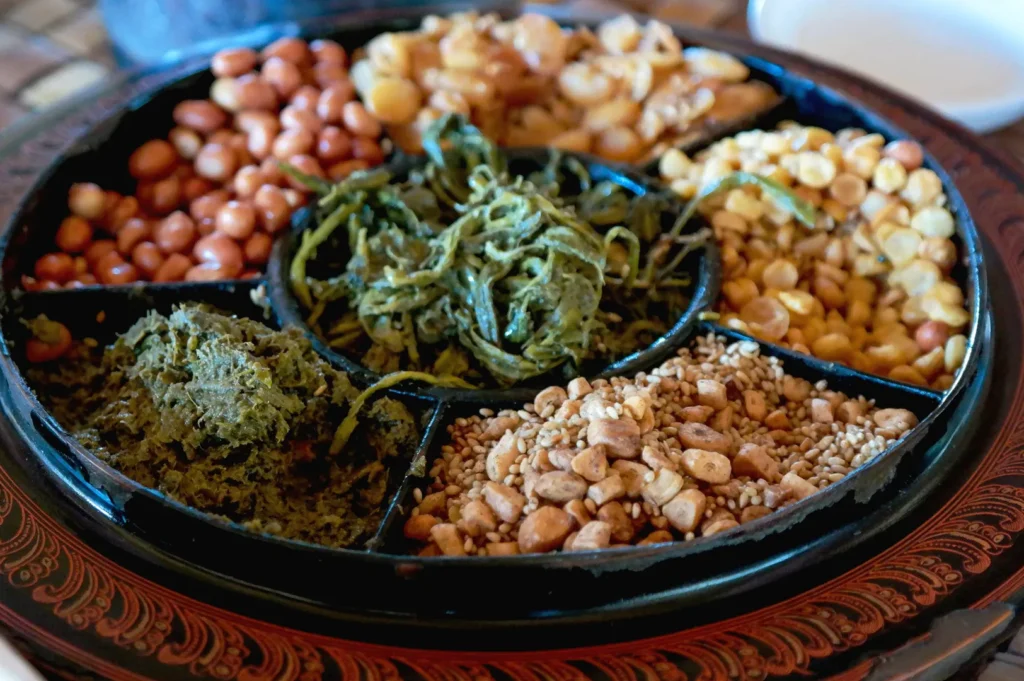
To understand lahpet is to understand the mechanics of Burmese hospitality. It is rarely consumed alone; rather, it is the anchor of shared experiences. Historically presented to guests in a shallow, compartmentalised lacquerware tray called a lahpet ohk, the leaves sit in the centre while the crunchy garnishes occupy the outer ring. This deliberate separation allows each person to customise their bite, negotiating the exact ratio of sour tea to rich nuts and sharp garlic. Serving it is an act of welcoming, an unspoken etiquette that transforms a simple visit into an occasion. It functions as both a stimulant and a social lubricant, keeping conversations going long into the evening while providing a bright, textural contrast to the heavy heat of the day.
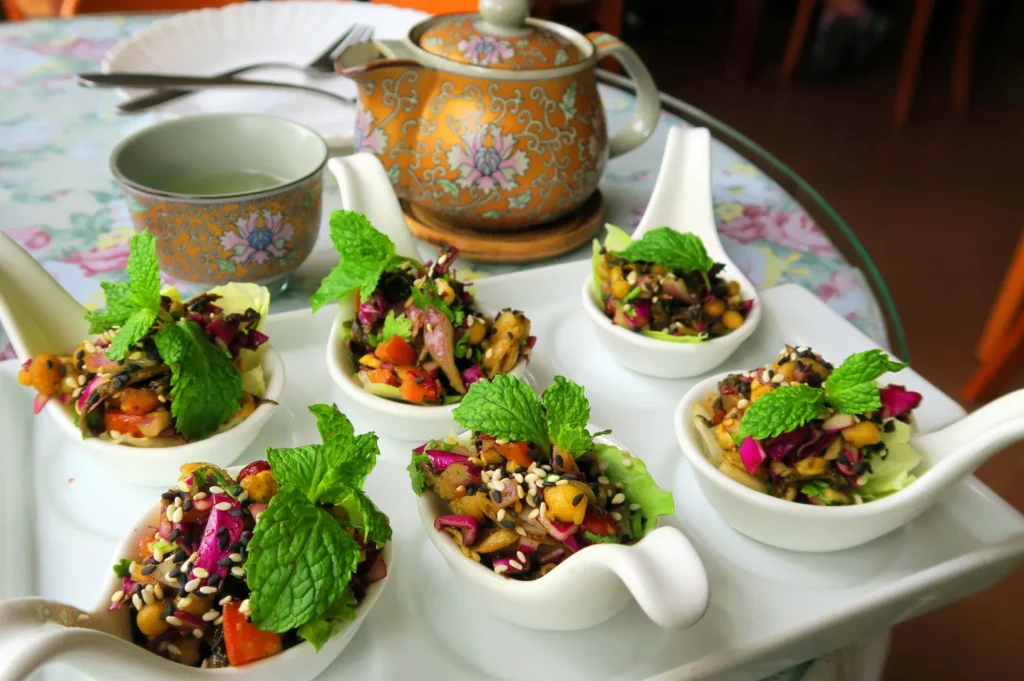
What feels vital about this dish right now is its resistance to complete uniform convenience. While modern urbanisation has introduced vacuum-sealed, ready-to-mix packets for quick consumption on the go, a true lahpet thoke demands physical interaction. The aesthetic appeal of a pre-mixed, visually flawless salad cannot replace the tactile appetite required to build the bitter-sour balance yourself. The tension between the soft, oily leaves and the brittle crunch of the fried beans must be immediate; if left sitting too long, the texture collapses. It is an innovative yet ancient approach to eating that requires the diner to be entirely present in the moment.
Scraping the last remaining cluster of seeds and tea from the bottom of the plate, the lingering astringency leaves a clean, waking sensation on the palate. It is a quiet reminder that the most compelling foods do not just feed us; they invite us to taste the world through the slow, deliberate work of time and shared tables.

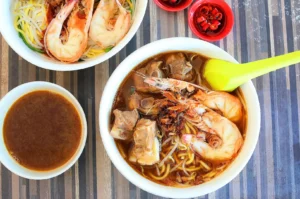
Prawn Mee in Singapore: Bowls Where the Broth Tastes Like Time
Eda Wong | October 24, 2026
I do not remember the first bowl of prawn mee I ever ate. But I remember the smell: that deep, roasted-shell darkness that fills a coffee shop before you have even sat down. My grandfather used to say you could tell a good prawn noodle stall from the doorway, just by breathing. Over the years,…
-
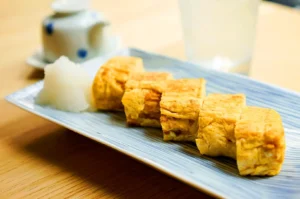
How to Make Dashimaki Tamago, the Japanese Rolled Omelette That Tastes Like Broth
Eat Drink Asia Team | October 22, 2026
Dashimaki tamago is one of those dishes that looks quieter than it is. At first glance, it is just a rolled egg. Pale, soft, sliced neatly, often served beside steamed rice, miso soup, and grated daikon radish. But once you make it, you realise it is not really about eggs alone. It is about how…
-
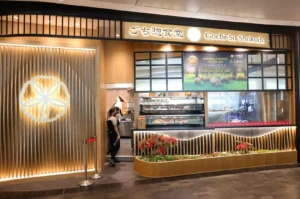
The Lunch Hour Slows Down at Gochi-So Shokudo
Dio Asahi | October 21, 2026
By Dio Asahi for Eat Drink Asia. It’s just past noon, and the lifts keep opening. Suits spill out, lanyards swinging, phones already halfway to their ears. But inside Gochi-So Shokudo, tucked into One Raffles Place, something else is happening. People are sitting down. Actually sitting. Chopsticks lifting, shoulders dropping a little, the room warm…
-
Kintamani Singapore Review: Can an All-You-Can-Eat Buffet Still Taste Like Indonesia?
Dio Asahi | October 20, 2026
I walked into Kintamani Singapore with one question in mind. Buffets ask food to wait. Rendang, sambal, grilled meats, and fried seafood all sit under heat while diners circle the spread. That is not necessarily kind to Indonesian dishes built around texture, reduction, chilli, coconut, and freshly cooked aromatics. So I was less interested in…

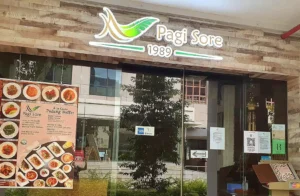
Pagi Sore Indonesian Restaurant Est 1989 Review: A Second-Generation Kitchen That Still Knows Its Own Voice
Eda Wong | October 17, 2026
The first thing I noticed at Pagi Sore Indonesian Restaurant was the smell. Not the sharp, showy kind. Something slower: coconut milk, lemongrass, chilli, fried egg, and the deep warmth of spice paste drifting out from a wood-heavy dining room while Far East Square kept moving outside. I walked over on a Wednesday evening, just…
-
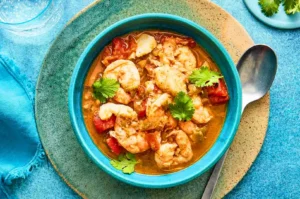
Best Fish Soup in Singapore: Bowls Where the Broth Is the Whole Point
Eat Drink Asia Team | October 15, 2026
I don’t remember when fish soup became my quiet meal. It just did. On days when I couldn’t decide what I wanted, when the weather turned grey, when I needed something warm that asked nothing of me, I’d end up hunched over a bowl, breathing in the steam before the first spoonful. I’ve eaten a…
-
The Clay Stove Heat Beneath a Lao Grilled River Fish
Eda Wong | October 14, 2026
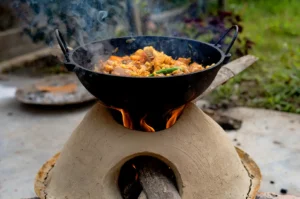
By Eda Wong for Eat Drink Asia It’s late afternoon, and the river is the colour of weak tea. A woman crouches beside a small clay stove at the edge of the bank, feeding it slivers of charcoal. Smoke lifts, thin and grey, and drifts toward the water. On a bamboo skewer, a whole fish…
-
The National Dish of Indonesia Is Not One Plate: Why a Country of Islands Needs Many Icons
Dio Asahi | October 13, 2026
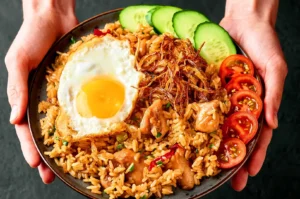
The first time someone asked me for the national dish of Indonesia, I answered nasi goreng without thinking. It seemed obvious: fried rice darkened with kecap manis, often topped with a fried egg, familiar from warungs and late-night street food stalls. That answer is not wrong. It is simply too small. Indonesian food is regional,…
-
Sapporo in a Bowl: Soup Curry by Ki-setsu Comes to Singapore
Eda Wong | October 12, 2026
Ask most Singaporeans to picture Japanese curry and a familiar image probably comes to mind: a plate of rice beneath thick brown gravy, perhaps with a breaded cutlet sliced neatly across the top. It is rich, sweet-edged, comforting and, by now, almost as recognisable as ramen or donburi. Head to the fourth floor of Fortune…
-
Meokja by Jungga Review: The Halal Korean Snack Table That Knows What It’s Doing
Eda Wong | October 10, 2026
I had not planned to eat at Meokja by Jungga. I was walking down North Bridge Road on a Tuesday, somewhere around the awkward hour between lunch and dinner, when I caught the smell of something frying and the low clatter of a kitchen working hard. I looked up, saw the sign, and my feet…