The monsoon rain drums a steady, heavy rhythm against the fogged windows of a narrow tavern in Jongno, muffling the chaotic pulse of the city outside. Inside, the air hangs warm, thick with the scent of toasted mung beans and a subtle, yeasty tang. A dented brass kettle tips forward, and a chalk-white, opaque liquid spills into shallow metal bowls. Tiny bubbles rise to the surface, breaking with a soft fizz. When the cold bowl meets the lips, the texture is surprisingly heavy; a velvety, chalky suspension that coats the palate with a gentle, effervescent bite. It is a quiet, rhythmic celebration of flavours that immediately grounds the room.
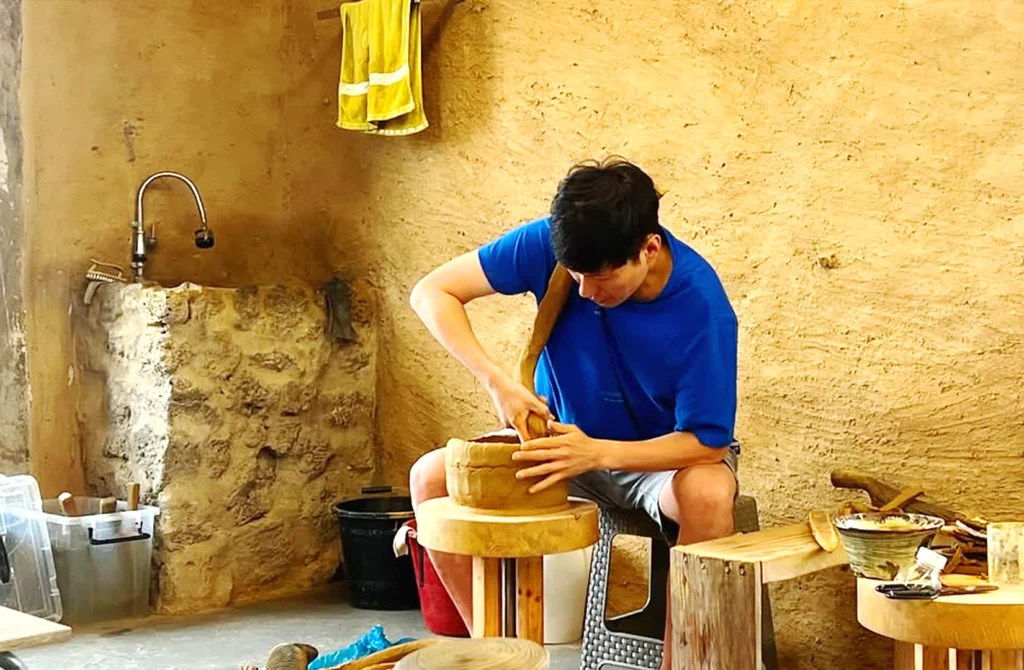
This is makgeolli (pronounced mahk-guhl-lee), Korea’s oldest rice wine. Stripped of pretence, it is a roughly filtered, unpasteurised brew born from a deceptively simple marriage of steamed rice, water, and nuruk, a wild fermentation starter cake teeming with indigenous yeast and microbes. The craft demands an intimate understanding of temperature and time. Traditional brewers knead the cooked rice and nuruk by hand, packing it into porous clay vats called onggi. As it ferments over a couple of weeks, the mixture bubbles aggressively, emitting a sweet, floral aroma. Because it is strained rather than distilled, the wine retains a cloudy, floury sediment. This unfiltered nature gives the drink its signature body, straddling the line between a beverage and liquid nourishment, offering a flavourful sweet-sour complexity that evolves every single day it sits in the bowl.
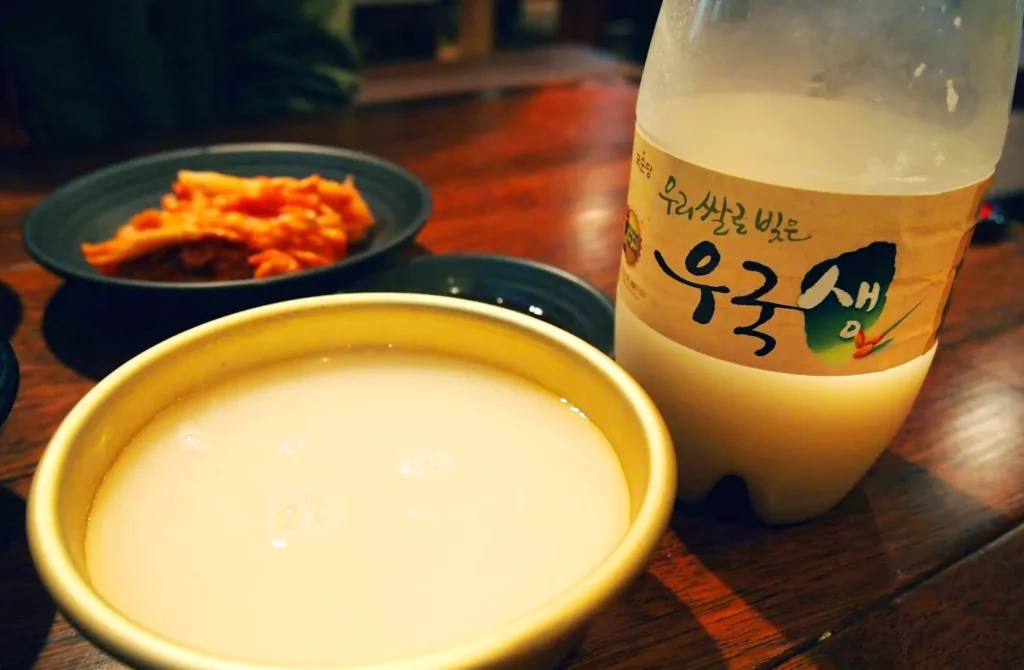
Pouring a serving of makgeolli is a deeply ingrained communal ritual. It is historically the drink of farmers and mountain hikers, inherently tied to shared experiences and collective rest. You do not pour your own bowl; instead, you tilt the kettle for your companion, supporting your pouring arm with your free hand in a silent gesture of respect. The shallow brass or ceramic bowls force diners to lean in, pulling the table closer together, echoing a wider communal dining traditions in asia of shared tables, common plates, and meals designed to be passed hand to hand. Paired instinctively with crisp, oil-slicked savoury pancakes on rainy afternoons, this diverse, earthy drink acts as a social lubricant. It signals the end of physical labour and the beginning of community, transforming a mundane weekday evening into a deeply authentic culinary journey.
What feels vital about makgeolli today is its renewed tradition amid a rapidly modernising culinary landscape. For decades, mass production flooded the market with artificially sweetened, pasteurised versions packaged in green plastic bottles—convenient but structurally hollow. Now, a quiet resistance is taking shape. Independent, trend-setting brewers are returning to the slow, laborious craft of natural fermentation, rejecting artificial additives to let the local rice varieties speak for themselves. There is a palpable tension between the slick, highly filtered aesthetics of modern drinking culture and the rustic, cloudy appetite of this ancient brew.
Leaving the tavern, the warmth of the unfiltered wine lingers in the chest, offering a slow, grounding comfort against the damp chill of the street. It is a quiet reminder that true heritage is not frozen in the past, but kept alive in the soft, cloudy grain of a shared bowl.

Noodle Masterpieces: Celebrating the Craft
Eat Drink Asia Team | April 24, 2026
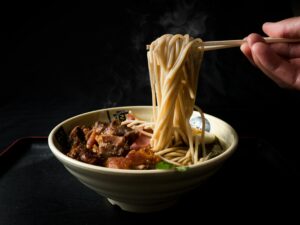
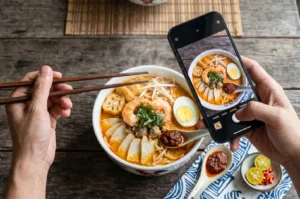
Noodles have a timeless place in the world of food, and Taste Our Traditions can attest that only few dishes are as universally loved. What makes a bowl of noodles truly stand out is not just the ingredients, but the artistry and skill behind their creation. Noodle-making is an ancient craft that demands patience, precision,…

Charcoal Smoke and Yakitori Evenings in Osaka
Eda Wong | April 24, 2026
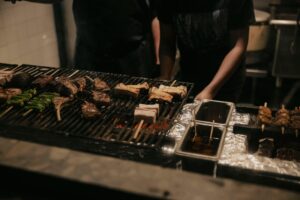
The first thing I noticed was the smoke. It didn’t rise all at once, but in thin, steady ribbons that curled upward from a narrow grill set just inches from the counter. The scent came first, warm and unmistakable, a mix of rendered chicken fat and binchōtan charcoal, clean but deeply present. Inside the small…
-
Cracking the Code of Telur Thai: Inside Egg Thai West Mall, a Kitchen That Tells a Story
Dio Asahi | April 23, 2026
I visited on a Tuesday around 7pm, completely exhausted from a long day of meetings and staring at screens. I wasn’t looking for a fancy culinary journey or a trend-setting dining experience. Honestly, I just wanted a quick, comforting meal that would hit the spot without emptying my wallet. That specific craving led me to…

Sanook Kitchen’s Thai Omelette Rice: A Heartland Answer to Singapore’s Thai Food Saturation
Eda Wong | April 21, 2026
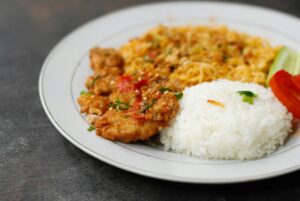
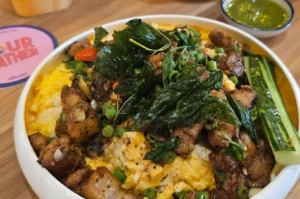
If you live in Singapore, you know that finding Thai food is about as difficult as finding a humid day. We are spoiled for choice. From gritty hawker stalls serving fiery basil pork to upscale restaurants where a bowl of tom yum costs more than a taxi ride, the options are endless. But sometimes, you…
-
The Golden Fold: How Thailand’s Street-Side Omelette Became a Morning Ritual
Dio Asahi | April 18, 2026
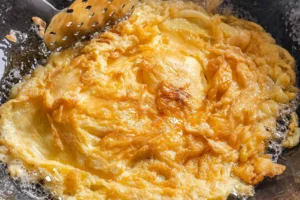
Dawn breaks over Bangkok with a familiar symphony. Before the intense heat settles and the traffic swells into a steady roar, the city streets belong to the food vendors. Amid the clatter of metal tools and the hum of early commuters, one sound stands out: the furious, bubbling sizzle of eggs hitting smoking-hot oil. This…

Lesson I Didn’t Expect: How Fourgather’s Easy Asian Recipes Taught Me to Cook at Home
Eda Wong | April 16, 2026
For the longest time, I was convinced that cooking authentic Thai food at home was out of my league. I imagined complex pastes, hours of simmering, and a mountain of ingredients I couldn’t pronounce. I was happy to leave it to the experts. But a casual dinner at Fourgather, a stylish Thai eatery in Telok…
-
Between Aesthetic and Appetite: The Modern Food Blogger’s Dilemma
Eda Wong | April 15, 2026
In our first, would probably say, emotional editorial, I would like to open with how there is a particular kind of silence that happens before a dish is eaten now. Not the quiet of anticipation, but the pause of positioning, a hand hovering just above the plate, adjusting the angle of a bowl so the…
-
Chasing Flavor: How Fook Kin Taught Us to Cook Asian Cuisine Recipes the Right Way
Eat Drink Asia Team | April 14, 2026
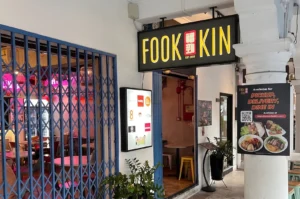
For years, we told ourselves that truly great Asian cooking was a mystical art form, a craft reserved for seasoned hawker uncles or Michelin-starred chefs with decades of experience. Our own attempts at home often felt like pale imitations, lacking that deep, smoky flavour or that perfect textural contrast we craved. Then, we had dinner…
-
Connecting Generations: How Asiatic Food Builds Family Bonds Across Time
Dio Asahi | April 11, 2026
Whenever I smell toasted sesame oil hitting a hot wok, I am instantly transported back to a tiny, bustling kitchen from my childhood. The air would be thick with the aroma of ginger, garlic, and slow-simmering soy sauce. Before a single word was spoken, the meal was already telling a story. For many of us,…
-
A Comprehensive Resource for Oriental Foods Recipes for the Modern Home Cook
Eda Wong | April 10, 2026
For years, I thought cooking Asian food at home required something mystical. My stir-fries were soggy, lacking that smoky breath of the wok. My fried rice was inconsistent, sometimes clumpy, other times dry. My sauces tasted flat, missing the balance of savory, sweet, and tangy flavors I craved. I assumed restaurants had secrets I’d never…