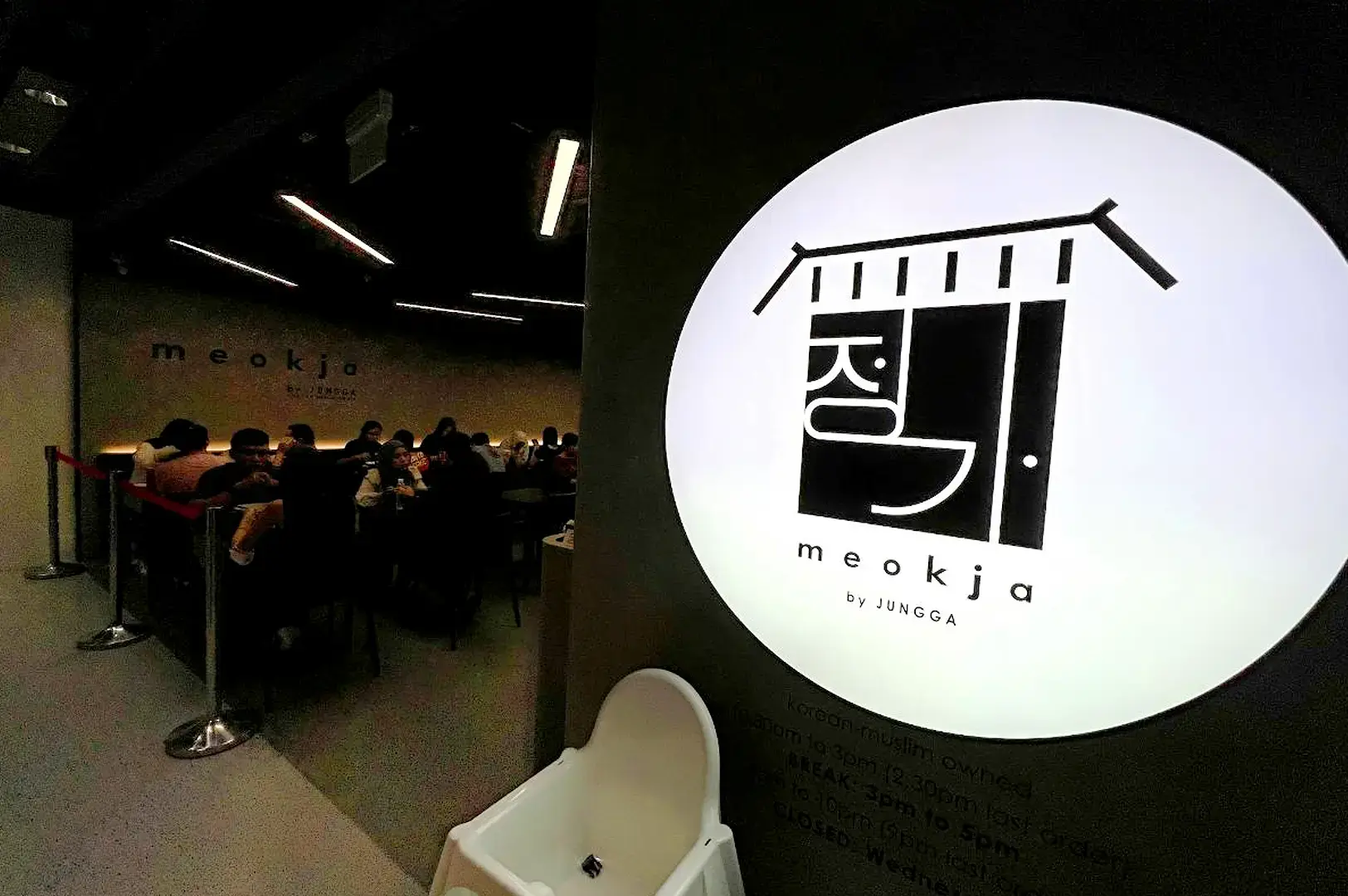
I had not planned to eat at Meokja by Jungga.
I was walking down North Bridge Road on a Tuesday, somewhere around the awkward hour between lunch and dinner, when I caught the smell of something frying and the low clatter of a kitchen working hard. I looked up, saw the sign, and my feet decided before my head did.
I had heard the name before: a Muslim-friendly Korean restaurant, Muslim-owned, the kind of eatery friends mentioned when halal Korean cravings came up. I went in hungry, not quite ready to review it. That is usually how the good ones find me.
First Impressions at Meokja by Jungga
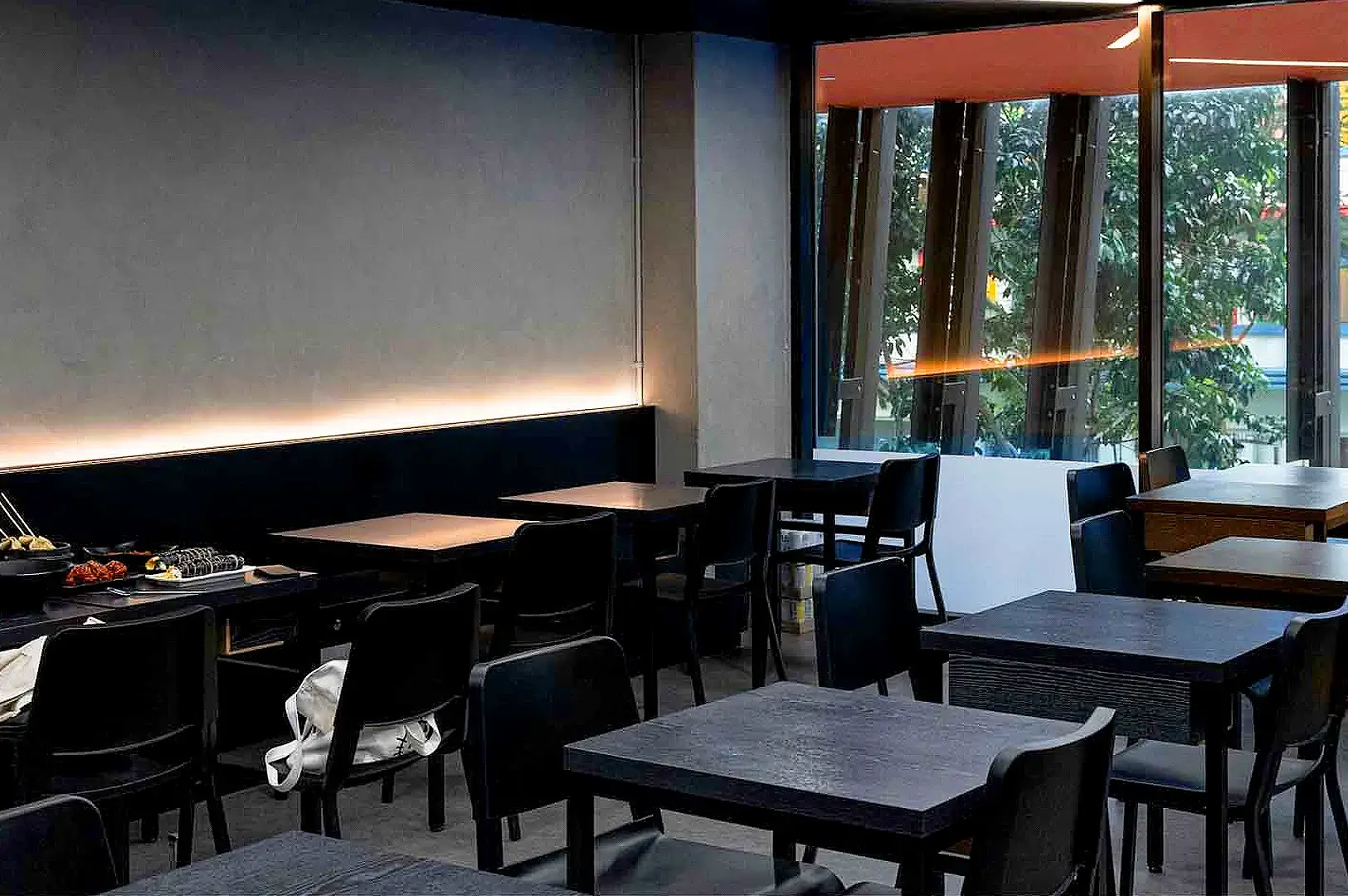
Meokja by Jungga sits at 785 North Bridge Road, #01-01, close enough to Bugis, Kampong Gelam, and Jalan Besar to work as an easy meal stop before or after a walk around the area. It is not a polished restaurant with soft lighting and long pauses between courses. It feels more like a compact Korean snack table that knows exactly what it is trying to do.
There is also a bit of history behind the room. Meokja by Jungga began as a home based business, later became known at GR.iD near 1 Selegie Road, Singapore 188306, then found its current North Bridge Road home. That journey matters because the place still feels personal, like a small team cooking with memory rather than a brand trying to look Korean.
Meokja by Jungga adds a Korean voice to Singapore’s wider halal dining scene, while Halal Restaurant in Singapore follows that same conversation through Indonesian food: https://eatdrinkasia.com/best-halal-nasi-padang-singapore/
What to Order First
The menu covers the right categories for this kind of meal: hot noodles, rice dishes, Korean street food, fried chicken, kimbap, fried food, drinks, and dessert. The danger is ordering like everything is a side dish, then realising too late that the table is too small.
For a first visit, I would build the meal around one noodle dish, one fried dish, one street-food item, and one lighter shareable plate. That gives you the best sense of what Meokja does well: rice, sauce, broth, crunch, and the kind of Muslim friendly Korean food that does not feel like a substitute.
A Smart First Order
- Jjajangmyeon for rich black bean sauce comfort
- Tangsuyuk for fried crunch and sweet and sour sauce
- Beef Bulgogi Kimbap for clean, shareable bites
- Eomuk Tang for clear broth and fish cakes
- Tteokbokki if you want the Korean street food hit
Jjajangmyeon: The Black Bean Bowl
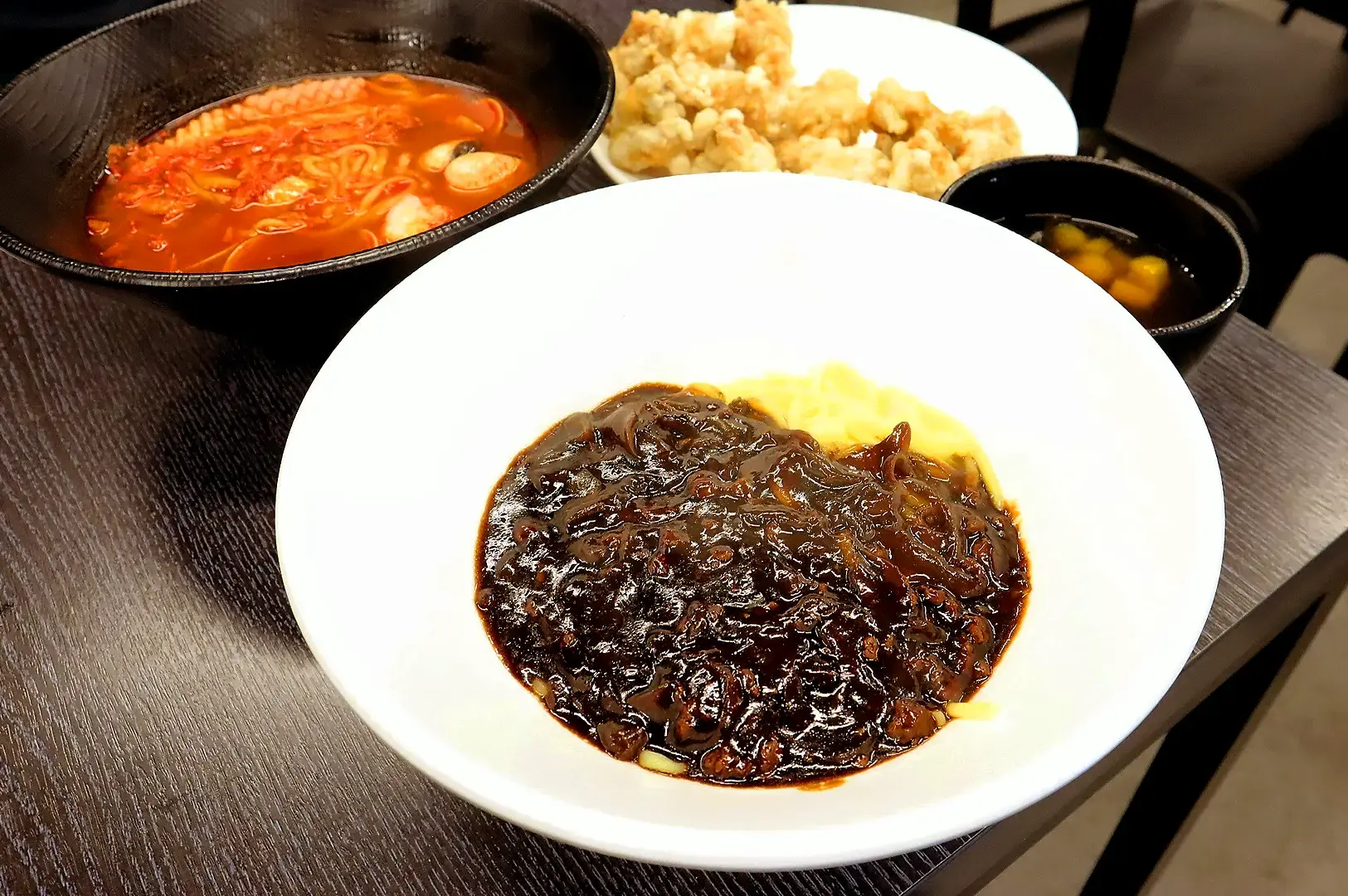
I started with the Jjajangmyeon, because it is one of the dishes people talk about, and I wanted to know if the talk held up.
It arrived properly dark: glossy black bean sauce over springy noodles, with minced beef folded through and caramelised onions cooked until soft and sweet. The first mouthful was thick and comforting. The sauce clung to every strand rather than sliding off, which is exactly what you want from this bowl.
The Jjajangmyeon leans sweet. That sweetness is not a flaw exactly. It gives the bowl its comfort-food softness, almost like caramel sitting inside the black bean sauce. I liked it. But if you prefer your jjajangmyeon darker, saltier, and more bitter-edged, this version may feel too gentle.
Still, I finished it slowly. Not because it surprised me, but because it settled into the meal with an easy heaviness. Some bowls shout. This one sits down beside you.
Tangsuyuk: The Fried Dish I Would Reorder
The Tangsuyuk was the dish I would order again without thinking twice.
If you are expecting the loud, fiery sweetness of yangnyeom chicken, this is not that. Tangsuyuk is the gentler Korean-Chinese cousin: battered, fried, and served with sweet and sour sauce that sits between comfort and restraint.
The batter was light and crisp at the edges where the sauce had not reached, then soft and glazed where it had. That contrast is the whole point of the dish, and Meokja gets it right.
It was not greasy. It was not heavy. Just crunch giving way to mild tang, again and again. If anything, I would’ve preferred a little extra dip on the side, because the sauce had that clean sweet-savoury pull that made the fried pieces too easy to keep eating.
Kimbap: Beef Bulgogi, Chicken Sausage, and the Cut That Matters
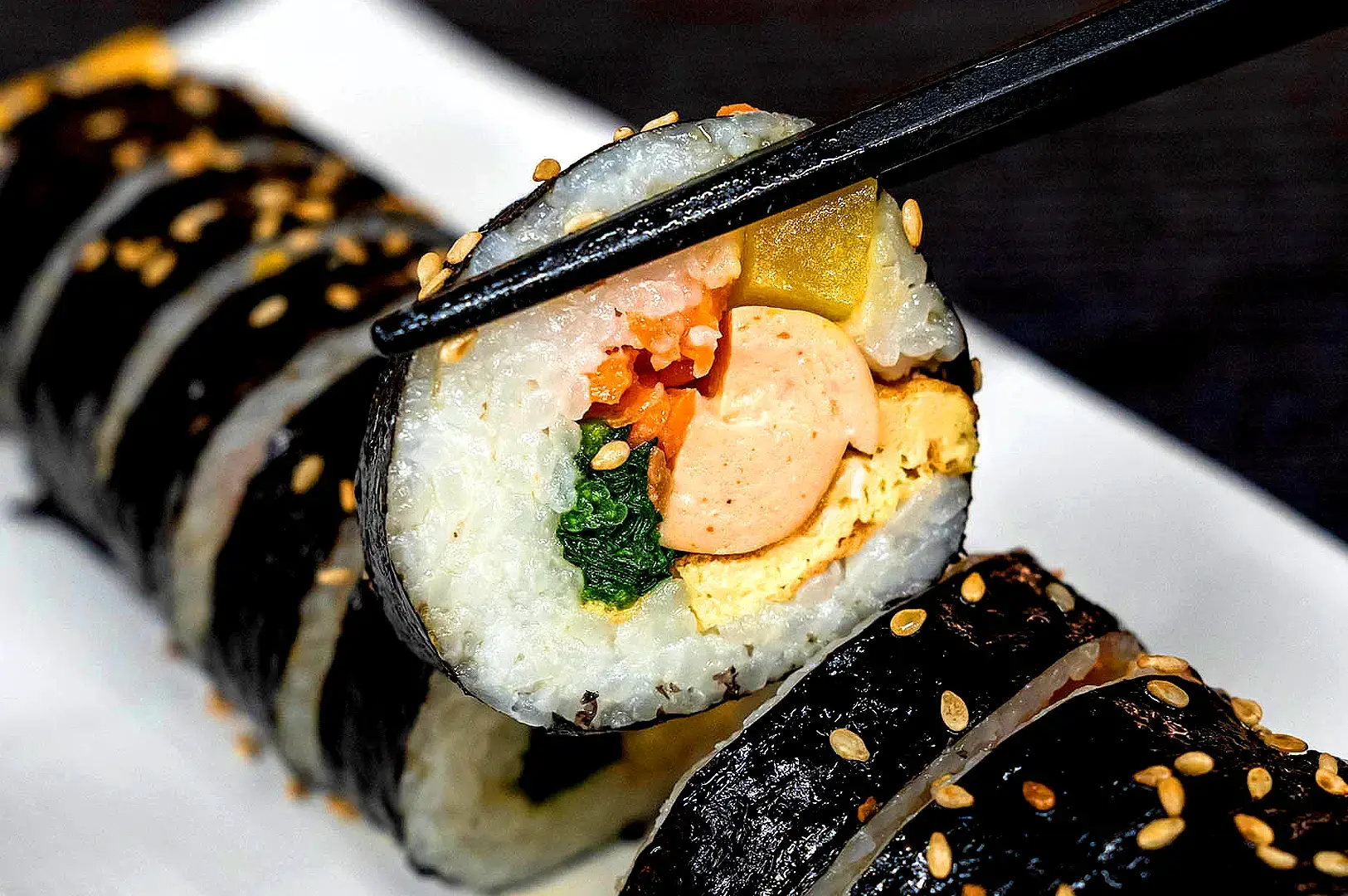
I could not do a Korean snack table without kimbap, so I ordered the Beef Bulgogi Kimbap.
Kimbap looks simple until it falls apart. It is a one-bite structure: cooked rice, seaweed, fillings, and seasoning held tightly enough to survive chopsticks. Too loose, and the round collapses. Too dry, and the rice crumbles before it reaches your mouth.
Mine held well. The rounds were compact without being packed hard, the rice was moist enough to stay together, and the beef bulgogi gave that savoury-sweet pull I wanted. The filling had sliced beef, fresh carrots, egg, and various vegetables, all tucked into a neat bite.
For something lighter on the wallet, the Chicken Sausage Kimbap is the easier everyday pick, especially if you like that salty-sweet comfort of a whole chicken sausage rolled with rice and vegetables. If you prefer something creamier, the tuna mayo style of kimbap is usually the safer comfort lane.
Tteokbokki and Eomuk Tang: The Korean Street Food Corner
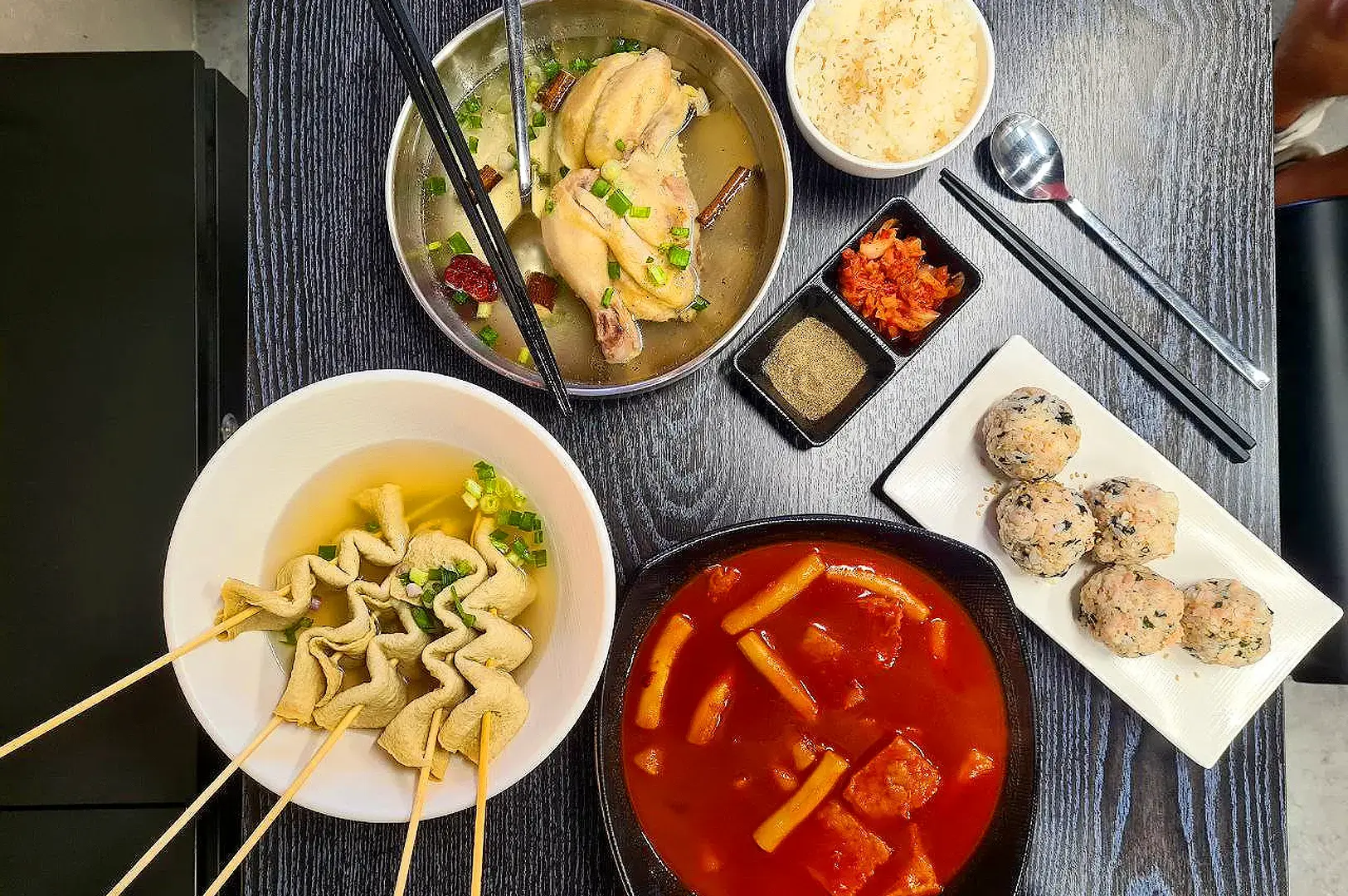
I ordered the Tteokbokki because you cannot write about a Korean street food table and skip it. The flavour was good: chewy rice cakes, fish cakes, and a spicy sauce with enough warmth to make you want rice or noodles to catch what was left. The texture had that satisfying bounce that makes tteokbokki feel more playful than serious.
The Eomuk Tang worked better for me. Fish cakes sat in a clear broth that reset the mouth between heavier bites. Nothing about it tried to impress, but that was its strength. It was clean, steady, and quietly comforting.
If you like deeper heat, look for dishes built around spicy broth or add-ons like cheese tteok, quail eggs, or boiled egg when available. But for me, the simple broth did enough. It is the dish I did not expect to remember, and it is the one that stayed with me.
For the bigger story behind why dishes like tteokbokki, kimbap, eomuk, and fried snacks work so well in motion, read Korean street food article from Eat Drink Asia.
Fried Chicken, Rice, and What to Save for Next Time
I did not order the fried chicken this round, mostly because the table was already fuller than one person needed. But it matters that Meokja has it on the menu, because fried chicken is part of the reason people gather around casual Korean meals in the first place.
Current listings include options such as YangNyeom Chikin, Beurinkle Chikin, and WangGalbi Chikin, alongside rice dishes and noodle bowls. That gives the restaurant enough range for repeat visits without losing its snack-table identity.
What I Would Try Next
- Yangnyeom chicken for sticky, spicy-sweet fried chicken
- Battered fried chicken with a house made sauce if I wanted crunch
- Bibimbap if I wanted rice topped with vegetables, egg, and sauce
- Bibim Guksu if I wanted cold noodles with spicy-savoury bite
- Rabokki if I wanted tteokbokki with ramyeon
- Hot Dog for a Korean street-food snack
- A rice bowl with fried egg, kimchi, and sauce if I wanted something simpler
Some menu items may shift, and I would check the current listing before going for more specific plates like blade steak, top blade steak, flower crab, shrimp, or various seafood dishes. But the idea is clear: Meokja is not trying to reinvent Korean food. It is trying to make halal Korean comfort feel complete, and that is more useful.
Bang for Your Buck
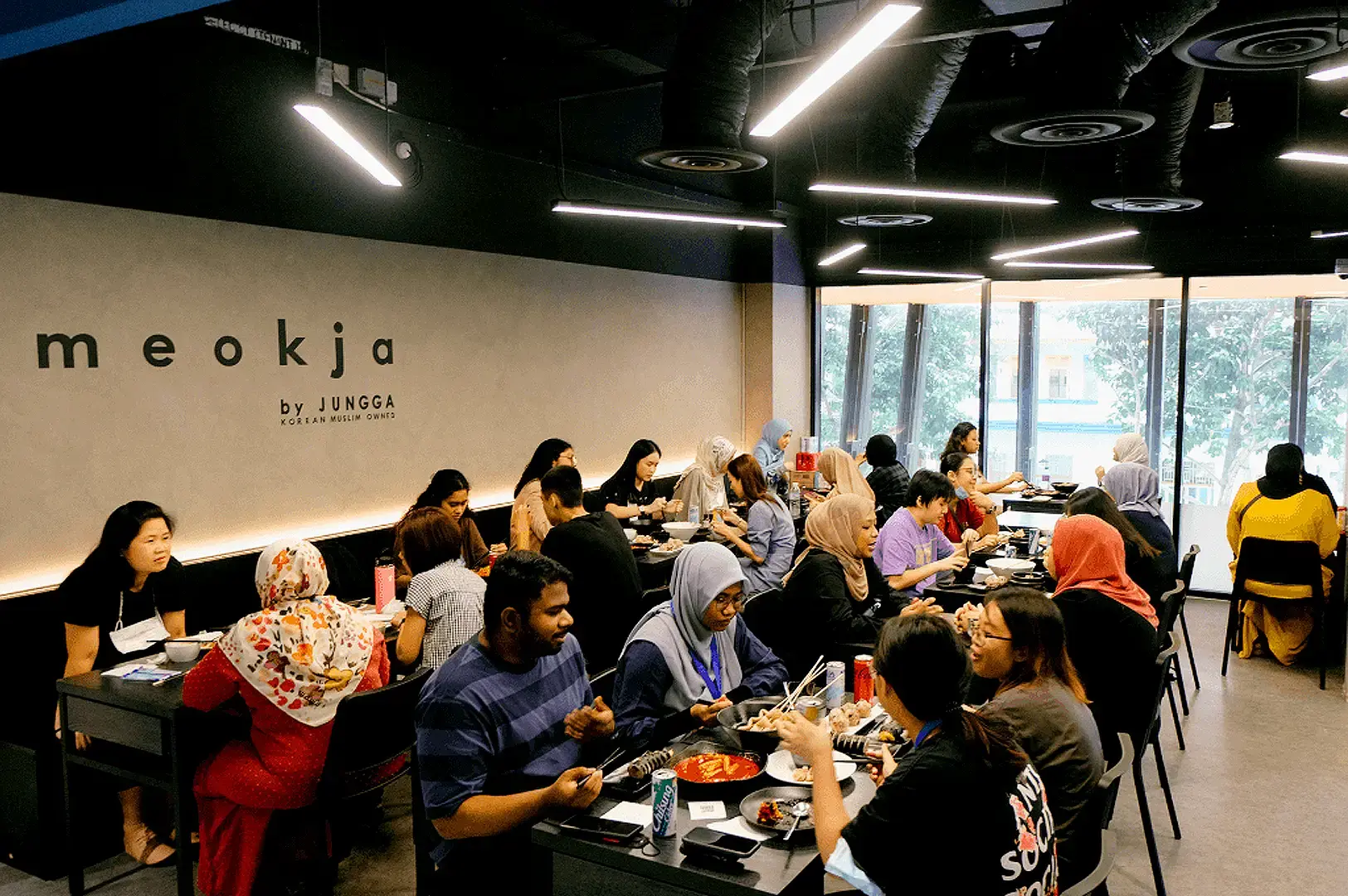
Most diners should expect to spend around S$15 to S$30 per person, depending on how much they share and whether they add fried chicken, noodles, drinks, or dessert.
The value depends on what you order. The Tangsuyuk felt worth returning for. The Jjajangmyeon was filling and comforting. The Eomuk Tang was simple but memorable. The Tteokbokki, while tasty, felt more like a side portion than a main event.
Before You Head Out
Meokja by Jungga is currently listed at 785 North Bridge Road, #01-01, Singapore 198753. It is most convenient for diners coming from Bugis, Kampong Gelam, or Jalan Besar.
Current online ordering information lists opening hours as 11:30am to 10pm from Saturday to Thursday, with last orders at 9:30pm. On Friday, the listed hours are 11am to 1pm and 3:30pm to 10pm, with a break in between.
Practical Tips
- Check hours before going, especially on Friday or Thu public-holiday weeks.
- Go off-peak if you dislike tight seating.
- Order to share because the menu works best across textures.
- Eat kimbap in-store if structure matters to you.
- Do not come for Korean barbecue because that is not the point here.
- Check current availability if you are visiting for specific dishes or combos.
Final K-Flavor Notes
I keep coming back to one thing about Meokja: it does not treat Muslim friendly Korean food like a compromise.
That matters. So often, a halal version of something can feel thinned out, adjusted, or made smaller in spirit. Here, it does not feel that way. The jjajangmyeon has depth. The tangsuyuk has crunch. The kimbap is rolled by someone who cares whether it holds. The eomuk broth has that quiet warmth that makes the heavier dishes easier to enjoy.
Come here if you want Muslim friendly Korean comfort food that feels specific rather than generic. Come if you are near Bugis, Kampong Gelam, or Jalan Besar and want noodles, fried dishes, kimbap, or street-food plates to share.

The Verdant Cup: A Celebration of Green Tea in Japan
Eda Wong | January 10, 2026
In Japan, green tea is much more than a beverage. It marks a moment of pause, hospitality, and tradition. The story of green tea in Japan weaves through centuries of culture, artistry, and daily life—bridging ancient rituals like the Japanese tea ceremony to everyday meals enjoyed at home. The origins and beginning of Japanese tea…
-
Japanese Green Tea from Japan: The Story of Matcha
Dio Asahi | January 8, 2026
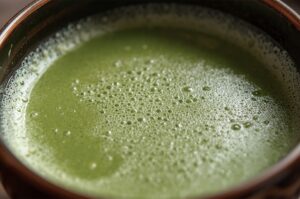
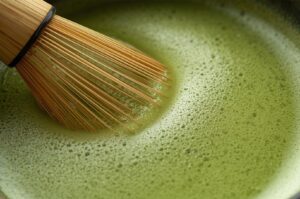
On a misty April morning in Kyoto, I knelt on tatami in a small tea room outside Uji, Japan. The host, dressed in kimono, moved with quiet skill as she scooped matcha powder into a ceramic bowl. The air was filled with the aroma of aged wood mixed with the grassy scent of high quality…
-
Takoyaki: The Sizzling Heart of Japan Food Culture
Dio Asahi | January 3, 2026
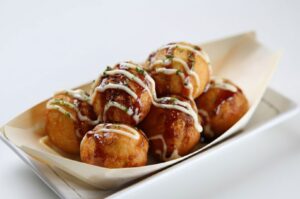
What is Takoyaki and Why Does it Matter in Japanese Food Culture? In the bright heart of Osaka, the sizzle of takoyaki batter signals one of Japan food culture’s most beloved street foods. Lines form at street stalls drawn by the delicious food aromas of sweet-savory sauce and bonito flakes dancing on golden spheres. Takoyaki,…
-
Everything You Need for a Flawless Bubble Tea Cake
Eda Wong | January 1, 2026
The global bubble tea phenomenon has evolved beyond drinks into the world of baking, creating one of the most exciting dessert trends of recent years. Bubble tea cake combines the beloved flavors of milk tea with the satisfying chew of boba pearls, all wrapped up in an adorable bubble tea cake that’s perfect for any…
-
Pad Thai Dish: Everything You Need to Know About the Rice Noodles That Make It Authentic
Eat Drink Asia Team | December 30, 2025
Pad Thai is more than just a staple of Thai Food; it’s a Global Phenomenon. From bustling street carts in Bangkok to high-end Thai Restaurants in New York, this iconic Pad Thai Dish has captured the hearts and palates of food lovers everywhere. The best Pad Thai rivals what you would find in a typical…
-
Thailand Food Pad Thai: Thailand’s Iconic Stir-Fried Noodle Dish
Eda Wong | December 27, 2025
Few dishes capture the essence of Thailand food culture like authentic Pad Thai. This beloved stir fried noodle dish is more than a meal-it’s a symbol of Thai identity, a perfect balance of sweet, savoury, and sour flavors, and a window into the soul of Thai cuisine. Whether you want to eat Pad Thai from…
-
Why Fish Curry is a Special Indian Cuisine
Dio Asahi | December 25, 2025
Along India’s vast and vibrant coastline, stretching over 7,500 kilometers, the sea offers its generous bounty to a cuisine renowned for its regional variations. Nowhere is the diversity of the Indian subcontinent more deliciously expressed than in a humble bowl of fish curry. Through this article, we’ll journey across India’s coasts and kitchens, exploring the…
-
Tikka Masala: The Story Behind One of the Most Iconic Dishes in India’s Food Cuisine
Eat Drink Asia Team | December 23, 2025
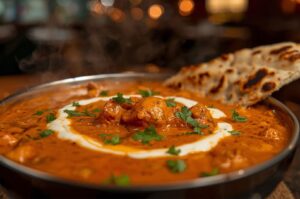
Ask anyone to name a famous Indian dish, and chances are “Tikka Masala” will be one of the first things they say. This creamy, vibrant, and aromatic curry has become a global symbol for the food cuisine in India, celebrated from street food stalls in Delhi to upscale Indian restaurants around the world. Its rich…
-
Cuisines in India: A Journey Through the Diverse Regional Food Traditions of the Subcontinent
Dio Asahi | December 20, 2025
Indian cuisine is celebrated for its spectacular diversity, bursting with flavors, regional traditions, and culinary innovations. From the spice-laden gravies of Northern Indian cuisine and tandoor-fresh breads, to coconut-laced Southern Indian cuisine, fragrant rice dishes in the East, and the robust, spicy curries and street food of the West, the foods of India reflect not…
-
Green Tea with Milk: A Tale of Two Teas from Taiwan and Thailand
Eda Wong | December 18, 2025
The simple combination of green tea with milk has sparked a culinary phenomenon across Asia, creating a diverse family of beverages that are both comforting and refreshing. While many countries have embraced this pairing, two nations stand out for their iconic and wildly different interpretations: Taiwan and Thailand. Each has cultivated a unique culture around…