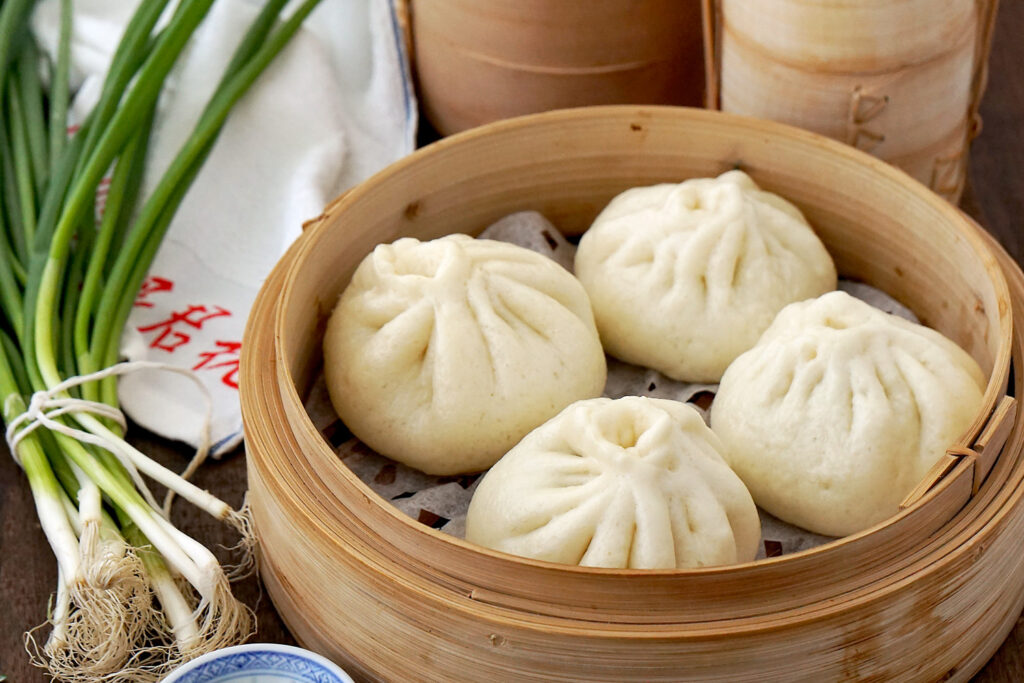
The first thing I noticed was the steam.
It rose in soft, continuous bursts from stacked bamboo baskets, drifting into the cold Beijing morning like breath made visible. The vendor lifted each lid with practiced rhythm, a quick tilt, a release of heat, then the faint scent of yeast, pork, and warm flour rolling outward. People moved in quietly, almost instinctively, drawn by that smell. I remember standing there with numb fingers, watching as hands reached for paper bags, each one quickly filled with plump, pale baozi that still trembled slightly from the heat. Someone bit into one beside me, and the sound, soft dough giving way, stayed with me longer than the cold.
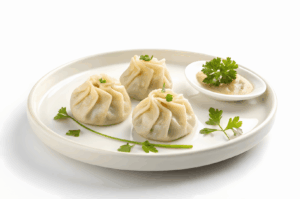
The baozi itself is deceptively simple. A steamed bun made from wheat dough, filled with seasoned meat or vegetables. But in Beijing, it feels less like a dish and more like a daily rhythm. The ones I watched being made that morning were filled with minced pork, ginger, and Chinese chives, the juices just beginning to seep into the surrounding dough. Each bun was pleated quickly by hand, the folds gathered at the top like a quiet signature. There was no decoration, no attempt to elevate it beyond what it was. It existed in its most honest form, something meant to be eaten quickly, while still hot, on the way to somewhere else.
Discover more about Century-Old Dumpling Techniques here: https://eatdrinkasia.com/century-old-dumpling-techniques/
Baozi belongs to the rhythm of northern China, where wheat has long replaced rice as the staple. The technique of steaming dough stretches back centuries, shaped by both necessity and care. Unlike baked breads, baozi rely on moisture and timing, the balance between heat and fermentation that gives the dough its softness. The fillings shift with region and season, from pork and cabbage to sweet red bean, but the structure remains constant. In that way, baozi reflects something essential in Asian food traditions. Continuity does not depend on sameness. It depends on repetition. The act of folding, steaming, and sharing carries forward even as ingredients evolve.
What stayed with me was not just the taste, though it was quietly satisfying. The dough was soft but structured, the filling slightly sweet from the natural richness of the pork, the warmth spreading slowly through cold hands. It was the precision. The way each bun was folded without hesitation. The way the steam was managed, basket after basket, without waste. There was no sense of performance, no effort to present it as something extraordinary. And yet, everything about it was deliberate.
Standing there, I realised how easily something like baozi can be overlooked. It does not demand attention. It does not try to impress. But in that quiet exchange between vendor and customer, in the transfer of something warm and made by hand into waiting palms, there is a kind of continuity that feels increasingly rare.

Teh Tarik Malaysia: The Art and Science Behind Iconic Pulled Tea
Eat Drink Asia Team | October 28, 2025
In Malaysia, ordering a cup of teh tarik is about so much more than just enjoying a hot drink. Teh tarik, literally translated as “pulled tea,” is Malaysia’s national beverage, famous for its sweet, creamy taste, frothy top, and the spectacular pulling technique seen in bustling mamak stalls and coffee shops across the country. A…
-
The Legendary Penang Char Kway Teow: A Culinary Journey
Dio Asahi | October 25, 2025
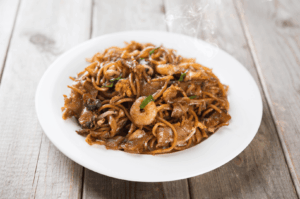
The air in Penang is thick with anticipation, carrying the sounds and smells of Malaysian street food being crafted with expert care. Your attention is captured by one of the many street vendors, a master standing before a seasoned wok glowing over an intense fire. The rhythmic clanging of metal on metal is the soundtrack…
-
Traditional Korean Sikhye: Sweet Rice Punch Through the Seasons
Eda Wong | October 23, 2025
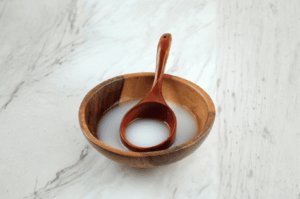
In the vibrant world of Korean food, beyond the fiery spice of gochujang and the savoury comfort of bulgogi, lies a gentler, more subtle delight. Meet traditional Korean sikhye (식혜), a beloved Korean sweet rice punch that holds a special place in the nation’s heart. With its cloudy, amber hue and delicate sweetness, this drink…
-
Authentic Jeonju Bibimbap: Why Korea’s Culinary Capital Makes It Best
Eat Drink Asia Team | October 21, 2025
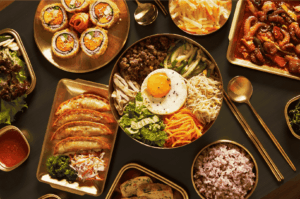
Picture this: A steaming Korean rice bowl is placed before you in Jeonju, South Korea. Vibrant arcs of seasoned bean sprouts, glossy strips of Korean beef, a golden runny yolk resting atop perfectly cooked mixed rice, and a dollop of rich red bibimbap sauce invite you to mix it all together. As you stir, the…
-
Communal Dining Traditions in Asia: Shared Meals, Lasting Bonds, and Cultural Heritage
Dio Asahi | October 18, 2025
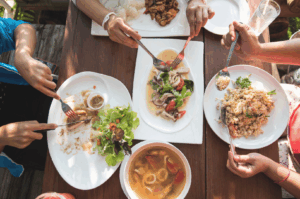
Imagine a dining table crowded with large platters of steaming food, the smell of spices in the air, small bowls arranged neatly around the shared table, and laughter echoing across the room. Across Asia, dining tables play a central role in communal dining traditions, serving as the focal point for etiquette, social interaction, and the…
-
Century-Old Dumpling Techniques: Ancient Wisdom in Modern Kitchens
Eda Wong | October 16, 2025
Her hands move in a blur, a dance of muscle memory refined over sixty years. In a small, steam-filled kitchen in Shanghai, an elderly woman transforms a humble circle of dumpling dough into a perfect, 20-pleat xiao long bao. Each pinch and fold is a syllable in a story passed down through generations-prime examples of…
-
Ca Phe Sua Da: The Cultural Phenomenon of Authentic Vietnamese Coffee
Eat Drink Asia Team | October 14, 2025
The dawn breaks over Hanoi, and the city awakens not to alarm clocks but to the clatter of tiny spoons and the metallic click of filters. The air fills with the dark, roasted aroma of authentic Vietnamese coffee drifting from bustling corners and sidewalk stalls. They are not rushing. Instead, they are waiting-waiting for the…
-
Cao Lầu Noodles: Hoi An’s Legendary Noodle Dish with Japanese Origins
Dio Asahi | October 11, 2025
Imagine sitting on a low stool in a bustling alleyway of Hoi An’s ancient town. The warm, fragrant air is thick with the scent of sizzling marinated pork, fresh herbs, and the unmistakable aroma of fish sauce and fried rice crackers. In front of you, a bowl of Cao Lau noodles gleams, their golden brown…
-
Chinese Tea: 5,000-Year Tea Journey from Ancient Medicine to Global Beverage Phenomenon
Eda Wong | October 9, 2025
Every cup of tea enjoyed today, whether a brisk English breakfast or a delicate green tea in Tokyo, finds its lineage rooted in the heart of Chinese tea history. For nearly 5,000 years, the humble leaves of the Camellia sinensis tea plant have been cultivated, brewed, and cherished-first as ancient medicine in southern China, and…
-
The Complete Guide to Authentic Cantonese Dim Sum: Beyond Har Gow and Siu Mai
Eat Drink Asia Team | October 7, 2025
If you think eating dim sum is all about har gow and siu mai, think again. Authentic Cantonese dim sum is a dazzling showcase of Chinese culture, filled with an array of flavors, textures, and traditions that run much deeper than the classics. For both seasoned aficionados and first-time food explorers, venturing beyond the familiar…