The first thing I noticed was the steam.
It rose in soft, continuous bursts from stacked bamboo baskets, drifting into the cold Beijing morning like breath made visible. The vendor lifted each lid with practiced rhythm, a quick tilt, a release of heat, then the faint scent of yeast, pork, and warm flour rolling outward. People moved in quietly, almost instinctively, drawn by that smell. I remember standing there with numb fingers, watching as hands reached for paper bags, each one quickly filled with plump, pale baozi that still trembled slightly from the heat. Someone bit into one beside me, and the sound, soft dough giving way, stayed with me longer than the cold.
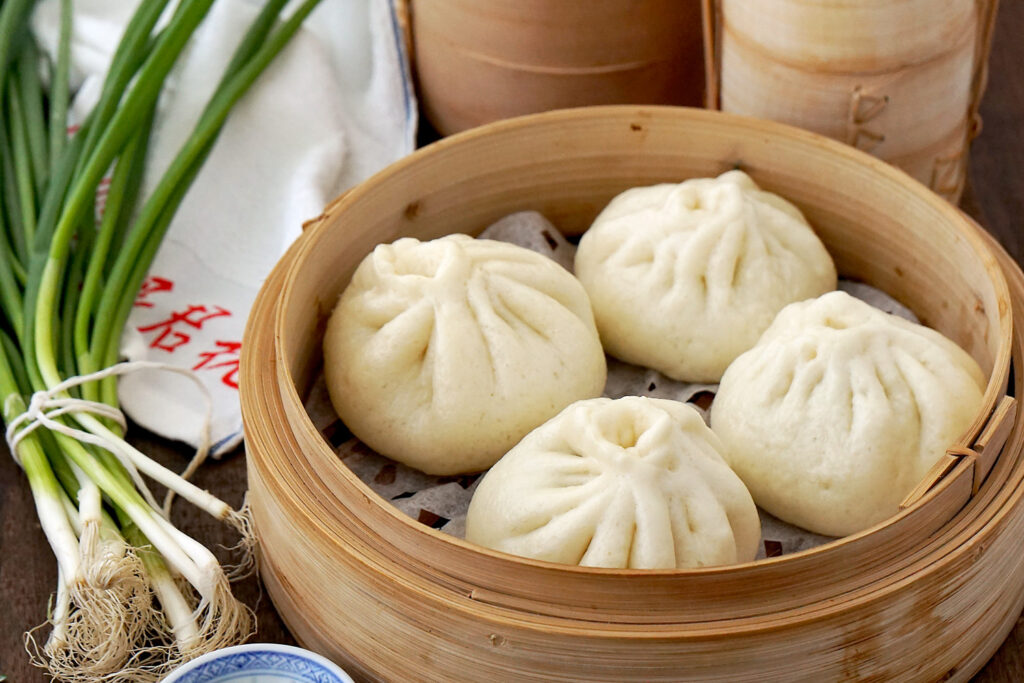
The baozi itself is deceptively simple. A steamed bun made from wheat dough, filled with seasoned meat or vegetables. But in Beijing, it feels less like a dish and more like a daily rhythm. The ones I watched being made that morning were filled with minced pork, ginger, and Chinese chives, the juices just beginning to seep into the surrounding dough. Each bun was pleated quickly by hand, the folds gathered at the top like a quiet signature. There was no decoration, no attempt to elevate it beyond what it was. It existed in its most honest form, something meant to be eaten quickly, while still hot, on the way to somewhere else.
Discover more about Century-Old Dumpling Techniques here: https://eatdrinkasia.com/century-old-dumpling-techniques/
Baozi belongs to the rhythm of northern China, where wheat has long replaced rice as the staple. The technique of steaming dough stretches back centuries, shaped by both necessity and care. Unlike baked breads, baozi rely on moisture and timing, the balance between heat and fermentation that gives the dough its softness. The fillings shift with region and season, from pork and cabbage to sweet red bean, but the structure remains constant. In that way, baozi reflects something essential in Asian food traditions. Continuity does not depend on sameness. It depends on repetition. The act of folding, steaming, and sharing carries forward even as ingredients evolve.
What stayed with me was not just the taste, though it was quietly satisfying. The dough was soft but structured, the filling slightly sweet from the natural richness of the pork, the warmth spreading slowly through cold hands. It was the precision. The way each bun was folded without hesitation. The way the steam was managed, basket after basket, without waste. There was no sense of performance, no effort to present it as something extraordinary. And yet, everything about it was deliberate.
Standing there, I realised how easily something like baozi can be overlooked. It does not demand attention. It does not try to impress. But in that quiet exchange between vendor and customer, in the transfer of something warm and made by hand into waiting palms, there is a kind of continuity that feels increasingly rare.

Best Thai Singapore: Discover the Art of Authentic Pad Thai
Dio Asahi | December 11, 2025
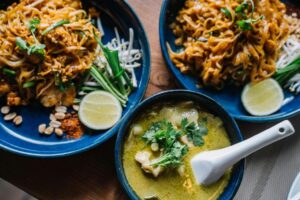
In Singapore, a city that celebrates a universe of flavors, the magnetic pull of Thai cuisine is undeniable. From bustling food courts to elegant dining rooms, the kingdom’s culinary ambassadors have firmly planted their flag. When considering the best Thai food, it’s impossible to overlook how integral Pad Thai is to the local Thai food…

Thai Cuisine in Singapore: Finding the Best Authentic Flavors
Eat Drink Asia Team | December 9, 2025
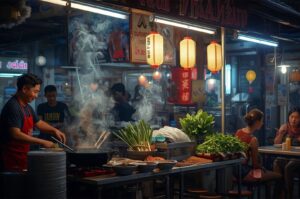
The unmistakable aroma of lemongrass, galangal, and fiery spices mingles with the bustling night air in Singapore, setting the stage for a dining experience that wakes the soul and tantalizes the senses. Thai cuisine in Singapore has become an essential part of the city’s culinary landscape, offering a complete blend of vibrant flavor, tangy notes,…
-
The Ultimate Guide to Thai Food: Flavors, Traditions, and Culinary Adventures
Dio Asahi | December 6, 2025
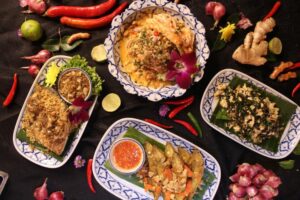
Thai cuisine is one of the world’s most beloved and complex culinary traditions, captivating food enthusiasts globally with its masterful balance of flavors and vibrant presentations. From bustling Bangkok street stalls to high-end international restaurants, Thai food has become a global phenomenon that evolves while maintaining its authentic roots. What sets Thai cuisine apart from…
-
How to Drink Sake: Your Guide to Enjoying Japanese Sake Wine
Eda Wong | December 5, 2025
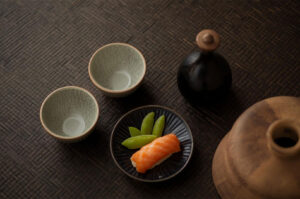
As Japan’s national beverage, this traditional sake is present at celebrations, quiet dinners, and spiritual offerings, weaving itself into the very fabric of daily life and reflecting Japan’s deep-rooted cultural heritage. Yet, for many outside of Japan, it remains a delightful mystery. You might find yourself wondering, how do you drink sake properly to unlock…
-
The Quiet Pursuit of Perfection: Where to Find the Freshest Sashimi in Singapore
Eat Drink Asia Team | December 3, 2025
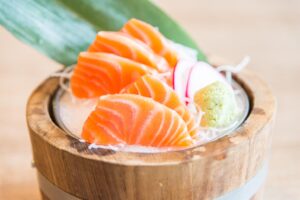
In Singapore’s fast-paced city, a growing appreciation for authentic Japanese cuisine is emerging, especially for omakase and its key element: sashimi. Diners now seek experiences that satisfy sophisticated tastes, focusing on true quality rather than convenience. The quest for the best sashimi goes beyond thick salmon slices to embrace seasonality, sourcing, and expert preparation. This…

Understanding Sake Alcohol Content: A Complete Guide to ABV and Flavor
Eda Wong | December 2, 2025
When exploring Japanese sake, many wonder about its grades and complex flavors. Sake’s unique profile offers remarkable versatility, enjoyed in various serving styles and paired with diverse dishes. One fundamental aspect is sake alcohol content. Is sake stronger than wine? How does its alcohol by volume (ABV) compare to beer? The answer is nuanced. Understanding…
-
Japanese Sake: The Complete Guide to Japan’s Traditional Rice Wine
Dio Asahi | November 29, 2025
Japanese Sake: The Complete Guide to Japan’s Traditional Rice Wine While sake has been Japan’s national beverage for over a millennium, its popularity across Asia is at an all-time high. Rooted in Japan’s traditional brewing methods and centuries-old origins. It symbolizes Japan’s cultural heritage and craftsmanship. Understanding this complex brewed alcoholic beverage opens doors to…

Best Japanese Foods in Japan: The Must-Try Dishes
Eda Wong | November 27, 2025
Japan’s culinary world extends far beyond well-known sushi and ramen, revealing a rich variety of regional specialties cherished by locals. While many travelers stick to popular Japanese foods in tourist areas, authentic flavors are best discovered in neighborhood markets, family-run eateries, and seasonal menus reflecting centuries of Japanese cooking tradition. Understanding Japanese cuisine requires more…
-
Japanese Food in Japan: The Ultimate Guide to Authentic Culinary Experiences
Eat Drink Asia Team | November 25, 2025
Experiencing Japanese food in Japan is fundamentally different from eating Japanese cuisine anywhere else. While sushi restaurants and ramen shops have spread globally, the authentic flavors, techniques, and cultural context of Japanese food can only be fully appreciated in its homeland. From meticulously selecting ingredients at peak freshness to centuries-old traditions shaping every meal, eating…
-
Food in Japan: A Complete Guide to Japanese Cuisine and Culinary Culture
Eda Wong | November 22, 2025
The gentle steam rising from a bowl of miso soup carries more than just the earthy aroma of fermented soybeans-it carries centuries of Japanese culture and culinary wisdom. When you eat in Japan, you’re not simply consuming a meal; you’re participating in a ritual that connects you to the seasons, the land, and a philosophy…