The first time I made Pad Thai, I ruined it before the wok was even hot.
I’d left the noodles soaking while I answered a phone call. Ten minutes turned into forty. By the time I drained them, they were already soft, already surrendered. Everything I did in the pan after that was damage control.
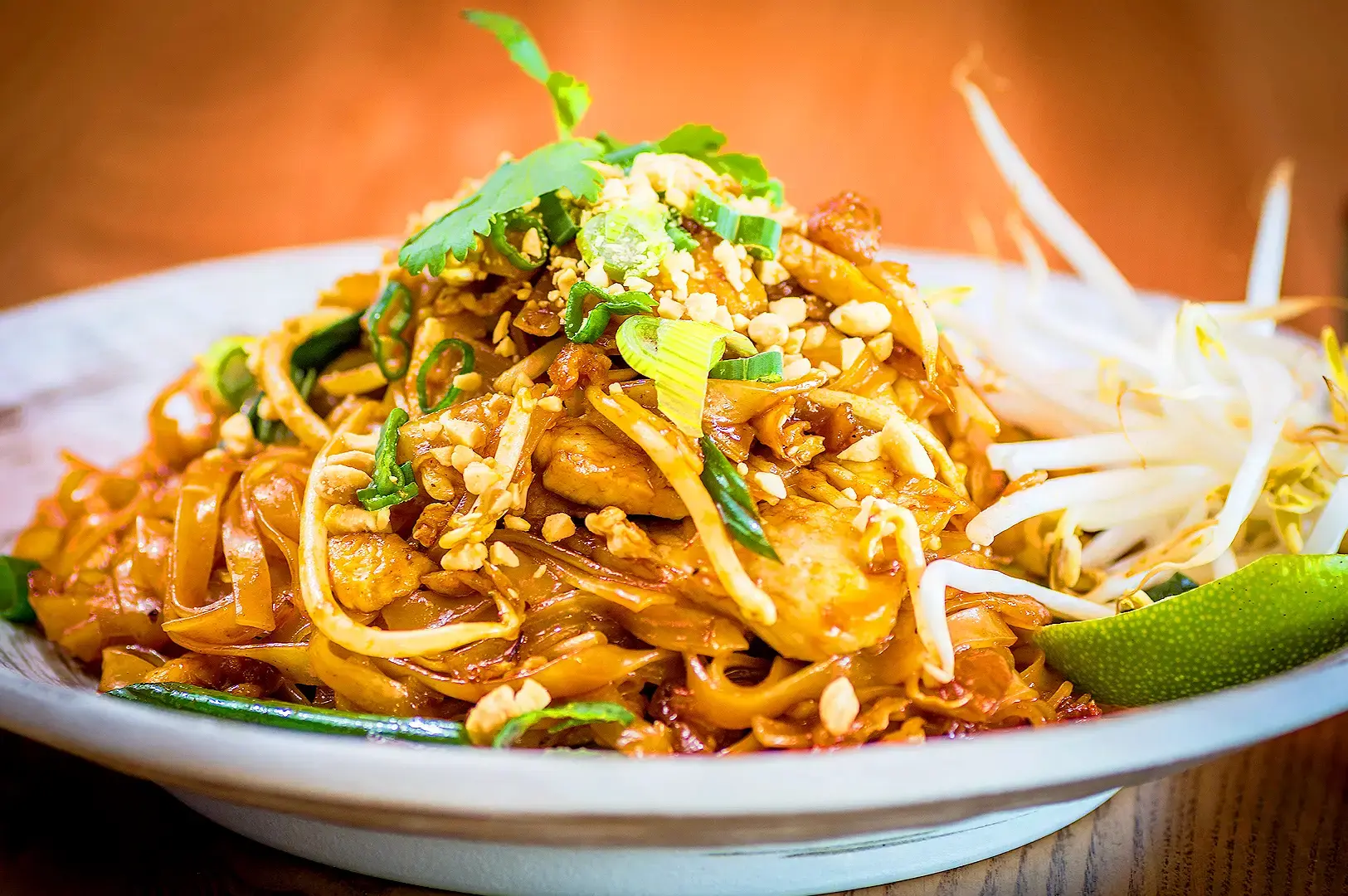
That’s the thing nobody tells you. Pad Thai isn’t hard because the ingredient list looks foreign. It’s hard because the noodles decide everything, and they decide it early. This is a pad thai recipe built around that truth: get the noodles right, and the rest of the dish starts to make sense on its own.
Ingredients You Need and What Each One Does for the Best Pad Thai Recipe
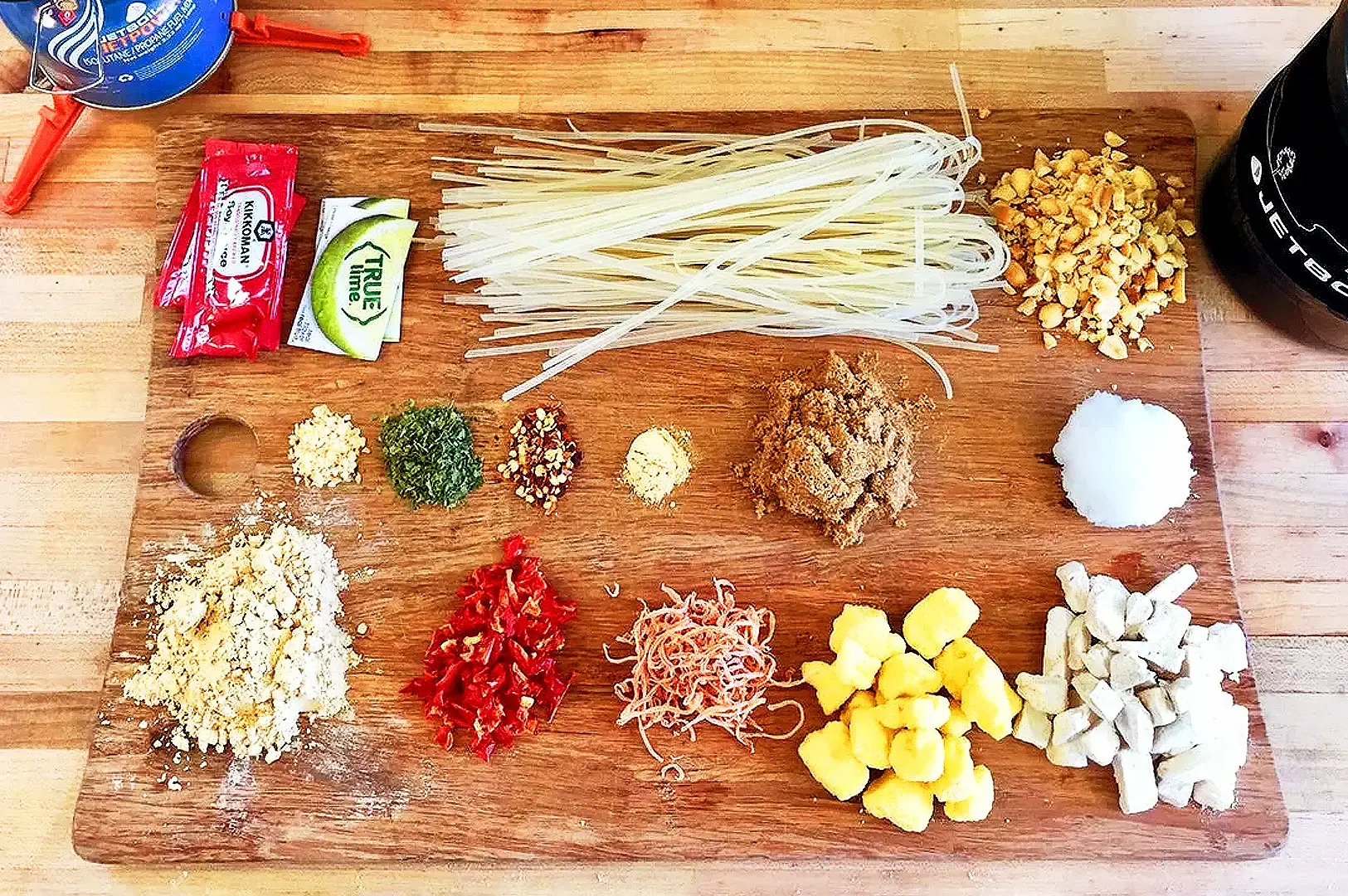
This makes two generous servings of classic Pad Thai, a stir fried noodle dish that balances sweet, sour, and salty flavors in every bite. I’d suggest reading the roles, not just the amounts, because knowing why something is there tells you how to fix it later.
For the noodles and stir-fry:
- 200g dry rice noodles for Pad Thai (medium width flat rice noodles soaked in hot water)
- 4 to 5 tablespoons neutral oil
- 150g protein — prawns, sliced chicken, or extra-firm tofu cut small
- 2 eggs, lightly beaten (scrambled egg is key for texture)
- 3 cloves garlic, minced (finely chop for aroma)
- 2 tablespoons dried shrimp, roughly chopped (optional, but authentic Pad Thai relies on this umami boost)
- 1 tablespoon pickled radish (or sweet preserved radish), chopped finely
- A large handful of fresh bean sprouts (mung bean sprouts)
- A small bunch of garlic chives or Chinese chives, cut into short lengths (add garlic chives for authentic flavor)
- 3 tablespoons crushed roasted peanuts (crunchy peanuts add essential texture)
- Lime wedges and chilli flakes to serve (fresh lime juice brightens the dish)
Why these ingredients matter:
- The pad thai noodlesare the backbone. Use flat dry rice noodles soaked properly in hot water (not boiling water) for about 15-20 minutes to prevent mushy noodles. This pad thai soak step is crucial for the right chew.
- Tamarind pulp or your own tamarind concentrate forms the sour heart of the pad thai sauce. It’s what sets authentic pad thai apart from generic noodle dishes.
- Fish sauce is the salty, fermented soul of the sauce. A good fish sauce, or vegan fish sauce if preferred, brings depth that soy sauce or light soy sauce alone can’t replicate.
- Palm sugar or light brown sugar balances the sour and salty with a gentle sweetness.
- The scrambled egg adds silkiness and richness, weaving through the noodles for that classic pad thai mouthfeel.
- Dried shrimp and pickled radish contribute layers of umami and subtle tang, staples in traditional pad thai recipes.
- Fresh bean sprouts and garlic chives are tossed in at the end to maintain a crisp, fresh flavor and texture.
- Crushed roasted peanuts finish the dish with a nutty crunch that contrasts the tender noodles.
The Pad Thai Sauce: Balancing Sweet, Sour, and Salty
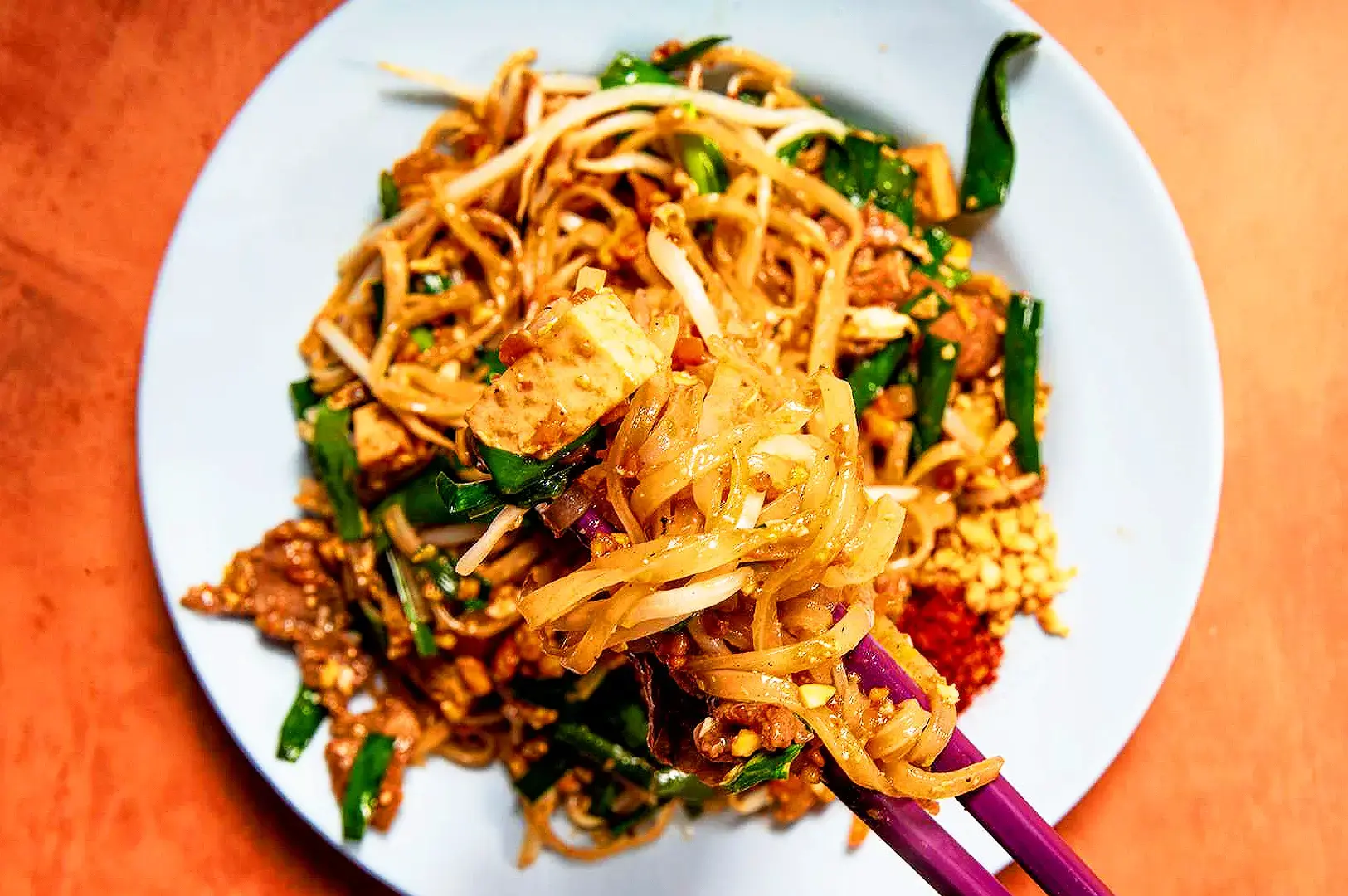
Before you even heat your seasoned wok, mix your pad thai sauce. This blend of tamarind concentrate or pulp, fish sauce, oyster sauce, palm sugar, and a touch of rice vinegar or lime juice is the magic that transforms simple noodles into the best pad thai.
Pad Thai Sauce Ingredients:
- 2 tablespoons tamarind concentrate or rehydrated tamarind pulp
- 2 tablespoons fish sauce (or vegan fish sauce)
- 1 tablespoon oyster sauce
- 2 tablespoons palm sugar or light brown sugar, dissolved
- 1 teaspoon rice vinegar or fresh lime juice for brightness
Mix until the sugar dissolves completely—undissolved sugar can burn and cause uneven sweetness. Taste the sauce before cooking. It should be boldly balanced: sour, salty, and sweet. Adjust with more tamarind concentrate for sourness, more palm sugar for sweetness, or more fish sauce for saltiness. Avoid adding ketchup; authentic pad thai never uses it and it alters the flavor and color undesirably.
How to Make Pad Thai: Step-by-Step with Sensory Cues
Prep time: 45 minutes (mostly soaking)
Cook time: 10 minutes
Serves: 2
Pad Thai is a fast-moving stir fried noodle dish best made in a well seasoned wok over medium high heat. The aroma of garlic cloves sizzling in oil, the snap of fresh vegetables, and the glossy sheen of pad thai sauce coating every noodle strand are the markers of success.
Step 1: Pad Thai Noodle Soak
Soak your dry rice noodles in hot water (not boiling) for about 15-20 minutes until flexible but still slightly firm to the bite. Drain and rinse under cold water to stop cooking. This pad thai soak prevents mushy noodles and helps maintain the chewy texture prized in Thai cuisine.
Step 2: Cook Protein and Scramble Egg
Heat 2 tablespoons oil in your wok over medium high heat. Stir-fry your protein (prawns, chicken, or tofu) until just cooked through. Push aside or remove. Add more oil if needed, then pour in beaten eggs. Let them set briefly before gently scrambling into soft folds. This scrambled egg weaves through the noodles, adding richness without wetness.
Step 3: Aromatics and Umami
Add garlic cloves, dried shrimp, and pickled radish to the wok. The sizzling garlic releases its pungent aroma, while dried shrimp and pickled radish add savory depth and a subtle tang. Fry until the tofu turns golden and the wok smells fragrant with the smoky breath of the pan.
The same lesson shows up across top Chinese restaurants too: aromatics, heat, and timing often do more than expensive ingredients ever could.
Step 4: Noodles and Sauce
Add the soaked pad thai noodles to the wok, then pour over your pad thai sauce. Toss quickly and continuously, ensuring every strand is coated in the glossy, tangy sauce. If the noodles seem dry or sticky, splash a little hot water to loosen them. The noodles should be supple, springy, and infused with the fresh flavor of the sauce.
Step 5: Finish with Freshness
Turn off the heat. Toss in fresh bean sprouts, garlic chives, and most of the crushed roasted peanuts. These fresh vegetables add a crisp contrast to the tender noodles. Plate immediately, scattering the remaining peanuts on top, and serve with lime wedges to squeeze fresh lime juice over the dish just before eating.
Singapore Kitchen Notes
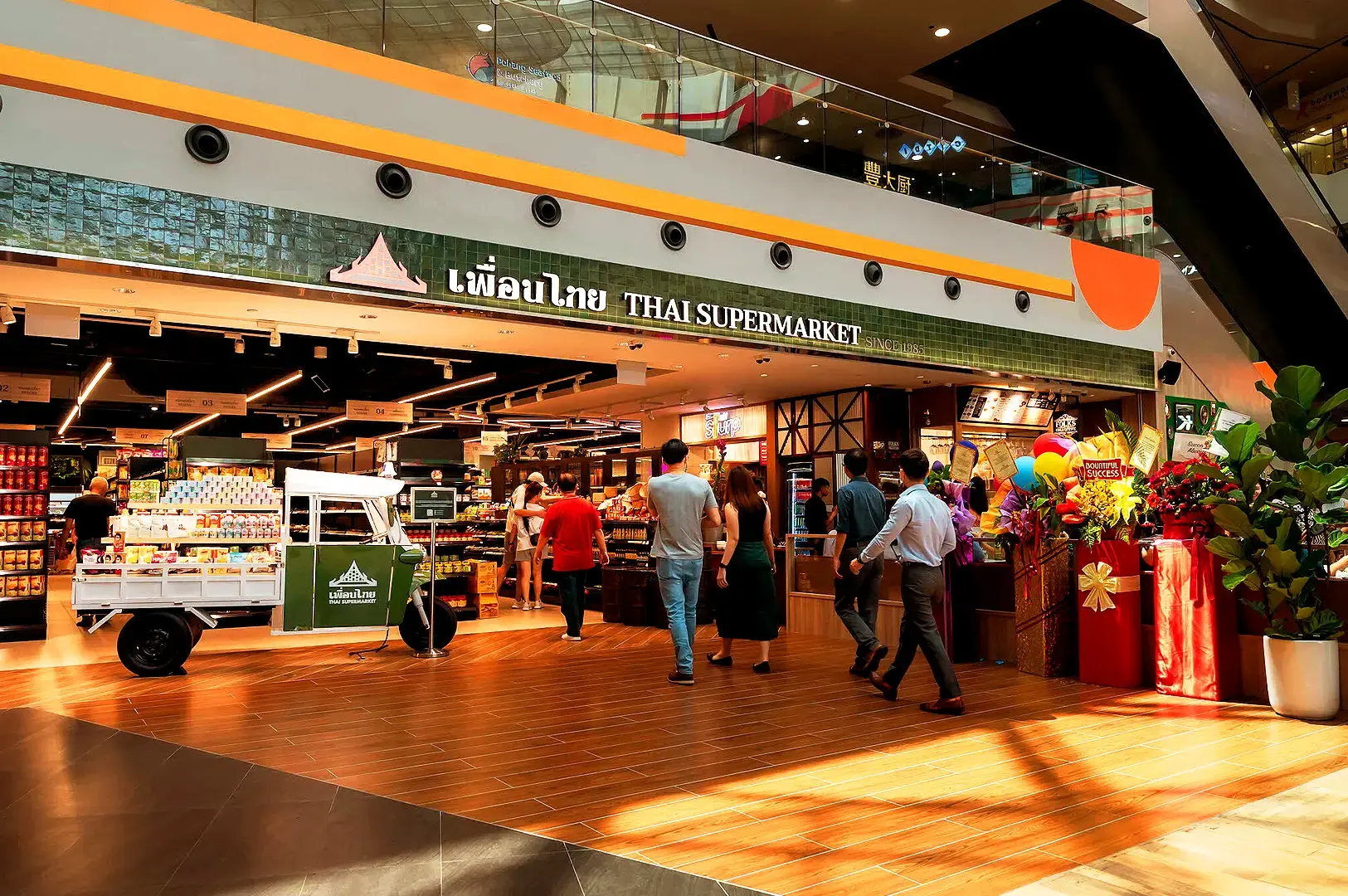
You can find most of this at NTUC FairPrice, Sheng Siong, or Cold Storage — rice noodles, fish sauce, tamarind paste, eggs, tofu, bean sprouts, peanuts, and limes. FairPrice carries Dahlia tamarind paste for a little over a dollar, which is fine as long as you taste and adjust for strength.
For the fussier ingredients — preserved radish, good Thai fish sauce, palm sugar, garlic chives, proper Thai rice noodles — the Thai Supermarket at Aperia Mall is your better bet. If you can’t find preserved radish, the pickled daikon used for sushi stands in well.
A tofu version runs cheaper, somewhere around S$15 for a few servings. Prawns push it closer to S$35. The pantry staples last well beyond one batch.
For cooks leaning toward tofu and meatless versions, Eat Drink Asia’s Fortune Centre food guide is a useful companion, especially for seeing how vegetarian Asian meals can still carry texture, savoury depth, and proper comfort.
Storing and Serving
Pad Thai is best served immediately to enjoy the perfect texture and fresh flavors. If you must store leftovers, keep them in an airtight container in the fridge and reheat gently in a well seasoned wok over medium heat with a splash of water to prevent drying out. Fresh bean sprouts and crushed peanuts can be added after reheating to revive the dish.
Role of Fresh Herbs and Vegetables
While the classic pad thai recipe focuses on the essential ingredients, adding fresh herbs like Thai basil or green onions can elevate the dish with aromatic layers. Bell pepper slices or other fresh vegetables add color and crunch, complementing the pad thai noodles and sauce.
For a truly authentic pad thai recipe, use fresh tamarind pulp soaked in hot water to make your own tamarind concentrate. This homemade pad thai sauce carries a fresher, more vibrant flavor than store-bought pastes.
When the Noodles Are Right
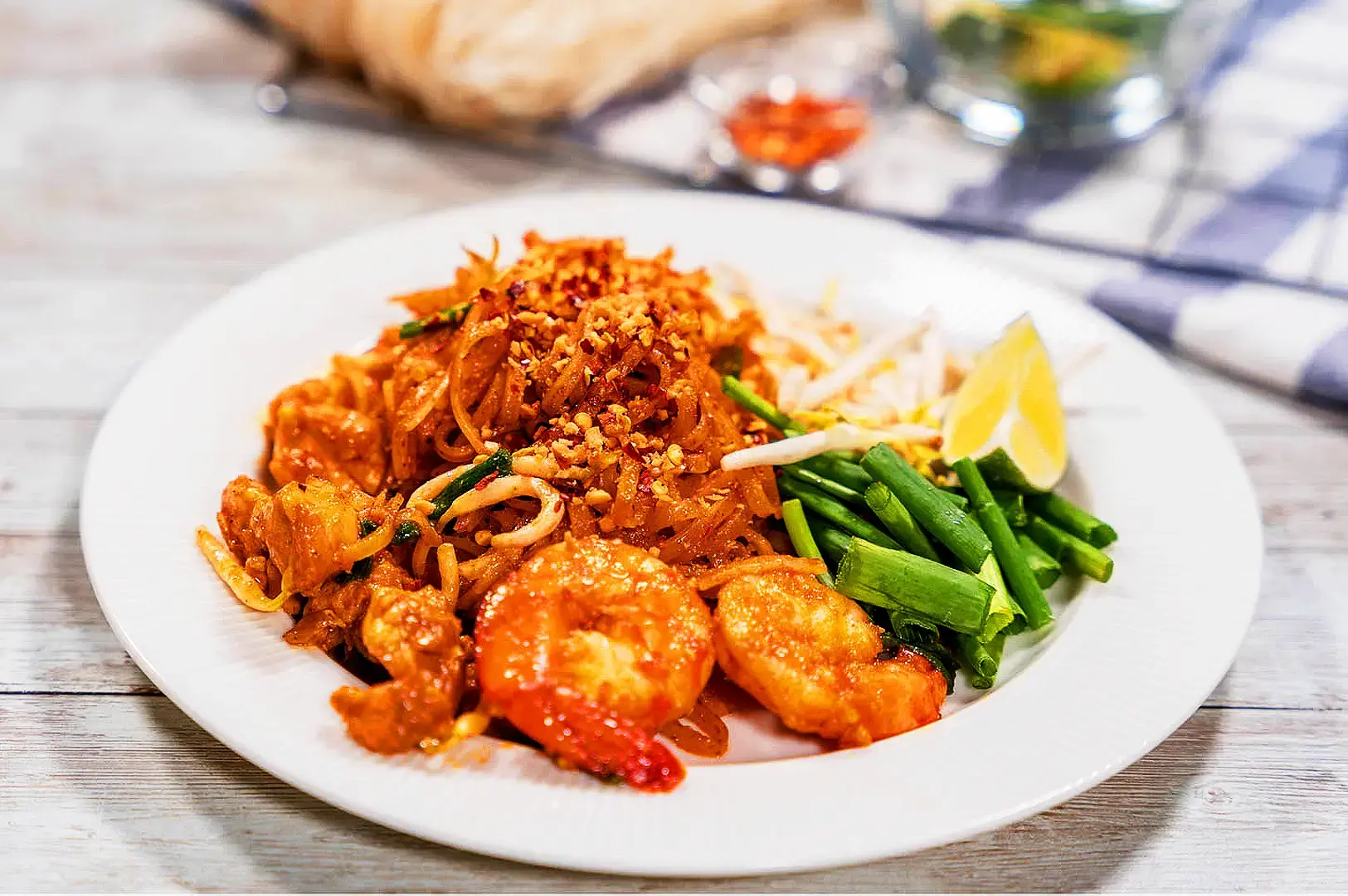
The final toss is the whole recipe in miniature — heat, sauce, noodles, egg, sprouts, and the restraint to stop before you overdo any of it.
I’ve made this enough times now to know the moment it turns. The noodles stop looking wet. They gloss over, catch the light, and slide apart instead of gripping each other. That’s the moment you’re chasing.
Control the noodles, and everything downstream falls into place. Get them wrong, and no amount of lime will save you.
So soak them with intention. Drain them properly. And treat the pan like it’s telling you something — because it is.

Famous Food in China Isn’t Loud: Din Tai Fung’s Dumplings and the Power of Precision
Dio Asahi | May 5, 2026
There is a common misconception that the most authentic culinary journeys involve loud, chaotic kitchens with massive wok flames and shouting chefs. I used to think the same thing until I started paying closer attention to the quieter corners of Asian cooking. I visited Din Tai Fung on a Tuesday around 2:30 pm, hoping to…
-
The Morning Steam of Baozi Along a Beijing Street
Eda Wong | May 2, 2026
The first thing I noticed was the steam. It rose in soft, continuous bursts from stacked bamboo baskets, drifting into the cold Beijing morning like breath made visible. The vendor lifted each lid with practiced rhythm, a quick tilt, a release of heat, then the faint scent of yeast, pork, and warm flour rolling outward….
-
Moo Ping and the Structure of Thai Grilled Street Meat
Dio Asahi | April 30, 2026
The first thing I noticed was the smoke, thin, controlled, rising steadily from a charcoal grill along a Bangkok street. Skewers of pork turned in a quiet rhythm, fat dripping and hissing as it met the heat. The air carried layers of scent: sweet palm sugar, garlic, and a faint fermented depth beneath it. I…
-
Where Kuala Lumpur Actually Begins: Reading the City Through Its Food
Eat Drink Asia Team | April 30, 2026
There are cities you can understand through maps, and then there are cities like Kuala Lumpur that only begin to make sense when you follow what people eat. Not what is recommended or ranked, but what is repeated. The same stall visited every week, the same dish ordered without hesitation, the same flavours that feel…
-
The Silent Language of the Table: How Traditional Food in China Speaks Through Generations
Eda Wong | April 28, 2026
When I first tried to navigate a traditional Cantonese family dinner, I made a spectacularly embarrassing mistake. I sat down, looked at the sprawling, beautifully written menu, and confidently ordered an individual plate of sweet and sour pork just for myself. The table went completely quiet. My host gently nudged the menu back towards the…

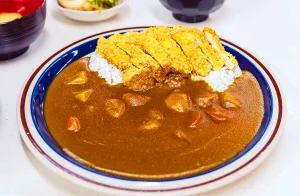
The Golden Roux Revolution: Best Japanese Curry Singapore Spots That Redefine Comfort Food
Eat Drink Asia Team | April 25, 2026
April 25, 2026 | Eat Drink Asia Team Last updated: October 15, 2026 We have always believed that a brilliant plate of Japanese curry is the ultimate culinary hug. Over the past eight months, we made it our personal mission to embark on a comprehensive curry journey across Singapore, hunting down the best Japanese curry…

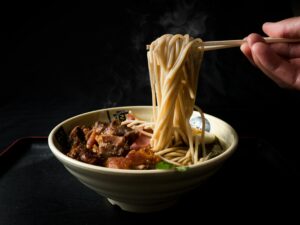
Noodle Masterpieces: Celebrating the Craft
Eat Drink Asia Team | April 24, 2026
Noodles have a timeless place in the world of food, and Taste Our Traditions can attest that only few dishes are as universally loved. What makes a bowl of noodles truly stand out is not just the ingredients, but the artistry and skill behind their creation. Noodle-making is an ancient craft that demands patience, precision,…
-
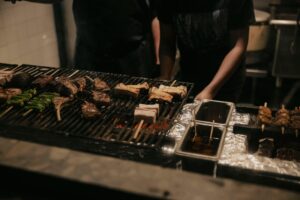
Charcoal Smoke and Yakitori Evenings in Osaka
Eda Wong | April 24, 2026
The first thing I noticed was the smoke. It didn’t rise all at once, but in thin, steady ribbons that curled upward from a narrow grill set just inches from the counter. The scent came first, warm and unmistakable, a mix of rendered chicken fat and binchōtan charcoal, clean but deeply present. Inside the small…
-
Cracking the Code of Telur Thai: Inside Egg Thai West Mall, a Kitchen That Tells a Story
Dio Asahi | April 23, 2026
I visited on a Tuesday around 7pm, completely exhausted from a long day of meetings and staring at screens. I wasn’t looking for a fancy culinary journey or a trend-setting dining experience. Honestly, I just wanted a quick, comforting meal that would hit the spot without emptying my wallet. That specific craving led me to…

Sanook Kitchen’s Thai Omelette Rice: A Heartland Answer to Singapore’s Thai Food Saturation
Eda Wong | April 21, 2026
If you live in Singapore, you know that finding Thai food is about as difficult as finding a humid day. We are spoiled for choice. From gritty hawker stalls serving fiery basil pork to upscale restaurants where a bowl of tom yum costs more than a taxi ride, the options are endless. But sometimes, you…