Modern Festive Menu: Bringing the Big Bowl Home
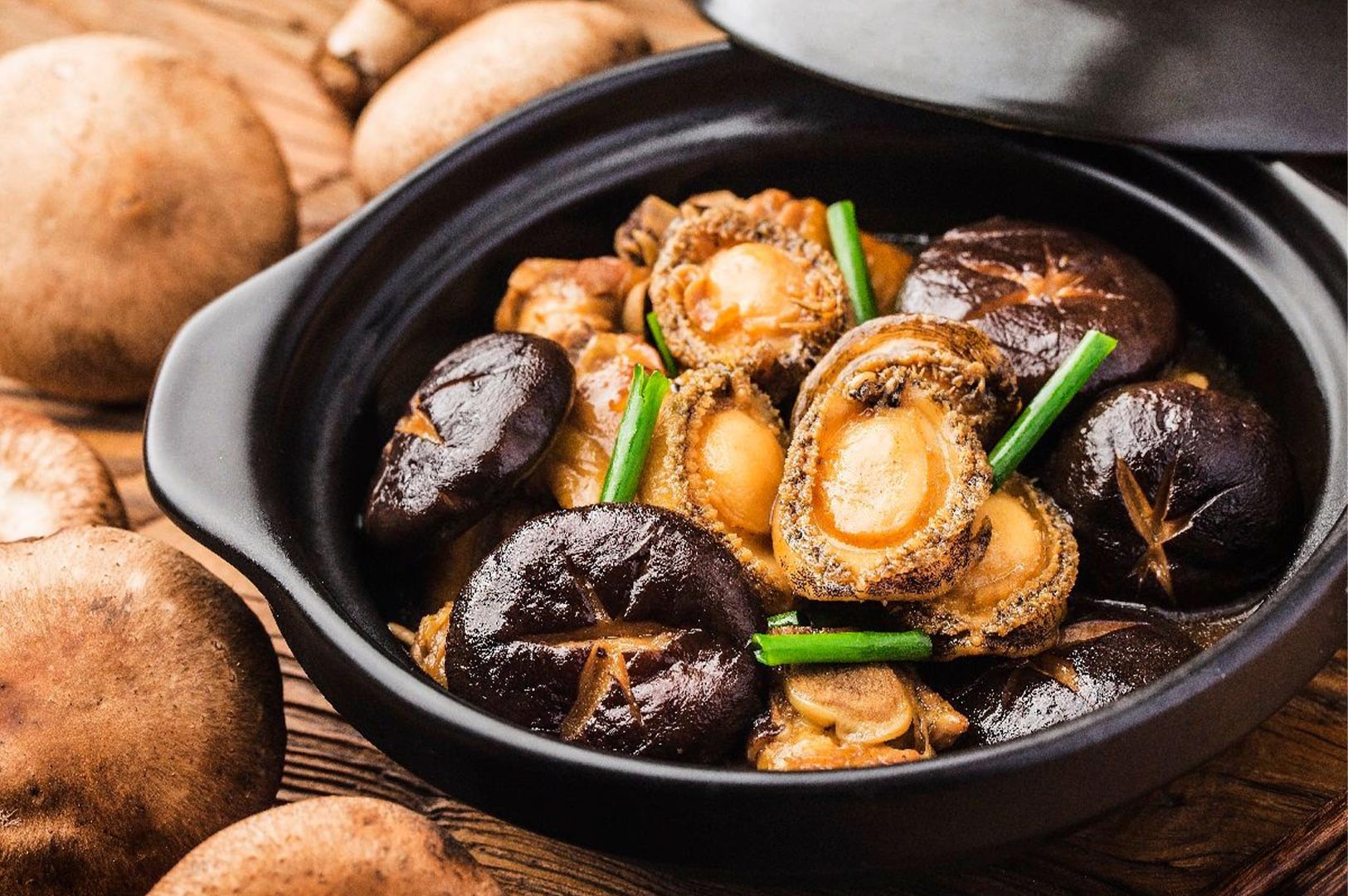
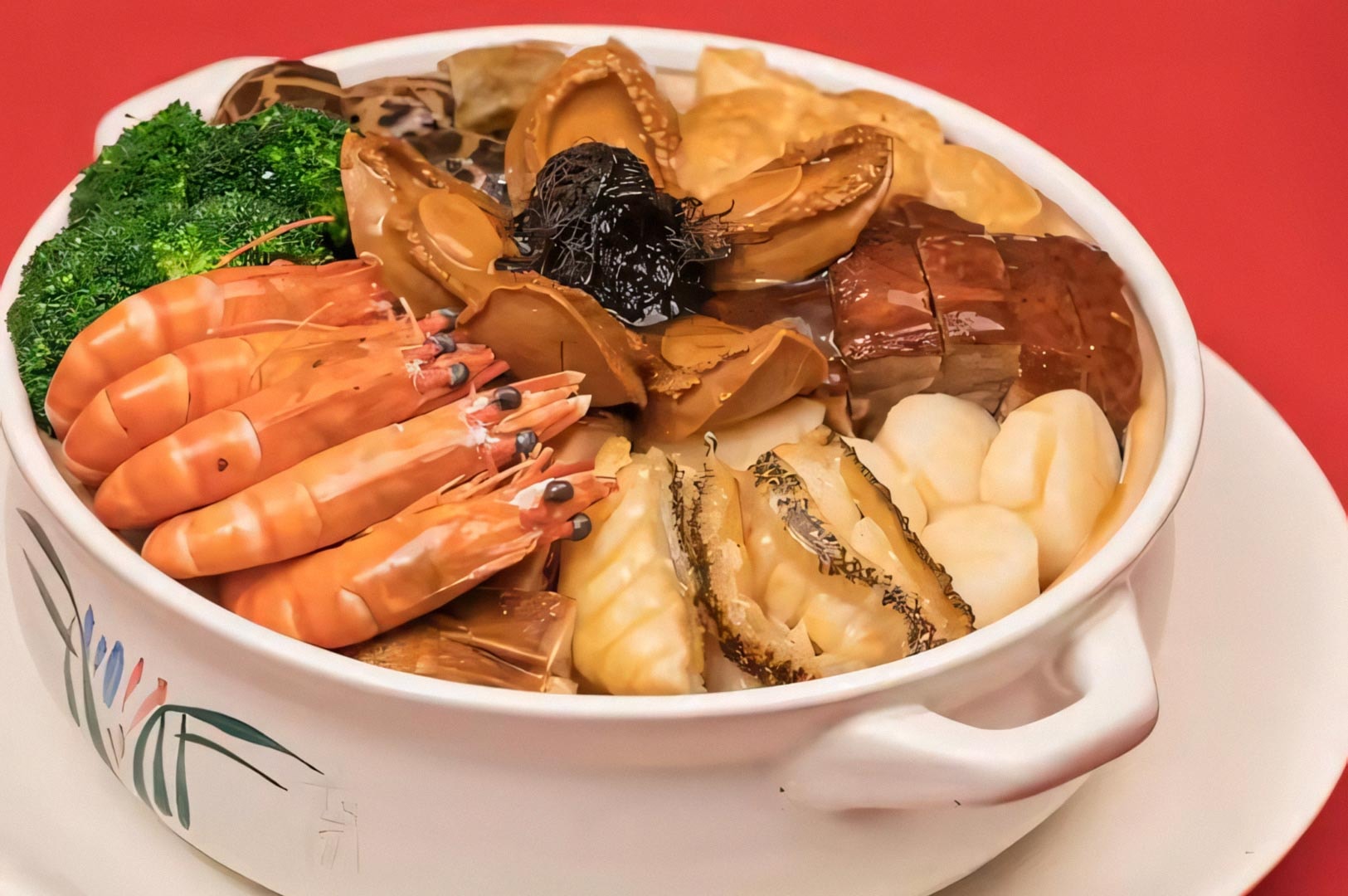
There is a special, undeniable magic to the Chinese New Year reunion dinner. For many families, Chinese New Year 2026 is another chance to gather loved ones at the table and celebrate with a glorious pen cai—sometimes called the “big bowl feast”—overflowing with premium ingredients and festive favourites. This centre stage dish, layered with abalone, fish maw, sea cucumber, prawn, roast pork, luscious chicken, crunchy pulled pork, and symbolic vegetables, carries centuries of joy and abundance in every bite.
Yet preparing traditional pen cai from scratch is a monumental task. Cooking premium seafood like lobster and abalone, braising sea cucumber, and assembling layers of ingredients such as broccoli, fried rice, oyster sauce-coated nian gao, and golden harmony pork knuckle takes days—an impossible ask for many modern Singaporean families balancing work, home, and busy schedules.
This is where pen cai delivery and well-crafted CNY takeaway bundles have stepped into the spotlight, ensuring the reunion feast remains a joy rather than a burden. Instead of spending the festive season chained to the kitchen, families can now feast together at their own home and focus on connection and celebration, not exhaustion.
The Cultural Weight of the Big Bowl
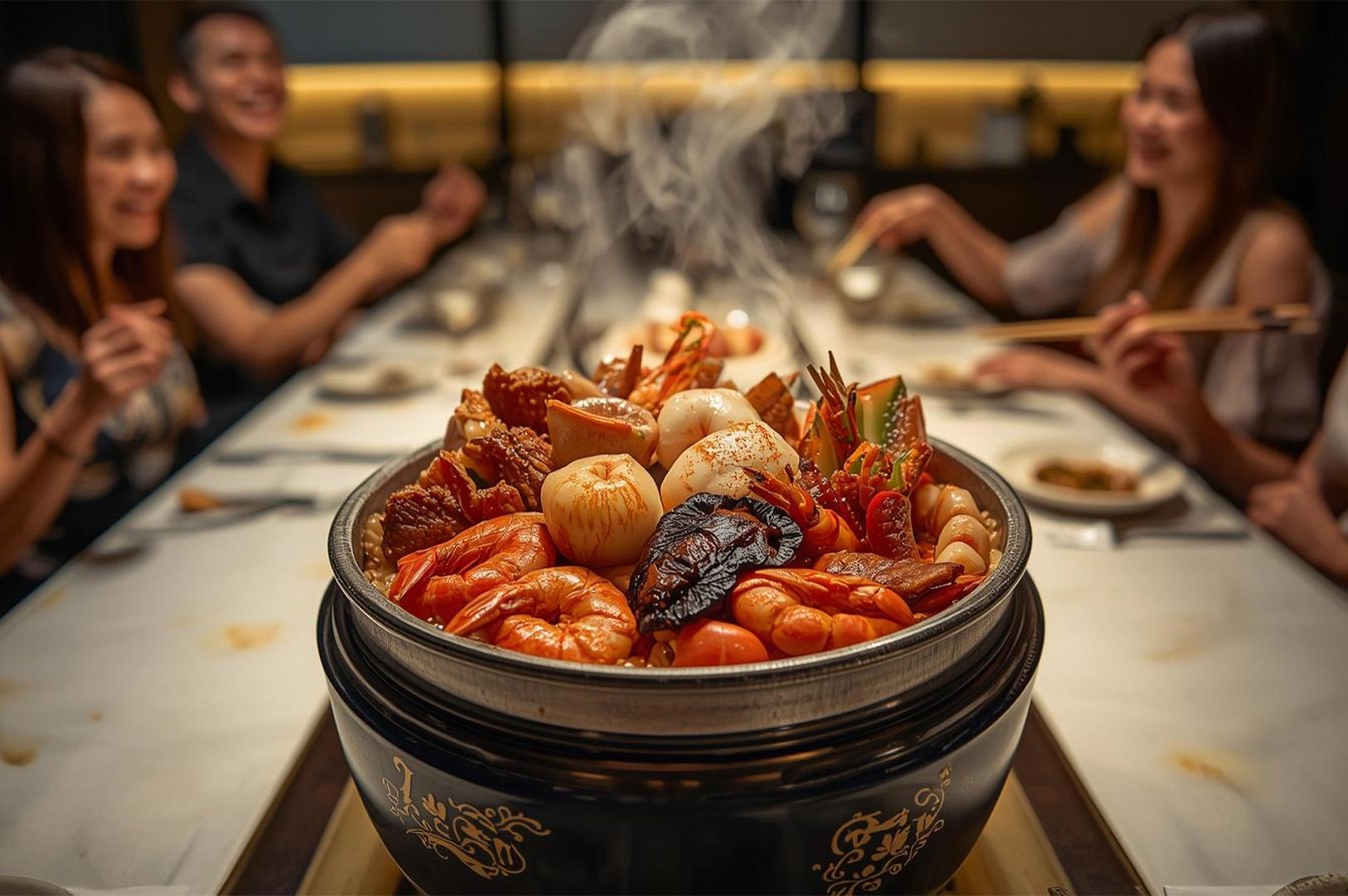
To grasp why pen cai delivery and takeaway menus are increasingly popular, it’s important to remember the dish’s place in Chinese New Year celebrations. Pen cai’s origins stretch back to village celebrations, where abundance and unity mean eating together from a single, oversized basin brimming with prosperity abalone yu sheng, roast meats, and vegetables.
Every layer has meaning—radish, cabbage, and main dishes at the base soak up rich oyster sauce, above which premium abalone, sea cucumber, prawn, and even five head abalone are elegantly displayed. The shared experience of dipping chopsticks into pen cai and CNY set menus or la carte festive menus is a cherished part of reunion dinners for smaller groups and large family gatherings alike.
Communal dishes have long been a centrepiece of Asian food culture. As highlighted by Eat Drink Asia in explorations of Asian dining traditions, feasts like pen cai create abundance and good fortune through food and fellowship, regardless of where or how they’re enjoyed.
Evolution of Delivery: From Convenience to Craftsmanship
If you’ve browsed festive menus in Singapore recently, you’ll notice how pen cai delivery has evolved from “Plan B” to the first choice for the CNY feast. The best CNY takeaway bundles now rival dine in experiences:
- Premium Presentation: Pen cai delivery often arrives in impressive clay or stainless steel pots ready for self pickup or pre order, so the table radiates the same festive spirit as a restaurant reunion dinner.
- Ingredient Integrity: Layered broths sent separately keep premium seafood, crispy grilled bakkwa, prawn, and festive favourites perfectly textured for the celebration. Nothing arrives soggy, whether it’s roast pork, egg, lobster, or broccoli.
- Clear Instructions: Vendors provide step-by-step reheating and serving guides, so your meal is complete and delicious with minimal effort—ideal for impressing family and friends.
Time slots and prior notice options, plus festive season early bird promotion pricing, make these services practical for working families. The result? CNY set menus and pen cai deliveries let you preserve glorious traditions—without the kitchen marathon.
Why Takeaway is the New Tradition
Preserving Joy and Connection
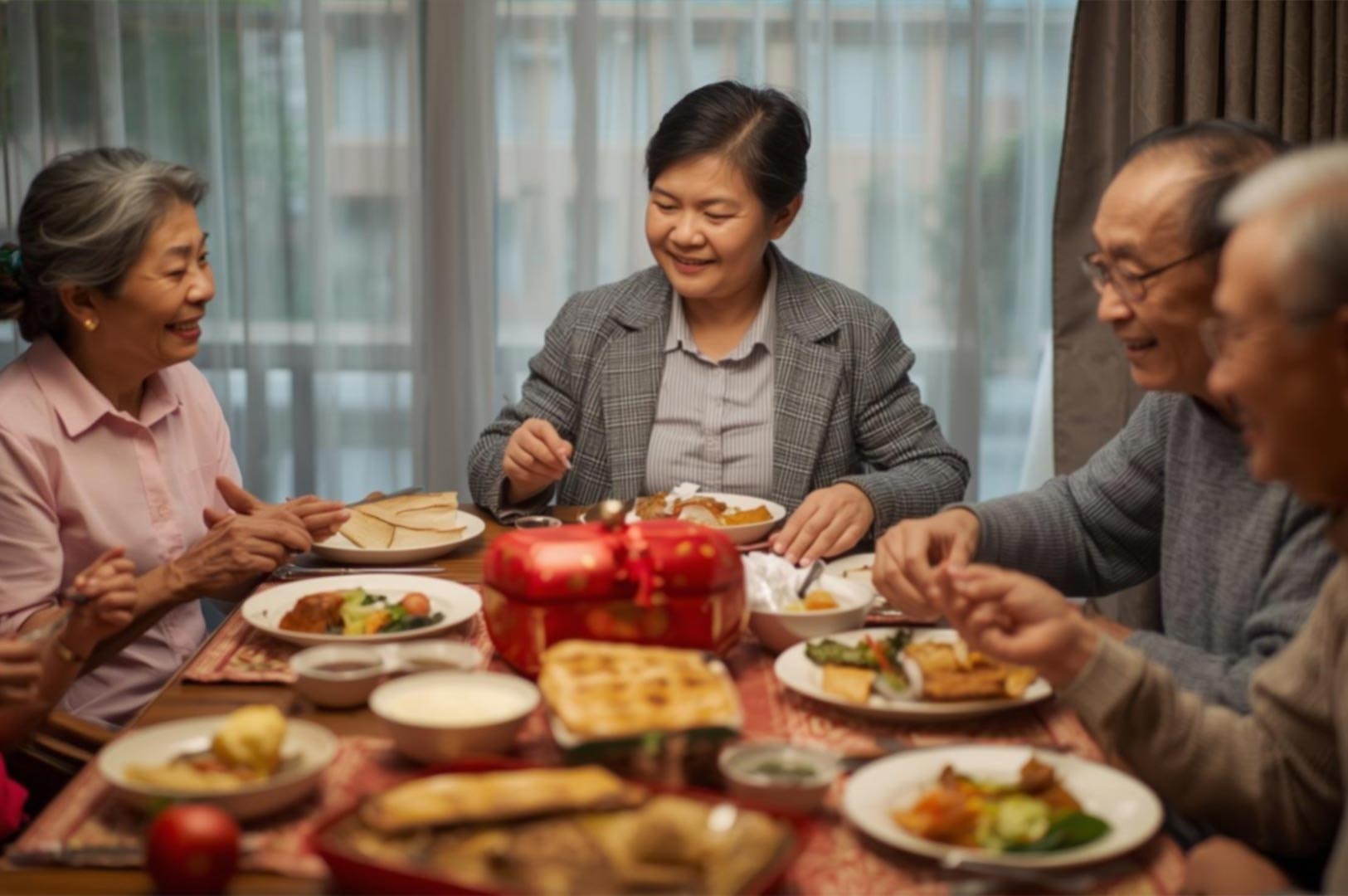
For working parents and smaller groups, ordering fuss free pen cai delivery brings joy, not fatigue, to reunion dinners. Instead of spending CNY eve managing stoves and stressing about main dishes or abalone and crispy grilled bakkwa being perfectly cooked, hosts join their loved ones at the table, savoring favourite festive dishes and creating new memories.
Culinary Excellence at Your Fingertips
Cooked by chefs with years of culinary craft, quality pen cai and Chinese sausage fried rice, golden horse abundance yusheng, and prosperity abalone yu sheng sets elevate the family meal far beyond what home cooks can usually achieve. These premium ingredients, from yang ming seafood to golden harmony pork knuckle, deliver restaurant-worthy flavour to your own home.
Flexible Feasting for Everyone
Not every Singaporean household hosts a twenty-person celebration. Today’s set menus and CNY takeaway bundles are tailored for smaller groups and varied appetites, from intimate reunions to large festive gatherings. Self pickup, dine in, early bird orders, and a la carte options give families more ways to celebrate—even if some members are joining from different homes or at separate times.
Choosing the Right Pen Cai Delivery for Chinese New Year
With so many festive menus and CNY set menus available—ranging from pen cai delivery to takeaway bundles—it helps to consult trusted local resources. Rubbish Eat Rubbish Grow is a go-to for honest pen cai reviews, Chinese New Year dining guides, and comprehensive rundowns of festive season abundance dishes across Singapore, from the popular bee cheng hiang to new market entries and Clarke Quay favourites.
When selecting your CNY feast, look for:
- Transparency: Reliable menus clearly list premium abalone, fish maw, sea cucumber, and all other ingredients.
- Quality and Logistics: Check if dishes like braised sea cucumber and roast pork travel well. Many vendors split sauces (like oyster sauce) for better texture on arrival.
- Delivery and Pickup: Confirm time slots for home delivery or self pickup, as limited time festive menus can sell out fast. Some main dishes may require prior notice or special arrangements.
Advance planning, early bird promotion, and consulting review platforms can help you secure the best pen cai delivery for your family’s year celebrations.
Adapting, Not Abandoning, Tradition
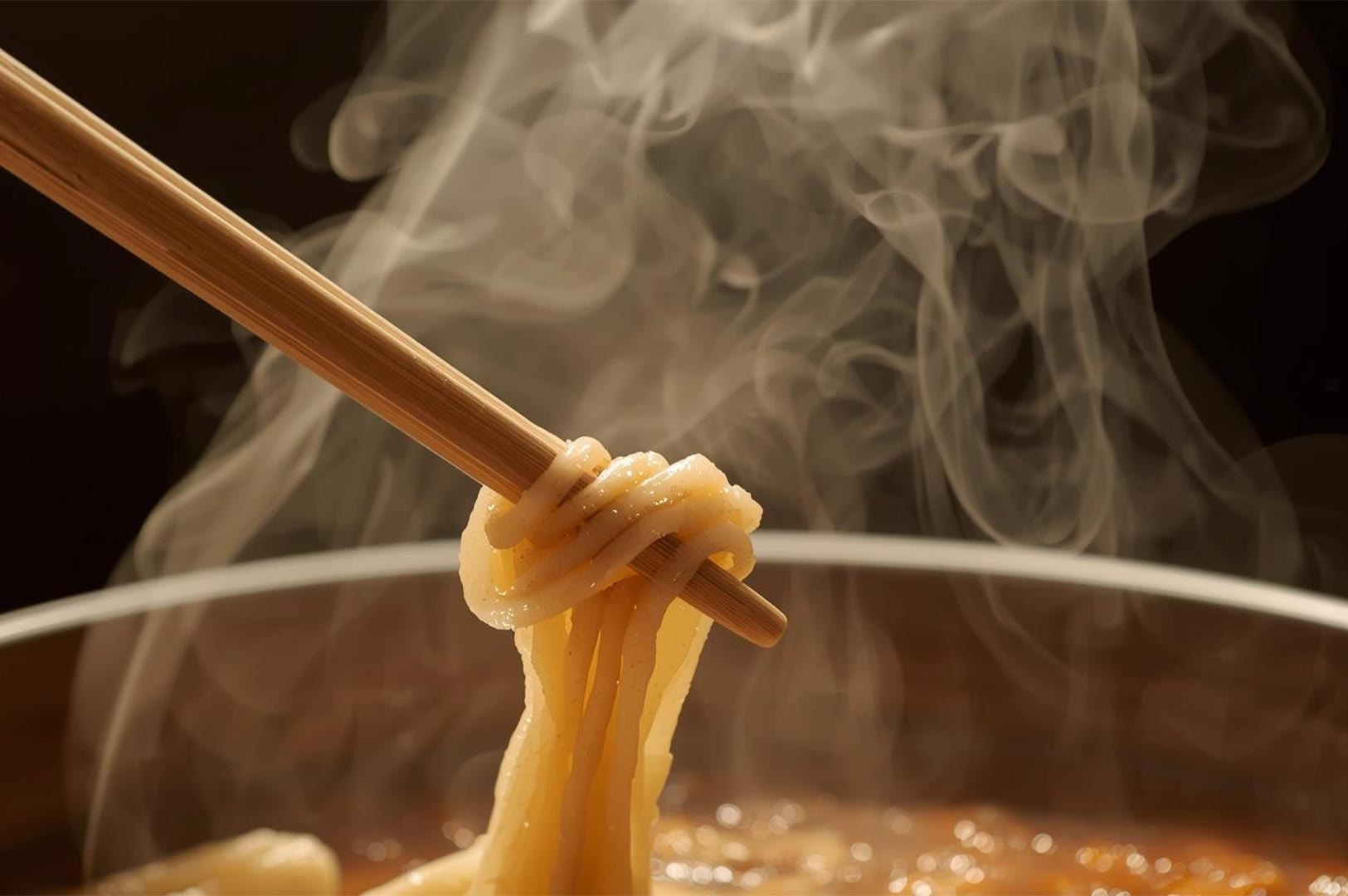
Pen cai, yu sheng, and other reunion dishes endure because their meaning is bigger than where or how they’re served. Chinese New Year isn’t about exhausting kitchen marathons; it’s about the abundance, joy, and good fortune that come from sharing a meal with loved ones.
Ordering CNY takeaway bundles or a festive set menu doesn’t mean sacrificing culture. Instead, it means adapting timeless traditions to match the realities of modern life in Singapore, bringing festive favourites like golden horse abundance yusheng, crispy grilled bakkwa, and delicious pen cai right to your table, ready to celebrate.
Rekindling Reunion: Bringing the “Big Bowl” Spirit Home
Tradition is never static—it flourishes through celebration, adaptation, and joy. With the help of creative pen cai delivery services, festive season CNY takeaway bundles, and thoughtfully prepared CNY set menus, Singaporean families are ensuring that the reunion feast, complete with premium ingredients and main dishes, glows with meaning at the centre stage of every table.
By embracing these modern options for Chinese New Year 2026 and beyond, families are not abandoning their roots—they’re innovating. From prosperity abalone yu sheng to nian gao, prawn, roast pork, sea cucumber, and all the fabulous festive favourites, these meals keep the essence of the “big bowl” celebration alive. This year, gather your friends and family, pre order your glorious pen cai, and let the joy and abundance of reunion dinners shine, wherever you choose to celebrate.

Thai Cuisine in Singapore: Finding the Best Authentic Flavors
Eat Drink Asia Team | December 9, 2025
The unmistakable aroma of lemongrass, galangal, and fiery spices mingles with the bustling night air in Singapore, setting the stage for a dining experience that wakes the soul and tantalizes the senses. Thai cuisine in Singapore has become an essential part of the city’s culinary landscape, offering a complete blend of vibrant flavor, tangy notes,…

The Ultimate Guide to Thai Food: Flavors, Traditions, and Culinary Adventures
Dio Asahi | December 6, 2025
Thai cuisine is one of the world’s most beloved and complex culinary traditions, captivating food enthusiasts globally with its masterful balance of flavors and vibrant presentations. From bustling Bangkok street stalls to high-end international restaurants, Thai food has become a global phenomenon that evolves while maintaining its authentic roots. What sets Thai cuisine apart from…
-
How to Drink Sake: Your Guide to Enjoying Japanese Sake Wine
Eda Wong | December 5, 2025
As Japan’s national beverage, this traditional sake is present at celebrations, quiet dinners, and spiritual offerings, weaving itself into the very fabric of daily life and reflecting Japan’s deep-rooted cultural heritage. Yet, for many outside of Japan, it remains a delightful mystery. You might find yourself wondering, how do you drink sake properly to unlock…
-
The Quiet Pursuit of Perfection: Where to Find the Freshest Sashimi in Singapore
Eat Drink Asia Team | December 3, 2025
In Singapore, a city that moves at a dizzying pace, there is a quiet but growing reverence for pursuits that demand patience. Nowhere is this more apparent than in the city’s evolving appreciation for authentic Japanese cuisine. The once-niche world of omakase has entered the mainstream lexicon, and with it, a more discerning palate for…

Understanding Sake Alcohol Content: A Complete Guide to ABV and Flavor
Eda Wong | December 2, 2025
When exploring Japanese sake, many wonder about its grades and complex flavors. Sake’s unique profile offers remarkable versatility, enjoyed in various serving styles and paired with diverse dishes. One fundamental aspect is sake alcohol content. Is sake stronger than wine? How does its alcohol by volume (ABV) compare to beer? The answer is nuanced. Understanding…
-
Japanese Sake: The Complete Guide to Japan’s Traditional Rice Wine
Dio Asahi | November 29, 2025
Japanese Sake: The Complete Guide to Japan’s Traditional Rice Wine While sake has been Japan’s national beverage for over a millennium, its popularity across Asia is at an all-time high. Rooted in Japan’s traditional brewing methods and centuries-old origins. It symbolizes Japan’s cultural heritage and craftsmanship. Understanding this complex brewed alcoholic beverage opens doors to…

Best Japanese Foods in Japan: The Must-Try Dishes
Eda Wong | November 27, 2025
Why Japanese Food Is Worth the Trip Japan’s culinary world extends far beyond well-known sushi and ramen, revealing a rich variety of regional specialties cherished by locals. While many travelers stick to popular Japanese foods in tourist areas, authentic flavors are best discovered in neighborhood markets, family-run eateries, and seasonal menus reflecting centuries of Japanese…
-
Japanese Food in Japan: The Ultimate Guide to Authentic Culinary Experiences
Eat Drink Asia Team | November 25, 2025
Experiencing Japanese food in Japan is fundamentally different from eating Japanese cuisine anywhere else. While sushi restaurants and ramen shops have spread globally, the authentic flavors, techniques, and cultural context of Japanese food can only be fully appreciated in its homeland. From meticulously selecting ingredients at peak freshness to centuries-old traditions shaping every meal, eating…
-
Food in Japan: A Complete Guide to Japanese Cuisine and Culinary Culture
Eda Wong | November 22, 2025
The gentle steam rising from a bowl of miso soup carries more than just the earthy aroma of fermented soybeans-it carries centuries of Japanese culture and culinary wisdom. When you eat in Japan, you’re not simply consuming a meal; you’re participating in a ritual that connects you to the seasons, the land, and a philosophy…
-
Ramune Marble Soda: History and Cultural Meaning of Japan’s Iconic Marble Soda
Dio Asahi | November 20, 2025
Among Japan’s beloved fizzy drinks, none evoke nostalgia and uniqueness quite like Ramune marble soda. Instantly recognizable by its quirky Codd neck bottle and glass marble seal, Ramune soda is an essential part of Japanese summer, cherished by generations for its refreshing taste and signature pop sound. This marble soda remains a staple at summer…