By Dio Asahi for Eat Drink Asia.
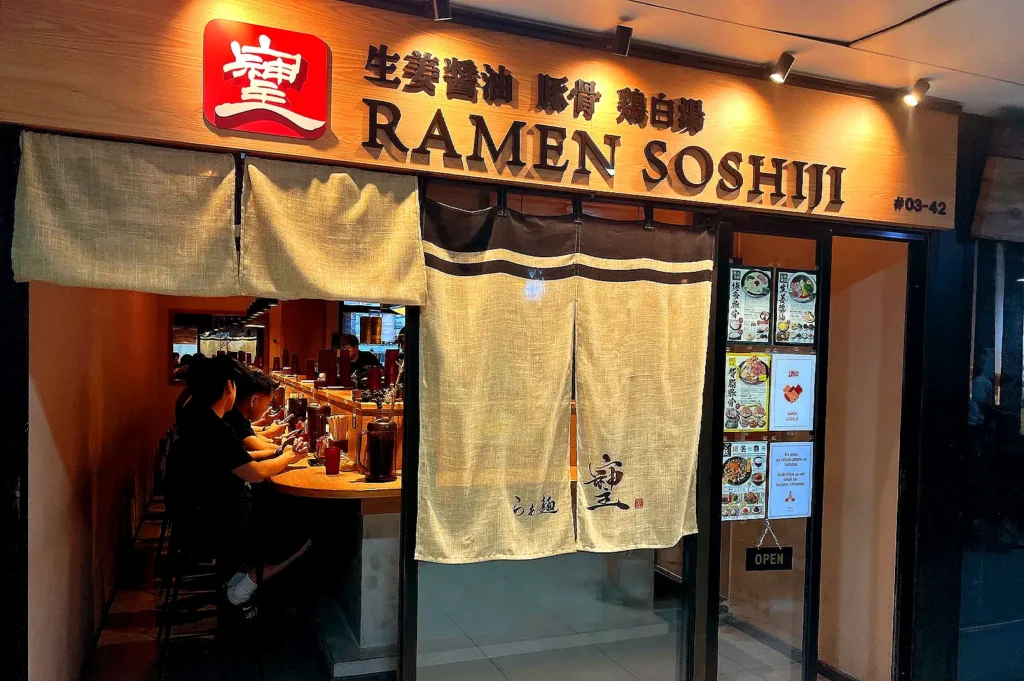
The lift opens on the third floor of Orchard Plaza, and for a second I don’t know which way to turn. The corridor is dim and still, the kind of quiet that feels almost accidental in this part of town. A few doors down, an unmarked entrance. Inside, a counter, a row of stools, and the low sound of a kitchen already at work at Ramen Soshiji.
Below me, Orchard Road is doing what it always does — buses, shopfronts, the churn of people who came to buy something. Up here, none of that reaches. The change happens in a single lift ride, and I still find it strange every time.
I sit at the counter and order the Ginger Shoyu Ramen. When it arrives, the steam comes first. Not the heavy, clouded steam of a pork-bone broth, but something lighter, carrying a sharpness I can smell before I taste. Ginger. Fresh, not powdered. It cuts clean through the warmth of the soy.
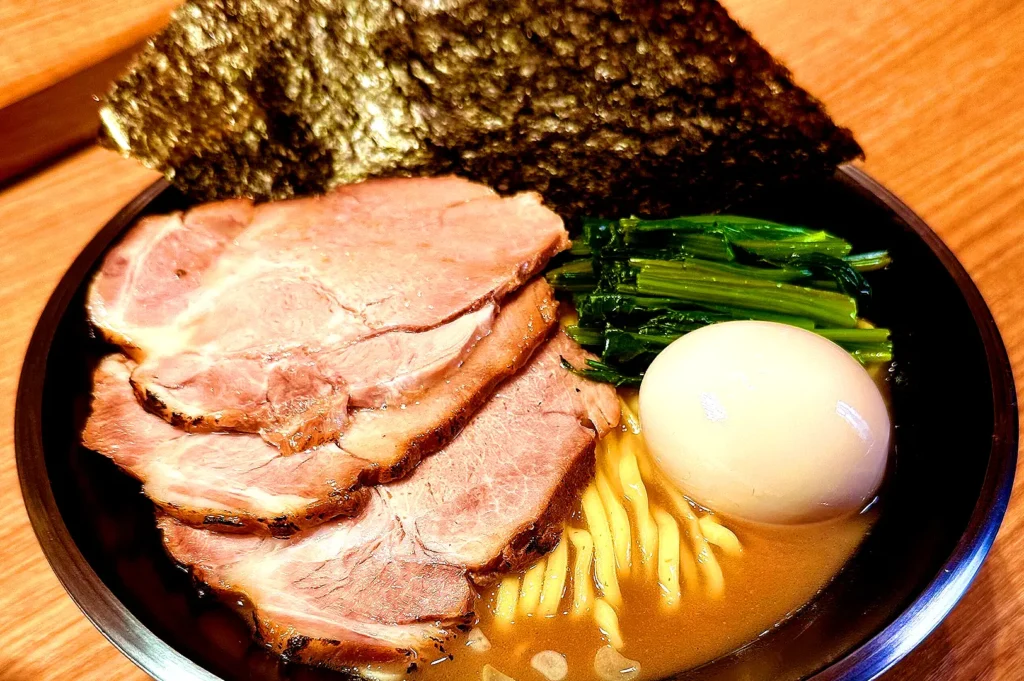
The broth is the thing here. Most ramen counters in this city lean on tonkotsu — that thick, milky richness that coats the mouth and stays. This one goes the other way. It’s soy-based, clear enough to see the noodles resting in it, and the ginger keeps it moving on the palate instead of settling heavy. The noodles have a real spring to them, a chew that holds up against the broth rather than surrendering to it. I eat slower than I meant to.
In the larger comfort-food canon, this reminds me of our ongoing search for best japanese curry singapore — different spice, same need for warmth.
There’s something about a counter like this that changes how you eat. No table to share, no conversation to manage. Just you, the bowl, and the small distance to the kitchen. Ramen in Japan is often eaten this way — alone, quickly, without ceremony, a meal built for one person’s attention. The seat faces forward for a reason. You’re not meant to perform the meal. You’re meant to have it.
That solitude feels rarer than it should in Singapore, where eating is so often communal, loud, a table crowded with dishes to pass. Here, nobody expects you to talk. The person two stools down is doing exactly what you’re doing, and neither of you acknowledges it. It’s a kind of company that asks nothing.
What stays with me isn’t only the broth. It’s the gap between the floor I’m sitting on and the street I walked in from. Orchard Road sells attention. Everything down there is trying to be seen. And then, three floors up, a small room does the opposite — it asks for nothing, advertises nothing, and simply cooks. The ginger in the broth is a decision someone made because it tastes better that way, not because it photographs well.
I finish the last of the soup, ginger still faint on the back of the tongue. The stool beside me empties and fills again. Someone new, another single bowl.
Outside, the noise is waiting. But for the length of one ramen, the quiet held — and that, I think, is the whole point of the place.

The Ultimate Guide to Thai Food: Flavors, Traditions, and Culinary Adventures
Dio Asahi | December 6, 2025
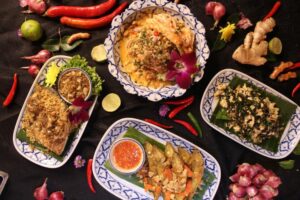
Thai cuisine is one of the world’s most beloved and complex culinary traditions, captivating food enthusiasts globally with its masterful balance of flavors and vibrant presentations. From bustling Bangkok street stalls to high-end international restaurants, Thai food has become a global phenomenon that evolves while maintaining its authentic roots. What sets Thai cuisine apart from…

How to Drink Sake: Your Guide to Enjoying Japanese Sake Wine
Eda Wong | December 5, 2025
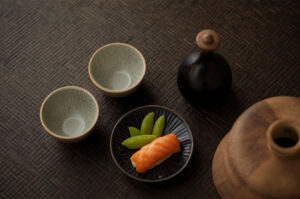
As Japan’s national beverage, this traditional sake is present at celebrations, quiet dinners, and spiritual offerings, weaving itself into the very fabric of daily life and reflecting Japan’s deep-rooted cultural heritage. Yet, for many outside of Japan, it remains a delightful mystery. You might find yourself wondering, how do you drink sake properly to unlock…
-
What Is Sashimi? A Guide to Raw Fish, Sliced Raw Fish, and Japanese Seafood
Eat Drink Asia Team | December 3, 2025
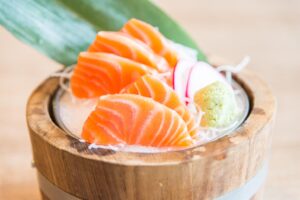
Sashimi is one of the clearest ways to understand Japanese cuisine because there is very little to hide behind. At its simplest, sashimi is sliced raw fish or seafood served without sushi rice, usually with soy sauce, wasabi, and simple garnishes such as daikon radish. But the dish is not just “raw fish on a…

Understanding Sake Alcohol Content: A Complete Guide to ABV and Flavor
Eda Wong | December 2, 2025
When exploring Japanese sake, many wonder about its grades and complex flavors. Sake’s unique profile offers remarkable versatility, enjoyed in various serving styles and paired with diverse dishes. One fundamental aspect is sake alcohol content. Is sake stronger than wine? How does its alcohol by volume (ABV) compare to beer? The answer is nuanced. Understanding…
-
Japanese Sake: The Complete Guide to Japan’s Traditional Rice Wine
Dio Asahi | November 29, 2025
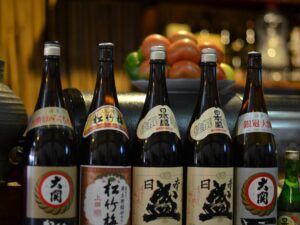
Japanese Sake: The Complete Guide to Japan’s Traditional Rice Wine While sake has been Japan’s national beverage for over a millennium, its popularity across Asia is at an all-time high. Rooted in Japan’s traditional brewing methods and centuries-old origins. It symbolizes Japan’s cultural heritage and craftsmanship. Understanding this complex brewed alcoholic beverage opens doors to…

Best Japanese Foods in Japan: The Must-Try Dishes
Eda Wong | November 27, 2025
Japan’s culinary world extends far beyond well-known sushi and ramen, revealing a rich variety of regional specialties cherished by locals. While many travelers stick to popular Japanese foods in tourist areas, authentic flavors are best discovered in neighborhood markets, family-run eateries, and seasonal menus reflecting centuries of Japanese cooking tradition. Understanding Japanese cuisine requires more…
-
Japanese Food in Japan: The Ultimate Guide to Authentic Culinary Experiences
Eat Drink Asia Team | November 25, 2025
Experiencing Japanese food in Japan is fundamentally different from eating Japanese cuisine anywhere else. While sushi restaurants and ramen shops have spread globally, the authentic flavors, techniques, and cultural context of Japanese food can only be fully appreciated in its homeland. From meticulously selecting ingredients at peak freshness to centuries-old traditions shaping every meal, eating…
-
Food in Japan: A Complete Guide to Japanese Cuisine and Culinary Culture
Eda Wong | November 22, 2025
The gentle steam rising from a bowl of miso soup carries more than just the earthy aroma of fermented soybeans-it carries centuries of Japanese culture and culinary wisdom. When you eat in Japan, you’re not simply consuming a meal; you’re participating in a ritual that connects you to the seasons, the land, and a philosophy…
-
Ramune Marble Soda: History and Cultural Meaning of Japan’s Iconic Marble Soda
Dio Asahi | November 20, 2025
Among Japan’s beloved fizzy drinks, none evoke nostalgia and uniqueness quite like Ramune marble soda. Instantly recognizable by its quirky Codd neck bottle and glass marble seal, Ramune soda is an essential part of Japanese summer, cherished by generations for its refreshing taste and signature pop sound. This marble soda remains a staple at summer…
-
Hokkaido’s Best Seafood Treasures: Beyond Sushi and Sashimi
Eat Drink Asia Team | November 18, 2025
When visiting Hokkaido, Japan’s northernmost island, food lovers are greeted with some of the most highly regarded seafood specialties in the world. Hokkaido is famous for its abundance of fresh seafood and rich fishing grounds, thanks to the surrounding Sea of Japan, Pacific Ocean, and Sea of Okhotsk. These nutrient-packed waters yield a wide range…