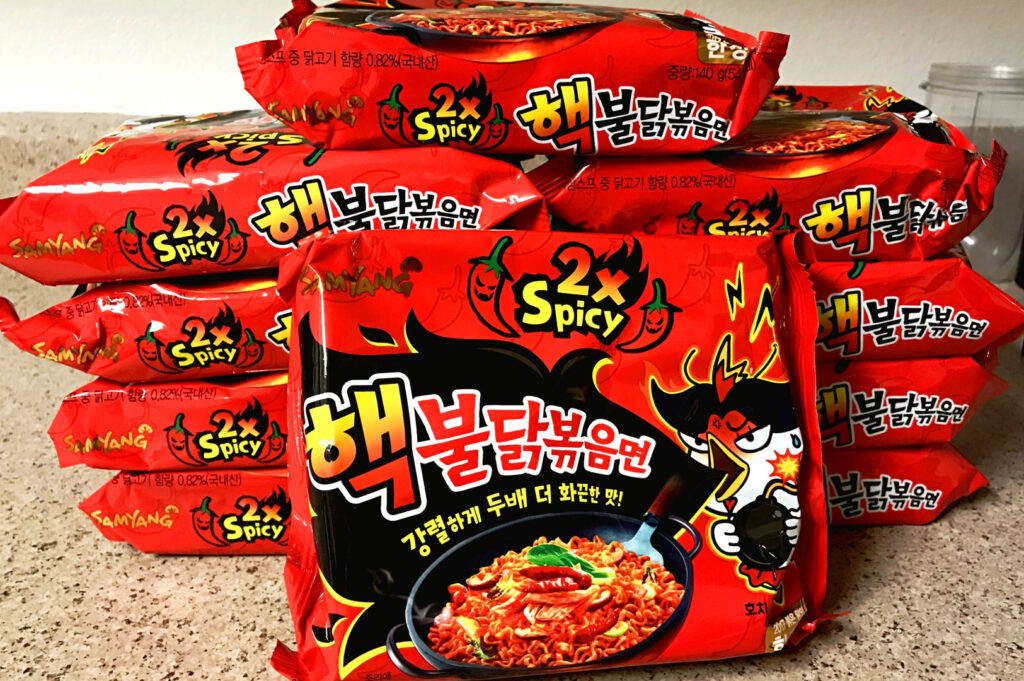
When we first tried the notorious Samyang 2x Spicy Buldak noodles, we treated it exactly how the internet told us to: like a dare. We boiled the noodles, poured in every last drop of the blood-red sauce, and braced ourselves. Within three bites, our palates were completely blown out. We could not taste the savoury roasted sesame, the deep chicken-style umami, or the subtle smokiness. We were just eating pain. As part of the Eat Drink Asia Team, our job is to explore the culinary journey behind our food, and that day, we realised we were doing these noodles a massive disservice.
Over the past few months, we have eaten our way through nearly every variant of Samyang available in Singapore. We’ve found that the biggest misconception holding people back from enjoying these iconic instant noodles is treating the spicy level as a single ladder of pain. In reality, heat has a shape. The experience changes dramatically by style, and navigating the Samyang lineup should feel like reading a rich flavour map.
If you have ever been intimidated by that fiery chicken mascot, or if you simply want to elevate your midnight snack into a genuine celebration of flavours, you are in the right place. This guide will completely change how you approach your next bowl.
Understanding Samyang’s Heat Levels: Navigating the Samyang Spicy Level Spectrum
When you stroll down the instant ramen aisle at your local FairPrice, the colorful array of Samyang noodles can feel overwhelming. These spicy noodles, especially from the iconic Samyang buldak ramen line, come in various forms, from multipacks priced around S$7.50 to S$8.20 for five packs, to individual bowls near S$3.03, and smaller cups at about S$2.32. But how do you choose the right one for your spice tolerance and taste preferences?
Samyang Foods, a renowned South Korean brand, has carefully crafted the buldak range to offer a diverse spectrum of spice levels and flavour profiles rather than a one size fits all fiery blast. This lets you explore deliciously spicy experiences that suit your palate and mood.
The Buldak Range: From Creamy to Fiery Hot Chicken Flavor Ramen
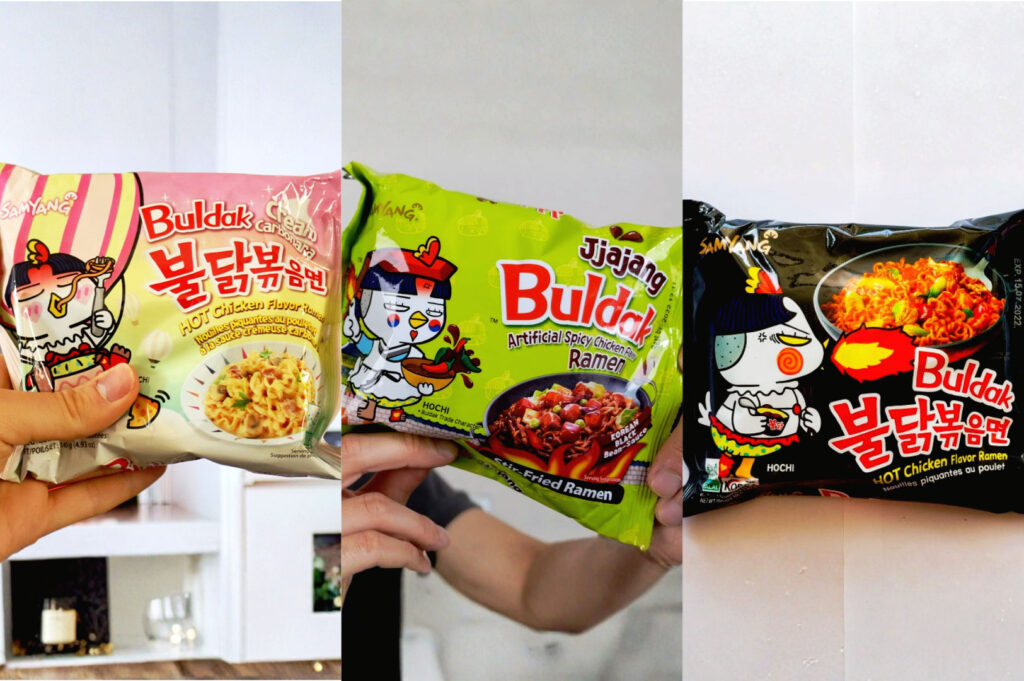
- Cream Carbonara and Carbonara: These are the mildest options in the Samyang spicy level lineup. The creamy, cheesy sauce coats the noodles with a luscious texture, balancing the spicy chicken heat with garlic and dairy notes. This makes for a smooth, comforting bite that’s perfect for those easing into the world of spicy instant noodles.
- Jjajang: A darker, more savoury variant featuring roasted black bean paste. The sweet and earthy tones of jjajang mellow the spice, creating a rich, layered flavour that feels like a warm hug in a bowl.
- Original Buldak (Buldak Bokkeummyeon): The heart of the buldak ramen family, this hot chicken flavor ramen clocks in at around 4,404 Scoville heat units (SHU). The spicy sauce packs a sharp, clean heat that hits the front of the mouth, paired with a smoky, umami rich chicken flavor that’s instantly recognizable.
- 2x Spicy: Known as one of the spiciest instant noodles globally, the 2x spicy version doubles the heat to roughly 10,000 SHU. This sauce pack delivers an aggressive, immediate burn that challenges even seasoned spice lovers and is the star of the infamous fire chicken noodle challenge.
On Spice Perception
Samyang decided to use a sauce based spicy chicken flavor rather than powder, which means the spice clings to the oils and fats in the noodles. As a result, a 4,000 SHU sauce pack often feels hotter than a dry chili powder with the same rating. This nuanced heat experience is part of what has driven the rising popularity of Samyang buldak ramen worldwide.
How to Build Your Perfect Bowl of Samyang Instant Ramen
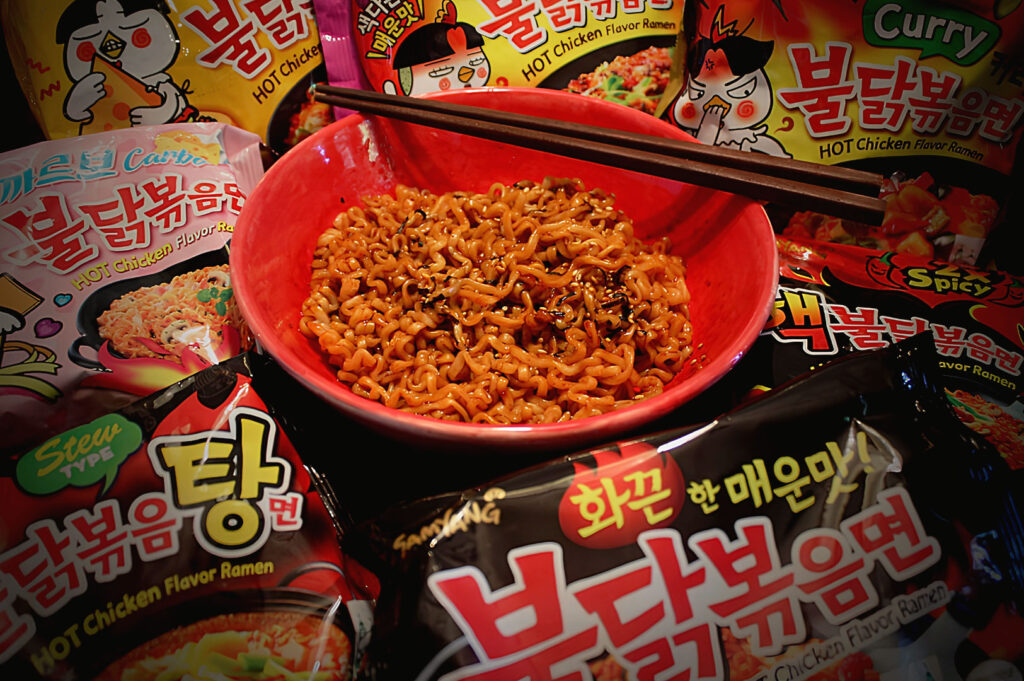
Creating your ideal bowl of Samyang instant noodles is a culinary adventure that balances heat, texture, and flavour. With a bit of care, even the spiciest hot chicken flavor ramen can be deliciously approachable.
Step 1: Pick Your Base Flavor and Spice Level
Choose from the buldak range according to your spice tolerance and taste preference. For a creamy, cheesy indulgence, try the cream carbonara or cheese variants. For a fiery kick, the original buldak or 2x spicy packs are your go to.
Step 2: Control the Sauce Pack Dose
The spicy sauce is the heart of the buldak bokkeummyeon experience. Instead of emptying the entire sauce pack at once, start with 50 to 70 percent to dial in your preferred spice level. You can always add more if you want it bit spicier.
Step 3: Add a Buffer to Tame the Heat
Fats and dairy are your friends when it comes to balancing spice. Stir in a raw egg yolk, a slice of processed cheese, or a splash of full fat milk. This not only mellows the capsaicin burn but also enriches the sauce into a glossy, creamy coating that clings to the noodles beautifully.
Step 4: Brighten with Acidity
Spicy hot chicken dishes crave brightness. A squeeze of fresh lime (habanero lime is a popular pairing), chopped spring onions, or a spoonful of fermented kimchi cuts through the richness and heightens the overall flavour complexity.
Step 5: Amp Up Texture and Substance
Instant ramen can be one dimensional in texture, but you can elevate your bowl with crispy fried eggs, pan fried luncheon meat, silky tofu, blanched vegetables, or crushed roasted seaweed flakes. For a heartier meal, Samyang’s meat spaghetti variant offers a fusion twist with ground meat and tomato undertones, adding a satisfying chew to the mix.
Singaporean Adaptations: Local Flavour Meets Samyang Spicy Noodles
Singapore’s vibrant food culture, with its love for sambals, laksa, and chilli padi, embraces the hot chicken flavor ramen differently. Samyang spicy level behaves uniquely here, it’s more concentrated and sauce heavy than local spice pastes.
Many Singaporeans use Samyang buldak ramen as a premium base for fusion dishes. At local FairPrice stores, you’ll find halal certified Samyang noodles, making them accessible to a wide audience. Popular local toppings include pan fried luncheon meat, crispy tofu cubes, blanched chye sim (Chinese flowering cabbage), and shredded seaweed. Some modern Korean fusion cafes in Tanjong Pagar even serve stir fried versions with melted mozzarella, sweet corn, and spicy chicken, blending the buldak range’s heat with local tastes.
Exploring Samyang’s Unique Flavor Innovations and Global Influence
To help you navigate the extensive Samyang lineup, here is a breakdown of the key flavor categories and their distinctive characteristics. Each section delves into specific variants, highlighting their spice levels, unique taste profiles, and how they fit into the broader spectrum of Samyang’s spicy noodle offerings.
Diverse Flavor Profiles Beyond Heat
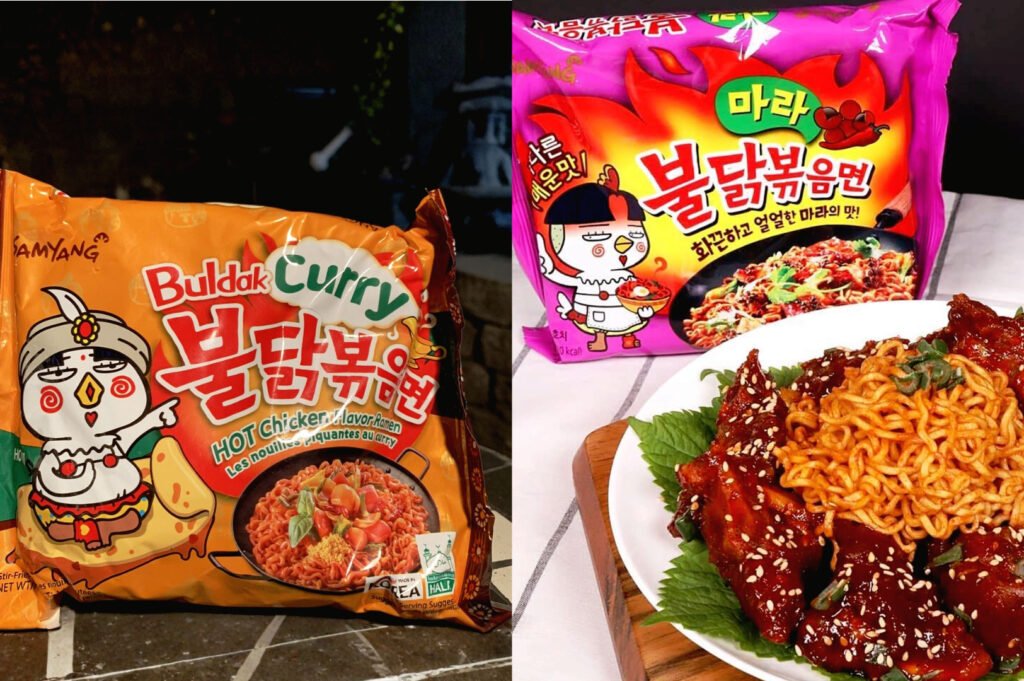
Samyang’s spicy noodle range extends beyond mere heat, showcasing a remarkable variety of flavors that reflect both traditional Korean tastes and international culinary trends. Beyond the hot chicken flavor ramen, varieties like curry, mala, and jjajang offer distinct taste experiences that balance spiciness with sweetness, umami, and bold spices. The curry variant, for instance, infuses the noodles with aromatic spices and a mildly sweet broth, appealing to those who enjoy a complex yet approachable spiciness. Meanwhile, the mala flavor draws inspiration from Sichuan cuisine, delivering a numbing, tongue tingling sensation alongside the fiery heat.
Global Popularity and the Fire Noodle Challenge
This flavor diversity has helped Samyang capture a global audience, fueling the popularity of the Fire Noodle Challenge, a viral social media phenomenon where participants test their spice tolerance. The challenge has not only increased brand recognition but has also driven international sales, with Samyang’s Hot Chicken Flavor Ramen reaching over 4 billion cumulative sales worldwide as of 2022. The brand’s success is further bolstered by its halal certified options, making it accessible to a broad demographic including Muslim consumers.
Commitment to Quality and Innovation
Samyang’s commitment to quality is evident in their use of high performance liquid chromatography (HPLC) to measure capsaicin levels, ensuring consistent spiciness across batches. This scientific approach, combined with innovative flavor development, positions Samyang as a leader in the spicy instant noodle market, both in South Korea and internationally. Whether you’re enjoying a comforting bowl of buldak stew, savoring the spicy broth of their soup variants, or experimenting with fusion dishes like buldak yakisoba or dumplings, Samyang’s noodles offer a tasty and exciting journey through the world of Korean spicy cuisine.
Map Your Own Culinary Journey
The Korean Samyang Noodles spicy level is not a bravery test; it is a highly customisable recipe dial. These noodles offer an incredible, innovative canvas for you to explore flavours, textures, and temperatures right in your own kitchen.
Do not let the viral challenge videos intimidate you. Grab a packet of Cream Carbonara or Jjajang, prepare your favourite fresh toppings, and remember to respect the sauce dose. Experiment with the buffers, play with the acids, and find the exact point on the flavour map that makes your palate sing. The perfect, flavourful bowl is entirely in your hands, go ahead and taste the world.
Additionally, just as Samyang noodles invite you to explore complex flavors and heat levels, pairing your meal with a soothing cup of Chinese tea can beautifully balance and enhance the overall dining experience.

Chana Masala With Warm Roti, Built for Weeknights: Quick Vegetarian Dinner Recipes Indian
Dio Asahi | July 14, 2026
The first time I made chana masala, I started with dried chickpeas at 7:30 on a weeknight, soaking and boiling like the recipe said. By the time the curry was actually done, it was nearly ten and I’d already eaten half a loaf of bread out of sheer hunger. That night taught me something I…
-
One-Pan Chicken Curry With Jeera Rice and Cucumber Raita: Food for Dinner Indian, Made Practical
Eat Drink Asia Team | July 11, 2026
The first time we cooked a full Indian dinner on a weeknight, the curry, rice, and raita felt like three separate tasks—three pans, three timers, and a kitchen full of wonderful smells but chaos. The curry was good, the rice sticky, and the raita watery from being made too early. That night taught us a…
-
Banana Leaf Steam: Why Some Rice Smells Like Home
Eda Wong | July 10, 2026
Steam rises from the pot, and a woman lifts a banana leaf over the open flame, turning it once, twice, until its stiff green softens and the surface goes glossy and pliant. She wipes it down with a damp cloth, then spoons hot rice into its center while the grains still steam. The leaf releases…
-
Tambuah Mas Paragon, Delivered: Unique Food Delivery Singapore With Old-School Comfort
Eda Wong | July 9, 2026
I ordered from Tambuah Mas on a rainy Sunday at around 6:15pm, mostly because I wasn’t in the mood to dress up and head into town, but I still wanted a proper meal. Not a sad one-bowl lunch. A real spread. That’s the thing about Tambuah Mas. It’s been around since 1981, serving Indonesian home-style…
-
Toasted Rice Powder: The Dust That Makes Larb Sing
Dio Asahi | July 8, 2026
A wok sits over a low flame, and a handful of raw sticky rice slides across its dry surface. No oil, no water—nothing but heat and patience. The grains pale, then blush amber, then deepen toward the color of weak tea. Someone shakes the pan in a slow, even rhythm, listening as much as watching….
-
Ordering Lunch From Co Hai Banh Mi, and Finding Out the Definition of Good Food Delivery
Dio Asahi | July 7, 2026
I ordered lunch from Co Hai Banh Mi & Phở Vietnamese Restaurant on a Thursday at 12:08pm, which is probably the worst and most honest time to test delivery food. It was raining lightly, the kind of Singapore lunch rain that makes every rider slower and every office worker hungrier. I had been thinking about…

Orchard Plaza Food: Hidden Japanese Restaurants and Local Eats Near Somerset
Eat Drink Asia Team | July 4, 2026
Orchard Plaza is one of those buildings we kept walking past before we properly understood it. From the street, it looks more like an office block than a dinner plan. But over repeated visits, usually after work or during odd lunch windows, we’ve found that the real charm sits behind lift doors, quiet corridors, and…
-
Salted Egg, Properly Treated: Sauce, Not Shortcut
Eda Wong | July 3, 2026
By Eda Wong for Eat Drink Asia. The wok station is already hot when the cook lowers the flame. In the narrow back of a Singapore zi char kitchen, the air smells of butter, curry leaves, and the faint mineral edge of salted duck egg. A metal spatula presses cooked yolks through oil until they…
-
Fish Sauce at the Table: The Quiet Work of Fish Sauce
Dio Asahi | July 1, 2026
At a narrow lunch table in Bangkok, the bottle arrives before the rice has stopped steaming. It is clear glass, refilled many times, its plastic cap slightly stained from years of fingers and heat. Beside it sits a small bowl of sliced chillies floating in amber liquid, the cut edges pale and sharp. Someone nudges…
-
Eat 3 Bowls Bendemeer Review: A Taiwanese Comfort Food That Delivers
Eda Wong | June 30, 2026
I ordered Eat 3 Bowls @ Bendemeer on a Thursday at about 11:45am, which is my favourite test window for delivery food. It’s close enough to lunch for the kitchen to be in rhythm, but not so late that every rider in the neighbourhood is already fighting the office crowd. By 12:25pm, the bag was…