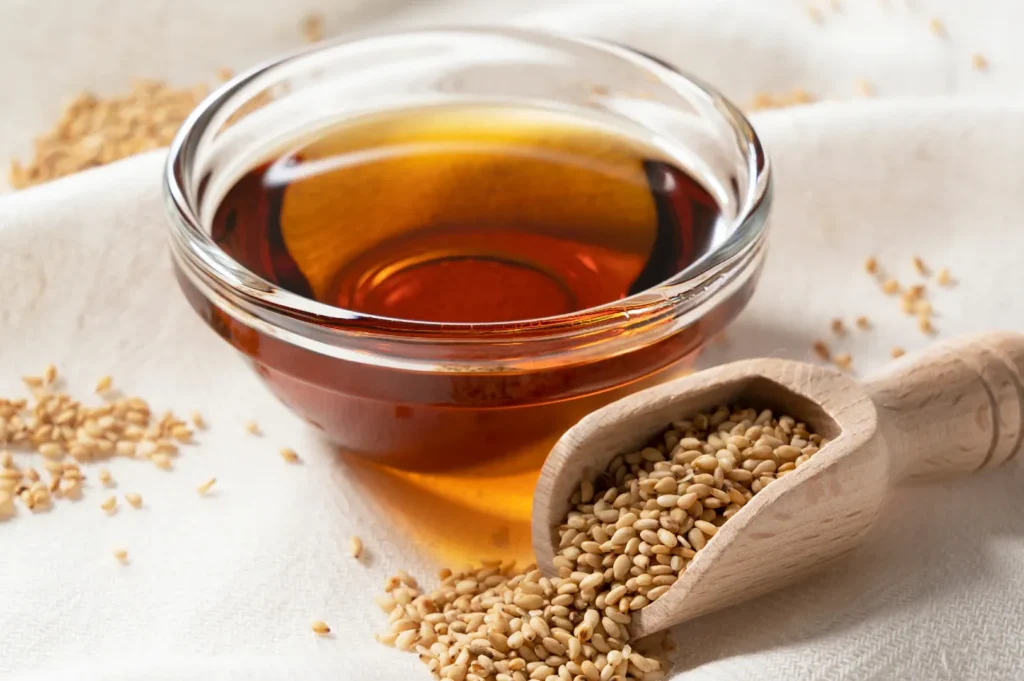
The wok is already off the heat. The greens sit glossy and dark, steam still curling off them. My mother lifts a small bottle, tilts it, and lets a thin line of sesame oil fall across the top. It hisses faintly against the warm leaves, and the smell rises all at once — toasted, nutty, almost smoky. She doesn’t stir much. Just a fold or two, enough to coat. The kitchen fills with it before the plate even reaches the table. That scent, more than anything, tells me dinner is ready.
What she’s doing is using sesame oil — 芝麻油, zhī ma yóu — as a finish, not a cooking fat. There’s an important difference. It’s the same kind of quiet, inherited precision you see in century-old dumpling techniques, timing and restraint that only shows itself at the end. Toasted sesame oil carries its flavour in volatile aromatics, the kind that burn off fast under high heat. Cook it in the wok from the start and you lose most of what makes it worth using.
Add it at the very end, off the flame, and it stays alive — fragrant, sharp, present. The skill here has nothing to do with how much you pour. A few drops, timed right, do more than a generous splash added too soon. It’s a technique built entirely around the moment, not the measure.
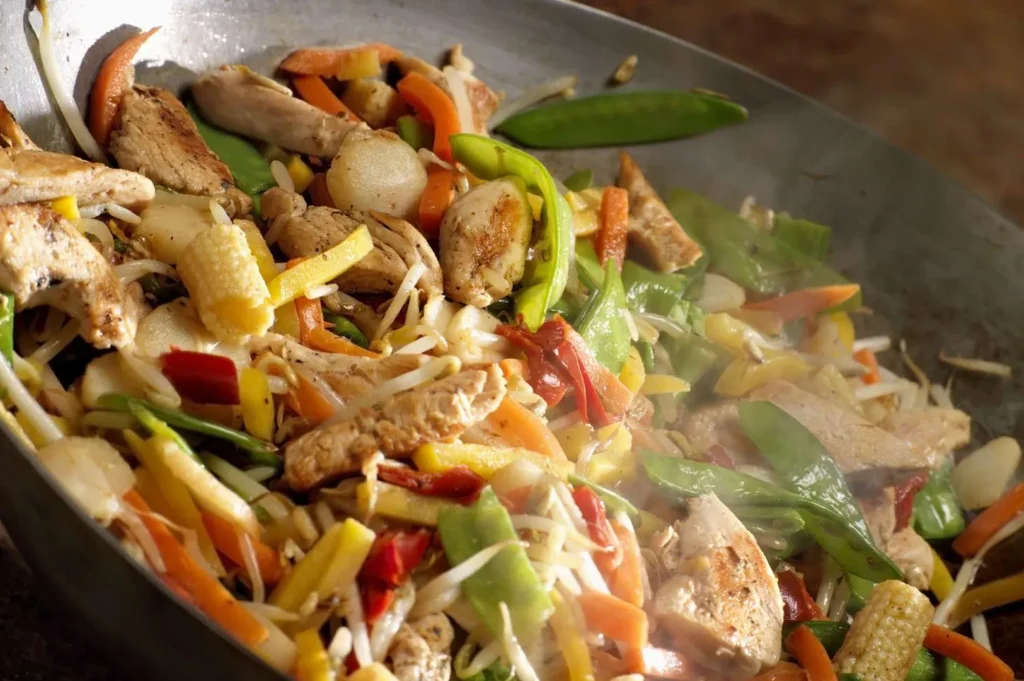
You see it everywhere once you start looking. The hawker who ladles soup, then circles a thread of sesame oil over the surface just before passing the bowl across. The home cook who keeps the bottle near the stove, not in the cupboard, because it’s the last thing reached for, not the first. In many kitchens, that final drizzle is how a dish announces itself as done. Not the plating. Not the garnish. The smell of sesame oil meeting heat — that’s the signal. It says the cooking is finished and the eating can begin. Nobody explains this. You simply learn it from the kitchens you grew up in.
What stays with me is how instinctive the good version is, and how easily it gets lost. A practised hand knows when to stop — a restraint that comes from years of watching a dish, not reading a recipe. But sesame oil is cheap and forgiving to misuse, so it’s easy to overdo, to drown a bowl until everything tastes the same, or to cook it in early out of habit and never notice the fragrance gone flat. What disappears isn’t flavour exactly. It’s the brightness. The lift. The reason the oil was reached for at all.
I think of that thin line falling across warm greens. It asks for almost nothing — a steady hand, a sense of timing, the patience to wait until the flame is off. A small thing, easy to rush past. But it’s there, in the last second of cooking, that a dish quietly becomes itself.

Thai Green Milk Tea: The Complete Guide to Thailand’s Refreshing Emerald Delight
Eda Wong | December 13, 2025
Picture a tall glass filled with crushed ice, its emerald-green contents swirled with ribbons of creamy white milk—this is thai green milk tea, one of Southeast Asia’s most visually striking and refreshing drinks. Known locally as cha khiao nom yen, this popular drink has captured hearts across Asia and beyond with its distinctive pale green…

Best Thai Singapore: Discover the Art of Authentic Pad Thai
Dio Asahi | December 11, 2025
In Singapore, a city that celebrates a universe of flavors, the magnetic pull of Thai cuisine is undeniable. From bustling food courts to elegant dining rooms, the kingdom’s culinary ambassadors have firmly planted their flag. When considering the best Thai food, it’s impossible to overlook how integral Pad Thai is to the local Thai food…
-
Thai Cuisine in Singapore: Finding the Best Authentic Flavors
Eat Drink Asia Team | December 9, 2025
The unmistakable aroma of lemongrass, galangal, and fiery spices mingles with the bustling night air in Singapore, setting the stage for a dining experience that wakes the soul and tantalizes the senses. Thai cuisine in Singapore has become an essential part of the city’s culinary landscape, offering a complete blend of vibrant flavor, tangy notes,…
-
The Ultimate Guide to Thai Food: Flavors, Traditions, and Culinary Adventures
Dio Asahi | December 6, 2025
Thai cuisine is one of the world’s most beloved and complex culinary traditions, captivating food enthusiasts globally with its masterful balance of flavors and vibrant presentations. From bustling Bangkok street stalls to high-end international restaurants, Thai food has become a global phenomenon that evolves while maintaining its authentic roots. What sets Thai cuisine apart from…
-
How to Drink Sake: Your Guide to Enjoying Japanese Sake Wine
Eda Wong | December 5, 2025
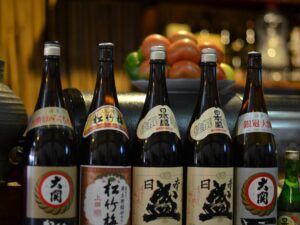
As Japan’s national beverage, this traditional sake is present at celebrations, quiet dinners, and spiritual offerings, weaving itself into the very fabric of daily life and reflecting Japan’s deep-rooted cultural heritage. Yet, for many outside of Japan, it remains a delightful mystery. You might find yourself wondering, how do you drink sake properly to unlock…
-
What Is Sashimi? A Guide to Raw Fish, Sliced Raw Fish, and Japanese Seafood
Eat Drink Asia Team | December 3, 2025
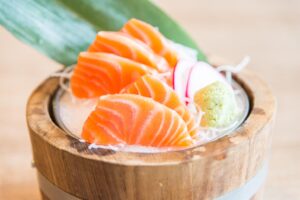
Sashimi is one of the clearest ways to understand Japanese cuisine because there is very little to hide behind. At its simplest, sashimi is sliced raw fish or seafood served without sushi rice, usually with soy sauce, wasabi, and simple garnishes such as daikon radish. But the dish is not just “raw fish on a…

Understanding Sake Alcohol Content: A Complete Guide to ABV and Flavor
Eda Wong | December 2, 2025
When exploring Japanese sake, many wonder about its grades and complex flavors. Sake’s unique profile offers remarkable versatility, enjoyed in various serving styles and paired with diverse dishes. One fundamental aspect is sake alcohol content. Is sake stronger than wine? How does its alcohol by volume (ABV) compare to beer? The answer is nuanced. Understanding…
-
Japanese Sake: The Complete Guide to Japan’s Traditional Rice Wine
Dio Asahi | November 29, 2025
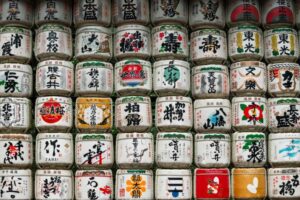
Japanese Sake: The Complete Guide to Japan’s Traditional Rice Wine While sake has been Japan’s national beverage for over a millennium, its popularity across Asia is at an all-time high. Rooted in Japan’s traditional brewing methods and centuries-old origins. It symbolizes Japan’s cultural heritage and craftsmanship. Understanding this complex brewed alcoholic beverage opens doors to…

Best Japanese Foods in Japan: The Must-Try Dishes
Eda Wong | November 27, 2025
Japan’s culinary world extends far beyond well-known sushi and ramen, revealing a rich variety of regional specialties cherished by locals. While many travelers stick to popular Japanese foods in tourist areas, authentic flavors are best discovered in neighborhood markets, family-run eateries, and seasonal menus reflecting centuries of Japanese cooking tradition. Understanding Japanese cuisine requires more…
-
Japanese Food in Japan: The Ultimate Guide to Authentic Culinary Experiences
Eat Drink Asia Team | November 25, 2025
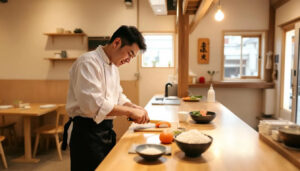
Experiencing Japanese food in Japan is fundamentally different from eating Japanese cuisine anywhere else. While sushi restaurants and ramen shops have spread globally, the authentic flavors, techniques, and cultural context of Japanese food can only be fully appreciated in its homeland. From meticulously selecting ingredients at peak freshness to centuries-old traditions shaping every meal, eating…