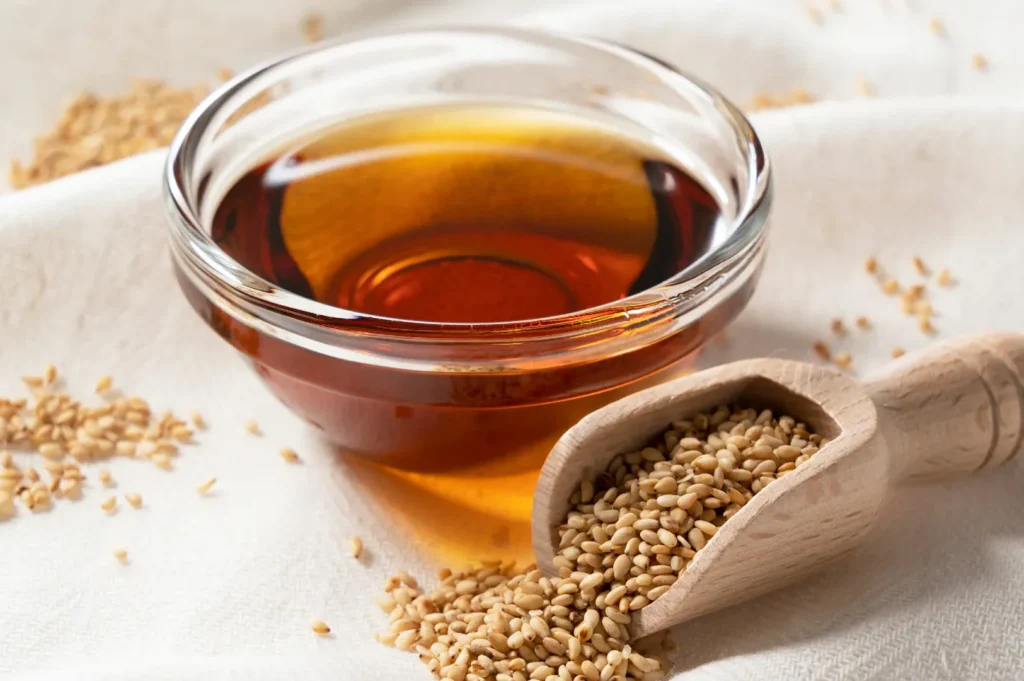
The wok is already off the heat. The greens sit glossy and dark, steam still curling off them. My mother lifts a small bottle, tilts it, and lets a thin line of sesame oil fall across the top. It hisses faintly against the warm leaves, and the smell rises all at once — toasted, nutty, almost smoky. She doesn’t stir much. Just a fold or two, enough to coat. The kitchen fills with it before the plate even reaches the table. That scent, more than anything, tells me dinner is ready.
What she’s doing is using sesame oil — 芝麻油, zhī ma yóu — as a finish, not a cooking fat. There’s an important difference. It’s the same kind of quiet, inherited precision you see in century-old dumpling techniques, timing and restraint that only shows itself at the end. Toasted sesame oil carries its flavour in volatile aromatics, the kind that burn off fast under high heat. Cook it in the wok from the start and you lose most of what makes it worth using.
Add it at the very end, off the flame, and it stays alive — fragrant, sharp, present. The skill here has nothing to do with how much you pour. A few drops, timed right, do more than a generous splash added too soon. It’s a technique built entirely around the moment, not the measure.
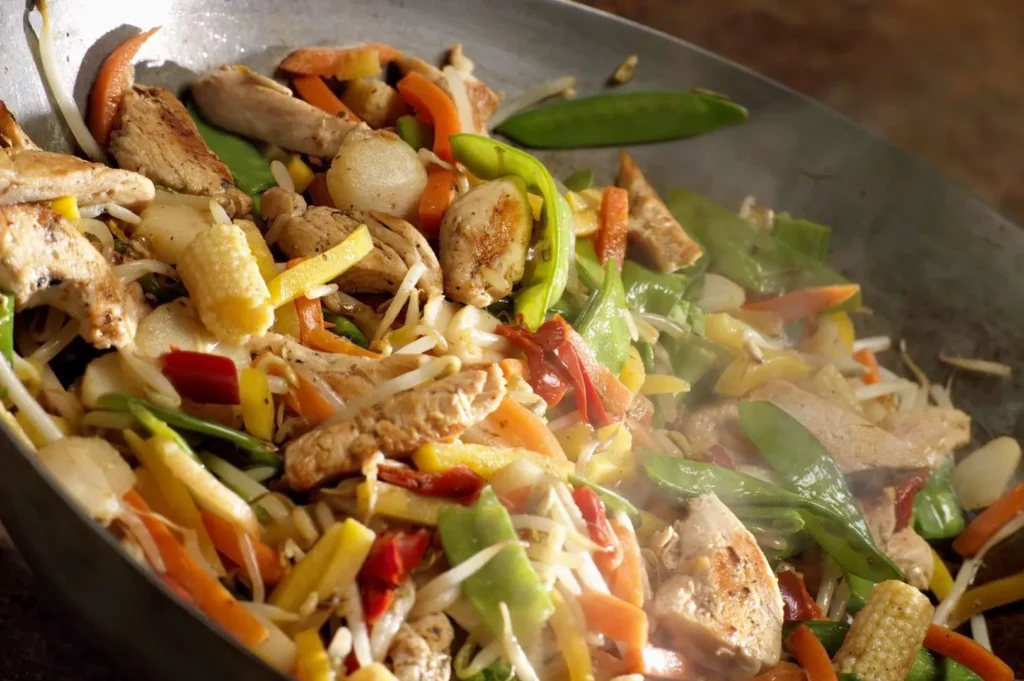
You see it everywhere once you start looking. The hawker who ladles soup, then circles a thread of sesame oil over the surface just before passing the bowl across. The home cook who keeps the bottle near the stove, not in the cupboard, because it’s the last thing reached for, not the first. In many kitchens, that final drizzle is how a dish announces itself as done. Not the plating. Not the garnish. The smell of sesame oil meeting heat — that’s the signal. It says the cooking is finished and the eating can begin. Nobody explains this. You simply learn it from the kitchens you grew up in.
What stays with me is how instinctive the good version is, and how easily it gets lost. A practised hand knows when to stop — a restraint that comes from years of watching a dish, not reading a recipe. But sesame oil is cheap and forgiving to misuse, so it’s easy to overdo, to drown a bowl until everything tastes the same, or to cook it in early out of habit and never notice the fragrance gone flat. What disappears isn’t flavour exactly. It’s the brightness. The lift. The reason the oil was reached for at all.
I think of that thin line falling across warm greens. It asks for almost nothing — a steady hand, a sense of timing, the patience to wait until the flame is off. A small thing, easy to rush past. But it’s there, in the last second of cooking, that a dish quietly becomes itself.

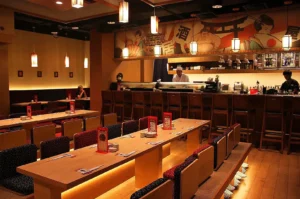
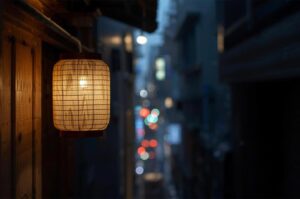
When the Izakaya Becomes the Plan: Izakaya Singapore Top Picks for After-Work Reset
Dio Asahi | January 28, 2026
January 28, 2026 | Dio Asahi Last updated: October 12, 2026 As you step behind the humble noren curtain, you’re greeted by glowing lanterns, sizzling charcoal-grilled skewers, and warm welcomes. This is izakaya, Japan’s casual pub, a vibrant part of Singapore’s dining scene. More than just yakitori and sake, izakayas offer a lively setting for social…
-
Yuja Tea: Korea’s Traditional Citron Tea
Dio Asahi | January 27, 2026
The golden, aromatic steam rising from a cup of yuja tea carries centuries of Korean tradition and wellness wisdom. This caffeine-free citrus beverage has warmed Korean hearts through countless winters, offering both comfort and powerful health benefits in every sip. Made from the Korean citron known as yuja fruit, this simple Korean tea represents one…
-
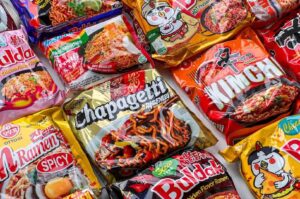
The Global Phenomenon of Korean Instant Noodle: A Cultural and Culinary Journey
Eda Wong | January 24, 2026
In the high-octane streets of South Korea, where the “pali-pali” (hurry-hurry) culture defines the pace of life, one dish stands as the ultimate equalizer of speed and satisfaction: Korean ramyeon. While the world often uses the terms ramen and ramyeon interchangeably, the Korean version is a distinct entity. It is not merely a quick snack…
-
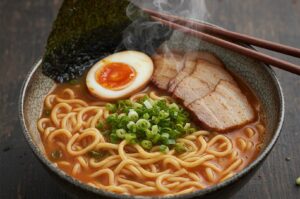
Traditional Ramyeon: The Soulful Heart of Korean Noodle Culture
Eat Drink Asia Team | January 20, 2026
In the bustling culinary landscape of South Korea, few comfort foods can match the satisfaction of a steaming bowl of ramyeon. While outside of Korea, “ramyeon” often brings to mind Korean instant noodles or instant ramen, true ramyeon Korean style refers to the artful, freshly prepared noodle soup enjoyed in homes and at local restaurants…
-
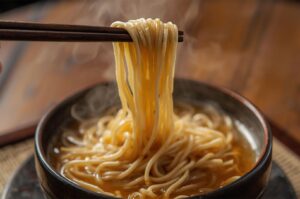
The Heart of the Korean Noodles: History and Texture
Eda Wong | January 17, 2026
In Korea, a bowl of noodles is far more than a simple dish; it is a cultural anchor that has weathered centuries of change. For generations, the length of the strand has symbolized a long and prosperous life, making Korean noodles a staple at birthdays, weddings, and the milestone 60th birthday celebration known as hwangap….
-
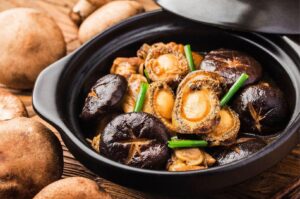
Preserving the ‘Big Bowl’ Tradition with Pen Cai Delivery in the Age of Doorstep Dining
Eat Drink Asia Team | January 15, 2026
Modern Festive Menu: Bringing the Big Bowl Home There is a special, undeniable magic to the Chinese New Year reunion dinner. For many families, Chinese New Year 2026 is another chance to gather loved ones at the table and celebrate with a glorious pen cai—sometimes called the “big bowl feast”—overflowing with premium ingredients and festive…
-
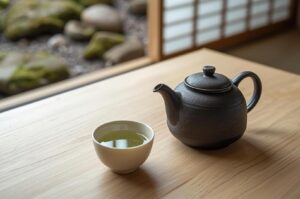
Sencha: Traditions, Flavors, and the Essence of Japanese Tea
Eat Drink Asia Team | January 15, 2026
When people around the world think of Japanese tea, images of tranquil tea ceremonies in small rooms or frothy bowls of matcha often come to mind. Yet, the reality of tea drinking in Japan is much broader, woven deeply into the culture and daily habits. For the vast majority, sencha is the beloved tea that…
-
The Best Restaurants Tokyo Are Rarely the Ones You Plan For
Eda Wong | January 12, 2026
Tokyo, Japan’s capital, does not reward urgency. It rewards return. On my first visit, I chased what everyone told me were the best restaurants Tokyo had to offer. I spent weeks highlighting maps, bookmarking digital “must-eat” lists, and refreshing reservation pages until my eyes blurred. I thought that by conquering the top-tier establishments, I would…
-
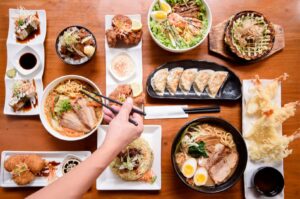
Japan and Food: Culinary Harmony – The Deep Connection Between Japanese Food and Culture
Eat Drink Asia Team | January 11, 2026
When it comes to Japan and food, the two are intertwined in ways that captivate taste buds and awaken the senses. Japanese cuisine stands as one of the world’s most revered traditions—more than nourishing meals, it is an art reflecting centuries of philosophy and a window into Japanese culture itself. Every bowl of miso soup,…
-
The Verdant Cup: A Celebration of Green Tea in Japan
Eda Wong | January 10, 2026
In Japan, green tea is much more than a beverage. It marks a moment of pause, hospitality, and tradition. The story of green tea in Japan weaves through centuries of culture, artistry, and daily life—bridging ancient rituals like the Japanese tea ceremony to everyday meals enjoyed at home. The origins and beginning of Japanese tea…