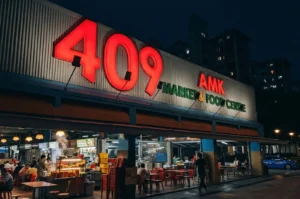
Across the humid evening air of Singapore, a rhythmic clatter echoes from hawker stalls to high-rise kitchens—the sound of a metal spatula against a seasoned wok. Within that intense heat, rice vermicelli noodles undergoes a profound transformation, absorbing the golden hues of curry powder, the savory depths of soy sauce, and the smoky “breath” of the pan known as wok hei. This is the spirit of bee hoon, a dish that serves as both a humble breakfast staple and a celebrated pillar of Chinese-influenced gastronomy.
To understand how to cook bee hoon is to move beyond a mere recipe; it is to master a series of sensory cues. It begins with the brittle, nest-like bundles of thin rice noodles and ends with a taste that balances the crunch of bean sprouts with the springy, delicate texture of perfectly hydrated grain. This exploration delves into the history, the meticulous preparation, and the regional variations that define this iconic Southeast Asian noodle.
The Foundation: Mastering the Rice Strand for Your Bee Hoon Recipe
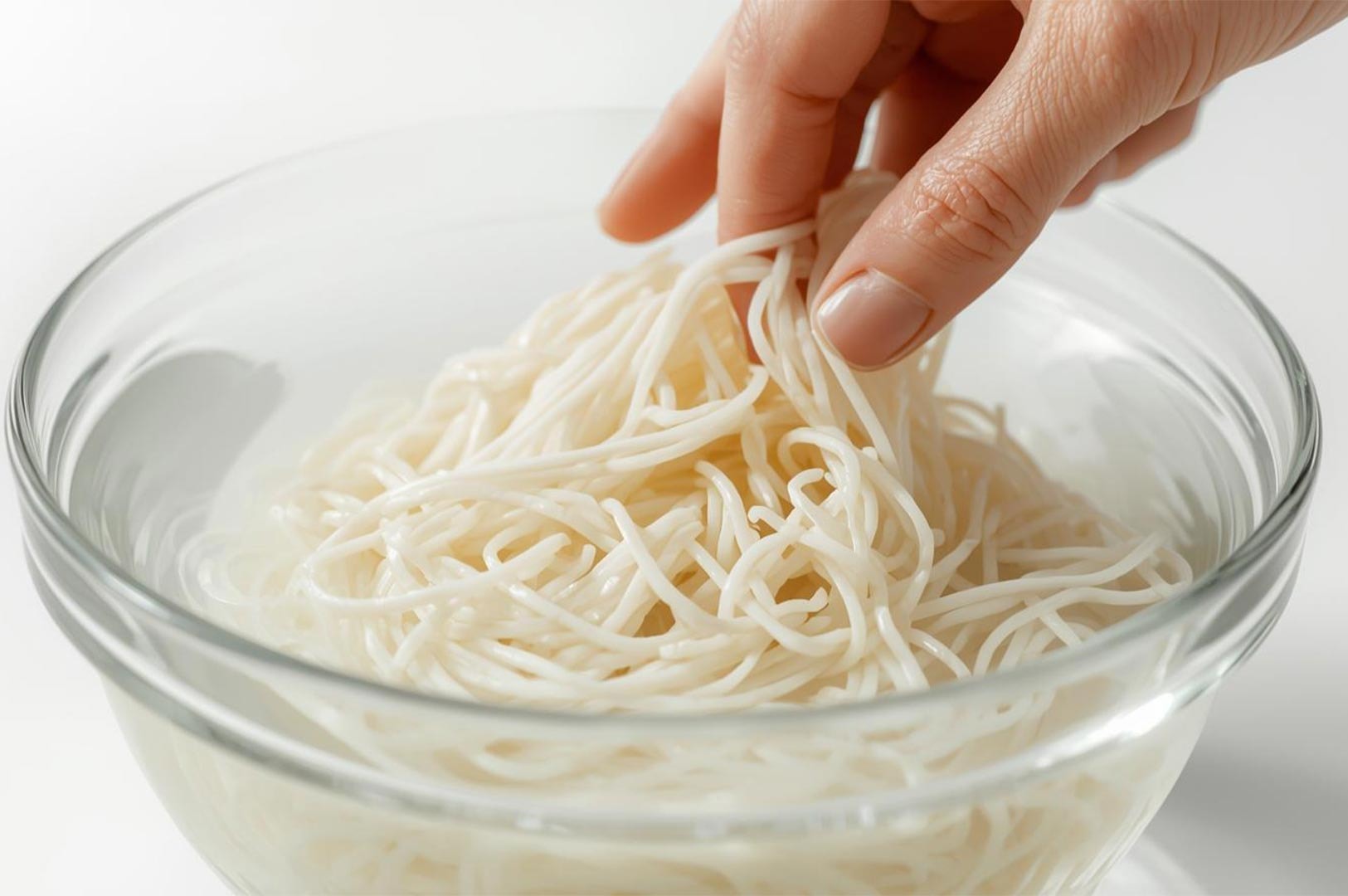
Success with rice vermicelli noodles is determined long before the flame is lit. Unlike wheat-based pastas that demand a rolling boil, bee hoon (alternatively known as rice stick noodles) is far more temperamental. The secret to its integrity lies in the soak ritual. Placing the dry strands in room temperature water or hot water is an exercise in patience; they must be submerged just until they are slightly softened and pliable. If the water is boiling water, the strands may break easily and turn into a gummy mass during the cooking process.
The quality of the water used for the soak can even influence the final taste. In traditional kitchens, some chefs believe that using filtered water preserves the clean, neutral flavor of the rice, allowing the subsequent sauce to shine. The prep time spent ensuring the noodles are correctly hydrated—usually between fifteen and thirty minutes depending on the brand—saves the dish from disaster.
Once they reach the desired state, it is vital to drain them thoroughly and set aside. For those looking to preserve the individuality of the vermicelli, a light toss with a drop of cooking oil or vegetable oil ensures they remain separated and ready for the high heat dance of the stir fry. If the noodles are left in a clump while wet, they will steam rather than fry, losing that signature texture that diners expect from a high-quality bee hoon recipe.
Want to compare types or learn more about bee hoon’s heritage? Dive deeper into the basics with our definitive guide: The Silk of the East: A Deep Dive into Bee Hoon and the Art of Rice Vermicelli. For Singapore bee hoon, you’ll want to assemble the kind of rice vermicelli that stir-fries evenly and holds its texture.
A Symphony of Flavors: Incorporating Oyster Sauce and Aromatics
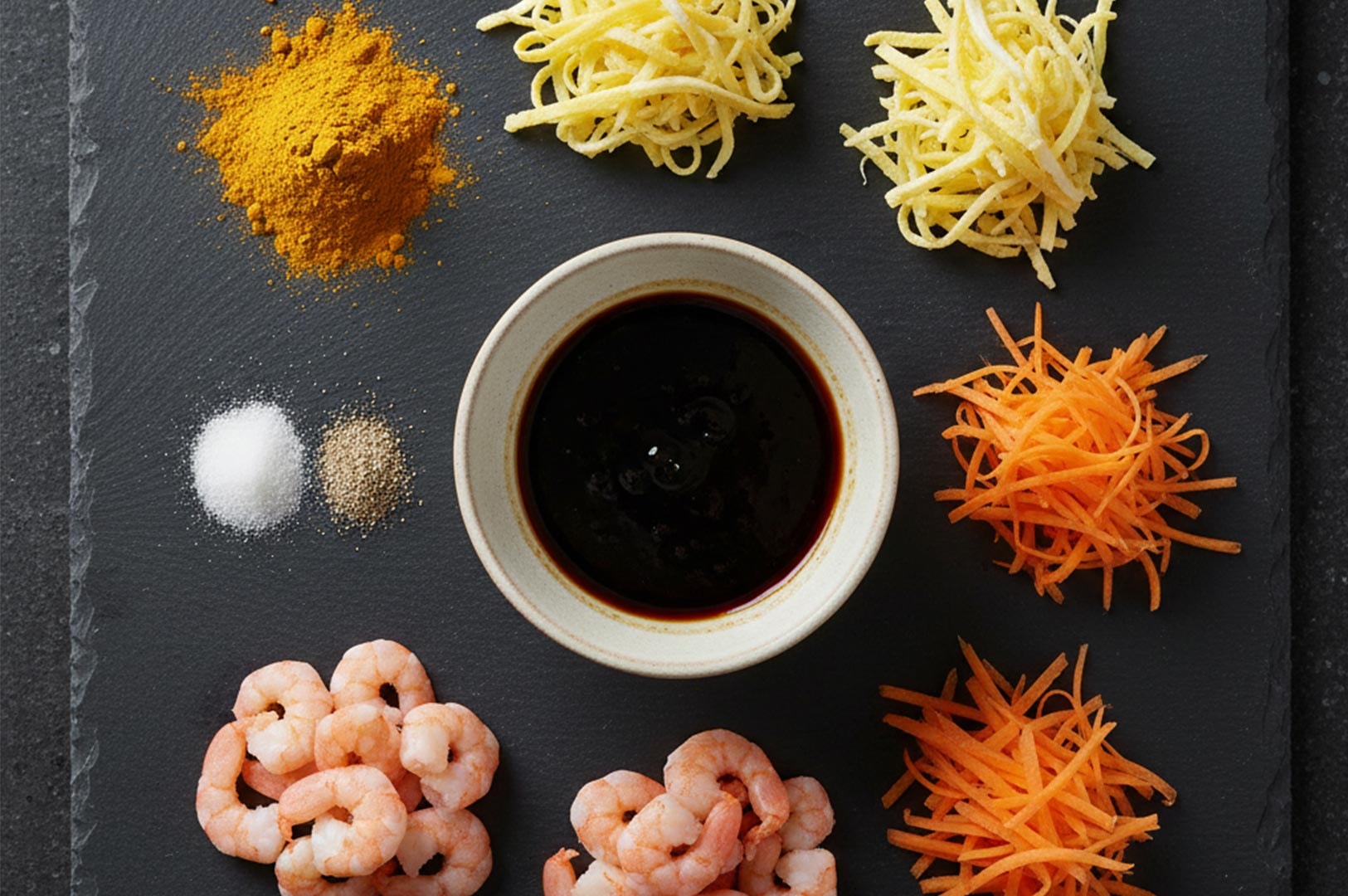
A classic bee hoon recipe is a study in architectural flavor. The base requires a carefully balanced sauce—a mix of 1 tbsp of light soy sauce for salt, a splash of dark soy sauce for a rich mahogany tint, and oyster sauce for a velvety umami finish. A dash of sugar, a generous pinch of white pepper, and a teaspoon of sesame oil provide the aromatic top notes. Because Singapore noodles often utilize a dash of curry powder, the heat profile remains pretty mild while offering more flavor and a vibrant color.
The importance of oyster sauce cannot be overstated in this context. It acts as the “glue” that binds the saltiness of the soy sauce to the earthy spices of the curry powder. When selecting your ingredients, opting for a premium oyster sauce with a high oyster extract percentage will result in a significantly more complex dish.
The supporting cast of proteins and vegetables is equally vital. Proteins such as shrimp, prawns, chicken meat, and fish cakes cut into strips provide substance, while eggs are often swirled into the heat to create golden ribbons. The “crunch” comes from a garden of vegetables: shredded cabbage, carrots cut into thin strips, and spring onion. For those seeking a deeper green profile, bok choy, yu choy, or mushrooms offer a fresh contrast.
Each of these all the ingredients must be prepped and ready in a small bowl or on a platter before the flame is ignited. In the world of the stir fry, there is no time to chop once the wok is hot. This preparation, known as mise en place, is the hallmark of a professional cook.
The Art of the Stir Fry: Techniques for the Perfect Fried Bee Hoon
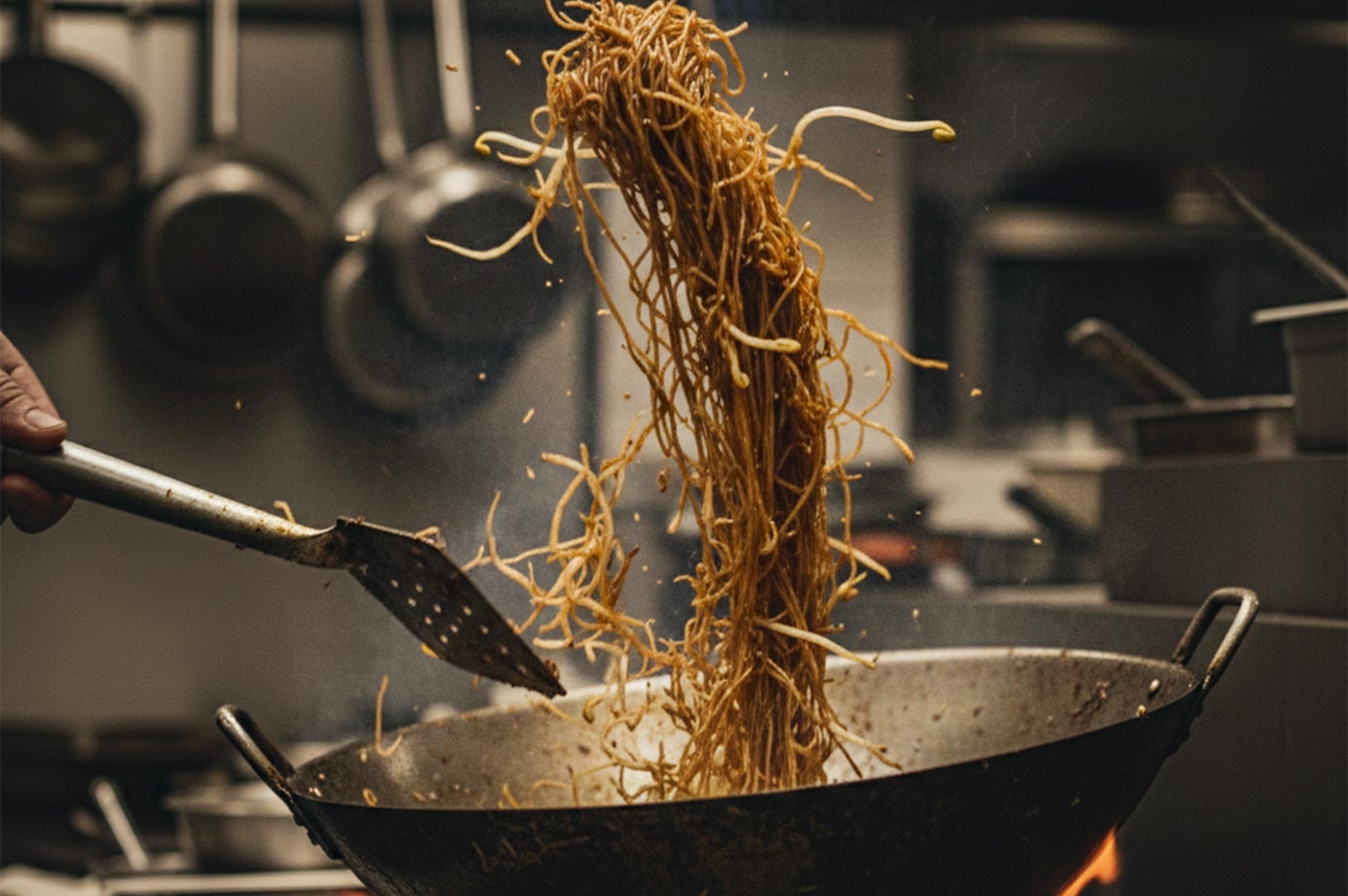
When the vegetable oil finally hits the large non stick pan, the process becomes a fast-paced choreography. The cook time is short, but the heat must be managed precisely.
- The Aromatic Opening: The journey starts with garlic and onions hitting the oil over medium heat, releasing an aroma that defines the streets of Southeast Asia. Add onions early to allow them to caramelize and sweeten the base. This provides a natural sugar element that balances the savory sauce.
- Searing the Proteins: Meat like chicken or prawns are tossed until cooked, ensuring they remain succulent. If using shrimp, they should be removed once they turn pink and set aside to prevent them from becoming rubbery during the final toss.
- The Vegetable Layer: Carrots, mushrooms, and cabbage follow. These vegetables take a bit longer to soften than the greens, so they are seasoned with a touch of salt as they sear. Bell peppers can also be added for a splash of color and a different kind of crunch.
- The Final Marriage: Finally, the noodles are introduced. The soaked bee hoon is added along with the prepared sauce and spices. Using tongs, the cook must toss the mixture on high heat, ensuring the rice noodles are evenly coated in the dark, fragrant liquid.
The final act is the addition of the most delicate elements—bean sprouts and spring onion. These require only a few seconds to wilt perfectly, maintaining a vibrant color and a fresh, crisp bite. In hawker stalls, this is the moment where the “breath of the wok” is most apparent, as the high flames lick the sides of the metal, slightly charring the bean sprouts and infusing the fried bee hoon with a legendary smokiness.
Regional Variations: From Singapore Noodles to the Archipelago
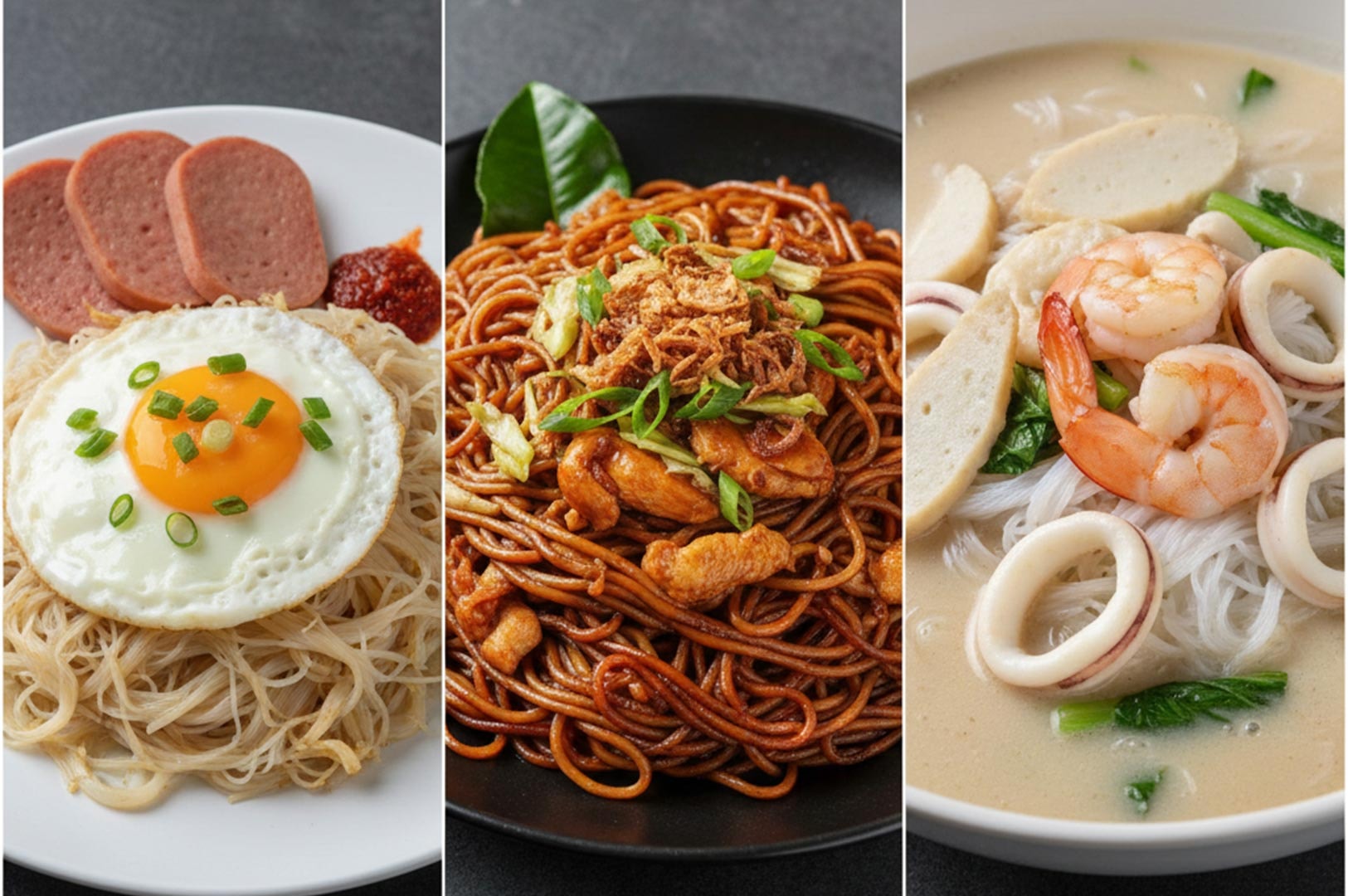
While the Singapore noodles with curry powder are globally recognized, the world of bee hoon is vast. In the neighboring regions, the dish takes on different personas. In Malaysia, you might find a version that uses a heavier hand with dark soy sauce, resulting in a nearly black noodle that is intensely savory. In Indonesia, the bihun goreng often includes kecap manis, a thick, sweet soy sauce that creates a caramelized finish.
Even within Singapore, there are variations. The “Economical Bee Hoon” found at breakfast stalls is often served with a side of luncheon meat, a fried egg, and a dollop of spicy sambal. It is a tasty meal that fuels the nation’s workforce. On the other hand, the “White Bee Hoon” trend focuses on a seafood-rich, gravy-laden preparation that highlights the purity of the rice vermicelli through a long simmer in chicken stock.
The Enduring Appeal: From Fried Bee Hoon to Fried Rice Traditions
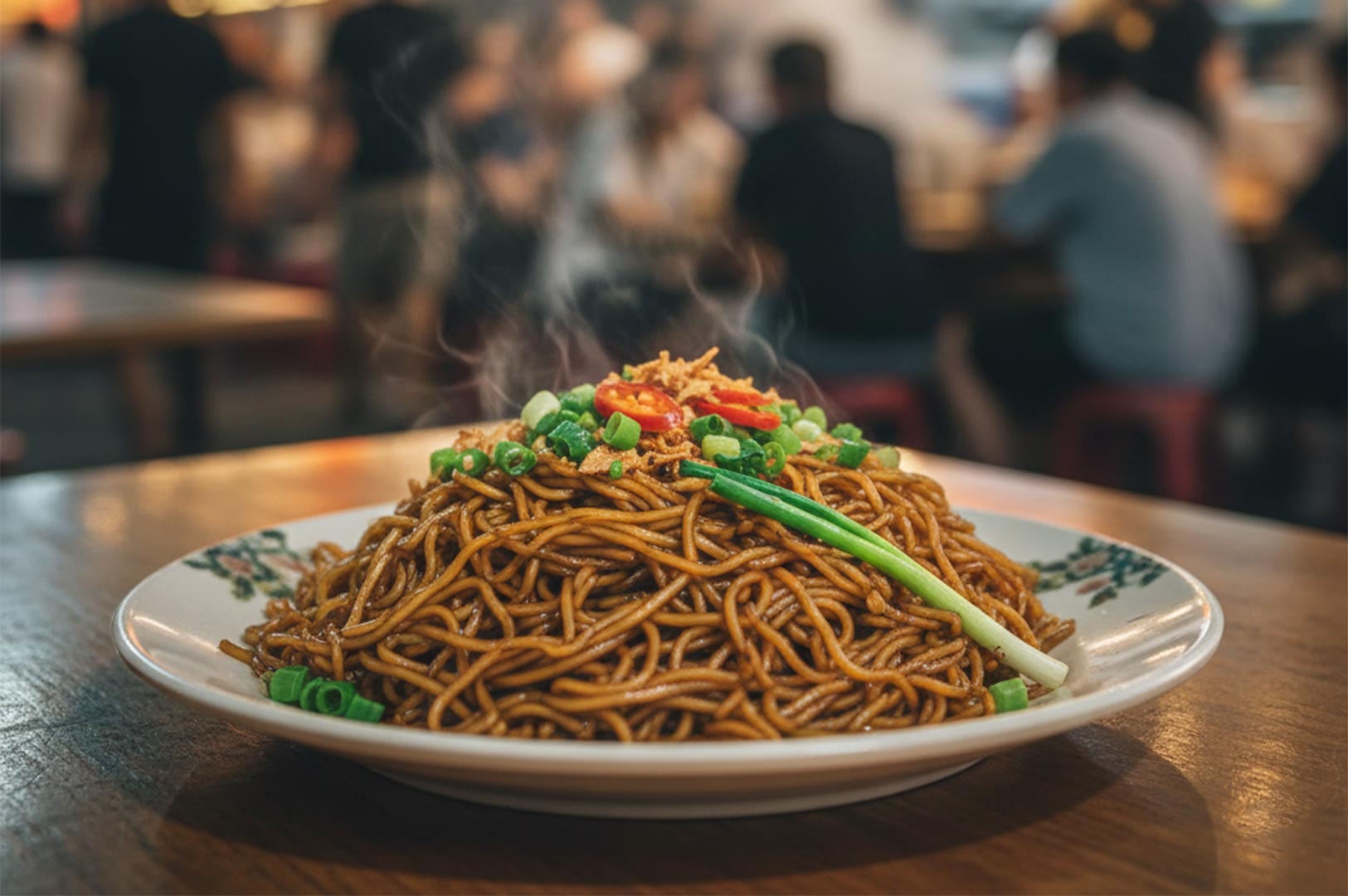
Mastering fried bee hoon is a rite of passage for any home chef. It is a meal that rewards technique over complexity, using simple seasoning to highlight the quality of the produce. This technique shares many similarities with the preparation of authentic fried rice, where moisture control and high heat are paramount to prevent a soggy texture. Both dishes rely on the principle of “dry frying,” where the goal is to evaporate excess moisture while searing the surface of the noodles or grain.
The beauty of rice vermicelli lies in its lack of pretension. It is a masterpiece that welcomes experimentation—whether you are adding bell peppers for sweetness or using varied proteins to add a smoky depth. It is also an incredibly economical meal, allowing a family to stretch a few pieces of meat and a handful of vegetables into a feast that satisfies the soul.
Deep Dive: The Science of the Soak and the Sear
To reach a truly professional level of bee hoon mastery, one must look at the science of the cooking process. The rice noodles are essentially starch structures. When we soak them in room temperature water, we are allowing the starch molecules to slowly rehydrate without breaking down. If we were to use boiling water and leave them for too long, the starch would gelatinize, creating a sticky surface that causes the noodles to break easily once they hit the pan.
Similarly, the high heat of the wok is not just for show. It facilitates the Maillard reaction—the chemical reaction between amino acids and reducing sugars that gives browned food its distinctive flavor. When the bee hoon hits the hot oil, the surface of the rice vermicelli fries instantly, creating a barrier that prevents the sauce from making the noodle soggy. Instead, the sauce (composed of oyster sauce, soy sauce, and sesame oil) glazes the exterior, providing an intense burst of flavor with every bite.
A Masterclass in Simple Seasoning and Curry Powder
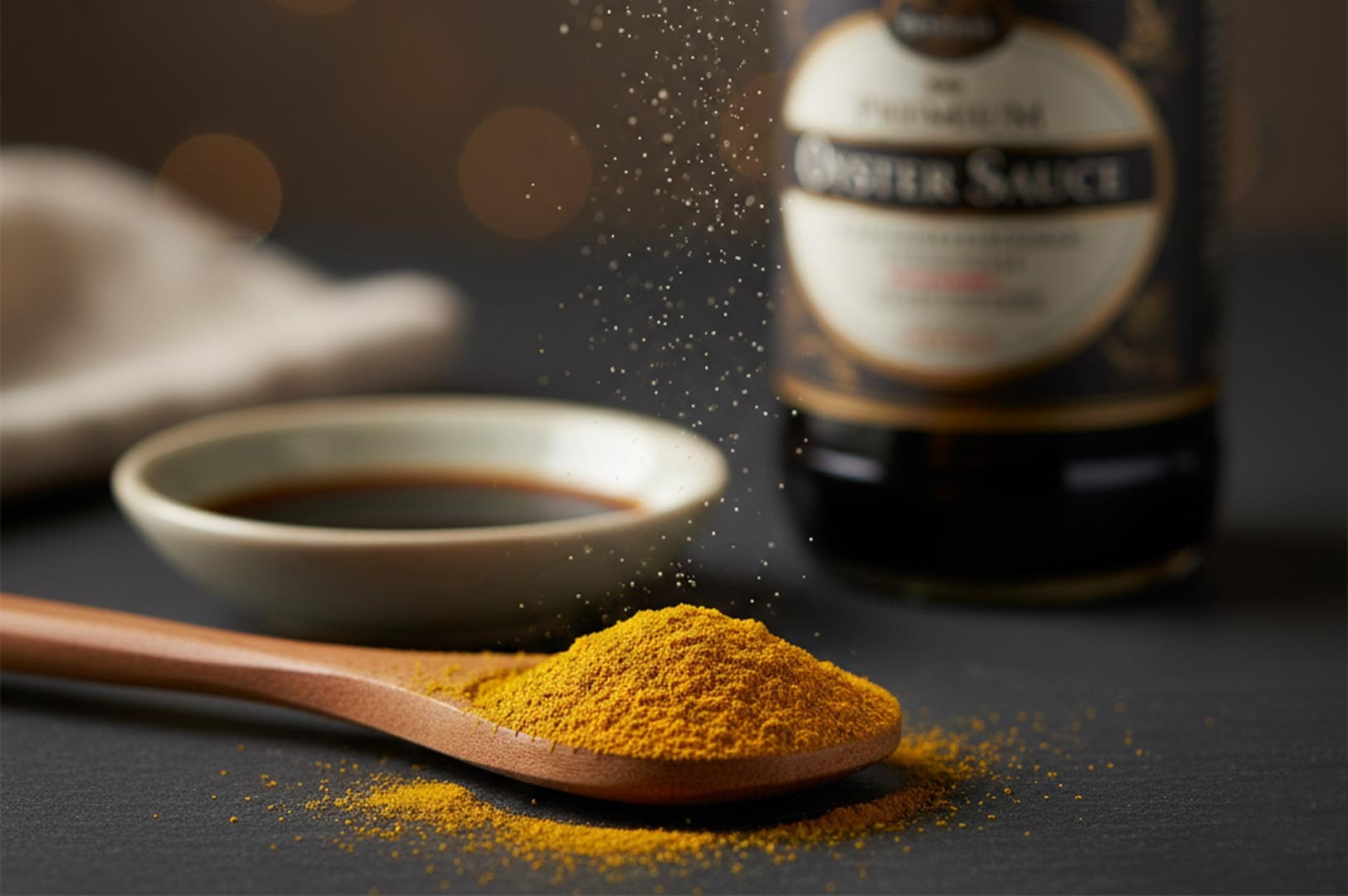
One of the most common mistakes in a bee hoon recipe is over-seasoning. Because the noodles are so absorbent, it is easy to overdo the salt or the dark soy sauce. A master cook knows that the goal is balance. The curry powder should provide an aromatic warmth, not an overwhelming spice. The oyster sauce should provide body, while the white pepper adds a subtle back-of-the-throat heat.
Many home cooks are surprised to find that Chinese restaurants often add a tiny splash of chicken stock or water during the final stir fry. This creates a localized burst of steam within the wok that helps to distribute the sauce evenly and ensures the noodles are heated through without needing to stay on the heat so long that they become dry.
The Enduring Legacy of the Wok
Whether you are enjoying a plate of fried bee hoon at a crowded hawker stall under the neon lights of the city or preparing a quiet bee hoon recipe in the comfort of your own kitchen, you are participating in a living tradition. This dish is a testament to the versatility of the rice vermicelli and the enduring power of the stir fry.
It is a meal that bridges generations. It is the food of grandmothers teaching their grandchildren the rhythm of the toss, and the food of modern chefs pushing the boundaries of what singapore noodles can be. As long as there is a wok, a fire, and a bundle of bee hoon, the sizzle will continue to tell the story of a region’s heart and soul.
Next time you stand before your pan, remember that you aren’t just making a tasty meal; you are performing an ancient alchemy. Soak your noodles with care, prep your vegetables with precision, and when the oil begins to shimmer, embrace the high heat. The result will be a plate of fried bee hoon that is not just food, but a memory in the making.

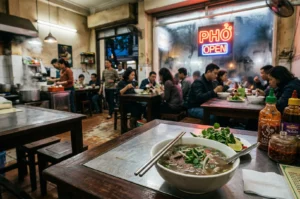
The Neighbourhood Restaurant Test: How to Spot Truly Authentic Cuisine Restaurants in Your Area
Eda Wong | March 31, 2026
A friend texted me last week: “I’m outside this new Vietnamese place. How do I know if it’s legit before I waste my money?” It’s a question I get often. We’ve all been there, drawn in by a cool sign, only to get a plate of sad, sweet, tourist-grade pad thai that tastes like ketchup….
-
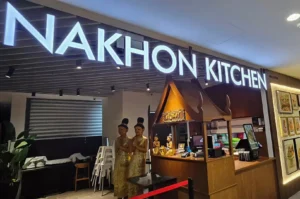
Cuisine in the World Meets Singapore: Inside Nakhon Kitchen’s Cross-Cultural Magic
Dio Asahi | March 26, 2026
There’s a rite of passage for any food lover living in the East of Singapore, and it involves a queue. Specifically, the perpetually long, snaking queue outside Nakhon Kitchen in Bedok. I’d heard the legends for years: authentic Thai food, rock-bottom prices, and a wait time that tests your commitment. So, on a Tuesday evening…
-
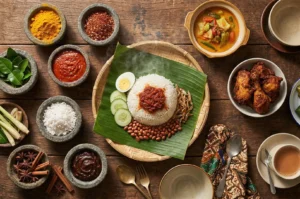
The Spice Route Secrets: A Deep Dive into Malay Ethnic Food
Eda Wong | March 24, 2026
My first time ordering Nasi Padang in Geylang Serai was overwhelming, I randomly picked dishes and was shocked by a $20 bill due to premium beef rendang and squid. That taught me to always ask seafood prices and that Malay food is a complex, modular cuisine. Malay food is everywhere in Singapore, in hawker centres,…
-
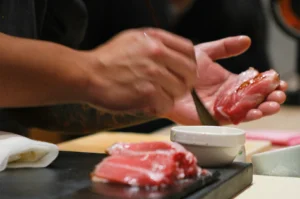
The Shokunin Spirit: How Japan’s Craftsman Philosophy Lives Inside Singapore’s Most Disciplined Omakase Counter
Dio Asahi | March 21, 2026
The fire is not roaring; it is breathing. In a small, darkened workshop in Sakai, a swordsmith watches the colour of the steel with eyes that have tracked the same transformation for forty years. He does not look at a clock. He listens to the hum of the charcoal. He waits for the metal to…
-
The Evolution of the Plate: How History Transformed Iconic Malaysian Dishes
Eda Wong | March 19, 2026
I used to think I understood Malaysian food. As a Singaporean, it’s practically in my DNA, right? Nasi lemak for breakfast, a cheeky roti canai for supper – I thought I had it all figured out. Then I spent a week eating my way through Penang and Kuala Lumpur, and I realised I knew absolutely…
-
The Soul of the Table: An Educational Guide to the Role of Food in Malaysian Culture
Eat Drink Asia Team | March 17, 2026
We still remember our first collective Rumah Terbuka (Open House) experience in Kuala Lumpur.Standing at the doorway of a home during Hari Raya, we were utterly paralyzed by the sheer volume of people and the aroma of Malaysian cooking. There were aunties ladling beef rendang and tables groaning under the weight of colourful kuih. “Do…
-
Asian Food Comfort Trends: Why Broths and Bowls are Dominating Globally
Eda Wong | March 14, 2026
I still remember the first time I faced a “build-your-own” Mala Xiang Guo counter. I stood there, plastic tongs in hand, completely paralyzed by the mountain of choices. Lotus root? Kelp knots? three different types of tofu skin? My anxiety spiked. I panicked, grabbed way too much luncheon meat, and ended up with a $28…
-
The Fifth Element: A Masterclass on Umami in East Asian Cuisine
Dio Asahi | March 12, 2026
I’ll never forget the first time I made miso soup from scratch. Not the instant kind, but the “proper” way. I boiled water, dissolved miso paste, added tofu, and waited. It tasted flat, salty and cloudy but missing the deep, satisfying flavor I loved in Japanese restaurants. I thought maybe I needed better miso. Years…
-
Why My Quest Ended at Yummy Western (409 AMK)
Dio Asahi | March 10, 2026
There’s a specific magic to a late-night supper hunt in Singapore. It’s the ritual of chasing a craving through the humidity to find that one stall that hits the spot. For me, that meant a pilgrimage to Ang Mo Kio Avenue 10. I arrived at 10 PM on a Friday, just as the ‘supper soul’…
-
A Taste of Time: My Dinner at Guan Hoe Soon
Eda Wong | March 7, 2026
There’s something special about visiting a place that has seen decades of Singapore’s history unfold. Guan Hoe Soon, tucked away on Joo Chiat Road, holds the title of Singapore’s oldest Nyonya restaurant, and you can feel that heritage the moment you step inside. I’d heard about it for years, a place where recipes aren’t just…