By Dio Asahi for Eat Drink Asia.
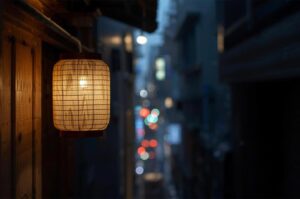
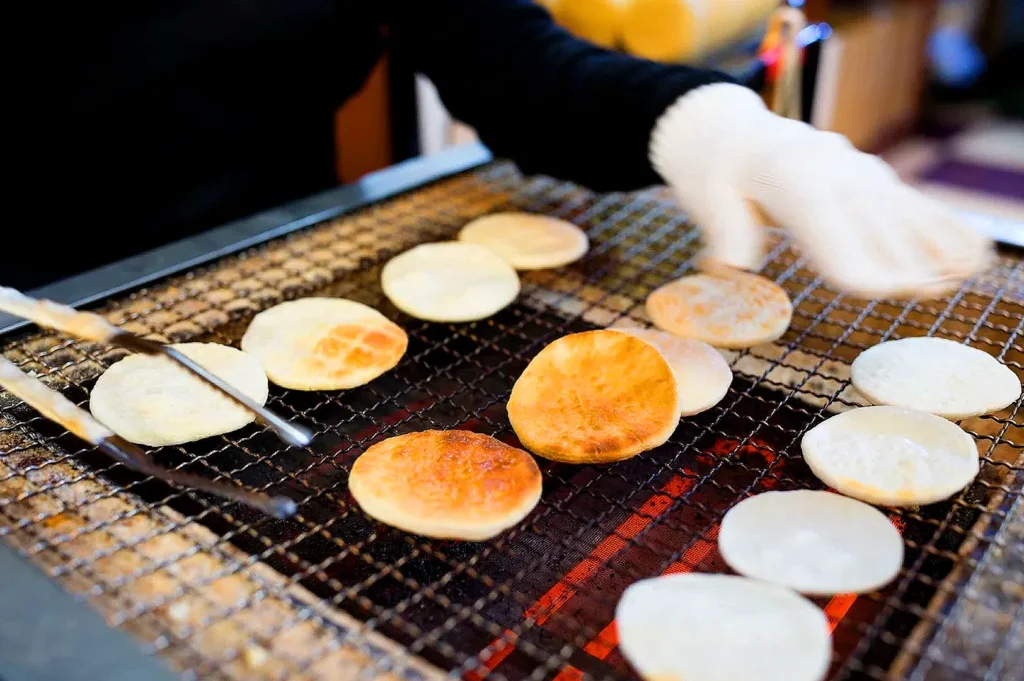
The old man works close to the coals, and the smell reaches me before I see what he’s doing. Soy meeting heat. That dark, caramel-edged smell that tightens something in your chest. His brush moves in short strokes across a rack of rice crackers, back and forth, patient. The coals tick. A cracker shifts on the grill with a small, dry sound. He doesn’t look up. In this narrow Kyoto shopfront, off the main street where the crowds thin out, there is only the fire, the brush, and the slow turn of each disc against the grate.
What he’s making is senbei — sen-bay — the soy-glazed rice cracker that most people now know only from plastic packets. The kind here begins with pressed rice, dried until it’s hard as a coin, then set over charcoal. As it heats, the cracker swells and blisters. That’s when the brush comes in. A soy-based glaze, wiped on in thin layers, not poured. Too much at once and it steams and turns bitter. Applied lightly, in the right window, the sugars in the soy catch the heat and set into a lacquered, savoury skin. He glazes, turns, glazes again. Each pass builds the colour. The timing is everything, and he keeps it in his hands, not on a clock.
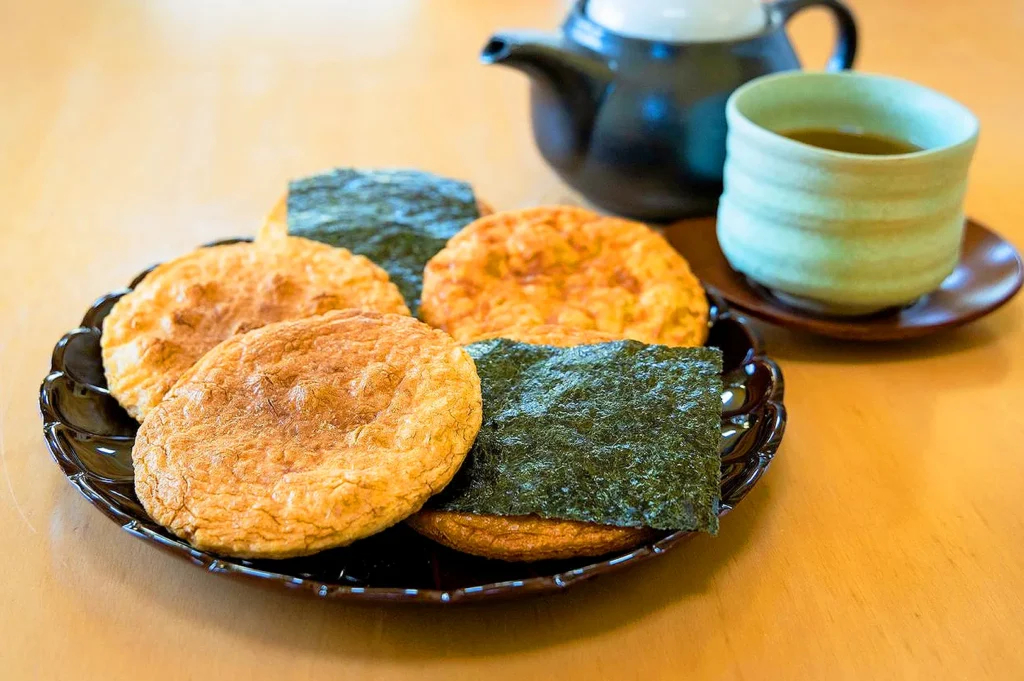
These crackers used to sit in shallow tins on every counter — beside the register, near the tea, offered to a guest before anyone asked. Senbei was the snack you handed to a neighbour, wrapped for a visit, kept for the child who came home from school. Not special-occasion food. Just the food that was always there. In some homes the good ones, the hand-grilled ones, were saved for guests, a small courtesy that said you matter enough for the ones that took time. You can still find that gesture, if you know the quiet shops. Most of us reach for the packet now instead.
The Eat Drink Asia highlight is how ordinary this is, and how easily it slips away. A machine can press and season a thousand crackers before this man finishes a single rack. The packet version isn’t bad. It’s just even — the same colour, the same crunch, edge to edge. His are uneven. One a shade darker where the glaze pooled, another lighter, blistered differently. That unevenness is the tell. It means a hand was there, deciding, in the moment the soy met the fire.
I take one still warm. It cracks loud between my teeth, and the soy is deep, faintly smoky, almost bitter at the edge where the glaze caught hardest.
He nods, once. Goes back to the brush.

Yuja Tea: Korea’s Traditional Citron Tea
Dio Asahi | January 27, 2026
The golden, aromatic steam rising from a cup of yuja tea carries centuries of Korean tradition and wellness wisdom. This caffeine-free citrus beverage has warmed Korean hearts through countless winters, offering both comfort and powerful health benefits in every sip. Made from the Korean citron known as yuja fruit, this simple Korean tea represents one…
-
The Global Phenomenon of Korean Instant Noodle: A Cultural and Culinary Journey
Eda Wong | January 24, 2026
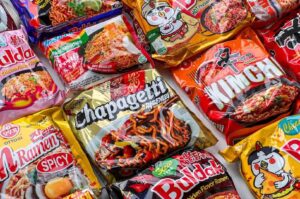
In the high-octane streets of South Korea, where the “pali-pali” (hurry-hurry) culture defines the pace of life, one dish stands as the ultimate equalizer of speed and satisfaction: Korean ramyeon. While the world often uses the terms ramen and ramyeon interchangeably, the Korean version is a distinct entity. It is not merely a quick snack…
-
Traditional Ramyeon: The Soulful Heart of Korean Noodle Culture
Eat Drink Asia Team | January 20, 2026
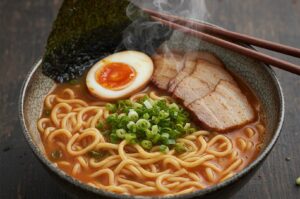
In the bustling culinary landscape of South Korea, few comfort foods can match the satisfaction of a steaming bowl of ramyeon. While outside of Korea, “ramyeon” often brings to mind Korean instant noodles or instant ramen, true ramyeon Korean style refers to the artful, freshly prepared noodle soup enjoyed in homes and at local restaurants…
-
The Heart of the Korean Noodles: History and Texture
Eda Wong | January 17, 2026
In Korea, a bowl of noodles is far more than a simple dish; it is a cultural anchor that has weathered centuries of change. For generations, the length of the strand has symbolized a long and prosperous life, making Korean noodles a staple at birthdays, weddings, and the milestone 60th birthday celebration known as hwangap….
-
Preserving the ‘Big Bowl’ Tradition with Pen Cai Delivery in the Age of Doorstep Dining
Eat Drink Asia Team | January 15, 2026
Modern Festive Menu: Bringing the Big Bowl Home There is a special, undeniable magic to the Chinese New Year reunion dinner. For many families, Chinese New Year 2026 is another chance to gather loved ones at the table and celebrate with a glorious pen cai—sometimes called the “big bowl feast”—overflowing with premium ingredients and festive…
-
Sencha: Traditions, Flavors, and the Essence of Japanese Tea
Eat Drink Asia Team | January 15, 2026
When people around the world think of Japanese tea, images of tranquil tea ceremonies in small rooms or frothy bowls of matcha often come to mind. Yet, the reality of tea drinking in Japan is much broader, woven deeply into the culture and daily habits. For the vast majority, sencha is the beloved tea that…
-
The Best Restaurants Tokyo Are Rarely the Ones You Plan For
Eda Wong | January 12, 2026
Tokyo, Japan’s capital, does not reward urgency. It rewards return. On my first visit, I chased what everyone told me were the best restaurants Tokyo had to offer. I spent weeks highlighting maps, bookmarking digital “must-eat” lists, and refreshing reservation pages until my eyes blurred. I thought that by conquering the top-tier establishments, I would…
-
Japan and Food: Culinary Harmony – The Deep Connection Between Japanese Food and Culture
Eat Drink Asia Team | January 11, 2026
When it comes to Japan and food, the two are intertwined in ways that captivate taste buds and awaken the senses. Japanese cuisine stands as one of the world’s most revered traditions—more than nourishing meals, it is an art reflecting centuries of philosophy and a window into Japanese culture itself. Every bowl of miso soup,…
-
The Verdant Cup: A Celebration of Green Tea in Japan
Eda Wong | January 10, 2026
In Japan, green tea is much more than a beverage. It marks a moment of pause, hospitality, and tradition. The story of green tea in Japan weaves through centuries of culture, artistry, and daily life—bridging ancient rituals like the Japanese tea ceremony to everyday meals enjoyed at home. The origins and beginning of Japanese tea…
-
Japanese Green Tea from Japan: The Story of Matcha
Dio Asahi | January 8, 2026
On a misty April morning in Kyoto, I knelt on tatami in a small tea room outside Uji, Japan. The host, dressed in kimono, moved with quiet skill as she scooped matcha powder into a ceramic bowl. The air was filled with the aroma of aged wood mixed with the grassy scent of high quality…