When I first tried to cook authentic Indonesian nasi goreng at home, I was incredibly confident. I had my wok smoking hot, my garlic and shallots perfectly fragrant, and a generous splash of regular soy sauce ready to go. But when I took that first bite, my heart sank. It tasted flat, salty, and entirely one-dimensional. It looked like fried rice, but it certainly did not taste like the deeply savoury, slightly smoky, and beautifully caramelised dish I had fallen in love with in Jakarta.
I called an Indonesian friend in frustration, and she laughed before asking me one simple question: “Did you use kecap manis?”
I had not. I assumed soy sauce was just soy sauce. That mistake taught me a vital culinary lesson. Kecap manis is not just an ingredient; it is a cultural signature and a flavour anchor. As my friend wisely told me, kecap manis isn’t there to sweeten a dish — it’s there to round it, to deepen it, to give it that quiet, caramelised finish that makes Indonesian food feel complete.
If you have ever been intimidated by that thick, dark syrup sitting on the supermarket shelf, or if you simply want to elevate your home cooking, you are in the right place. Let me walk you through the sweet darkness of kecap manis, how to wield it without ruining your dinner, and why it deserves a permanent spot in your pantry.
What Is Kecap Manis? The Sweet Soy Sauce That Defines Food in Indonesia
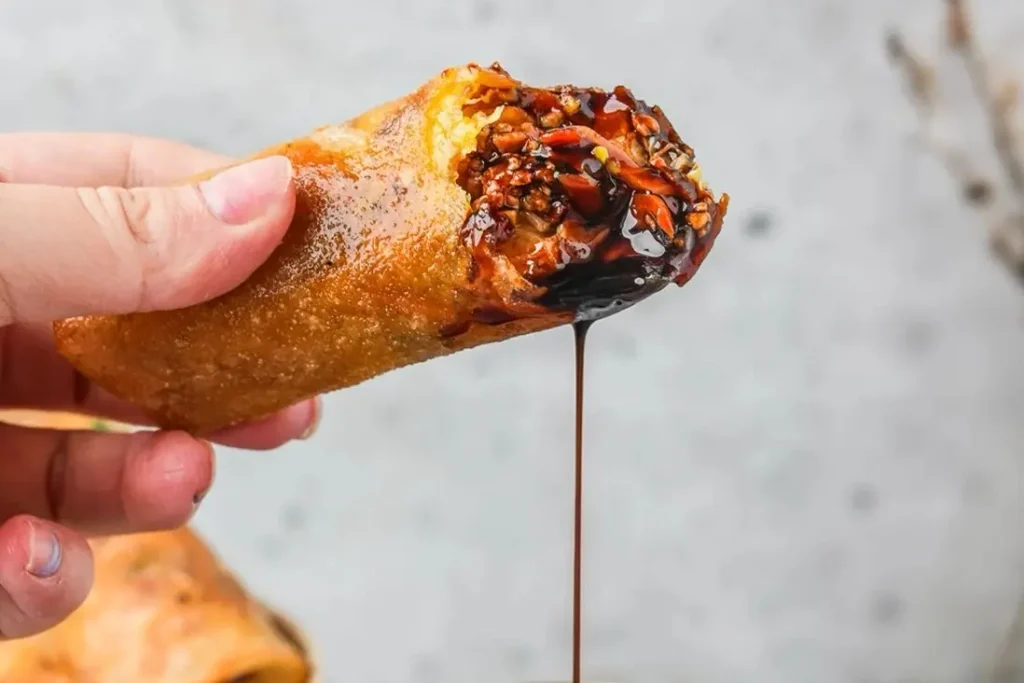
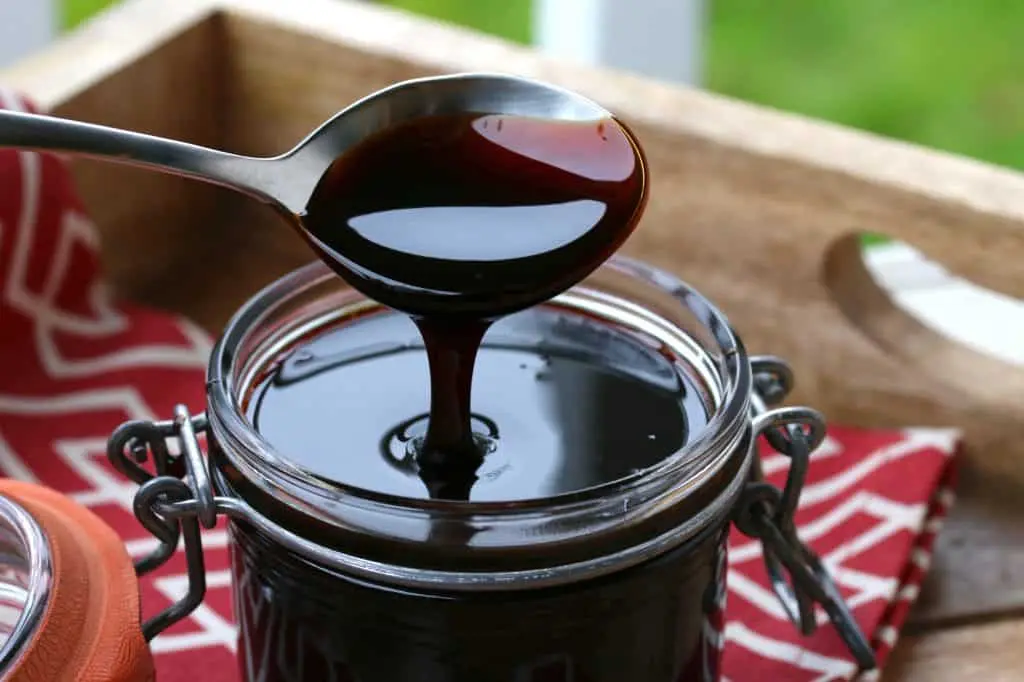
So, what exactly is this magical dark liquid that elevates popular Indonesian dishes and street food alike? Kecap manis (pronounced keh-chap mah-nees) is a thick, sweet soy sauce originating from Indonesia. Unlike the watery, salty soy sauces you might dash over sushi, this Indonesian sweet soy sauce is an intensely syrupy reduction made from fermented soybeans, generous amounts of palm sugar (gula melaka or coconut sugar), and a blend of aromatic spices like star anise and coriander.
When I first started keeping it in my kitchen, I had to unlearn a few common misconceptions.
- Not just “sweet soy sauce”: The palm sugar undergoes a slow caramelisation during brewing, giving the sauce an intoxicating, molasses-like richness and a texture reminiscent of maple syrup.
- More than a condiment for nasi goreng: While it is the undisputed king of Indonesian kitchens, kecap manis indonesian is also a brilliant glaze for grilled chicken, fried noodles, and even deep fried fish.
- A key player in traditional Indonesian dishes: From nasi padang’s rich rendang beef stew to the peanut sauce dressing of gado gado, kecap manis imparts a balanced sweetness that rounds out the complex flavors of Indonesian food.
Insider knowledge: A high-quality kecap manis should pour like thick maple syrup. If it runs like water, it lacks the concentrated palm sugar and dark soy sauce content needed to properly coat and caramelise your food.
How to Use Kecap Manis in Indonesian Cooking
Because of its potency and sugar content, knowing how to use kecap manis is crucial. Treating it like regular soy sauce or dark soy sauce can lead to a cloying, overly sweet disaster. I learned the hard way that cooking with this syrup requires strategy and timing.
Here’s my foolproof, step-by-step guide to using kecap manis in a classic stir-fried Indonesian fried rice or fried noodles:
1: Build your aromatic base
Start with cooking oil in a hot wok or pan. Fry garlic, shallots, and fresh chilies until their aromas bloom, filling the kitchen with the spicy scent characteristic of Indonesian cuisine.
2: Cook your proteins and carbs
Add chicken satay, shredded chicken, or seafood dishes like fried fish or grilled fish, followed by white rice or sticky rice. Toss everything over high heat until almost fully cooked.
3: The crucial glaze
Add 1 to 2 tablespoons of kecap manis indonesian. Don’t drown the dish; just enough to coat the ingredients and infuse them with that signature sweet soy flavor.
4: Caramelise and balance
Stir vigorously. The palm sugar and sweet soy in kecap manis will caramelise rapidly, giving your dish a glossy, dark brown finish. Balance the flavor with a pinch of salt, a splash of fish sauce, or a squeeze of fresh lime juice to cut through the sweetness.
Chef’s whisper: Always add kecap manis in the last 1 to 2 minutes of cooking. Because it’s packed with palm sugar and brown sugar, it burns easily. Adding it too early risks scorching the sugars, turning your dish bitter.
Indonesian Food Experiences: Mastering Kecap Manis
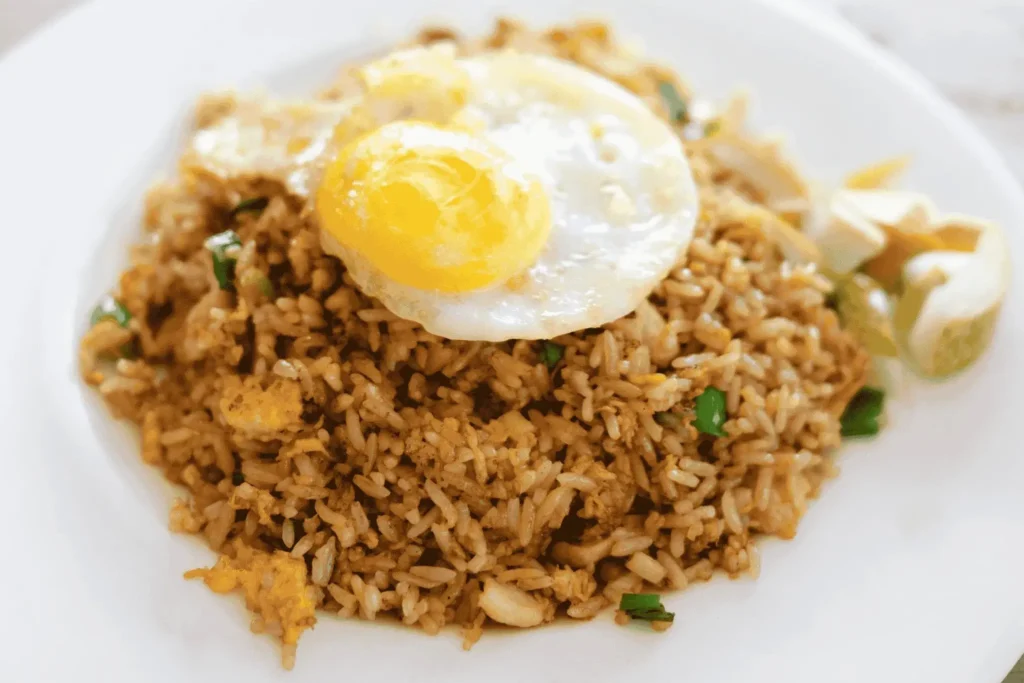
Understanding kecap manis deeply comes from real kitchen trials and street food observations throughout Indonesia:
The Nasi Goreng Disaster
My early attempts at Indonesian fried rice without kecap manis were flat and salty. When I finally added it, I poured too much too soon, and the palm sugar burnt to the pan’s bottom, leaving a bitter taste.
The Fix: Add kecap manis only in the final moments to caramelise the rice grains perfectly.
Restaurant-Style Ayam Kecap (Chicken in Sweet Soy)
Simmering chicken in a fragrant chicken broth with coconut milk, then tossing it in kecap manis at the end, creates a sticky, glossy coating that’s absolutely delicious—a hallmark of Indonesian cuisine’s balance of sweet, savory, and spicy sauce.
Hawker-Style Mie Goreng (Fried Noodles)
Watching hawkers stir-fry mie goreng, I noticed they use kecap manis sparingly, mixing it with sambal chili and shrimp paste for a spicy sauce that complements the noodles and bean sprouts without overwhelming them.
The Homemade Kecap Manis Substitute Failure
Trying to replicate kecap manis by mixing regular soy sauce with brown sugar resulted in a sweet but watery sauce missing the thick, velvety texture and deep caramel notes that only authentic Indonesian sweet soy sauce provides.
Cheat Sheet: Your Kecap Manis Questions Answered
“Will it make my food too sweet?”
If used incorrectly, yes. But Indonesian cooking is about balance—pair kecap manis’s sweetness with spicy food, acidic lime juice, and savory fish sauce for a harmonious flavor.
“Can I use it as a dipping sauce?”
Absolutely. In Indonesia, kecap manis is often served as a dipping sauce mixed with sliced bird’s eye chilies and raw shallots, perfect for fried chicken or grilled fish.
“How long does it last?”
Thanks to high sugar and salt content, kecap manis has a long shelf life. Keep it in a cool, dark place, and it can last months to a year.
Where to Find Kecap Manis in Singapore and Beyond
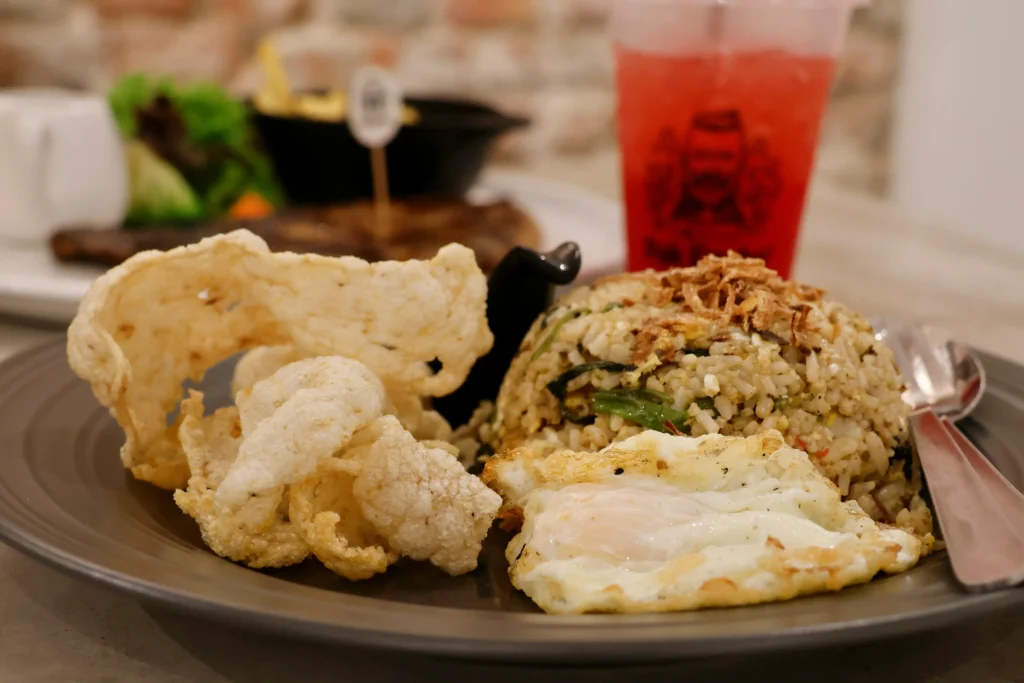
Living in Singapore means you’re never far from authentic Indonesian food or sauces. Kecap manis quietly bridges Indonesian and Malay food culture across Southeast Asia.
- Where to buy: Major supermarkets like NTUC FairPrice, Sheng Siong, and Cold Storage stock popular brands.
- Recommended brands:
- ABC Kecap Manis: The standard with balanced sweetness and thickness.
- Bango: A premium option with richer, darker molasses flavor.
Where to taste it first: Indulge in nasi padang at Indonesian restaurants or savor street food like nasi bali or sate ayam, where kecap manis is a key flavor component.
Embrace the Sweet Darkness
Kecap manis is far more than just a bottle of sauce. It is a brilliant, multifaceted ingredient that brings a celebration of Eat Drink Asia flavours to your dining table. This sweet soy sauce transforms simple vegetables into caramelised delights, elevates basic noodles to hawker-level masterpieces, and gives proteins an irresistible, glossy finish.
Do not let the dark, thick texture intimidate you. Pick up a bottle on your next grocery run, remember to keep your heat high and your balancing ingredients ready, and introduce your kitchen to the flavour that makes food in Indonesia feel like home. You will wonder how you ever cooked without it.
For those looking to complement their culinary adventures with exceptional drinks, exploring the vibrant scene of bars in Singapore offers an exciting opportunity; from Pour Decisions: The Best Bars in Singapore for Craft Beers and More, to upscale lounges serving artisanal cocktails.

The Potato Curry That Teaches You How Spices Wake Up: A Beginner’s Indian Cooking Lesson
Eda Wong | July 16, 2026
The first time I made aloo curry on my own, I burned the cumin. I remember standing in my tiny HDB kitchen, watching those little seeds go from golden to black in what felt like one breath, and thinking: this is harder than it looks. But here’s what that bitter, smoky disaster taught me, the…

Bamboo Skewers and Smoke: Street Grills in Chiang Mai
Dio Asahi | July 15, 2026
The cart glows at the edge of the lane just as the heat of the day finally loosens. A woman fans the coals with a flattened piece of cardboard, and the embers brighten orange under a row of skewers. Fat slides off the pork, hits the charcoal, and hisses upward in a thin curl of…
-
Chana Masala With Warm Roti, Built for Weeknights: Quick Vegetarian Dinner Recipes Indian
Dio Asahi | July 14, 2026
The first time I made chana masala, I started with dried chickpeas at 7:30 on a weeknight, soaking and boiling like the recipe said. By the time the curry was actually done, it was nearly ten and I’d already eaten half a loaf of bread out of sheer hunger. That night taught me something I…
-
One-Pan Chicken Curry With Jeera Rice and Cucumber Raita: Food for Dinner Indian, Made Practical
Eat Drink Asia Team | July 11, 2026
The first time we cooked a full Indian dinner on a weeknight, the curry, rice, and raita felt like three separate tasks—three pans, three timers, and a kitchen full of wonderful smells but chaos. The curry was good, the rice sticky, and the raita watery from being made too early. That night taught us a…
-
Banana Leaf Steam: Why Some Rice Smells Like Home
Eda Wong | July 10, 2026
Steam rises from the pot, and a woman lifts a banana leaf over the open flame, turning it once, twice, until its stiff green softens and the surface goes glossy and pliant. She wipes it down with a damp cloth, then spoons hot rice into its center while the grains still steam. The leaf releases…
-
Tambuah Mas Paragon, Delivered: Unique Food Delivery Singapore With Old-School Comfort
Eda Wong | July 9, 2026
I ordered from Tambuah Mas on a rainy Sunday at around 6:15pm, mostly because I wasn’t in the mood to dress up and head into town, but I still wanted a proper meal. Not a sad one-bowl lunch. A real spread. That’s the thing about Tambuah Mas. It’s been around since 1981, serving Indonesian home-style…
-
Toasted Rice Powder: The Dust That Makes Larb Sing
Dio Asahi | July 8, 2026
A wok sits over a low flame, and a handful of raw sticky rice slides across its dry surface. No oil, no water—nothing but heat and patience. The grains pale, then blush amber, then deepen toward the color of weak tea. Someone shakes the pan in a slow, even rhythm, listening as much as watching….
-
Ordering Lunch From Co Hai Banh Mi, and Finding Out the Definition of Good Food Delivery
Dio Asahi | July 7, 2026
I ordered lunch from Co Hai Banh Mi & Phở Vietnamese Restaurant on a Thursday at 12:08pm, which is probably the worst and most honest time to test delivery food. It was raining lightly, the kind of Singapore lunch rain that makes every rider slower and every office worker hungrier. I had been thinking about…
-
Orchard Plaza Food: Hidden Japanese Restaurants and Local Eats Near Somerset
Eat Drink Asia Team | July 4, 2026
Orchard Plaza is one of those buildings we kept walking past before we properly understood it. From the street, it looks more like an office block than a dinner plan. But over repeated visits, usually after work or during odd lunch windows, we’ve found that the real charm sits behind lift doors, quiet corridors, and…
-
Salted Egg, Properly Treated: Sauce, Not Shortcut
Eda Wong | July 3, 2026
By Eda Wong for Eat Drink Asia. The wok station is already hot when the cook lowers the flame. In the narrow back of a Singapore zi char kitchen, the air smells of butter, curry leaves, and the faint mineral edge of salted duck egg. A metal spatula presses cooked yolks through oil until they…