The wind coming off the Tamsui River carries a sharp, saline chill, but the narrow lanes bordering the waterfront offer a different atmosphere entirely. Here, the air is thick with the heavy, sweet-savoury aroma of star anise, cassia bark, and boiling soy sauce. Behind a modest storefront, dark liquid bubbles in massive, dented metal vats. A vendor wielding a long wooden paddle gently turns hundreds of small, blackened orbs, ensuring they do not stick to the bottom. Steam rises in thick plumes, fogging the glass display cases where these obsidian spheres are piled high. It is a quiet, repetitive rhythm that has defined this northern coastal town for generations.
These are tie dan (pronounced tee-eh dahn), literally translated as iron eggs. At first glance, they look almost entirely unyielding—shrunken, coal-black, and slightly wrinkled. But their creation is an exercise in extreme patience rather than brute force. Fresh quail or chicken eggs are hard-boiled, peeled, and then plunged into a master stock of spiced soy sauce. After braising for several hours, they are hauled out and left to cool and shrink in the coastal air. This cycle of braising and air-drying is repeated relentlessly over the course of a week. The result is a dramatic transformation: the white of the egg compresses into a dense, rubbery shell, deeply stained by the dark soy, while the yolk inside becomes incredibly rich and creamy, absorbing the cumulative flavour of a hundred hours of simmering.
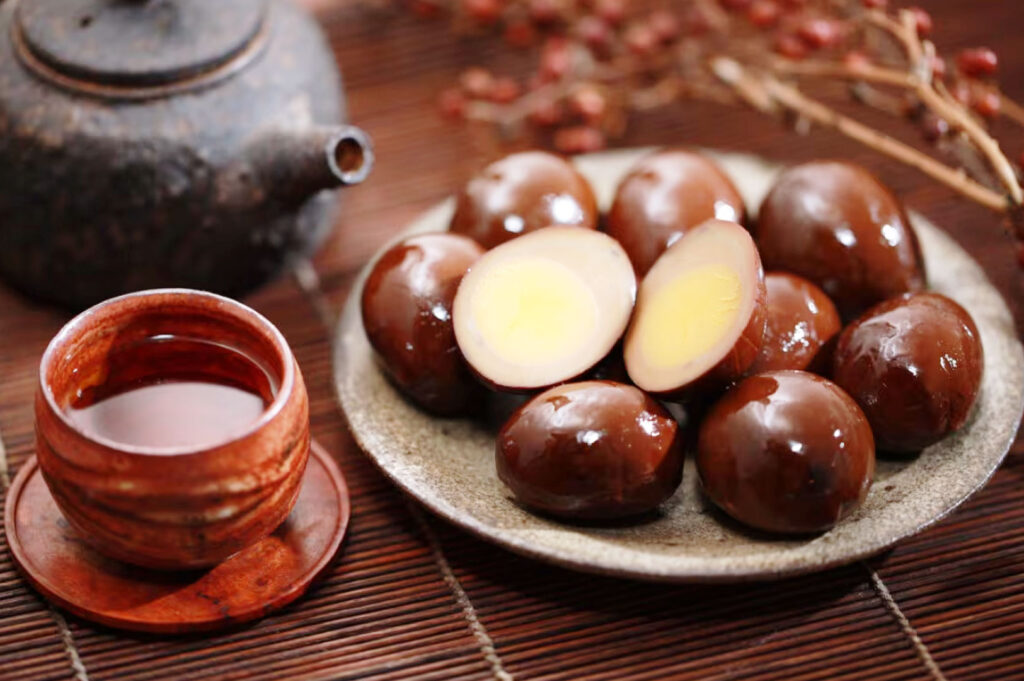
In Tamsui, the iron egg is not an occasion food; it is a pragmatic anchor of everyday life. Originally born out of necessity—a clever method of preservation for unsold goods by dockside vendors before modern refrigeration—it became the perfect portable fuel for ferrymen and labourers working the damp harbour. Today, it remains an accessible, functional snack. You see students eating them straight from small plastic bags on their way home, and commuters chewing on them thoughtfully while staring out at the river traffic. It is a food stripped of ceremony, yet it forms a vital thread in the community’s shared experiences, offering a reliable, highly concentrated burst of energy that speaks directly to the working-class roots of this port town.

What makes the iron egg so fascinating today is the quiet tension it represents. We live in an era of instant gratification, where food is engineered for rapid production and immediate consumption. Many snacks are now factory-pressed, artificially flavoured, and vacuum-sealed for global export. Yet, genuine tie dan demands the opposite. It requires a vendor to surrender to the slow, unyielding physical laws of evaporation and absorption. The egg asks for space, air, and, above all, time. In a fast-paced culinary landscape, this stubborn adherence to a days-long process feels like a quiet rebellion—a refusal to let efficiency overwrite texture and depth.
Standing on the pavement, breaking through that firm, spiced outer layer to reach the powdery yolk inside, the commitment of the craft becomes obvious. The iron egg is a testament to the beauty of waiting. In the same spirit of Taiwanese culinary invention, see Bubble Tea Origins: How Taiwan Created a Global Beverage Phenomenon.
It is a reminder that some flavours cannot be hurried, only carefully earned through the slow, deliberate passage of time.

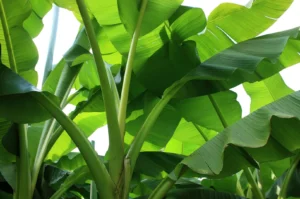
Banana Leaf Steam: Why Some Rice Smells Like Home
Eda Wong | July 10, 2026
Steam rises from the pot, and a woman lifts a banana leaf over the open flame, turning it once, twice, until its stiff green softens and the surface goes glossy and pliant. She wipes it down with a damp cloth, then spoons hot rice into its center while the grains still steam. The leaf releases…
-
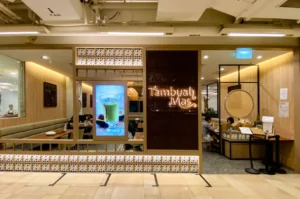
Tambuah Mas Paragon, Delivered: Unique Food Delivery Singapore With Old-School Comfort
Eda Wong | July 9, 2026
I ordered from Tambuah Mas on a rainy Sunday at around 6:15pm, mostly because I wasn’t in the mood to dress up and head into town, but I still wanted a proper meal. Not a sad one-bowl lunch. A real spread. That’s the thing about Tambuah Mas. It’s been around since 1981, serving Indonesian home-style…
-
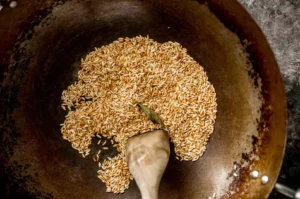
Toasted Rice Powder: The Dust That Makes Larb Sing
Dio Asahi | July 8, 2026
A wok sits over a low flame, and a handful of raw sticky rice slides across its dry surface. No oil, no water—nothing but heat and patience. The grains pale, then blush amber, then deepen toward the color of weak tea. Someone shakes the pan in a slow, even rhythm, listening as much as watching….
-
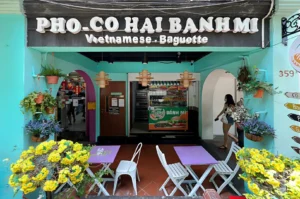
Ordering Lunch From Co Hai Banh Mi, and Finding Out the Definition of Good Food Delivery
Dio Asahi | July 7, 2026
I ordered lunch from Co Hai Banh Mi & Phở Vietnamese Restaurant on a Thursday at 12:08pm, which is probably the worst and most honest time to test delivery food. It was raining lightly, the kind of Singapore lunch rain that makes every rider slower and every office worker hungrier. I had been thinking about…

Orchard Plaza Food: Hidden Japanese Restaurants and Local Eats Near Somerset
Eat Drink Asia Team | July 4, 2026
Orchard Plaza is one of those buildings we kept walking past before we properly understood it. From the street, it looks more like an office block than a dinner plan. But over repeated visits, usually after work or during odd lunch windows, we’ve found that the real charm sits behind lift doors, quiet corridors, and…
-
Salted Egg, Properly Treated: Sauce, Not Shortcut
Eda Wong | July 3, 2026
By Eda Wong for Eat Drink Asia. The wok station is already hot when the cook lowers the flame. In the narrow back of a Singapore zi char kitchen, the air smells of butter, curry leaves, and the faint mineral edge of salted duck egg. A metal spatula presses cooked yolks through oil until they…
-
Fish Sauce at the Table: The Quiet Work of Fish Sauce
Dio Asahi | July 1, 2026
At a narrow lunch table in Bangkok, the bottle arrives before the rice has stopped steaming. It is clear glass, refilled many times, its plastic cap slightly stained from years of fingers and heat. Beside it sits a small bowl of sliced chillies floating in amber liquid, the cut edges pale and sharp. Someone nudges…
-
Eat 3 Bowls Bendemeer Review: A Taiwanese Comfort Food That Delivers
Eda Wong | June 30, 2026
I ordered Eat 3 Bowls @ Bendemeer on a Thursday at about 11:45am, which is my favourite test window for delivery food. It’s close enough to lunch for the kitchen to be in rhythm, but not so late that every rider in the neighbourhood is already fighting the office crowd. By 12:25pm, the bag was…
-
ABC Hokkien Mee After Renovation: What to Expect When the Woks Return
Dio Asahi | June 27, 2026
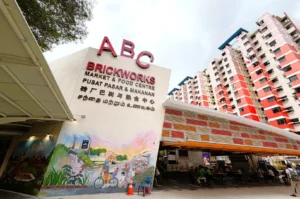
When I first walked past a hawker centre undergoing major renovations, the absolute silence unsettled me. The usual rhythmic scrape of metal spatulas against cast-iron woks was gone, replaced by the hum of construction. It made me realise just how much our culinary journeys are tied to the physical spaces we eat in. Right now,…
-
Claypot Rice Crusts: Listening for the First Crackle
Eda Wong | June 26, 2026
The narrow alleyway in Yau Ma Tei smells of charcoal and dark soy sauce, a thick coastal humidity pressing against the glow of the stoves. An elderly cook stands before a row of blackened sand-clay pots, a long metal tong in his right hand. He does not watch the flames; he listens to them. There…