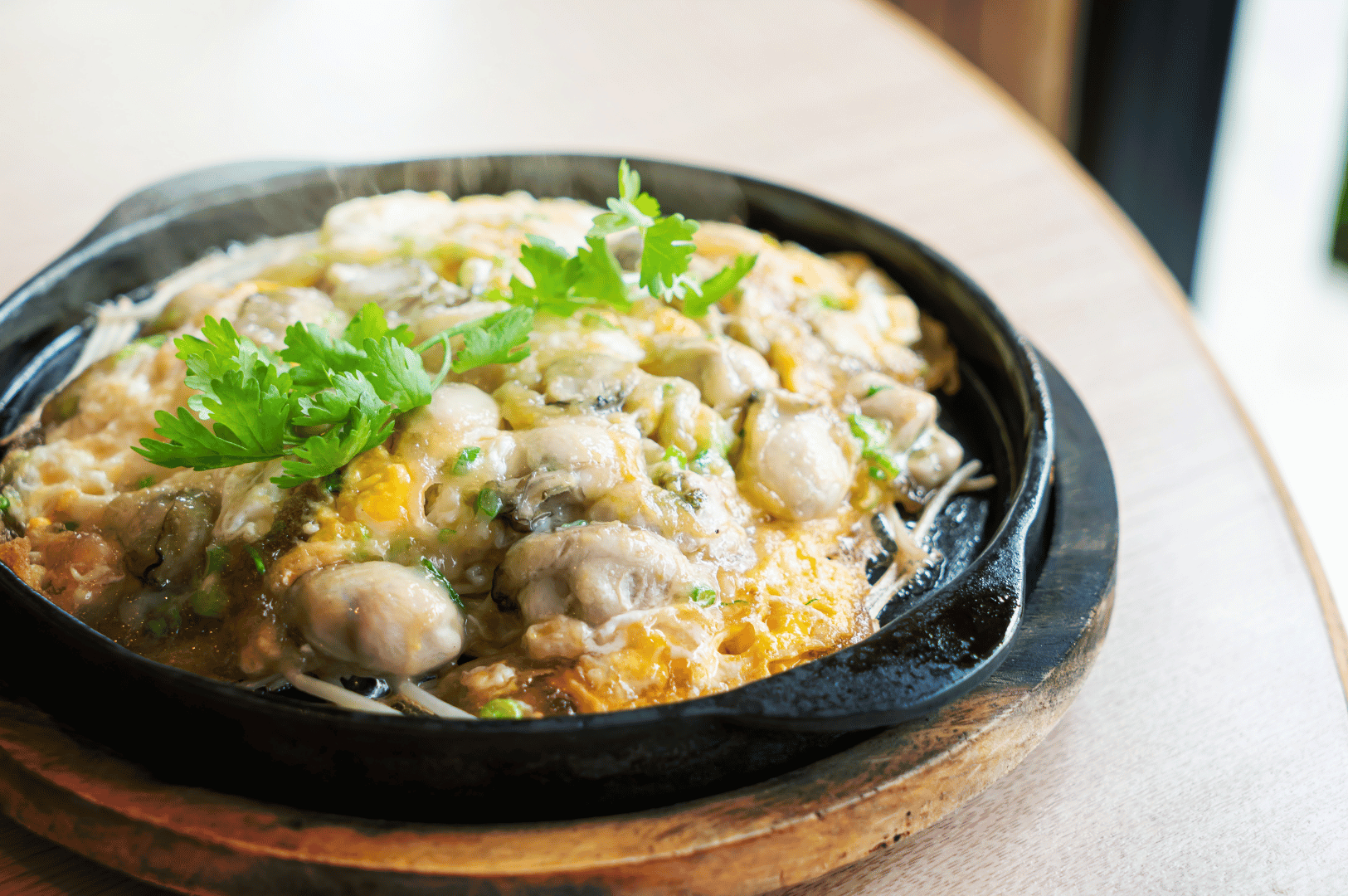
As twilight descends upon Taipei City, a vibrant energy pulses through its streets. This is the hour of the night markets, bustling hubs of community, commerce, and some of the world's most incredible street food. Amidst the steam from soup dumplings and the sizzle of Taiwanese fried chicken, one iconic dish reigns supreme: the Taiwanese oyster omelet, or Oh-ah-jian (蚵仔煎). Alongside giants like beef noodle soup and bubble tea, this essential Taiwanese food is a must-try for any food lover exploring the island. Among the many night markets, Nanjichang Night Market stands out as a distinctive, lesser-known spot celebrated for its unique Taiwanese street food offerings. Let's delve into what makes this beloved dish one of the best food choices in Taiwan.
A Dish Born from Scarcity: The History of the Oyster Omelet
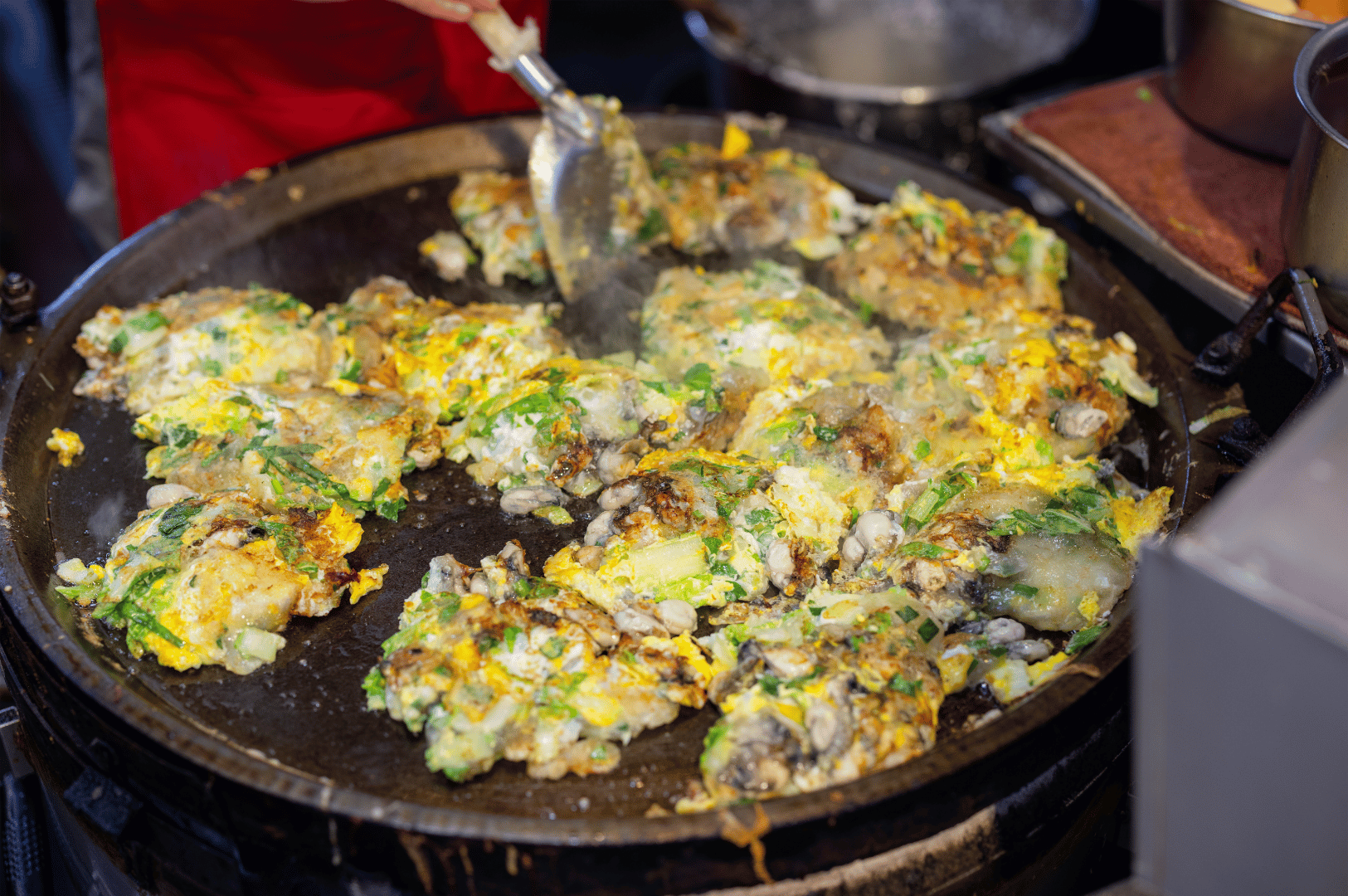
The story of the Taiwanese oyster omelet is a tale of resilience, often traced back to the 17th century in the coastal city of Tainan. During a food shortage caused by the Dutch siege led by Koxinga, locals turned to abundant sweet potatoes and small oysters from the coastline, creating a starchy batter pan-fried into a hearty pancake. This resourceful dish not only provided sustenance but evolved over centuries from a humble meal of necessity into the celebrated street food it is today, showcasing Taiwanese ingenuity.
How to Enjoy Your Oyster Omelet Like a Pro
Ordering and eating Oh-ah-jian is a straightforward and rewarding experience.
- Ordering: Approach the stall and say, "Oh-ah-jian, yí fèn" (蚵仔煎, 一份), or simply point. Many stalls are on the ground floor of food courts or line the main market streets.
- Dine-in or Takeaway: If you want to eat at their small seating area, say "nèi yòng." For takeaway, say "wài dài." Eating it fresh off the pan is highly recommended.
- The Sauce: The savory sauce is essential. If you want it spicy, look for chili sauce on the table or ask the vendor.
- The Technique: Use your chopsticks to get a bit of everything in one bite—the crispy edge, the chewy center, an oyster, and a good coating of sauce. It will make more sense once you taste it all together.
Where to Eat: My Top 4 Essential Taipei Food Nodes Featuring Taiwanese Oyster Omelet and More
1. Din Tai Fung (Xinyi/Taipei 101) – Home of Soup Dumplings and Beef Noodle Soup
Nearest MRT: Taipei 101 (2 min walk) | Price: $$
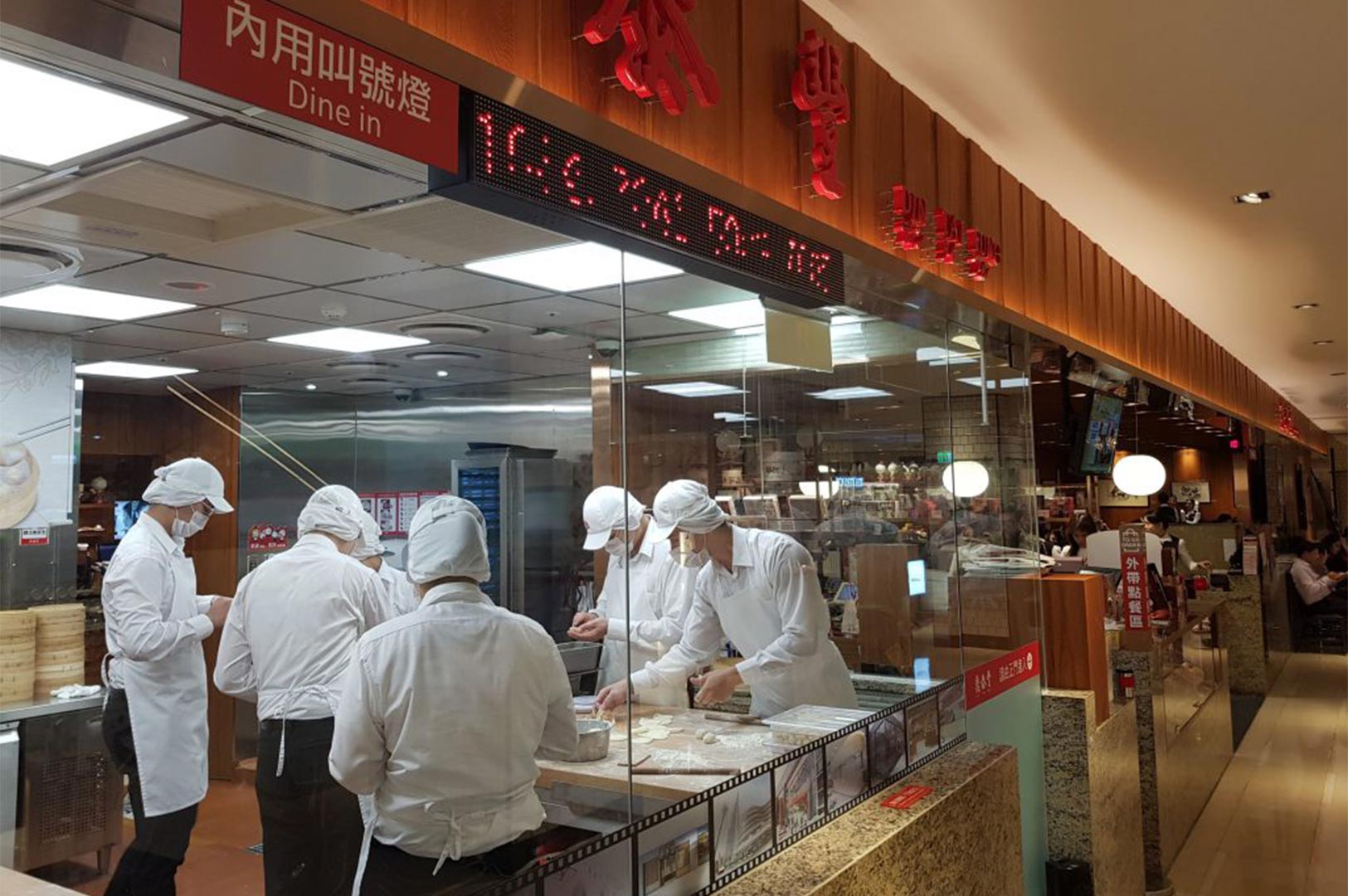
You haven’t seen culinary "precision" until you’ve watched the open kitchen here. Din Tai Fung is less of a restaurant and more a high-end watch factory where every Xiao Long Bao (soup dumplings) is a consistent 21 grams with exactly 18 pleats. While the service is world-class, the Pork Fried Rice and beef noodle soup are underrated heroes that keep me coming back. Be ready for the "DTF ritual"—a 60 to 120-minute wait is standard.
- Best for: First-timers prioritizing hygiene and service.
- Avoid if: You’re on a tight schedule or crave "gritty" street soul.
- Insider tip: If the savory line is too long, order the Chocolate Xiao Long Bao for a molten lava cake experience inside a dumpling.
2. Fuhong Beef Noodles (Ximending) – Classic Beef Noodles and Thick Soup

Nearest MRT: Beimen (6 min walk) | Price: $
Fuhong Beef Noodles is the "24/7 Soul Station." It’s a no-frills, loud establishment that feels like a deep, beefy hug with its thick soup and perfectly cooked beef noodles for about NT$100. The seating—cramped plastic stools and communal tables—is purely "authentic." It’s the raw, honest antithesis to the polished halls of Din Tai Fung.
- Best for: Budget travelers and 3 AM cravings.
- Avoid if: You need air-conditioning and white tablecloths.
- Insider tip: Halfway through, mix in a spoonful of orange beef tallow and spicy butter to completely transform the flavor profile.
3. Yuan Huan Pien Oyster Egg Omelette (Ningxia Night Market) – A Favorite Night Market Experience
Nearest MRT: Zhongshan (10 min walk) | Price: $
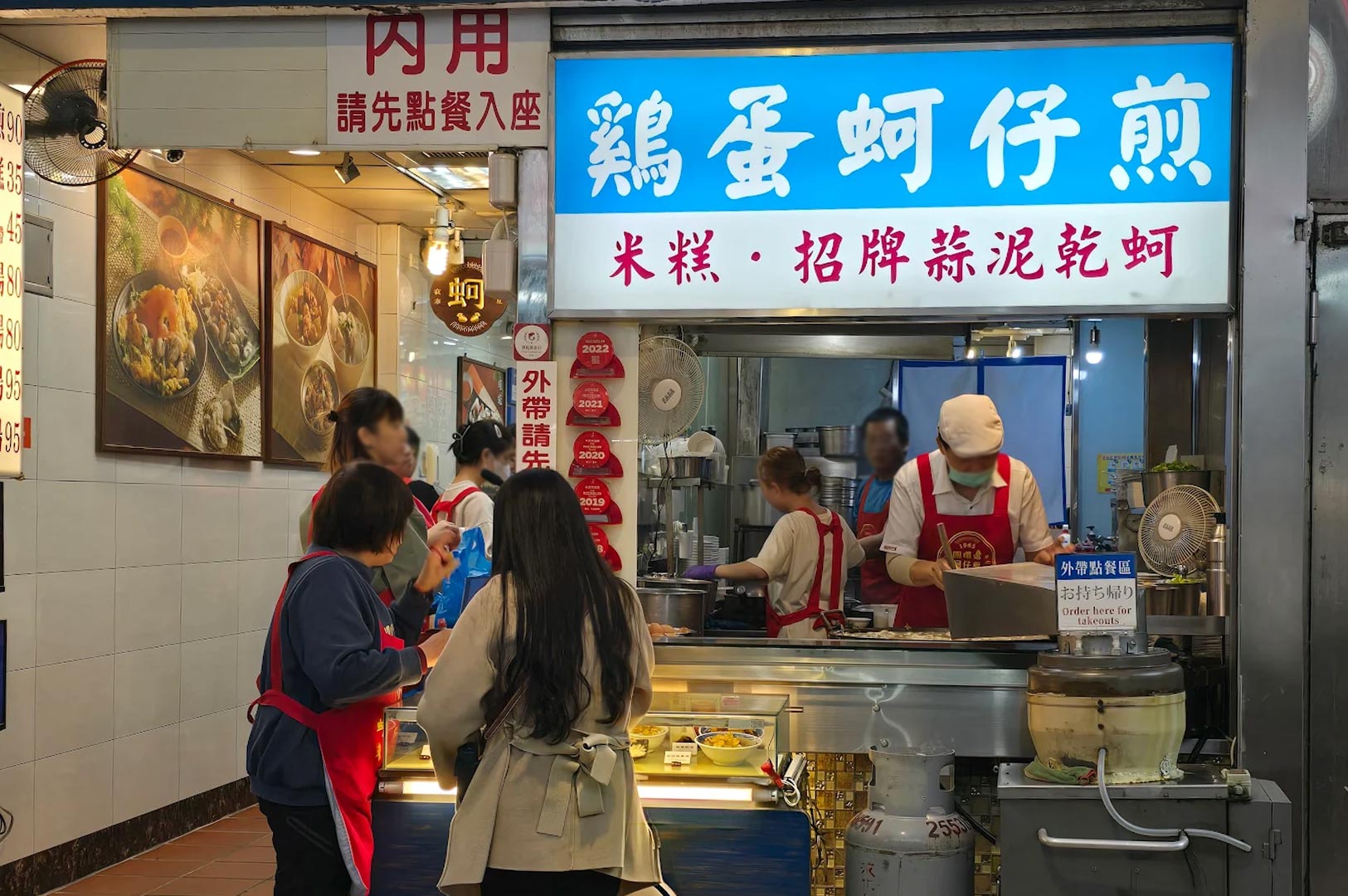
Yuan Huan Pien is where 1965 heritage meets a sushi-style conveyor belt. This Michelin-recommended spot uses incredibly fresh Tainan oysters to create the iconic taiwanese oyster omelet, served with a signature sweet-hot tangy sauce that isn't too aggressive. The line moves with terrifying efficiency; you’ll share a table with strangers, but that’s the heart of this popular night market.
- Best for: Foodies wanting guaranteed high-quality heritage taste.
- Avoid if: You have a shellfish allergy or hate sharing elbow space.
- Insider tip: The Spare Rib Radish Soup is a light, peppery palate cleanser that cuts through the starchy omelet richness.
4. Lai Ji Oyster Omelet (Nanjichang Night Market) – Local’s Choice with Crispy Edges
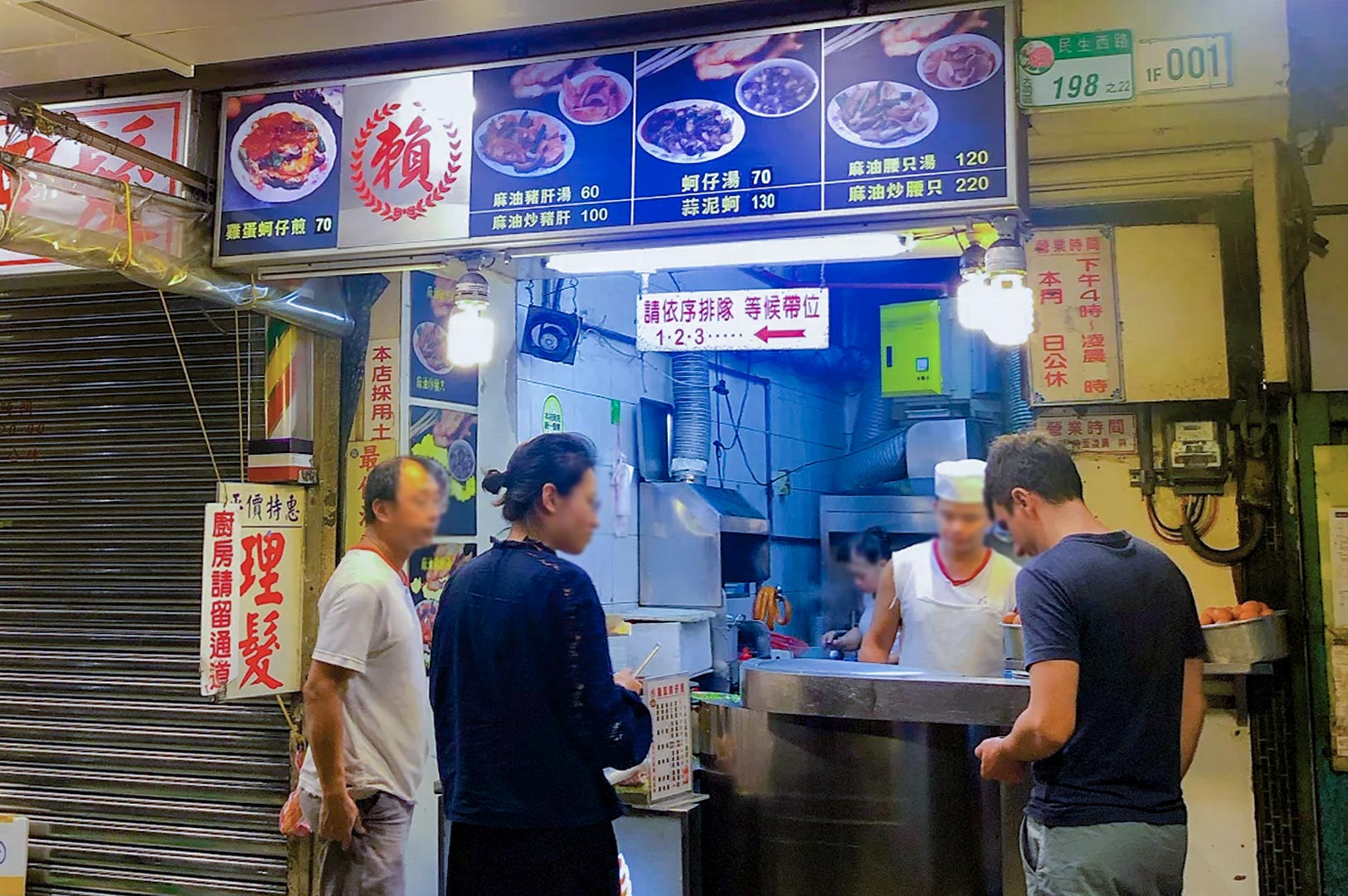
Nearest MRT: Zhongshan (10 min walk) | Price: $
Lai Ji is the "Local’s Choice" at the nanjichang night market. Unlike its softer competitors, the batter here is fried until the perimeter has a crispy, lace-like edge reminiscent of deep fried dishes. The atmosphere is more relaxed than the Michelin spots, though the tiny dining area can get sweltering during Taipei’s humid nights.
- Best for: Travelers wanting to eat exactly where the locals go.
- Avoid if: You are sensitive to night market heat and noise.
- Insider tip: Ask for "Double Egg" (Lǐng-gè dàn) for an extra NT$15 to get a thicker, more savory texture.
Bring a Taste of Taiwan Home: A Simple Recipe
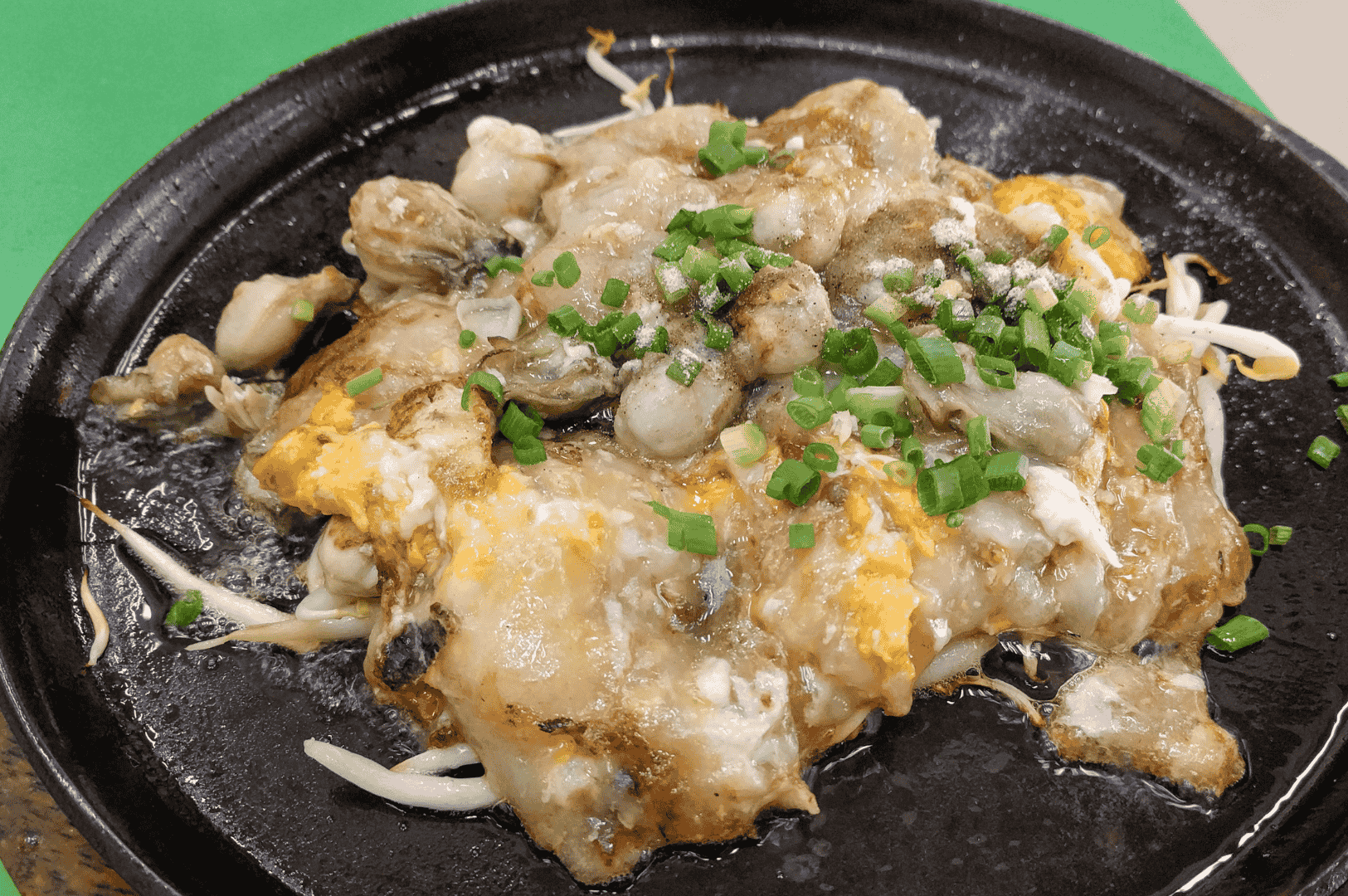
Can't wait for your next trip? Here is a simplified recipe you can try at home.
Ingredients:
- 1 cup sweet potato starch
- 1.5 cups water
- 1/2 cup fresh small oysters, cleaned
- 2 large eggs
- 1 cup chopped bok choy or spinach
- Salt and white pepper
- Vegetable oil for the pan
- For the Sauce: 3 tbsp ketchup, 1 tbsp soy sauce (or sweet soy sauce), 1 tbsp sugar, 1/2 tsp cornstarch, 1/4 cup water
Instructions:
- Prepare the sauce: In a small saucepan, combine all sauce ingredients. Heat on low, stirring until it thickens. Set it aside.
- Make the batter: Whisk the sweet potato starch and water until smooth. Season with a pinch of salt and white pepper.
- Cook: Heat oil in a non-stick skillet. Pour in half the batter. As it turns translucent, scatter half the oysters and greens on top.
- Pour one lightly beaten egg over the mixture.
- Cook for 2-3 minutes, then fold or flip the omelet. Cook until the egg is set and the edges are crispy.
- Slide onto a plate and cover with the savory sauce. Repeat for the second omelet.
Health and Nutrition
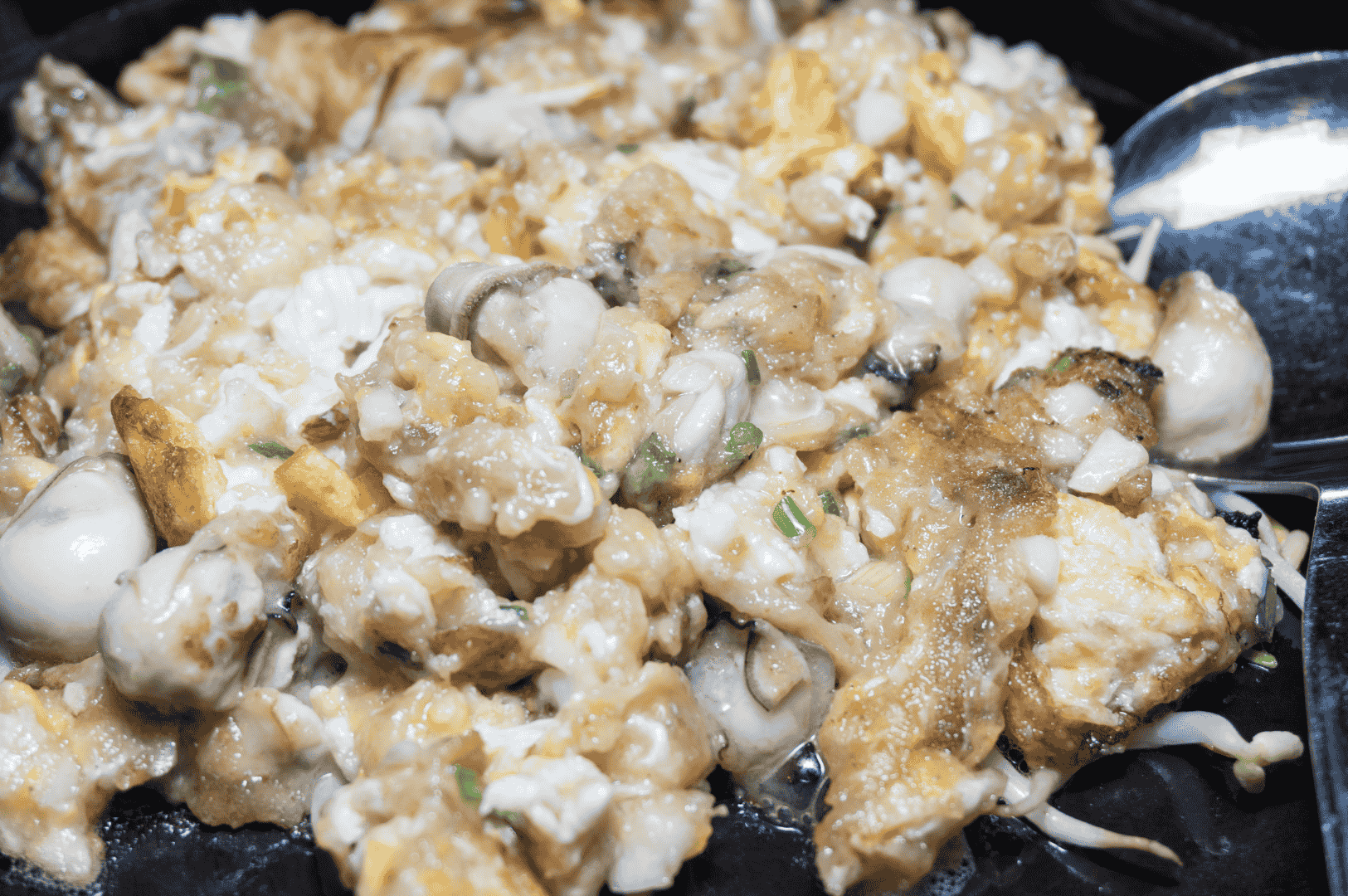
The oyster omelet is a treat. It’s a fantastic source of joy and a core part of the cultural experience. Nutritionally, oysters offer zinc and iron, and the egg provides protein. However, it is high in carbohydrates and oil. The sauce also contains sugar and sodium. It’s best enjoyed as part of a balanced night market feast, perhaps followed by some sweet soup or fresh fruit.
The Heart of Taiwanese Street Food
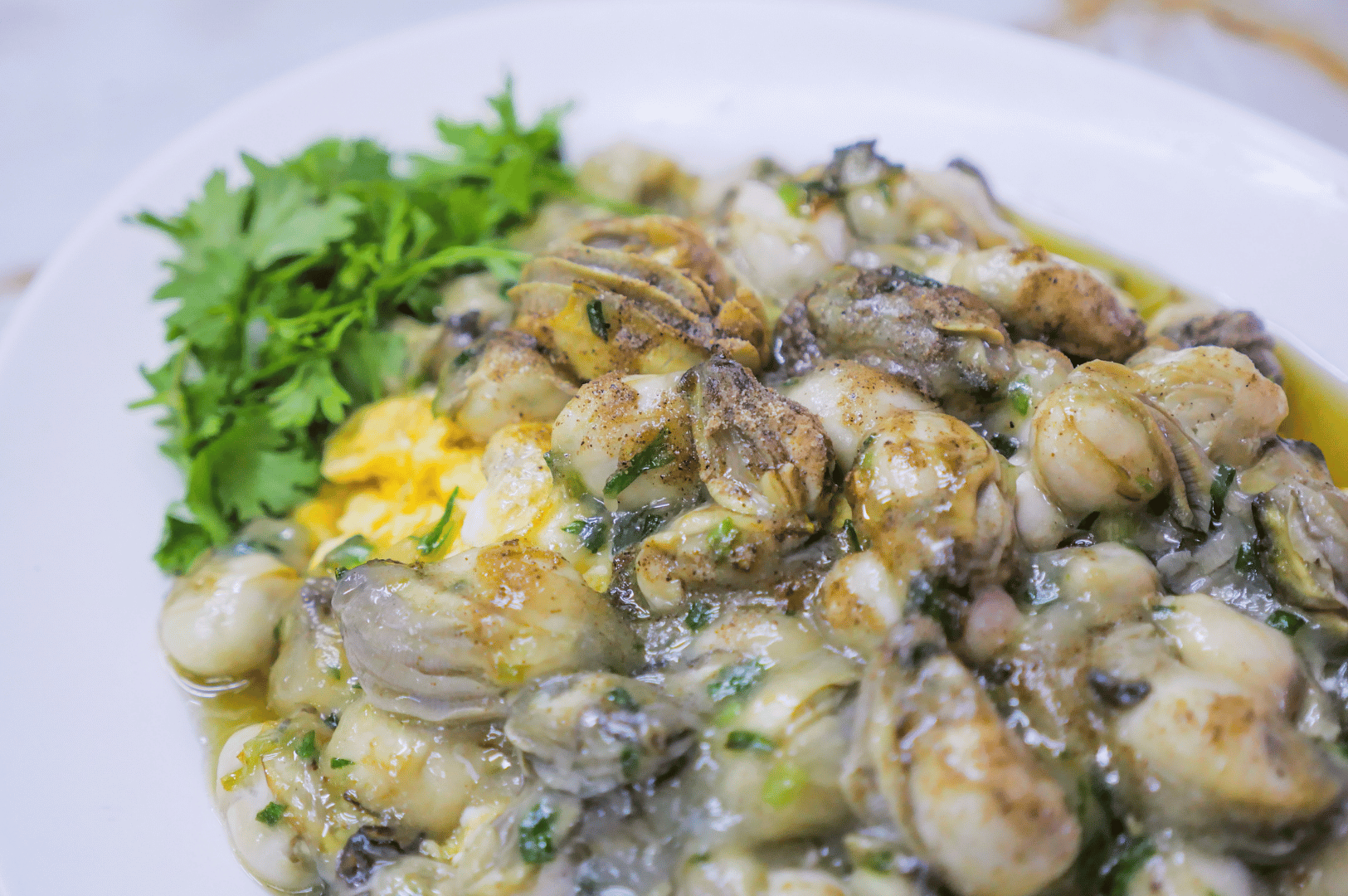
The Taiwanese oyster omelet is a perfect microcosm of Taiwanese cuisine: historical, resourceful, and unapologetically delicious. It’s a dish that brings together contrasting textures and flavors in perfect harmony. From the lively atmosphere of Ningxia Night Market to the sprawling labyrinth of Shilin Night Market, the sizzle of the Oh-ah-jian griddle is a call to all food lovers. It’s a taste of tradition, a sensory adventure, and a true icon of street food excellence. If you’re inspired by rich culinary heritage, explore the Indonesian herbal wellness tradition of jamu or dive into the complex process behind Padang’s famous beef rendang—each offering a unique taste of Southeast Asia’s cultural depth.
Frequently Asked Questions (FAQ)
Q: Is the Taiwanese oyster omelet spicy?
A: The standard savory sauce is not spicy; it's a balance of sweet and tangy. Most street carts will have chili sauce available for you to add to your liking.
Q: I'm allergic to shellfish. Can I still try it?
A: You must avoid the traditional oyster omelet. Due to the high risk of cross-contamination on the shared pan, even an egg-only version is not recommended for those with severe allergies.

Traditional Ramyeon: The Soulful Heart of Korean Noodle Culture
Eat Drink Asia Team | January 20, 2026
In the bustling culinary landscape of South Korea, few comfort foods can match the satisfaction of a steaming bowl of ramyeon. While outside of Korea, “ramyeon” often brings to mind Korean instant noodles or instant ramen, true ramyeon Korean style refers to the artful, freshly prepared noodle soup enjoyed in homes and at local restaurants…
-
The Heart of the Korean Noodles: History and Texture
Eda Wong | January 17, 2026
In Korea, a bowl of noodles is far more than a simple dish; it is a cultural anchor that has weathered centuries of change. For generations, the length of the strand has symbolized a long and prosperous life, making Korean noodles a staple at birthdays, weddings, and the milestone 60th birthday celebration known as hwangap….
-
Preserving the ‘Big Bowl’ Tradition with Pen Cai Delivery in the Age of Doorstep Dining
Eat Drink Asia Team | January 15, 2026
Modern Festive Menu: Bringing the Big Bowl Home There is a special, undeniable magic to the Chinese New Year reunion dinner. For many families, Chinese New Year 2026 is another chance to gather loved ones at the table and celebrate with a glorious pen cai—sometimes called the “big bowl feast”—overflowing with premium ingredients and festive…
-
Sencha: Traditions, Flavors, and the Essence of Japanese Tea
Eat Drink Asia Team | January 15, 2026
When people around the world think of Japanese tea, images of tranquil tea ceremonies in small rooms or frothy bowls of matcha often come to mind. Yet, the reality of tea drinking in Japan is much broader, woven deeply into the culture and daily habits. For the vast majority, sencha is the beloved tea that…
-
The Best Restaurants Tokyo Are Rarely the Ones You Plan For
Eda Wong | January 12, 2026
Tokyo, Japan’s capital, does not reward urgency. It rewards return. On my first visit, I chased what everyone told me were the best restaurants Tokyo had to offer. I spent weeks highlighting maps, bookmarking digital “must-eat” lists, and refreshing reservation pages until my eyes blurred. I thought that by conquering the top-tier establishments, I would…
-
Japan and Food: Culinary Harmony – The Deep Connection Between Japanese Food and Culture
Eat Drink Asia Team | January 11, 2026
When it comes to Japan and food, the two are intertwined in ways that captivate taste buds and awaken the senses. Japanese cuisine stands as one of the world’s most revered traditions—more than nourishing meals, it is an art reflecting centuries of philosophy and a window into Japanese culture itself. Every bowl of miso soup,…
-
The Verdant Cup: A Celebration of Green Tea in Japan
Eda Wong | January 10, 2026
In Japan, green tea is much more than a beverage. It marks a moment of pause, hospitality, and tradition. The story of green tea in Japan weaves through centuries of culture, artistry, and daily life—bridging ancient rituals like the Japanese tea ceremony to everyday meals enjoyed at home. The origins and beginning of Japanese tea…
-
Japanese Green Tea from Japan: The Story of Matcha
Dio Asahi | January 8, 2026
On a misty April morning in Kyoto, I knelt on tatami in a small tea room outside Uji, Japan. The host, dressed in kimono, moved with quiet skill as she scooped matcha powder into a ceramic bowl. The air was filled with the aroma of aged wood mixed with the grassy scent of high quality…
-
Takoyaki: The Sizzling Heart of Japan Food Culture
Dio Asahi | January 3, 2026
What is Takoyaki and Why Does it Matter in Japanese Food Culture? In the bright heart of Osaka, the sizzle of takoyaki batter signals one of Japan food culture’s most beloved street foods. Lines form at street stalls drawn by the delicious food aromas of sweet-savory sauce and bonito flakes dancing on golden spheres. Takoyaki,…
-
Everything You Need for a Flawless Bubble Tea Cake
Eda Wong | January 1, 2026
The global bubble tea phenomenon has evolved beyond drinks into the world of baking, creating one of the most exciting dessert trends of recent years. Bubble tea cake combines the beloved flavors of milk tea with the satisfying chew of boba pearls, all wrapped up in an adorable bubble tea cake that’s perfect for any…