I visited on a Tuesday around 7pm, completely exhausted from a long day of meetings and staring at screens. I wasn’t looking for a fancy culinary journey or a trend-setting dining experience. Honestly, I just wanted a quick, comforting meal that would hit the spot without emptying my wallet.
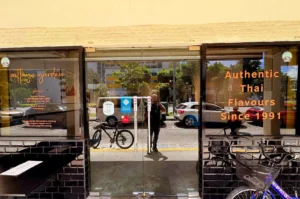
That specific craving led me to the fourth floor of West Mall in Bukit Batok. I wandered into the newly revamped Kopitiam, scanning the bright signboards for something flavourful. That’s when Telur Thai caught my eye.
Also known as Egg Thai online, this unassuming food-court stall promises authentic Thai comfort food with a unique, egg-focused twist. I am a massive fan of Thai-style fried eggs, so my curiosity was immediately piqued. I decided to give it a shot, hoping for a decent plate of food. What I found was a surprisingly diverse celebration of flavours that absolutely transformed my dull Tuesday evening.
What Immediately Caughts the Eye at Egg Thai West Mall
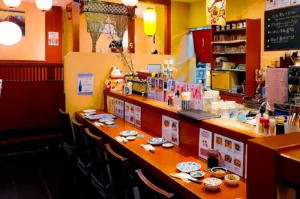
Walking into the Egg Thai West Mall setting inside the Kopitiam at West Mall feels different from the usual neighbourhood kopitiam experience. The space is surprisingly expansive, reportedly seating over 400 people, with a modern layout inspired by the nearby Little Guilin landscape. It’s bright, clean, and organised, far more polished than the typical food court you might expect in Singapore.
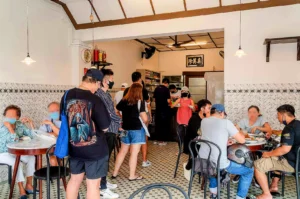
Despite the polished setting, the energy is unmistakably local. During the dinner rush, the space hums with life: trays clatter, buzzers vibrate across tables, and groups gather around bowls of steaming thai food. I remember standing there for a moment just taking in the scent drifting from nearby stalls, the citrusy perfume of tom yum soup, the caramelised sweetness of grilled chicken, and the faint smokiness of wok-fried rice.
If you prefer a calmer dining moment, the corner tables near the back windows are a nice refuge. They’re slightly removed from the main walkways where families queue and collect their food orders. The strong air-conditioning is a blessing after walking through humid Singapore, though it can feel quite chilly after a while. I noticed several diners pulling on light jackets as they settled in with bowls of noodles and plates of fragrant rice.
Overall, the environment strikes a comfortable balance: polished but casual, lively but still approachable for a quick meal or a relaxed family dinner.
A Flavourful Dive into Egg Thai’s Menu: Thai Signatures, Pad Thai, and Mango Salad
The brightly lit Egg Thai stall, formerly known as Telur Thai, draws attention with its vibrant display of classic thai signatures. The concept centres around egg-focused comfort plates inspired by Thailand street food, executed by real thai chefs who aim to balance authenticity with accessibility for local diners.
I sampled several dishes to see whether the flavours captured the lively character of Bangkok street cooking.
Minced Chicken Thai Omelette Rice
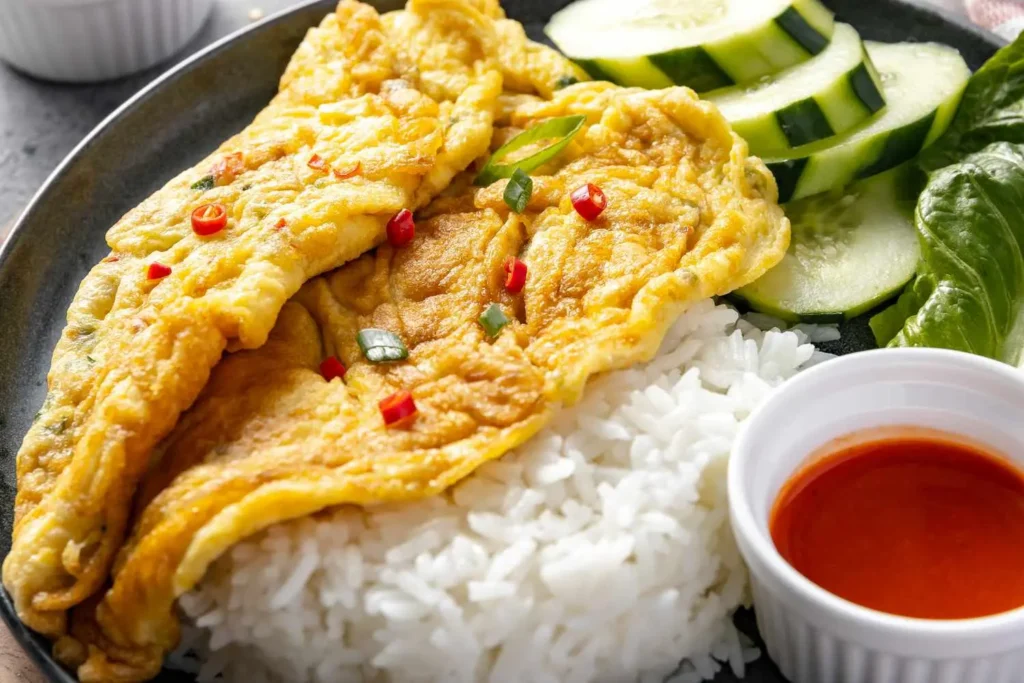
The egg omelette arrives like a golden blanket draped over warm fragrant rice, its edges slightly crisp from the pan. Cut through the center and the omelette folds open, revealing savoury basil minced chicken tucked inside.
The texture is satisfying:
- Crispy edges from the pan
- Soft, fluffy egg interior
- Juicy chicken filling with herbal basil notes
A drizzle of sweet chilli sauce brings a sweet-salty contrast. The dish tasted comforting and balanced, rich without feeling oily, and seasoned enough to avoid being bland.
It’s a simple plate, but the kind that quietly reminds you why Thai street cooking works so well.
Small Tom Yum Soup with Chicken
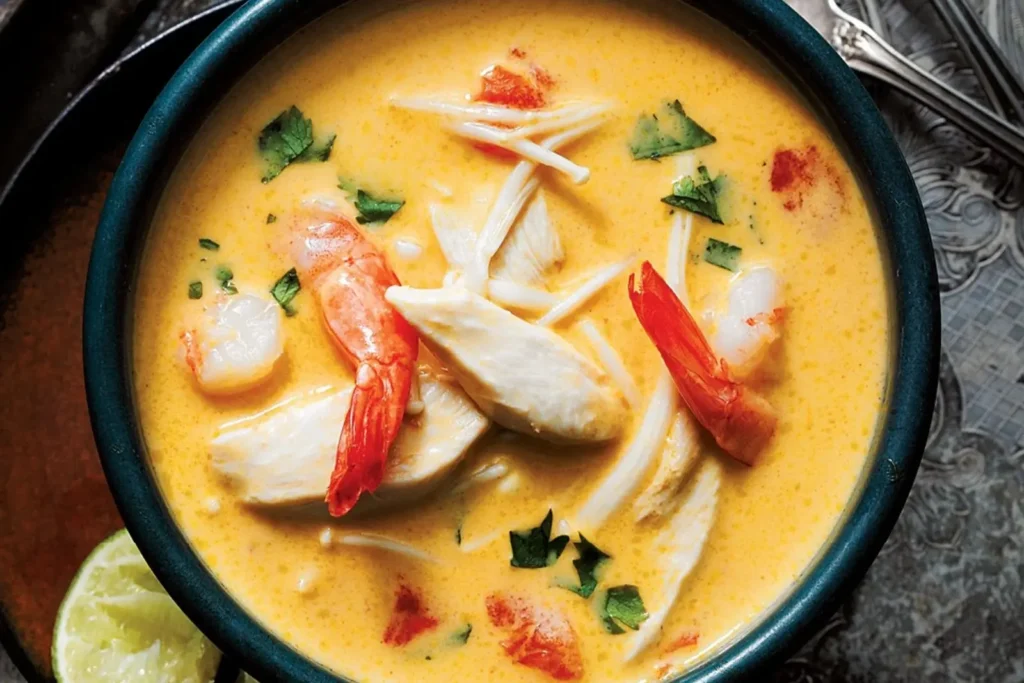
The small bowl of tom yum soup arrives glowing orange, releasing an aromatic cloud of lemongrass, galangal, and kaffir lime leaves.
The first spoonful delivers a layered experience:
- Bright citrus acidity
- Gentle spicy warmth
- Savoury depth from the broth
While milder than versions found in Bangkok, it still carries enough tang to awaken the palate. For mall diners or families sharing a meal, the slightly toned-down heat makes it an easy choice.
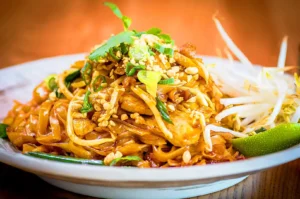
Pad Thai with Chicken
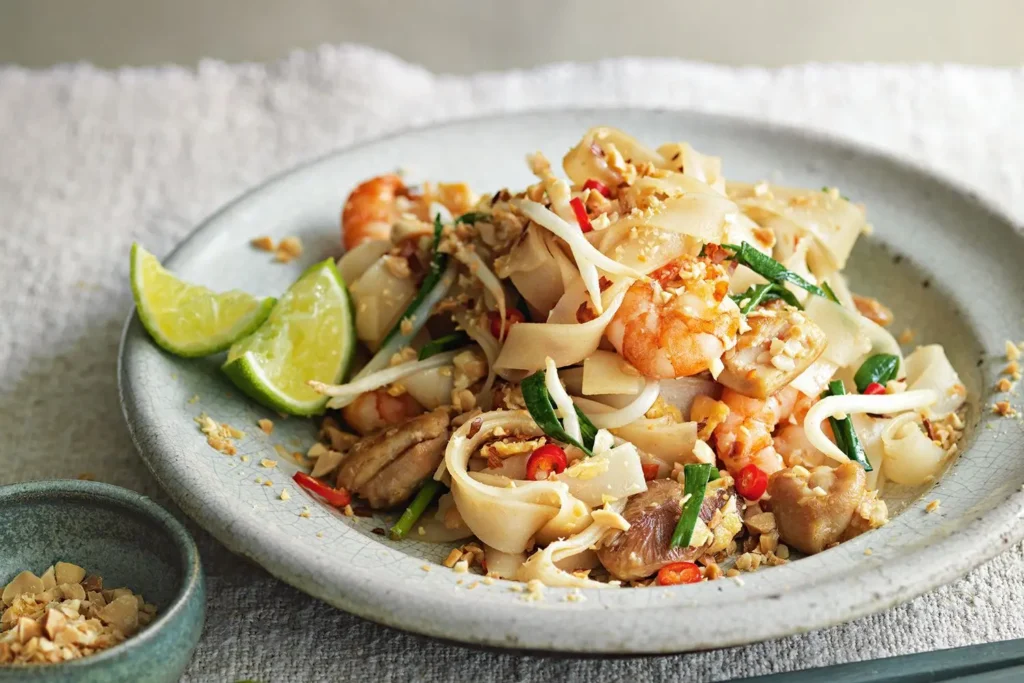
No Thai menu feels complete without pad thai, and this version holds its ground.
The rice noodles arrive glossy and separate, lightly stir fried with tamarind sauce. A scattering of crushed peanuts and a fresh lime wedge finish the plate.
The balance works well:
- Sweet tamarind base
- Sour lime brightness
- Tender pieces of chicken
It’s hearty and satisfying, one of those dishes that feels both nostalgic and dependable. Not the most aggressively smoky version I’ve tasted, but still undeniably tasty.
Supporting Plates: Mango Salad and Spring Rolls
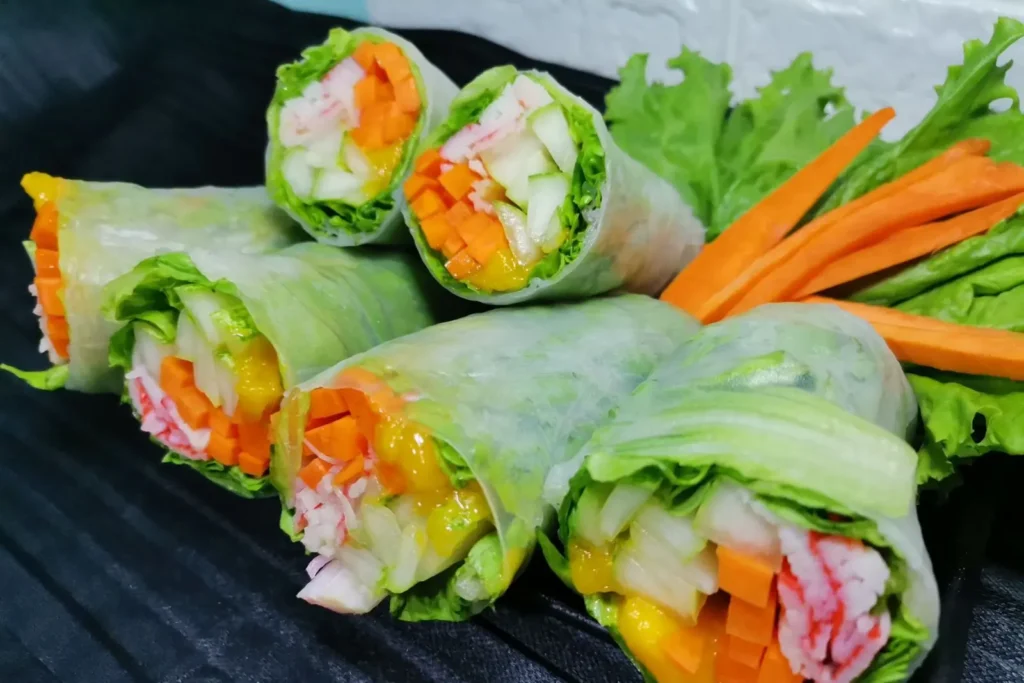
The mango salad adds freshness to the meal. Shredded green mango carries a sharp citrus bite, brightened with lime and just enough chilli to keep things interesting.
Alongside it, crisp spring rolls provide a crunchy contrast. Their golden shells crackle with every bite, revealing warm fillings of vegetables and minced meat.
Together, they round out the table nicely.
Dining Experience at Egg Thai West Mall
Dining at Egg Thai West Mall follows the standard kopitiam system.
There’s no table service, you order at the stall, take a buzzer, and collect your meal when it’s ready.
During my visit, the staff handled orders efficiently despite the crowd. The team moved quickly behind the counter, and the kitchen kept a steady rhythm turning out plates of pad thai, omelette rice, and bowls of tom yum soup.
Still, peak dinner hours can stretch waiting times to around 20 minutes.
The good news: the food arrives hot and freshly cooked, which makes the wait easier to accept.
Condiments and utensils are neatly arranged at the stall front, and the tray-return station keeps the space tidy, something many family diners appreciate.
Things to Remember When Visiting Egg Thai West Mall
If you’re planning a visit to Egg Thai West Mall, here are a few useful notes:
- Location: West Mall, 1 Bukit Batok Central Link
- Access: Directly connected to Bukit Batok MRT
- Price range: Most meals cost between $8 and $12
A typical order might include:
- Omelette rice with fried eggs
- Pad thai or tom yum soup
- A glass of creamy thai milk tea
Adding sides like mango salad or spring rolls usually brings the total to around $15–$18, solid value for flavourful thai food in Singapore.
To avoid long queues, visit:
- Late morning
- Mid-afternoon
- Before 6:30pm for dinner
These quieter windows make the experience far more relaxed.
Beyond the Stall: Egg Thai AMK Hub, Pineapple Fried Rice, and Honey Chicken
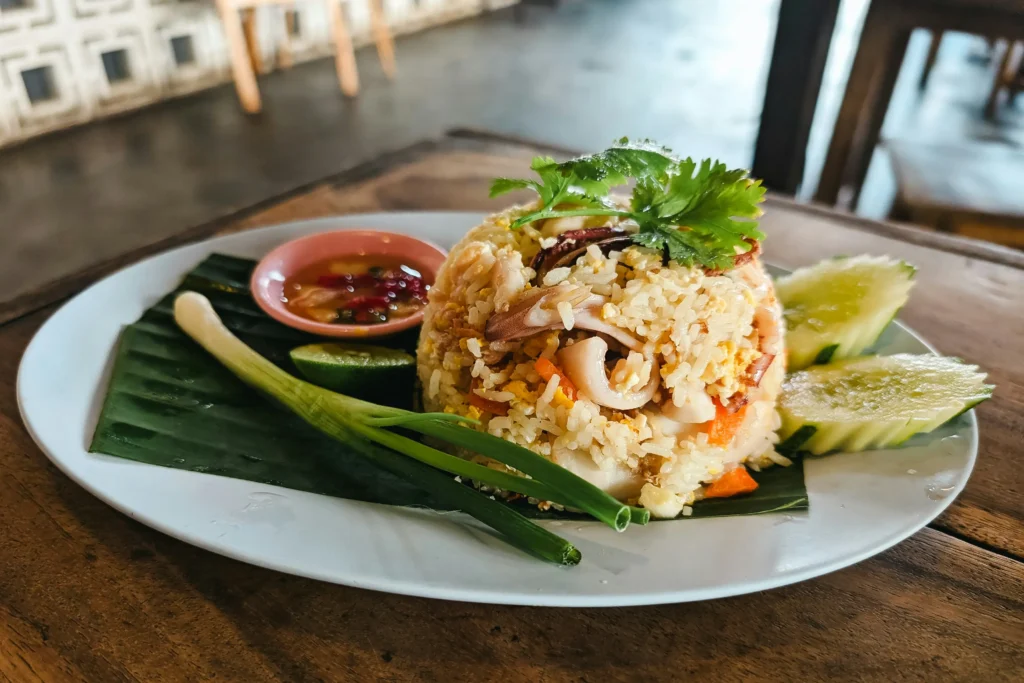
While the Bukit Batok location focuses on quick stall dining, the Egg Thai outlet at AMK Hub expands the experience with a broader menu and more group-friendly offerings.
At the AMK Hub store, you’ll find additional thai signatures, including:
- Pineapple fried rice served in a hollowed pineapple shell
- Sticky-sweet honey chicken glazed with aromatic sauce
- Savoury thai basil chicken over steaming fragrant rice
For groups, the platter for 2 3pax option offers a convenient way to sample several dishes at once. These sharing plates, part of the sabai set meals lineup, combine items like omelette rice, grilled chicken, crispy tofu, and stir-fried vegetables.
The platter for 2 3pax works particularly well for families or small groups who want variety without placing multiple orders.
I’ve noticed that the AMK Hub location feels slightly more like a casual restaurant, compared to the fast-paced kopitiam environment at West Mall. But the essence remains the same: real thai chefs preparing fragrant, spicy, and comforting Thai flavours inspired by Bangkok street cooking.
Whether it’s the tangy heat of tom yum fried rice, the sweetness of honey chicken, or the vibrant freshness of mango salad, Egg Thai continues to deliver accessible Thai food, like thai omelette, that feels both satisfying and familiar.
So, Who Should Eat Here?
Telur Thai at West Mall is not trying to be a high-end, chef-driven restaurant. It is not the place for a romantic date night, nor is it the destination for hardcore foodies seeking deeply regional, obscure Thai dishes.
Instead, it is a brilliant, highly accessible spot for everyday comfort food. It is best suited for shoppers needing a mid-haul refuel, families looking for a crowd-pleasing dinner, and local residents craving a quick, dependable Thai fix.
The stall successfully takes global culinary influences and packages them perfectly for the heartland diner. The food is unpretentious, incredibly flavourful, and deeply satisfying.
I walked away from my table feeling full, happy, and pleasantly surprised by the quality hidden inside a standard mall Kopitiam. If you find yourself in Bukit Batok with a craving for crispy eggs and tangy noodles, Telur Thai is absolutely worth the queue. I know I’ll be back for that omelette rice soon.
Visit Eat Drink Asia, your go-to source for discovering authentic and delicious Asian culinary experiences.

Fresh Sashimi Singapore: Places for Clean Cuts, Quiet Counters, and Fish That Still Feels Alive
Eda Wong | September 5, 2026
I didn’t grow up eating raw fish. For years, sashimi felt like something you learned to appreciate rather than something you loved. Cold, foreign, a little intimidating. Then one afternoon, at a quiet counter, a chef placed a single slice of chutoro in front of me and said nothing. I ate it. And I understood….
-
Pattaya Garden Restaurant and the Thai Meal That Knows How to Feed a Group
Eat Drink Asia Team | September 3, 2026
The rice came down first. A plain bowl, warm and steaming, set in the middle of the table before anything else. Then the green curry, in a bowl wide enough for four spoons to reach at once. And within a minute the table stopped being a set of individual meals and became one shared thing,…
-
At Keria Japanese Restaurant, the Meal Begins Before the First Bite
Dio Asahi | September 3, 2026
By Dio Asahi for Eat Drink Asia. The lift opens onto a corridor leading to the famed and hidden Cuppage Plaza food, and the building’s age shows in the flickering fluorescent light and the smell of old carpet. Then a sliding door pulls back, and Keria Japanese Restaurant asks you to slow down. Inside, it…
-
The Round Kaya Bun at Chin Mee Chin Confectionery, and the Mornings It Keeps
Eda Wong | September 2, 2026
By Eda Wong for Eat Drink Asia. It’s not quite eight, and the pastel-blue shophouse is already awake. Kopi cups clink against saucers. A ceiling fan turns slow overhead. Someone folds a newspaper at a marble-topped table, and the man behind the counter moves without hurry, sliding buns across in a rhythm he’s clearly done…
-
Nana Original Thai Food and the Thai Meal That Keeps Changing Its Accent
Eda Wong | September 1, 2026
The tom yum arrived first, and the first spoonful hit sour and hot at once, lime and chilli chasing each other down the throat. This classic Thai dish features a spicy sauce and aromatic herbs that awaken the taste buds straight away, setting the stage with its bold flavors. Then the pineapple rice came, sweet…
-
Pad Thai Recipe for People Who Know the Noodles Can’t Be an Afterthought
Dio Asahi | August 29, 2026
The first time I made Pad Thai, I ruined it before the wok was even hot. I’d left the noodles soaking while I answered a phone call. Ten minutes turned into forty. By the time I drained them, they were already soft, already surrendered. Everything I did in the pan after that was damage control….
-
Best Japanese Restaurant Singapore: Places That Nail the “First Bite”
Eat Drink Asia Team | August 27, 2026
I built this list around a very specific feeling: that first bite where the room goes quiet for a second. I’ve tried enough Japanese restaurants in Singapore over the years to know that “best” does not always mean the most expensive, the rarest, or the hardest to book. Sometimes it is the warmth of the…
-
Not Just Seafood: How Araya Shouten Keeps Japanese Fishing Culture Alive in Singapore
Eat Drink Asia Team | August 26, 2026
Japanese cuisine has long been admired for its attention to seasonality, precision, and respect for ingredients. However, behind every piece of sashimi or carefully prepared seafood dish lies a story that begins far away from the dining table, often with fishermen, coastal communities, and generations of knowledge passed down through time. At Araya Shouten, seafood…
-
The Ginger Shoyu Ramen at Ramen Soshiji, Where Orchard Goes Quiet
Dio Asahi | August 26, 2026
By Dio Asahi for Eat Drink Asia. The lift opens on the third floor of Orchard Plaza, and for a second I don’t know which way to turn. The corridor is dim and still, the kind of quiet that feels almost accidental in this part of town. A few doors down, an unmarked entrance. Inside,…
-
Indo Rasa Singapore and the Nasi Goreng That Measures a Kitchen’s Confidence
Eat Drink Asia Team | August 25, 2026
There’s a dish I order when I want to know a kitchen quickly. Not the specialty. Not the thing the menu is proud of. I order the fried rice. Because nasi goreng has nowhere to hide. It’s rice, chilli, chicken, egg, a few crackers, some cucumber. Everyone thinks they can make it. Most people can….