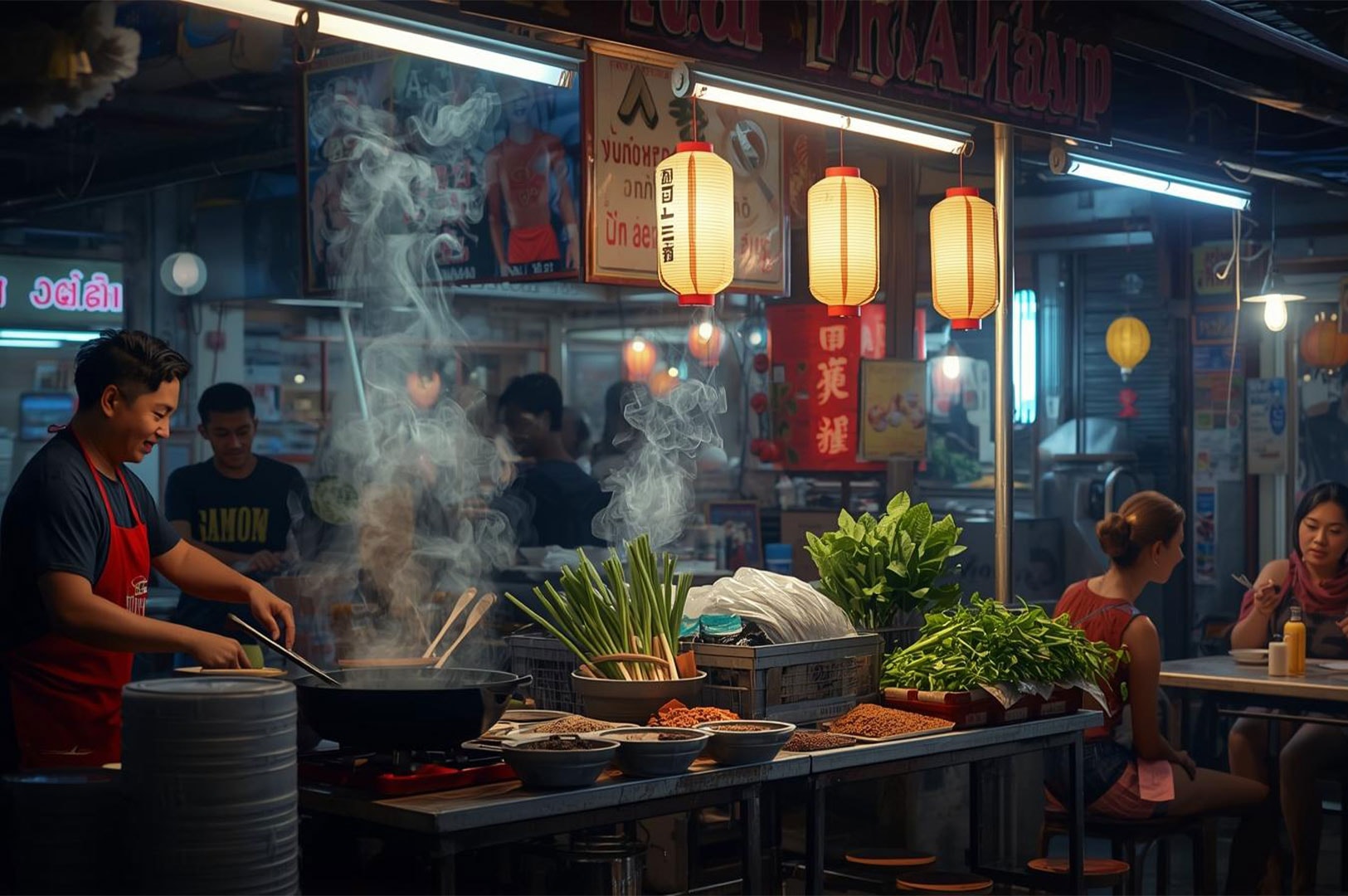
The unmistakable aroma of lemongrass, galangal, and fiery spices mingles with the bustling night air in Singapore, setting the stage for a dining experience that wakes the soul and tantalizes the senses. Thai cuisine in Singapore has become an essential part of the city’s culinary landscape, offering a complete blend of vibrant flavor, tangy notes, and creamy curries that ignite the taste buds.
The search for the Thai best in this city is more than a passing interest; it’s a journey into a world where affordability, rich aromatics, and culinary soul intersect. Diners are greeted not only with standout spicy seafood dishes and classic Thai stick snacks but also with friendly service and a secure, comfortable atmosphere that make every visit memorable.
Let us guide you through the heart of Thai cuisine in Singapore, highlighting the dishes, offerings, and experiences that set this city apart in the Asian dining world.
Why Thai Dishes Thrive in Singapore
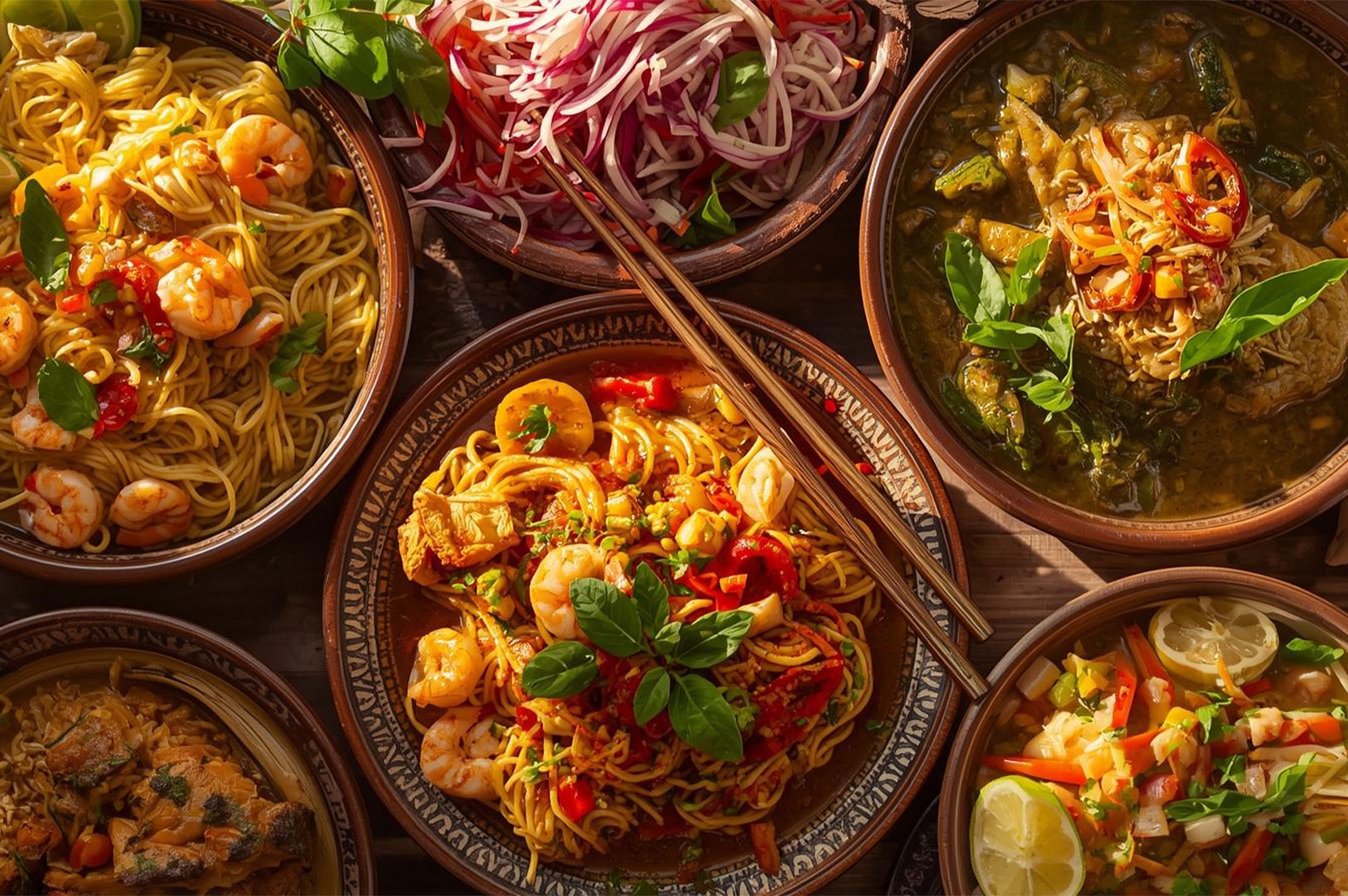
Singapore’s multicultural body and its proximity to Thailand have made it a standout location for lovers of Thai cuisine. The demand for authentic Thai flavors in Singapore is clear; Singaporeans, travelers, and even residents all appreciate the perfect balance of sweet, spicy, tangy flavor—a symphony that instantly awakens the senses.
A tradition of openness, along with frequent movement between Thailand and Singapore, means the local Thai cuisine scene thrives on authenticity and innovation. Thai restaurants in Singapore are often led by trained chefs who bring a complete combination of experience and heart, crafting menus that blend Thai tradition with a modern twist. Their offerings draw from suppliers in Thailand to secure the freshest herbs, spices, and seafood. To understand the rich traditions behind these flavors, don’t miss our The Ultimate Guide to Thai Food: Flavors, Traditions, and Culinary Adventures, which highlights the history and essential ingredients of every dish. This blend of respect for tradition and creative evolution defines the unique Thai dining experience you’ll find in Singapore.
What Makes Thai Cuisine in Singapore Stand Out?
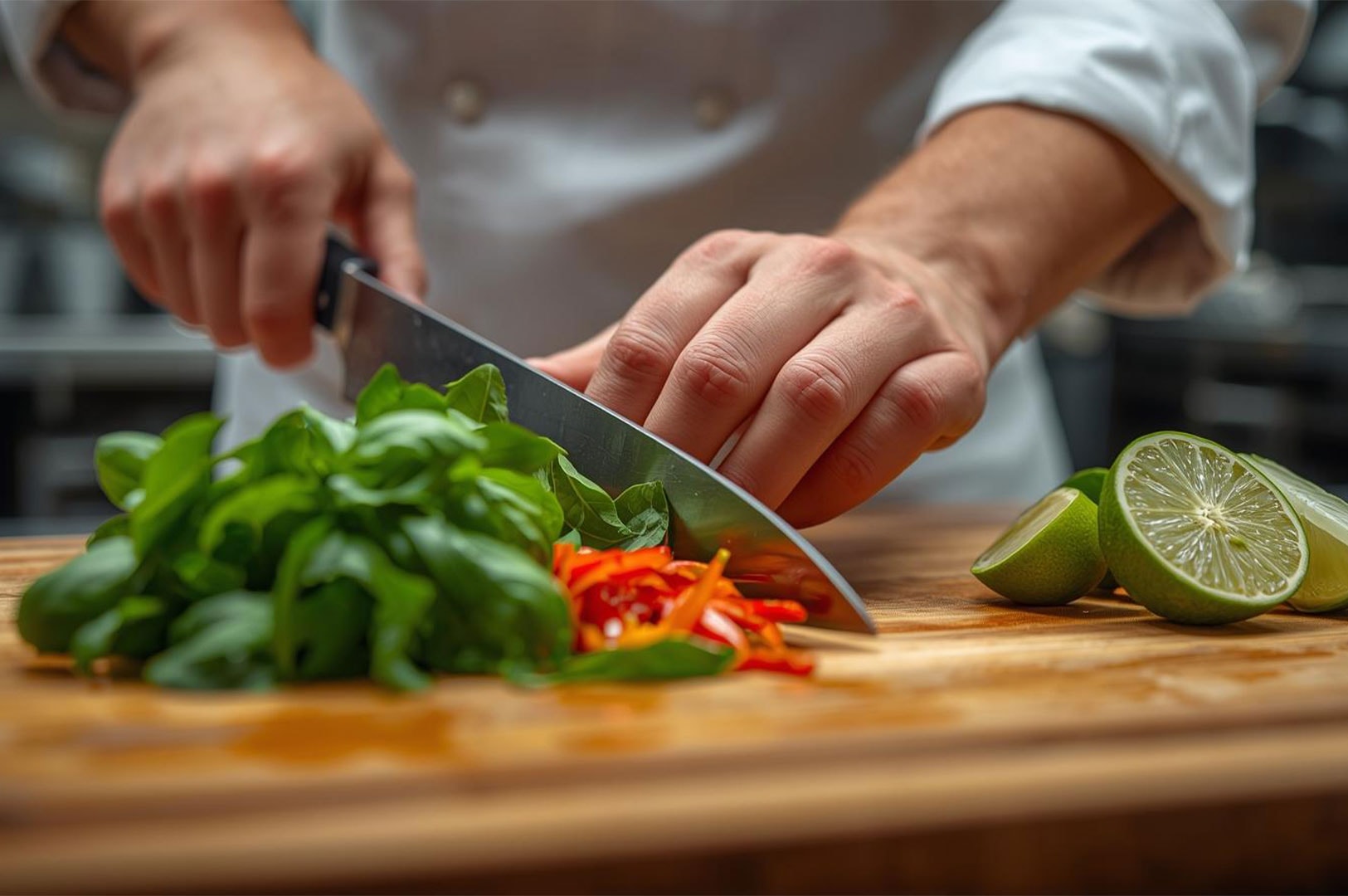
As Thai foot reflexology and Thai massage provide comfort for the body and skin, it’s Thai cuisine in Singapore that soothes the soul and excites the palate. From the hot, zesty Tom Yum—infused with seafood, lime, and fresh aromatics—straight from a Bangkok night market, to a spicy larb or a sweet Thai dessert, every offering is crafted to deliver a standout combination of taste, texture, and tradition.
A Commitment to Authenticity
Quality Thai cuisine starts with the freshest ingredients. Restaurants strive to source items directly from Thailand, delivering dishes with unmistakable depth, balance, and flavor. The aromatic green curry’s creamy body isn’t just a result of coconut milk, but also hand-blended curry pastes, tangy lime, and a small arsenal of herbs and spices. Chefs carefully prepare and serve each dish, focusing on that elusive perfect balance—spicy, sweet, tangy, and rich—so every mouthful feels complete.
The Expertise Behind the Wok
Many Thai restaurants highlight their chef teams—trained in Bangkok, Batam, or Thailand’s regions. This expertise shows in everything from the tender skin of perfectly cooked seafood to the spicy, lively flavors of a Pad Thai or a classic Thai stick. Dishes here are never ordinary: they’re a highlight of Singapore’s food scene, always served fresh and full of flavor. Importantly, these experiences remain accessible, with an affordable price that allows diners from all walks of life to enjoy top Thai offerings again and again.
A Touch of Local and Modern Innovation
Innovation is at the heart of Singapore’s Thai dining evolution. You’ll find dishes inspired by the bustling streets of Bangkok or creative spins from Batam city, with restaurants located everywhere from malls to small corners of the city. Fusion offerings—a creamy Tom Kha Gai with a crispy seafood twist, spicy Thai stick appetizers, or unique, sweet-and-spicy sauces—present modern twists without sacrificing authenticity. Restaurants cater to diners craving something beyond the usual fare but who still seek the body, soul, and heart of Thai cuisine.
The Best Types of Thai Restaurants in Singapore
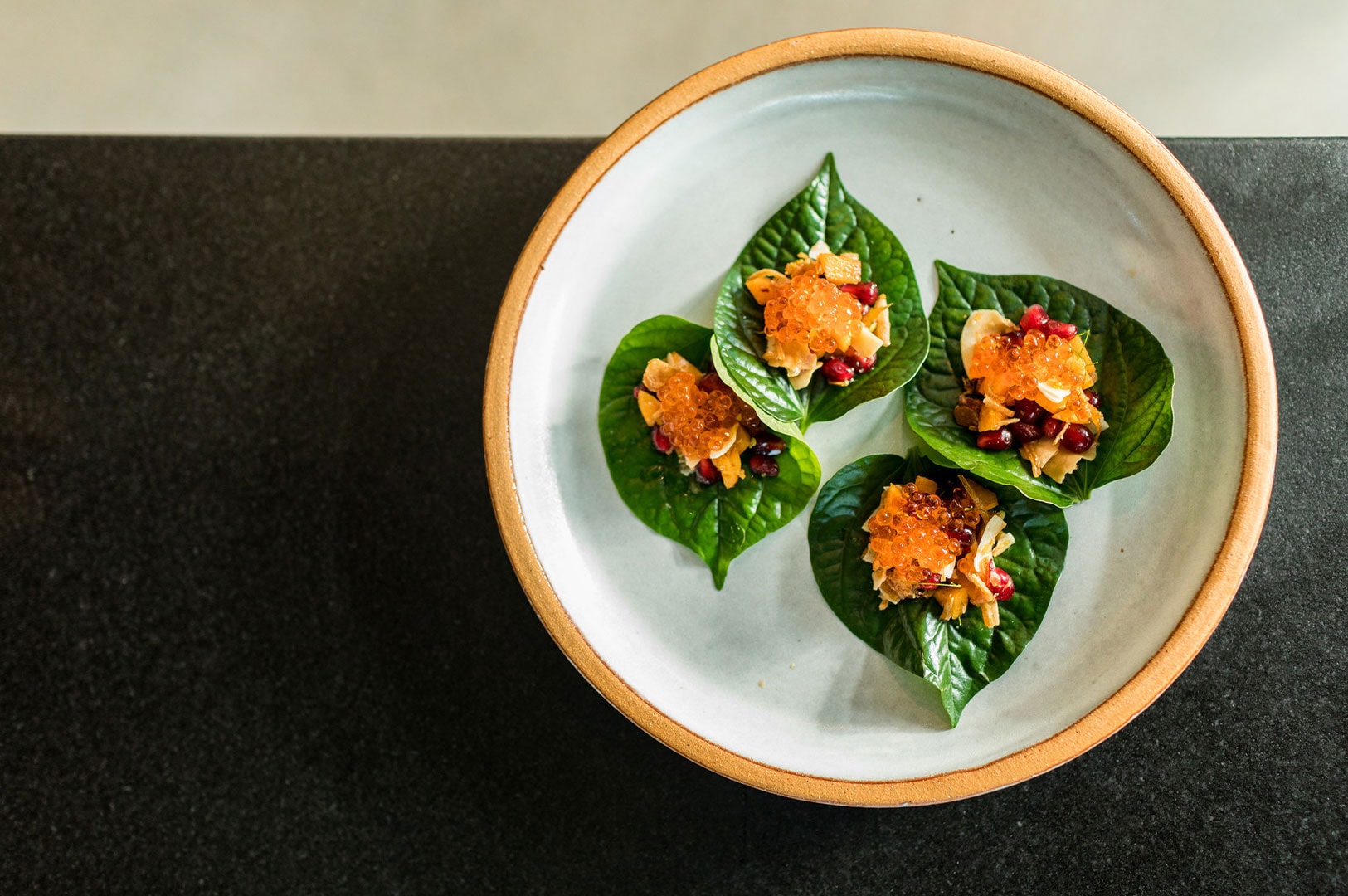
The restaurant offerings across Singapore are as varied as the city itself, each providing a complete, unique Thai dining experience.
Fine Dining Thai Establishments
For those who appreciate a sophisticated night out, Singapore’s fine dining Thai restaurants deliver standout dishes that balance traditional and modern flavors. Expect creative interpretations of classic Thai dishes, with menus designed by highly trained teams and served in stylish, secure settings. Seafood, green curries, and desserts are all elevated—great choices for special occasions or those seeking a taste of Thailand’s royal tradition at an affordable price.
Casual and Authentic Thai Eateries
If you want the comfort of home-cooked flavor, small, family-run Thai restaurants scattered across the city and even in Batam Mall are an excellent choice. Here, dishes are served piping hot, often with a side of fresh lime or tender herbs, and always with a soul-soothing, friendly embrace. Diners regularly highlight the authenticity, friendly service, and complete affordability that make these spots a fixture on every food lover’s map.
Street Food-Inspired Thai Stalls
Invoke the spirit of a night wandering in Bangkok with a visit to Singapore’s Thai street food stalls and hawker centers. These small but mighty stalls serve quick classics like Pad Kra Pao, spicy seafood stir-fries, and Thai stick snacks at a wallet-friendly price. Photos of popular offerings grace the menu boards for easy selection, and it’s common to see customers enjoying a hot, spicy meal after a relaxing Thai foot massage nearby. It’s a great choice for those seeking the excitement and taste of Thai street life.
Modern and Fusion Thai Restaurants
Adventurous diners will appreciate modern fusion Thai restaurants, located in shopping malls or near major city hotels. Chefs don’t miss an opportunity to surprise with unique pairings: imagine spicy seafood topped with a creamy, aromatic sauce or sweet dessert drinks made with housemade syrups and fresh lime. These modern twists maintain the essential heart and flavor of Thai cuisine while providing a secure, stylish location for diners to enjoy something new.
Key Dishes to Try When Exploring Thai Cuisine in Singapore
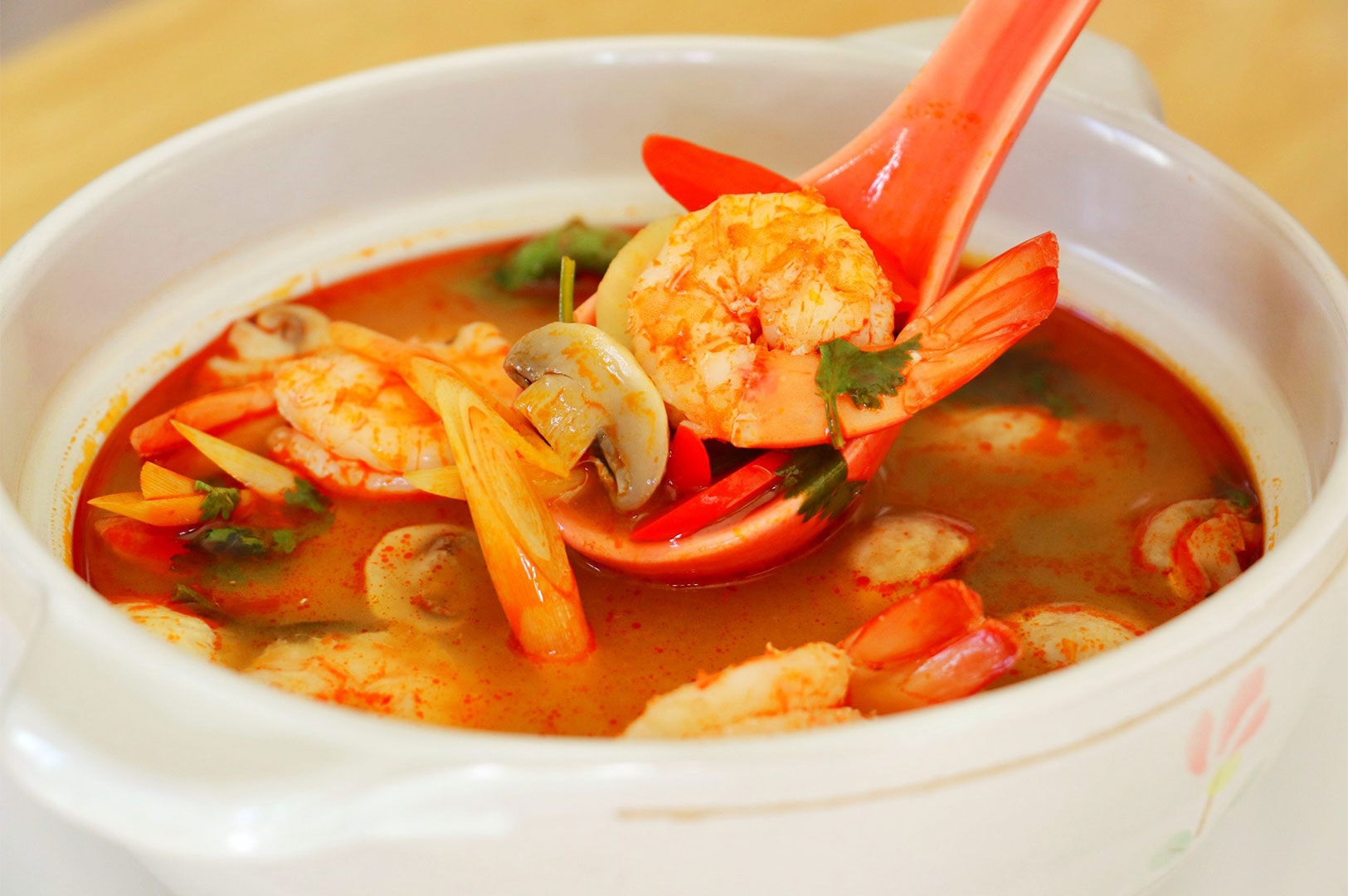
Exploring Thai cuisine in Singapore means sampling landmark dishes created to satisfy every taste bud—whether you’re a first-time visitor or a seasoned local.
- Tom Yum Goong: Served hot for depth and comfort, each bowl has a perfect combination of soft mushrooms, tender seafood, and tangy flavor. A real taste of Thailand’s aromatic soul.
- Pad Thai: A sweet-savory, spicy stir-fried noodle dish that’s soft yet packed with flavor. Always a crowd favorite and a great choice for any meal.
- Green Curry (Gaeng Keow Wan): This creamy, green-hued curry, packed with herbs and tender chicken, is an offering that embodies the heart and body of Thai cuisine. Its balance of heat, richness, and fresh zing is unforgettable.
- Som Tam (Papaya Salad): A spicy, sour, and sweet salad that wakes up the taste buds. Crunchy, fresh, and a must for those seeking authentic Thai flavor served with a modern twist.
- Basil Pork/Chicken (Pad Kra Pao): This dish, usually served hot with a crispy egg, is deeply satisfying—a complete comfort package that blends spicy heat with a touch of sweetness and an aromatic edge.
Tips for Finding the Thai Best Food in Singapore
To discover Thai best dining spots, consider these simple tips:
- Let Aroma and Flavor Guide You: Locations that serve boldly aromatic dishes with complex spices, fresh ingredients, and bright flavors are always worth a visit.
- Look for a Thai-Trained Team: The presence of Thai chefs or trained staff often means greater authenticity, perfect technique, and dishes served with true heart.
- Go Beyond the Usual Spots: Some of the best Thai restaurants are located in malls, near hotels, or tucked into city neighborhoods and not always in the usual tourist areas. Great value and affordability often go hand-in-hand with a secure, unpretentious setting.
- Review Customer Photos and Recommendations: Pay attention to photos and customer comments that highlight the presentation, flavor, and uniqueness of the menu offerings.
- Enjoy a Combination Experience: Many restaurants offer complete packages—a meal paired with Thai foot reflexology or massage, for example—combining culinary and relaxing services for an unforgettable day or night out.
A Culinary Journey Awaits
Thai cuisine in Singapore is much more than food—it’s a celebration of flavor, culture, and community for every diner. With options to suit every price point, endless menu offerings, and the warmth of a dedicated team, it’s an experience that satisfies body, heart, and soul. The complete blend of spicy, sweet, aromatic, and fresh dishes offers something memorable at every visit.
So, next time you find yourself longing for the unique balance and depth of Thai flavors or simply wanting to relax after a day in the city, remember—Singapore’s Thai dining scene is waiting for you. Enjoy the diverse, standout menus, secure settings, and friendly service that make Thai cuisine in Singapore a true expression of the Thailand’s best.

When the Izakaya Becomes the Plan: Izakaya Singapore Beyond Dinner
Dio Asahi | January 27, 2026
As you step behind the humble noren curtain, you’re enveloped by the glow of lanterns, the sizzle of charcoal grilled skewers, and a resounding welcome from staff. This is izakaya, Japan’s answer to the gastropub and a beloved staple in Singapore’s vibrant dining landscape. But there’s far more to the izakaya Singapore experience than just…
-
Yuja Tea: Korea’s Traditional Citron Tea
Dio Asahi | January 27, 2026
The golden, aromatic steam rising from a cup of yuja tea carries centuries of Korean tradition and wellness wisdom. This caffeine-free citrus beverage has warmed Korean hearts through countless winters, offering both comfort and powerful health benefits in every sip. Made from the Korean citron known as yuja fruit, this simple Korean tea represents one…
-
The Global Phenomenon of Korean Instant Noodle: A Cultural and Culinary Journey
Eda Wong | January 24, 2026
In the high-octane streets of South Korea, where the “pali-pali” (hurry-hurry) culture defines the pace of life, one dish stands as the ultimate equalizer of speed and satisfaction: Korean ramyeon. While the world often uses the terms ramen and ramyeon interchangeably, the Korean version is a distinct entity. It is not merely a quick snack…
-
Traditional Ramyeon: The Soulful Heart of Korean Noodle Culture
Eat Drink Asia Team | January 20, 2026
In the bustling culinary landscape of South Korea, few comfort foods can match the satisfaction of a steaming bowl of ramyeon. While outside of Korea, “ramyeon” often brings to mind Korean instant noodles or instant ramen, true ramyeon Korean style refers to the artful, freshly prepared noodle soup enjoyed in homes and at local restaurants…
-
The Heart of the Korean Noodles: History and Texture
Eda Wong | January 17, 2026
In Korea, a bowl of noodles is far more than a simple dish; it is a cultural anchor that has weathered centuries of change. For generations, the length of the strand has symbolized a long and prosperous life, making Korean noodles a staple at birthdays, weddings, and the milestone 60th birthday celebration known as hwangap….
-
Preserving the ‘Big Bowl’ Tradition with Pen Cai Delivery in the Age of Doorstep Dining
Eat Drink Asia Team | January 15, 2026
Modern Festive Menu: Bringing the Big Bowl Home There is a special, undeniable magic to the Chinese New Year reunion dinner. For many families, Chinese New Year 2026 is another chance to gather loved ones at the table and celebrate with a glorious pen cai—sometimes called the “big bowl feast”—overflowing with premium ingredients and festive…
-
Sencha: Traditions, Flavors, and the Essence of Japanese Tea
Eat Drink Asia Team | January 15, 2026
When people around the world think of Japanese tea, images of tranquil tea ceremonies in small rooms or frothy bowls of matcha often come to mind. Yet, the reality of tea drinking in Japan is much broader, woven deeply into the culture and daily habits. For the vast majority, sencha is the beloved tea that…
-
The Best Restaurants Tokyo Are Rarely the Ones You Plan For
Eda Wong | January 12, 2026
Tokyo, Japan’s capital, does not reward urgency. It rewards return. On my first visit, I chased what everyone told me were the best restaurants Tokyo had to offer. I spent weeks highlighting maps, bookmarking digital “must-eat” lists, and refreshing reservation pages until my eyes blurred. I thought that by conquering the top-tier establishments, I would…
-
Japan and Food: Culinary Harmony – The Deep Connection Between Japanese Food and Culture
Eat Drink Asia Team | January 11, 2026
When it comes to Japan and food, the two are intertwined in ways that captivate taste buds and awaken the senses. Japanese cuisine stands as one of the world’s most revered traditions—more than nourishing meals, it is an art reflecting centuries of philosophy and a window into Japanese culture itself. Every bowl of miso soup,…
-
The Verdant Cup: A Celebration of Green Tea in Japan
Eda Wong | January 10, 2026
In Japan, green tea is much more than a beverage. It marks a moment of pause, hospitality, and tradition. The story of green tea in Japan weaves through centuries of culture, artistry, and daily life—bridging ancient rituals like the Japanese tea ceremony to everyday meals enjoyed at home. The origins and beginning of Japanese tea…