Our Eat Drink Asia team spends a lot of time debating what makes a truly unforgettable meal. The team has previously published articles exploring the redefinition of comfort food. That is exactly what led me to The Malayan Council at 71 Bussorah Street.
I visited on a Friday around 7:30 pm, just as the weekend energy was taking over Kampong Glam. The air outside near the Sultan Mosque was buzzing with pedestrian activity and tourists. Stepping into the restaurant, I was immediately hit by the incredible aroma of coconut milk, roasted spices, and sweet palm sugar.
It felt like a true celebration of flavours before I even looked at a menu. I was looking for a shared experience with my dining partners, something that bridged the gap between traditional Malay comfort food and a modern culinary journey. What we got was a massive, unapologetic feast that left us completely stuffed but incredibly happy.
A Heritage Shophouse and the Spirit of Local Food in Malaysia
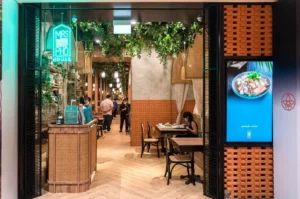
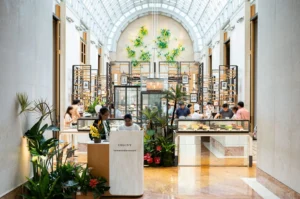
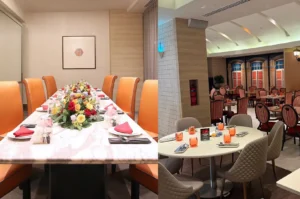
The Bussorah outlet of The Malayan Council immediately feels different from most cafés in Singapore. The exposed brick walls, warm lighting, and restored heritage shophouse interior create an atmosphere that mirrors the layered identity of Malaysian cuisine itself; nostalgic, vibrant, and deeply social.
On a Friday night, the restaurant was completely packed. Conversations bounced across tightly spaced tables while upbeat music played loudly in the background. At times, it genuinely reminded me of the organised chaos of a hawker stall in Kuala Lumpur, where the sounds of sizzling woks, shouted orders, and clattering cutlery become part of the meal.
I also noticed the air conditioning on the ground floor was unusually strong. About twenty minutes in, I reached for my jacket. If you prefer a quieter setting, request an upstairs table when booking. It tends to feel calmer and slightly warmer.
Despite the noise, the energy works. Families celebrating special occasions, couples sharing desserts, and groups passing giant platters around the table all contribute to that unmistakable melting pot feeling that defines so much of local food in Malaysia.
Roti Canai, Beef Ribs, and the Soul of Malaysian Food
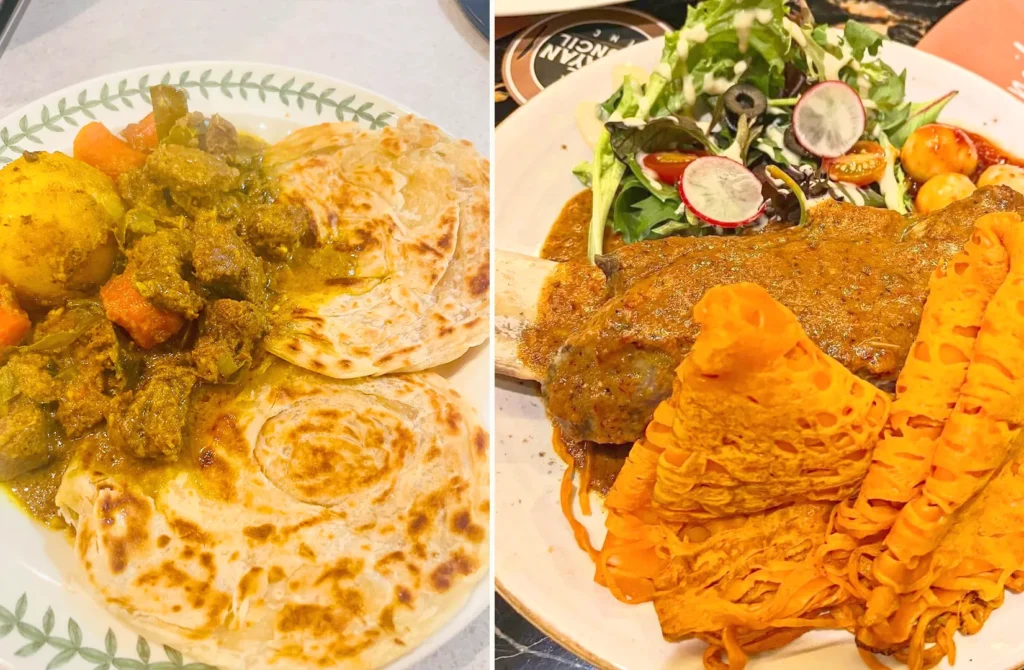
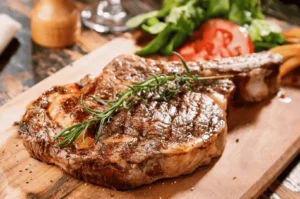
We started with the restaurant’s signature Roti Kirai Beef Ribs, and the presentation alone felt theatrical.
The ribs arrived lacquered in a glossy glaze scented with roasted spices, shrimp paste, dark soy sauce, and smoky sweetness. The aroma immediately reminded me of late-night street food stalls in Petaling Jaya, where sauces simmer slowly over high heat until deeply concentrated.
The beef itself was astonishingly tender, genuinely fall-off-the-bone soft. Every strand of meat absorbed the sticky glaze, balancing sweetness, saltiness, and the slow warmth of chilli paste.
But the real surprise was the roti kirai.
Made from thin batter using wheat flour, the delicate lace-like net pancake soaked up the sauce beautifully. It carried the same comforting role as roti canai, the flaky flatbread many Malaysians tear apart to dip into chicken curry or dhal.
The dish is undeniably modern and fusion-driven, but emotionally it still feels rooted in Malaysian food traditions. It captures the way many dishes in Southeast Asia evolve, adapting influences while preserving familiar flavors.
Smoky Lemak and the Richness of Curry Laksa
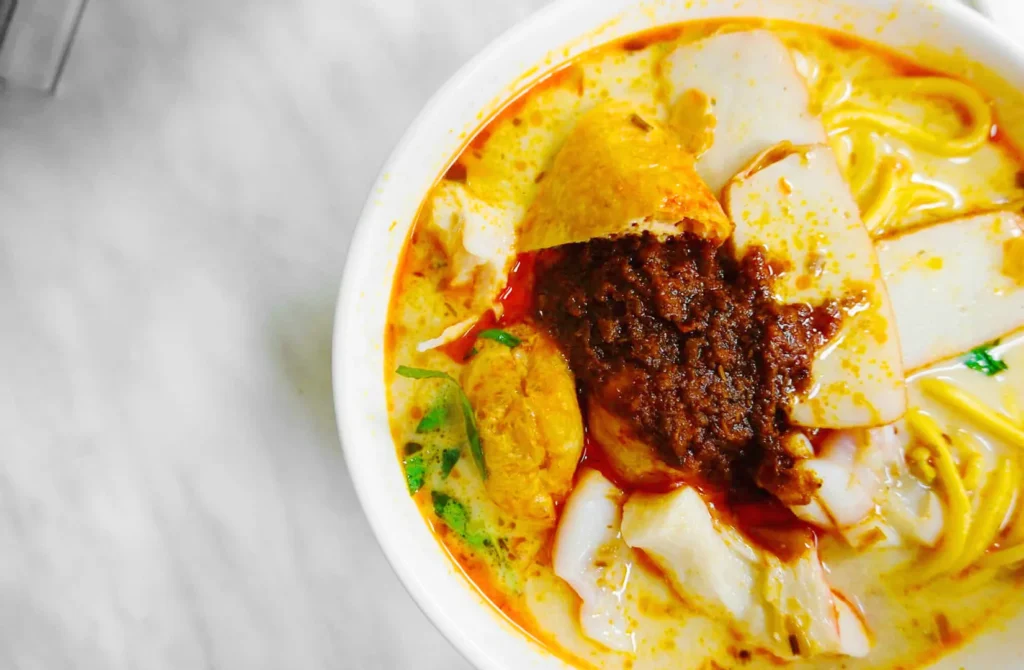
The Smoked Duck Lemak Chili Padi was the heaviest dish of the night, but also one of the most memorable.
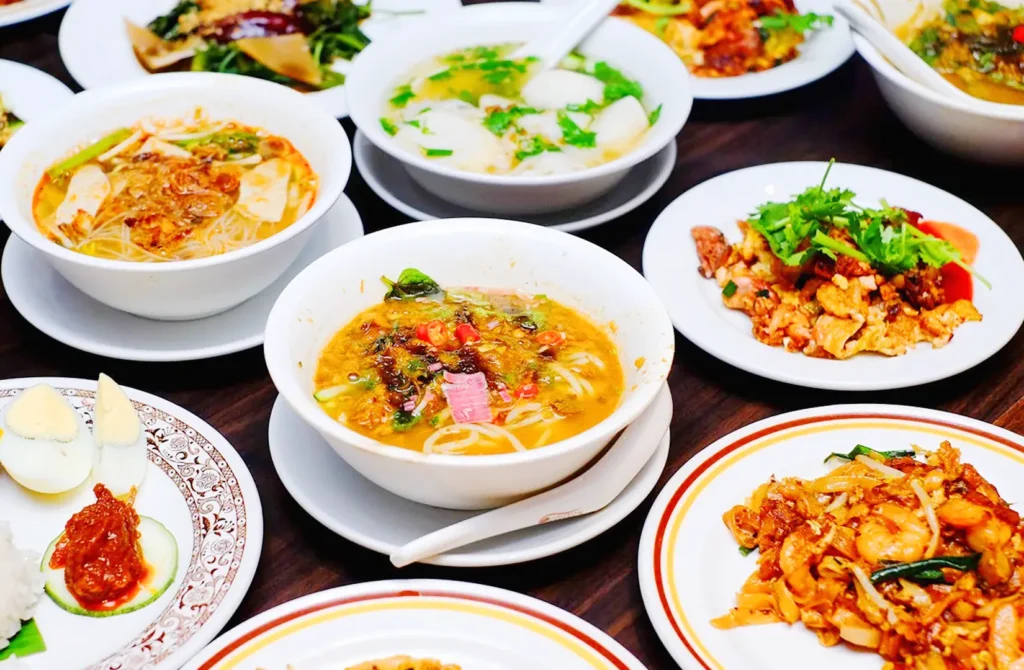
The bowl arrived coated in thick, golden sauce rich with coconut milk, fish sauce, and subtle prawn paste funk. The aroma reminded me immediately of a luxurious hybrid between spicy lemak gravy and curry laksa broth.
Instead of soup-like consistency, however, the sauce clung tightly to the egg noodles, coating every strand in creamy spice.
The smoked duck was beautifully fatty, with enough smokiness to cut through the richness. I appreciated how the heat developed gradually rather than attacking immediately. Bite after bite, the spice built slowly while still allowing the sweetness of the coconut and umami from the fermented seafood elements to come through.
Halfway through, though, I started feeling the dish become slightly jelak, that overwhelming richness common in heavy coconut-based dishes across Malaysian cuisine. It’s delicious, but definitely something to share.
I kept thinking how easily the sauce could work with rice noodles, rice vermicelli, or even a lighter seafood-based noodle soup inspired by asam laksa from Penang or dishes from southern Thailand.
Ondeh Ondeh Cake, Pandan Leaf, and the Comfort of Palm Sugar
Even completely full, skipping dessert here would be a mistake.
The towering Ondeh Ondeh Cake arrived in vibrant green layers perfumed with fresh pandan leaves. The color looked dramatic, but thankfully the flavor tasted natural; grassy, fragrant, and unmistakably authentic.
Between the sponge layers sat thick ribbons of palm sugar syrup and freshly grated coconut. The sweetness felt deep and caramel-like rather than sharp, similar to the molten center of traditional ondeh ondeh made with rice flour dough.
The coconut added chewiness, while the sponge stayed soft and airy.
What I appreciated most was restraint. Despite containing condensed milk, coconut, and gula melaka, the cake never became painfully sweet. After such heavy mains, that balance mattered.
The dessert also reflects how broad Malaysian food culture really is. Across roadside cafés and banana leaf restaurants, desserts often lean heavily on pandan, shaved coconut, and palm sugar, ingredients that feel comforting across generations and ethnic communities.
Hospitality, Delays, and the Reality of Busy Malaysian Dining
The service experience felt sincere, even if not always smooth.
The staff were warm and welcoming from the start. We received a complimentary starter shortly after sitting down, which immediately softened the atmosphere. It reminded me of family-run restaurants in Kuala Lumpur, where hospitality often feels instinctive rather than scripted.
But the kitchen struggled under the Friday-night volume.
We waited almost forty-five minutes for mains, and dishes arrived unevenly spaced apart. It wasn’t disastrous, but noticeable enough that some tables around us were clearly restless.
Still, watching the servers rush between tables carrying giant platters of food, I couldn’t fully blame them. The energy felt similar to crowded hawker stall culture, where dishes are cooked fresh, often individually, over intense flames rather than assembled mechanically.
Traditional Malaysian food isn’t a museum piece; it’s a living argument at the table, constantly evolving and sparking conversation.
Nasi Lemak, Char Kuey Teow, and the Wider World of Malaysian Cuisine
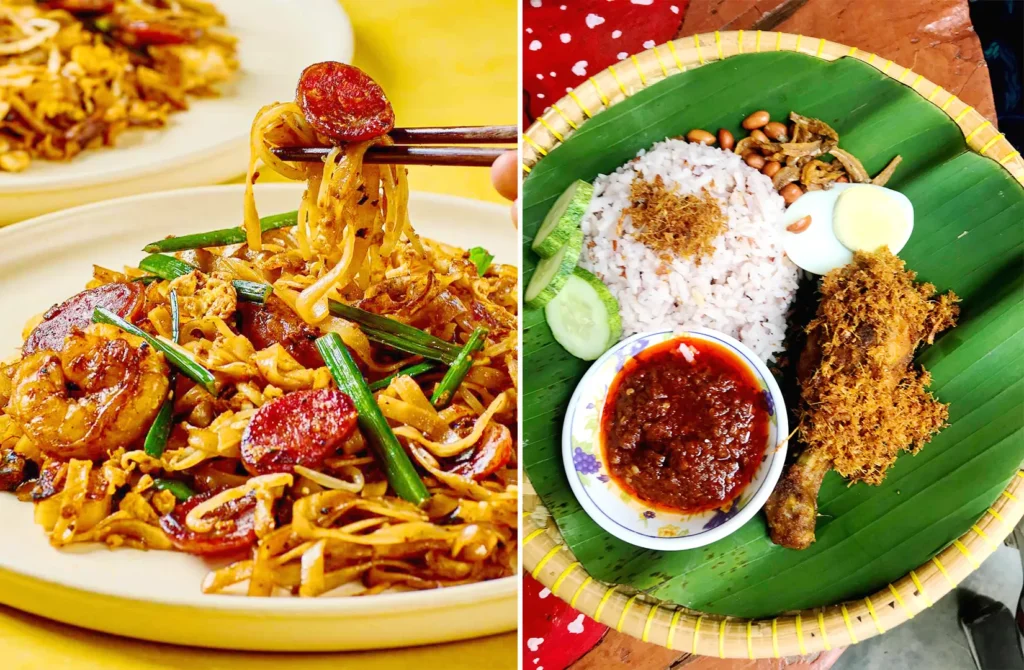
What The Malayan Council does particularly well is remind diners that Malaysian cuisine is not one singular style.
The menu references flavors connected to:
- nasi lemak
- char kuey teow
- roti tissue
- dim sum
- rich coconut gravies
- smoky wok cooking
Each reflects different histories and ethnic groups within Malaysia.
For example:
- Nasi lemak, often considered the national dish, traditionally combines fragrant coconut rice, ikan bilis (fried anchovies), sambal, peanuts, cucumber, and hard boiled egg. Many versions now add fried chicken or curry-based sides.
- Char kuey teow depends entirely on intense high heat, where flat noodles are quickly wok fried with bean sprouts, seafood, egg, and dark soy sauce to create wok hei.
- Roti tissue, towering and crisp with sugar and condensed milk, reflects Indian-Muslim influence.
- Dim sum traditions reveal strong Cantonese roots within Malaysian Chinese communities.
This complexity explains why many Malaysians speak about food with such emotional attachment. The cuisine itself is a living record of migration, trade, colonial history, and adaptation, stretching from Malaysia to places like Cape Town and other countries shaped by diaspora communities.
Even drinks tell stories. A strong teh tarik or black tea blended with milk carries the same comfort and familiarity as the dishes themselves.
Practical Tips Before You Dine
A few things worth knowing before visiting:
- Portions are large, most mains comfortably feed two.
- Average spending sits around S$25–S$45 per person, though premium meats increase the bill quickly.
- Weekday lunches or late afternoons are significantly calmer.
- Weekend reservations are essential.
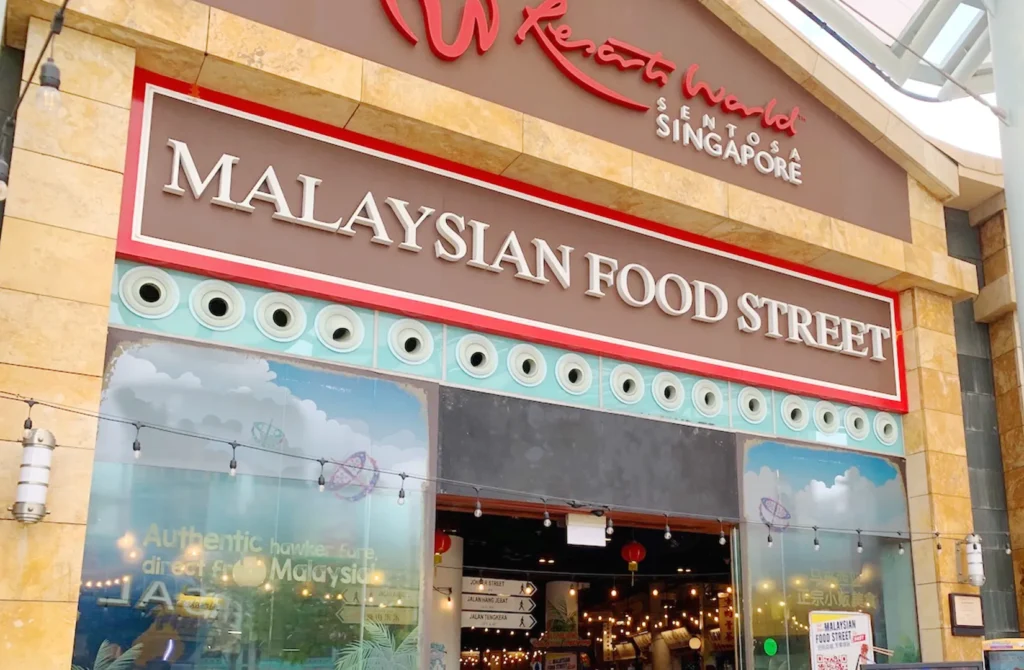
- The restaurant is about a six-to-eight-minute walk from Bugis MRT.
Most importantly: come hungry, come patient, and order to share.
This is not minimalist dining. It is abundance-driven, communal, and emotionally rich, much like the broader story of local food in Malaysia itself.
An Ode to Malaysia’s Vibrant Food Culture
The Malayan Council at Bussorah Street works so beautifully because it treats Malay flavours as something flexible and alive. The dishes remix tradition and modernise it, yet they never lose that essential, comforting soul. It is an authentic, innovative space that invites you to taste the world while staying rooted in local food memory.
This restaurant is best suited for small groups, halal date nights, and anyone looking to celebrate a special occasion with fantastic food. It is not the place for a quiet, minimalist dinner, nor is it meant for those wanting strictly traditional, old-school Malay fare.
If you are an urban food enthusiast looking for a vibrant, trend-setting spot with huge portions and bold flavours, this is it. Go with a group of friends, share the ribs, split the cake, and enjoy the beautiful, chaotic energy of Kampong Glam.

Seoul Bunsik Funan Review: The Comfort of Korean Street Food Without the Street
Eat Drink Asia Team | October 8, 2026
I have eaten ramyeon on a plastic stool in Seoul, close to midnight, with cold air biting at my ankles and the broth doing all the work of keeping me warm. Seoul Bunsik Funan is not that. This was a bright Tuesday afternoon, escalators humming behind me, the smell of mall air-con instead of street…
-
The Last Turn of Tamagoyaki in a Tsukiji Pan
Dio Asahi | October 7, 2026
By Dio Asahi for Eat Drink Asia. It’s mid-morning, and the cook doesn’t look up. He stands over a rectangular pan, copper worn to a dull gold at the edges, and pours a thin skin of beaten egg across its surface. It hisses. Steam rises, warm and faintly sweet, and he tilts the pan just…
-
Seafood Restaurants in Singapore That Turn Crab Night Into a Full Table Ritual
Dio Asahi | October 6, 2026
It always starts the same way for me. Someone lifts the lid off a plate of chilli crab, and the whole table leans in. Fingers reach before spoons do. Somebody tears the first piece of fried mantou, drags it through that sticky, sweet-savoury sauce, and the rest of us stop talking for a second. That…
-
Korean Street Food Is Built for Movement, Heat, and One-Handed Eating
Eda Wong | October 3, 2026
The first time I ate tteokbokki in Seoul, I burned my tongue standing up. It was late, the air was sharp with cold, and I had stopped at a small street food stall near a subway exit because the steam pulled me in. The woman handed me a paper cup of rice cakes in red…
-
Mrs Pho and the Bowl That Makes Somerset Feel Like a Vietnamese Family Table
Eat Drink Asia Team | October 1, 2026
I wasn’t hungry when I walked into 313@somerset. I’d come for something else entirely; an errand, a shop I needed, the usual Orchard rush of people moving faster than the escalators. But somewhere on the first floor, past the noise, I caught the smell of star anise and beef bone, and my feet slowed down…
-
The Carving Knife at Colony, and the Way We Mark What Matters
Eda Wong | September 30, 2026
By Eda Wong for Eat Drink Asia. It’s late morning, and the light is doing most of the work. It pours through the high windows of Colony, at The Ritz-Carlton, Millenia Singapore, spilling across white tablecloths and the vintage prints on the walls. Marina Bay hums somewhere outside, but in here the room feels a…
-
Co Chung Vietnamese Restaurant and the Gỏi Cuốn That Makes Fresh Herbs Do the Work
Dio Asahi | September 29, 2026
I found it by accident, the way you find most things in a mall basement. I’d come down to Plaza Singapura’s B2 for something else entirely, drifting past the usual food-court noise, when I caught the smell of star anise and beef bone coming from a corner. I followed it. And there it was —…
-
Vietnamese Spring Roll: The Recipe That Only Works When the Herbs Stay Awake
Eda Wong | September 26, 2026
Fresh Vietnamese spring rolls, or gỏi cuốn, look delicate, but the recipe is really about control: barely softened rice paper, dry herbs, restrained noodles, clean protein, and a dipping sauce sharp enough to wake the whole thing up. This is not the fried version, chả giò or nem rán. This is the cool, translucent, herb-heavy…
-
Best Steakhouse Singapore: From Fire-Kissed Icons to Old-School Beef Plates
Eat Drink Asia Team | September 24, 2026
I didn’t set out to write about steak. It started with a bad day and a craving for something that pushed back when I bit into it. One dinner turned into a habit, and over a couple of years I found myself at counters, coffeeshops, and dining rooms all over this island, chasing the same…
-
The Ice Counter at Carousel, and the Table Everyone Can Reach
Dio Asahi | September 23, 2026
By Dio Asahi for Eat Drink Asia. It’s a Saturday evening, and someone across the room is carrying a birthday cake. The candles are lit, the walk is careful, and a whole table turns to watch. Plates clink. A child laughs somewhere. The room at Carousel, inside Royal Plaza on Scotts, isn’t quiet — it…