I’d spent the morning with kaya toast.
Crisp bread, cold butter, the clean snap of it between my teeth. Good, all of it. But by the time I’d walked a few streets over to New Bridge Road, my mouth wanted the opposite. Something warm. Something that gave way instead of shattering.
That’s how I ended up at Tiong Shian Porridge Centre, spoon in hand, waiting for a bowl of rice cooked down until it barely remembered being rice.
The steam reached me before the bowl did.
A Room That Doesn’t Perform
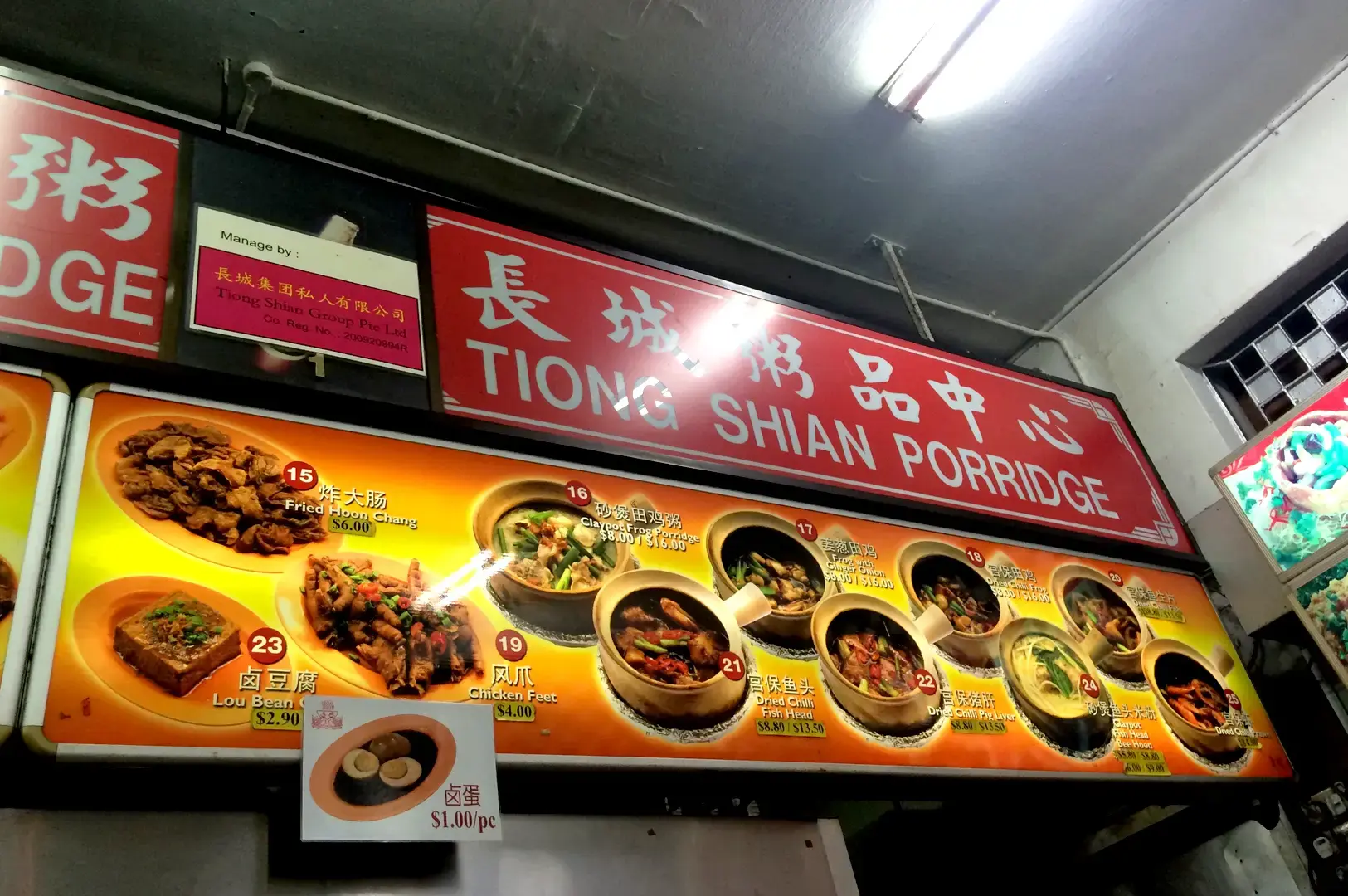
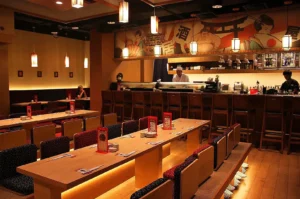
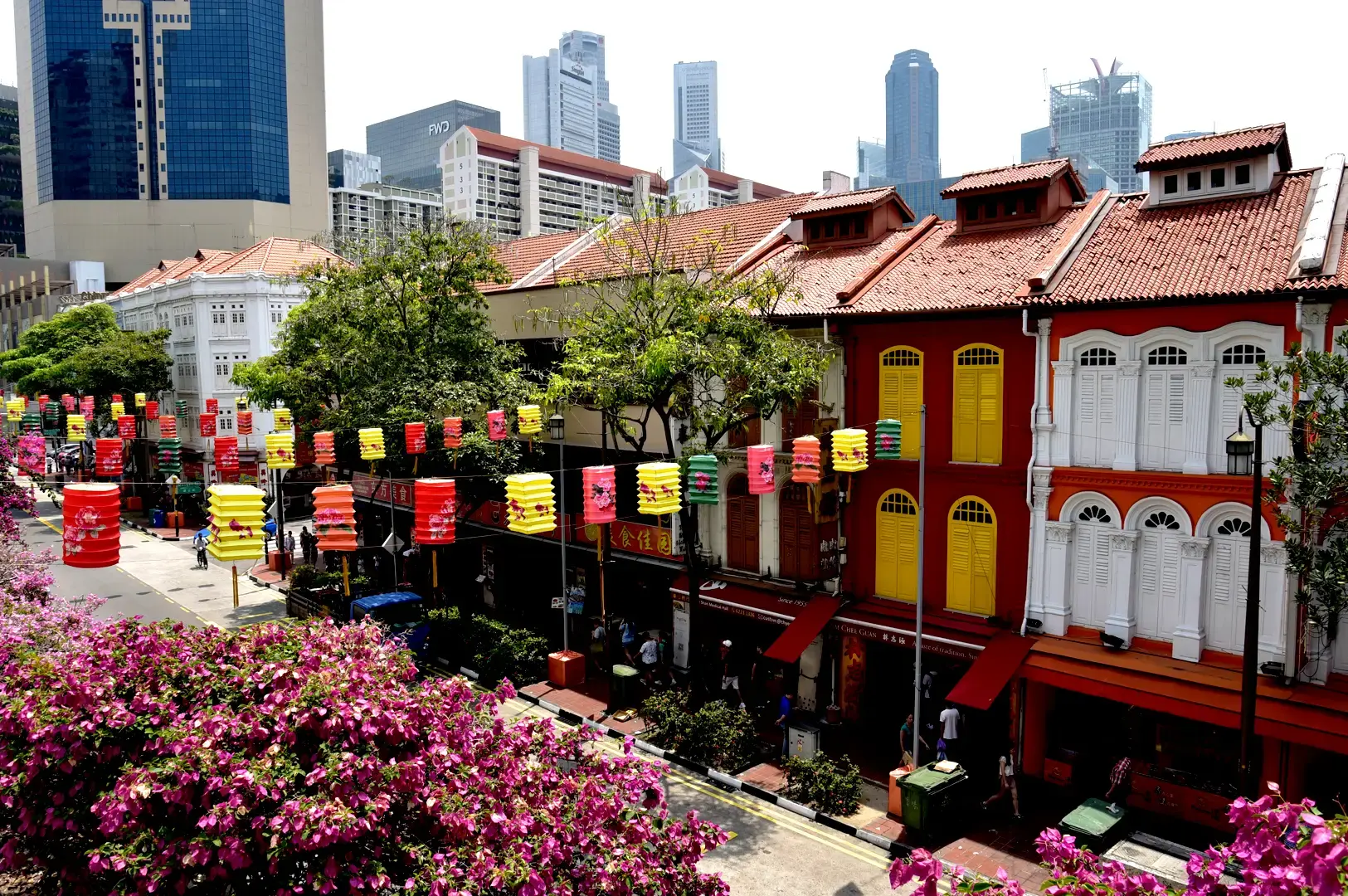
You’ll find Tiong Shian Porridge Centre sitting open-front along New Bridge Road, about four or five minutes on foot from Chinatown MRT. No frosted glass, no styled interior. Just an old coffeeshop that lets the street walk right up to its tables.
I came around late morning, past the breakfast rush but before the lunch crowd properly landed. Still, it wasn’t empty. A few tables of regular diners, an uncle reading his paper, the low clatter of claypot dishes meeting stove somewhere behind the counter.
Tiong Shian is one of the more savoury expressions of the Chinatown breakfast explained in our article neighbourhood’s morning table, making it a notable spot for breakfast at Chinatown.
Atmosphere and Comfort
- It’s warm inside. Not cosy-warm — working-warm, the kind that comes from steam and stoves and not much ventilation.
- On a hot day in Singapore, you feel it. I peeled off my outer layer within a minute of sitting down.
This isn’t a place built to charm you. The tables are close. The seating spills over into a second area when the front fills up. You sit where you can, and the food comes fast once you’ve paid.
I’ve learned not to hold that against a place. Some rooms spend their energy on lighting or décor. This one spends it on the pot, delivering comforting Chinese porridge and claypot dishes that draw customers from hawker centres all over the city.
If you prefer your morning meal in a cooler, more polished setting, explore our map of Singapore’s best cafés: https://eatdrinkasia.com/best-cafe-singapore-brunch-coffee-pastries/
The Bowl That Gives Way
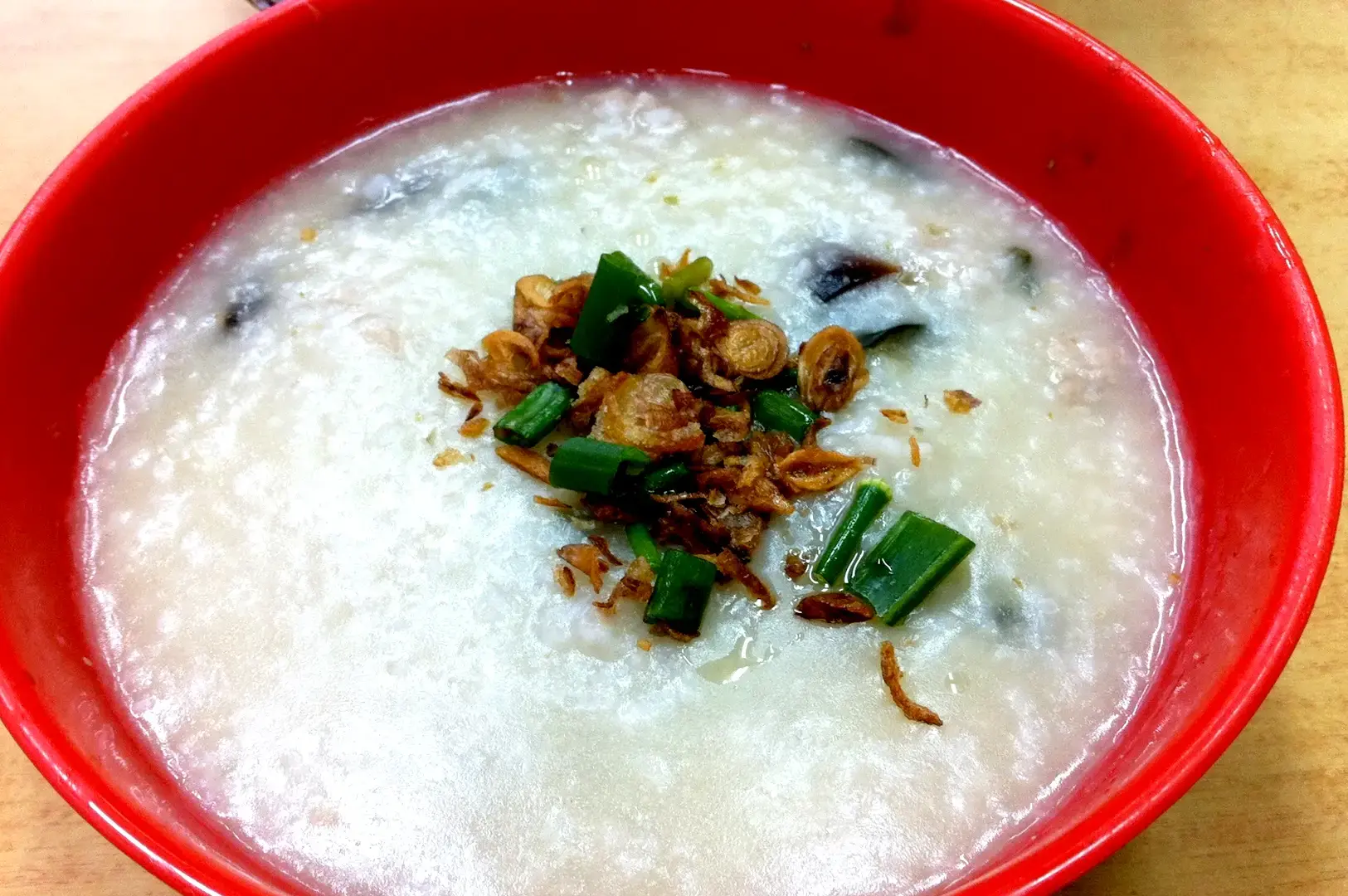
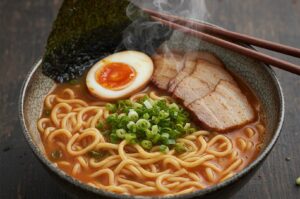
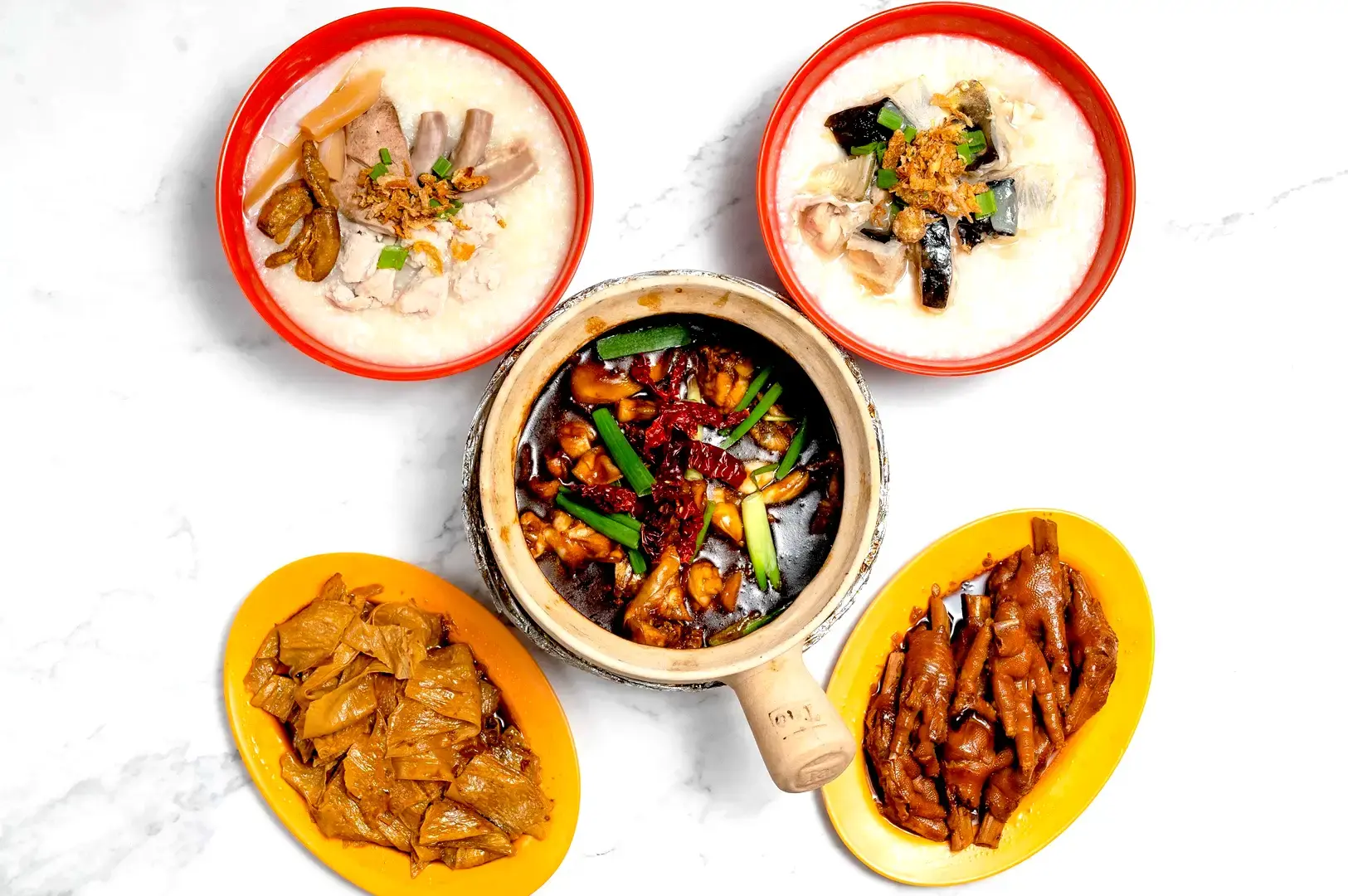
I ordered the Century Egg with Sliced Pork Porridge (S$9.50) first, because that felt like the honest place to start at Tiong Shian Porridge Centre.
It arrived quickly, steam curling off the top, scattered with fried shallots and thin green rings of fresh spring onions.
Texture and Flavor
- The rice porridge was smooth — not watery, not gluey, that careful middle ground where the rice has broken down completely but still holds a soft, comforting consistency.
- You could drag a spoon through it and it held a gentle shape for a second before settling back into its creamy embrace.
The century egg was folded in, dark and creamy, that particular deep savouriness it brings. The sliced pork was tender and generous enough that I wasn’t hunting for it. A little white pepper, a splash of soy from the table, and it came together beautifully.
This pork porridge is one of the favourite dishes here — a staple that many customers order again and again for its delicious, familiar taste.
This is the counterweight I’d been thinking about all morning.
Toast asks something of you — it snaps, it crumbles, you work at it. This porridge asks nothing. It gives way. It’s breakfast as recovery, the kind of bowl you’d want when you’re tired, sick, or just done with things that crunch. Plain enough to calm you. Savoury enough to matter.
I ate it slowly. There was no reason to rush, and the porridge didn’t want me to.
The Claypot That Widens the Story
Then I understood Tiong Shian is more than a sick-day bowl.
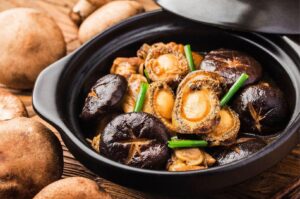
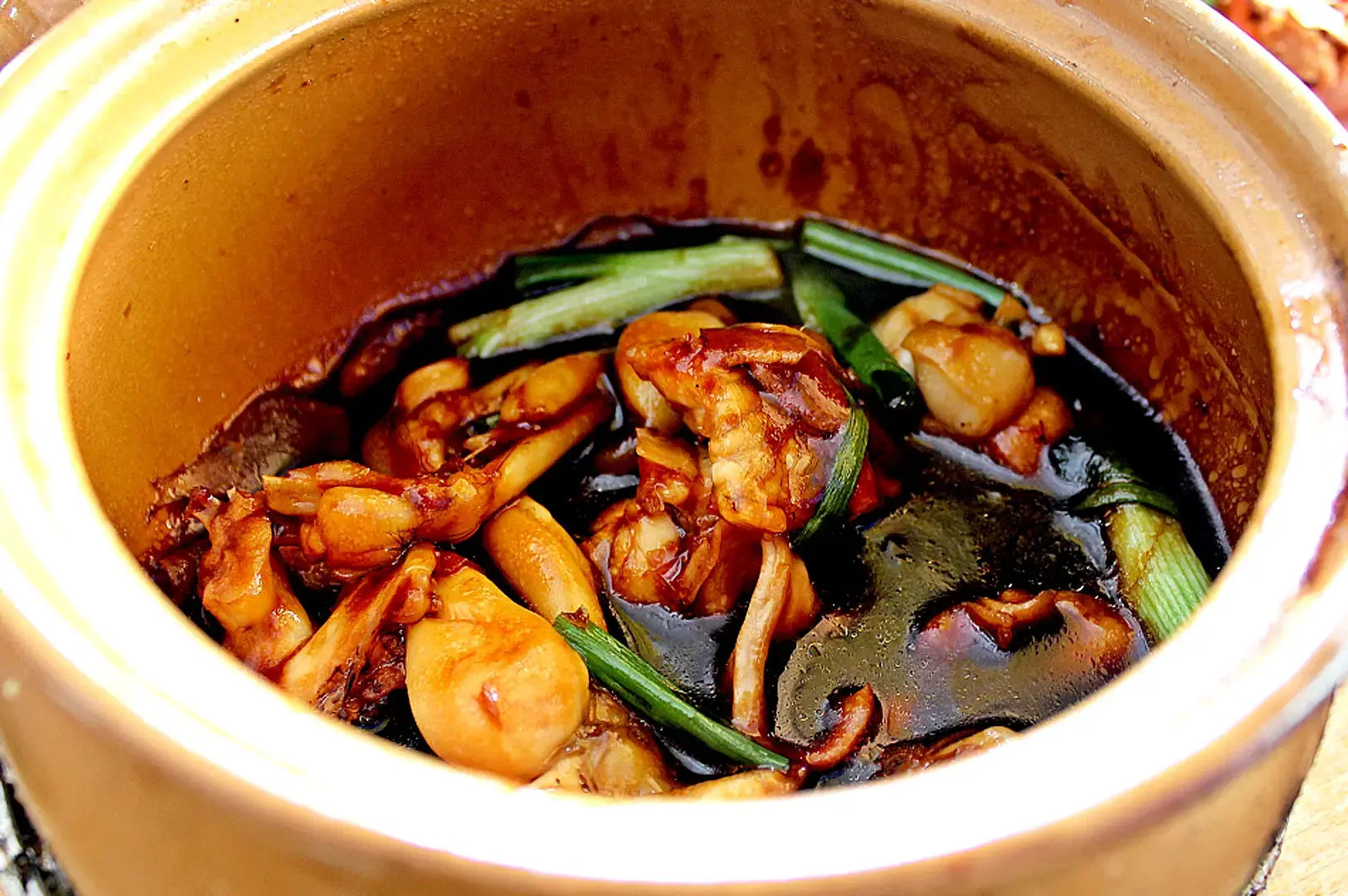
I ordered the Claypot Frog Porridge with Ginger, Spring Onion & Dried Chilli (S$13.50), and it arrived in its own pot, still whispering heat.
Aroma and Sauce
- The smell hit first — sharp ginger, the low warmth of dried chilli, dark sauce clinging thick to everything.
- The frog legs were tender, closer to chicken than you’d expect, soaking up that dark, delicious sauce.
And the sauce is the point. It’s rich and gingery and a little fiery, and it’s built to be spooned over plain porridge, which comes alongside as a soft, neutral canvas.
Eating Ritual
- Soft, plain porridge in one bowl.
- Dark, punchy claypot sauce in another.
- You move between them — a spoon of neutral warmth, then a spoon carrying ginger and chilli and frog.
- The plain porridge keeps the heat from overwhelming you.
- The claypot keeps the plain porridge from getting boring.
I hadn’t expected a porridge stop to give me something this savoury, this alive. It shifts the whole idea of the place — not just breakfast comfort, but supper comfort too, the kind of dish you’d order late at night when you want heat and softness at once.
If you’re squeamish about frog, I understand. But if you’re not, this claypot frog dish is one of the popular offerings that stays with you.
The Broth in Between
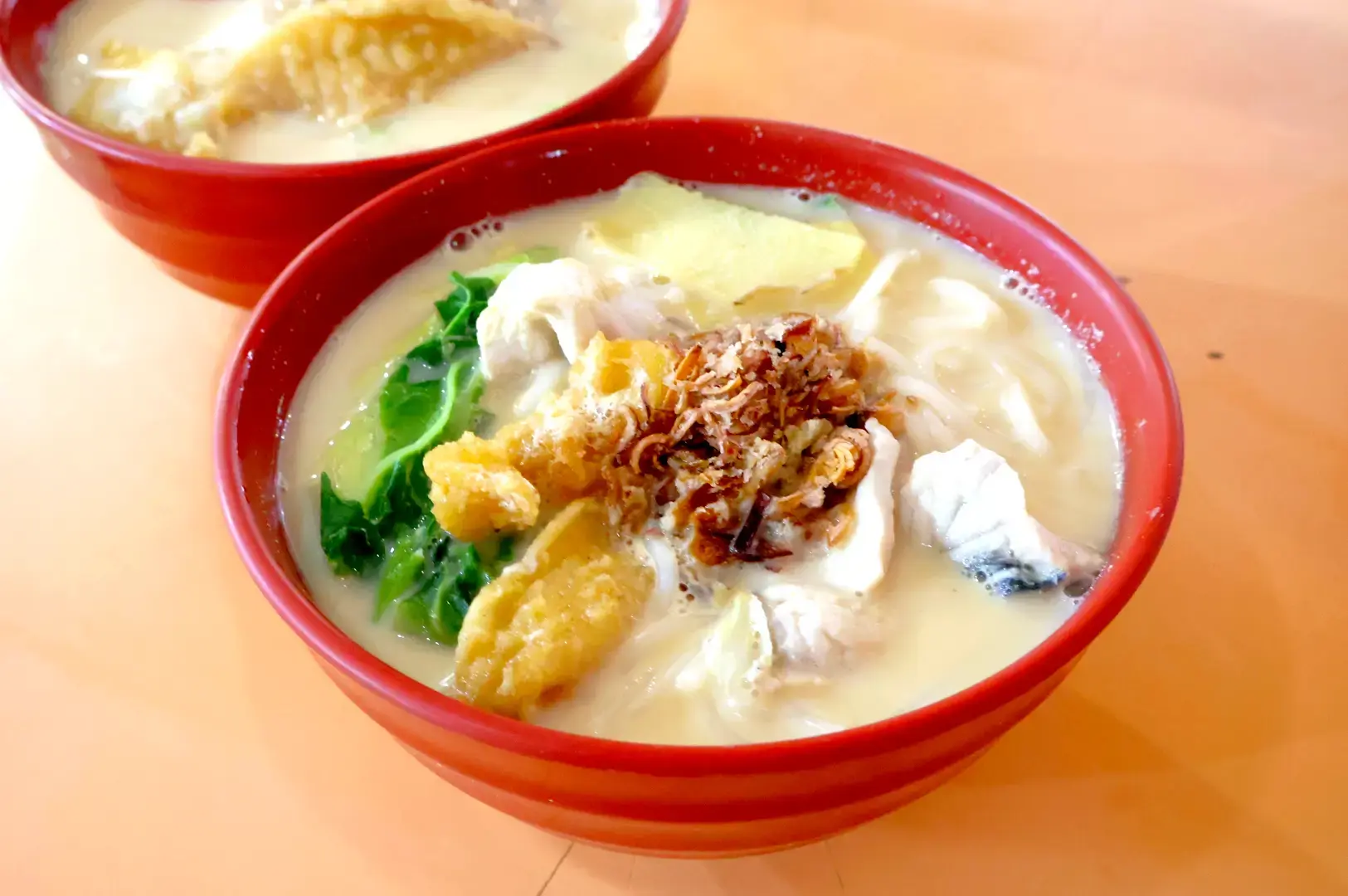
I had room for one more, so I tried the Claypot Fish Sliced Bee Hoon (S$13.50).
Ingredients and Taste
- The fish slices were soft and generous, cooked gently in a broth clouded with ginger.
- Vermicelli soaked it all up.
- It’s a milder thing than the frog claypot — clean, warming, the ginger doing quiet work rather than shouting.
It sits somewhere between the two porridges. Softer than the frog claypot, more substantial than the plain century egg bowl. On a rainy evening, I think this is what I’d reach for.
None of these dishes are trying to impress you with plating. They arrive in bowls and pots, steam-fogged, ready to be eaten rather than photographed. I found that honest.
The Service, Plainly
Let me be straight about this part.
My food came fast after I paid, which is what you want from a place like this. Nobody fussed. Nobody performed warmth they didn’t have.
But I’ll be honest — the warmth isn’t really here to begin with. The service is functional at best, and I’ve heard from others it can tip toward impatient or curt when the room is busy. Mine wasn’t cold, exactly. Just brisk. Transactional. You order, you pay, you eat, you go.
Wait Times and Portions
- The crowds change the rhythm.
- Porridge moves quickly.
- The claypot dishes take longer — I’ve read of half-hour waits at peak, though my off-peak visit was closer to fifteen minutes for the frog.
- If you come at supper rush, bring some patience.
- Portions: The porridge and frog claypot felt filling, worth the price.
- Some complaints about smaller side dishes — raw fish, fried intestine — feeling thin for what they cost.
- If you’re ordering add-ons, adjust your expectations.
What You Should Know
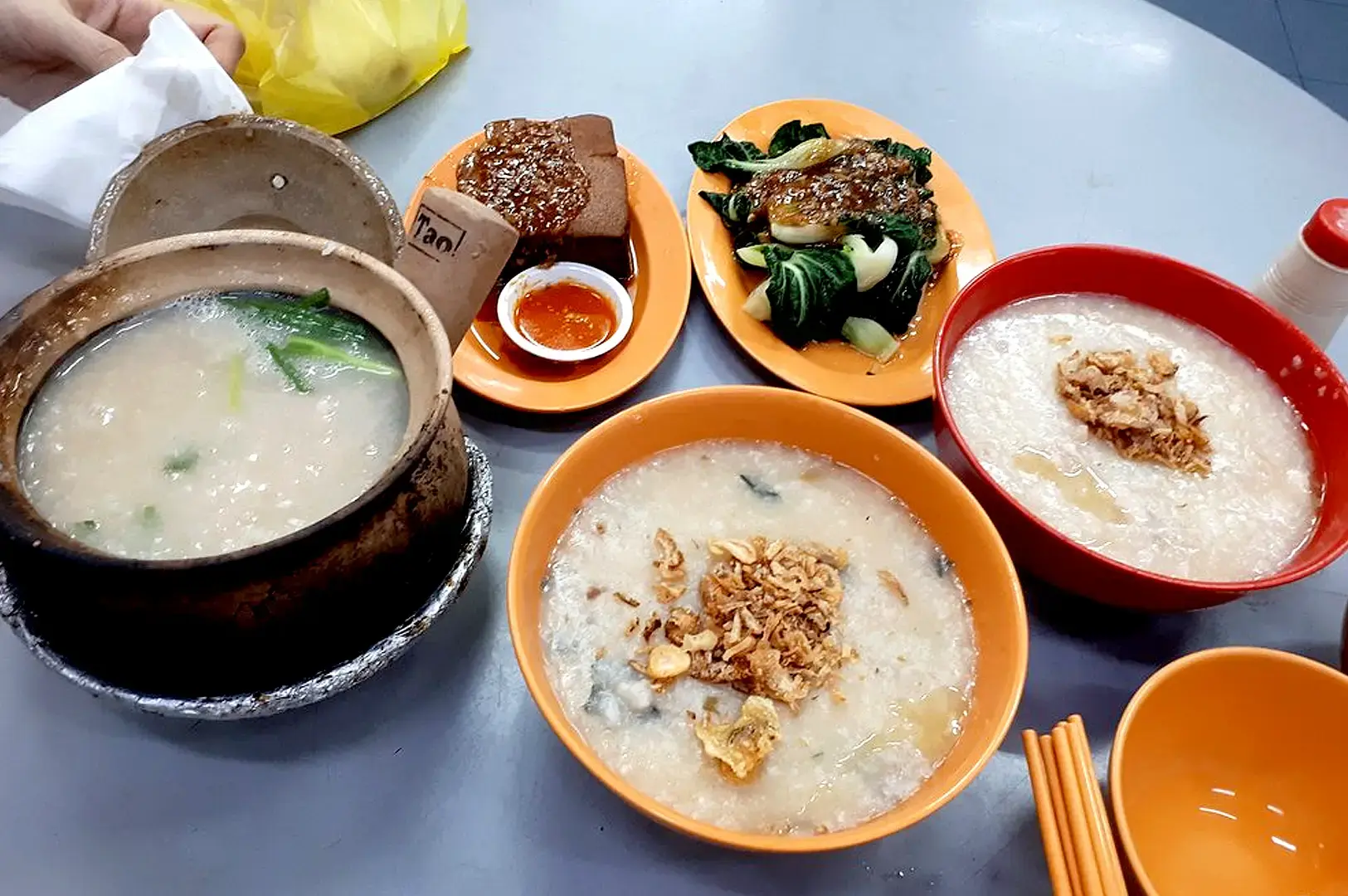
The practical bits are simple.
Tiong Shian Porridge Centre is at 265 New Bridge Road, in the Ann Kway Building, about four to five minutes from Chinatown MRT. Skip driving if you can — parking around here is a headache, and the MRT drops you close.
It’s walk-in only. No booking, no need for one. Expect to spend somewhere around S$10 to S$20 a person, more if you pile on frog, fish head, and side dishes.
Come outside the peak windows if you want the room calmer and the wait shorter. Late morning or early lunch is gentler than the late-night supper crush, though the supper crowd is part of this place’s whole character.
Who It’s For
I’d come back. Not for the room — the room is warm and smoky and doesn’t pretend otherwise. Not for the service, which won’t remember you.
I’d come back for the bowl.
If you love porridge — real, smooth, cooked-down rice porridge — and claypot dishes with ginger and dark sauce and steam, this is a place that takes those things seriously.
It suits:
- Solo diners who don’t need company from the staff.
- Anyone who’s just had crisp kaya toast somewhere in Chinatown and wants the soft opposite.
- Late-night eaters chasing claypot frog legs and heat.
It won’t suit everyone.
- If you want a quiet, cool café to linger in, this room moves too fast and runs too warm.
- If you’re put off by offal, frog, or a smoky open-front setting, you’ll be uncomfortable.
- If polished service matters to you, you won’t find it here.
The Quiet Comfort of a Simple Spoonful
But I keep coming back to the thing that struck me most.
Nobody here is trying to charm you. They’re trying to feed you.
The porridge is smooth because someone cooked it down properly. The frog sauce is dark and gingery because someone let it develop. The care is in the pot, not the performance.
I finished the last of the century egg porridge, scraped the claypot for the final bit of frog sauce, and sat for a moment in the heat.
Some meals want your camera. This one just wanted my spoon.
I gave it that, and I’d give it again.

When the Izakaya Becomes the Plan: Izakaya Singapore Top Picks for After-Work Reset
Dio Asahi | January 28, 2026
January 28, 2026 | Dio Asahi Last updated: September 14, 2026 As you step behind the humble noren curtain, you’re greeted by glowing lanterns, sizzling charcoal-grilled skewers, and warm welcomes. This is izakaya, Japan’s casual pub, a vibrant part of Singapore’s dining scene. More than just yakitori and sake, izakayas offer a lively setting for social…
-
Yuja Tea: Korea’s Traditional Citron Tea
Dio Asahi | January 27, 2026
The golden, aromatic steam rising from a cup of yuja tea carries centuries of Korean tradition and wellness wisdom. This caffeine-free citrus beverage has warmed Korean hearts through countless winters, offering both comfort and powerful health benefits in every sip. Made from the Korean citron known as yuja fruit, this simple Korean tea represents one…
-
The Global Phenomenon of Korean Instant Noodle: A Cultural and Culinary Journey
Eda Wong | January 24, 2026
In the high-octane streets of South Korea, where the “pali-pali” (hurry-hurry) culture defines the pace of life, one dish stands as the ultimate equalizer of speed and satisfaction: Korean ramyeon. While the world often uses the terms ramen and ramyeon interchangeably, the Korean version is a distinct entity. It is not merely a quick snack…
-
Traditional Ramyeon: The Soulful Heart of Korean Noodle Culture
Eat Drink Asia Team | January 20, 2026
In the bustling culinary landscape of South Korea, few comfort foods can match the satisfaction of a steaming bowl of ramyeon. While outside of Korea, “ramyeon” often brings to mind Korean instant noodles or instant ramen, true ramyeon Korean style refers to the artful, freshly prepared noodle soup enjoyed in homes and at local restaurants…
-
The Heart of the Korean Noodles: History and Texture
Eda Wong | January 17, 2026
In Korea, a bowl of noodles is far more than a simple dish; it is a cultural anchor that has weathered centuries of change. For generations, the length of the strand has symbolized a long and prosperous life, making Korean noodles a staple at birthdays, weddings, and the milestone 60th birthday celebration known as hwangap….
-
Preserving the ‘Big Bowl’ Tradition with Pen Cai Delivery in the Age of Doorstep Dining
Eat Drink Asia Team | January 15, 2026
Modern Festive Menu: Bringing the Big Bowl Home There is a special, undeniable magic to the Chinese New Year reunion dinner. For many families, Chinese New Year 2026 is another chance to gather loved ones at the table and celebrate with a glorious pen cai—sometimes called the “big bowl feast”—overflowing with premium ingredients and festive…
-
Sencha: Traditions, Flavors, and the Essence of Japanese Tea
Eat Drink Asia Team | January 15, 2026
When people around the world think of Japanese tea, images of tranquil tea ceremonies in small rooms or frothy bowls of matcha often come to mind. Yet, the reality of tea drinking in Japan is much broader, woven deeply into the culture and daily habits. For the vast majority, sencha is the beloved tea that…
-
The Best Restaurants Tokyo Are Rarely the Ones You Plan For
Eda Wong | January 12, 2026
Tokyo, Japan’s capital, does not reward urgency. It rewards return. On my first visit, I chased what everyone told me were the best restaurants Tokyo had to offer. I spent weeks highlighting maps, bookmarking digital “must-eat” lists, and refreshing reservation pages until my eyes blurred. I thought that by conquering the top-tier establishments, I would…
-
Japan and Food: Culinary Harmony – The Deep Connection Between Japanese Food and Culture
Eat Drink Asia Team | January 11, 2026
When it comes to Japan and food, the two are intertwined in ways that captivate taste buds and awaken the senses. Japanese cuisine stands as one of the world’s most revered traditions—more than nourishing meals, it is an art reflecting centuries of philosophy and a window into Japanese culture itself. Every bowl of miso soup,…
-
The Verdant Cup: A Celebration of Green Tea in Japan
Eda Wong | January 10, 2026
In Japan, green tea is much more than a beverage. It marks a moment of pause, hospitality, and tradition. The story of green tea in Japan weaves through centuries of culture, artistry, and daily life—bridging ancient rituals like the Japanese tea ceremony to everyday meals enjoyed at home. The origins and beginning of Japanese tea…