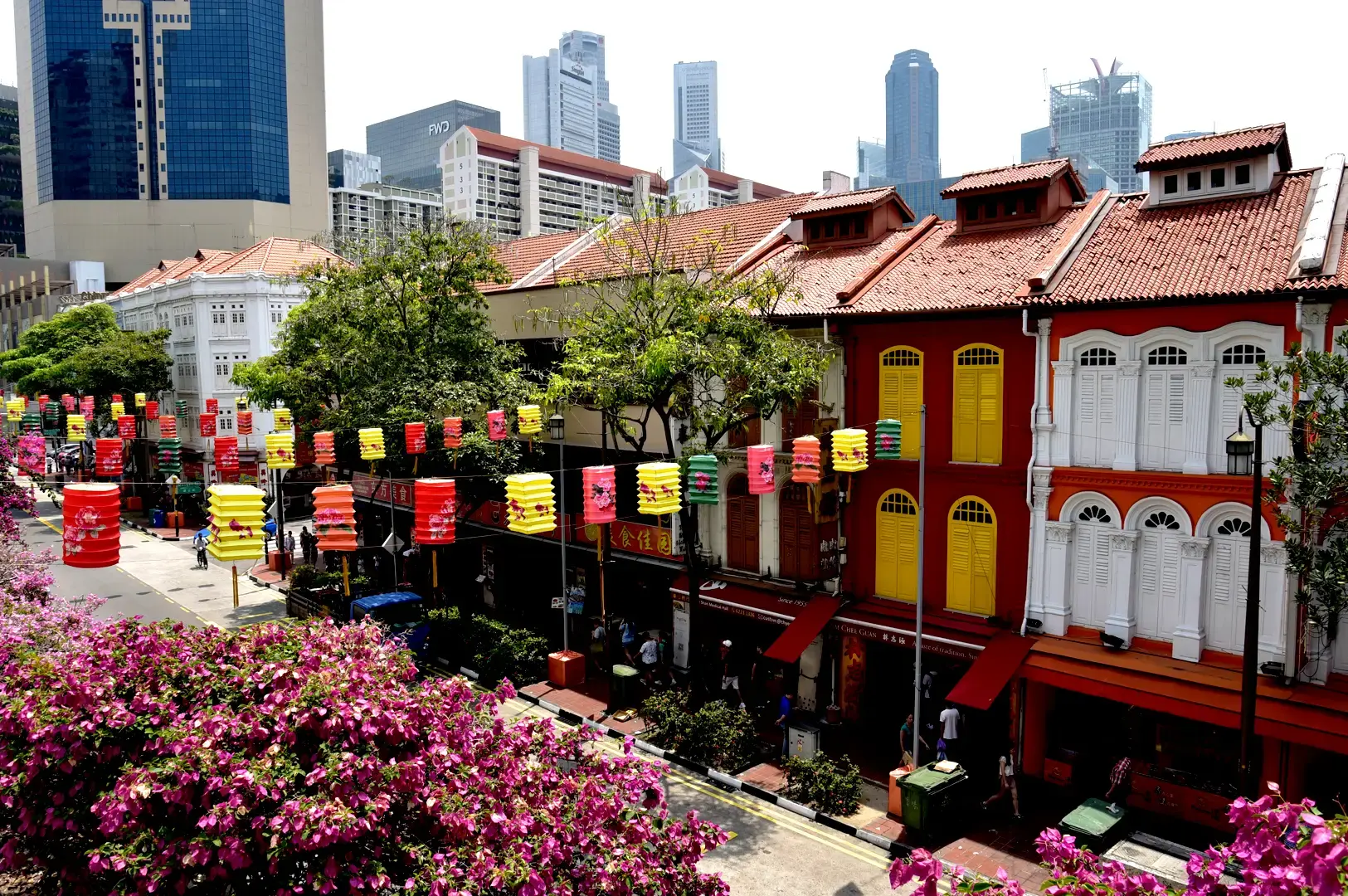
I’d spent the morning with kaya toast.
Crisp bread, cold butter, the clean snap of it between my teeth. Good, all of it. But by the time I’d walked a few streets over to New Bridge Road, my mouth wanted the opposite. Something warm. Something that gave way instead of shattering.
That’s how I ended up at Tiong Shian Porridge Centre, spoon in hand, waiting for a bowl of rice cooked down until it barely remembered being rice.
The steam reached me before the bowl did.
A Room That Doesn’t Perform
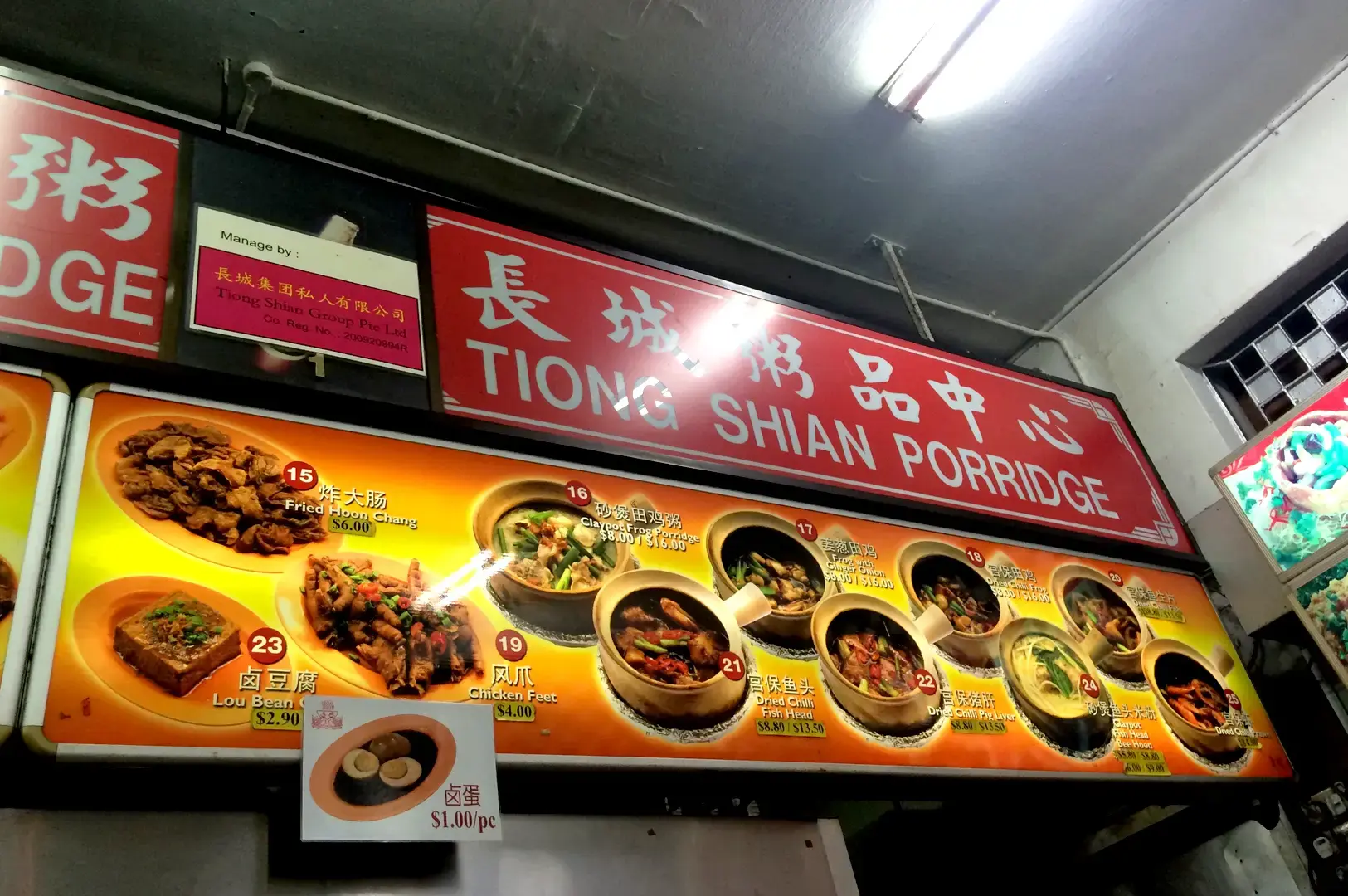
You’ll find Tiong Shian Porridge Centre sitting open-front along New Bridge Road, about four or five minutes on foot from Chinatown MRT. No frosted glass, no styled interior. Just an old coffeeshop that lets the street walk right up to its tables.
I came around late morning, past the breakfast rush but before the lunch crowd properly landed. Still, it wasn’t empty. A few tables of regular diners, an uncle reading his paper, the low clatter of claypot dishes meeting stove somewhere behind the counter.
Tiong Shian is one of the more savoury expressions of the Chinatown breakfast explained in our article neighbourhood’s morning table, making it a notable spot for breakfast at Chinatown.
Atmosphere and Comfort
- It’s warm inside. Not cosy-warm — working-warm, the kind that comes from steam and stoves and not much ventilation.
- On a hot day in Singapore, you feel it. I peeled off my outer layer within a minute of sitting down.
This isn’t a place built to charm you. The tables are close. The seating spills over into a second area when the front fills up. You sit where you can, and the food comes fast once you’ve paid.
I’ve learned not to hold that against a place. Some rooms spend their energy on lighting or décor. This one spends it on the pot, delivering comforting Chinese porridge and claypot dishes that draw customers from hawker centres all over the city.
If you prefer your morning meal in a cooler, more polished setting, explore our map of Singapore’s best cafés: https://eatdrinkasia.com/best-cafe-singapore-brunch-coffee-pastries/
The Bowl That Gives Way
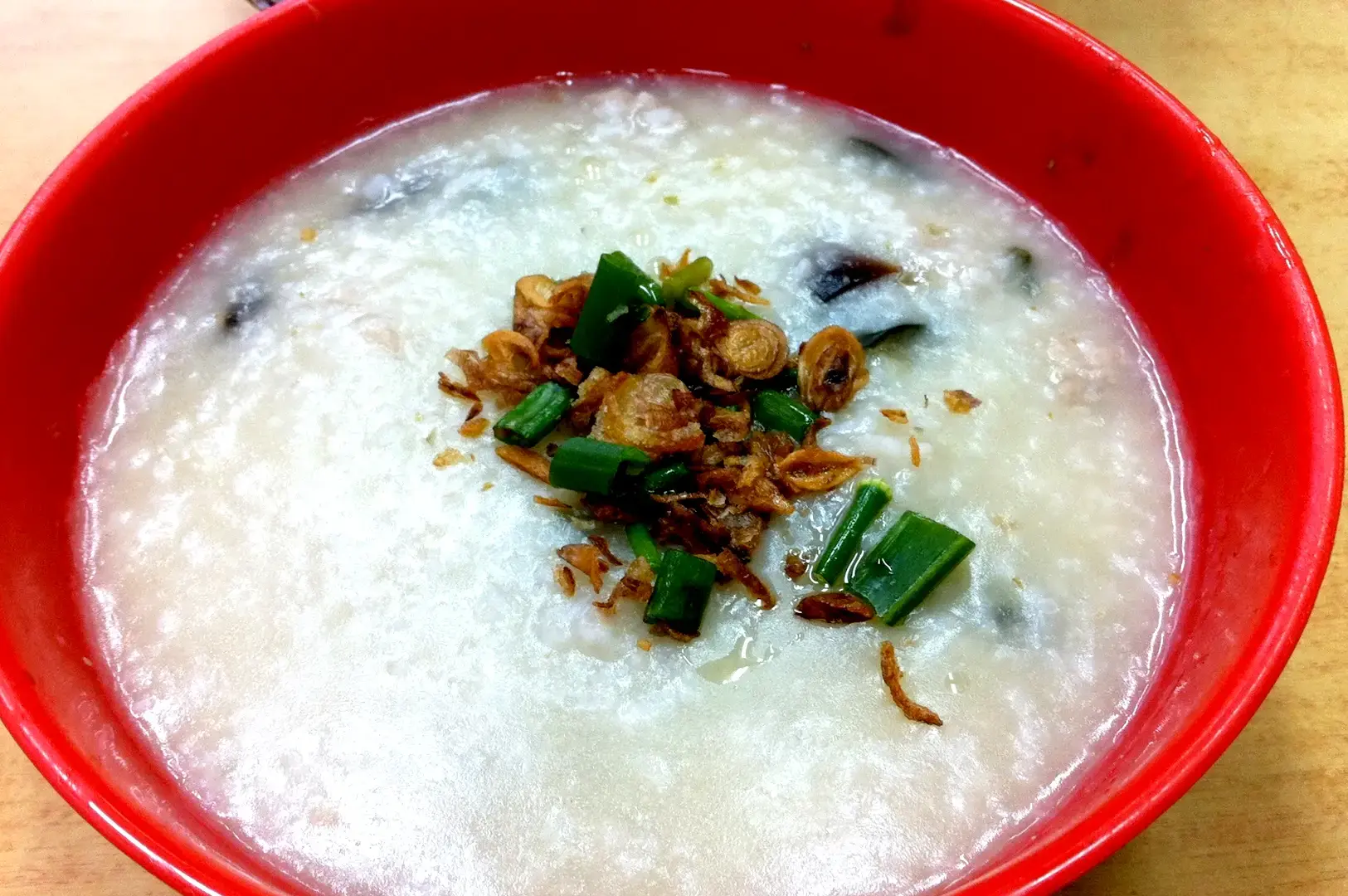
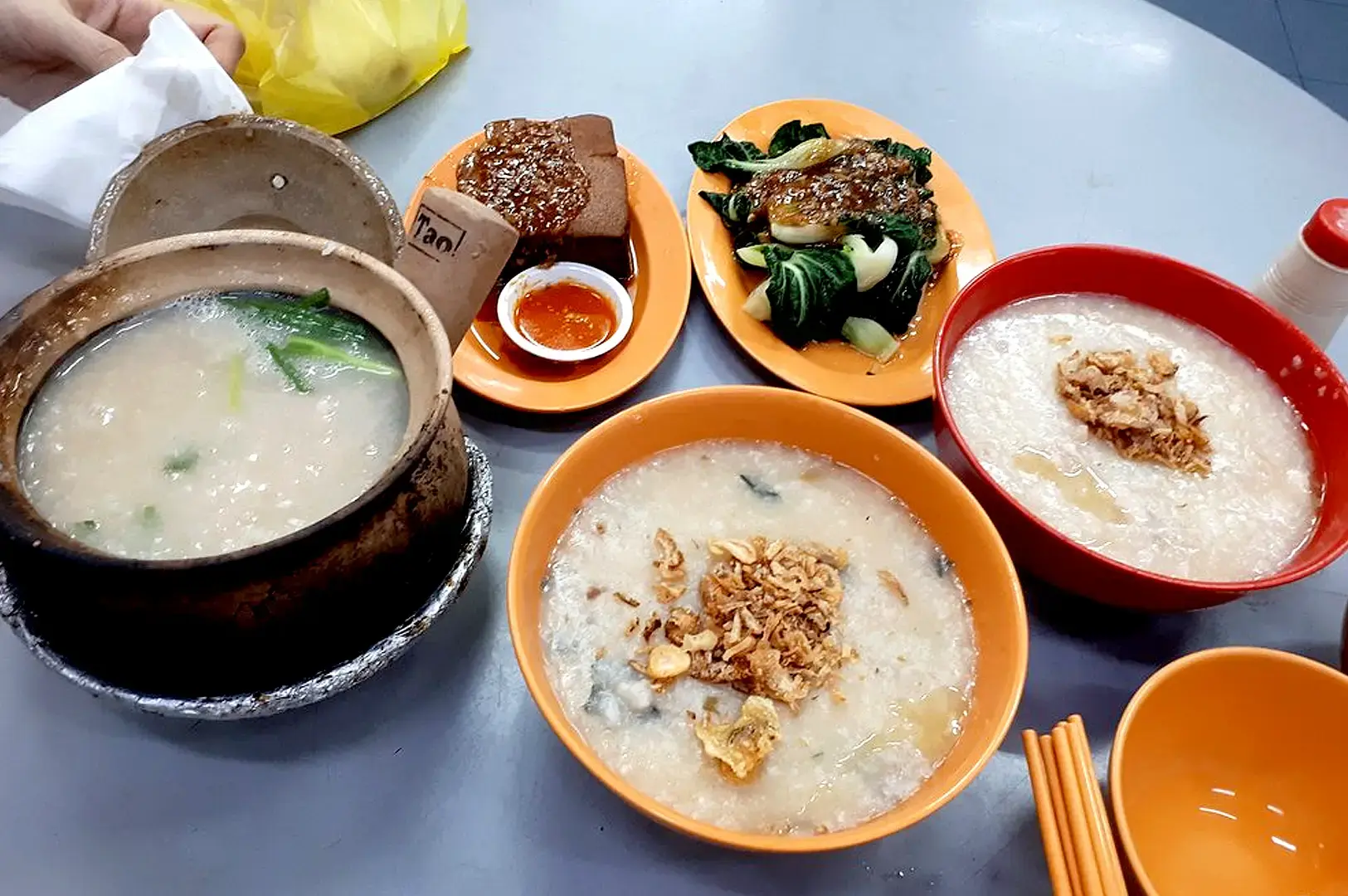
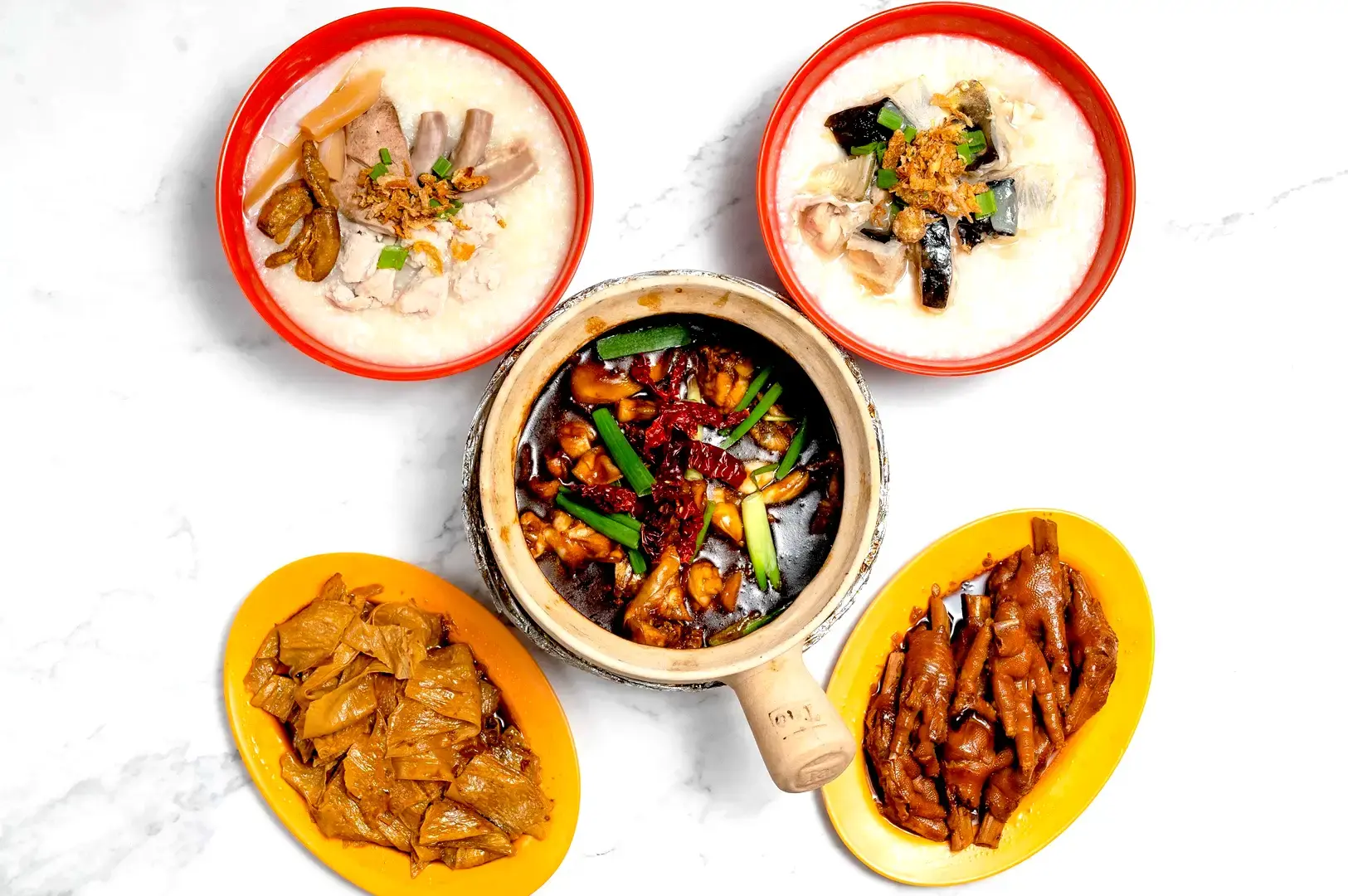
I ordered the Century Egg with Sliced Pork Porridge (S$9.50) first, because that felt like the honest place to start at Tiong Shian Porridge Centre.
It arrived quickly, steam curling off the top, scattered with fried shallots and thin green rings of fresh spring onions.
Texture and Flavor
- The rice porridge was smooth — not watery, not gluey, that careful middle ground where the rice has broken down completely but still holds a soft, comforting consistency.
- You could drag a spoon through it and it held a gentle shape for a second before settling back into its creamy embrace.
The century egg was folded in, dark and creamy, that particular deep savouriness it brings. The sliced pork was tender and generous enough that I wasn’t hunting for it. A little white pepper, a splash of soy from the table, and it came together beautifully.
This pork porridge is one of the favourite dishes here — a staple that many customers order again and again for its delicious, familiar taste.
This is the counterweight I’d been thinking about all morning.
Toast asks something of you — it snaps, it crumbles, you work at it. This porridge asks nothing. It gives way. It’s breakfast as recovery, the kind of bowl you’d want when you’re tired, sick, or just done with things that crunch. Plain enough to calm you. Savoury enough to matter.
I ate it slowly. There was no reason to rush, and the porridge didn’t want me to.
The Claypot That Widens the Story
Then I understood Tiong Shian is more than a sick-day bowl.
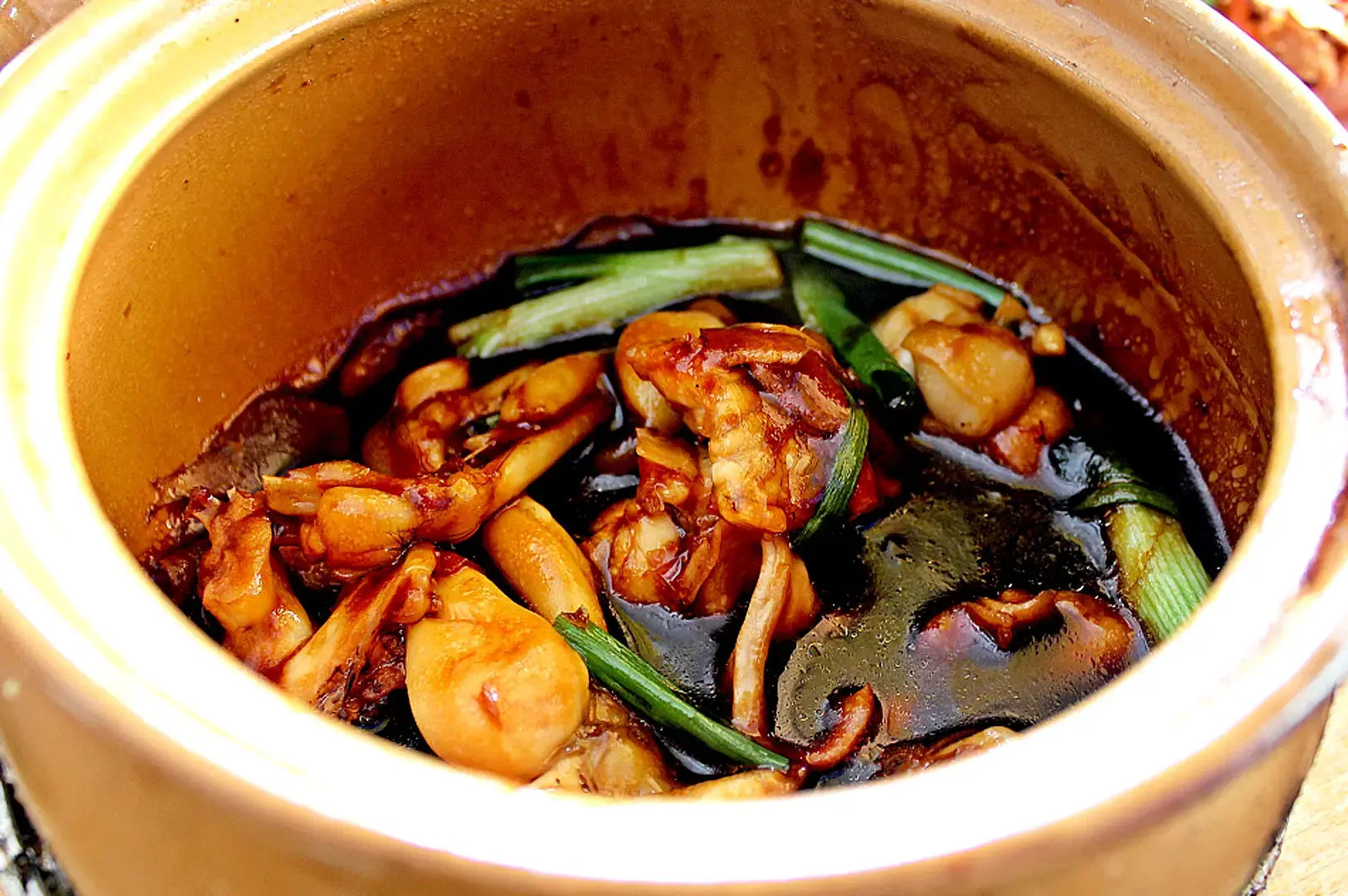
I ordered the Claypot Frog Porridge with Ginger, Spring Onion & Dried Chilli (S$13.50), and it arrived in its own pot, still whispering heat.
Aroma and Sauce
- The smell hit first — sharp ginger, the low warmth of dried chilli, dark sauce clinging thick to everything.
- The frog legs were tender, closer to chicken than you’d expect, soaking up that dark, delicious sauce.
And the sauce is the point. It’s rich and gingery and a little fiery, and it’s built to be spooned over plain porridge, which comes alongside as a soft, neutral canvas.
Eating Ritual
- Soft, plain porridge in one bowl.
- Dark, punchy claypot sauce in another.
- You move between them — a spoon of neutral warmth, then a spoon carrying ginger and chilli and frog.
- The plain porridge keeps the heat from overwhelming you.
- The claypot keeps the plain porridge from getting boring.
I hadn’t expected a porridge stop to give me something this savoury, this alive. It shifts the whole idea of the place — not just breakfast comfort, but supper comfort too, the kind of dish you’d order late at night when you want heat and softness at once.
If you’re squeamish about frog, I understand. But if you’re not, this claypot frog dish is one of the popular offerings that stays with you.
The Broth in Between
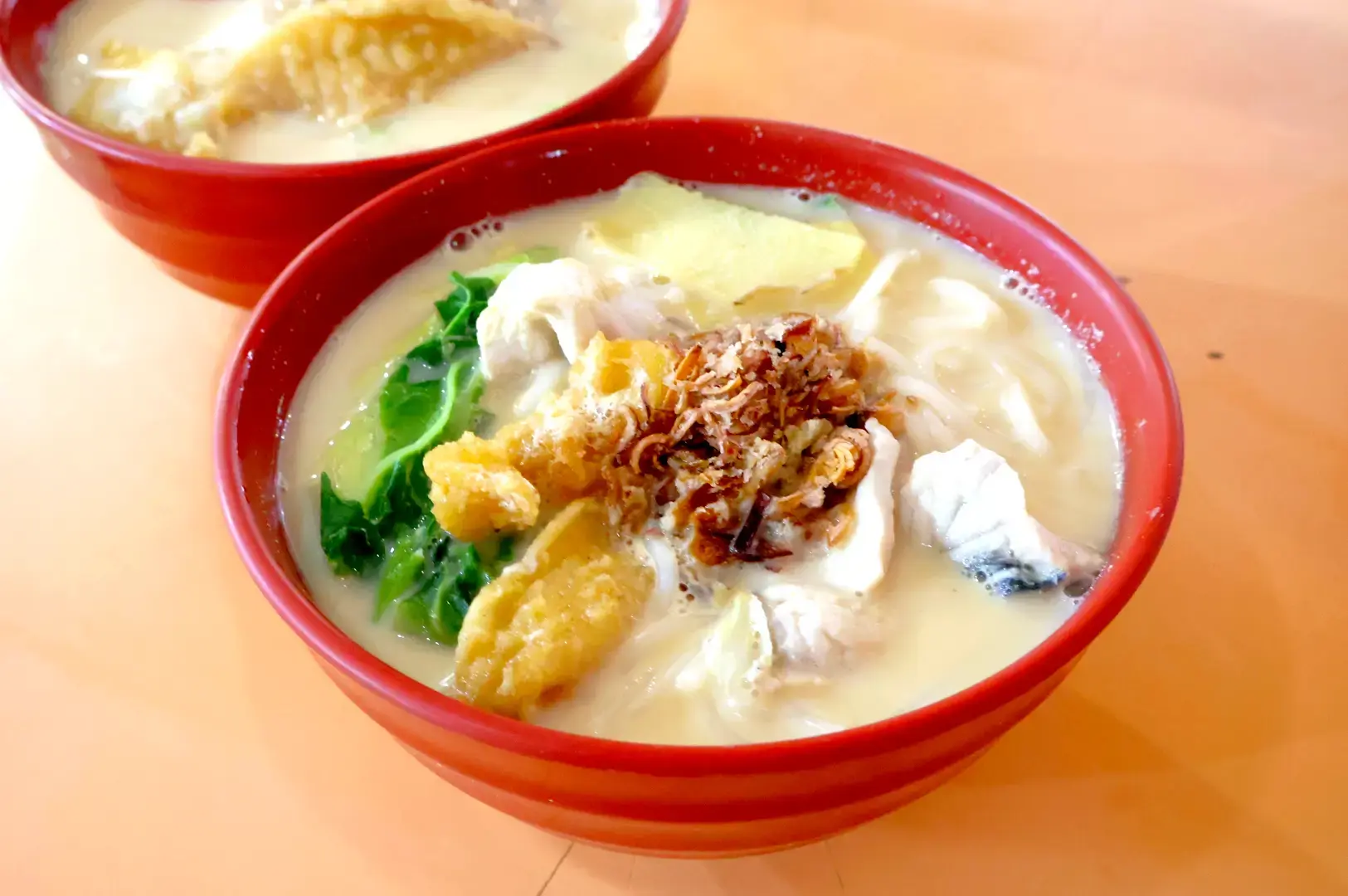
I had room for one more, so I tried the Claypot Fish Sliced Bee Hoon (S$13.50).
Ingredients and Taste
- The fish slices were soft and generous, cooked gently in a broth clouded with ginger.
- Vermicelli soaked it all up.
- It’s a milder thing than the frog claypot — clean, warming, the ginger doing quiet work rather than shouting.
It sits somewhere between the two porridges. Softer than the frog claypot, more substantial than the plain century egg bowl. On a rainy evening, I think this is what I’d reach for.
None of these dishes are trying to impress you with plating. They arrive in bowls and pots, steam-fogged, ready to be eaten rather than photographed. I found that honest.
The Service, Plainly
Let me be straight about this part.
My food came fast after I paid, which is what you want from a place like this. Nobody fussed. Nobody performed warmth they didn’t have.
But I’ll be honest — the warmth isn’t really here to begin with. The service is functional at best, and I’ve heard from others it can tip toward impatient or curt when the room is busy. Mine wasn’t cold, exactly. Just brisk. Transactional. You order, you pay, you eat, you go.
Wait Times and Portions
- The crowds change the rhythm.
- Porridge moves quickly.
- The claypot dishes take longer — I’ve read of half-hour waits at peak, though my off-peak visit was closer to fifteen minutes for the frog.
- If you come at supper rush, bring some patience.
- Portions: The porridge and frog claypot felt filling, worth the price.
- Some complaints about smaller side dishes — raw fish, fried intestine — feeling thin for what they cost.
- If you’re ordering add-ons, adjust your expectations.
What You Should Know
The practical bits are simple.
Tiong Shian Porridge Centre is at 265 New Bridge Road, in the Ann Kway Building, about four to five minutes from Chinatown MRT. Skip driving if you can — parking around here is a headache, and the MRT drops you close.
It’s walk-in only. No booking, no need for one. Expect to spend somewhere around S$10 to S$20 a person, more if you pile on frog, fish head, and side dishes.
Come outside the peak windows if you want the room calmer and the wait shorter. Late morning or early lunch is gentler than the late-night supper crush, though the supper crowd is part of this place’s whole character.
Who It’s For
I’d come back. Not for the room — the room is warm and smoky and doesn’t pretend otherwise. Not for the service, which won’t remember you.
I’d come back for the bowl.
If you love porridge — real, smooth, cooked-down rice porridge — and claypot dishes with ginger and dark sauce and steam, this is a place that takes those things seriously.
It suits:
- Solo diners who don’t need company from the staff.
- Anyone who’s just had crisp kaya toast somewhere in Chinatown and wants the soft opposite.
- Late-night eaters chasing claypot frog legs and heat.
It won’t suit everyone.
- If you want a quiet, cool café to linger in, this room moves too fast and runs too warm.
- If you’re put off by offal, frog, or a smoky open-front setting, you’ll be uncomfortable.
- If polished service matters to you, you won’t find it here.
The Quiet Comfort of a Simple Spoonful
But I keep coming back to the thing that struck me most.
Nobody here is trying to charm you. They’re trying to feed you.
The porridge is smooth because someone cooked it down properly. The frog sauce is dark and gingery because someone let it develop. The care is in the pot, not the performance.
I finished the last of the century egg porridge, scraped the claypot for the final bit of frog sauce, and sat for a moment in the heat.
Some meals want your camera. This one just wanted my spoon.
I gave it that, and I’d give it again.

Thai Green Milk Tea: The Complete Guide to Thailand’s Refreshing Emerald Delight
Eda Wong | December 13, 2025
Picture a tall glass filled with crushed ice, its emerald-green contents swirled with ribbons of creamy white milk—this is thai green milk tea, one of Southeast Asia’s most visually striking and refreshing drinks. Known locally as cha khiao nom yen, this popular drink has captured hearts across Asia and beyond with its distinctive pale green…

Best Thai Singapore: Discover the Art of Authentic Pad Thai
Dio Asahi | December 11, 2025
In Singapore, a city that celebrates a universe of flavors, the magnetic pull of Thai cuisine is undeniable. From bustling food courts to elegant dining rooms, the kingdom’s culinary ambassadors have firmly planted their flag. When considering the best Thai food, it’s impossible to overlook how integral Pad Thai is to the local Thai food…
-
Thai Cuisine in Singapore: Finding the Best Authentic Flavors
Eat Drink Asia Team | December 9, 2025
The unmistakable aroma of lemongrass, galangal, and fiery spices mingles with the bustling night air in Singapore, setting the stage for a dining experience that wakes the soul and tantalizes the senses. Thai cuisine in Singapore has become an essential part of the city’s culinary landscape, offering a complete blend of vibrant flavor, tangy notes,…
-
The Ultimate Guide to Thai Food: Flavors, Traditions, and Culinary Adventures
Dio Asahi | December 6, 2025
Thai cuisine is one of the world’s most beloved and complex culinary traditions, captivating food enthusiasts globally with its masterful balance of flavors and vibrant presentations. From bustling Bangkok street stalls to high-end international restaurants, Thai food has become a global phenomenon that evolves while maintaining its authentic roots. What sets Thai cuisine apart from…
-
How to Drink Sake: Your Guide to Enjoying Japanese Sake Wine
Eda Wong | December 5, 2025
As Japan’s national beverage, this traditional sake is present at celebrations, quiet dinners, and spiritual offerings, weaving itself into the very fabric of daily life and reflecting Japan’s deep-rooted cultural heritage. Yet, for many outside of Japan, it remains a delightful mystery. You might find yourself wondering, how do you drink sake properly to unlock…
-
What Is Sashimi? A Guide to Raw Fish, Sliced Raw Fish, and Japanese Seafood
Eat Drink Asia Team | December 3, 2025
Sashimi is one of the clearest ways to understand Japanese cuisine because there is very little to hide behind. At its simplest, sashimi is sliced raw fish or seafood served without sushi rice, usually with soy sauce, wasabi, and simple garnishes such as daikon radish. But the dish is not just “raw fish on a…

Understanding Sake Alcohol Content: A Complete Guide to ABV and Flavor
Eda Wong | December 2, 2025
When exploring Japanese sake, many wonder about its grades and complex flavors. Sake’s unique profile offers remarkable versatility, enjoyed in various serving styles and paired with diverse dishes. One fundamental aspect is sake alcohol content. Is sake stronger than wine? How does its alcohol by volume (ABV) compare to beer? The answer is nuanced. Understanding…
-
Japanese Sake: The Complete Guide to Japan’s Traditional Rice Wine
Dio Asahi | November 29, 2025
Japanese Sake: The Complete Guide to Japan’s Traditional Rice Wine While sake has been Japan’s national beverage for over a millennium, its popularity across Asia is at an all-time high. Rooted in Japan’s traditional brewing methods and centuries-old origins. It symbolizes Japan’s cultural heritage and craftsmanship. Understanding this complex brewed alcoholic beverage opens doors to…

Best Japanese Foods in Japan: The Must-Try Dishes
Eda Wong | November 27, 2025
Japan’s culinary world extends far beyond well-known sushi and ramen, revealing a rich variety of regional specialties cherished by locals. While many travelers stick to popular Japanese foods in tourist areas, authentic flavors are best discovered in neighborhood markets, family-run eateries, and seasonal menus reflecting centuries of Japanese cooking tradition. Understanding Japanese cuisine requires more…
-
Japanese Food in Japan: The Ultimate Guide to Authentic Culinary Experiences
Eat Drink Asia Team | November 25, 2025
Experiencing Japanese food in Japan is fundamentally different from eating Japanese cuisine anywhere else. While sushi restaurants and ramen shops have spread globally, the authentic flavors, techniques, and cultural context of Japanese food can only be fully appreciated in its homeland. From meticulously selecting ingredients at peak freshness to centuries-old traditions shaping every meal, eating…