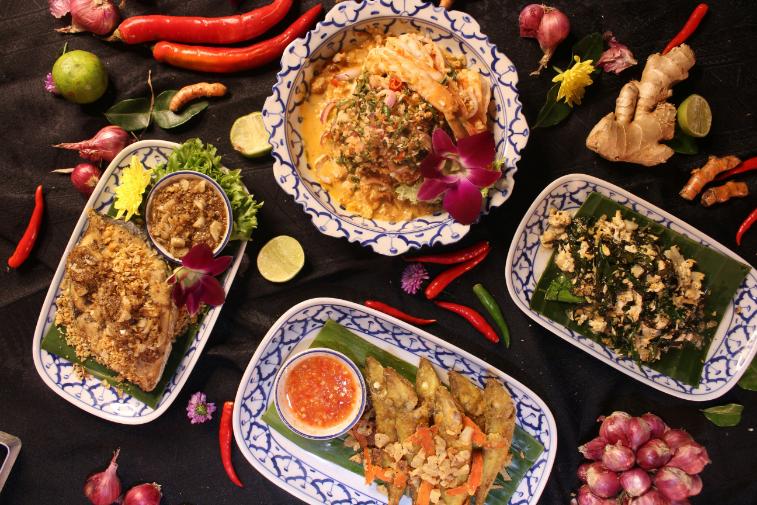
Thai cuisine is one of the world’s most beloved and complex culinary traditions, captivating food enthusiasts globally with its masterful balance of flavors and vibrant presentations. From bustling Bangkok street stalls to high-end international restaurants, Thai food has become a global phenomenon that evolves while maintaining its authentic roots.
What sets Thai cuisine apart from other Southeast Asian foods isn’t just the heat from chilies or the sweetness of palm sugar – it’s the sophisticated interplay of sweet, sour, salty, and spicy elements that creates harmony in every bite.
Cooking Thai food is also an opportunity to learn and appreciate the techniques and traditions that make this cuisine unique. In this comprehensive guide, we explore Thailand’s rich culinary landscape, from iconic dishes that have become international favorites to regional specialties that remain hidden gems.
What Makes Thai Food Special
Thai food stands out through its perfect balance of sweet, sour, salty, and spicy flavors in virtually every dish. This flavor harmony sets Thai cuisine apart from neighboring cooking styles, where one or two flavors might dominate.
Authentic Thai food depends heavily on fresh herbs, aromatic spices, and bold seasonings. Unlike many Western cuisines that rely on dairy or wheat-based thickeners, Thai cooking achieves richness through coconut milk, depth through fish sauce, and complexity with carefully balanced curry paste preparations.
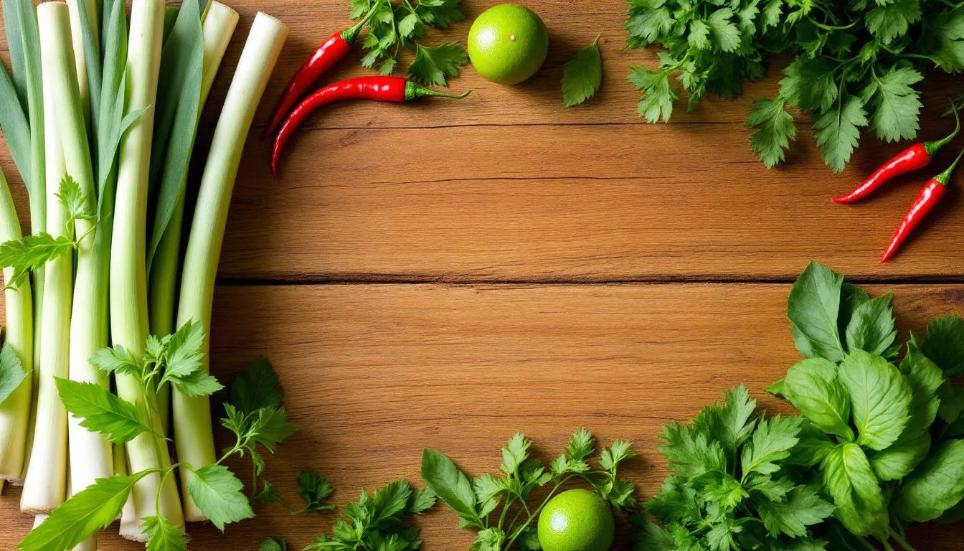
Thai sauces, including fish sauce and chili sauce, are essential flavor enhancers commonly offered at the table to complement each dish. Ingredients like lemongrass, galangal, kaffir lime leaves, and Thai basil are vital flavor builders defining Thai food’s distinctive taste.
The cooking techniques reflect centuries of refinement, including high-heat stir-frying, gentle curry simmering, and precise spice paste preparation requiring skill and understanding of flavor development. Passed down through generations, these techniques ensure each Thai dish achieves its intended flavor profile while maintaining satisfying textural contrasts.
Essential Thai Dishes Every Food Lover Must Try
When evaluating Thai dishes outside Thailand, look for preparations maintaining characteristic flavor balance rather than overwhelming sweetness or simplified spice profiles. Authentic versions demonstrate seasoning complexity, appropriate herb use, and cooking techniques preserving ingredient integrity.
Appreciate these dishes by understanding their traditional context – when eaten, required accompaniments, and how they fit into the broader Thai meal. Most Thai dishes are shared family-style, with rice serving as the neutral base allowing diners to experience multiple flavor profiles. Thai cuisine features a remarkable diversity of rice dishes, from fried rice to rice porridge and rice-based desserts, often included among people's favorite Thai dishes for their variety and cultural significance.
Pad Thai – Thailand’s Global Ambassador
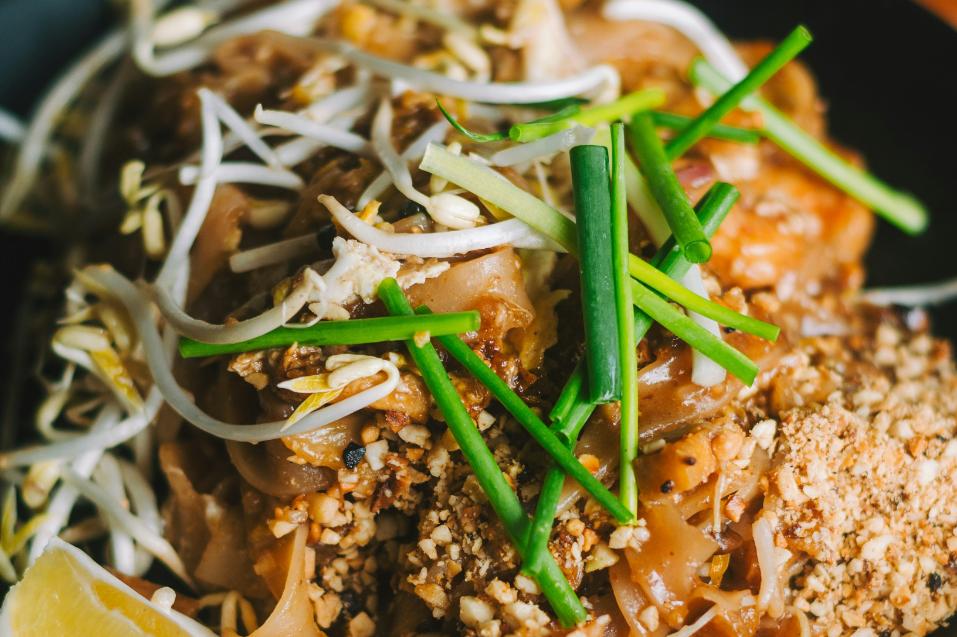
Pad Thai is perhaps the most internationally recognized Thai dish, yet ironically a relatively recent addition. Developed in the 1930s and 1940s as a nationalist campaign to promote Thai identity, Pad Thai showcases Chinese influence through stir-frying while incorporating distinct Thai flavors.
Authentic preparation begins by soaking wide rice noodles until tender with slight bite. Cooking requires high heat and precise timing, with ingredients added in sequence: oil, garlic, protein (shrimp, chicken, or tofu), eggs scrambled in the wok, then noodles and sauce.
Tom Yum – The Perfect Hot and Sour Soup
Tom Yum soup exemplifies Thai cuisine’s aromatic mastery, combining fragrant herbs with bold flavors to create one of the world’s most distinctive broths. Tom Yum is a classic example of a sweet and sour soup in Thai cuisine, featuring a balanced, flavorful broth that combines sour and sweet elements.
Essential aromatics form the “holy trinity” of Thai cooking:
- Lemongrass
- Galangal
- Kaffir lime leaves
Two main variations exist: tom yum nam sai (clear) and tom yum nam khon (creamy with coconut milk). The clear version highlights aromatics; the creamy adds richness balancing intensity.
Traditional preparation bruises aromatics to release oils, then simmers them in stock for intense flavor. Heat comes from fresh chilies; sourness from lime juice; saltiness from fish sauce. Mushrooms, tomatoes, and onions add depth and texture.
Popular proteins include tom yum seafood with shellfish, tom yum goong with prawns, or tom yum gai with chicken. Each requires different cooking times to maintain balance. The finished soup is intensely aromatic with visible herb oil droplets and clear, vibrant broth.
Green Curry – Creamy Coconut Perfection
Thai green curry represents the pinnacle of curry paste artistry, combining fresh green chilies with aromatic herbs to create a foundational paste. Unlike Indian curries, Thai green curry uses coconut milk instead of dairy and emphasizes fresh herbs over dried spices. Thai red curry is another popular curry variety, known for its vibrant color and bold flavor.
Green curry paste is prepared traditionally with mortar and pestle, pounding green chilies, shallots, garlic, lemongrass, galangal, kaffir lime zest, cilantro roots, and shrimp paste into a smooth, aromatic paste. This labor-intensive method releases essential oils for flavor integration.
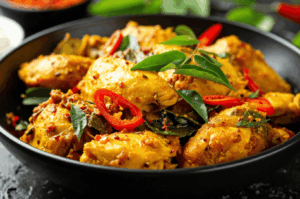
Proper green curry chicken preparation involves frying the paste in coconut cream (the thick coconut milk portion) until fragrant and oils separate. This “breaking the coconut” step ensures richness and prevents curdling.
Traditional accompaniments include Thai eggplant, bamboo shoots, and Thai basil, added at specific times for texture and flavor. The finished curry has visible green oil and a gradually building spice level. Green curry is considered a spicy curry and is often compared to other Thai curries for its heat and complexity.
Som Tam – Refreshing Green Papaya Salad
Som Tam, from northeastern Isaan, perfectly expresses Thai flavor balance. This green papaya salad is traditionally prepared using mortar and pestle to bruise and combine ingredients rather than chopping.
Another refreshing Thai salad is green mango salad, which features shredded green mangoes, toasted peanuts, fish sauce, and lime juice, and shares similarities with Som Tam.
Green papaya must be hard enough to shred but mature for subtle sweetness. Julienned into thin strips, it’s combined with tomatoes for sweetness and acidity, long beans for crunch, dried shrimp for umami, and roasted peanuts for richness.
The dressing blends fish sauce, lime juice, palm sugar, and chilies, adjustable to maintain sweet-sour-salty-spicy balance. Raw garlic is sometimes added to Thai salads for extra pungency and authentic flavor.
Regional variations include fermented fish sauce (pla ra), fresh crab meat, and fermented tea leaves. Isaan versions are spicier and more intense; central Thai versions slightly sweeter.
Regional Thai Cuisine: A Culinary Journey Across Thailand
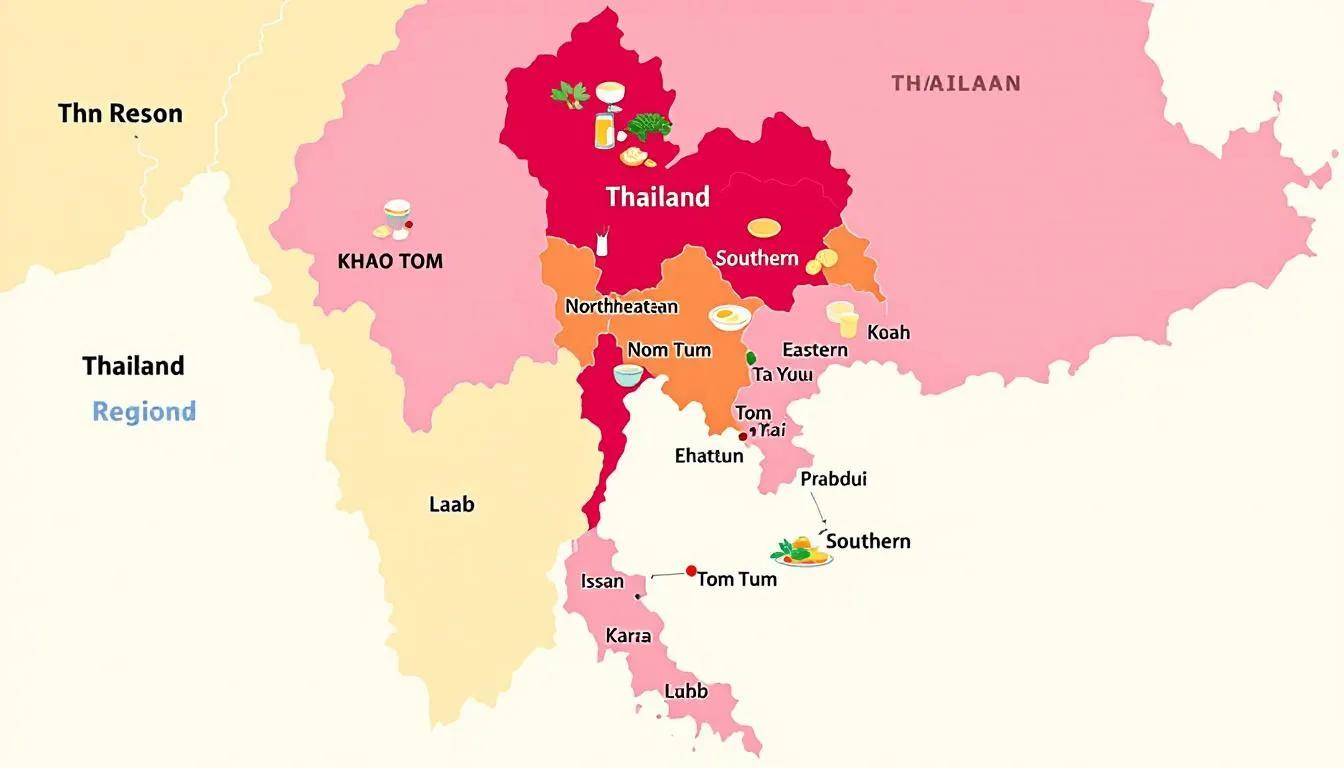
Positioned between China, India, and Southeast Asia, each region absorbed influences while maintaining Thai identity. Northern cuisine shows Burmese and Chinese influences; northeastern reflects Lao traditions; central represents royal court refinement; southern incorporates Malaysian and Indonesian elements.
Seasonal availability shapes cuisine characteristics.
Northern Thai Cuisine – Mountain Flavors and Burmese Influences
Northern Thailand’s cooler mountains produce different ingredients than tropical south’s coasts. Northern Thailand is known for unique culinary traditions such as the use of sticky rice, local herbs, and signature dishes like khao soi, while southern Thai cooking stands out for its distinctive spicy flavors, southern Thai curry paste.
Lanna cuisine, shaped by its cooler climate, centers on sticky rice instead of jasmine rice. Thai sticky rice is soaked and steamed to a soft texture, served Thai style with grilled meats, spicy dips, and fresh vegetables.
Khao soi, a northern curry noodle dish, features rich coconut curry broth over soft rice noodles topped with crispy noodles, commonly with chicken or beef.
Sai ua, Northern Thai sausage, includes lemongrass, galangal, shallots, chilies, and herbs in grilled pork, served with sticky rice and fresh vegetables.
Sticky rice supports communal eating and pairs perfectly with grilled meats and spicy dips (jaew).
Northeastern (Isaan) Cuisine – Bold and Rustic
Isaan cuisine is Thailand’s spiciest, featuring bold flavors, grilled proteins, and creative use of available ingredients. Agricultural communities utilize every part for nutrition and satisfaction.
Larb, a minced meat salad with ground pork, beef, or chicken, combines herbs, chilies, fish sauce, lime juice, and toasted rice powder for texture and flavor. Minced pork is a traditional protein in many Isaan dishes, serving as a key ingredient in larb and other classic recipes.
Grilled chicken (gai yang) and grilled pork neck are marinated with garlic, cilantro root, white pepper, and fish sauce, grilled over charcoal for smoky flavor, paired with sticky rice and spicy sauces.
Som tam from Isaan is spicier and often includes fermented fish sauce (pla ra) for umami complexity.
Central Thai Cuisine – Royal Court Refinement
Central Thai cuisine, centered around Bangkok and royal courts, is known for refined techniques, quality ingredients, and elegant presentation.
Massaman curry blends Persian spices like cardamom and star anise with traditional Thai elements. This mild, aromatic coconut curry often features beef or chicken, potatoes, and peanuts.
Pad see ew reflects Chinese influence with wide rice noodles, dark soy sauce, Chinese broccoli, eggs, and protein stir-fried over high heat to achieve the signature “wok hei.”
Bangkok’s street food scene offers diverse, sophisticated options like boat noodles and Thai fried rice, showcasing refined casual dining. Dishes such as khao man gai highlight rice cooked in chicken stock or fat, enhancing flavor and texture. Fried mixed vegetables commonly accompany meals, providing balance and variety.
Southern Thai Cuisine – Coastal Spice and Heat
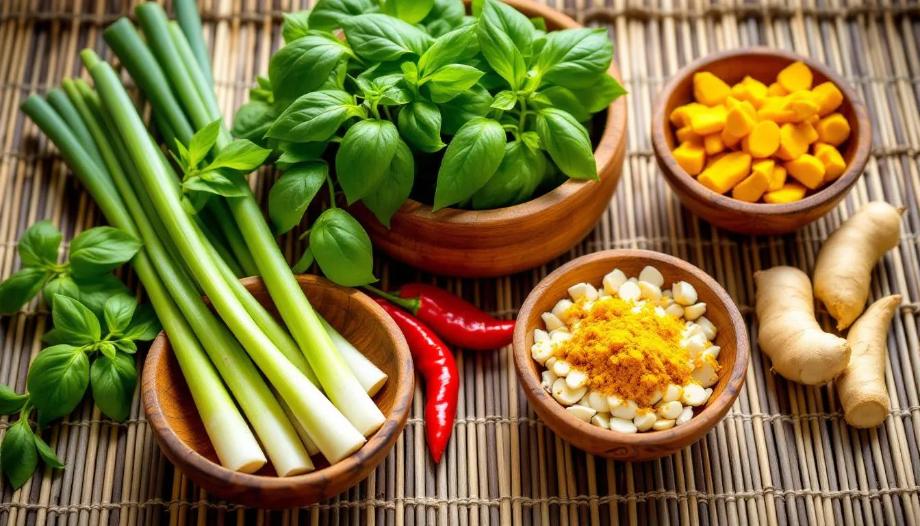
Southern Thailand’s cuisine reflects coastal location, tropical climate, and cultural ties to Malaysia and Indonesia. Food features intense spice, coconut milk, and creative seafood dishes. A signature southern Thai dish, such as kua kling or sour fish soup, showcases the region's bold flavors and unique ingredients.
Gaeng som, a southern yellow curry, gets color from turmeric and character from tamarind’s sourness balanced with chilies and fish sauce. It includes fish or shrimp with vegetables like bamboo shoots or green beans.
Southern curries are spicier than northern ones, believed to help cope with tropical heat. Fresh turmeric adds earthiness and yellow color. Grilled fish and steamed fish are also popular in southern Thai cuisine, often prepared with local herbs and spices to highlight the freshness of the seafood.
Traditional Thai Cooking Techniques
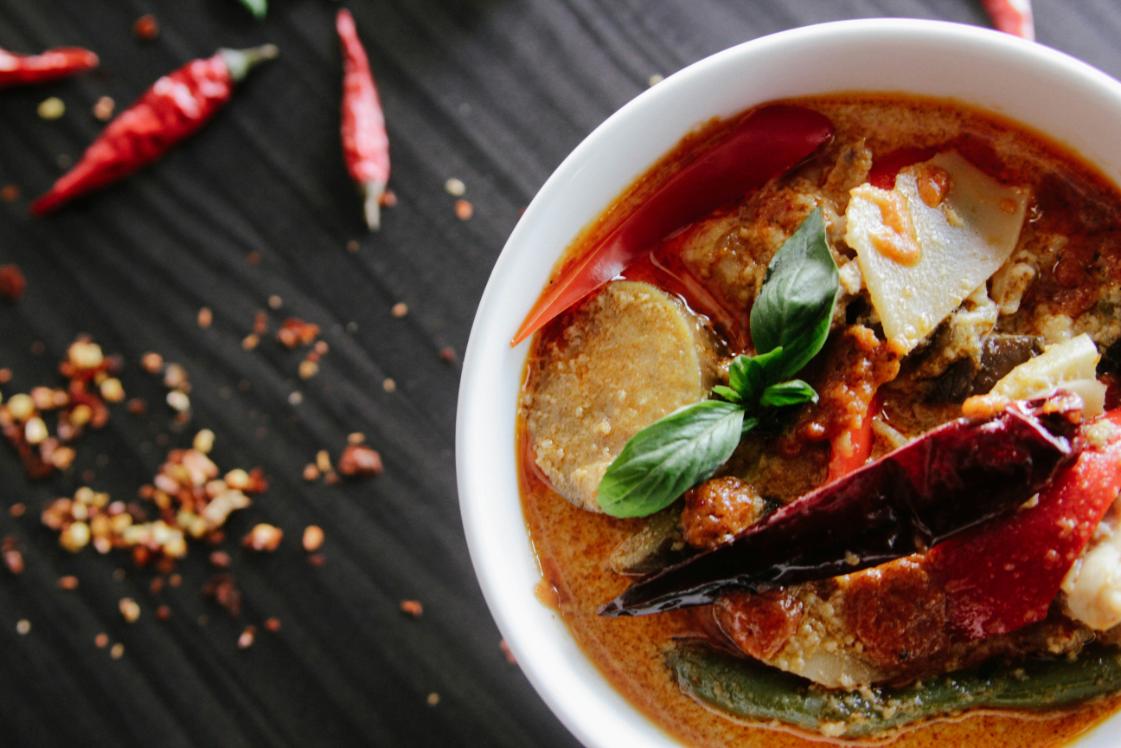
Mastering Thai cooking requires understanding fundamental techniques creating authentic flavors and textures. Refined over centuries, these maximize ingredient potential and achieve complex flavor combinations. Unlike other cuisines, Thai cooking demands specific methods for intended results.
Temperature control is crucial, with high heat for quick searing and gentle heat for slow flavor development. Timing is vital, adding ingredients in sequence for proper cooking and flavor integration. Preparation often takes longer than cooking.
Stir-Frying (Pad)
High-heat stir-frying is essential in Thai cooking, requiring intense heat and quick movements to achieve the distinctive “wok hei” or breath of the wok that defines excellent stir-fried dishes.
This technique preserves freshness and demands precise preparation and cooking order. Aromatics like garlic are added first to flavor the oil, followed by proteins needing longer cooking, then vegetables by cook time, and delicate herbs last.
Popular stir-fries include pad krapow (hot basil chicken), pad see ew with dark soy sauce, and pad kee mao (drunken noodles) featuring bold spice and herbs. Chicken stir-fried with Thai curry paste, such as red curry paste, is another traditional and aromatic Thai stir-fry.
Curry Making and Paste Preparation
Traditional curry paste preparation uses a mortar and pestle to release essential oils and create a smooth texture unattainable by machines. Ingredients are added in sequence: hard aromatics like galangal and lemongrass first, followed by softer ones, with wet ingredients such as shrimp paste last to bind the mixture.
“Breaking” coconut milk by frying curry paste in coconut cream until oils separate is key for a rich, authentic Thai curry. Seasoning balances fish sauce, palm sugar, and lime juice to achieve the signature sweet-sour-salty-spicy profile, requiring practiced tasting skills.
Grilling and Smoking
Charcoal grilling imparts authentic smoky flavors vital in Isaan cuisine, especially grilled chicken, pork, and fish. Fire management and protein prep ensure proper results.
Marinades include garlic, cilantro root, white pepper, and fish sauce for flavor and tenderizing, needing hours or overnight.
Banana leaf wrapping steams proteins during grilling, keeping moisture and adding subtle vegetal flavors, used for fish and desserts, requiring wrapping skill and timing. Deep fried century egg is another innovative Thai dish that showcases creative use of traditional ingredients, offering a unique flavor profile for adventurous diners.
Thai Street Food Culture and Dining Traditions
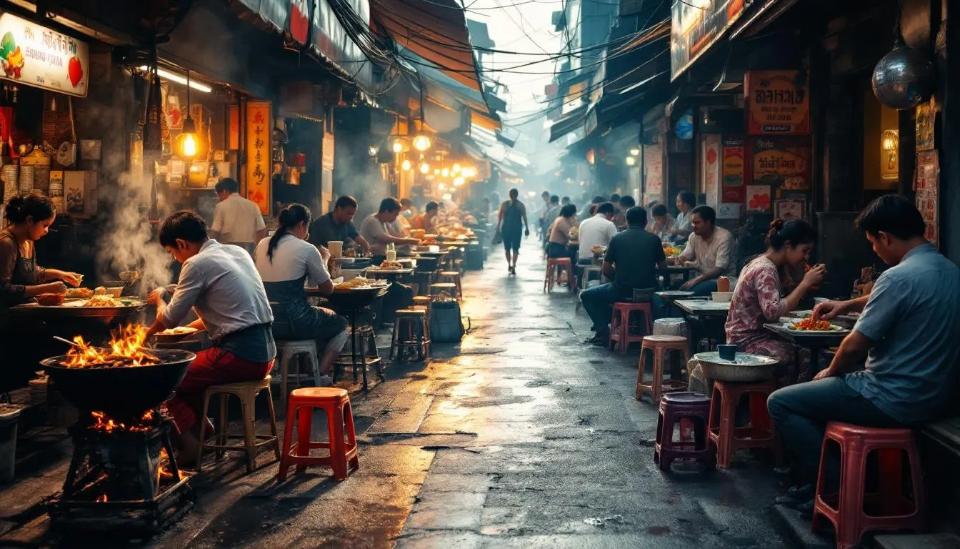
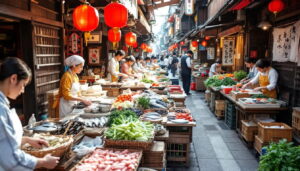
Thailand’s street food scene is one of the world’s most sophisticated casual dining cultures, with vendors specializing and maintaining remarkable consistency. It offers exceptional quality at affordable prices while preserving traditional Thai cuisine and methods.
Market and Food Court Dining
- Wet markets sell fresh ingredients and prepared foods, operating early for freshness.
- Food courts organize multiple vendors with shared seating and standardized payment, offering variety and hygiene.
- Peak hours offer freshest food and selection, with early morning and lunch best.
Unique Proteins and Preparations
- Insects provide nutrition and sustainable eating in some regions, included in mixed vegetable dishes.
- Offal dishes show commitment to whole-animal use, appearing in salads and grilled forms maximizing flavor.
- Deep-fried fish techniques achieve crispy exterior and moist interior, needing precise oil temperature and timing.
- Buddhist vegetarian traditions create mock meats from tofu, mushrooms, and plants, achieving satisfying textures and flavors.
Decoding Thai Menus
- “Pad” means stir-fried, “gaeng” curry, “yum” spicy salad, “tom” soup. Knowing categories aids navigation.
- “Tod” (fried), “yang” (grilled), “ob” (baked) indicate cooking methods.
- Protein terms: “gai” chicken, “moo” pork, “neua” beef, “goong” shrimp.
- Spice levels: “ped noi” (little spicy), “mai ped” (not spicy), but kitchen results vary.
Meal Planning and Dish Pairing
- Ordering multiple shared dishes with rice as neutral base allows flavor variety.
- Balance flavors: rich coconut curries with tart salads, spicy stir-fries with cooling soups, intense mains with mild rice.
- Texture variety enhances meals: crispy, tender, fresh, smooth.
- Temperature contrasts: hot dishes balanced by room-temp salads and cool drinks.
Dietary Accommodations
- Vegetarian options exist but often include fish sauce or shrimp paste. “Jay” indicates vegan Buddhist style without animal products.
- Gluten-free needs checking soy sauce or wheat use.
- Allergy communication is key for shellfish, peanuts, eggs.
- Spice tolerance varies; communicating heat preference helps.
Exploring Thai Food Culture Beyond Restaurants
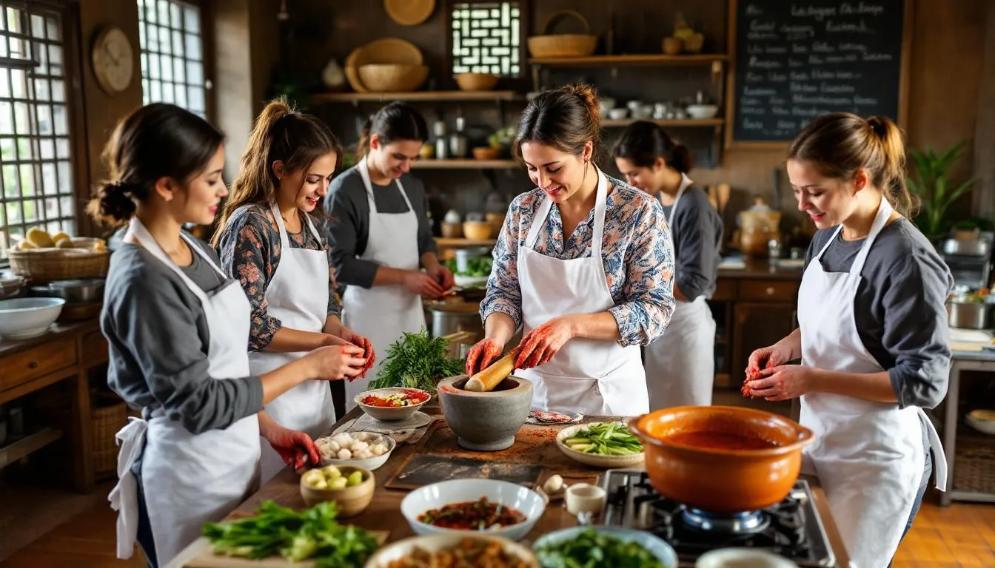
Authentic Thai food experiences extend beyond dining to cooking classes, market tours, cultural exchanges, and education, offering deeper understanding of traditions and techniques. Cooking classes provide hands-on learning, starting with market visits and instruction in traditional methods. Cultural exchanges and home dining reveal family recipes, regional variations, and personal adaptations.
Resources like Eat Drink Asia offer authoritative insights into regional variations, cooking techniques, and cultural contexts, aiding authentic Thai cooking recreation.
Exploring Thai food culture connects to traditions and communities, preserving culinary heritage. From perfect sweet, sour, salty, and spicy balance to complex regional variations, Thai food offers endless discovery. Understanding traditions and flavors transforms meals into cultural exchanges and cooking into authentic Thai adventures.

Japanese Food in Japan: The Ultimate Guide to Authentic Culinary Experiences
Eat Drink Asia Team | November 25, 2025
Experiencing Japanese food in Japan is fundamentally different from eating Japanese cuisine anywhere else. While sushi restaurants and ramen shops have spread globally, the authentic flavors, techniques, and cultural context of Japanese food can only be fully appreciated in its homeland. From meticulously selecting ingredients at peak freshness to centuries-old traditions shaping every meal, eating…
-
Food in Japan: A Complete Guide to Japanese Cuisine and Culinary Culture
Eda Wong | November 22, 2025
The gentle steam rising from a bowl of miso soup carries more than just the earthy aroma of fermented soybeans-it carries centuries of Japanese culture and culinary wisdom. When you eat in Japan, you’re not simply consuming a meal; you’re participating in a ritual that connects you to the seasons, the land, and a philosophy…

Ramune Marble Soda: History and Cultural Meaning of Japan’s Iconic Marble Soda
Dio Asahi | November 20, 2025
Among Japan’s beloved fizzy drinks, none evoke nostalgia and uniqueness quite like Ramune marble soda. Instantly recognizable by its quirky Codd neck bottle and glass marble seal, Ramune soda is an essential part of Japanese summer, cherished by generations for its refreshing taste and signature pop sound. This marble soda remains a staple at summer…
-
Hokkaido’s Best Seafood Treasures: Beyond Sushi and Sashimi
Eat Drink Asia Team | November 18, 2025
When visiting Hokkaido, Japan’s northernmost island, food lovers are greeted with some of the most highly regarded seafood specialties in the world. Hokkaido is famous for its abundance of fresh seafood and rich fishing grounds, thanks to the surrounding Sea of Japan, Pacific Ocean, and Sea of Okhotsk. These nutrient-packed waters yield a wide range…
-
The Art of Asian Tea Ceremony Traditions: Ancient Rituals and Cultural Values Across Asia
Dio Asahi | November 15, 2025
A cup of tea, in many parts of Asia, represents far more than a beverage-it is a conduit to ancestral tradition, intellectual pursuit, and the cultivation of mindfulness. Asian tea ceremony traditions turn the act of drinking tea into a sophisticated art form, layered with symbolism, philosophy, and socio-cultural values. Each gesture, from scooping powdered…

The Art of Slow-Cooked Curry Recipes: Time’s Magic in South Asian Cuisine
Eda Wong | November 13, 2025
Step into a South Asian kitchen, and the senses are instantly enveloped by the inviting aroma of food slowly simmering in a sturdy clay pot or heavy vessel. The allure is undeniable: in this space, slow-cooked curry recipes are a celebration of patient tradition, spices, and the richness of South Asian cuisine. Here, time and…
-
Bandung Drink Recipe: A Singaporean Rose Syrup Drink Tradition
Eat Drink Asia Team | November 11, 2025
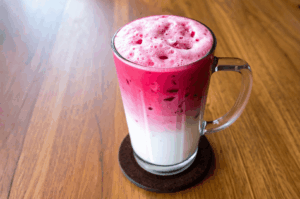
Step into any night market or hawker centre in Singapore, and you’ll spot a vibrant, glowing glass filled with a cold, beautiful drink-Bandung. Known for its iconic blush-pink hue and refreshing taste, this rose syrup drink is an integral part of Singapore’s beverages scene and a cherished tradition in Southeast Asian gatherings. More than just…
-
The Ultimate Hainanese Chicken Rice Recipe: A Deep Dive
Eda Wong | November 8, 2025
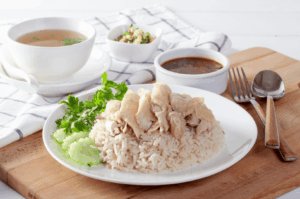
To wander through Singapore’s bustling hawker centres on a humid evening is to experience a symphony of sights, sounds, and smells. Among the many other dishes sizzling away, one plate stands out for its elegant simplicity: Hainanese Chicken Rice. It arrives without fanfare-gleaming slices of poached chicken over fragrant rice, flanked by a trio of…
-
Bubble Tea Origins: How Taiwan Created a Global Beverage Phenomenon
Dio Asahi | November 6, 2025
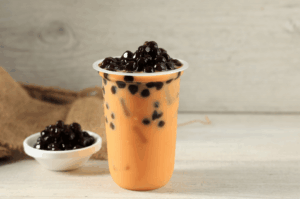
From Taipei to New York, a single drink has captured the world’s taste buds: bubble tea. This beverage, known as pearl milk tea or boba tea, and also known as boba in many regions, is celebrated for its delightful combination of sweet, creamy tea and signature chewy tapioca pearls. What began as a novel creation…
-
A Food Lover’s Guide to the Taiwanese Oyster Omelet
Eat Drink Asia Team | November 4, 2025
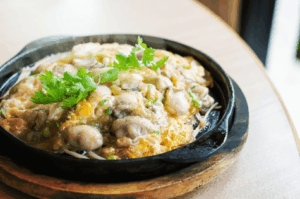
As twilight descends upon Taipei City, a vibrant energy pulses through its streets. This is the hour of the night markets, bustling hubs of community, commerce, and some of the world’s most incredible street food. Amidst the steam from soup dumplings and the sizzle of Taiwanese fried chicken, one iconic dish reigns supreme: the Taiwanese…