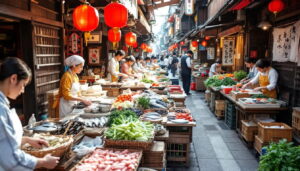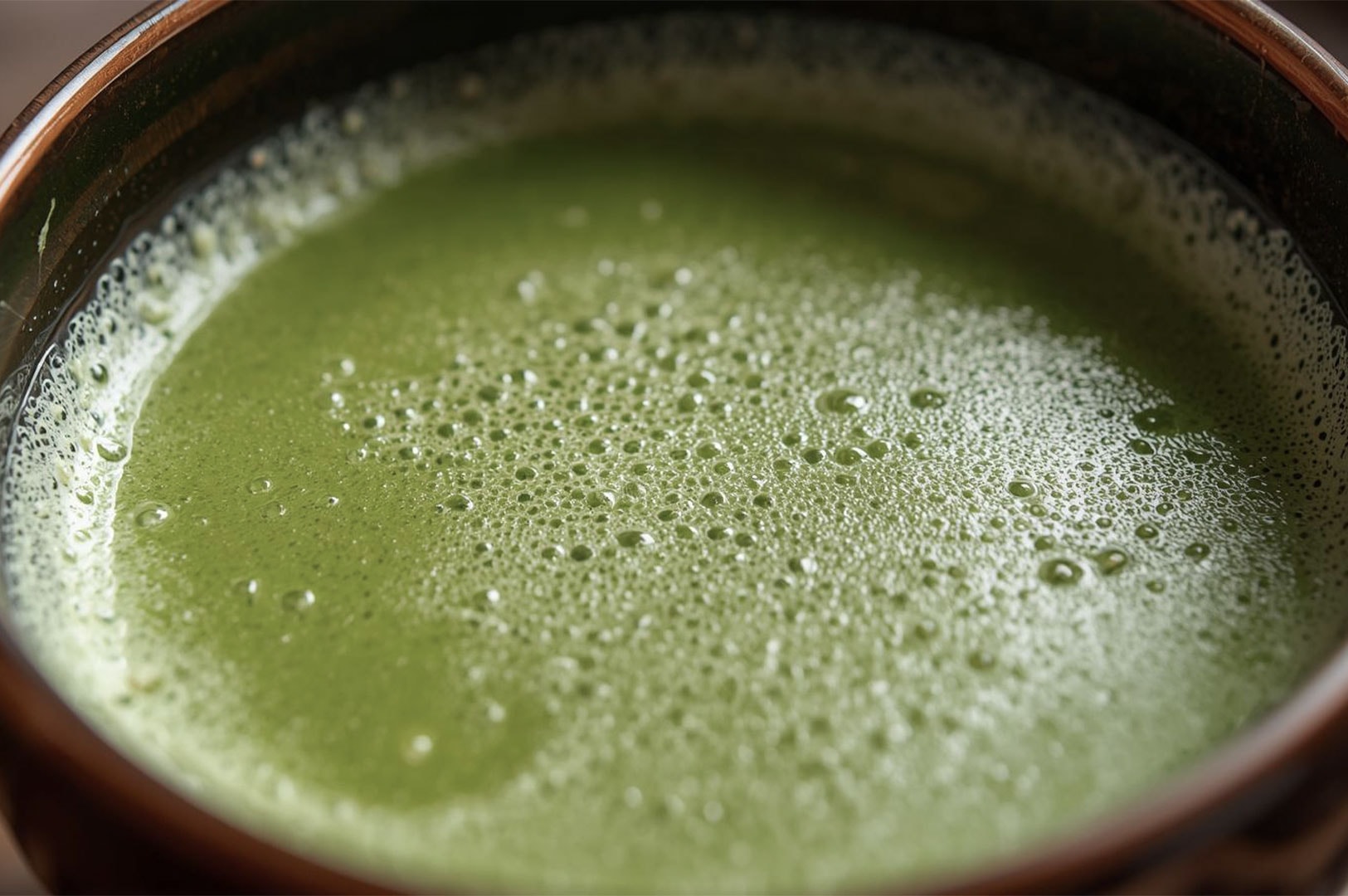
In Japan, green tea is much more than a beverage. It marks a moment of pause, hospitality, and tradition. The story of green tea in Japan weaves through centuries of culture, artistry, and daily life—bridging ancient rituals like the Japanese tea ceremony to everyday meals enjoyed at home. The origins and beginning of Japanese tea trace back to its introduction from China in the 700s, when tea was initially a luxury product available only to priests and noblemen. Japanese green tea stands as a symbol of harmony, respect, and natural beauty, at the heart of Japanese culture.
Green tea in Japan extends far beyond fine powder or a simple drink. Green tea is the most popular beverage in Japan and an important part of Japanese food culture. There are about twenty different types of Japanese tea. The diversity of Japanese tea varieties, the distinct tea cultivation process, and regional traditions all highlight the art and meaning of tea. To truly know Japanese culture, you must explore its love for tea—a tradition perfected with mindfulness and care.
A Steeped History: The Cultural Journey of Japanese Tea
Tea was introduced to Japan by Buddhist monks in the 9th century, prized first by priests and nobles for its health benefits. The first time tea was consumed in Japan, it was considered an exclusive and transformative experience, reserved for the elite and deeply valued for its unique flavor and invigorating qualities. Revered for promoting alertness, focus, and meditation, green tea quickly became central to Japanese culture.
The consumption of green tea in Japan is not only a daily ritual but also a practice celebrated for its cultural significance and health-promoting properties, often associated with wellness and spiritual enrichment. By the 12th century, monk Eisai spread tea’s reputation as an “elixir for health,” fueling wider tea cultivation. Powdered teas, which later inspired matcha, began to flourish.
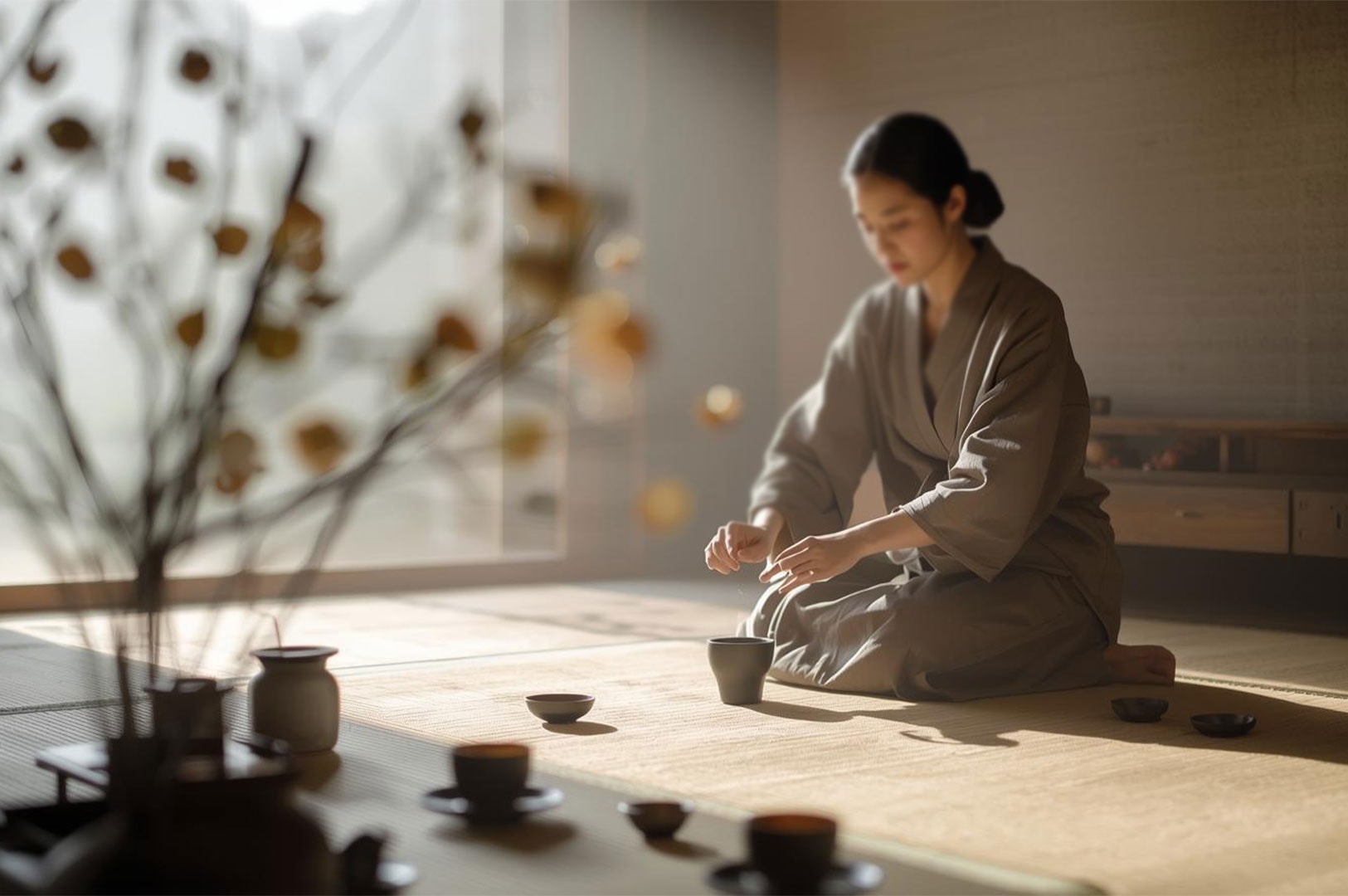
Green tea’s cultural depth grew during the Muromachi period with the birth of the Japanese tea ceremony (chanoyu). The tea ceremony focuses on the meditative preparation and serving of powdered matcha to guests, and the formal ceremony embodies harmony, respect, purity, and tranquility, centering on mindfulness. Influenced by tea masters like Sen no Rikyū, the practice emphasized harmony, purity, respect, and tranquility.
The tea ceremony also emphasizes etiquette and spirituality, originating from intimate gatherings where tea was served to guests. The quintessential Japanese tea ceremony is a centuries-old tradition honored by thousands of visitors each year. This made drinking tea in Japan both a spiritual and aesthetic act. Later, with changes in tea production, loose-leaf teas like sencha became part of daily Japanese life. Kyoto is renowned for the traditional Japanese tea ceremony, offering many opportunities to experience this cultural heritage.
A Spectrum of Flavors: Major Types of Japanese Green Tea
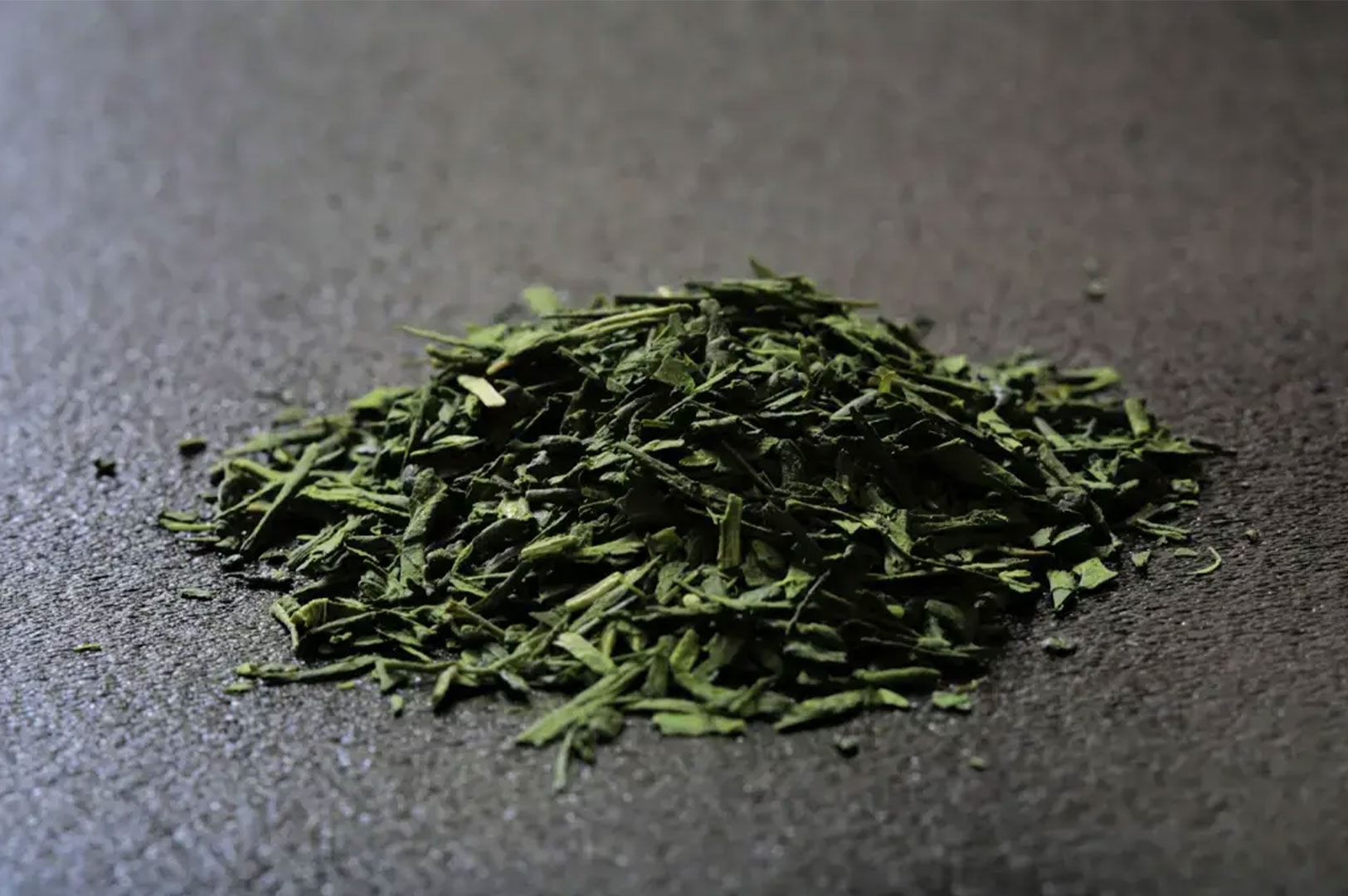
Japanese green tea stands apart from other varieties due to a meticulous production process. Unlike Oolong and black teas, which are oxidized to develop their dark color and fruity profiles, Japanese teas are defined by a critical flash-steaming step shortly after the leaves are picked. This locks in a vibrant green color, essential nutrients, and a fresh aroma. While the base process is consistent, different teas are processed differently to create a diverse range of taste and health benefits.
The Foundation: Sun-Grown Varieties
The vast majority of Japan’s tea culture is built on Sencha, the most popular green tea in Japan, representing 80% of all production. Sencha is made from sun-grown tea leaves that are picked, steamed to elicit sweet vegetal notes, and then rolled to capture a balanced profile of sweetness, bitterness, and umami.
Within this sun-grown category, the steaming duration dictates the final character. Fukamushicha is steamed for a longer time than standard Sencha, resulting in a richer flavor, deeper aroma, and a cloudier cup. As the harvest season progresses, the plant produces bancha. Harvested later in the year than Sencha, Bancha is considered a more economical, lower grade of tea perfect for everyday drinking. Even the incidental parts of the plant are utilized: kukicha consists of the stems and stalks normally discarded during production, while konacha is composed of the small leaf fragments left over, producing a strong, dark green infusion often served in sushi restaurants.
The Depth of the Shade: Umami and Matcha
For those seeking the pinnacle of Japanese tea, the secret lies in light deprivation. Gyokuro is a high-quality tea that is shade-grown for approximately three weeks (about 20 days) prior to harvest. This specialized process boosts theanine and chlorophyll, producing intense sweetness and a deep, vivid color.
Gyokuro and tencha are processed similarly, which influences their unique, savory flavor profiles. While Gyokuro is steeped as whole leaves, Tencha is stone-ground into the vivid green fine powder known as matcha. Used in Japan’s formal tea ceremony, Matcha is unique because the entire tea leaf is consumed, significantly enhancing its nutritional value and cultural significance.
The Transformation: Fire and Grain
Not all Japanese green tea relies on fresh, grassy notes; some find their identity through heat. Hojicha is a roasted green tea typically made from Bancha leaves or Sencha stems. The roasting process turns the leaves brown, lowers the caffeine, and offers a nutty, sweet flavor with a soothing aroma that is enjoyed both hot and cold.
Finally, there is genmaicha, a distinctive combination of green tea (usually Sencha or Bancha) and roasted puffed rice. This blend delivers a toasty, savory flavor that has made it a favorite throughout the year for those who enjoy a more rustic, comforting brew.
From Field to Cup: Tea Cultivation and Regions
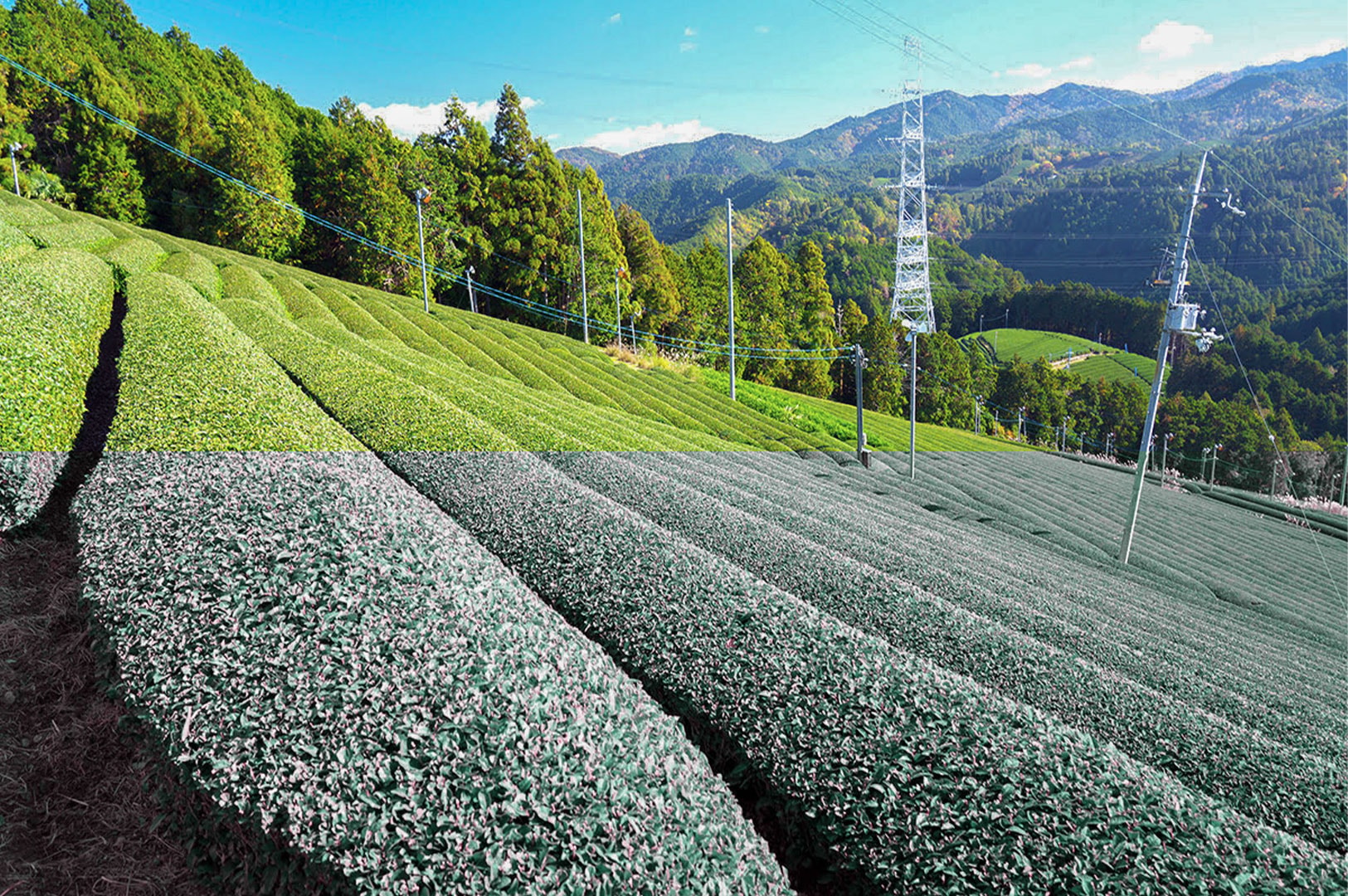
The high quality of green tea in Japan is thanks to skilled tea cultivation. Farmers carefully manage sunlight, weather, and soil, and tea leaves are carefully picked during different harvest times, which affects the flavor and quality of the tea. Top tea regions include:
- Shizuoka: Japan’s largest tea region, known for nutrient-rich soil, producing top-quality sencha and other green teas.
- Kagoshima: On Kyushu, Kagoshima grows organic teas with bold flavor, due to its warm, early harvests.
- Uji (Kyoto): Uji is famous for producing the country’s most prestigious matcha and gyokuro, and remains at the center of Japanese tea culture. The aroma of tea perfumes the air in Uji City, creating a unique sensory experience for visitors.
Travelers flock to tea-growing rural regions of Japan for the restorative virtues of tea and its taste. Shizuoka, Kagoshima, and Uji are the three largest tea-producing regions in Japan, offering tours to tea plantations. Visitors can participate in hands-on tea picking and tea-themed spa treatments in these regions.
Many types of Japanese green tea are available for purchase online, and online retailers often bring recommendations and exclusive offers to customers.
Tea in Japanese Culture
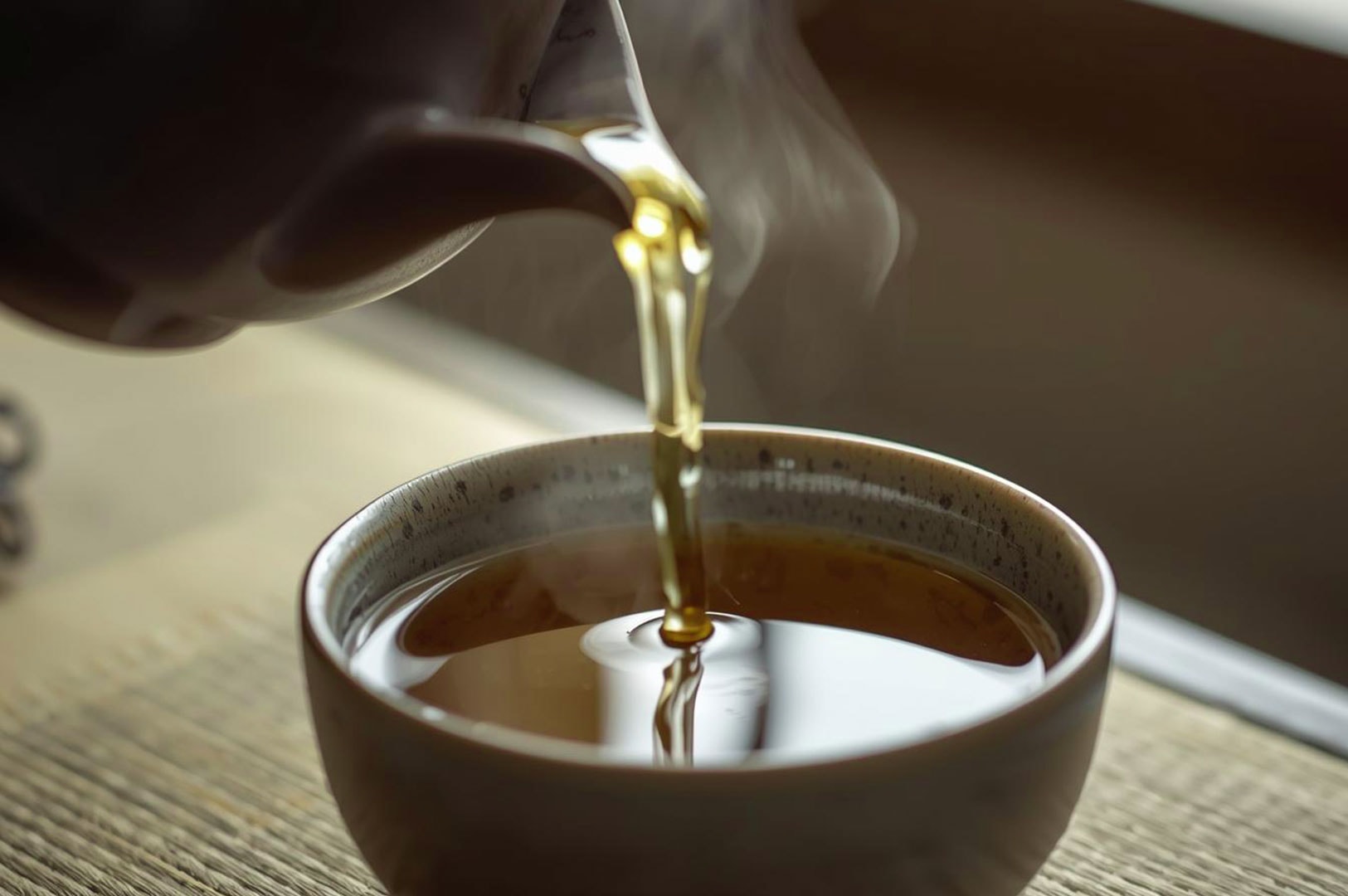
Japanese green tea from Japan isn’t reserved just for ceremonies—it’s a staple of hospitality, family meals, or quick sips on the go. Whether enjoyed hot in winter or cold in summer, tea enhances the taste of every meal and is served everywhere from homes to restaurants and convenience stores.
The use of cups in social and ceremonial settings, such as tea gatherings and tea ceremonies, is an important part of Japanese tea culture, symbolizing respect and tradition. Tea is often served for free at restaurants, temples, and gardens, and is also available from vending machines at no additional cost.
Japanese tea culture values not just the drink, but the act of sharing it. Offering tea to guests is a sign of respect across Japan. Bottled and ready-to-drink options have also boosted green tea’s popularity, appealing to customers looking for both convenience and tradition. Over 2.5 billion tea containers are sold annually via vending machines and convenience stores in Japan.
The Health Benefits of Japanese Green Tea
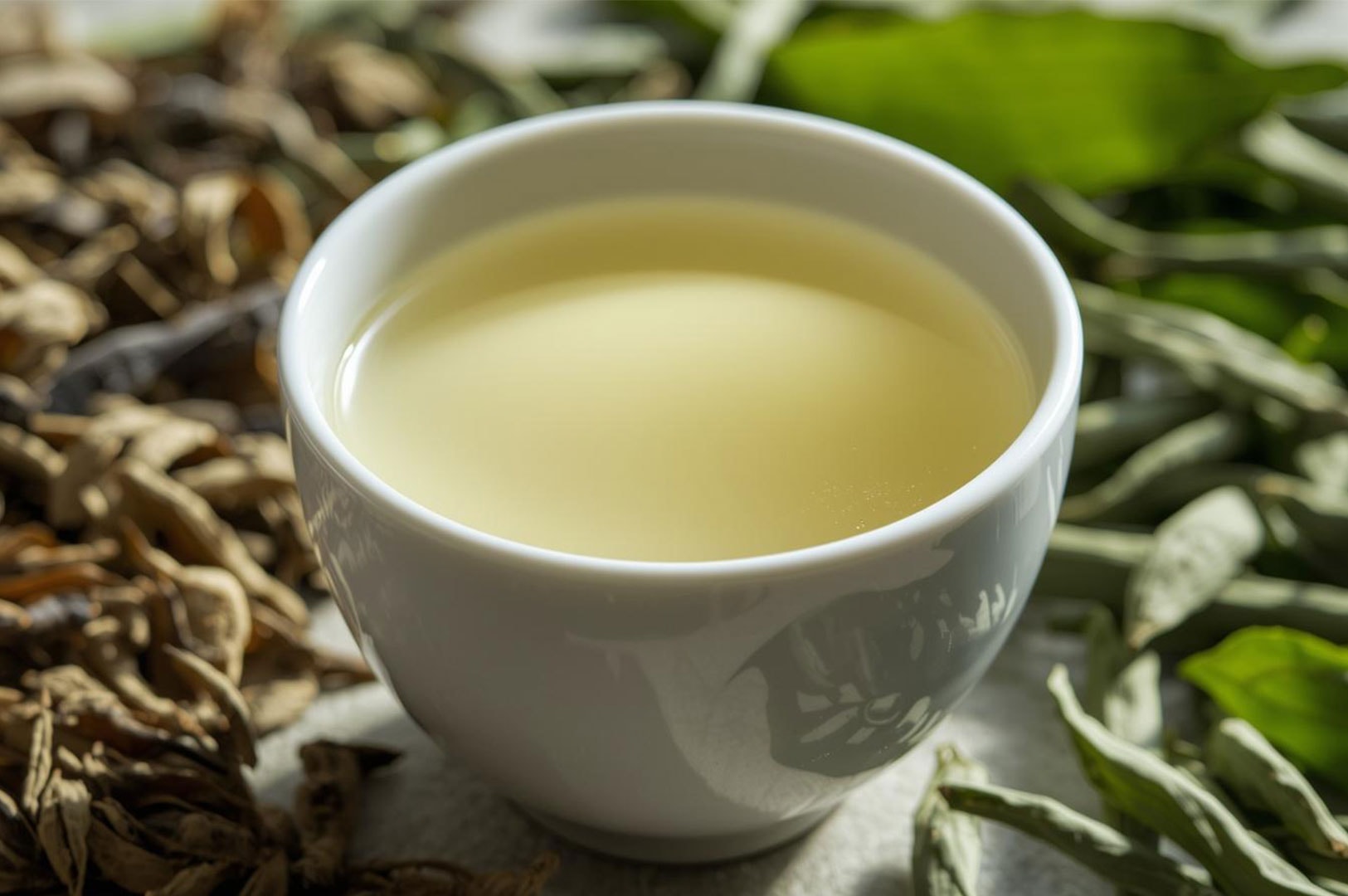
Green tea in Japan is respected for its health benefits. Rich in antioxidants, vitamins, and nutrients, it has less caffeine than black tea or coffee. Key components like EGCG antioxidants and theanine are linked to improved focus, metabolism, and lower cholesterol. Children and adults enjoy green tea for its flavor and its role in a healthy diet.
Enjoying Japanese Green Tea: Tips for the Perfect Cup
Getting the best flavor from Japanese green tea comes down to technique. Here’s how:
- Water temperature: Use cooler water (60-80°C) for sencha, gyokuro, or genmaicha. Too much heat can make tea taste bitter.
- Steeping time: Steep briefly—sencha for 45–60 seconds, gyokuro a little longer. Hojicha can handle higher temperatures.
- Tea ware: Brewing in a traditional kyusu teapot enhances both aroma and flavor.
Experiment to find your favorite taste and discover the rich, layered flavors unique to each tea.
Discover the Spirit of Japanese Green Tea
Green tea in Japan captures centuries of history, the beauty of nature, and the heart of Japanese culture. Whether you prefer a bowl of fine powder matcha or a simple cup of sencha, Japanese tea brings people together and offers healthful enjoyment that has enlivened generations. Sip, enjoy, and explore the depths of Japanese green tea traditions—you’ll discover a world of taste, culture, and wellbeing.

Thai Green Milk Tea: The Complete Guide to Thailand’s Refreshing Emerald Delight
Eda Wong | December 13, 2025
Picture a tall glass filled with crushed ice, its emerald-green contents swirled with ribbons of creamy white milk—this is thai green milk tea, one of Southeast Asia’s most visually striking and refreshing drinks. Known locally as cha khiao nom yen, this popular drink has captured hearts across Asia and beyond with its distinctive pale green…

Best Thai Singapore: Discover the Art of Authentic Pad Thai
Dio Asahi | December 11, 2025
In Singapore, a city that celebrates a universe of flavors, the magnetic pull of Thai cuisine is undeniable. From bustling food courts to elegant dining rooms, the kingdom’s culinary ambassadors have firmly planted their flag. When considering the best Thai food, it’s impossible to overlook how integral Pad Thai is to the local Thai food…
-
Thai Cuisine in Singapore: Finding the Best Authentic Flavors
Eat Drink Asia Team | December 9, 2025
The unmistakable aroma of lemongrass, galangal, and fiery spices mingles with the bustling night air in Singapore, setting the stage for a dining experience that wakes the soul and tantalizes the senses. Thai cuisine in Singapore has become an essential part of the city’s culinary landscape, offering a complete blend of vibrant flavor, tangy notes,…
-
The Ultimate Guide to Thai Food: Flavors, Traditions, and Culinary Adventures
Dio Asahi | December 6, 2025
Thai cuisine is one of the world’s most beloved and complex culinary traditions, captivating food enthusiasts globally with its masterful balance of flavors and vibrant presentations. From bustling Bangkok street stalls to high-end international restaurants, Thai food has become a global phenomenon that evolves while maintaining its authentic roots. What sets Thai cuisine apart from…
-
How to Drink Sake: Your Guide to Enjoying Japanese Sake Wine
Eda Wong | December 5, 2025
As Japan’s national beverage, this traditional sake is present at celebrations, quiet dinners, and spiritual offerings, weaving itself into the very fabric of daily life and reflecting Japan’s deep-rooted cultural heritage. Yet, for many outside of Japan, it remains a delightful mystery. You might find yourself wondering, how do you drink sake properly to unlock…
-
The Quiet Pursuit of Perfection: Where to Find the Freshest Sashimi in Singapore
Eat Drink Asia Team | December 3, 2025
In Singapore, a city that moves at a dizzying pace, there is a quiet but growing reverence for pursuits that demand patience. Nowhere is this more apparent than in the city’s evolving appreciation for authentic Japanese cuisine. The once-niche world of omakase has entered the mainstream lexicon, and with it, a more discerning palate for…

Understanding Sake Alcohol Content: A Complete Guide to ABV and Flavor
Eda Wong | December 2, 2025
When exploring Japanese sake, many wonder about its grades and complex flavors. Sake’s unique profile offers remarkable versatility, enjoyed in various serving styles and paired with diverse dishes. One fundamental aspect is sake alcohol content. Is sake stronger than wine? How does its alcohol by volume (ABV) compare to beer? The answer is nuanced. Understanding…
-
Japanese Sake: The Complete Guide to Japan’s Traditional Rice Wine
Dio Asahi | November 29, 2025
Japanese Sake: The Complete Guide to Japan’s Traditional Rice Wine While sake has been Japan’s national beverage for over a millennium, its popularity across Asia is at an all-time high. Rooted in Japan’s traditional brewing methods and centuries-old origins. It symbolizes Japan’s cultural heritage and craftsmanship. Understanding this complex brewed alcoholic beverage opens doors to…

Best Japanese Foods in Japan: The Must-Try Dishes
Eda Wong | November 27, 2025
Why Japanese Food Is Worth the Trip Japan’s culinary world extends far beyond well-known sushi and ramen, revealing a rich variety of regional specialties cherished by locals. While many travelers stick to popular Japanese foods in tourist areas, authentic flavors are best discovered in neighborhood markets, family-run eateries, and seasonal menus reflecting centuries of Japanese…
-
Japanese Food in Japan: The Ultimate Guide to Authentic Culinary Experiences
Eat Drink Asia Team | November 25, 2025
Experiencing Japanese food in Japan is fundamentally different from eating Japanese cuisine anywhere else. While sushi restaurants and ramen shops have spread globally, the authentic flavors, techniques, and cultural context of Japanese food can only be fully appreciated in its homeland. From meticulously selecting ingredients at peak freshness to centuries-old traditions shaping every meal, eating…