In Japan, green tea is much more than a beverage. It marks a moment of pause, hospitality, and tradition. The story of green tea in Japan weaves through centuries of culture, artistry, and daily life—bridging ancient rituals like the Japanese tea ceremony to everyday meals enjoyed at home. The origins and beginning of Japanese tea trace back to its introduction from China in the 700s, when tea was initially a luxury product available only to priests and noblemen. Japanese green tea stands as a symbol of harmony, respect, and natural beauty, at the heart of Japanese culture.
Green tea in Japan extends far beyond fine powder or a simple drink. Green tea is the most popular beverage in Japan and an important part of Japanese food culture. There are about twenty different types of Japanese tea. The diversity of Japanese tea varieties, the distinct tea cultivation process, and regional traditions all highlight the art and meaning of tea. To truly know Japanese culture, you must explore its love for tea—a tradition perfected with mindfulness and care.
A Steeped History: The Cultural Journey of Japanese Tea
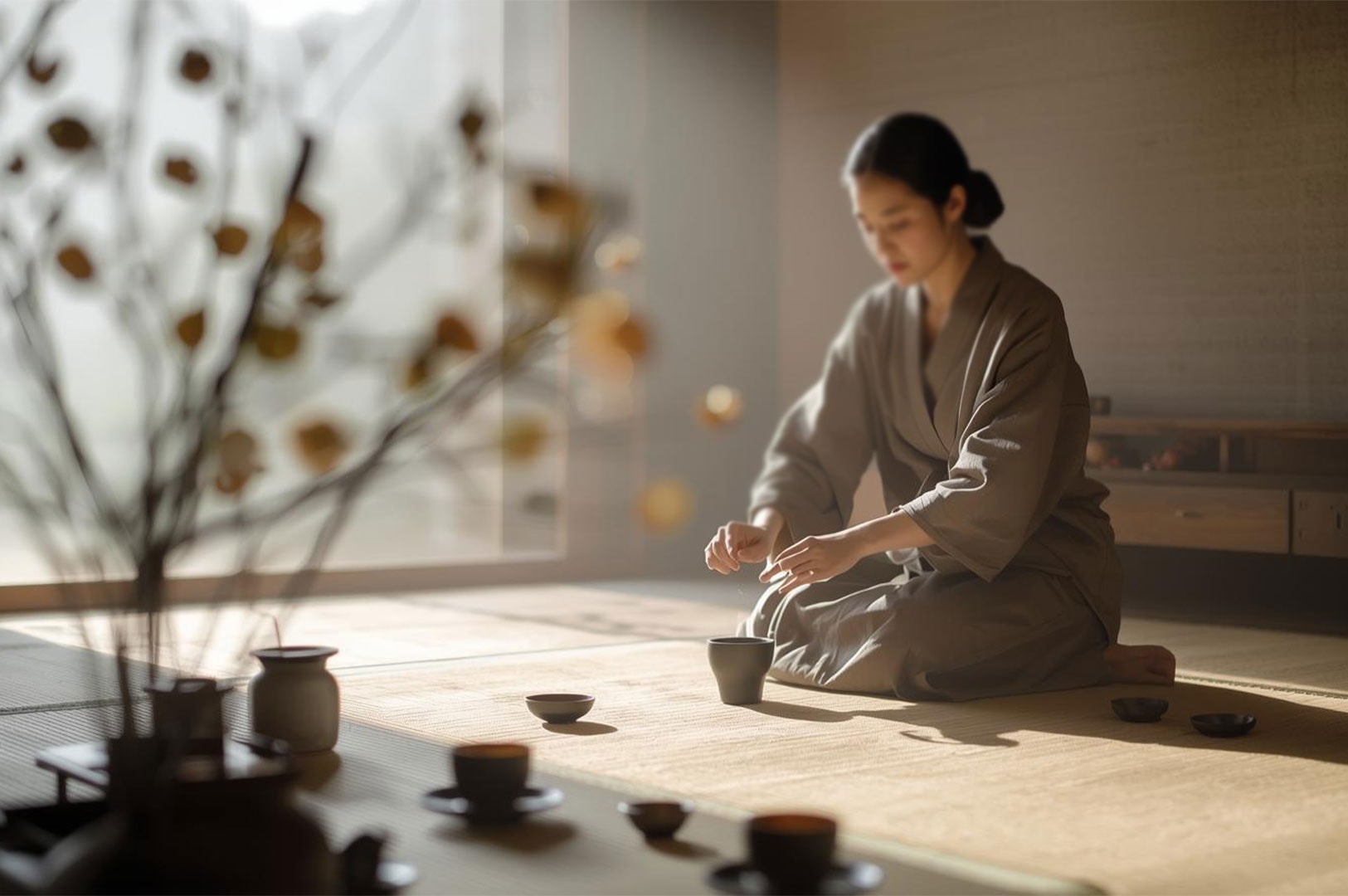
Tea was introduced to Japan by Buddhist monks in the 9th century, prized first by priests and nobles for its health benefits. The first time tea was consumed in Japan, it was considered an exclusive and transformative experience, reserved for the elite and deeply valued for its unique flavor and invigorating qualities. Revered for promoting alertness, focus, and meditation, green tea quickly became central to Japanese culture.
The consumption of green tea in Japan is not only a daily ritual but also a practice celebrated for its cultural significance and health-promoting properties, often associated with wellness and spiritual enrichment. By the 12th century, monk Eisai spread tea’s reputation as an “elixir for health,” fueling wider tea cultivation. Powdered teas, which later inspired matcha, began to flourish.
Green tea’s cultural depth grew during the Muromachi period with the birth of the Japanese tea ceremony (chanoyu). The tea ceremony focuses on the meditative preparation and serving of powdered matcha to guests, and the formal ceremony embodies harmony, respect, purity, and tranquility, centering on mindfulness. Influenced by tea masters like Sen no Rikyū, the practice emphasized harmony, purity, respect, and tranquility.
The tea ceremony also emphasizes etiquette and spirituality, originating from intimate gatherings where tea was served to guests. The quintessential Japanese tea ceremony is a centuries-old tradition honored by thousands of visitors each year. This made drinking tea in Japan both a spiritual and aesthetic act. Later, with changes in tea production, loose-leaf teas like sencha became part of daily Japanese life. Kyoto is renowned for the traditional Japanese tea ceremony, offering many opportunities to experience this cultural heritage.
A Spectrum of Flavors: Major Types of Japanese Green Tea
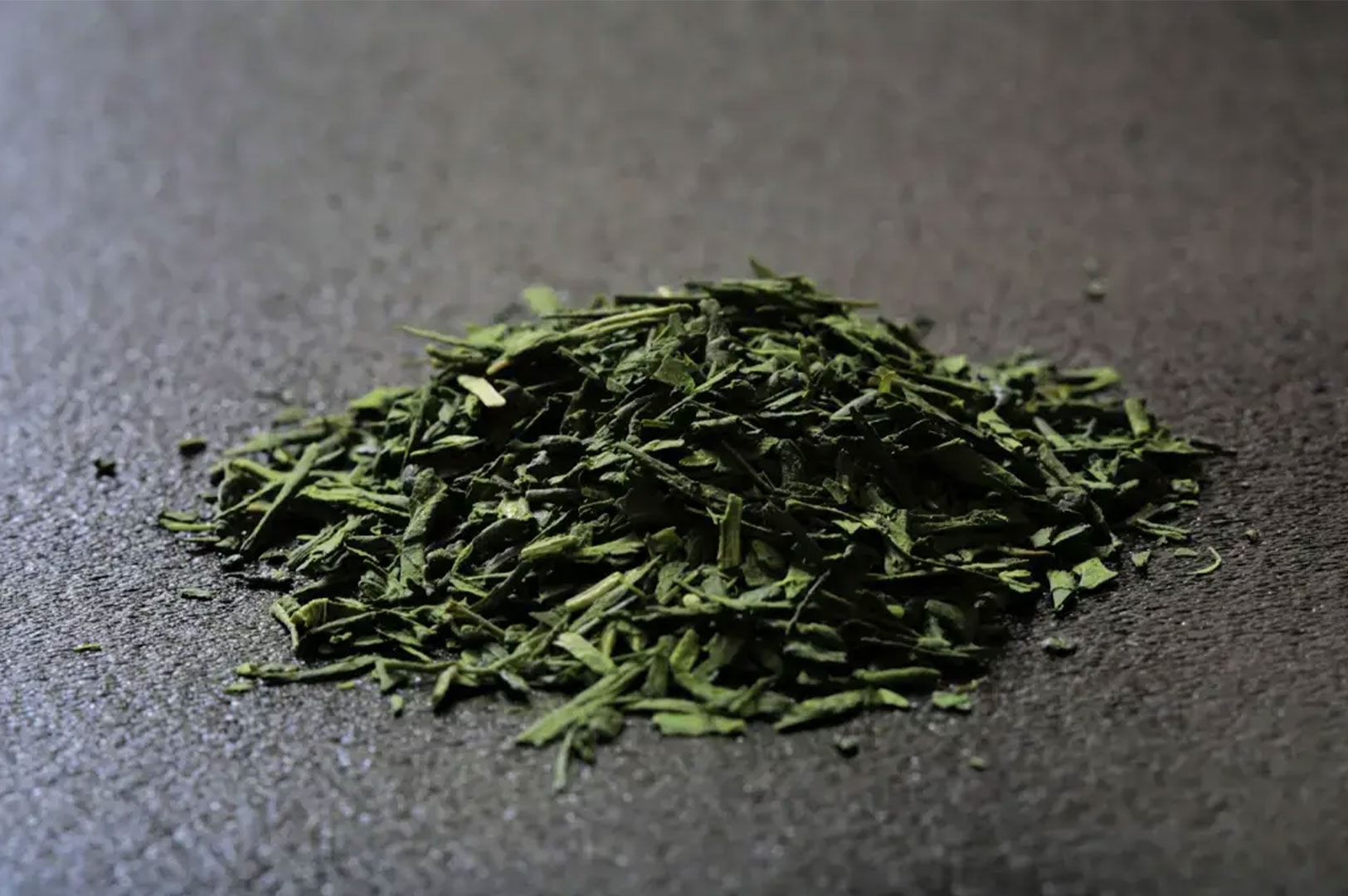
Japanese green tea stands apart from other varieties due to a meticulous production process. Unlike Oolong and black teas, which are oxidized to develop their dark color and fruity profiles, Japanese teas are defined by a critical flash-steaming step shortly after the leaves are picked. This locks in a vibrant green color, essential nutrients, and a fresh aroma. While the base process is consistent, different teas are processed differently to create a diverse range of taste and health benefits.
The Foundation: Sun-Grown Varieties
The vast majority of Japan’s tea culture is built on Sencha, the most popular green tea in Japan, representing 80% of all production. Sencha is made from sun-grown tea leaves that are picked, steamed to elicit sweet vegetal notes, and then rolled to capture a balanced profile of sweetness, bitterness, and umami.
Within this sun-grown category, the steaming duration dictates the final character. Fukamushicha is steamed for a longer time than standard Sencha, resulting in a richer flavor, deeper aroma, and a cloudier cup. As the harvest season progresses, the plant produces bancha. Harvested later in the year than Sencha, Bancha is considered a more economical, lower grade of tea perfect for everyday drinking. Even the incidental parts of the plant are utilized: kukicha consists of the stems and stalks normally discarded during production, while konacha is composed of the small leaf fragments left over, producing a strong, dark green infusion often served in sushi restaurants.
The Depth of the Shade: Umami and Matcha
For those seeking the pinnacle of Japanese tea, the secret lies in light deprivation. Gyokuro is a high-quality tea that is shade-grown for approximately three weeks (about 20 days) prior to harvest. This specialized process boosts theanine and chlorophyll, producing intense sweetness and a deep, vivid color.
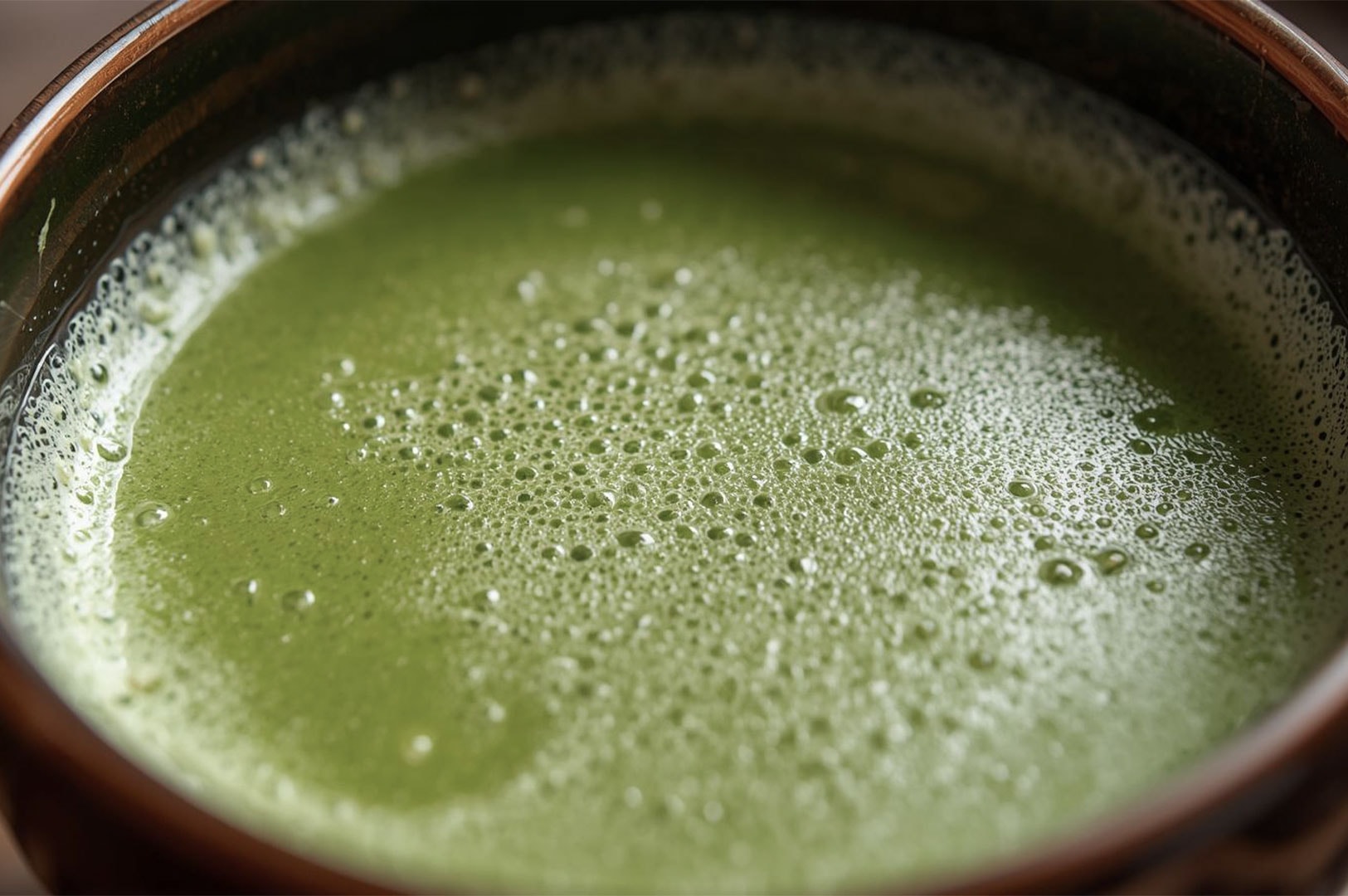
Gyokuro and tencha are processed similarly, which influences their unique, savory flavor profiles. While Gyokuro is steeped as whole leaves, Tencha is stone-ground into the vivid green fine powder known as matcha. Used in Japan’s formal tea ceremony, Matcha is unique because the entire tea leaf is consumed, significantly enhancing its nutritional value and cultural significance.
The Transformation: Fire and Grain
Not all Japanese green tea relies on fresh, grassy notes; some find their identity through heat. Hojicha is a roasted green tea typically made from Bancha leaves or Sencha stems. The roasting process turns the leaves brown, lowers the caffeine, and offers a nutty, sweet flavor with a soothing aroma that is enjoyed both hot and cold.
Finally, there is genmaicha, a distinctive combination of green tea (usually Sencha or Bancha) and roasted puffed rice. This blend delivers a toasty, savory flavor that has made it a favorite throughout the year for those who enjoy a more rustic, comforting brew.
From Field to Cup: Tea Cultivation and Regions
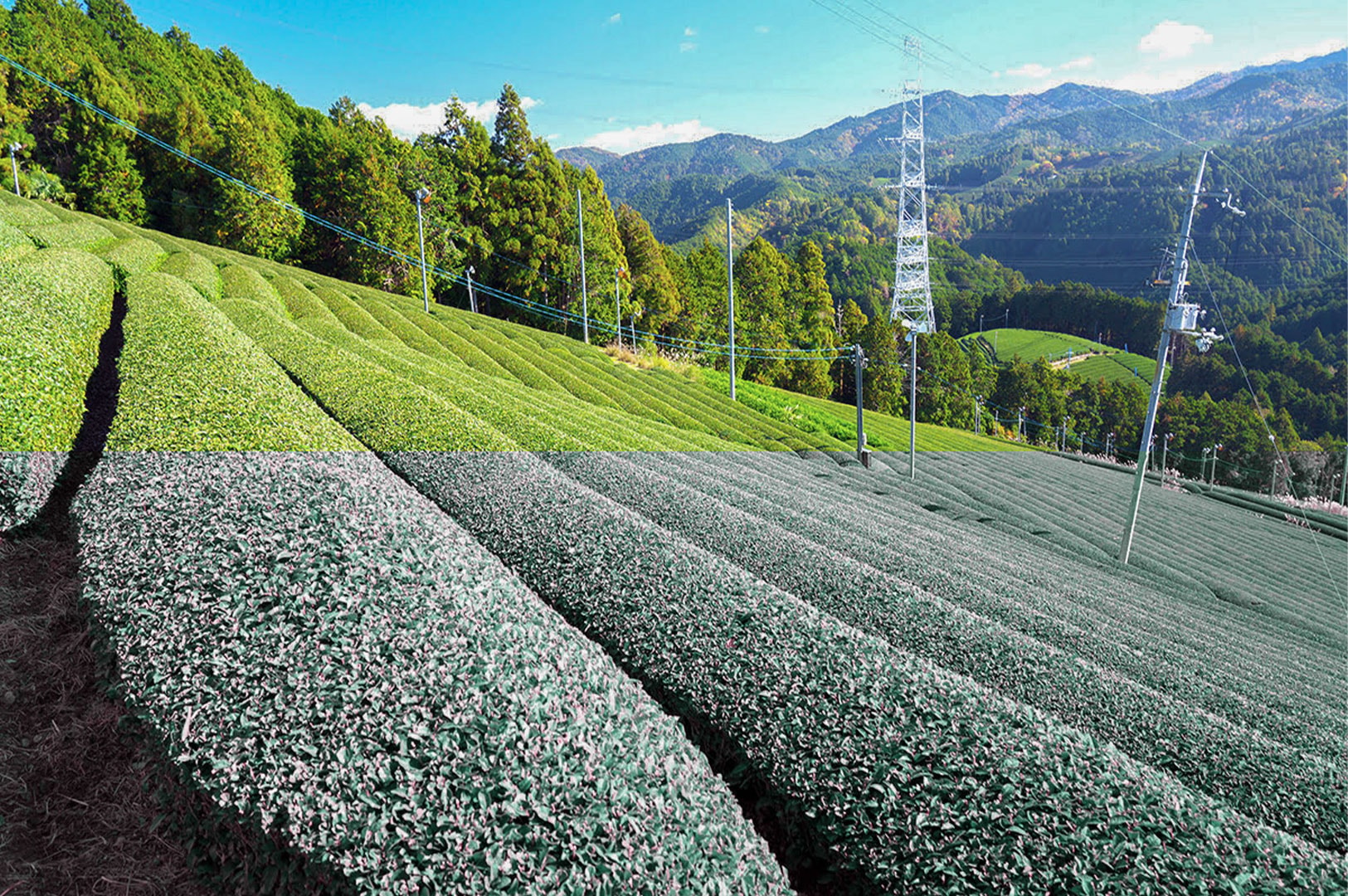
The high quality of green tea in Japan is thanks to skilled tea cultivation. Farmers carefully manage sunlight, weather, and soil, and tea leaves are carefully picked during different harvest times, which affects the flavor and quality of the tea. Top tea regions include:
- Shizuoka: Japan’s largest tea region, known for nutrient-rich soil, producing top-quality sencha and other green teas.
- Kagoshima: On Kyushu, Kagoshima grows organic teas with bold flavor, due to its warm, early harvests.
- Uji (Kyoto): Uji is famous for producing the country’s most prestigious matcha and gyokuro, and remains at the center of Japanese tea culture. The aroma of tea perfumes the air in Uji City, creating a unique sensory experience for visitors.
Travelers flock to tea-growing rural regions of Japan for the restorative virtues of tea and its taste. Shizuoka, Kagoshima, and Uji are the three largest tea-producing regions in Japan, offering tours to tea plantations. Visitors can participate in hands-on tea picking and tea-themed spa treatments in these regions.
Many types of Japanese green tea are available for purchase online, and online retailers often bring recommendations and exclusive offers to customers.
Tea in Japanese Culture
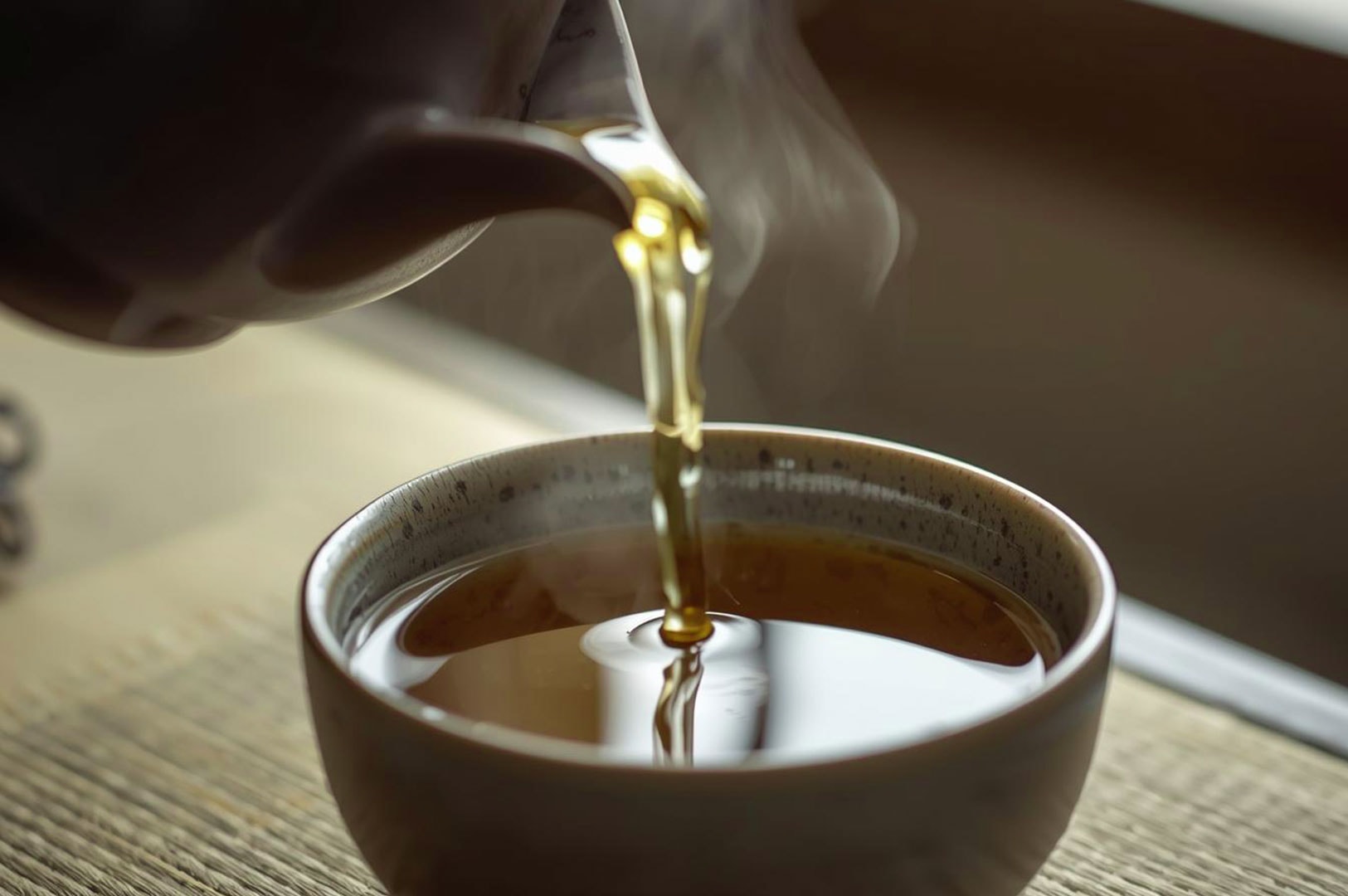
Japanese green tea from Japan isn’t reserved just for ceremonies—it’s a staple of hospitality, family meals, or quick sips on the go. Whether enjoyed hot in winter or cold in summer, tea enhances the taste of every meal and is served everywhere from homes to restaurants and convenience stores.
The use of cups in social and ceremonial settings, such as tea gatherings and tea ceremonies, is an important part of Japanese tea culture, symbolizing respect and tradition. Tea is often served for free at restaurants, temples, and gardens, and is also available from vending machines at no additional cost.
Japanese tea culture values not just the drink, but the act of sharing it. Offering tea to guests is a sign of respect across Japan. Bottled and ready-to-drink options have also boosted green tea’s popularity, appealing to customers looking for both convenience and tradition. Over 2.5 billion tea containers are sold annually via vending machines and convenience stores in Japan.
The Health Benefits of Japanese Green Tea
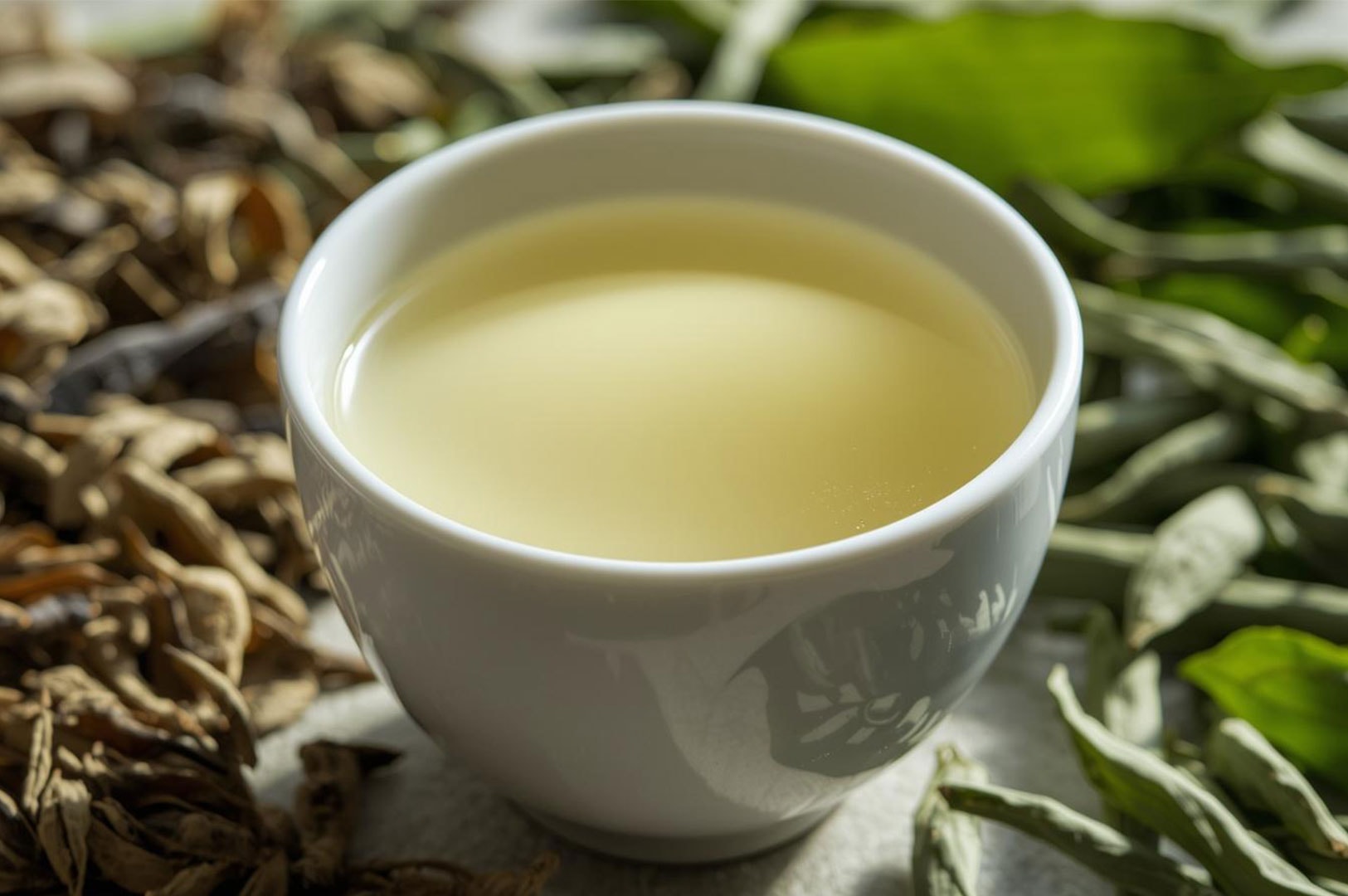
Green tea in Japan is respected for its health benefits. Rich in antioxidants, vitamins, and nutrients, it has less caffeine than black tea or coffee. Key components like EGCG antioxidants and theanine are linked to improved focus, metabolism, and lower cholesterol. Children and adults enjoy green tea for its flavor and its role in a healthy diet.
Enjoying Japanese Green Tea: Tips for the Perfect Cup
Getting the best flavor from Japanese green tea comes down to technique. Here’s how:
- Water temperature: Use cooler water (60-80°C) for sencha, gyokuro, or genmaicha. Too much heat can make tea taste bitter.
- Steeping time: Steep briefly—sencha for 45–60 seconds, gyokuro a little longer. Hojicha can handle higher temperatures.
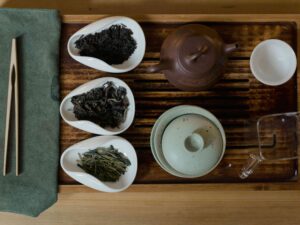
- Tea ware: Brewing in a traditional kyusu teapot enhances both aroma and flavor.
Experiment to find your favorite taste and discover the rich, layered flavors unique to each tea.
Discover the Spirit of Japanese Green Tea
Green tea in Japan captures centuries of history, the beauty of nature, and the heart of Japanese culture. Whether you prefer a bowl of fine powder matcha or a simple cup of sencha, Japanese tea brings people together and offers healthful enjoyment that has enlivened generations. Sip, enjoy, and explore the depths of Japanese green tea traditions—you’ll discover a world of taste, culture, and wellbeing.

Food in Japan: A Complete Guide to Japanese Cuisine and Culinary Culture
Eda Wong | November 22, 2025
The gentle steam rising from a bowl of miso soup carries more than just the earthy aroma of fermented soybeans-it carries centuries of Japanese culture and culinary wisdom. When you eat in Japan, you’re not simply consuming a meal; you’re participating in a ritual that connects you to the seasons, the land, and a philosophy…

Ramune Marble Soda: History and Cultural Meaning of Japan’s Iconic Marble Soda
Dio Asahi | November 20, 2025
Among Japan’s beloved fizzy drinks, none evoke nostalgia and uniqueness quite like Ramune marble soda. Instantly recognizable by its quirky Codd neck bottle and glass marble seal, Ramune soda is an essential part of Japanese summer, cherished by generations for its refreshing taste and signature pop sound. This marble soda remains a staple at summer…
-
Hokkaido’s Best Seafood Treasures: Beyond Sushi and Sashimi
Eat Drink Asia Team | November 18, 2025
When visiting Hokkaido, Japan’s northernmost island, food lovers are greeted with some of the most highly regarded seafood specialties in the world. Hokkaido is famous for its abundance of fresh seafood and rich fishing grounds, thanks to the surrounding Sea of Japan, Pacific Ocean, and Sea of Okhotsk. These nutrient-packed waters yield a wide range…
-
The Art of Asian Tea Ceremony Traditions: Ancient Rituals and Cultural Values Across Asia
Dio Asahi | November 15, 2025
A cup of tea, in many parts of Asia, represents far more than a beverage-it is a conduit to ancestral tradition, intellectual pursuit, and the cultivation of mindfulness. Asian tea ceremony traditions turn the act of drinking tea into a sophisticated art form, layered with symbolism, philosophy, and socio-cultural values. Each gesture, from scooping powdered…

The Art of Slow-Cooked Curry Recipes: Time’s Magic in South Asian Cuisine
Eda Wong | November 13, 2025
Step into a South Asian kitchen, and the senses are instantly enveloped by the inviting aroma of food slowly simmering in a sturdy clay pot or heavy vessel. The allure is undeniable: in this space, slow-cooked curry recipes are a celebration of patient tradition, spices, and the richness of South Asian cuisine. Here, time and…
-
Bandung Drink Recipe: A Singaporean Rose Syrup Drink Tradition
Eat Drink Asia Team | November 11, 2025
Step into any night market or hawker centre in Singapore, and you’ll spot a vibrant, glowing glass filled with a cold, beautiful drink-Bandung. Known for its iconic blush-pink hue and refreshing taste, this rose syrup drink is an integral part of Singapore’s beverages scene and a cherished tradition in Southeast Asian gatherings. More than just…
-
The Ultimate Hainanese Chicken Rice Recipe: A Deep Dive
Eda Wong | November 8, 2025
To wander through Singapore’s bustling hawker centres on a humid evening is to experience a symphony of sights, sounds, and smells. Among the many other dishes sizzling away, one plate stands out for its elegant simplicity: Hainanese Chicken Rice. It arrives without fanfare-gleaming slices of poached chicken over fragrant rice, flanked by a trio of…
-
Bubble Tea Origins: How Taiwan Created a Global Beverage Phenomenon
Dio Asahi | November 6, 2025
From Taipei to New York, a single drink has captured the world’s taste buds: bubble tea. This beverage, known as pearl milk tea or boba tea, and also known as boba in many regions, is celebrated for its delightful combination of sweet, creamy tea and signature chewy tapioca pearls. What began as a novel creation…
-
A Food Lover’s Guide to the Taiwanese Oyster Omelet
Eat Drink Asia Team | November 4, 2025
As twilight descends upon Taipei City, a vibrant energy pulses through its streets. This is the hour of the night markets, bustling hubs of community, commerce, and some of the world’s most incredible street food. Amidst the steam from soup dumplings and the sizzle of Taiwanese fried chicken, one iconic dish reigns supreme: the Taiwanese…
-
Jamu: Indonesian Herbal Medicine for Modern Well-Being
Dio Asahi | November 1, 2025
Across the Indonesian archipelago, a vibrant tradition of herbal healing has flourished for centuries. This is jamu, a cornerstone of Indonesian cultural heritage and a sophisticated system of traditional herbal medicine. Far more than just a refreshing drink, jamu represents a philosophy of balance, a deep connection to nature, and a form of indigenous medicine…