It’s always a little heartbreaking when a true culinary landmark decides to close its doors. Warong Nasi Pariaman, the iconic nasi padang spot at 738 North Bridge Road, served its final plates in January 2026. For decades, it stood as a testament to heritage, feeding generations of Singaporeans and becoming an essential part of the Kampong Glam identity.
I still remember the last time I walked through its doors, completely unaware that this shared experience would soon become a memory. I visited on a Tuesday around 11:30 am, hoping to beat the notorious lunch crowd. Even at that hour, the place was already buzzing with a frantic, hungry energy that told you immediately you were somewhere special.
I’ve eaten a lot of Indonesian food across the island, but this was a completely different culinary journey. Warong Nasi Pariaman didn’t rely on flashy marketing or trendy fusion concepts. It was a place where the food simply proved its worth on the plate. Here’s a look back at what made this old-school eatery an absolute powerhouse of robust, traditional flavours.
A Peek Inside Warong Nasi Pariaman: Organised Chaos and Nostalgia
Walking into Warong Nasi Pariaman at 738 North Bridge Road was like stepping into a living museum of Indonesian traditional food. The atmosphere was unapologetically no-frills, reminiscent of a classic, old-school coffee shop rather than a polished modern restaurant. The interior was simple and homely, with basic wooden tables packed tightly together to maximise space—a reflection of the bustling street food culture in Southeast Asia.
The ceiling fans whirred at full speed, but the midday humidity mingled with the spicy aromas of sambal shrimp paste, grilled chicken, and coconut milk-infused curries, creating an intense sensory experience. I immediately reached for a cold iced lemon tea to cool down from the heat and the fragrant spice haze. The noise was a chaotic symphony of shouting orders, clattering plates, and customers eagerly choping (reserving) seats with tissue packets.
Despite the heat and noise, there was an undeniable charm—this was a true celebration of community and culinary traditions. People from all walks of life sat shoulder-to-shoulder, sharing plates of nasi padang and signature dishes from West Sumatra. For a quieter experience, I always aimed for the corner table near the windows, where a gentle breeze from the street offered a brief respite.
Seating was functional, not comfortable. The hard wooden chairs and close quarters meant brushing elbows with strangers was inevitable. This was a place for serious diners who came for the food, not to linger with laptops or coffee.
A True Taste of the World: Signature Indonesian Dishes at Warong Nasi Pariaman
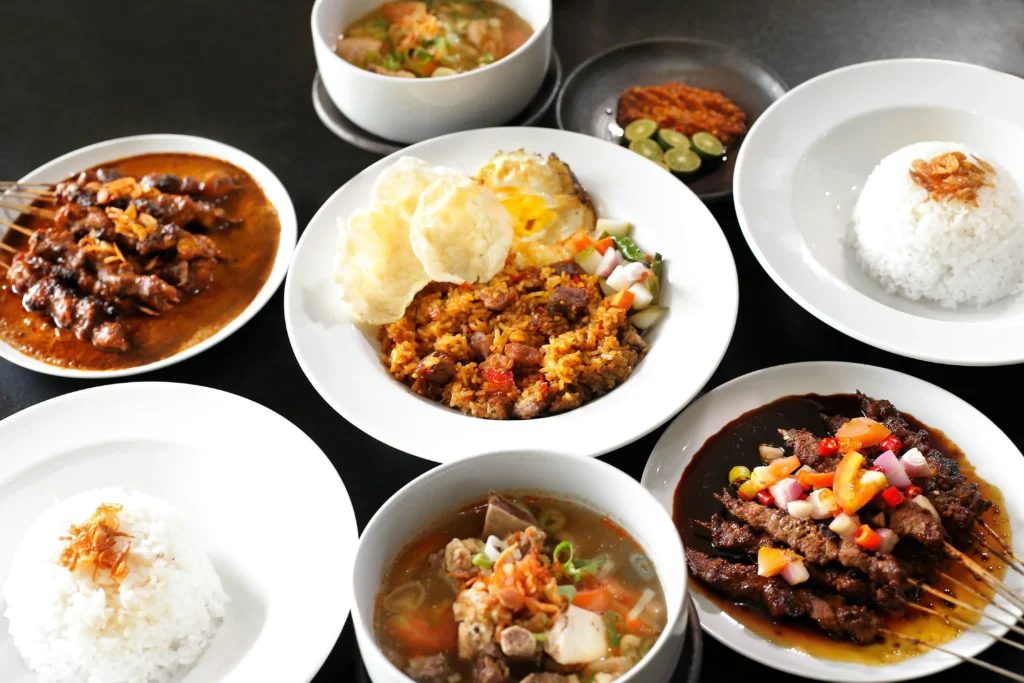
The best way to experience Warong Nasi Pariaman’s culinary traditions was to order a variety of dishes and build a communal plate. Behind the glass counter, an array of famous dishes beckoned—from deep fried fish (ikan goreng) to rich beef rendang and fragrant coconut rice. I eagerly pointed to some of their most beloved staples, ready to dive into a feast that embodied the heart of Indonesian cuisine.
Ayam Bakar: Grilled Chicken with a Coconut Milk Embrace
First up was the legendary ayam bakar (S$6.50), a grilled chicken dish that is a cornerstone of Indonesian traditional food. The chicken was slow-cooked in a spiced coconut milk curry (ayam gulai) before being finished over a charcoal grill. The smoky breath of the wok and the charred aroma of the grill filled the air. The skin was beautifully crisp, with a slightly bitter edge from the charcoal, while the meat inside was juicy and tender. The complex layers of earthy spices and sweet smoke made this dish a pilgrimage-worthy experience.
Beef Rendang: The Dark Beef Soup That Defines Padang Food
Next was the beef rendang (S$6.50), a dark beef soup and one of the national dishes of Indonesia. The beef was coated in a thick rempah spice paste, simmered for hours until meltingly tender. The rendang’s rich gravy, infused with coconut milk and toasted spices, offered a slow-building heat rather than sharp spice—perfectly balanced for those who appreciate spicy food with depth. Mixing the dark rendang gravy into steamed rice cakes or sticky rice was pure comfort on a plate.
Sambal Eggplant and Side Dishes: The Perfect Spicy Contrast
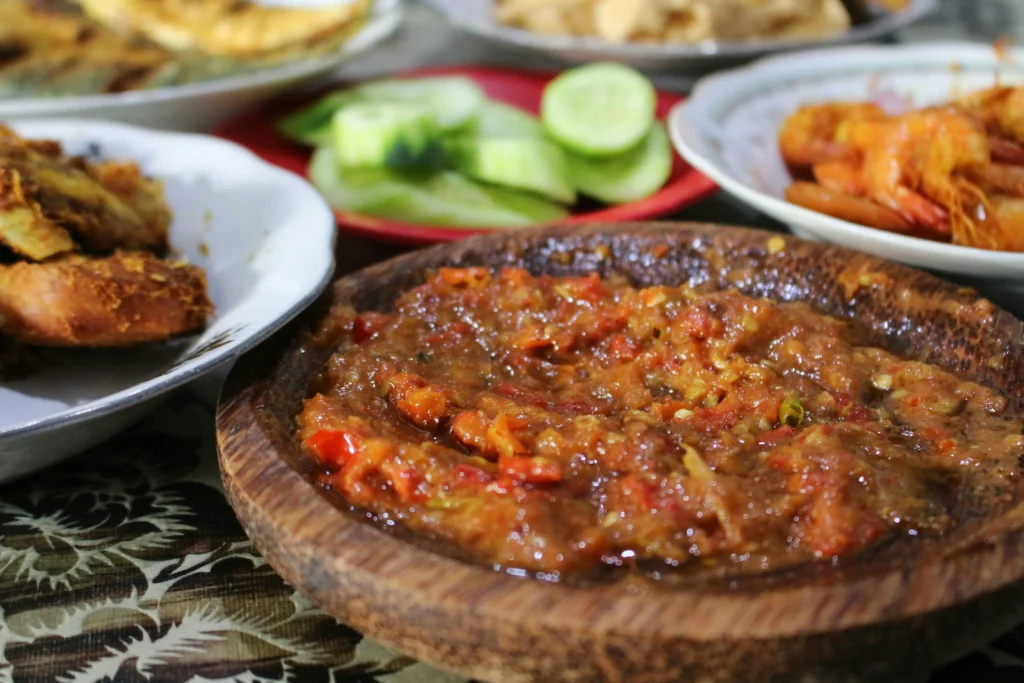
To balance the heavy meats, I added sambal eggplant (S$2.00), cooked until meltingly soft and drenched in vibrant, spicy sambal made with shrimp paste and lemon basil. The spicy peanut sauce salad gado gado was another commonly served side, offering a refreshing mix of boiled vegetables, bean sprouts, and rice cakes tossed in a creamy peanut sauce. These side dishes provided a brilliant contrast to the smoky and rich main courses.
Other Indonesian Dishes to Try
- Deep fried fish (ikan goreng), lightly battered and fried to a golden crisp, often served with sambal.
- Stir fried long beans or fried noodles (mie goreng), staples of Indonesian street food.
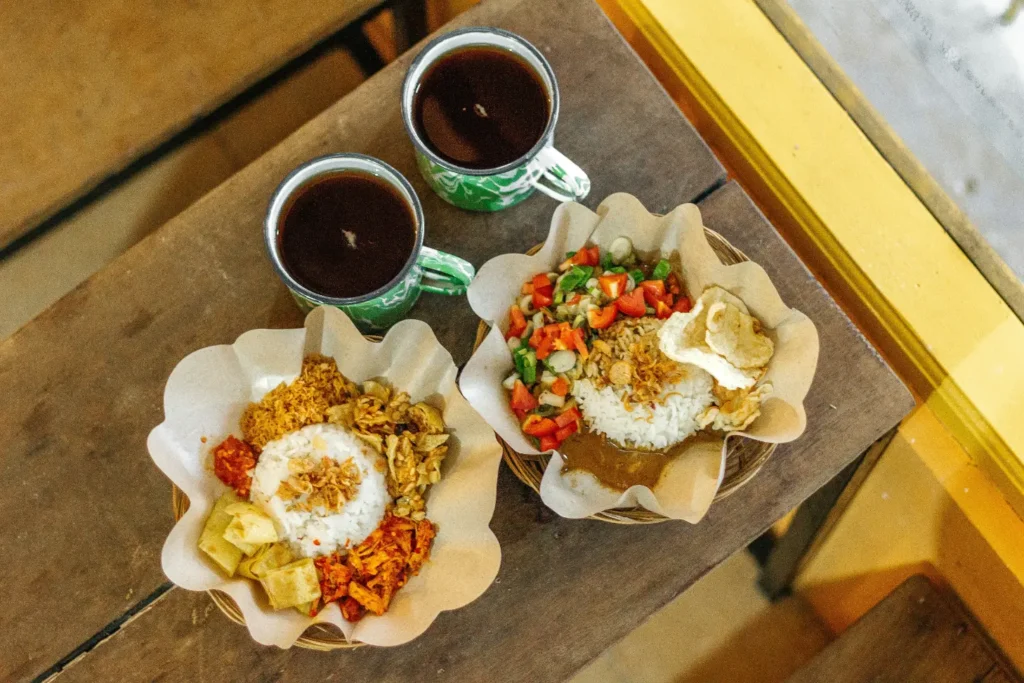
- Coconut rice (nasi uduk), steamed with fragrant coconut milk, a common accompaniment.
- Padang satay, skewered meats grilled and served with peanut sauce.
Service: Lightning Fast and Functional
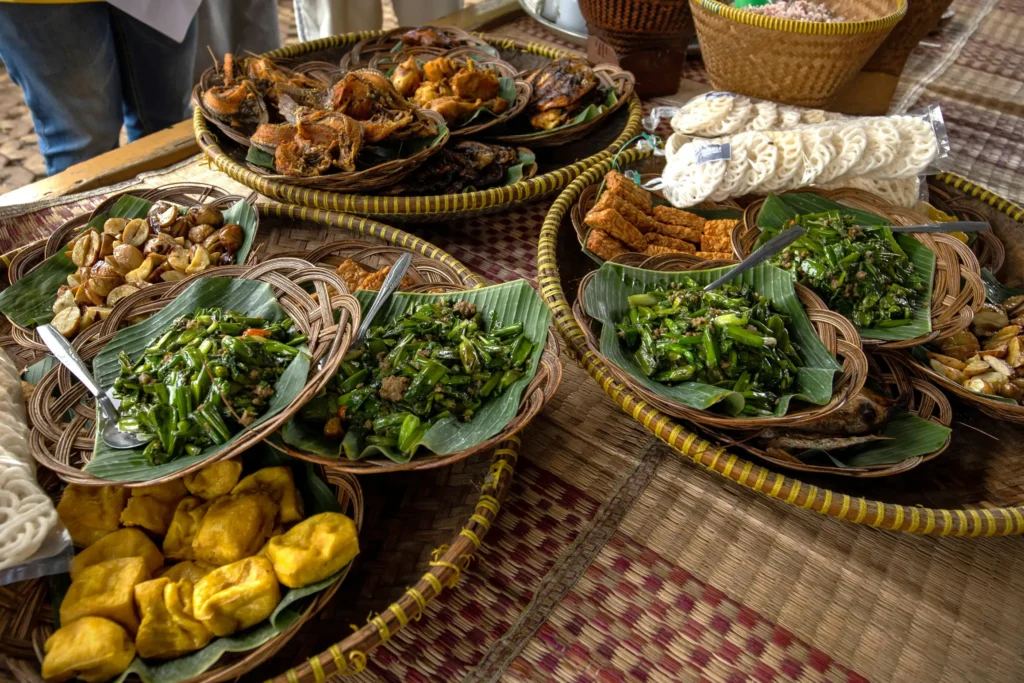
If you expected leisurely, personalized service, Warong Nasi Pariaman was a different world. The staff moved with lightning speed behind the counter, dishing out curries, fried chicken, and grilled fish with practiced precision. Multiple queues—one for dine-in, one for takeaway, and another for payment—required diners to know exactly what they wanted beforehand. The aunties behind the glass had no time for indecision.
The service was functional, not unfriendly. After ordering and paying, you grabbed your tray and hunted for a seat. While the wait to reach the counter could be long during peak hours, the food was always hot, fresh, and ready to be devoured—the epitome of fast, efficient, heritage dining.
Nasi Padang Nirvana: Your Ultimate Guide to Hunting Down Indonesian Flavours
Aspect | Details |
|---|---|
Cost | A meal with rice, a meat dish like beef rendang or ayam bakar, and a couple of sides typically costs between S$8 to S$15 per person. Premium items could push a shared meal closer to S$30 or S$40. |
Location | Easily accessible from Bugis MRT station, with Jalan Besar and Nicoll Highway stations also nearby. |
Reservations | None. First-come, first-served. |
Best Time to Visit | Arrive early (around 10:30 am) or after peak lunch hours (post 1:30 pm) to avoid long queues. |
Payment | Modernized to accept PayNow and digital payments, easing the rapid checkout. |
This vibrant, bustling eatery was a bastion of Indonesian cuisine in Singapore’s Kampong Glam, serving many dishes that showcased the culinary traditions of West Sumatra and the wider Indonesian archipelago. From the smoky grilled chicken to the rich beef rendang and the fresh, spicy gado gado salad, Warong Nasi Pariaman offered an authentic taste of Indonesia’s national dishes, street food, and signature dishes—all under one roof.
The Last Bite of a Culinary Legend
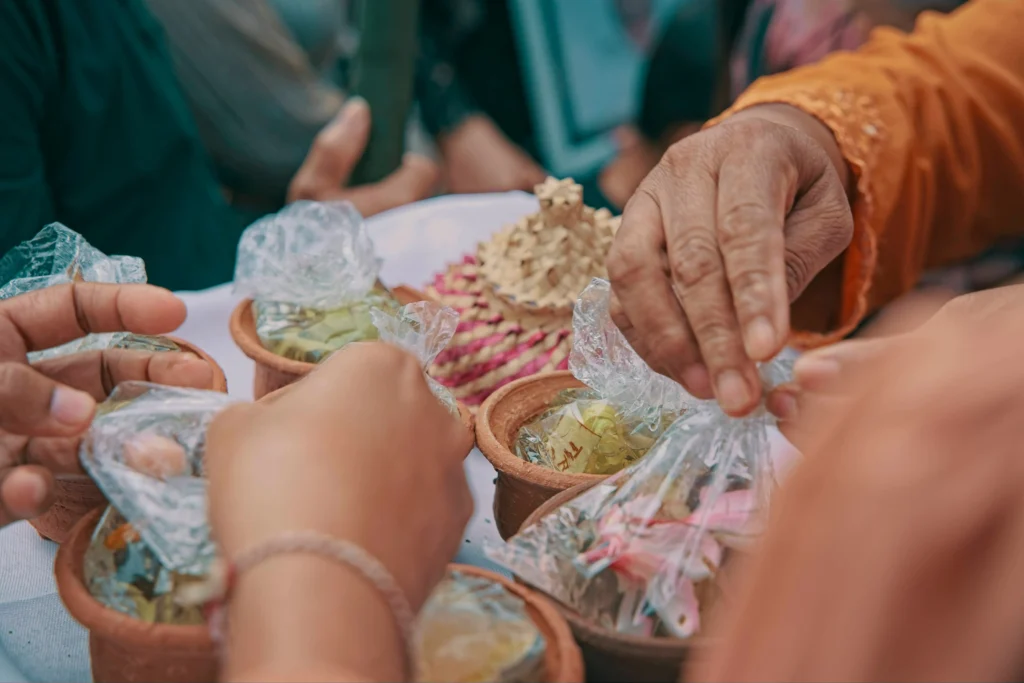
Warong Nasi Pariaman wasn’t just a restaurant; it was a living, breathing piece of Singapore’s culinary history. It offered a brilliant window into how traditional food in Indonesia was meant to be prepared, prioritising slow cooking, charcoal grilling, and robust, uncompromising rempah over modern aesthetics.
This hidden gem was best suited for purists—diners who valued deep, authentic Malay-Indonesian flavours and didn’t mind a bit of sweat, noise, and crowded seating. It was a fantastic place for a hearty lunch with friends or a nostalgic family meal.
It was definitely less suited for people who disliked queuing, wanted a quiet space for a business meeting, or preferred lightly seasoned, delicate foods. The flavours here were bold, heavy, and undeniably proud.
While we can no longer join the bustling queue on North Bridge Road, the legacy of Warong Nasi Pariaman remains undiminished. It taught an entire generation the true taste of authentic, charcoal-grilled ayam bakar. This brilliant, messy, and deeply satisfying culinary journey showcased bold flavors and rich traditions, proving its worth every single day, right up until the very end.
Following the rich culinary traditions of Indonesian food, Tea Room by Ki-setsu offers a curated journey through oriental tea in the heart of Singapore, providing an elegant complement to the rich flavors of Indonesian traditional food.

The Soy Glaze on Kyoto’s Forgotten Rice Crackers
Dio Asahi | August 5, 2026
By Dio Asahi for Eat Drink Asia. The old man works close to the coals, and the smell reaches me before I see what he’s doing. Soy meeting heat. That dark, caramel-edged smell that tightens something in your chest. His brush moves in short strokes across a rack of rice crackers, back and forth, patient….
-
Vegetarian Laksa Without the Usual Seafood Shadow: Asian Vegetarian Recipes Begin With the Broth
Eat Drink Asia Team | August 4, 2026
The first vegetarian laksa I made tasted like coconut soup with chilli, not laksa. I thought I was doing it right, stirring paste into warm coconut milk with tofu puffs. It looked the part but lacked depth. Seafood usually provides that depth, prawn shells, dried shrimp, fish cake sweetness. I learned that depth can’t be…
-
A Bowl Built by Hand at Hi Noodle, Three Floors Below Somerset
Eda Wong | July 31, 2026
The escalator carries me down to Basement 3, past the lunch noise of 313 Somerset, and the air changes somewhere along the way. Less mall, more kitchen. The smell finds me first — chilli, vinegar, something warm and sharp that cuts through the perfume of the shops above. Hi Noodle sits there, plain and bright….
-
An Asian Vegetarian Meal at Herbivore Japanese Vegetarian Restaurant: When Japanese Comfort Food Learns a New Body
Eda Wong | July 30, 2026
I didn’t grow up eating eel. But I grew up watching my grandmother turn one thing into another — gluten into “duck,” beancurd skin into “fish,” mushrooms into something that tasted of the sea without ever touching it. Buddhist vegetarian cooking does that. It doesn’t pretend so much as it remembers, building familiar shapes out…
-
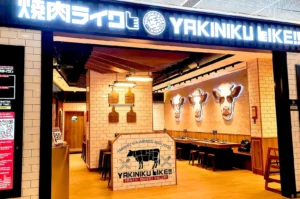
A Table for One, and a Grill That Belongs to You in Yakiniku Like
Dio Asahi | July 29, 2026
The grill glows orange in front of me before the meat arrives. It’s a small thing, set into the counter at my single seat, and it hums faintly under the chatter of the room. No flame. No charcoal. Just a low electric warmth I can feel rising toward my face. A plate comes. Thin slices…
-
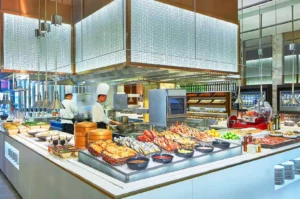
Best Buffet Singapore: Where Hotel Buffets Turn Abundance Into Order
Dio Asahi | July 28, 2026
I used to think buffets were about greed. Pile the plate high, go back for thirds, leave feeling like you got your money’s worth. That was the whole game, or so I believed. After years of exploring this city’s hotel buffets, I learned the good ones focus on order. They transform a wall of food…
-
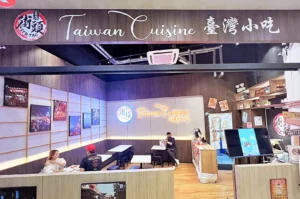
STR TAO Taiwan Cuisine and the Comfort of a Menu That’s Too Big to Be Lazy: Food Places Nearby
Eat Drink Asia Team | July 25, 2026
It was the kind of evening where you don’t want to think too hard about dinner. I’d been walking up East Coast Road, the air still thick from an afternoon shower, when I ducked into a coffeeshop just to sit down. The Bullion Hawker Bar. And tucked among the usual suspects — wanton mee, Hokkien…
-
Sesame Oil at the End: Finishing, Not Flavoring
Eda Wong | July 24, 2026
The wok is already off the heat. The greens sit glossy and dark, steam still curling off them. My mother lifts a small bottle, tilts it, and lets a thin line of sesame oil fall across the top. It hisses faintly against the warm leaves, and the smell rises all at once — toasted, nutty,…
-
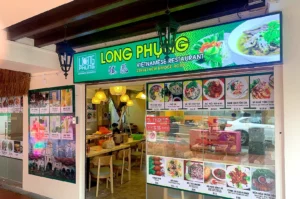
Long Phung Vietnamese Cuisine, Where the Menu Doesn’t Waste Words: A Good Restaurant Close to Me
Eda Wong | July 23, 2026
I came in from the rain on a Tuesday, somewhere past 8pm, hungry and a little defeated by the day. The fan was clacking. A queue of three or four people stood near the doorway, dripping. Someone shouted an order toward the kitchen in Vietnamese, and a bowl of pho slid onto a nearby table…
-
The First Squeeze of Calamansi in a Noodle Stall Bowl
Dio Asahi | July 22, 2026
The bowl lands in front of me, broth still trembling from the walk across the stall. Steam rises and fogs the edge of my glasses. To the side sits a small dish of calamansi halves, cut and waiting, their skins slick under the fluorescent light. I pick one up. It gives slightly between my fingers,…