There are evenings when only a very specific type of comfort food will do. I wasn’t craving a standard bowl of noodles or a generic curry. I wanted that unmistakable, deeply fragrant balance of charcoal smoke and sticky sweet soy sauce that defines authentic Indonesian cooking.
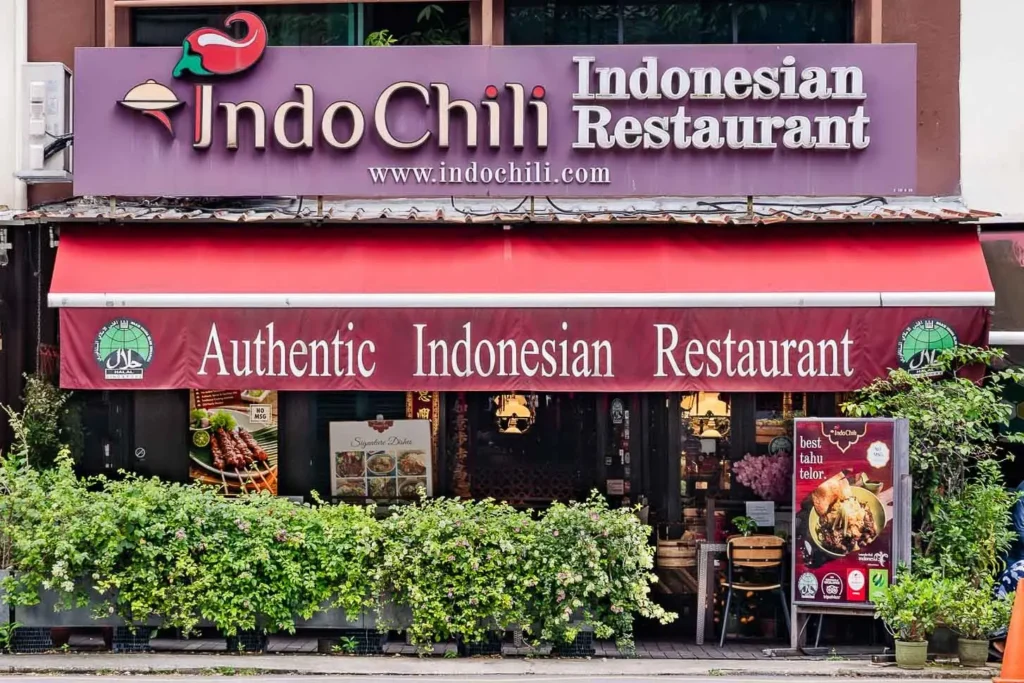
Finding that perfect harmony in Singapore without sitting outside at a sweltering hawker stall can sometimes be a challenge. That specific craving led me straight to the doors of IndoChili. Located at 54 Zion Road, right opposite Great World Mall, it promises a culinary journey through the traditional flavours of Java, Padang, and Bali.
I wanted to see if this popular halal establishment could actually deliver a genuine celebration of flavours, or if it was just another watered-down, tourist-friendly eatery. I visited on a Tuesday around 7pm, expecting a quiet midweek dinner. Instead, I walked into a surprisingly bustling dining room that immediately set the tone for the night.
Opening My Flavor Notebook at IndoChili: An Indonesian Restaurant in Singapore
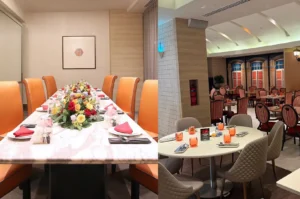
Stepping off the pavement and into IndoChili, the shift is immediate. This Indonesian restaurant in Singapore doesn’t overwhelm you with theme. Instead, it feels composed; clean lines, warm lighting, and just enough texture to hint at Indonesia without forcing it.
A space built for sharing many dishes
The room fills quickly, especially during dinner. You’ll notice how tables aren’t built for single plates, but for many dishes; bowls of rice, small plates of vegetables, and sauces placed within easy reach.
- Families pass plates across the table
- Couples lean in between bites
- The rhythm feels communal rather than individual
I remember needing my jacket almost immediately, the air conditioning runs cold, but after a few bites of warm, spiced food, it balances out.
Where you sit changes the experience
We managed to sit at a quieter corner table. From there, the flow becomes clearer:
- Servers moving between tables with steady pace
- The fragrance of grilled chicken, shallots, and toasted spices
- The hum of conversation layered over clinking plates
It sets the tone for what IndoChili does best, building a full-table experience, not just a meal.
My Top Picks at IndoChili: Beef Rendang and Grilled Chicken
Opening the menu at IndoChili, the variety of Indonesian dishes immediately stands out. It’s tempting to over-order, but the key is balance; something grilled, something rich, something brothy.
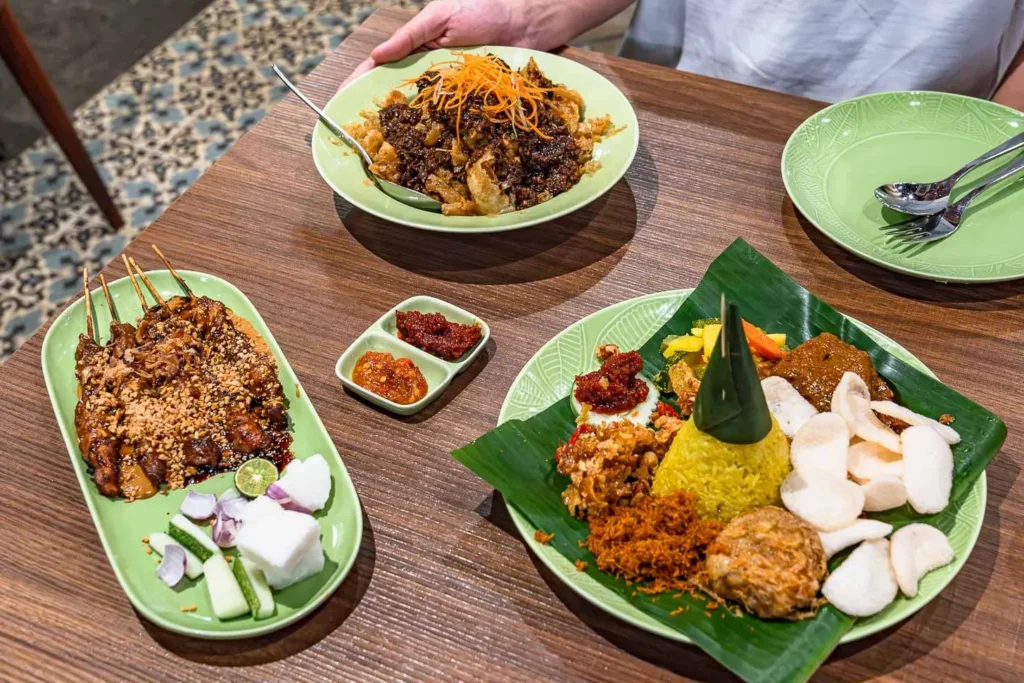
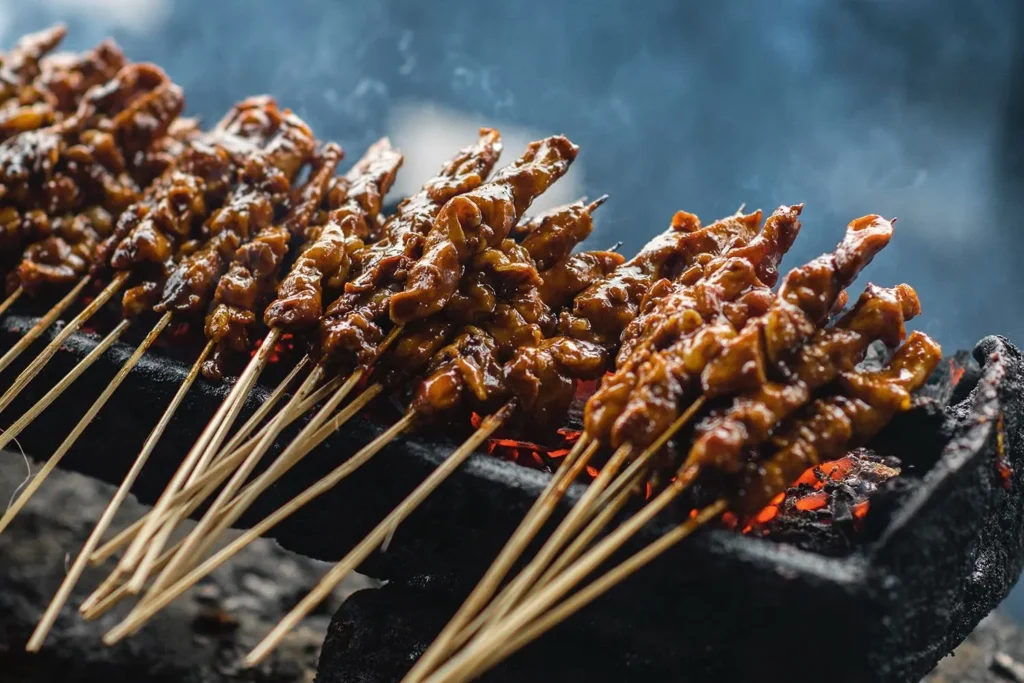
Sate Ayam: grilled chicken skewers done right
We started with sate ayam, and the fragrance hit before the plate even landed.
- Charred skewers with lightly crisp edges
- Juicy chicken that holds onto the grill’s smokiness
- A thick peanut sauce layered with tamarind and sweetness
Each bite felt exciting, not just because of the flavour, but because of how well it was made from scratch. You can taste the effort in the sauce; the depth from roasted peanuts, the slight tang, the balance.
Beef rendang: the undisputed winner
The beef rendang arrived next, and it quickly became the winner of the table.
This is where Indonesian cuisine shows its depth. The rendang is slow-cooked until the sauce thickens into a dark, rich coating.
- Tender beef that breaks apart easily
- A hearty blend of coconut, spices, and slow heat
- Notes of shallots, lemongrass, and toasted aromatics
The taste builds slowly. It doesn’t hit all at once. You take a spoonful with rice, and it settles; deep, warming, slightly intense.
This is the kind of authentic dish that reflects the heart of cooking across Indonesia, from Sumatra to Bali.
Soto Betawi: a pause between rich dishes
To balance the table, we ordered Soto Betawi.
The soup came creamy, almost velvety, built on coconut and milk.
- Soft beef pieces
- Tomatoes cutting through richness
- Fried potato adding texture
It works as a reset. After a bit of rendang, a spoon of this brings you back.
Everyday Indonesian Cuisine: Nasi Goreng and Ayam Goreng
Beyond the signature plates, the everyday structure of Indonesian cuisine becomes clearer.
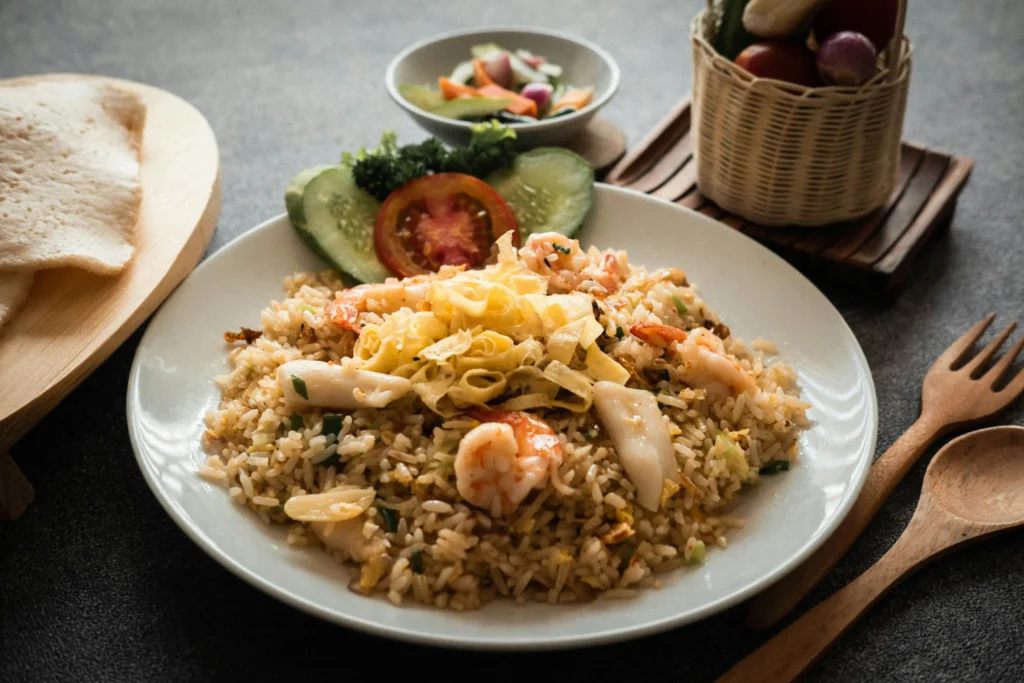
We decided to order nasi goreng and ayam goreng, not because they are unfamiliar, but because they reveal how the cuisine works at its core.
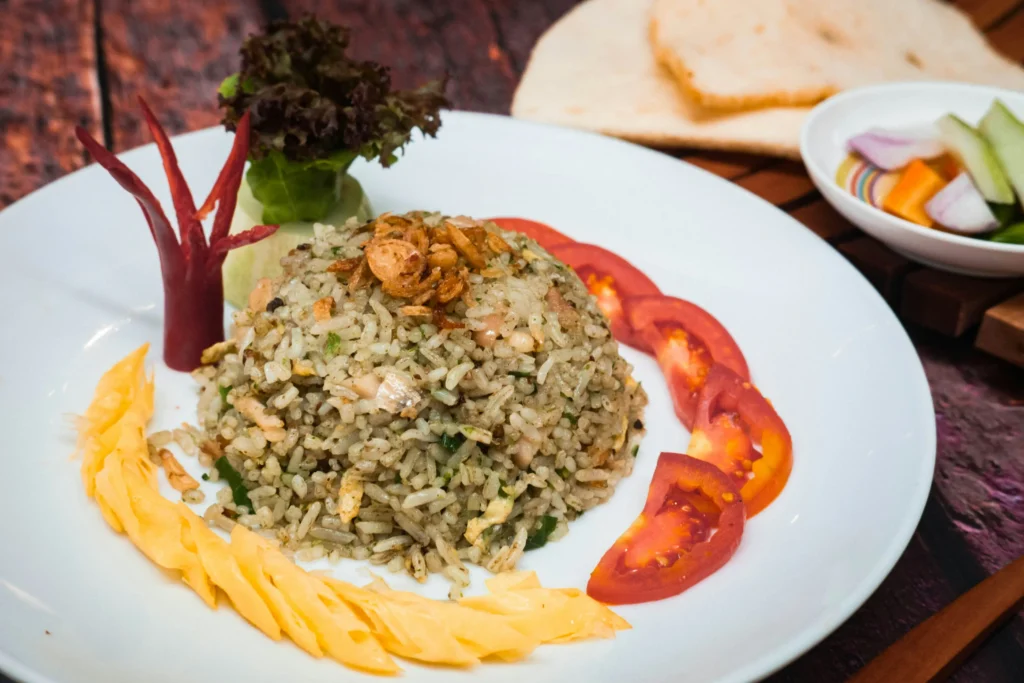
The nasi goreng arrived with a light smokiness. Each grain of rice was separate, coated gently with sweet soy and spice. A fried egg rested on top, the yolk ready to break and spread through the rice. It wasn’t heavy, but it carried enough depth to hold its place on the table.
The ayam goreng told a different story. This isn’t typical fried chicken. The chicken is first simmered with spices, then fried, a method found across Indonesia, especially in Java and Bali. The result is flavour that runs through the meat, not just on the surface.
There’s a quiet complexity in that process. You don’t just taste the crisp exterior. You taste the marinade, the time, the intention behind it.
What completes the table are the smaller elements, the ones that might be overlooked at first glance but define the meal:
- Yellow rice that adds warmth and structure
- Ikan bilis for crunch and saltiness
- Crackers and pickles for contrast
- Sambal bringing sharp, immediate heat
We also tried tahu telor, layered with sauce and crushed peanuts, alongside stir-fried long beans and slices of tempe. These are not just extras. They are essential parts of how the meal is meant to be experienced.
Together, the table feels complete; balanced between rich and light, soft and crisp, familiar and layered.
Service Experience at IndoChili: When It’s Truly Worth Eating and Drinking In-House
The service at IndoChili starts strong. The staff are warm, attentive, and quick to guide you through the menu.
When the pace slows down
As the room fills, the rhythm changes.
We noticed a pause between courses. After finishing the first dishes, there was a wait before the mains arrived.
- Around twenty minutes before the beef rendang came
- Staff remained polite when we checked
- The kitchen clearly working under pressure
It didn’t feel careless. It felt stretched.
Why it still works
Because everything feels made from scratch, delays feel different.
The sauces, the spice pastes, the way the dishes are built, they take time. And once the food arrives, it reminds you why.
If you’re here for speed, it might frustrate you.
If you’re here for the full experience, it settles naturally.
Practical Map for Your IndoChili Adventure
IndoChili sits along Zion Road, within easy reach of Great World MRT. It’s accessible, but timing shapes the experience.
Expect to spend around $20 to $35 per person. For the quality of ingredients, the depth of flavour, and the range of Indonesian dishes, it feels fair within the landscape of restaurants in Singapore.
Lunch tends to be more manageable, while dinner carries more energy, and longer waits. Reservations are often recommended, especially if you want to avoid peak periods.
The best way to approach the meal is simple. Come with time. Order across categories. Let the dishes arrive gradually.
Because what IndoChili offers isn’t just a meal. It’s a way of experiencing how Indonesian cuisine comes together; layered, shared, and built over time.
On the other hand, a fact worth noting is that one of the key elements that brings warmth and familiarity to many Indonesian dishes is the sweet darkness of kecap manis: the delicious flavour that makes food in Indonesia feel like home and is enjoyed by plenty of people every day.
The Closing Chapter of My IndoChili Visit
IndoChili manages to walk a very fine line. It delivers highly authentic, unapologetic Indonesian flavours without alienating diners who might be new to the cuisine. The food is fragrant, the meats are incredibly tender, and the kitchen clearly respects the traditional methods of slow-cooking and charcoal grilling.
This restaurant is best suited for families, halal diners, and mixed groups looking for a comfortable, reliable introduction to Indonesian food. It is a fantastic spot to share a few hearty dishes in a polished, air-conditioned environment.
It is probably less ideal if you’re seeking an ultra-cheap, rustic hawker experience or a hyper-trendy, highly experimental dining scene. IndoChili’s strength lies in its reliable, classic execution. If you want to truly savor the authentic Javanese and Padang cuisine, this Zion Road staple is a hidden gem that deserves a regular place on your dining rotation.
For those looking to complement their Indonesian dining experience with a refined beverage, Tea Room by Ki-setsu offers a curated journey through Chinese tea in the heart of Singapore, providing a serene tea house atmosphere that perfectly balances tradition and modernity.

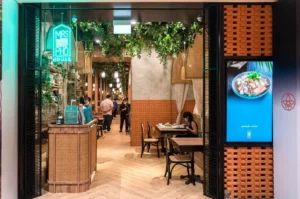
Mrs Pho and the Bowl That Makes Somerset Feel Like a Vietnamese Family Table
Eat Drink Asia Team | October 1, 2026
I wasn’t hungry when I walked into 313@somerset. I’d come for something else entirely; an errand, a shop I needed, the usual Orchard rush of people moving faster than the escalators. But somewhere on the first floor, past the noise, I caught the smell of star anise and beef bone, and my feet slowed down…
-
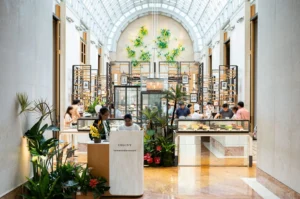
The Carving Knife at Colony, and the Way We Mark What Matters
Eda Wong | September 30, 2026
By Eda Wong for Eat Drink Asia. It’s late morning, and the light is doing most of the work. It pours through the high windows of Colony, at The Ritz-Carlton, Millenia Singapore, spilling across white tablecloths and the vintage prints on the walls. Marina Bay hums somewhere outside, but in here the room feels a…
-
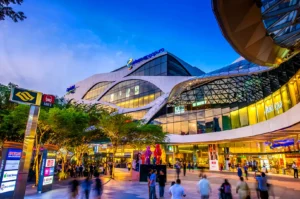
Co Chung Vietnamese Restaurant and the Gỏi Cuốn That Makes Fresh Herbs Do the Work
Dio Asahi | September 29, 2026
I found it by accident, the way you find most things in a mall basement. I’d come down to Plaza Singapura’s B2 for something else entirely, drifting past the usual food-court noise, when I caught the smell of star anise and beef bone coming from a corner. I followed it. And there it was —…
-
Vietnamese Spring Roll: The Recipe That Only Works When the Herbs Stay Awake
Eda Wong | September 26, 2026
Fresh Vietnamese spring rolls, or gỏi cuốn, look delicate, but the recipe is really about control: barely softened rice paper, dry herbs, restrained noodles, clean protein, and a dipping sauce sharp enough to wake the whole thing up. This is not the fried version, chả giò or nem rán. This is the cool, translucent, herb-heavy…
-
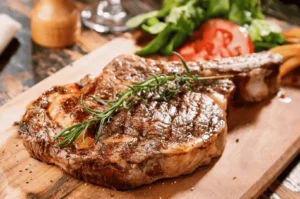
Best Steakhouse Singapore: From Fire-Kissed Icons to Old-School Beef Plates
Eat Drink Asia Team | September 24, 2026
I didn’t set out to write about steak. It started with a bad day and a craving for something that pushed back when I bit into it. One dinner turned into a habit, and over a couple of years I found myself at counters, coffeeshops, and dining rooms all over this island, chasing the same…
-
The Ice Counter at Carousel, and the Table Everyone Can Reach
Dio Asahi | September 23, 2026
By Dio Asahi for Eat Drink Asia. It’s a Saturday evening, and someone across the room is carrying a birthday cake. The candles are lit, the walk is careful, and a whole table turns to watch. Plates clink. A child laughs somewhere. The room at Carousel, inside Royal Plaza on Scotts, isn’t quiet — it…
-
Tiong Shian Porridge Centre Review: The Soft Counterweight to Chinatown’s Crisp Toast
Dio Asahi | September 22, 2026
I’d spent the morning with kaya toast. Crisp bread, cold butter, the clean snap of it between my teeth. Good, all of it. But by the time I’d walked a few streets over to New Bridge Road, my mouth wanted the opposite. Something warm. Something that gave way instead of shattering. That’s how I ended…
-
Tong Ah Eating House Review: A Chinatown Breakfast That Still Begins with Kaya Toast
Eda Wong | September 19, 2026
I almost walked past it. I’d been looking for the old triangular building, the red-and-white one you see in every photo of Keong Saik, the one that made Tong Ah feel like a landmark before you’d even ordered anything. But that’s not where it lives anymore. It’s a few doors down now, at 35 Keong…
-
Breakfast at Chinatown Singapore: How Migration Built the City’s Morning Table
Eat Drink Asia Team | September 17, 2026
The first time I ate breakfast in Chinatown, I got it wrong. I arrived at eleven, hungry and hopeful, and found the kopi stalls already turning toward lunch. The porridge uncle was packing up. The toast man had switched to slicing char siew. I ate a rushed plate of noodles standing near a pillar, sweating,…
-
The Bitter Leaf Folded Into a Burmese Home Kitchen
Eda Wong | September 16, 2026
The oil is already hot when she reaches for the leaves. It’s late morning in a kitchen off a quiet lane, and a woman I’ve been watching stands over a blackened wok, tearing bitter gourd leaves by hand into a small heap. The garlic hits the oil first, sharp and loud. Then the leaves go…