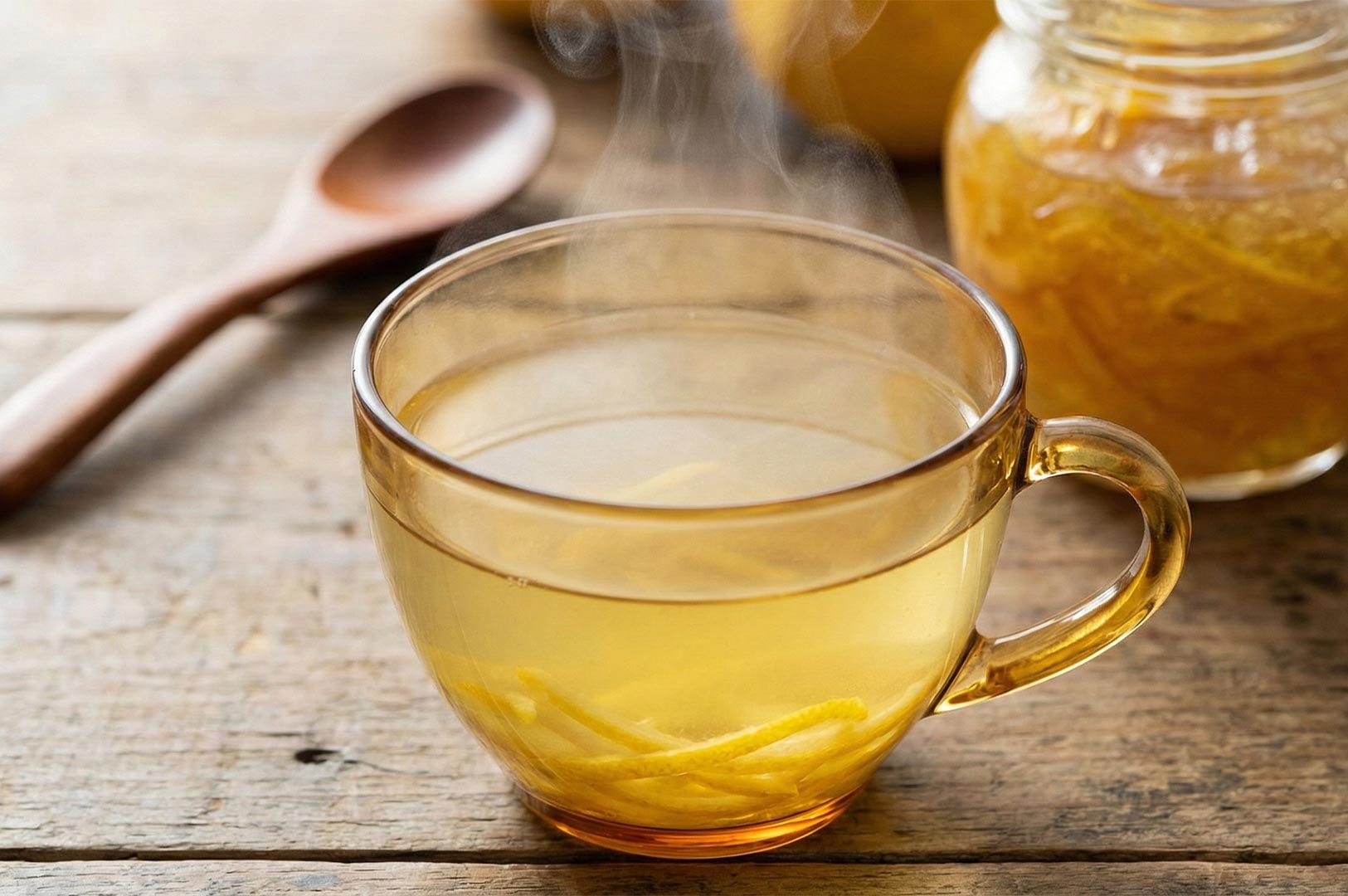
The golden, aromatic steam rising from a cup of yuja tea carries centuries of Korean tradition and wellness wisdom. This caffeine-free citrus beverage has warmed Korean hearts through countless winters, offering both comfort and powerful health benefits in every sip. Made from the Korean citron known as yuja fruit, this simple Korean tea represents one of Korea’s most cherished traditional remedies.
Whether you’re seeking a natural immune booster, exploring Korean culture, or simply looking for a delicious alternative to regular tea, yuja tea offers a perfect drink that combines tradition with modern wellness needs. This comprehensive guide will take you through everything you need to know about this remarkable beverage, from its ancient origins to creative modern applications.
What Is Yuja Tea?
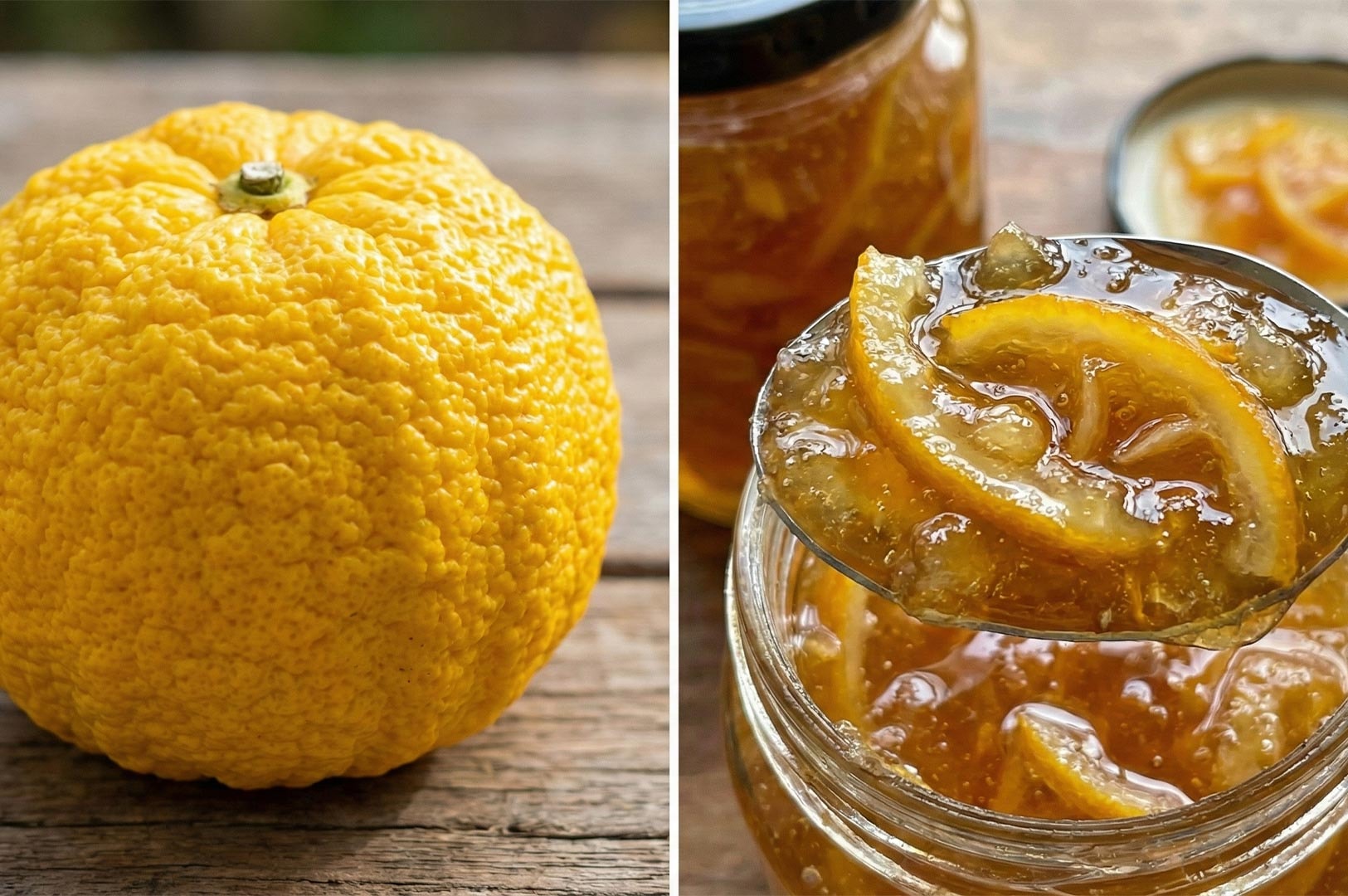
Yuja tea, known in Korean as yuja cha, is a traditional Korean beverage created by mixing hot water with yuja cheong – a sweet, thick marmalade made from the yuja fruit. Despite its name, this isn’t technically a tea in the conventional sense, as it contains no dried tea leaves from the Camellia sinensis plant. Instead, it functions as an herbal citrus drink that’s completely caffeine-free.
The main ingredient, yuja fruit, is a Korean citrus similar to the Japanese yuzu fruit, though each has distinct characteristics. This unique citron flavor sets yuja tea apart from other citrus beverages. The fruit itself resembles a small, bumpy-skinned grapefruit but packs an intensely aromatic punch that’s concentrated primarily in its thick peel rather than its juice.
Alternative names for this beloved beverage include yujacha, citron tea, and Korean honey citron tea. Each name reflects different aspects of the drink – its Korean origins, its citrus base, and the honey often used in traditional recipes.
Origins and Cultural Significance

The historical background of yuja tea stretches back centuries in Korean culture. According to traditional accounts, Koreans initially discovered that yuja trees’ leaves could help treat common colds. However, the leaves possessed an intensely bitter taste that made them nearly impossible to consume. This challenge led to an innovative preservation technique where both leaves and fruit were combined with sugar and honey to improve palatability.
This culinary adaptation eventually evolved into the yuja tea we know today, demonstrating how necessity and cultural wisdom transformed a medicinal herb into a beloved beverage. The cultural importance of yuja tea extends beyond mere refreshment – it represents Korean ingenuity in food preservation and natural medicine.
The seasonal significance of yuja tea remains strong, with peak consumption during autumn and winter months. This timing aligns perfectly with yuja fruit harvest season and the traditional use of the beverage as a warming, immune-supporting drink during colder months. For those interested in exploring more Korean tea traditions and seasonal beverages, Eat Drink Asia offers extensive coverage of Asian culinary traditions and their cultural contexts.
Health Benefits and Nutritional Value
The vitamin C content in yuja fruit is truly remarkable, containing approximately 2.3 times more vitamin C than fresh lemon juice. This exceptional concentration makes yuja tea one of nature’s most potent sources of this essential nutrient. The high vitamin C levels provide crucial immune system support, helping the body fight off infections and maintain overall health.
As a traditional cold and flu remedy, yuja tea has been Korea’s go-to natural medicine for centuries. The beverage is particularly effective for soothing sore throats, thanks to the combination of vitamin C, natural citric acid, and honey’s antibacterial properties. Many Koreans still turn to yuja tea at the first sign of respiratory issues, trusting in generations of proven effectiveness.
The Yuja Fruit: Understanding the Main Ingredient
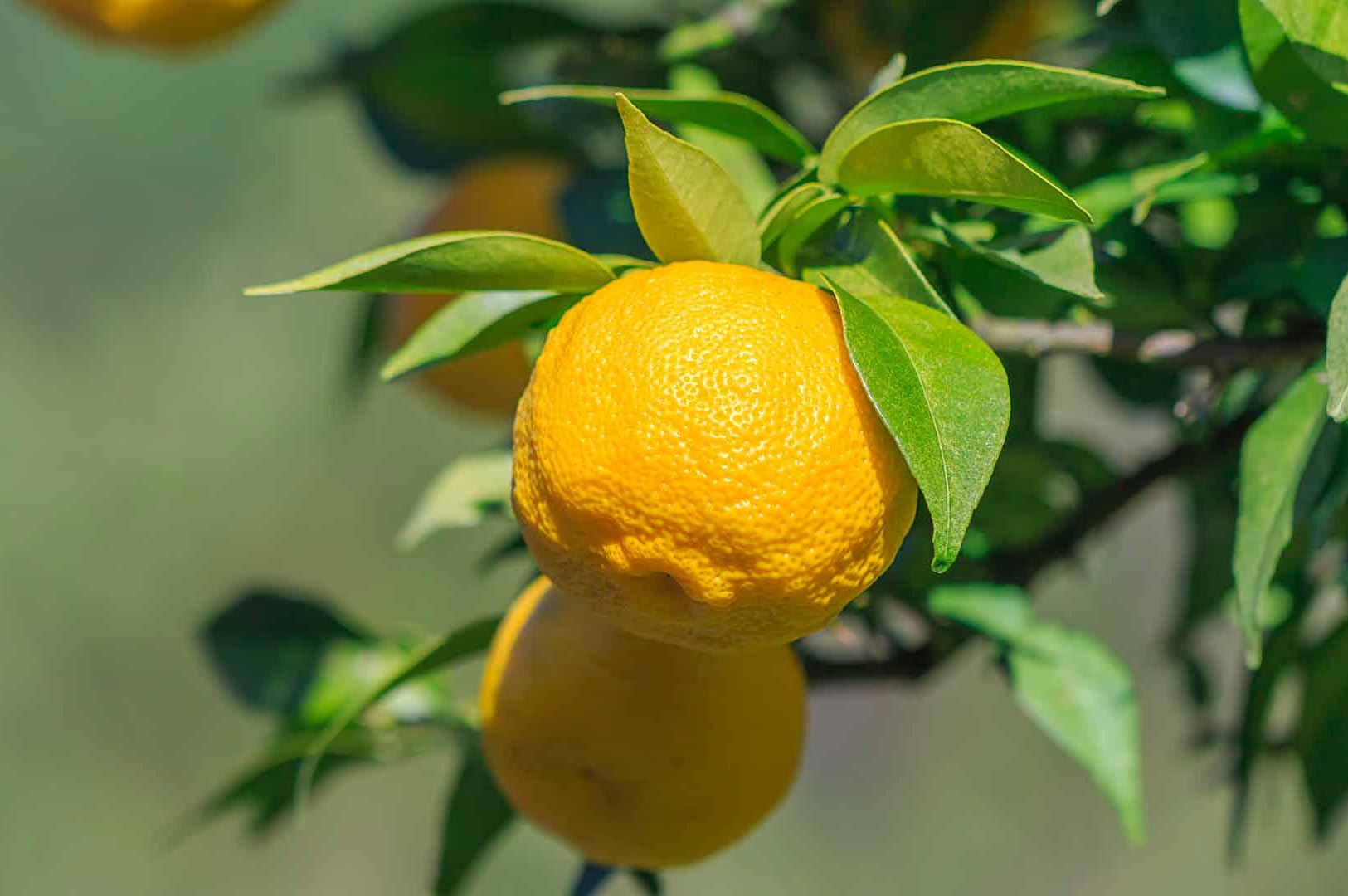
The botanical classification of yuja places it as Citrus junos, a hybrid citrus fruit that evolved naturally over centuries. This unique heritage gives yuja its distinctive characteristics that set it apart from other citrus fruits. The fruit tree itself is remarkably hardy, capable of withstanding cold temperatures that would damage other citrus varieties.
Physical appearance wise, fresh yuja resembles a yellow, golf ball-sized fruit with distinctively thick, bumpy skin. The exterior texture is notably rougher than smooth-skinned citrus fruits like meyer lemons, and the skin contains most of the fruit’s aromatic oils and flavor compounds. Inside, the fruit contains relatively little juice compared to its peel volume, with the pulp being quite tart and seedy.
Harvest season occurs during late autumn to early winter, typically from November through January. This timing coincides perfectly with the traditional consumption period for yuja tea during colder months. The seasonal nature of fresh yuja availability makes preserved yuja cheong essential for year-round consumption.
Flavor Profile and Taste Experience
The primary flavors in yuja tea create a sophisticated balance that appeals to diverse palates. Sweet honey notes provide the foundation, while citrus tartness adds brightness and complexity. Unlike overly sweet commercial drinks, yuja tea achieves harmony between these elements without becoming cloying or overwhelming.
Aroma characteristics represent perhaps the most distinctive aspect of the yuja tea experience. The intensely fragrant profile combines floral citrus notes that are released dramatically when hot water activates the marmalade. This aroma is notably stronger and more complex than what you’d experience with a simple lemon or grapefruit-based drink.
Preparation Methods

Store-Bought Yuja-Cheong Method
The simple preparation method using store-bought yuja cheong makes this traditional Korean beverage accessible to anyone. Start with 2-3 teaspoons of marmalade per 8 oz of hot water, though you can adjust to taste preference. Some people prefer a stronger concentration for maximum flavor impact, while others enjoy a more subtle approach.
Water temperature plays a crucial role in optimal flavor extraction. Heat your water to 175-185°F (80-85°C) rather than boiling temperature. This range releases the aromatic compounds without destroying delicate flavors or creating overly bitter notes from the citrus oils.
The stirring technique requires thorough mixing to properly distribute fruit pieces and dissolve the honey-based marmalade. Use a spoon to break up any larger pieces of yuja cheong, ensuring even distribution throughout the cup. The mixture should achieve a golden, translucent appearance when properly prepared.
Homemade Yuja-Cheong Recipe
Creating homemade yuja cheong requires patience but rewards you with superior flavor and quality control. The traditional ingredient ratio calls for a 1:1 ratio of yuja fruit to sugar or honey by weight. This proportion ensures proper preservation while maintaining balanced sweetness.
Step-by-Step Guide to Making Yuja Cheong (Citron Marmalade)
- Wash the Yuja Fruit
Begin by thoroughly washing fresh yuja fruit to remove any dirt or residue. - Prepare the Fruit
Remove all seeds and the white pith from the yuja, as these can add excessive bitterness to the marmalade. - Slice the Yuja
Thinly slice the fruit, including the peel, into uniform pieces to ensure consistent flavor distribution. - Mix with Sweetener
In a clean bowl, combine the sliced yuja with your chosen sweetener (usually white sugar or honey). Mix thoroughly so the sugar dissolves and coats all the fruit slices. - Transfer to Jar
Place the mixture into a sterilized glass jar to prevent contamination. - Fermentation at Room Temperature
Store the jar at room temperature for 3 to 7 days. During this period, stir the mixture daily to prevent mold formation and encourage proper fermentation. - Refrigerate for Maturation
After fermentation, seal the jar properly and transfer it to the fridge. The yuja cheong can be stored here for up to 2 months. - Allow Flavor to Develop
For the best taste, let the marmalade mature in the fridge for 1 to 3 weeks. This maturation period allows flavors to meld and mellow, creating a deeper flavor and a more balanced, complex taste.
Following these steps will yield a delicious homemade yuja cheong, perfect for preparing traditional yuja tea or using as a flavorful condiment.
Availability and Where to Find Yuja Tea
Korean grocery stores represent the most reliable source for authentic yuja cheong. These specialized markets typically stock multiple brands and varieties, allowing you to compare options and find your preferred style. Staff at these stores can often provide recommendations based on quality and traditional preparation methods.
Asian markets more broadly often carry yuja products in their tea or preserved foods sections. Look for products specifically labeled as Korean grown yuja for the highest quality and most authentic flavor. Chinese or Japanese versions may be available but offer different flavor profiles than traditional Korean preparations.
Storage and Preservation Tips
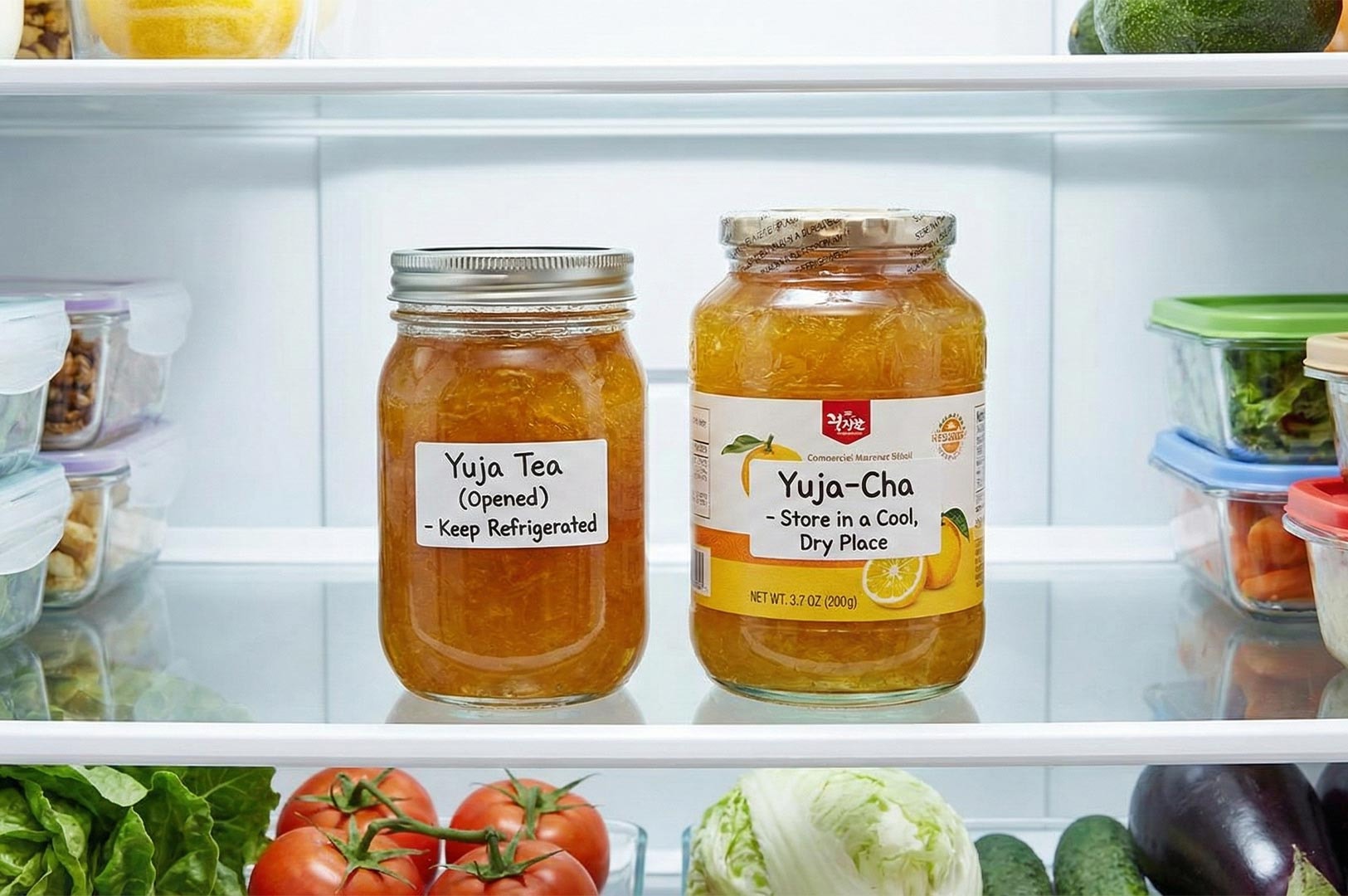
Refrigeration requirements are absolute for opened jars of yuja cheong. The high sugar content provides some preservation, but refrigeration prevents mold growth and maintains quality. Always use clean utensils when removing marmalade to avoid contamination.
Shelf life varies depending on preparation method and storage conditions. Unopened commercial jars typically last 12-18 months when stored in a cool, dry place. Once opened, refrigerated jars maintain quality for 2-3 months, though homemade versions may have shorter lifespans depending on preparation cleanliness.
Container sterilization prevents spoilage and extends storage life. Before making homemade yuja cheong, sterilize jars and lids with boiling water or steam. This step eliminates bacteria that could cause premature spoilage or off-flavors.
Yuja Cha for Vitamin C
Yuja tea represents far more than just another beverage option – it’s a bridge between ancient Korean wisdom and modern wellness needs. From its humble origins as a medicinal remedy to its current status as a beloved global drink, yuja tea continues to offer comfort, health benefits, and delicious flavor in every cup.
Whether you choose the convenience of store-bought yuja cheong or embark on creating your own homemade version, this remarkable citron tea promises to enrich your daily routine with its unique blend of tradition and taste. As you explore the world of Korean beverages and discover the depth of Asian culinary traditions, remember that each cup connects you to centuries of cultural wisdom and the simple pleasure of a perfect drink.

The Verdant Cup: A Celebration of Green Tea in Japan
Eda Wong | January 10, 2026
In Japan, green tea is much more than a beverage. It marks a moment of pause, hospitality, and tradition. The story of green tea in Japan weaves through centuries of culture, artistry, and daily life—bridging ancient rituals like the Japanese tea ceremony to everyday meals enjoyed at home. The origins and beginning of Japanese tea…
-
Japanese Green Tea from Japan: The Story of Matcha
Dio Asahi | January 8, 2026
On a misty April morning in Kyoto, I knelt on tatami in a small tea room outside Uji, Japan. The host, dressed in kimono, moved with quiet skill as she scooped matcha powder into a ceramic bowl. The air was filled with the aroma of aged wood mixed with the grassy scent of high quality…
-
Takoyaki: The Sizzling Heart of Japan Food Culture
Dio Asahi | January 3, 2026
What is Takoyaki and Why Does it Matter in Japanese Food Culture? In the bright heart of Osaka, the sizzle of takoyaki batter signals one of Japan food culture’s most beloved street foods. Lines form at street stalls drawn by the delicious food aromas of sweet-savory sauce and bonito flakes dancing on golden spheres. Takoyaki,…
-
Everything You Need for a Flawless Bubble Tea Cake
Eda Wong | January 1, 2026
The global bubble tea phenomenon has evolved beyond drinks into the world of baking, creating one of the most exciting dessert trends of recent years. Bubble tea cake combines the beloved flavors of milk tea with the satisfying chew of boba pearls, all wrapped up in an adorable bubble tea cake that’s perfect for any…
-
Pad Thai Dish: Everything You Need to Know About the Rice Noodles That Make It Authentic
Eat Drink Asia Team | December 30, 2025
Pad Thai is more than just a staple of Thai Food; it’s a Global Phenomenon. From bustling street carts in Bangkok to high-end Thai Restaurants in New York, this iconic Pad Thai Dish has captured the hearts and palates of food lovers everywhere. The best Pad Thai rivals what you would find in a typical…
-
Thailand Food Pad Thai: Thailand’s Iconic Stir-Fried Noodle Dish
Eda Wong | December 27, 2025
Few dishes capture the essence of Thailand food culture like authentic Pad Thai. This beloved stir fried noodle dish is more than a meal-it’s a symbol of Thai identity, a perfect balance of sweet, savoury, and sour flavors, and a window into the soul of Thai cuisine. Whether you want to eat Pad Thai from…
-
Why Fish Curry is a Special Indian Cuisine
Dio Asahi | December 25, 2025
Along India’s vast and vibrant coastline, stretching over 7,500 kilometers, the sea offers its generous bounty to a cuisine renowned for its regional variations. Nowhere is the diversity of the Indian subcontinent more deliciously expressed than in a humble bowl of fish curry. Through this article, we’ll journey across India’s coasts and kitchens, exploring the…
-
Tikka Masala: The Story Behind One of the Most Iconic Dishes in India’s Food Cuisine
Eat Drink Asia Team | December 23, 2025
Ask anyone to name a famous Indian dish, and chances are “Tikka Masala” will be one of the first things they say. This creamy, vibrant, and aromatic curry has become a global symbol for the food cuisine in India, celebrated from street food stalls in Delhi to upscale Indian restaurants around the world. Its rich…
-
Cuisines in India: A Journey Through the Diverse Regional Food Traditions of the Subcontinent
Dio Asahi | December 20, 2025
Indian cuisine is celebrated for its spectacular diversity, bursting with flavors, regional traditions, and culinary innovations. From the spice-laden gravies of Northern Indian cuisine and tandoor-fresh breads, to coconut-laced Southern Indian cuisine, fragrant rice dishes in the East, and the robust, spicy curries and street food of the West, the foods of India reflect not…
-
Green Tea with Milk: A Tale of Two Teas from Taiwan and Thailand
Eda Wong | December 18, 2025
The simple combination of green tea with milk has sparked a culinary phenomenon across Asia, creating a diverse family of beverages that are both comforting and refreshing. While many countries have embraced this pairing, two nations stand out for their iconic and wildly different interpretations: Taiwan and Thailand. Each has cultivated a unique culture around…