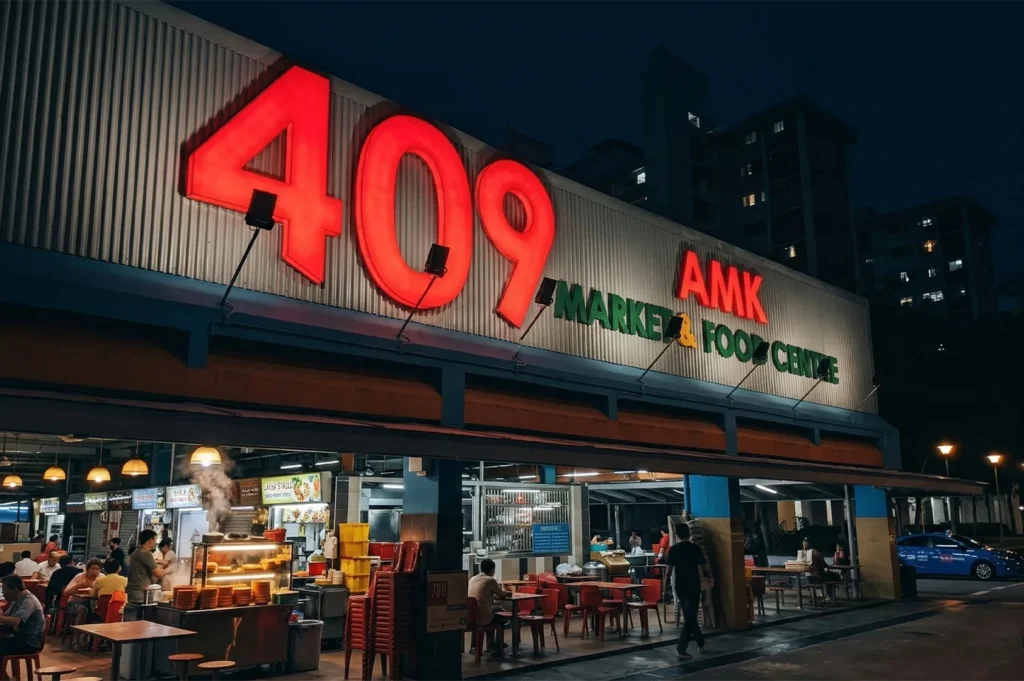
There’s a specific magic to a late-night supper hunt in Singapore. It’s the ritual of chasing a craving through the humidity to find that one stall that hits the spot. For me, that meant a pilgrimage to Ang Mo Kio Avenue 10. I arrived at 10 PM on a Friday, just as the ‘supper soul’ of the neighborhood was waking up, to see if the legendary Yummy Western lived up to the hype and earned its spot on the Eat Drink Asia list of heartland essentials.
The Vibe: Authentic Heartland Energy at Teck Ghee Square
This isn’t a sanitized, air-conditioned eatery. Located inside the bustling 409 AMK Market & Food Centre (locally known as Teck Ghee Square), Yummy Western is a sensory overload of high-powered industrial fans, bright fluorescent lights, and the intoxicating aroma of sizzling meats.
Watching the team behind this stall is a masterclass in efficiency; dishes fly out of the kitchen on double-quick time, even as the queue swells. Operating out of unit #01-29, they’ve famously maintained zero social media presence for over 40 years. While other stalls chase viral trends, Yummy Western sticks to a high-heat flat-top griddle and a legendary brown gravy.
The Food: A Masterclass in Old-School Hainanese Western
The menu is a love letter to “Hainanese Western” cuisine, unapologetically large portions, savory gravies, and traditional “set” sides. It is reminiscent of the bold savory flavors found in beloved dishes across hawker centres and food centres around Singapore.
The Star: Chicken Chop ($7.00)
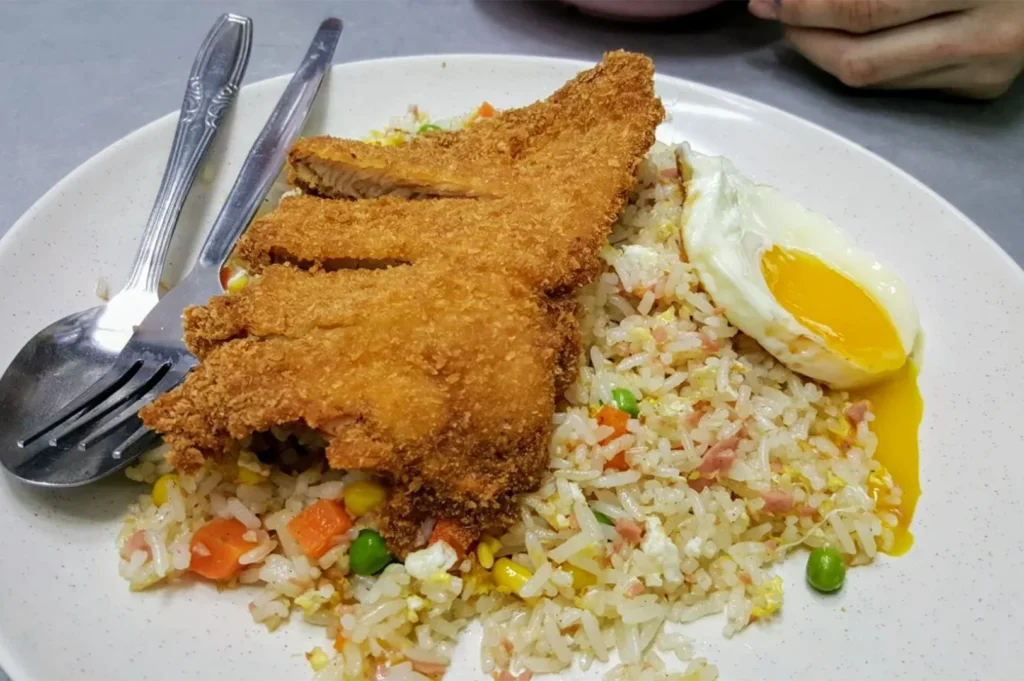
This is the “Top Food” node of the menu. The chop is “flat but large,” ensuring a massive surface area for that beautifully seared skin. It is repeatedly praised for being succulent and juicy, drowned in a robust brown gravy that delivers a savory-sweet hit.
- The Texture: The chicken is tender and succulent, flat-grilled to perfection, similar to the tender slices found in a premium Hainanese chicken rice.
- The Wow Factor: Unlike modern joints, they serve a thick, butter-toasted white bread that provides a golden crunch, echoing the buttery softness of roti prata, a traditional Singaporean breakfast staple.
- The Sides: You get the “classic quartet”, starchy-salty crisp fries, a mountain of crunchy mayo-forward coleslaw, baked beans, and that signature toasted bread.
The Supporting Cast: Beef Steak & Fish and Chips
- Beef Sirloin ($11.00): A massive, “flat but large” steak cooked to around medium-well. It has a juicy texture and a “good chew” that rivals the peppery kick of black pepper crabs found in Singapore’s seafood restaurants.
- Fish and Chips ($6.80): A large, crumb-battered king fish fillet that is shatteringly crisp on the outside and lean/flaky within, carrying that nostalgic pasar malam (night market) comfort.
Note on Consistency: During peak supper hours, fries can occasionally lose their crunch if they sit too long under the sauce. My advice? Eat them immediately while they’re still piping hot.
Reality Check: While the meats are the heroes, the toast and beans are classic hawker staples, and the coleslaw is heavily mayo-dressed, not a “new-gen” gimmick, but pure old-school comfort.
Service and Atmosphere at a Popular Food Centre
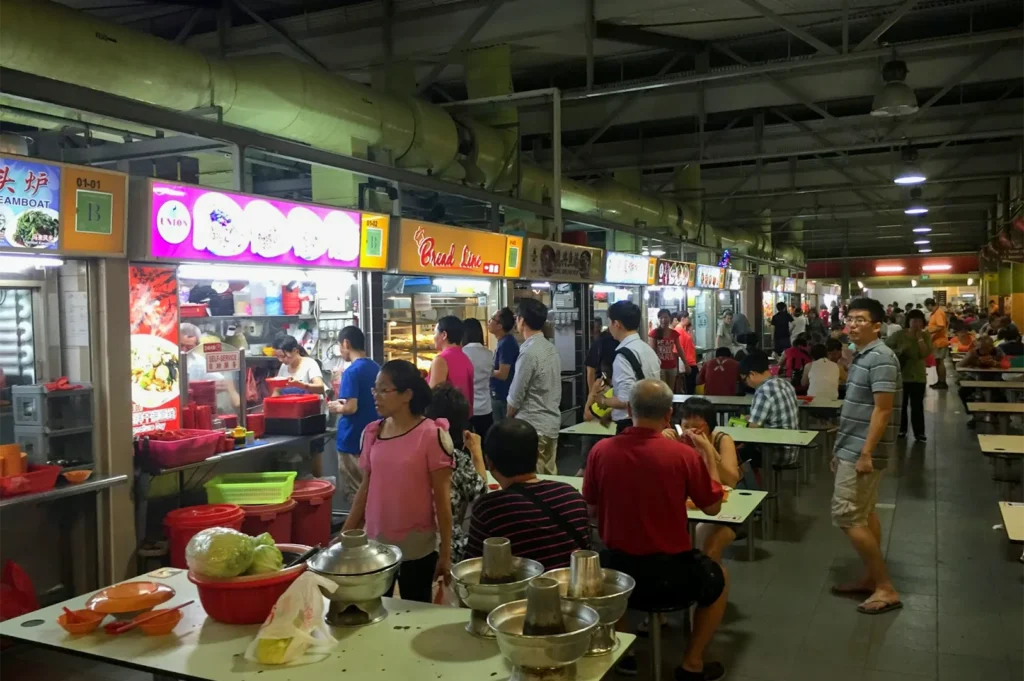
Despite the crowd, service is friendly and disciplined. Staff shout out order numbers with rhythmic clarity. On “Match Nights” or weekends, expect a 30-minute wait, a common occurrence for this neighborhood favorite. It’s a communal experience; you’ll sit on shared plastic chairs among students and families, all united by a craving for incredibly tasty local eats.
Practical Tips for the Top Food Hunter Exploring Singapore’s Best Hawker Stalls
- Price: Most items fall between S$7–S$15. It is incredible value for the portion size compared to many restaurants in Singapore.
- Best Time: They open at 12:00 PM and serve through 10:00 PM (Closed Mondays). Weekday early lunches or mid-afternoon lulls are best to avoid the 30-minute queue.
- Transport: A short bus ride from Ang Mo Kio MRT (NS16); HDB parking is available around the complex but gets tight during peak dinner hours.
- Insider Tip: They recently consolidated from two stalls to one (#01-29), so look for the bright yellow signage simply labeled “Western Food.”
Practical Food Tour: Exploring Top Food Singapore and Beloved Dishes
To understand why Yummy Western has survived for 41 years, one must look at the broader melting pot of local cuisine. The stall’s appeal isn’t an outlier; it’s part of a culture that celebrates bold, “saucy” satisfaction.
A comprehensive food tour of the island usually begins with Hainanese chicken rice, featuring fragrant rice cooked in chicken fat and pandan leaves. Whether you prefer roasted chicken or tender slices of poached meat, chicken rice is a cornerstone of Singapore’s history and a must-try on any visit.
The fragrant rice, often accompanied by pureed ginger and a trio of sauces including chili sauce and dark soy sauce, perfectly complements the tender chicken, creating a harmonious balance of flavors that exemplify the blends Chinese culinary influences with local tastes.
In famous hawker centres like Maxwell Food Centre, you’ll find other beloved dishes that define the Singapore food guide. This includes:
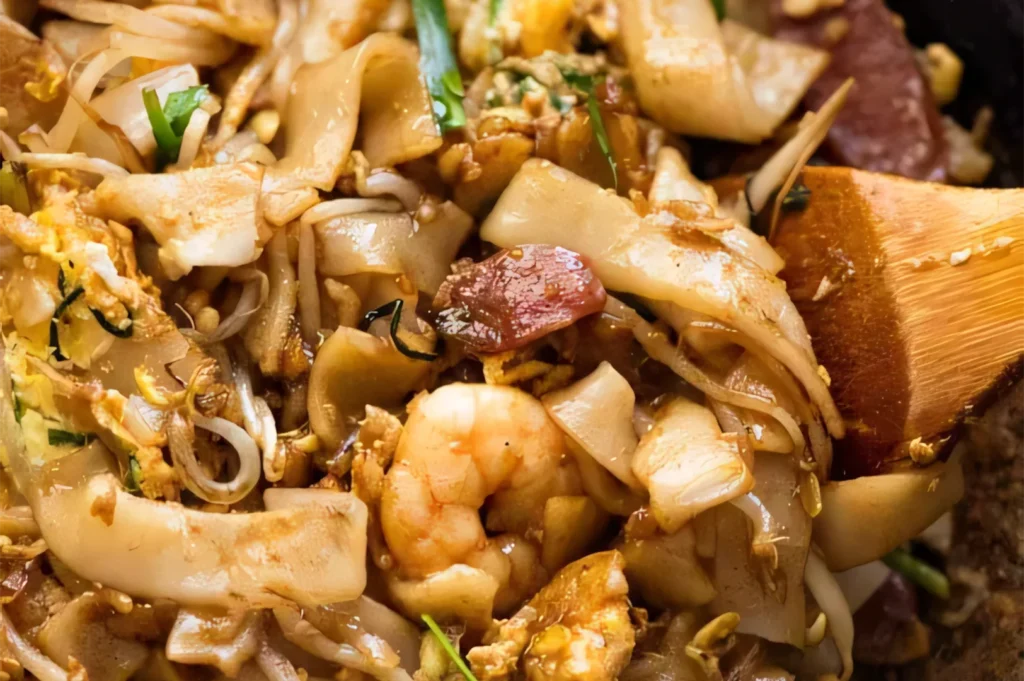
- Char Kway Teow: Where flat rice noodles are stir fried with pork lard, chinese sausage, bean sprouts, and blood cockles, delivering a smoky, savory flavor that is deeply satisfying.
- Bak Kut Teh: A dish that literally translates to “meat bone tea,” offering a peppery broth brewed from pork bones, typically served with fragrant rice and dark soy sauce, embodying the hearty comfort food loved by many locals.
- Bak Chor Mee: A savory egg noodles dish served dry with fish cake, minced pork, and a splash of vinegar, balancing tangy and savory notes in every bite.
Savoring Iconic Chili Crab, Chilli Crab, and Best Hawker Stalls
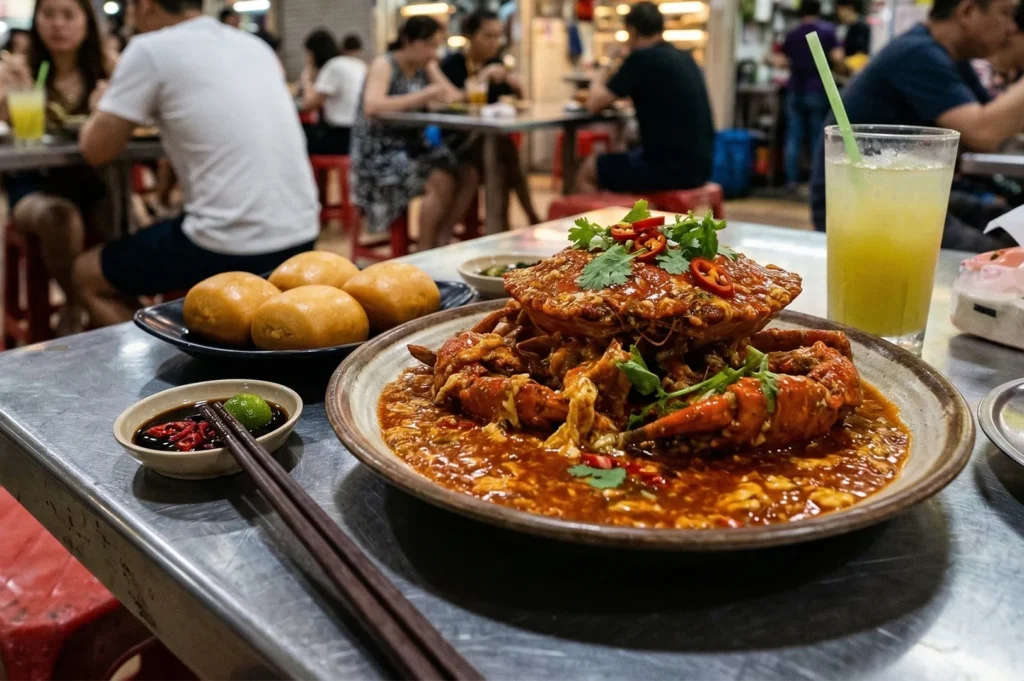
The bold spirit of the chicken chop’s spicy sauce is mirrored in the island’s obsession with chili crab (also spelled chilli crab). This popular dish is often paired with mantou (golden fried buns) or rice cakes to soak up the thick chilli sauce. If you are visiting singapore, the best hawker stalls offer a variety of seafood treasures, from black pepper crabs to the smoky oyster omelette. The indulgent nature of chili crab, with its sweet, tangy, and mildly spicy sauce, makes it a communal dish best enjoyed with friends or family, echoing the communal dining culture prevalent in Singapore.
The depth of flavor in these food centres is a result of chinese immigrants and peranakan food influences. You might find carrot cake, which is actually made from daikon radish, glutinous rice flour, and fried tofu, or elevated versions of nasi lemak at spots like The Coconut Club, where basmati rice is infused with coconut milk, creating a fragrant and rich base that elevates the dish to new heights.
Traditional Singaporean Breakfast and Local Coffee Culture
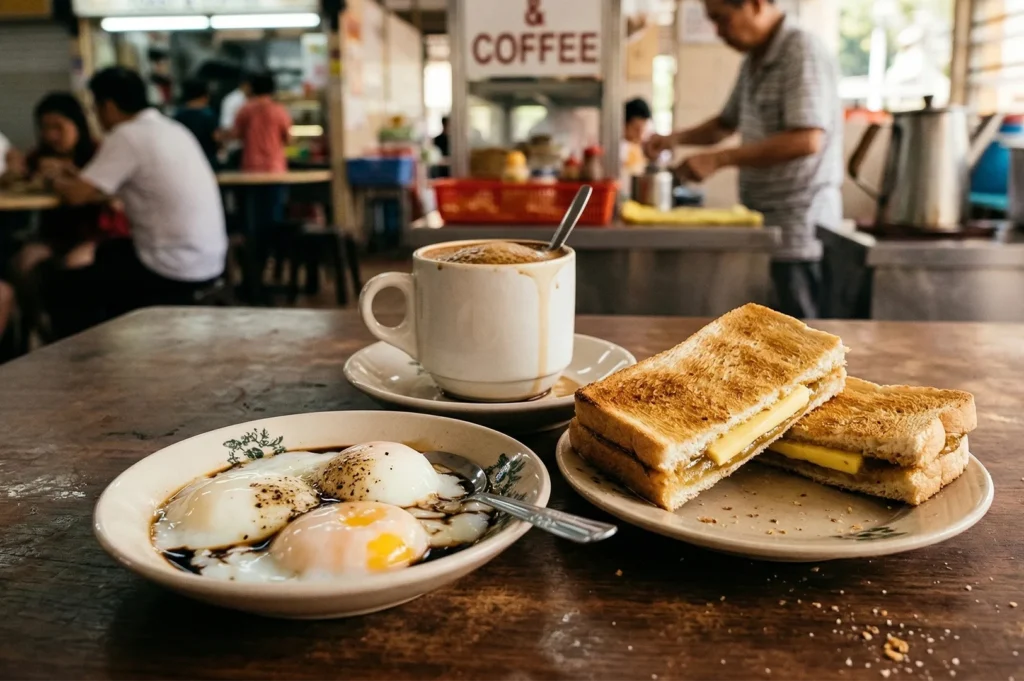
Just as the “supper” crowd loves their western food, the morning crowd congregates at the coffee shop for a traditional singaporean breakfast. You’ll find people sipping local coffee brewed with margarine for a caramelized finish, or enjoying:
- Kaya Toast & Soft Boiled Eggs: Seasoned with a dash of soy sauce, this simple yet delicious combination is a beloved way to start the day.
- Roti Prata (Roti Canai): A flaky flatbread served with spicy chili sauce or curry, offering a crispy exterior and soft, chewy interior that pairs perfectly with rich dipping sauces.
- Street Food Snacks: Like shaved ice topped with palm sugar (gula melaka) or a refreshing Singapore Sling at the Raffles Hotel, showcasing the diverse flavors Singapore has to offer.
Embracing Culinary Diversity at the Food Centre
From the chinese origins of pork belly to the complex beef rendang, the city is a gastronomic melting pot. Whether you are dining at high-end restaurants in singapore or hunting for incredibly tasty snacks at hawker stalls, every meal tells a story. By the time you reach the food centre at Ang Mo Kio, you realize that a plate of old-school chicken chop is just as much a part of the culture as a bowl of rice noodles in lime juice.
Yummy Western exemplifies the fusion of Western and local flavors, a culinary phenomenon born from Singapore’s colonial past and multicultural population. This “Hainanese Western” style combines elements like fried chicken and roasted chicken with gravy and sides that pair beautifully with the flavorful rice dishes found throughout the city. It is this blend of familiarity and innovation that keeps diners returning time and again.
if you’ve already conquered the old-school grills at Teck Ghee, you might find your next obsession just a short walk away. For a masterclass in Vietnamese street food, check out My Trip to Bánh Mì Saigon.
Final Verdict: A Heartland Institution
This deep appreciation for culinary history is what makes Yummy Western more than just a stall; it is a modern extension of the best hawker stalls legacy. It is a destination for the foodie seeking the top food singapore provides in its most unpretentious, time-tested form. #01-29 at 409 AMK has earned its permanent spot on the map, proving that heartland local eats can compete with any world-class dish.

Crunch, Sweet, and Heat: The Irresistible Textures of Southeast Asian Snacks
Dio Asahi | February 17, 2026
In the humid, sticky heat of Southeast Asia, where your shirt clings to your back and the air is thick with the sharp scent of oxidising oil, there’s a particular clink that always gets me. It’s the sound of a metal spatula striking a wok, a rhythmic percussion that’s as familiar to me now as…
-
The Living Pantry: How Geography and Trade Shaped the Food in the Southeast Region
Eat Drink Asia Team | February 14, 2026
To understand the plate is to understand the map. If you were to trace the spice routes of the 15th century or follow the monsoon winds that carried merchant ships across the Indian Ocean, you would find yourself at the epicenter of the world’s most vibrant pantry. The food in the Southeast region of Asia…
-
A Symphony of Senses: Why Southeast Asian Food is the World’s Greatest Culinary Journey
Dio Asahi | February 12, 2026
If you were to stand at a busy intersection in Bangkok, Ho Chi Minh City, or Jakarta and close your eyes, your nose would tell you a story before your eyes ever could. There is a specific, intoxicating perfume that defines Southeast Asian food: the sharp tang of lime juice hitting a hot wok, the…
-
The Alchemy of the Wok: The Story of Singapore-Style Bee Hoon
Eda Wong | February 10, 2026
Across the humid evening air of Singapore, a rhythmic clatter echoes from hawker stalls to high-rise kitchens—the sound of a metal spatula against a seasoned wok. Within that intense heat, rice vermicelli noodles undergoes a profound transformation, absorbing the golden hues of curry powder, the savory depths of soy sauce, and the smoky “breath” of…
-
The Sizzle of the Wok: An Exploration of Fried Bee Hoon Across Southeast Asia
Eat Drink Asia Team | February 7, 2026
Across Southeast Asia, from bustling hawker centers to family kitchens, the sizzle of rice vermicelli noodles hitting a hot wok is a universal comfort. Few dishes capture the spirit of Asian noodle culture as well as fried bee hoon. This stir fry, made with thin rice noodles, delivers a tasty meal any time of the…
-
The Silk of the East: A Deep Dive into Bee Hoon and the Art of Rice Vermicelli
Eda Wong | February 5, 2026
Across the bustling kitchens of Southeast Asia, one humble ingredient has woven itself into the fabric of countless beloved dishes. Bee hoon, the delicate rice vermicelli that transforms from brittle strands into silky noodles, represents centuries of culinary tradition and innovation. Whether you’ve savored Singapore noodles in a hawker center or encountered fried bee hoon…
-
The Eternal Hearth: A Journey Through the Soul of Indian Foods Vegetarian Traditions
Dio Asahi | February 3, 2026
In the vibrant tapestry of global gastronomy, few cultures have elevated the plant-based plate to an art form quite like India. While much of the world has recently turned toward meat alternatives for health or environmental reasons, Indian cuisine has been centered on the vegetable for millennia. This isn’t merely a dietary choice; it is…
-
The Essence of Jeju Citron Tea: A Distinctive Profile of Yuja Tea in Korea
Dio Asahi | January 31, 2026
Imagine sitting in a quiet, sun-drenched teahouse overlooking the dramatic volcanic coastline of Jeju Island. The steam rising from your cup carries an aroma that is at once familiar and yet entirely new—a version of Korean citron tea, or yuja cha, that tastes of sea salt, volcanic soil, and generations of island tradition. As you…
-
Korean Citron Tea: Health Benefits and Wellness Secrets
Eat Drink Asia Team | January 29, 2026
As the seasons change and a chill enters the air, many of us seek out comforting rituals to support our well-being. Imagine wrapping your hands around a steaming cup of Korean citron tea—also known as yuja-cha—its bright, citrus aroma soothing and revitalizing with every sip. More than just a winter treat, Korean citron tea is…
-
When the Izakaya Becomes the Plan: Izakaya Singapore Beyond Dinner
Dio Asahi | January 27, 2026
As you step behind the humble noren curtain, you’re greeted by glowing lanterns, sizzling charcoal-grilled skewers, and warm welcomes. This is izakaya, Japan’s casual pub, a vibrant part of Singapore’s dining scene. More than just yakitori and sake, izakayas offer a lively setting for social drinking and dining, perfect for fans of Japanese culture. Dating…